Segments - by Product (Body Reconstruction Products, Body Support and Recovery Products, Body Monitoring and Evaluation Devices, Accessories, Others), by Application (Knee Injuries, Shoulder Injuries, Foot and Ankle Injuries, Back and Spine Injuries, Hip and Groin Injuries, Others), by End User (Hospitals, Ambulatory Surgery Centers, Physiotherapy Centers and Clinics, Others)
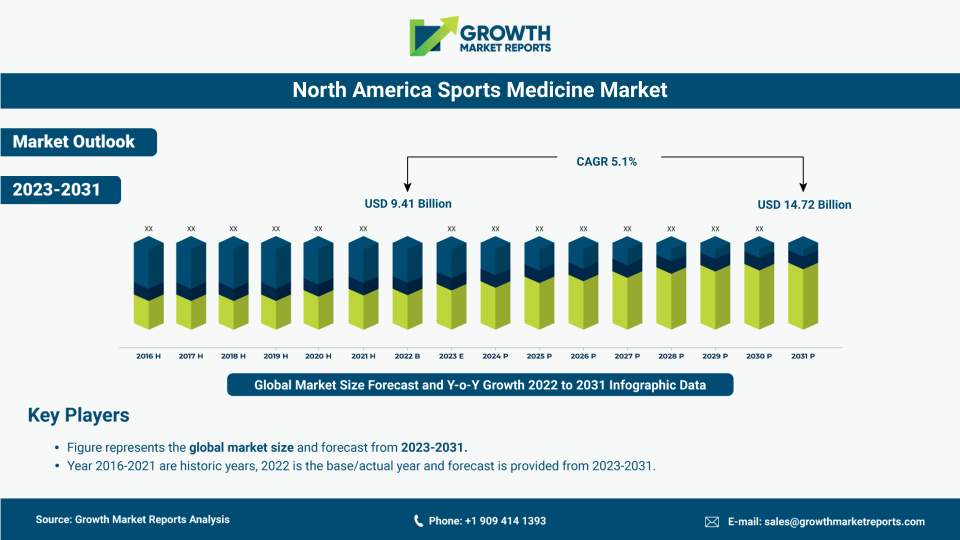
According to our latest research, the global sports medicine market size reached USD 8.6 billion in 2024, demonstrating a robust growth trajectory. The market is expected to expand at a CAGR of 6.2% from 2025 to 2033, reaching an estimated USD 14.7 billion by 2033. This impressive growth is driven by the rising prevalence of sports-related injuries, increasing participation in physical activities, and advancements in medical technologies tailored for sports injury management and rehabilitation. The surge in professional and amateur sports participation globally, coupled with heightened awareness of the benefits of early intervention and rehabilitation, continues to propel the sports medicine market forward.
One of the primary growth factors fueling the sports medicine market is the increasing incidence of sports injuries worldwide. With a significant portion of the population actively engaging in sports and fitness activities, both at amateur and professional levels, the demand for effective injury prevention, diagnosis, and treatment solutions has surged. The emergence of minimally invasive surgical techniques and advanced rehabilitation products has further enhanced patient outcomes, leading to faster recovery times and reduced risk of re-injury. Additionally, the growing focus on youth sports and the integration of sports into educational curricula have contributed to a higher incidence of sports-related injuries, thereby boosting the demand for sports medicine products and services.
Technological advancements represent another critical factor driving the growth of the sports medicine market. Innovations such as 3D-printed implants, regenerative medicine, wearable monitoring devices, and AI-powered diagnostic tools are revolutionizing the way sports injuries are managed. These technologies enable personalized treatment plans, continuous monitoring, and early detection of potential injuries, thereby improving patient care and outcomes. The adoption of telemedicine and remote rehabilitation solutions, particularly in the wake of the COVID-19 pandemic, has further expanded access to sports medicine services, enabling athletes to receive expert guidance and support regardless of their location. This technological evolution is expected to continue shaping the market landscape in the coming years.
The global rise in health consciousness and the emphasis on maintaining an active lifestyle have also played a pivotal role in the expansion of the sports medicine market. Governments and healthcare organizations are increasingly promoting physical activity as a means to combat chronic diseases and improve overall well-being. This has resulted in a surge in sports and fitness club memberships, marathons, and recreational sporting events, all of which contribute to a higher demand for sports medicine solutions. Furthermore, the growing aging population, which remains active longer than previous generations, is prone to sports-related injuries, thereby driving the need for advanced sports medicine interventions and rehabilitation services.
Winter sports, such as skiing and snowboarding, are exhilarating activities that attract millions of enthusiasts worldwide. However, they also come with a significant risk of injury, ranging from minor sprains to severe fractures. Winter Sports Injury Treatment has become a crucial aspect of sports medicine, focusing on the prevention, diagnosis, and management of injuries sustained during these activities. The treatment protocols often involve a combination of immediate first aid, advanced imaging techniques for accurate diagnosis, and tailored rehabilitation programs to ensure a safe return to the slopes. As winter sports continue to grow in popularity, the demand for specialized treatment solutions is expected to rise, driving further advancements in this niche of sports medicine.
From a regional perspective, North America continues to dominate the sports medicine market, accounting for the largest revenue share in 2024. This dominance can be attributed to the region's well-established healthcare infrastructure, high participation rates in sports, and significant investments in research and development. Europe follows closely, benefiting from a strong sports culture and government initiatives promoting physical activity. The Asia Pacific region, meanwhile, is witnessing the fastest growth, fueled by rising disposable incomes, increasing awareness about sports injury management, and the expansion of healthcare services. Latin America and the Middle East & Africa are also experiencing steady growth, although at a comparatively slower pace due to infrastructural and economic challenges.
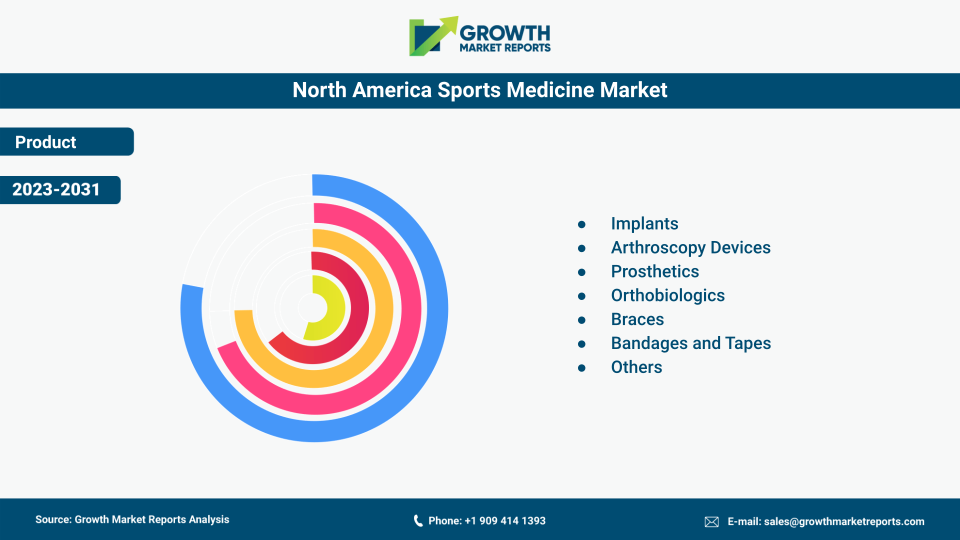
The sports medicine market is segmented by product into body reconstruction products, body support and recovery products, body monitoring and evaluation devices, accessories, and others. Body reconstruction products, such as surgical equipment, implants, and prosthetics, constitute a significant portion of the market due to the high prevalence of severe sports injuries requiring surgical intervention. The demand for these products is driven by advancements in biomaterials, minimally invasive surgical techniques, and the increasing adoption of arthroscopic procedures. Leading manufacturers are focusing on developing innovative implants and grafts that offer improved biocompatibility, durability, and faster integration with natural tissues, thereby enhancing patient outcomes and reducing recovery times.
Body support and recovery products, including braces, supports, compression garments, and physiotherapy equipment, are witnessing substantial growth as athletes and active individuals seek effective solutions for injury prevention, pain management, and post-injury rehabilitation. The growing popularity of preventive care and early intervention strategies has led to increased adoption of these products among both professional athletes and recreational sports enthusiasts. Manufacturers are leveraging advanced materials and ergonomic designs to provide superior comfort, support, and functionality, catering to the diverse needs of users across different sports disciplines.
The body monitoring and evaluation devices segment is gaining traction with the proliferation of wearable technologies and smart devices that enable real-time tracking of physiological parameters, biomechanics, and performance metrics. These devices play a crucial role in injury prevention, early detection of musculoskeletal issues, and personalized rehabilitation programs. Integration with AI and data analytics platforms allows for comprehensive analysis and actionable insights, empowering healthcare professionals and athletes to make informed decisions regarding training, recovery, and injury management. The rising adoption of digital health solutions and remote monitoring capabilities is expected to further drive the growth of this segment in the coming years.
The accessories and others segment encompasses a wide range of products, including tapes, bandages, hot and cold therapy packs, and nutritional supplements. While these products represent a smaller share of the overall market, their importance in supporting injury management and enhancing recovery cannot be overlooked. The increasing focus on holistic approaches to sports medicine, which combine medical interventions with supportive care and lifestyle modifications, is contributing to steady demand for these ancillary products. Manufacturers are continuously innovating to offer user-friendly, effective, and affordable solutions that address the evolving needs of the sports medicine community.
| Attributes | Details |
| Report Title | Sports Medicine Market Research Report 2033 |
| By Product | Body Reconstruction Products, Body Support and Recovery Products, Body Monitoring and Evaluation Devices, Accessories, Others |
| By Application | Knee Injuries, Shoulder Injuries, Foot and Ankle Injuries, Back and Spine Injuries, Hip and Groin Injuries, Others |
| By End User | Hospitals, Ambulatory Surgery Centers, Physiotherapy Centers and Clinics, Others |
| Regions Covered | North America, Europe, APAC, Latin America, MEA |
| Base Year | 2024 |
| Historic Data | 2018-2023 |
| Forecast Period | 2025-2033 |
| Number of Pages | 261 |
| Number of Tables & Figures | 301 |
| Customization Available | Yes, the report can be customized as per your need. |
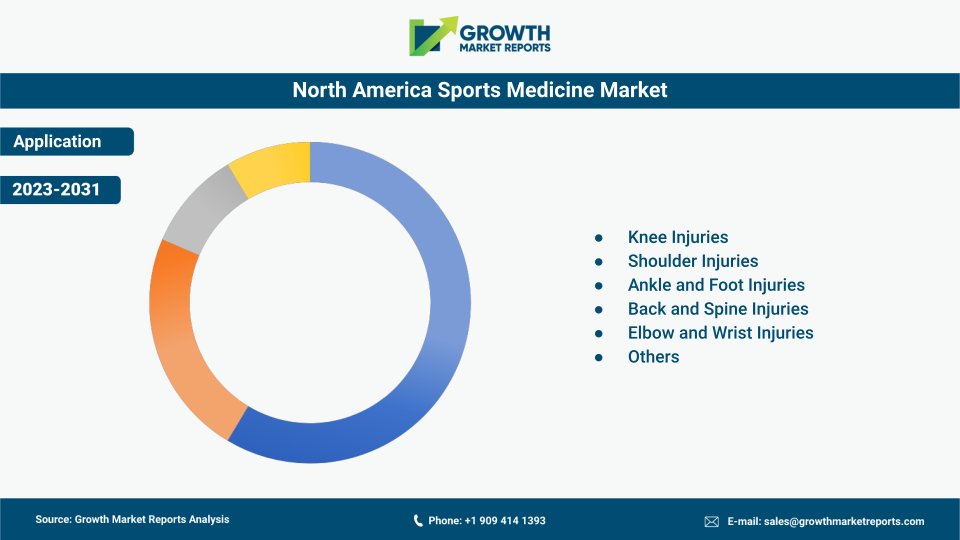
The sports medicine market is further segmented by application, including knee injuries, shoulder injuries, foot and ankle injuries, back and spine injuries, hip and groin injuries, and others. Knee injuries represent the largest application segment, accounting for a significant share of the market. This dominance is primarily due to the high incidence of ligament tears, meniscal injuries, and patellar dislocations among athletes participating in high-impact sports such as football, basketball, and soccer. The availability of advanced surgical techniques, such as arthroscopy and ligament reconstruction, along with effective rehabilitation protocols, has significantly improved the prognosis for knee injury patients, driving demand for sports medicine products and services in this segment.
Shoulder injuries constitute another major application area, particularly among athletes involved in overhead sports like baseball, tennis, and swimming. Common shoulder injuries include rotator cuff tears, dislocations, and labral injuries, which often require a combination of surgical and non-surgical interventions. The development of minimally invasive procedures, biologic therapies, and specialized rehabilitation equipment has enhanced the management of shoulder injuries, resulting in faster recovery and reduced downtime for athletes. The growing emphasis on early diagnosis and preventive care is further contributing to the expansion of this application segment.
Foot and ankle injuries are prevalent among runners, dancers, and athletes participating in sports that involve rapid changes in direction or jumping. Sprains, fractures, and Achilles tendon injuries are among the most common conditions in this category. The increasing use of advanced imaging techniques, regenerative therapies, and customized orthotic devices has improved the accuracy of diagnosis and effectiveness of treatment for foot and ankle injuries. Sports medicine professionals are also focusing on injury prevention strategies, such as biomechanical assessments and tailored training programs, to reduce the risk of recurrence and optimize athletic performance.
Back and spine injuries and hip and groin injuries are also significant contributors to the sports medicine market, particularly among athletes engaged in contact sports and activities that place substantial stress on the core and lower body. The management of these injuries often involves a multidisciplinary approach, combining physical therapy, pain management, surgical intervention, and lifestyle modifications. Advances in minimally invasive spine surgery, regenerative medicine, and targeted rehabilitation protocols are enhancing patient outcomes and expanding the range of treatment options available. The "others" category includes less common but equally important sports injuries, such as those affecting the elbow, wrist, and hand, which require specialized care and tailored interventions.
The sports medicine market is segmented by end user into hospitals, ambulatory surgery centers, physiotherapy centers and clinics, and others. Hospitals represent the largest end-user segment, owing to their comprehensive range of services, access to advanced medical technologies, and multidisciplinary teams of healthcare professionals. Hospitals are equipped to handle complex sports injuries that require surgical intervention, advanced imaging, and intensive rehabilitation, making them the preferred choice for both acute and chronic cases. The increasing number of sports medicine departments and specialized orthopedic units within hospitals is further boosting their market share.
Ambulatory surgery centers (ASCs) are gaining prominence as cost-effective alternatives to traditional hospital settings for the treatment of sports injuries. ASCs offer a range of minimally invasive procedures, shorter wait times, and reduced risk of hospital-acquired infections, making them an attractive option for patients seeking efficient and convenient care. The growing trend towards outpatient surgeries, driven by advancements in surgical techniques and anesthesia, is expected to fuel the expansion of ASCs in the sports medicine market. These centers are particularly popular for procedures such as arthroscopy, tendon repairs, and ligament reconstructions.
Physiotherapy centers and clinics play a crucial role in the sports medicine ecosystem, focusing on non-surgical management, rehabilitation, and injury prevention. These facilities offer a variety of services, including manual therapy, exercise prescription, electrotherapy, and sports-specific training programs. The increasing emphasis on early intervention, functional recovery, and return-to-play protocols has led to a surge in demand for physiotherapy services among athletes and active individuals. Collaboration between physiotherapists, sports physicians, and orthopedic surgeons is essential for delivering comprehensive care and optimizing patient outcomes.
The "others" category includes specialized sports medicine centers, research institutions, and academic medical centers that contribute to the advancement of sports medicine through research, education, and innovation. These entities play a vital role in developing new treatment modalities, conducting clinical trials, and training the next generation of sports medicine professionals. Their contributions are instrumental in driving the evolution of the sports medicine market and ensuring the availability of cutting-edge solutions for athletes at all levels.
The sports medicine market presents numerous opportunities for growth and innovation. One of the most promising areas is the integration of digital health technologies, such as wearable devices, telemedicine platforms, and AI-powered analytics, into sports injury prevention, diagnosis, and rehabilitation. These technologies enable real-time monitoring, personalized treatment plans, and remote consultations, thereby enhancing patient engagement and improving outcomes. The growing adoption of regenerative medicine, including stem cell therapy and platelet-rich plasma (PRP) injections, offers new avenues for tissue repair and accelerated recovery, particularly for chronic and hard-to-treat injuries. Additionally, the expansion of sports medicine services into emerging markets, driven by rising disposable incomes and increasing awareness of sports injury management, presents significant growth potential for industry players.
Another major opportunity lies in the development of customized and sport-specific solutions tailored to the unique needs of athletes across different disciplines. Manufacturers and healthcare providers are increasingly focusing on personalized care, leveraging advances in biomaterials, biomechanics, and data analytics to design products and protocols that address the specific demands of various sports. Collaborations between sports organizations, academic institutions, and industry stakeholders are fostering innovation and accelerating the translation of research findings into practical applications. Furthermore, the increasing emphasis on preventive care and education, supported by government initiatives and public health campaigns, is expected to drive long-term demand for sports medicine products and services.
Despite the numerous opportunities, the sports medicine market faces several challenges and restraining factors. One of the primary threats is the high cost of advanced sports medicine products and procedures, which can limit access to care, particularly in low- and middle-income regions. Reimbursement issues, regulatory hurdles, and the complexity of navigating diverse healthcare systems also pose significant barriers to market entry and expansion. Additionally, the risk of complications and adverse outcomes associated with certain surgical procedures and medical devices may deter some patients and healthcare providers from adopting new technologies. Addressing these challenges will require ongoing investment in research, education, and policy advocacy to ensure the safe, effective, and equitable delivery of sports medicine solutions worldwide.
In 2024, North America dominated the global sports medicine market with a market size of USD 3.4 billion, accounting for approximately 40% of the total market share. The region's leadership position is underpinned by a well-established healthcare infrastructure, high levels of sports participation, and significant investments in research and development. The presence of major market players, coupled with a strong focus on innovation and the adoption of advanced medical technologies, has further cemented North America's status as the epicenter of the sports medicine industry. The United States, in particular, is a key contributor, driven by its robust sports culture, extensive network of sports medicine specialists, and supportive regulatory environment.
Europe is the second-largest market, with a market size of USD 2.5 billion in 2024. The region benefits from a rich sporting tradition, comprehensive healthcare systems, and proactive government initiatives promoting physical activity and injury prevention. Countries such as Germany, the United Kingdom, and France are at the forefront of sports medicine innovation, supported by strong collaborations between academic institutions, healthcare providers, and industry stakeholders. The European market is characterized by a high adoption rate of advanced surgical techniques, rehabilitation protocols, and digital health solutions, contributing to steady market growth. The region is projected to grow at a CAGR of 5.8% through 2033.
The Asia Pacific region is emerging as the fastest-growing market, with a market size of USD 1.7 billion in 2024 and a projected CAGR of 7.5% from 2025 to 2033. This rapid growth is driven by increasing sports participation, rising disposable incomes, and expanding access to healthcare services. Countries such as China, Japan, India, and Australia are witnessing significant investments in sports infrastructure, medical education, and research, fueling demand for sports medicine products and services. The growing awareness of sports injury management and the integration of digital health technologies are further accelerating market expansion in the region. Latin America and the Middle East & Africa, with market sizes of USD 0.6 billion and USD 0.4 billion respectively, are experiencing steady growth, albeit at a slower pace due to infrastructural and economic constraints.
The sports medicine market is highly competitive, characterized by the presence of numerous global and regional players striving to gain a larger market share through product innovation, strategic partnerships, and geographic expansion. Leading companies are investing heavily in research and development to introduce cutting-edge products and technologies that address the evolving needs of athletes and healthcare professionals. The competitive landscape is further shaped by mergers and acquisitions, collaborations with academic institutions and sports organizations, and the pursuit of regulatory approvals for novel medical devices and therapies. Companies are also focusing on expanding their product portfolios to include a comprehensive range of solutions, from surgical implants and diagnostic devices to rehabilitation equipment and digital health platforms.
Innovation remains a key differentiator in the sports medicine market, with companies leveraging advances in biomaterials, regenerative medicine, and digital technologies to enhance the safety, efficacy, and user experience of their products. The integration of AI, machine learning, and data analytics into sports injury management is enabling more accurate diagnosis, personalized treatment planning, and continuous monitoring of patient progress. Major players are also investing in educational initiatives and training programs to support healthcare professionals and promote the adoption of best practices in sports medicine. The emphasis on evidence-based care and patient-centered approaches is driving the development of solutions that deliver measurable improvements in outcomes and quality of life.
The market is also witnessing increased activity from startups and emerging companies that are introducing disruptive technologies and business models. These entrants are focusing on niche segments, such as wearable monitoring devices, tele-rehabilitation platforms, and sport-specific injury prevention solutions, challenging established players and driving competition. Collaborations between startups, established companies, and academic institutions are fostering a culture of innovation and accelerating the commercialization of new products and therapies. The dynamic nature of the sports medicine market ensures a constant influx of new ideas, products, and services, benefiting athletes and patients worldwide.
Some of the major companies operating in the global sports medicine market include Smith & Nephew plc, Arthrex, Inc., Stryker Corporation, Zimmer Biomet Holdings, Inc., Johnson & Johnson (DePuy Synthes), DJO Global, Inc., CONMED Corporation, Mueller Sports Medicine, Inc., Medtronic plc, and Breg, Inc. These companies are recognized for their extensive product portfolios, strong global presence, and commitment to innovation. For instance, Smith & Nephew and Arthrex are renowned for their advanced arthroscopy products and minimally invasive surgical solutions, while Stryker and Zimmer Biomet are leaders in orthopedic implants and trauma products. Johnson & Johnson (DePuy Synthes) offers a comprehensive range of sports medicine solutions, including surgical instruments, implants, and biologics. DJO Global and Breg are prominent players in the body support and recovery segment, offering braces, supports, and rehabilitation devices tailored to the needs of athletes.
These leading companies continue to shape the sports medicine market through ongoing investments in research and development, strategic acquisitions, and partnerships with healthcare providers and sports organizations. Their focus on delivering high-quality, innovative, and evidence-based solutions ensures the continued advancement of sports medicine and the availability of effective care for athletes and active individuals worldwide. As the market evolves, the competitive landscape is expected to become even more dynamic, with new entrants and disruptive technologies driving further growth and innovation.
The Sports Medicine market has been segmented on the basis of
Key players competing in the Sports Medicine market are Johnson & Johnson; Zimmer Biomet Holdings Inc; Stryker Corporation; ConMed Corporation; Smith & Nephew.

Opportunities include the integration of digital health technologies, development of personalized and sport-specific solutions, expansion into emerging markets, and increased focus on preventive care and education.
Major players include Smith & Nephew plc, Arthrex, Inc., Stryker Corporation, Zimmer Biomet Holdings, Johnson & Johnson (DePuy Synthes), DJO Global, CONMED Corporation, Mueller Sports Medicine, Medtronic plc, and Breg, Inc.
Key challenges include the high cost of advanced products and procedures, reimbursement and regulatory hurdles, and limited access to care in low- and middle-income regions.
Innovations such as 3D-printed implants, regenerative medicine, wearable monitoring devices, AI-powered diagnostic tools, and telemedicine are revolutionizing sports injury management and rehabilitation.
Primary end users include hospitals, ambulatory surgery centers, physiotherapy centers and clinics, as well as specialized sports medicine centers and research institutions.
Knee injuries are the most common, followed by shoulder injuries, foot and ankle injuries, back and spine injuries, and hip and groin injuries.
The market is segmented into body reconstruction products, body support and recovery products, body monitoring and evaluation devices, accessories, and others.
North America holds the largest share of the sports medicine market, followed by Europe. The Asia Pacific region is experiencing the fastest growth due to rising disposable incomes and expanding healthcare access.
Key growth drivers include the rising prevalence of sports-related injuries, increased participation in sports and physical activities, technological advancements in injury management, and greater awareness of early intervention and rehabilitation.
As of 2024, the global sports medicine market size reached USD 8.6 billion and is projected to grow to USD 14.7 billion by 2033.