Segments - by Product Type (Equipment, Apparel, Footwear, Accessories), by Sport Type (Team Sports, Individual Sports, Fitness and Gym, Adventure Sports, Others), by Distribution Channel (Online Stores, Supermarkets/Hypermarkets, Specialty Stores, Others), by End User (Men, Women, Children, Unisex)
This report is updated with the latest market data and insights as of June 2026. Base year: 2025 | Forecast period: 2026-2034
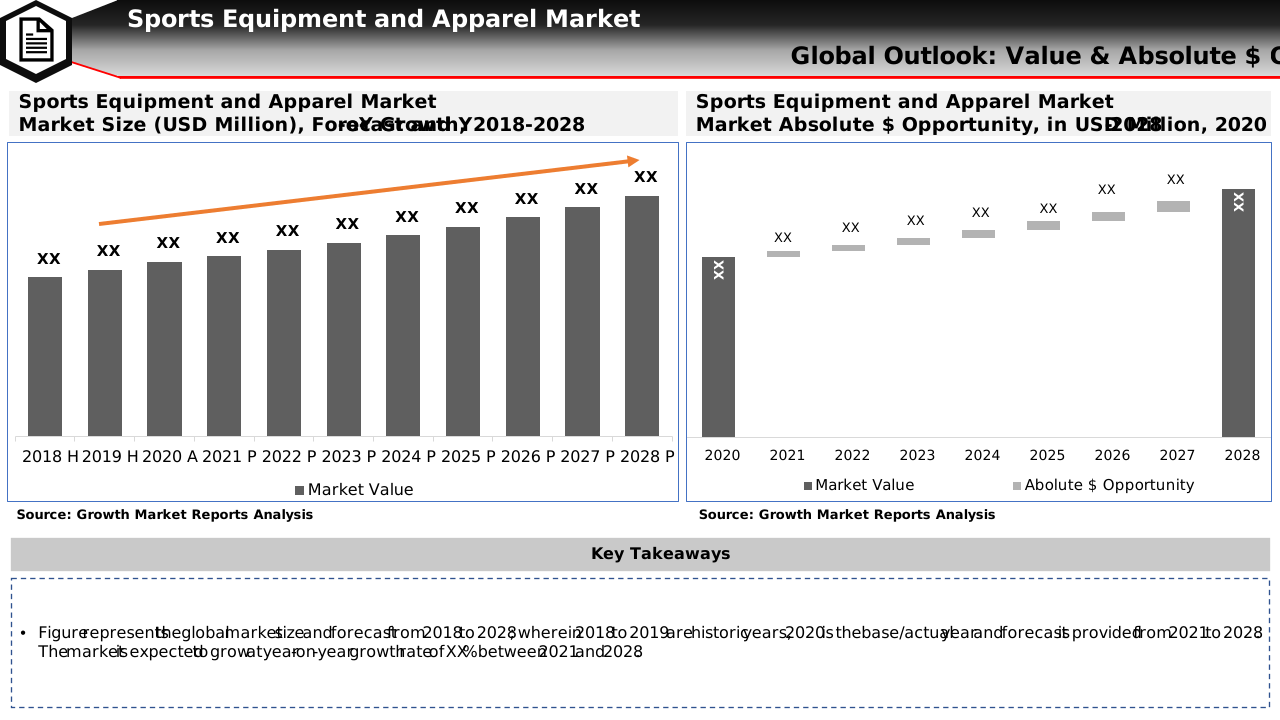
According to our latest research, the global sports equipment and apparel market size reached USD 400.8 billion in 2025, reflecting robust consumer demand across both established and emerging economies. The market is expected to grow at a CAGR of 6.9% from 2026 to 2034, with the total value anticipated to reach USD 731.6 billion by 2034. This growth is primarily driven by increasing health awareness, the proliferation of fitness activities, and the rising influence of sports celebrities and global sporting events. As per our comprehensive analysis, the market continues to witness dynamic changes in consumer preferences, technological advancements, and distribution strategies, all of which are shaping the competitive landscape and future opportunities.
One of the most significant growth factors for the sports equipment and apparel market is the global surge in health consciousness and fitness participation. With rising awareness about the importance of physical health, consumers are increasingly adopting active lifestyles, leading to higher participation in sports, fitness routines, and outdoor activities. This shift is particularly evident in urban populations, where sedentary work habits are prompting individuals to seek regular exercise as a counterbalance. Furthermore, the increased prevalence of lifestyle-related diseases such as obesity and diabetes has motivated both young and older demographics to invest in quality sports and leisure equipment and apparel, further fueling market expansion. The integration of fitness into daily life, coupled with the social aspect of sports, has created a sustainable demand pattern that is expected to persist throughout the forecast period.
Technological innovation is another key driver propelling the sports equipment and apparel market forward. Manufacturers are investing heavily in research and development to introduce advanced materials, ergonomic designs, and connected fitness gear such as AI-powered wearables and smart shoes. The advent of moisture-wicking fabrics, lightweight yet durable construction, and data-driven performance analytics has redefined consumer expectations. These innovations not only enhance performance and comfort but also cater to the growing demand for personalized and science-backed fitness experiences. The integration of technology into apparel and equipment has become a differentiating factor for brands, enabling them to attract tech-savvy consumers and elite athletes alike. As a result, product innovation remains at the core of competitive strategies within the industry.
The influence of global sporting events and the expanding reach of sports celebrities and influencers are also instrumental in shaping the market. International tournaments such as the 2024 Paris Olympics, the 2026 FIFA World Cup, and major leagues like the NBA and IPL generate massive consumer interest and drive substantial sales spikes. Additionally, the endorsement of products by renowned athletes and social media influencers amplifies brand visibility and credibility, encouraging consumers to emulate their favorite stars. This trend is further supported by aggressive marketing campaigns and collaborations between brands and sports personalities, which help in launching exclusive collections and limited-edition products. The aspirational value associated with sports apparel and equipment continues to be a powerful motivator for purchase decisions, especially among younger demographics.
From a regional perspective, Asia Pacific is the fastest-growing market for sports equipment and apparel, outpacing traditional strongholds like North America and Europe. The region's burgeoning middle class, rapid urbanization, and increasing disposable incomes are creating a conducive environment for market growth. Countries such as China, India, and Indonesia are witnessing a surge in sports participation, government investments in sports infrastructure, and the rapid expansion of fitness centers and gyms. Moreover, the influence of global sports culture, coupled with the popularity of indigenous sports, is broadening the consumer base. While North America and Europe continue to hold dominant market shares due to established sports traditions and high per-capita spending, the dynamic growth in Asia Pacific is expected to significantly reshape the global competitive landscape by 2034.
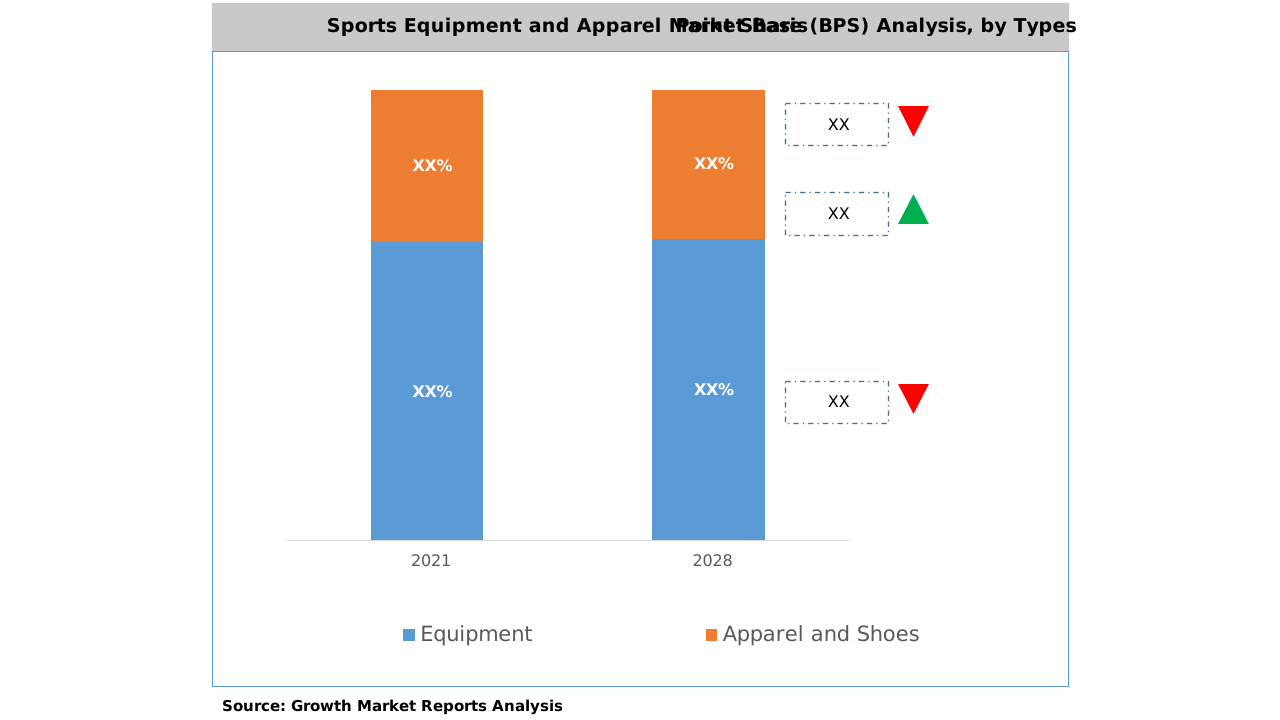
The product type segment of the sports equipment and apparel market is broadly categorized into equipment, apparel, footwear, and accessories. Each of these sub-segments plays a critical role in overall market dynamics, catering to diverse consumer needs and sporting requirements. Sports equipment, which includes items such as balls, rackets, bats, protective gear, and fitness machines, commands the largest share at approximately 31.2% of the 2025 market. Demand for high-quality, durable, and technologically advanced equipment is on the rise, particularly among sports enthusiasts and athletes who prioritize performance and safety. As sports participation continues to grow worldwide, the equipment segment is expected to maintain steady growth, supported by continuous product innovation and the introduction of sport-specific gear. The broader sports protective equipment category is also gaining momentum as safety awareness increases across both amateur and professional levels.
Sports apparel represents another substantial component of the market, accounting for approximately 29.8% of the global share in 2025 and encompassing a wide range of clothing designed for various sports and fitness activities. This segment has witnessed remarkable growth, driven by the increasing preference for athleisure wear, which blurs the line between sportswear and casual fashion. The adoption of moisture-wicking, breathable, and stretchable fabrics has enhanced the comfort and functionality of sports apparel, making it suitable for both athletic and everyday use. The trend of personalized and customized apparel, along with the influence of sports celebrities, has further boosted demand. Brands are leveraging collaborations and limited-edition releases to create exclusivity and appeal to fashion-conscious consumers, thereby expanding their market reach.
Footwear accounts for approximately 28.5% of the global market in 2025 and represents a pivotal sub-segment, with a diverse range of products catering to different sports, fitness routines, and lifestyle preferences. The demand for specialized sports shoes, such as running, basketball, soccer, and training footwear, is driven by the need for enhanced performance, injury prevention, and comfort. Technological advancements in sole design, cushioning systems, and material composition have revolutionized sports footwear, making it a key area of investment for manufacturers. The rise of sneaker culture, supported by collaborations with designers and celebrities, has elevated sports footwear to a fashion statement, attracting both athletes and general consumers. As a result, the footwear segment continues to exhibit robust growth, with brands focusing on innovation and sustainability to retain market leadership.
Accessories, including items such as sports bags, caps, socks, gloves, and wearable fitness trackers, form approximately 10.5% of the 2025 global market. These products complement primary sports equipment and apparel, enhancing convenience, safety, and the overall sporting experience. The growing trend of accessorizing sports outfits, coupled with the increasing adoption of wearable fitness technology, has contributed to the steady expansion of this segment. Consumers are seeking multifunctional and stylish accessories that align with their active lifestyles, prompting brands to diversify their product offerings. The integration of smart technology into accessories, such as GPS-enabled watches and biometric monitors, is expected to further drive growth and add meaningful value to consumers through 2034.
| Attributes | Details |
| Report Title | Sports Equipment and Apparel Market Research Report 2034 |
| By Product Type | Equipment, Apparel, Footwear, Accessories |
| By Sport Type | Team Sports, Individual Sports, Fitness and Gym, Adventure Sports, Others |
| By Distribution Channel | Online Stores, Supermarkets/Hypermarkets, Specialty Stores, Others |
| By End User | Men, Women, Children, Unisex |
| Regions Covered | North America, Europe, APAC, Latin America, MEA |
| Base Year | 2025 |
| Historic Data | 2019-2024 |
| Forecast Period | 2026-2034 |
| Number of Pages | 252 |
| Number of Tables & Figures | 301 |
| Customization Available | Yes, the report can be customized as per your need. |
The sports equipment and apparel market is segmented by sport type into team sports, individual sports, fitness and gym, adventure sports, and others. Team sports, such as football, basketball, cricket, and hockey, account for a significant share of the market due to their widespread popularity and organized participation at school, collegiate, and professional levels. The demand for team sports equipment and apparel is driven by regular tournaments, leagues, and community events, which require constant replenishment of gear and uniforms. The social and collaborative aspects of team sports foster a sense of belonging and camaraderie, encouraging sustained engagement and repeat purchases. Brands often capitalize on team sponsorships and partnerships to enhance visibility and drive sales within this segment. The growing ecosystem of team sports retail is also evolving rapidly, with omnichannel strategies enabling brands to connect more directly with club-level and grassroots participants.
Individual sports, including tennis, golf, badminton, and cycling, represent another important segment, characterized by the need for specialized equipment and personalized apparel. The growth of individual sports is fueled by increasing awareness about the benefits of self-paced physical activity and the desire for personal achievement. This segment attracts a diverse demographic, ranging from young enthusiasts to older adults seeking low-impact exercise options. The emphasis on performance optimization and injury prevention has led to the development of sport-specific products, tailored to the unique requirements of each discipline. Manufacturers are focusing on ergonomic designs, lightweight materials, and advanced technologies to cater to the evolving needs of individual sports participants.
The fitness and gym segment has experienced exponential growth, reflecting the global fitness boom and the proliferation of health clubs, gyms, and home workout solutions. The demand for fitness equipment, activewear, and accessories is driven by the increasing popularity of activities such as yoga, pilates, strength training, and cardio workouts. The post-pandemic period accelerated a sustained shift toward both home-based and studio fitness, prompting consumers to invest in compact and multifunctional equipment, as well as comfortable and stylish gym apparel. Brands are responding by offering versatile products that cater to both professional trainers and casual exercisers, with a growing focus on sustainability and eco-friendly materials.
Adventure sports, encompassing activities such as hiking, climbing, skiing, and water sports, constitute a niche yet rapidly growing segment of the market. The appeal of adventure sports lies in the thrill of exploration and the pursuit of unique experiences, attracting a dedicated community of enthusiasts. The demand for durable, weather-resistant, and high-performance equipment and apparel is paramount in this segment, given the challenging environments and safety considerations involved. Manufacturers are investing in advanced materials and innovative designs to meet the stringent requirements of adventure sports, while also promoting responsible and sustainable practices. The increasing popularity of eco-tourism and outdoor recreation through 2025 and beyond is expected to further drive growth in this segment.
The distribution channel landscape for sports equipment and apparel is evolving rapidly, with a marked shift toward online stores alongside traditional retail formats such as supermarkets and hypermarkets, specialty stores, and others. Online stores have emerged as a dominant and fastest-growing channel, offering consumers unparalleled convenience, a wide product selection, and competitive pricing. The proliferation of e-commerce platforms and direct-to-consumer (DTC) models has enabled brands to reach a global audience, bypassing intermediaries and enhancing customer engagement. The integration of advanced technologies such as augmented reality (AR) for virtual try-ons and AI-driven personalized recommendations has further enriched the online shopping experience, driving higher conversion rates and repeat purchases.
Supermarkets and hypermarkets continue to play a significant role in the distribution of sports equipment and apparel, particularly in regions where organized retail infrastructure is well-developed. These outlets offer the advantage of one-stop shopping, enabling consumers to purchase sports products alongside their regular groceries and household items. The presence of dedicated sports sections and periodic promotional campaigns helps drive foot traffic and impulse purchases. However, the challenge for supermarkets lies in maintaining a diverse and up-to-date product assortment, given the rapidly changing trends and consumer preferences in the sports industry. Strategic partnerships with leading brands and exclusive in-store launches are common tactics employed to attract and retain customers.
Specialty stores, which focus exclusively on sports equipment and apparel, are highly valued for their expert advice, personalized service, and curated product offerings. These stores cater to both amateur and professional athletes, providing access to the latest innovations, sport-specific gear, and custom fittings. The in-store experience is enhanced by knowledgeable staff, product demonstrations, and community events, fostering customer loyalty and brand advocacy. While specialty stores face competition from online channels, their emphasis on quality, authenticity, and customer relationships continues to differentiate them in the market. Many specialty retailers are adopting omnichannel strategies, integrating online and offline touchpoints to deliver a seamless shopping experience.
Other distribution channels, including department stores, pop-up shops, and sports clubs, contribute to the overall market by offering unique and localized shopping experiences. Department stores often feature exclusive collaborations and seasonal collections, attracting fashion-conscious consumers and gift shoppers. Pop-up shops and temporary retail formats are leveraged by brands to create buzz around new product launches, limited editions, and special events. Sports clubs and fitness centers also serve as important distribution points for branded merchandise and equipment, capitalizing on captive audiences and targeted marketing opportunities. Brands are also exploring the emerging category of sports equipment rental services, which offer cost-effective access to premium gear for occasional participants and beginners.
The end user segment of the sports equipment and apparel market is categorized into men, women, children, and unisex, reflecting the diverse needs and preferences of different consumer groups. The men's segment traditionally holds the largest market share, driven by high participation rates in sports and fitness activities, as well as greater average spending per transaction. Men's sports apparel and equipment are characterized by a focus on performance, durability, and functionality, with an increasing emphasis on style and versatility. Brands are expanding their product lines to cater to a wide range of sports and fitness disciplines, offering both classic and trend-driven designs to appeal to different age groups and lifestyles.
The women's segment is witnessing rapid growth, fueled by increasing female participation in sports, fitness, and outdoor activities globally. The empowerment of women through sports, coupled with targeted marketing campaigns and the rise of female sports influencers, has created new opportunities for brands. Women's sports equipment and apparel are designed to address specific anatomical and performance needs, incorporating features such as tailored fits, enhanced support, and contemporary aesthetics. The growing popularity of athleisure wear among women has further expanded the market, blurring the boundaries between athletic and everyday fashion. Brands are investing in research and innovation to develop products that empower women and promote inclusivity across all levels of sport.
Children represent a vital and growing segment of the sports equipment and apparel market, as early participation in sports is increasingly recognized for its physical, social, and cognitive benefits. Parents are investing in high-quality, age-appropriate equipment and apparel to ensure the safety and comfort of their children during sports activities. The demand for colorful, durable, and easy-to-use products is driving innovation in this segment, with a focus on fun and functionality. Brands are also collaborating with schools, sports academies, and youth organizations to promote sports participation and build brand loyalty from an early age. The children's segment is expected to witness sustained growth through 2034, supported by rising awareness of the importance of physical activity in childhood development.
The unisex segment, comprising products designed for universal appeal and fit, is gaining significant traction in response to evolving consumer attitudes toward gender inclusivity and diversity. Unisex sports equipment and apparel offer versatility and convenience, catering to a broad audience and simplifying inventory management for retailers. The rise of gender-neutral fashion and the rejection of traditional stereotypes are driving demand for unisex products, particularly among younger consumers. Brands are responding by launching inclusive collections and adopting marketing strategies that celebrate diversity and individuality. The unisex segment is poised for strong growth as the industry continues to embrace inclusivity and adapt to changing societal norms.
The sports equipment and apparel market presents substantial opportunities for growth and innovation, particularly through the integration of technology and sustainability. The adoption of smart fabrics, wearable fitness devices, and data-driven performance analytics is transforming the way consumers engage with sports and fitness in 2025 and beyond. Brands that invest in research and development to create innovative products with enhanced functionality, comfort, and personalization stand to gain a meaningful competitive edge. Additionally, the growing demand for eco-friendly materials and ethical manufacturing practices offers opportunities for differentiation and deeper brand loyalty. Consumers are increasingly prioritizing sustainability, prompting brands to adopt circular economy models, use recycled materials, and promote responsible consumption. The convergence of technology and sustainability is expected to drive the next wave of growth in the market through 2034.
Another significant opportunity lies in the expansion of distribution channels and the adoption of omnichannel strategies. The rise of e-commerce and direct-to-consumer platforms has democratized access to sports products, enabling brands to reach new markets and demographics more efficiently than ever. Leveraging digital marketing, social media, and influencer partnerships can help brands build strong online communities and foster customer engagement. The integration of online and offline experiences, such as click-and-collect services and immersive virtual try-ons, enhances convenience and drives sales conversion. The mainstreaming of performance apparel across both athletic and lifestyle contexts is also creating incremental demand, particularly in North America. Furthermore, the globalization of sports and the increasing popularity of niche and adventure sports offer untapped potential for market expansion well beyond 2025.
Despite these opportunities, the sports equipment and apparel market faces several challenges and threats that could hinder growth. Intense competition and price sensitivity, particularly in developing markets, can erode profit margins and limit the ability to invest in innovation. The prevalence of counterfeit products and unauthorized distribution channels poses persistent risks to brand reputation and consumer trust. Additionally, supply chain disruptions, fluctuating raw material prices, and evolving regulatory compliance requirements can impact operational efficiency and profitability. Brands must also navigate rapidly changing consumer preferences, evolving fashion trends, and the risk of market saturation in mature segments. Addressing these challenges requires a proactive approach, including robust quality control mechanisms, supply chain resilience, and continuous market research investment.
The regional analysis of the sports equipment and apparel market reveals distinct patterns of growth, consumer behavior, and competitive dynamics. In North America, the market is valued at approximately USD 118.2 billion in 2025, accounting for around 29.5% of global revenues. The region benefits from a strong sports culture, high disposable incomes, and well-developed retail infrastructure. The popularity of team sports such as American football, baseball, and basketball drives consistent demand for equipment and apparel. Additionally, the fitness movement and the rise of boutique gyms and wellness centers contribute to the growth of the fitness and gym segment. Brands in North America are focusing on product innovation, celebrity endorsements, and omnichannel retail strategies to maintain their competitive edge throughout the 2026-2034 forecast period.
In Europe, the sports equipment and apparel market reached USD 97.0 billion in 2025, supported by a rich sports heritage, government initiatives to promote physical activity, and a strong emphasis on sustainability. Football (soccer) remains the dominant sport, driving demand for team sports equipment and fan merchandise. The region is also witnessing growth in individual and adventure sports, fueled by the popularity of cycling, skiing, and outdoor recreation. European consumers are increasingly seeking eco-friendly and ethically produced sports products, prompting brands to invest in sustainable materials and transparent supply chains. The market is characterized by intense competition, with both global and regional players competing for market share through innovation and strategic partnerships.
The Asia Pacific region is the fastest-growing market, with a value of USD 127.5 billion in 2025 and an impressive CAGR of 8.7% projected through 2034. Rapid urbanization, rising disposable incomes, and government investments in sports infrastructure are driving market expansion across China, India, Japan, and Southeast Asia. The influence of global sports culture, combined with the popularity of traditional sports, is broadening the consumer base substantially. The region is also experiencing a surge in e-commerce adoption, enabling brands to reach wider audiences and tap into emerging markets effectively. As Asia Pacific continues to outpace other regions in terms of growth, it is expected to play an increasingly pivotal role in shaping the future of the global sports equipment and apparel market. Meanwhile, Latin America and the Middle East & Africa are witnessing steady growth, driven by increasing sports participation, rising health awareness, and the expansion of organized retail networks.
The competitive landscape of the sports equipment and apparel market is characterized by the presence of both global giants and regional players, each vying for market share through innovation, branding, and strategic partnerships. Major companies are investing heavily in research and development to introduce cutting-edge products that enhance performance, comfort, and style. The focus on technology integration, including smart wearables, connected devices, and AI-driven customization, has become a key differentiator in the market as of 2025. Additionally, sustainability initiatives, including the use of recycled materials and ethical manufacturing practices, are increasingly shaping brand strategies and consumer perceptions. The competition is further intensified by the rise of direct-to-consumer brands and the proliferation of e-commerce platforms, which have lowered entry barriers and increased market accessibility worldwide.
Brand loyalty and consumer engagement are central to the competitive strategies of leading market players. Companies are leveraging celebrity endorsements, influencer partnerships, and exclusive collaborations to create aspirational value and drive demand. The launch of limited-edition collections, athlete-inspired product lines, and customized offerings has become commonplace, catering to the evolving preferences of fashion-conscious and performance-driven consumers. Marketing campaigns are increasingly focused on inclusivity, diversity, and empowerment, reflecting broader societal trends and resonating with a global audience. The ability to adapt quickly to changing consumer trends, invest in digital transformation, and deliver seamless omnichannel experiences is critical for maintaining a competitive edge in this dynamic market through 2034.
Regional players and niche brands are carving out their own space by focusing on specialized products, local sports traditions, and community engagement. These companies often emphasize quality, authenticity, and personalized service, differentiating themselves from mass-market competitors. The rise of adventure and outdoor sports has created opportunities for niche brands to develop sport-specific equipment and apparel, catering to enthusiasts seeking unique and high-performance products. Additionally, the growing demand for sustainable and ethically produced sports products has opened avenues for new entrants and startups to challenge established players through innovation and responsible business practices.
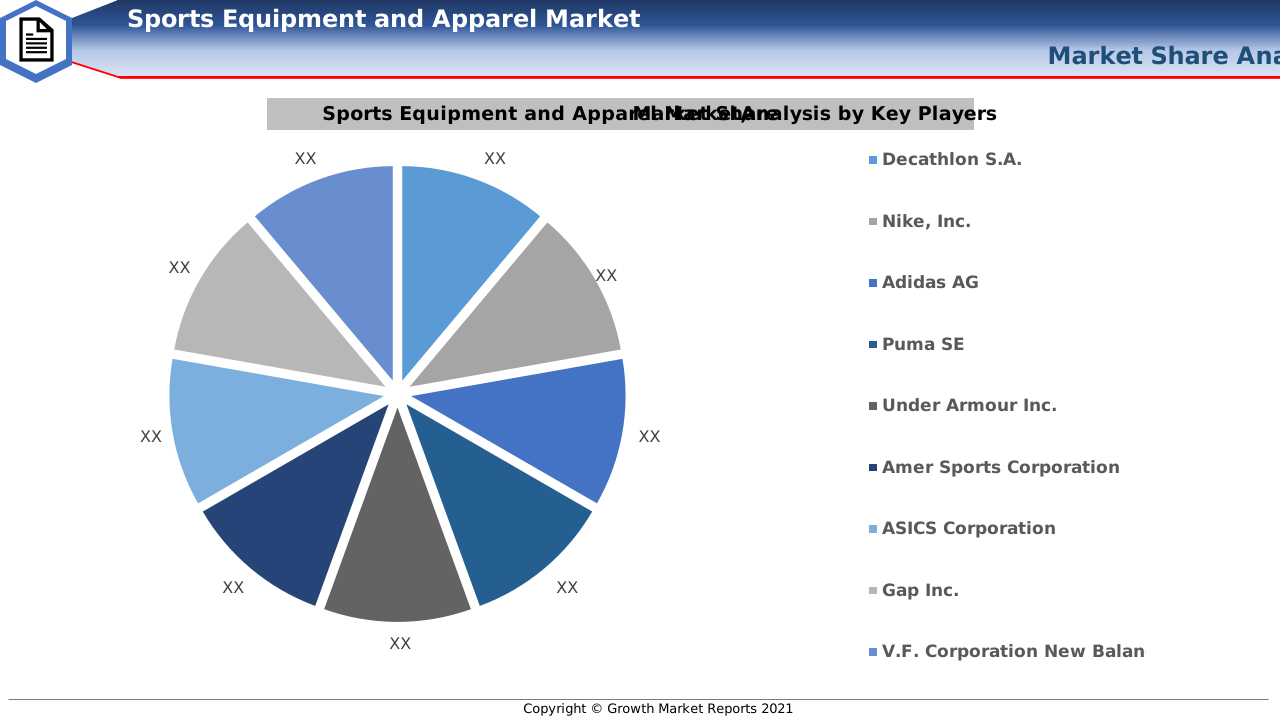
Some of the major companies operating in the global sports equipment and apparel market include Nike Inc., Adidas AG, Puma SE, Under Armour Inc., ASICS Corporation, New Balance Athletics, Decathlon S.A., Columbia Sportswear, Mizuno Corporation, and VF Corporation. Nike and Adidas continue to dominate the market with their extensive product portfolios, global distribution networks, and strong brand equity. Both companies are at the forefront of innovation, investing in smart technology, sustainable materials, and digital transformation. Puma and Under Armour are also prominent players, known for their focus on performance-driven products and strategic athlete endorsements. ASICS and New Balance have established themselves as leaders in running and fitness segments, while Decathlon stands out for its value-driven approach and broad range of accessible sports products. Columbia Sportswear and Mizuno Corporation are recognized for their expertise in outdoor and adventure sports, catering to a growing community of enthusiasts. VF Corporation, with its portfolio of brands including The North Face and Vans, leverages its global reach and diversified offerings to capture market share across multiple segments. ANTA Sports and Li-Ning continue to strengthen their positions across Asia Pacific, capitalizing on domestic market growth and expanding internationally.
These companies are continuously expanding their presence through mergers and acquisitions, strategic partnerships, and investments in emerging markets. The focus on sustainability, digitalization, and consumer-centric innovation is expected to drive future growth and reshape the competitive dynamics of the global sports equipment and apparel market through 2034. Companies that prioritize agility, inclusivity, and responsible business practices will be best positioned to capitalize on emerging opportunities and navigate potential challenges.
The Sports Equipment and Apparel market has been segmented on the basis of
The market faces several challenges including intense price competition, the proliferation of counterfeit goods, supply chain volatility, and fluctuating raw material costs. Shifting consumer preferences and rapidly evolving fashion cycles require brands to maintain agility and continuously innovate. Regulatory compliance across diverse international markets, data privacy concerns related to smart wearables, and the pressure to meet ambitious sustainability targets also present operational and strategic hurdles for market participants.
Key trends include the mainstreaming of athleisure wear, the demand for gender-inclusive and sustainable products, the growing influence of social media and fitness influencers, and the preference for personalized and data-driven performance gear. Consumers are also increasingly prioritizing eco-friendly and ethically manufactured products. The blurring of lines between sportswear and everyday fashion, along with the rise of sneaker culture and limited-edition collaborations, continues to drive purchasing decisions particularly among younger demographics.
The global market is led by Nike Inc., Adidas AG, Puma SE, Under Armour Inc., and ASICS Corporation, which collectively command a substantial share of global revenues. Other prominent players include New Balance Athletics, Decathlon S.A., VF Corporation, Columbia Sportswear, ANTA Sports Products, and Li-Ning Company. These companies compete on the basis of product innovation, sustainability, brand equity, athlete endorsements, and omnichannel distribution strategies.
The major distribution channels include online stores, supermarkets and hypermarkets, specialty sports stores, and other formats such as department stores and sports clubs. Online retail has emerged as the dominant and fastest-growing channel, driven by the convenience of e-commerce, AI-powered product recommendations, and expanding direct-to-consumer models. Specialty stores remain highly valued for expert service, personalized fittings, and curated assortments targeting serious athletes.
Technology is fundamentally reshaping the industry across multiple dimensions. Smart wearables, AI-driven performance analytics, augmented reality for virtual try-ons, and connected fitness platforms are elevating the consumer experience. Advances in materials science, including moisture-wicking and temperature-regulating fabrics, are enhancing product functionality. Manufacturers are also leveraging 3D printing and data-driven customization to deliver personalized equipment and apparel at scale, creating new competitive advantages.
Asia Pacific is the fastest-growing region, accounting for approximately 31.8% of the global market in 2025, with a projected CAGR of 8.7% through 2034. Rapid urbanization, rising middle-class incomes, and government investments in sports infrastructure across China, India, and Southeast Asia are the key contributors to this accelerated growth trajectory.
The market is segmented into four primary product categories: equipment (31.2%), apparel (29.8%), footwear (28.5%), and accessories (10.5%). Equipment covers items such as balls, rackets, bats, protective gear, and fitness machines. Apparel includes activewear and athleisure clothing, footwear encompasses sport-specific and lifestyle shoes, and accessories range from sports bags and caps to wearable fitness trackers.
The primary growth drivers include rising health consciousness, rapid urbanization, the proliferation of fitness centers and gym culture, growing female participation in sports, and the influence of global sporting events such as the Olympics and FIFA World Cup. Technological innovation in smart fabrics, wearable fitness devices, and sustainable materials is also a key catalyst. Additionally, the expansion of e-commerce platforms and direct-to-consumer strategies is broadening market reach and fueling demand.
The global sports equipment and apparel market is projected to grow at a CAGR of 6.9% from 2026 to 2034, reaching an estimated USD 731.6 billion by 2034. This steady expansion is supported by rising disposable incomes, increasing health awareness, and accelerating adoption of fitness culture across all major regions.
According to our latest research, the global sports equipment and apparel market reached USD 400.8 billion in 2025, reflecting robust consumer demand across both established and emerging economies. This strong valuation underscores the market's resilience and the sustained shift toward active and health-conscious lifestyles worldwide.