Segments - by Product Type (Mineral Salts, Amino Acids, Yeast Extracts, Others), by Application (Bakery & Confectionery, Dairy & Frozen Foods, Meat Products, Sauces & Seasonings, Snacks, Others), by End-User (Food Industry, Foodservice, Household), by Distribution Channel (Direct, Indirect)
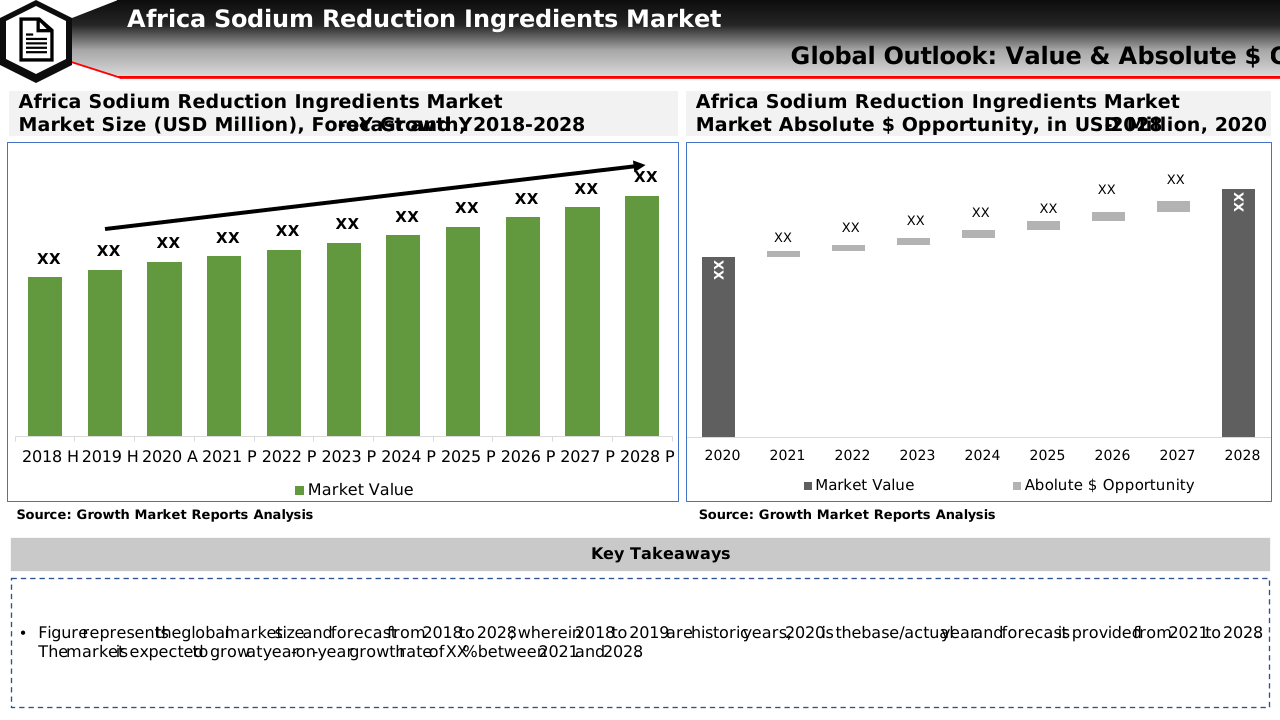
According to our latest research, the global sodium reduction ingredients market size reached USD 1.57 billion in 2024, reflecting the growing demand for healthier food alternatives and regulatory pressure on food manufacturers. The market is exhibiting a robust CAGR of 6.8% during the forecast period, with projections indicating the market will expand to USD 2.93 billion by 2033. This growth is driven by increasing consumer awareness regarding the adverse health effects of high sodium intake, along with the food industry’s proactive efforts to reformulate products and comply with evolving government guidelines.
One of the primary growth factors for the sodium reduction ingredients market is the mounting health concerns associated with excessive sodium consumption. High sodium intake is closely linked to hypertension, cardiovascular diseases, and stroke, which are leading causes of mortality worldwide. As a result, governments and health organizations are implementing stringent sodium reduction targets and launching public health campaigns to promote lower sodium diets. These initiatives are compelling food manufacturers to invest in innovative sodium reduction ingredients such as mineral salts, amino acids, and yeast extracts, which can effectively replace sodium chloride without compromising taste or texture. This regulatory push, combined with rising health-consciousness among consumers, is fueling the adoption of sodium reduction solutions across diverse food applications.
Another significant driver is the rapid evolution of food processing technologies and ingredient innovation. Manufacturers are increasingly leveraging advanced formulation techniques to develop sodium reduction ingredients that mimic the sensory properties of salt, ensuring minimal impact on product flavor, mouthfeel, and shelf life. The emergence of clean-label and natural sodium reduction alternatives, such as seaweed extracts and plant-based minerals, is resonating well with consumers seeking transparency and healthier food choices. Furthermore, the expansion of the processed and convenience food sectors, especially in urban areas, is creating new opportunities for sodium reduction ingredients to penetrate mainstream food categories, including bakery, dairy, meat products, and snacks.
The sodium reduction ingredients market is also benefiting from the growing trend of premiumization and product differentiation in the food industry. As competition intensifies, food manufacturers are increasingly positioning their products as healthier and more nutritious by highlighting reduced sodium content on labels. This trend is particularly evident in the snacks, sauces, and ready-to-eat meal segments, where consumer demand for better-for-you options is surging. The proliferation of clean-label and functional foods is further accelerating the uptake of sodium reduction ingredients, as brands strive to meet evolving consumer preferences for taste, convenience, and health benefits.
From a regional perspective, North America and Europe are currently leading the sodium reduction ingredients market, driven by stringent regulatory frameworks, high consumer awareness, and a well-established processed food industry. However, the Asia Pacific region is emerging as the fastest-growing market, fueled by rapid urbanization, rising disposable incomes, and increasing prevalence of lifestyle-related diseases. Latin America and the Middle East & Africa are also witnessing steady growth, supported by government-led nutrition programs and the expansion of the food processing sector. As the global landscape evolves, market players are focusing on strategic partnerships, product innovation, and regional expansion to capitalize on emerging opportunities and address the diverse needs of consumers worldwide.
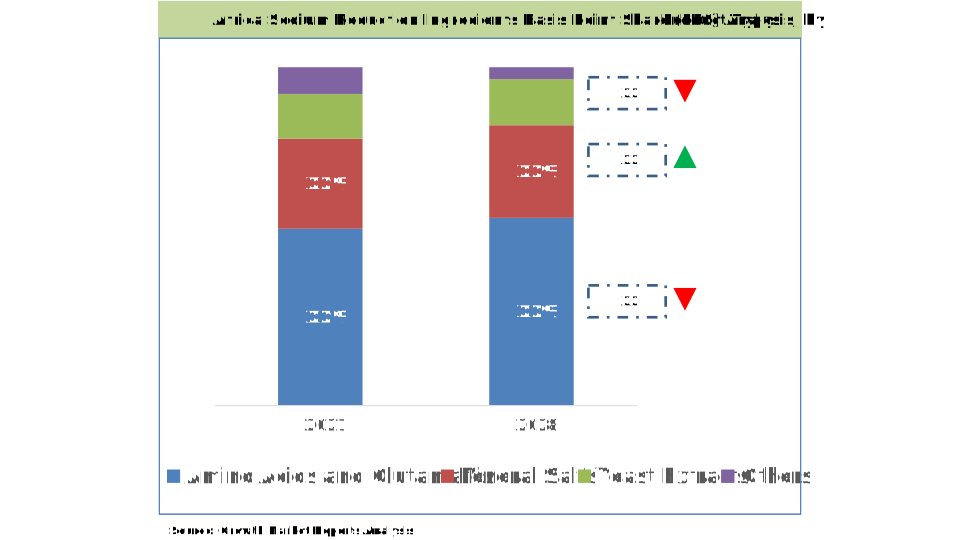
The sodium reduction ingredients market is segmented by product type into mineral salts, amino acids, yeast extracts, and others. Mineral salts, such as potassium chloride, are the most widely used sodium reduction ingredients due to their ability to closely mimic the salty taste of sodium chloride while offering significant health benefits. Potassium chloride, in particular, is gaining traction as a direct salt replacer in processed foods, bakery products, and snacks. However, its application is sometimes limited by its bitter aftertaste, prompting ingredient manufacturers to develop innovative blends and masking agents to enhance palatability. The continuous development of advanced mineral salt formulations is expected to drive market growth, especially in regions with high regulatory pressure to reduce sodium levels in food products.
Amino acids, such as glutamates, are increasingly being incorporated into food formulations to enhance umami flavor while reducing overall sodium content. These ingredients are particularly popular in Asian cuisines and processed foods, where umami-rich profiles are highly valued. Amino acids offer the dual advantage of improving taste and supporting clean-label claims, as they are naturally occurring compounds. The growing demand for natural and minimally processed ingredients is boosting the adoption of amino acid-based sodium reduction solutions, especially among health-conscious consumers and premium food brands. Innovations in fermentation and enzymatic processes are further expanding the range of amino acids available for sodium reduction applications.
Yeast extracts have emerged as a versatile and effective sodium reduction ingredient, particularly in savory applications such as soups, sauces, and meat products. Yeast extracts provide a rich, savory flavor profile that enhances the overall taste of reduced-sodium foods, making them a popular choice among food manufacturers seeking to maintain product quality while meeting sodium reduction targets. The clean-label and non-GMO attributes of yeast extracts are appealing to both manufacturers and consumers, driving their adoption in a wide range of food categories. Ongoing research and development in yeast extract production are expected to yield new variants with improved sensory properties and functional benefits.
The "others" category includes a variety of emerging sodium reduction ingredients, such as seaweed extracts, flavor enhancers, and plant-based minerals. These ingredients are gaining attention for their natural origin, sustainability, and potential health benefits beyond sodium reduction. Seaweed extracts, for example, are rich in minerals and offer a unique umami flavor, making them suitable for use in soups, broths, and snacks. The diversification of the product portfolio in the sodium reduction ingredients market is enabling manufacturers to cater to a broader range of applications and consumer preferences, thereby driving overall market expansion.
| Attributes | Details |
| Report Title | Sodium Reduction Ingredients Market Research Report 2033 |
| By Product Type | Mineral Salts, Amino Acids, Yeast Extracts, Others |
| By Application | Bakery & Confectionery, Dairy & Frozen Foods, Meat Products, Sauces & Seasonings, Snacks, Others |
| By End-User | Food Industry, Foodservice, Household |
| By Distribution Channel | Direct, Indirect |
| Regions Covered | North America, Europe, APAC, Latin America, MEA |
| Base Year | 2024 |
| Historic Data | 2018-2023 |
| Forecast Period | 2025-2033 |
| Number of Pages | 262 |
| Number of Tables & Figures | 337 |
| Customization Available | Yes, the report can be customized as per your need. |
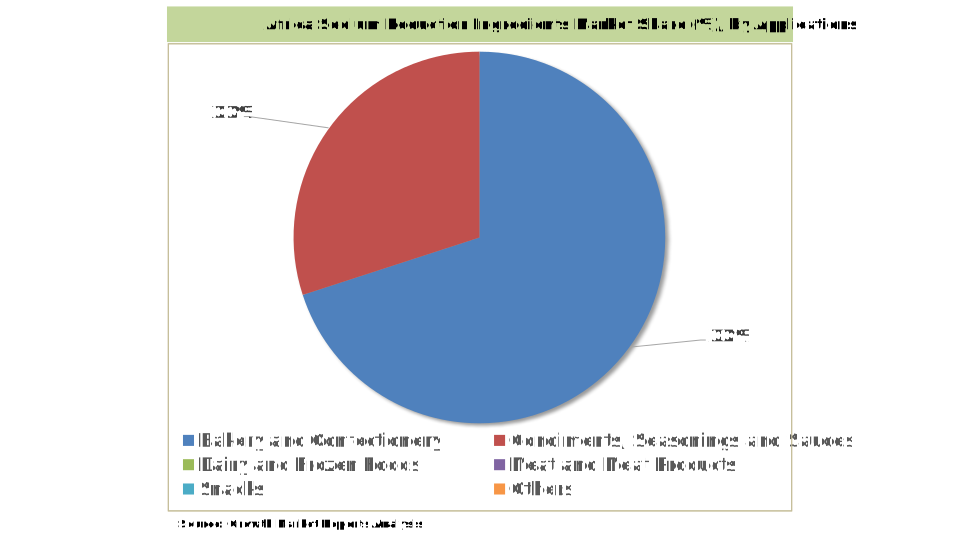
The application landscape for sodium reduction ingredients is broad and dynamic, encompassing bakery and confectionery, dairy and frozen foods, meat products, sauces and seasonings, snacks, and others. Bakery and confectionery represent a significant share of the market, as these products traditionally contain high levels of sodium for flavor, texture, and preservation. The growing demand for healthier baked goods and the increasing prevalence of sodium-related health issues are prompting manufacturers to reformulate their products using sodium reduction ingredients. Innovations in mineral salts and yeast extracts are enabling bakers to achieve the desired taste and texture while reducing sodium content, thereby meeting regulatory requirements and consumer expectations.
Dairy and frozen foods are another key application segment for sodium reduction ingredients. Processed cheese, spreads, and ready-to-eat frozen meals often contain high sodium levels for flavor enhancement and shelf-life extension. The rising popularity of clean-label and reduced-sodium dairy products is driving the adoption of mineral salts, amino acids, and yeast extracts in this segment. Manufacturers are leveraging advanced formulation techniques to ensure that sodium reduction does not compromise product quality, flavor, or safety. The expansion of the frozen food market, particularly in emerging economies, is creating new opportunities for sodium reduction ingredient suppliers.
Meat products such as sausages, deli meats, and processed poultry are traditionally high in sodium due to the use of salt as a preservative and flavor enhancer. The increasing incidence of cardiovascular diseases and shifting consumer preferences toward healthier protein options are compelling meat processors to explore sodium reduction solutions. Mineral salts and yeast extracts are widely used in this segment to maintain product safety, texture, and taste while reducing sodium content. The development of novel ingredient blends and processing techniques is expected to further drive sodium reduction in the meat products category.
Sauces and seasonings represent a dynamic and rapidly growing application segment for sodium reduction ingredients. These products are a significant source of hidden sodium in the diet, making them a key target for reformulation efforts. The demand for low-sodium sauces, dressings, and seasonings is increasing as consumers become more health-conscious and seek to manage their sodium intake. Ingredient manufacturers are responding by offering a wide range of sodium reduction solutions, including mineral salts, amino acids, and natural flavor enhancers. The trend toward ethnic and exotic flavors is also driving innovation in this segment, as manufacturers seek to deliver authentic taste experiences with reduced sodium content.
The snacks segment is experiencing robust growth, driven by the rising popularity of healthier snacking options and the increasing prevalence of lifestyle-related diseases. Reduced-sodium snacks, such as chips, crackers, and popcorn, are gaining traction among health-conscious consumers and parents seeking better-for-you options for their families. Sodium reduction ingredients are enabling snack manufacturers to deliver great taste and crunch while aligning with evolving nutritional guidelines. The expansion of the snacks segment into new markets and product categories is expected to further boost demand for sodium reduction ingredients in the coming years.
The sodium reduction ingredients market is segmented by end-user into the food industry, foodservice, and household. The food industry is the largest end-user segment, accounting for a significant share of market demand. Food manufacturers are under increasing pressure to reformulate their products in response to regulatory mandates, retailer requirements, and changing consumer preferences. Sodium reduction ingredients are being widely adopted across various food categories, including bakery, dairy, meat, and snacks, as manufacturers strive to deliver healthier products without compromising taste or functionality. The trend toward clean-label and functional foods is further driving the adoption of sodium reduction solutions in the food industry.
The foodservice segment, which includes restaurants, cafeterias, and catering services, is emerging as a key growth area for sodium reduction ingredients. Foodservice operators are increasingly incorporating reduced-sodium options into their menus to cater to health-conscious diners and comply with nutrition labeling regulations. Sodium reduction ingredients are enabling chefs and foodservice professionals to maintain flavor and customer satisfaction while meeting sodium reduction targets. The growing demand for healthier dining options, particularly in institutional settings such as schools and hospitals, is expected to drive further adoption of sodium reduction solutions in the foodservice sector.
The household segment represents a smaller but rapidly growing market for sodium reduction ingredients. As consumers become more aware of the health risks associated with high sodium intake, they are seeking out reduced-sodium products for home cooking and meal preparation. The availability of sodium reduction ingredients in retail channels, such as supermarkets and online platforms, is making it easier for households to manage their sodium intake and adopt healthier eating habits. Educational campaigns and nutrition labeling initiatives are also playing a crucial role in driving consumer awareness and adoption of sodium reduction ingredients at the household level.
The interplay between these end-user segments is shaping the overall dynamics of the sodium reduction ingredients market. Food manufacturers are collaborating with foodservice operators and retailers to develop and promote reduced-sodium products, while ingredient suppliers are investing in research and development to address the unique needs of each end-user group. The growing emphasis on health and wellness, combined with supportive regulatory frameworks, is expected to drive continued growth and innovation in the sodium reduction ingredients market across all end-user segments.
The sodium reduction ingredients market is segmented by distribution channel into direct and indirect channels. The direct distribution channel involves the sale of sodium reduction ingredients from manufacturers to food processors, foodservice operators, and large-scale buyers. This channel is characterized by long-term contracts, customized solutions, and close collaboration between ingredient suppliers and end-users. Direct distribution is particularly prevalent in the food industry segment, where manufacturers require tailored ingredient blends and technical support to achieve their sodium reduction goals. The trend toward strategic partnerships and co-development initiatives is further strengthening the direct distribution channel.
The indirect distribution channel encompasses the sale of sodium reduction ingredients through intermediaries such as distributors, wholesalers, and retailers. This channel is essential for reaching smaller food manufacturers, foodservice operators, and households that may not have the scale or resources to engage directly with ingredient suppliers. Indirect distribution is also playing a key role in expanding the availability of sodium reduction ingredients in emerging markets and retail channels. The growth of e-commerce and online platforms is further enhancing the reach and accessibility of sodium reduction ingredients, enabling consumers and small businesses to purchase these products conveniently.
The choice of distribution channel is influenced by factors such as the scale of operations, product customization requirements, and market maturity. Large food manufacturers and multinational corporations typically prefer direct sourcing arrangements to ensure product quality, consistency, and technical support. In contrast, smaller players and end-consumers rely on indirect channels for access to a broader range of products and brands. The increasing complexity and fragmentation of the food supply chain are prompting ingredient suppliers to adopt multi-channel distribution strategies to maximize market reach and customer engagement.
The evolving distribution landscape is also driving innovation in packaging, logistics, and customer service. Ingredient suppliers are investing in digital platforms, supply chain optimization, and value-added services to enhance the customer experience and differentiate themselves in a competitive market. The growing emphasis on traceability, transparency, and sustainability in the food industry is further shaping the distribution strategies of sodium reduction ingredient suppliers, as they seek to meet the evolving needs of their customers and stakeholders.
The sodium reduction ingredients market is brimming with opportunities, particularly in the realms of product innovation and clean-label solutions. As consumer demand for healthier and more transparent food choices intensifies, manufacturers are investing in the development of next-generation sodium reduction ingredients that deliver superior taste, functionality, and nutritional benefits. The rise of plant-based and natural ingredients, such as seaweed extracts and fermented amino acids, is opening new avenues for product differentiation and market expansion. Additionally, the growing adoption of digital technologies and data analytics is enabling ingredient suppliers to better understand consumer preferences, optimize formulations, and accelerate the commercialization of innovative sodium reduction solutions.
Another major opportunity lies in the expansion of the sodium reduction ingredients market into emerging economies, where rising health awareness, urbanization, and changing dietary patterns are driving demand for healthier food options. Governments in these regions are increasingly implementing nutrition labeling regulations and public health campaigns to reduce sodium intake, creating a favorable environment for market growth. Strategic partnerships, mergers and acquisitions, and regional expansion initiatives are enabling market players to tap into new customer segments and strengthen their global footprint. The integration of sustainability and environmental stewardship into product development and supply chain management is also emerging as a key differentiator in the competitive landscape.
Despite the promising growth prospects, the sodium reduction ingredients market faces several restraints and challenges. One of the primary challenges is the potential impact of sodium reduction on product taste, texture, and consumer acceptance. Many consumers are accustomed to the taste of traditional salt, and significant sodium reduction can sometimes result in flavor or quality trade-offs. Overcoming these sensory hurdles requires ongoing research and development, as well as effective communication and education to help consumers appreciate the health benefits of reduced-sodium products. Additionally, the higher cost of sodium reduction ingredients compared to conventional salt can pose a barrier to adoption, particularly in price-sensitive markets and segments.
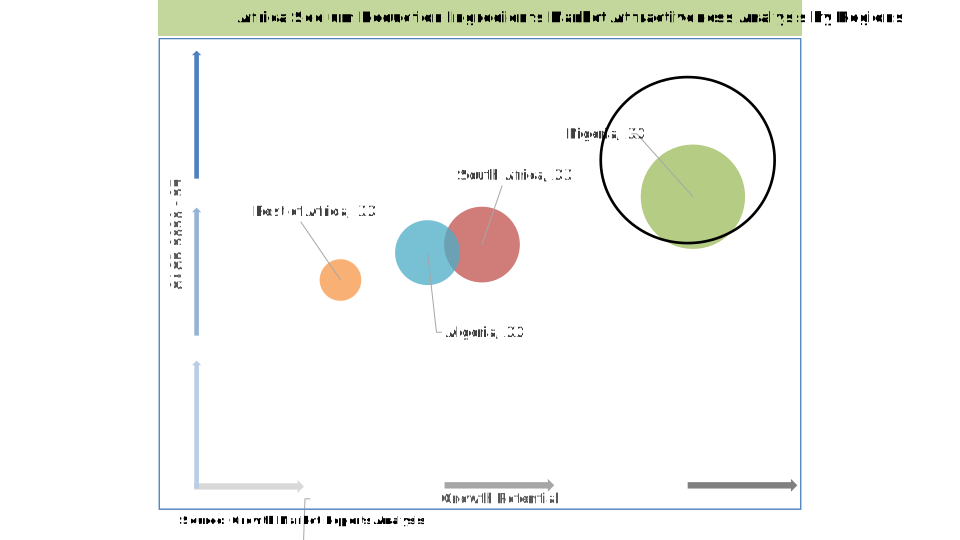
North America is the leading region in the sodium reduction ingredients market, accounting for approximately 38% of the global market share in 2024, which translates to a market size of around USD 0.60 billion. The region’s dominance is attributed to stringent regulatory frameworks, high consumer awareness, and the presence of major food manufacturers and ingredient suppliers. The United States, in particular, is at the forefront of sodium reduction initiatives, with the Food and Drug Administration (FDA) and other agencies setting ambitious sodium reduction targets for the food industry. The growing demand for clean-label and functional foods, coupled with the proliferation of health and wellness trends, is further driving market growth in North America.
Europe holds the second-largest share of the sodium reduction ingredients market, with a market size of approximately USD 0.47 billion in 2024. The region is characterized by a strong regulatory environment, extensive public health campaigns, and a mature processed food industry. Countries such as the United Kingdom, Germany, and France are leading the way in sodium reduction efforts, supported by government-led initiatives and industry collaboration. The European market is expected to grow at a steady CAGR of 6.2% during the forecast period, driven by increasing consumer demand for healthier food choices and the expansion of the clean-label and organic food segments.
The Asia Pacific region is emerging as the fastest-growing market for sodium reduction ingredients, with a market size of USD 0.36 billion in 2024 and a projected CAGR of 8.1% through 2033. Rapid urbanization, rising disposable incomes, and increasing prevalence of lifestyle-related diseases are fueling demand for healthier food options in countries such as China, India, and Japan. Government initiatives to promote nutrition education and sodium reduction, combined with the expansion of the processed and convenience food sectors, are creating new opportunities for market players. Latin America and the Middle East & Africa are also witnessing steady growth, supported by public health campaigns, regulatory initiatives, and the expansion of the food processing industry.
The sodium reduction ingredients market is highly competitive and characterized by the presence of several global and regional players. The competitive landscape is shaped by factors such as product innovation, strategic partnerships, mergers and acquisitions, and regional expansion. Major companies are investing heavily in research and development to create advanced sodium reduction ingredients that deliver superior taste, functionality, and nutritional benefits. The focus on clean-label, natural, and sustainable ingredients is driving differentiation and enabling companies to capture new customer segments in both developed and emerging markets.
Ingredient manufacturers are also leveraging digital technologies and data analytics to gain insights into consumer preferences, optimize product formulations, and accelerate time-to-market for new products. The integration of customer-centric approaches, such as co-development initiatives and technical support services, is enabling companies to build strong relationships with food manufacturers, foodservice operators, and retailers. The growing emphasis on transparency, traceability, and sustainability is further shaping the competitive strategies of market players, as they seek to align with evolving consumer values and regulatory requirements.
In addition to product innovation, companies are focusing on expanding their global footprint through strategic partnerships, joint ventures, and acquisitions. These initiatives are enabling market players to access new markets, diversify their product portfolios, and strengthen their supply chain capabilities. The increasing complexity and fragmentation of the food industry are prompting companies to adopt multi-channel distribution strategies and invest in value-added services to enhance customer engagement and loyalty. The competitive landscape is expected to remain dynamic and evolving, with new entrants and disruptive technologies driving continuous innovation and market growth.
Some of the major companies operating in the sodium reduction ingredients market include Corbion N.V., Givaudan SA, Kerry Group plc, Cargill, Incorporated, Jungbunzlauer Suisse AG, Archer Daniels Midland Company (ADM), Royal DSM N.V., Tate & Lyle PLC, Innophos Holdings, Inc., and DuPont de Nemours, Inc.. These companies are at the forefront of product innovation, offering a wide range of sodium reduction ingredients tailored to the unique needs of different food applications and end-user segments. For instance, Givaudan and Kerry Group are known for their expertise in flavor solutions and clean-label ingredients, while Cargill and ADM offer a comprehensive portfolio of mineral salts and functional ingredients.
Corbion N.V. and Jungbunzlauer Suisse AG are recognized for their leadership in natural and sustainable ingredient solutions, with a strong focus on clean-label and plant-based sodium reduction alternatives. Tate & Lyle and Innophos Holdings are investing in advanced formulation technologies and technical support services to help food manufacturers achieve their sodium reduction goals. Royal DSM and DuPont are leveraging their expertise in biotechnology and fermentation to develop innovative amino acid and yeast extract-based sodium reduction solutions. These companies are also actively engaged in partnerships, research collaborations, and sustainability initiatives to strengthen their competitive position and drive long-term growth in the sodium reduction ingredients market.
The Sodium Reduction Ingredients market has been segmented on the basis of
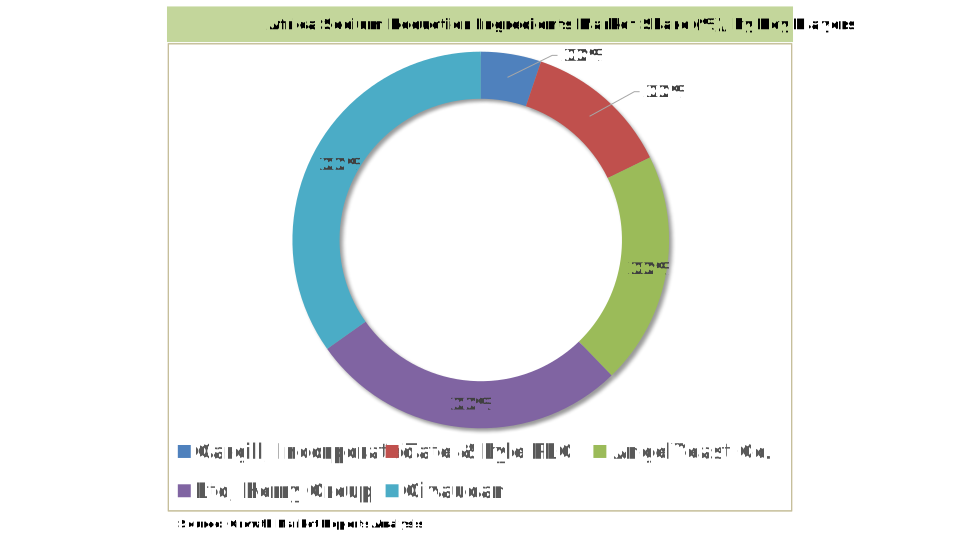
Key players competing in Africa sodium reduction ingredients market include Cargill, Incorporated, Tate & Lyle PLC, AngelYeast Co., Ltd, Kerry Group and Givaudan.
Some of these players are using several market strategies such as mergers, acquisitions, partnerships, collaborations, capacity expansion, and product launches to enhance their market shares.

Yes, the Sodium Reduction Ingredients Market Research Report 2033 can be customized to meet specific business or research needs.
Trends include clean-label and natural ingredient demand, product innovation, premiumization, expansion into emerging markets, and a focus on sustainability and transparency.
Distribution occurs through direct channels (manufacturer to food industry or foodservice) and indirect channels (distributors, wholesalers, retailers, and e-commerce), with multi-channel strategies becoming more common.
Challenges include maintaining taste and texture in reduced-sodium products, higher ingredient costs compared to traditional salt, and consumer acceptance of new flavors.
Major companies include Cargill, Tate & Lyle, Kerry Group, Givaudan, Corbion, Jungbunzlauer, Innophos, ADM, Royal DSM, and DuPont, among others.
North America and Europe currently lead the market due to strict regulations and high consumer awareness, while Asia Pacific is the fastest-growing region driven by urbanization and lifestyle changes.
Sodium reduction ingredients are used in bakery and confectionery, dairy and frozen foods, meat products, sauces and seasonings, snacks, and other processed food categories.
The main types are mineral salts (especially potassium chloride), amino acids (like glutamates), yeast extracts, and emerging options such as seaweed extracts and plant-based minerals.
Key growth drivers include rising health concerns over high sodium intake, regulatory pressure on food manufacturers, increasing consumer awareness, and advancements in food processing technologies.
The global sodium reduction ingredients market reached USD 1.57 billion in 2024 and is projected to grow at a CAGR of 6.8%, reaching USD 2.93 billion by 2033.