Segments - by Product Type (Active Smart Fabrics, Passive Smart Fabrics, Ultra-Smart Fabrics), by Application (Fashion Apparel, Sportswear, Wearable Technology, Entertainment Costumes, Others), by Functionality (Sensing, Energy Harvesting, Thermoregulation, Illumination, Others), by Distribution Channel (Online Stores, Specialty Stores, Department Stores, Others), by End-User (Men, Women, Children)
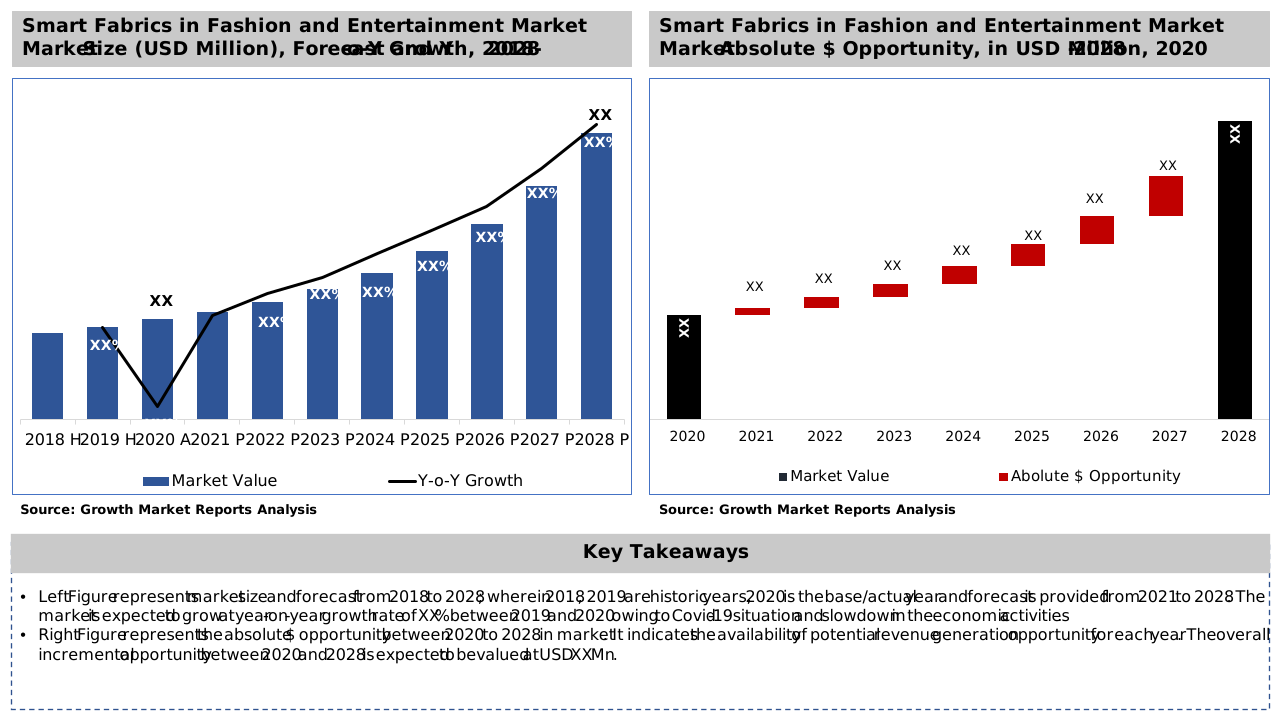
According to our latest research, the global smart fabrics in fashion and entertainment market size reached USD 5.42 billion in 2024, driven by a strong increase in demand for technologically advanced apparel and accessories. The market is expected to grow at a robust CAGR of 23.8% during the forecast period, reaching an estimated USD 42.38 billion by 2033. This impressive growth rate is primarily attributed to the rising integration of electronics into textiles, expanding applications in both fashion and entertainment, and the growing consumer preference for interactive and functional clothing solutions. As per our latest research, the convergence of fashion and technology is fundamentally transforming the industry landscape, fostering innovation and enhancing user experiences.
One of the key growth factors propelling the smart fabrics in fashion and entertainment market is the rapid advancement in wearable technology and miniaturization of sensors and electronic components. These technological innovations have made it possible to seamlessly embed complex functionalities such as health monitoring, energy harvesting, and connectivity within textiles without compromising comfort or aesthetics. The proliferation of Internet of Things (IoT) devices and the growing adoption of connected lifestyles are further driving demand for smart apparel and accessories. In addition, collaborations between technology firms and fashion designers are resulting in new product launches that appeal to both tech-savvy and style-conscious consumers, further accelerating market expansion.
Another significant driver for market growth is the increasing popularity of interactive and illuminated costumes in the entertainment industry. Smart fabrics are being widely adopted for stage performances, concerts, and theme park costumes, providing dynamic visual effects and real-time interactivity that traditional fabrics cannot deliver. The ability to customize lighting, color, and patterns in response to music, movement, or environmental cues is creating new avenues for creative expression and audience engagement. This trend is not only enhancing the visual appeal of entertainment costumes but also opening up lucrative opportunities for designers and manufacturers who can cater to the unique demands of this segment.
Sustainability and eco-friendliness are also emerging as crucial factors influencing the smart fabrics market in fashion and entertainment. With increasing awareness about environmental issues, manufacturers are focusing on developing smart textiles that are recyclable, energy-efficient, and made from sustainable materials. Innovative approaches such as energy-harvesting fabrics, which convert body movement or sunlight into usable energy, are gaining traction among environmentally conscious consumers. These sustainable solutions are not only helping brands differentiate themselves in a competitive market but are also aligning with global efforts towards greener and more responsible fashion and entertainment industries.
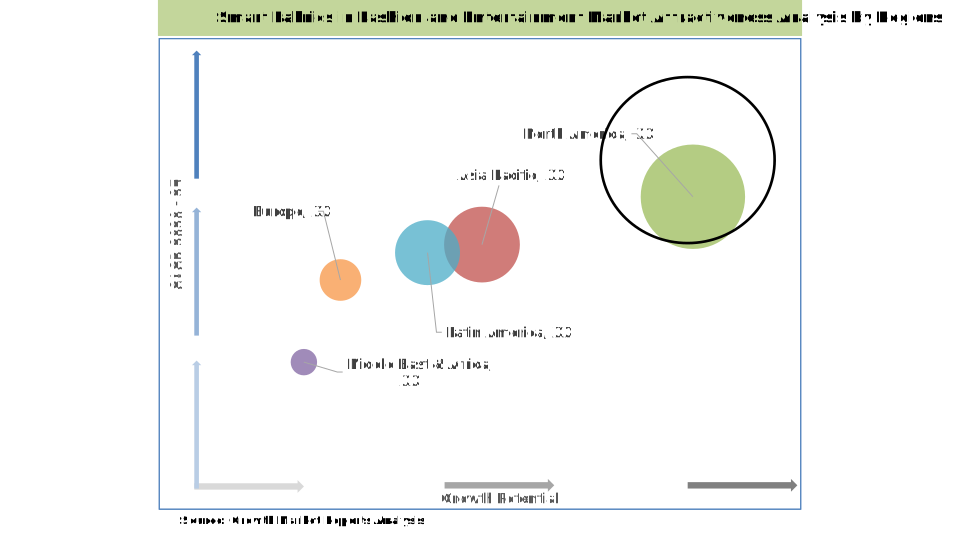
From a regional perspective, North America currently dominates the smart fabrics in fashion and entertainment market, accounting for the largest revenue share in 2024. This is largely due to the presence of leading technology companies, high consumer awareness, and significant investments in research and development. Europe follows closely, driven by a strong fashion industry and increasing adoption of smart textiles in entertainment events and luxury fashion houses. Meanwhile, the Asia Pacific region is expected to witness the fastest growth during the forecast period, fueled by rising disposable incomes, a burgeoning middle-class population, and expanding manufacturing capabilities. As the market continues to evolve, regional differences in consumer preferences, technological adoption, and regulatory frameworks will play a pivotal role in shaping future growth trajectories.
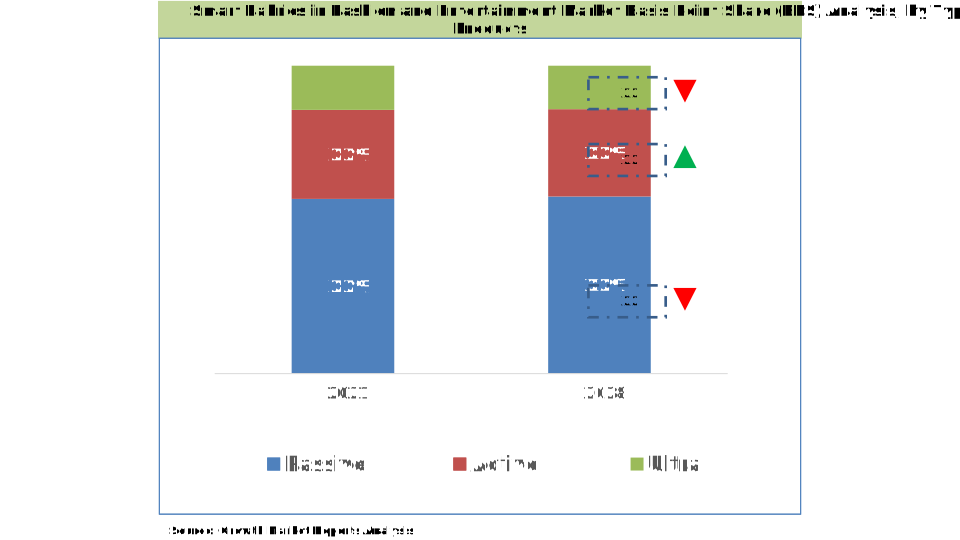
The smart fabrics in fashion and entertainment market is segmented by product type into active smart fabrics, passive smart fabrics, and ultra-smart fabrics. Each of these categories offers distinct functionalities and addresses specific consumer needs. Passive smart fabrics, which constitute the foundational layer of this market, are engineered to react to environmental stimuli without the need for integrated electronics. These fabrics are widely used in sportswear and fashion apparel, offering benefits such as moisture management, UV protection, and temperature regulation. Their simplicity and cost-effectiveness have made them a popular choice among manufacturers aiming to introduce entry-level smart clothing to the mass market.
Active smart fabrics represent the next level of innovation, incorporating embedded sensors, actuators, and electronic components that enable real-time interaction with the wearer and the surrounding environment. These fabrics are capable of sensing physiological signals, monitoring body temperature, and even providing haptic feedback. The integration of wireless communication modules allows these textiles to connect with smartphones and other devices, making them highly suitable for applications in wearable technology and interactive entertainment costumes. The rising demand for health and fitness monitoring solutions is particularly driving growth in the active smart fabrics segment.
Ultra-smart fabrics, the most advanced segment, combine the features of both passive and active smart fabrics while adding sophisticated data processing and adaptive functionalities. These textiles can sense, react, and adapt to multiple external stimuli, offering unparalleled versatility and user experience. For instance, ultra-smart fabrics can change color or pattern in response to environmental changes or user commands, making them ideal for high-end fashion and entertainment applications. However, the complexity and higher production costs associated with ultra-smart fabrics currently limit their adoption to niche markets and premium product lines.
The product type landscape is further shaped by ongoing research and development efforts aimed at improving the durability, washability, and comfort of smart fabrics. Manufacturers are increasingly focusing on developing flexible, lightweight, and stretchable electronic components that can withstand the rigors of daily wear and frequent washing. Innovations in conductive yarns, printable electronics, and nanotechnology are expected to drive further advancements in all three product categories, expanding their potential applications in both fashion and entertainment.
Looking ahead, the product type segment is poised for significant growth as consumer awareness and acceptance of smart textiles continue to rise. The availability of a diverse range of products, from basic passive fabrics to highly sophisticated ultra-smart textiles, ensures that there is something for every consumer segment and price point. As technology becomes more affordable and accessible, the adoption of smart fabrics across mainstream fashion and entertainment markets is expected to accelerate, driving overall market growth.
| Attributes | Details |
| Report Title | Smart Fabrics in Fashion and Entertainment Market Research Report 2033 |
| By Product Type | Active Smart Fabrics, Passive Smart Fabrics, Ultra-Smart Fabrics |
| By Application | Fashion Apparel, Sportswear, Wearable Technology, Entertainment Costumes, Others |
| By Functionality | Sensing, Energy Harvesting, Thermoregulation, Illumination, Others |
| By Distribution Channel | Online Stores, Specialty Stores, Department Stores, Others |
| By End-User | Men, Women, Children |
| Regions Covered | North America, Europe, APAC, Latin America, MEA |
| Base Year | 2024 |
| Historic Data | 2018-2023 |
| Forecast Period | 2025-2033 |
| Number of Pages | 288 |
| Number of Tables & Figures | 273 |
| Customization Available | Yes, the report can be customized as per your need. |
The application segment of the smart fabrics in fashion and entertainment market encompasses fashion apparel, sportswear, wearable technology, entertainment costumes, and others. Fashion apparel represents one of the largest and fastest-growing application areas, as designers and brands increasingly incorporate smart textiles to create innovative and interactive clothing lines. Features such as color-changing fabrics, integrated LEDs, and touch-sensitive panels are transforming traditional garments into multifunctional fashion statements. The appeal of such products is particularly strong among younger consumers and early adopters who seek unique and personalized experiences.
Sportswear is another major application area, benefiting from the integration of smart fabrics that enhance performance, comfort, and safety. Wearable sensors embedded in sports apparel can monitor vital signs, track physical activity, and provide real-time feedback to athletes and fitness enthusiasts. These capabilities are driving the adoption of smart sportswear among both amateur and professional athletes, as well as sports teams and organizations looking to gain a competitive edge. The growing focus on health and wellness, coupled with advancements in sensor technology, is expected to further boost demand in this segment.
Wearable technology is at the forefront of the smart fabrics revolution, bridging the gap between fashion and functionality. This application segment includes a wide range of products, from smart jackets and dresses to accessories such as hats, gloves, and shoes. The integration of connectivity features, such as Bluetooth and NFC, enables seamless interaction with smartphones, smartwatches, and other connected devices. The increasing popularity of wearable technology is driving collaborations between fashion brands and tech companies, resulting in innovative products that cater to the evolving needs of tech-savvy consumers.
Entertainment costumes represent a unique and rapidly expanding application area for smart fabrics. The ability to create dynamic visual effects, synchronize lighting with music, and enable real-time interactivity is transforming the way costumes are designed and used in stage performances, concerts, and theme park attractions. Smart fabrics are enabling costume designers to push the boundaries of creativity, delivering immersive experiences that captivate audiences and enhance storytelling. As the entertainment industry continues to embrace technology, the demand for smart costumes is expected to grow significantly.
Other applications of smart fabrics in fashion and entertainment include accessories, footwear, and home textiles. These products leverage the unique properties of smart textiles to offer added functionality, convenience, and style. For instance, smart shoes with embedded sensors can provide gait analysis and fitness tracking, while illuminated bags and hats offer enhanced visibility and safety. The versatility of smart fabrics ensures that their applications will continue to expand, creating new opportunities for innovation and market growth.
The smart fabrics in fashion and entertainment market can be segmented by functionality into sensing, energy harvesting, thermoregulation, illumination, and others. Sensing is one of the most prominent functionalities, enabling textiles to monitor a wide range of physiological and environmental parameters. Smart fabrics with sensing capabilities are widely used in sportswear, fashion apparel, and entertainment costumes to track body temperature, heart rate, movement, and even emotional states. The data collected by these sensors can be used to provide personalized feedback, enhance performance, and improve user safety.
Energy harvesting is an emerging functionality that is gaining traction in the smart fabrics market. These textiles are designed to capture and convert ambient energy, such as body movement, heat, or sunlight, into electrical power. This capability enables the operation of embedded electronic components without the need for external batteries, making smart fabrics more sustainable and convenient. Energy-harvesting fabrics are particularly appealing to environmentally conscious consumers and are being increasingly adopted in both fashion and entertainment applications.
Thermoregulation is another important functionality, allowing smart fabrics to actively regulate the wearer's body temperature in response to changing environmental conditions. These textiles can provide heating or cooling effects as needed, enhancing comfort and performance in various settings. Thermoregulating smart fabrics are especially popular in sportswear and outdoor apparel, where maintaining optimal body temperature is crucial. The integration of phase-change materials, conductive fibers, and advanced insulation technologies is driving innovation in this segment.
Illumination is a highly visible and creative functionality that is transforming the aesthetics of fashion and entertainment. Smart fabrics with integrated LEDs, fiber optics, or electroluminescent materials can produce dynamic lighting effects, change colors, and display patterns or messages. This functionality is widely used in entertainment costumes, stage performances, and fashion shows to create visually stunning and interactive experiences. The ability to customize lighting effects in real time is opening up new possibilities for artistic expression and audience engagement.
Other functionalities of smart fabrics include antimicrobial properties, water repellency, and shape memory. These features enhance the performance, durability, and versatility of smart textiles, making them suitable for a wide range of applications. As research and development efforts continue, new functionalities are expected to be introduced, further expanding the potential of smart fabrics in fashion and entertainment. The ability to combine multiple functionalities within a single textile is a key trend that is driving innovation and differentiation in the market.
The distribution channel segment of the smart fabrics in fashion and entertainment market includes online stores, specialty stores, department stores, and others. Online stores have emerged as a dominant distribution channel, benefiting from the growing popularity of e-commerce and the increasing digitalization of retail. The convenience of online shopping, coupled with the availability of a wide range of products and competitive pricing, has made e-commerce platforms the preferred choice for consumers seeking smart apparel and accessories. Leading brands and retailers are leveraging online channels to reach a global audience and offer personalized shopping experiences.
Specialty stores play a crucial role in the distribution of smart fabrics, particularly for high-end and technologically advanced products. These stores offer expert advice, product demonstrations, and personalized fittings, helping consumers make informed purchasing decisions. Specialty retailers are often the first to introduce new smart fabric products to the market, catering to early adopters and tech enthusiasts. The emphasis on customer education and in-store experiences is a key differentiator for specialty stores in a competitive retail landscape.
Department stores provide a broad platform for the distribution of smart fabrics, offering a wide selection of products across different brands and price points. These stores attract a diverse customer base and serve as important channels for mainstream adoption of smart textiles. Department stores often collaborate with leading fashion brands and technology companies to showcase the latest innovations in smart fabrics, driving consumer awareness and interest. The integration of smart textiles into established retail formats is helping to bridge the gap between niche and mass markets.
Other distribution channels include pop-up stores, brand-owned boutiques, and direct-to-consumer models. Pop-up stores and brand-owned boutiques provide immersive and interactive shopping experiences, allowing consumers to explore the features and benefits of smart fabrics firsthand. Direct-to-consumer models enable brands to build stronger relationships with customers, gather valuable feedback, and offer exclusive products or customization options. The diversification of distribution channels is enhancing market reach and accessibility, supporting the overall growth of the smart fabrics market.
The distribution channel landscape is evolving rapidly, with increasing emphasis on omnichannel strategies that integrate online and offline touchpoints. Brands are investing in digital marketing, social media engagement, and virtual try-on technologies to enhance the customer journey and drive sales. The ability to offer seamless and personalized shopping experiences across multiple channels is becoming a key competitive advantage in the smart fabrics market.
The end-user segment for smart fabrics in fashion and entertainment is categorized into men, women, and children, each with unique preferences and requirements. The women’s segment holds a significant share of the market, driven by the high demand for fashionable and functional smart apparel. Women are increasingly seeking clothing and accessories that offer both style and advanced features such as fitness tracking, health monitoring, and interactive designs. The integration of smart fabrics into women’s fashion is being fueled by collaborations between designers and technology companies, resulting in innovative products that cater to the evolving needs of female consumers.
The men’s segment is also experiencing robust growth, particularly in the areas of sportswear, wearable technology, and entertainment costumes. Men are drawn to smart fabrics that offer performance-enhancing features, durability, and convenience. The adoption of smart sportswear and fitness apparel is particularly high among male consumers, who value the ability to track physical activity, monitor health metrics, and improve athletic performance. The increasing availability of stylish and functional smart clothing is expanding the appeal of these products among men of all ages.
Children represent a growing and dynamic end-user segment for smart fabrics in fashion and entertainment. Parents are increasingly seeking smart apparel and accessories that offer safety, comfort, and interactive features for their children. Smart fabrics with embedded sensors can monitor vital signs, track location, and provide alerts in case of emergencies, offering peace of mind to parents. In the entertainment sector, illuminated and interactive costumes are becoming popular choices for children’s events, parties, and performances. The focus on child-friendly designs, safety standards, and ease of use is driving innovation in this segment.
The end-user landscape is being shaped by changing consumer lifestyles, increasing health and wellness awareness, and the growing influence of digital technologies. Brands are responding to these trends by offering customized and personalized smart fabric products that cater to the specific needs of different demographic groups. The ability to address the unique preferences of men, women, and children is enabling brands to capture new market segments and drive overall growth.
Looking forward, the end-user segment is expected to witness continued diversification as new applications and functionalities are introduced. The development of gender-neutral and age-inclusive smart fabrics is emerging as a key trend, reflecting the evolving nature of fashion and entertainment. As consumer awareness and acceptance of smart textiles continue to grow, the market is poised for further expansion across all end-user segments.
The smart fabrics in fashion and entertainment market is brimming with opportunities, particularly in the areas of innovation, customization, and sustainability. The ongoing convergence of fashion and technology is creating new possibilities for product development, enabling brands to offer unique and differentiated solutions. The rise of personalized and interactive clothing is opening up lucrative opportunities for designers, manufacturers, and retailers who can cater to the evolving needs of tech-savvy consumers. In addition, the growing emphasis on sustainability is driving demand for eco-friendly smart fabrics that minimize environmental impact and support circular fashion initiatives. The ability to harness these opportunities will be critical for market players seeking to gain a competitive edge.
Another major opportunity lies in the expansion of smart fabrics into emerging markets and new application areas. The rapid growth of the middle-class population in Asia Pacific, Latin America, and the Middle East is creating new demand for innovative and affordable smart apparel and accessories. The increasing adoption of smart textiles in entertainment events, sports, and wellness applications is further expanding the market’s potential. Strategic partnerships, investments in research and development, and targeted marketing campaigns can help brands tap into these emerging opportunities and drive sustained growth.
Despite the numerous opportunities, the smart fabrics market faces several restraining factors, including high production costs, technical challenges, and regulatory hurdles. The integration of electronic components into textiles requires specialized manufacturing processes and materials, which can increase costs and limit scalability. Ensuring the durability, washability, and safety of smart fabrics remains a significant technical challenge, particularly for products intended for everyday use. In addition, regulatory standards related to electronic textiles, data privacy, and consumer safety are evolving, creating uncertainty for manufacturers and brands. Addressing these challenges will be essential for the long-term success and widespread adoption of smart fabrics in fashion and entertainment.
North America remains the leading region in the smart fabrics in fashion and entertainment market, accounting for approximately 38% of global revenue in 2024, which translates to roughly USD 2.06 billion. The region’s dominance is underpinned by the presence of major technology companies, a highly developed fashion industry, and strong consumer demand for innovative and functional apparel. Investments in research and development, coupled with a robust startup ecosystem, are driving continuous innovation in smart textiles. The United States, in particular, is a key market for both fashion and entertainment applications, with leading brands and designers embracing smart fabrics to create cutting-edge products.
Europe holds the second-largest share of the global market, contributing around 31% of total revenue in 2024, or approximately USD 1.68 billion. The region is characterized by a vibrant fashion industry, a rich tradition of textile manufacturing, and a growing emphasis on sustainability and ethical production. European countries such as Germany, France, and Italy are at the forefront of smart fabric innovation, leveraging advanced manufacturing capabilities and strong design expertise. The adoption of smart textiles in entertainment events, fashion shows, and luxury apparel is driving market growth in the region. Europe is also witnessing a steady increase in collaborations between fashion houses and technology companies, further fueling innovation.
The Asia Pacific region is poised for the fastest growth during the forecast period, with a projected CAGR of 28.5% from 2025 to 2033. The region’s market size was estimated at USD 1.13 billion in 2024, driven by rising disposable incomes, urbanization, and a burgeoning middle-class population. Countries such as China, Japan, and South Korea are emerging as key hubs for smart fabric manufacturing and innovation, supported by strong government initiatives and investments in technology. The increasing adoption of smart apparel and accessories among young consumers, coupled with expanding e-commerce channels, is expected to drive significant market growth in Asia Pacific. As the region continues to develop its manufacturing capabilities and infrastructure, it is likely to play an increasingly important role in the global smart fabrics market.
The competitive landscape of the smart fabrics in fashion and entertainment market is characterized by intense innovation, strategic partnerships, and a dynamic mix of established players and emerging startups. Leading companies are investing heavily in research and development to create advanced smart textiles that offer superior functionality, durability, and aesthetics. The integration of cutting-edge technologies such as nanotechnology, flexible electronics, and conductive materials is enabling market leaders to differentiate their products and capture new market segments. In addition, collaborations between fashion brands, technology firms, and research institutions are fostering the development of innovative solutions that address the evolving needs of consumers.
The market is witnessing a steady influx of startups and niche players who are leveraging their agility and creativity to introduce disruptive products and business models. These companies are often focused on specific application areas or functionalities, such as illuminated costumes, energy-harvesting fabrics, or health-monitoring apparel. By targeting underserved or emerging market segments, startups are able to carve out a niche and compete effectively with larger players. The availability of venture capital funding and supportive startup ecosystems is further fueling innovation and competition in the smart fabrics market.
Mergers, acquisitions, and strategic alliances are common strategies employed by companies seeking to expand their product portfolios, enter new markets, or gain access to advanced technologies. These partnerships enable companies to leverage complementary strengths, accelerate product development, and enhance their competitive positioning. The increasing convergence of fashion and technology is also leading to cross-industry collaborations, with technology companies partnering with fashion designers, entertainment producers, and textile manufacturers to create unique and compelling smart fabric products.
Some of the major companies operating in the smart fabrics in fashion and entertainment market include DuPont, Adidas AG, Nike Inc., Ohmatex, Interactive Wear AG, Textronics, Inc., Sensoria Inc., CuteCircuit, and AiQ Smart Clothing Inc. DuPont is a pioneer in the development of advanced materials and smart textiles, offering innovative solutions for both fashion and entertainment applications. Adidas and Nike are leveraging their strong brand presence and expertise in sportswear to introduce smart apparel that enhances performance and user experience. Ohmatex and Interactive Wear AG are known for their expertise in integrating electronics into textiles, catering to both fashion and entertainment markets. CuteCircuit has gained recognition for its illuminated and interactive fashion designs, while AiQ Smart Clothing is focused on developing wearable technology solutions for a wide range of applications.
These companies are continuously expanding their product offerings, investing in research and development, and exploring new business models to stay ahead in a rapidly evolving market. The ability to innovate, adapt to changing consumer preferences, and leverage emerging technologies will be critical for success in the highly competitive smart fabrics in fashion and entertainment market. As the market continues to grow and mature, we can expect to see further consolidation, increased collaboration, and the emergence of new leaders who can effectively navigate the complexities of this dynamic industry.
The Smart Fabrics in Fashion and Entertainment market has been segmented on the basis of
The global smart fabrics in fashion and entertainment market is highly competitive, with the presence of many players such as E L Du Pont De Nemours and Company; Gentherm Incorporated; Outlast Technologies LLC; AIQ Smart Clothing Inc.; and Schoeller Technologies AG.
In January 2018, Nova, a high-visibility jacket with on-demand illumination, was introduced by Twinery MAS. This versatile, lightweight jacket was created to be a must-have for any outdoor enthusiast'’s collection. Nova has patent-pending LightGuide technology integrated in the fabric that provide high visibility protection for up to eight hours. A person wearing the Nova jacket can be seen from a distance of roughly three football fields, or 450 feet.
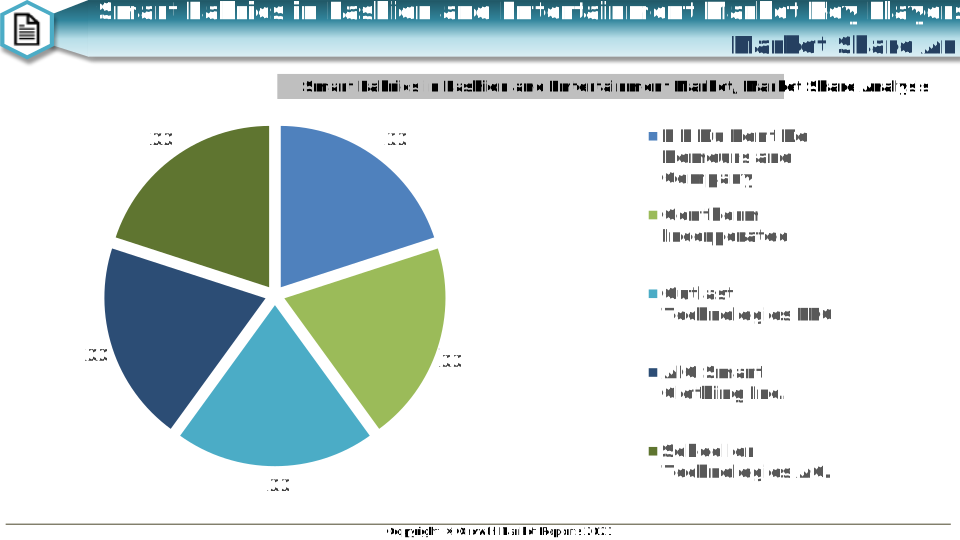
Major players include DuPont, Adidas AG, Nike Inc., Ohmatex, Interactive Wear AG, Textronics, Inc., Sensoria Inc., CuteCircuit, AiQ Smart Clothing Inc., and others.
Challenges include high production costs, technical difficulties in integrating electronics, ensuring durability and washability, and navigating evolving regulatory standards.
The main end-users are men, women, and children, each with unique preferences for style, functionality, and safety features.
Smart fabrics are distributed through online stores, specialty stores, department stores, pop-up stores, brand-owned boutiques, and direct-to-consumer channels.
Smart fabrics can provide functionalities such as sensing (monitoring physiological and environmental parameters), energy harvesting, thermoregulation, illumination, antimicrobial properties, water repellency, and shape memory.
Smart fabrics are used in fashion apparel, sportswear, wearable technology, entertainment costumes, accessories, footwear, and home textiles.
North America currently dominates the market, followed by Europe. The Asia Pacific region is expected to experience the fastest growth through 2033.
The market is segmented into passive smart fabrics, active smart fabrics, and ultra-smart fabrics, each offering varying levels of functionality from basic environmental response to advanced data processing and adaptability.
Key growth drivers include rapid advancements in wearable technology, miniaturization of sensors, increasing demand for interactive and functional clothing, and the integration of electronics into textiles.
As of 2024, the global smart fabrics in fashion and entertainment market size reached USD 5.42 billion, with expectations to grow to USD 42.38 billion by 2033.