Segments - by Drug Type (Targeted Small Molecules, Cytotoxic Small Molecules, Others), by Therapeutic Area (Oncology, Cardiovascular Diseases, Neurological Disorders, Infectious Diseases, Metabolic Disorders, Others), by Process/Phase (Target Identification & Validation, Hit Generation & Selection, Lead Optimization, Preclinical Development, Others), by End-User (Pharmaceutical & Biotechnology Companies, Contract Research Organizations, Academic & Research Institutes, Others)
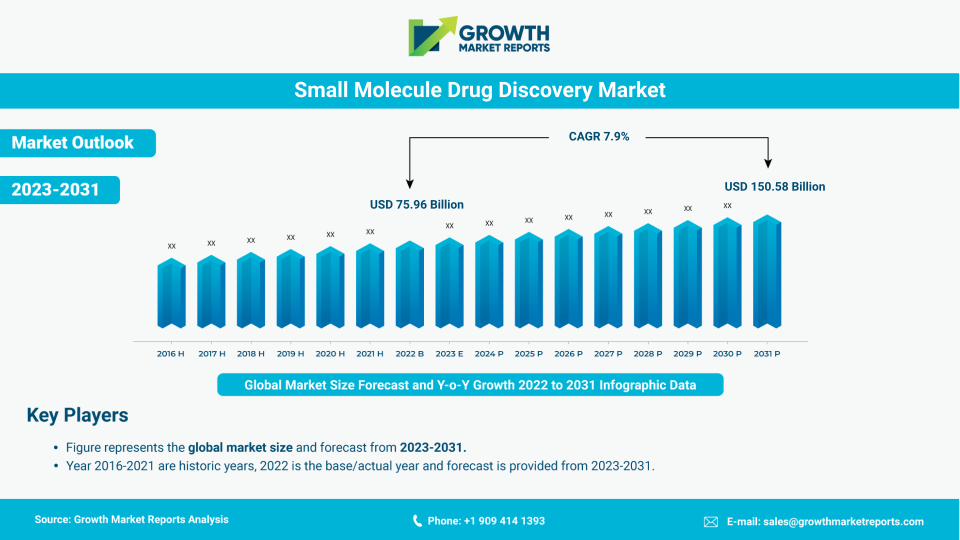
According to our latest research, the global small molecule drug discovery market size reached USD 47.2 billion in 2024, reflecting robust industry momentum. The market is expected to expand at a CAGR of 8.1% from 2025 to 2033, reaching a projected value of USD 92.5 billion by 2033. This growth is primarily fueled by the increasing prevalence of chronic diseases, significant advancements in high-throughput screening technologies, and the rising demand for precision medicine. As per our latest research, the marketÂ’s trajectory is underpinned by a strong pipeline of small molecule therapeutics and the widespread adoption of innovative drug discovery platforms.
The growth drivers of the small molecule drug discovery market are multifaceted, with the most prominent being the escalating global burden of chronic and infectious diseases. The surge in cancer, cardiovascular diseases, neurological disorders, and metabolic conditions has intensified the demand for novel small molecule therapies that can offer targeted and effective treatment options. The flexibility of small molecules to modulate a wide range of biological targets, coupled with their oral bioavailability and cost-effectiveness, makes them a preferred choice for pharmaceutical developers. Additionally, the ongoing COVID-19 pandemic has further highlighted the urgent need for rapid drug discovery and development, spurring investments and collaborations across academia, biopharma, and contract research organizations (CROs).
Technological advancements have played a pivotal role in accelerating the pace of small molecule drug discovery. The integration of artificial intelligence (AI), machine learning, and advanced computational modeling has revolutionized the process of target identification, hit generation, and lead optimization. High-throughput screening platforms, combinatorial chemistry, and structure-based drug design now enable researchers to analyze vast compound libraries efficiently, reducing both time and cost associated with drug development. These innovations have not only improved the accuracy of predicting drug efficacy and safety but have also facilitated the identification of first-in-class and best-in-class small molecule drugs, thereby expanding the therapeutic landscape.
Another significant growth factor is the evolving regulatory landscape and increasing support for orphan drug development. Regulatory agencies such as the FDA and EMA have streamlined approval pathways for small molecule drugs targeting rare diseases and unmet medical needs. This has incentivized pharmaceutical and biotechnology companies to invest in small molecule research, particularly for indications with limited treatment options. Furthermore, the rise of personalized medicine has necessitated the development of small molecules tailored to specific genetic and molecular profiles, thereby opening new avenues for innovation and market expansion.
Small Molecule Stability and Storage are crucial considerations in the drug discovery process, as they directly impact the efficacy and shelf life of pharmaceutical products. The stability of small molecules is influenced by various factors, including temperature, humidity, and light exposure, which can lead to degradation and loss of potency over time. Proper storage conditions are essential to maintain the integrity of small molecule drugs, ensuring they remain effective throughout their intended shelf life. Advances in formulation science and packaging technologies have enabled the development of more stable small molecule formulations, reducing the risk of degradation and improving patient outcomes. By understanding the stability profiles of small molecules, pharmaceutical companies can optimize storage conditions and extend the shelf life of their products, ultimately enhancing their marketability and therapeutic value.
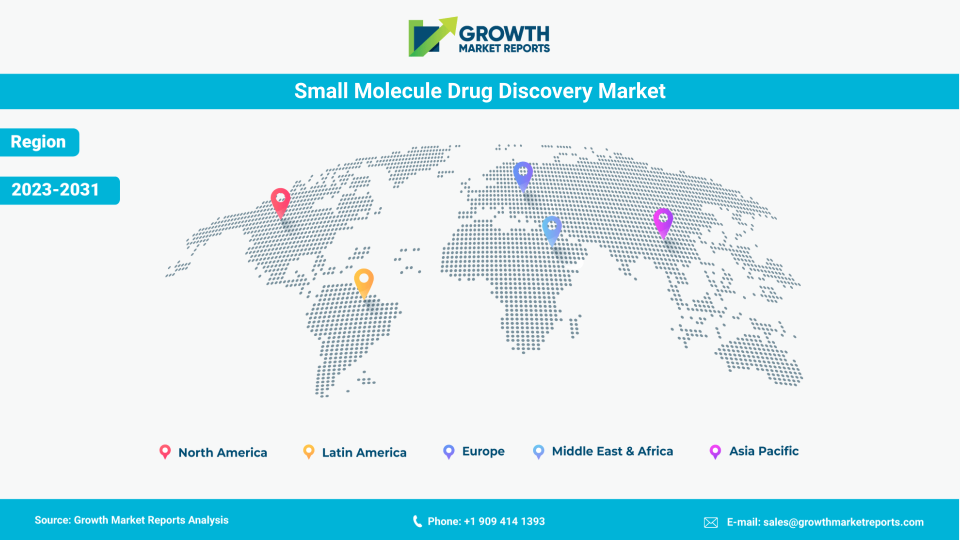
From a regional perspective, North America continues to dominate the small molecule drug discovery market due to its advanced healthcare infrastructure, strong presence of leading pharmaceutical companies, and robust research and development (R&D) ecosystem. However, Asia Pacific is emerging as a lucrative region, driven by increasing healthcare investments, expanding CRO networks, and a growing patient population. Europe also maintains a significant share, supported by favorable government policies and collaborative research initiatives. The Middle East & Africa and Latin America, while currently smaller in market share, are expected to witness steady growth as healthcare access improves and local pharmaceutical industries mature.
The drug type segment of the small molecule drug discovery market is primarily categorized into targeted small molecules, cytotoxic small molecules, and other emerging types. Targeted small molecules have gained significant traction in recent years, owing to their ability to interact with specific molecular targets involved in disease pathogenesis. These drugs are designed to minimize off-target effects, thereby improving patient safety and therapeutic outcomes. The growing understanding of disease biology and the identification of novel druggable targets have fueled the development of targeted small molecules, particularly in oncology and immunology. Pharmaceutical companies are increasingly prioritizing these agents in their pipelines, given their potential to address unmet clinical needs and secure premium pricing in the market.
Cytotoxic small molecules, traditionally used in the treatment of various cancers, continue to hold a substantial share of the market. Despite the emergence of targeted therapies and biologics, cytotoxic agents remain indispensable in certain cancer types and stages, where rapid tumor reduction is essential. The ongoing refinement of cytotoxic drug formulations, including the development of prodrugs and combination regimens, has enhanced their therapeutic index and broadened their application. Moreover, research efforts are focused on overcoming resistance mechanisms and reducing toxicity, which are critical challenges associated with cytotoxic small molecule drugs.
The “others” category encompasses a diverse range of small molecules with unique mechanisms of action, including enzyme inhibitors, receptor modulators, and ion channel blockers. These drugs are being explored across multiple therapeutic areas, from infectious diseases to metabolic disorders. The versatility of small molecules in modulating various biological pathways has led to continued innovation and expansion of this segment. Notably, the integration of chemical biology and medicinal chemistry has facilitated the discovery of novel small molecules with improved pharmacokinetic and pharmacodynamic properties, further driving market growth.
The competitive landscape within the drug type segment is characterized by intense R&D activity and strategic collaborations. Major pharmaceutical companies are investing heavily in both in-house discovery programs and external partnerships to accelerate the development of next-generation small molecule drugs. Additionally, the rise of specialty pharma and biotech firms focusing on niche indications has contributed to the diversification of the small molecule drug portfolio. As the demand for more effective and safer therapeutics grows, the drug type segment is expected to witness continuous innovation and expansion over the forecast period.
The advent of GPCR Structure-Based Drug Design has revolutionized the field of small molecule drug discovery, offering new avenues for targeting complex biological pathways. G protein-coupled receptors (GPCRs) are a large family of membrane proteins that play a critical role in cellular signaling and are implicated in numerous diseases. Structure-based drug design leverages detailed knowledge of GPCR structures to identify and optimize small molecules that can modulate these receptors with high specificity and efficacy. This approach has led to the discovery of novel therapeutics with improved safety profiles and reduced off-target effects. By integrating structural biology, computational modeling, and medicinal chemistry, researchers can design small molecules that precisely interact with GPCRs, opening up new possibilities for treating a wide range of conditions, from neurological disorders to metabolic diseases.
| Attributes | Details |
| Report Title | Small Molecule Drug Discovery Market Research Report 2033 |
| By Drug Type | Targeted Small Molecules, Cytotoxic Small Molecules, Others |
| By Therapeutic Area | Oncology, Cardiovascular Diseases, Neurological Disorders, Infectious Diseases, Metabolic Disorders, Others |
| By Process/Phase | Target Identification & Validation, Hit Generation & Selection, Lead Optimization, Preclinical Development, Others |
| By End-User | Pharmaceutical & Biotechnology Companies, Contract Research Organizations, Academic & Research Institutes, Others |
| Regions Covered | North America, Europe, APAC, Latin America, MEA |
| Base Year | 2024 |
| Historic Data | 2018-2023 |
| Forecast Period | 2025-2033 |
| Number of Pages | 280 |
| Number of Tables & Figures | 367 |
| Customization Available | Yes, the report can be customized as per your need. |
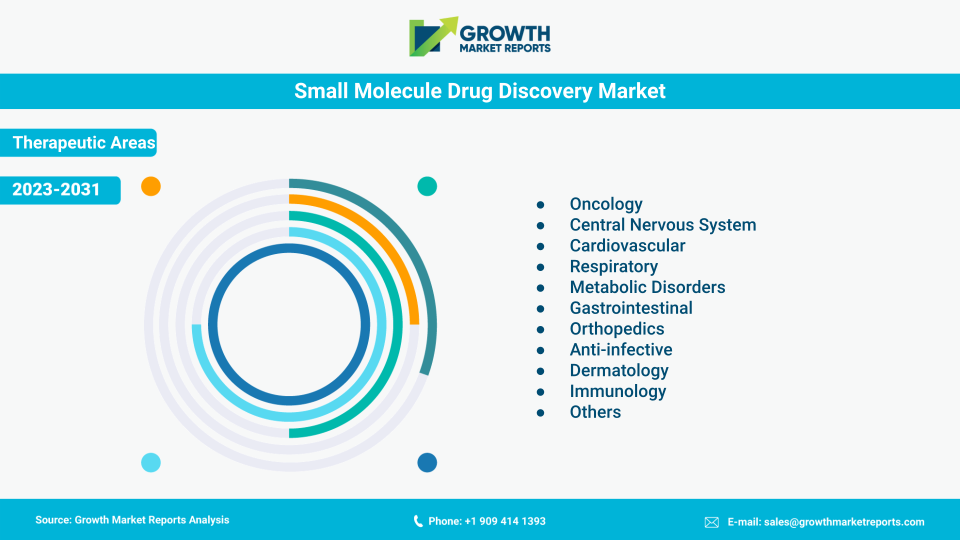
The therapeutic area segment of the small molecule drug discovery market is dominated by oncology, which accounts for the largest share due to the high incidence and mortality associated with various cancers. The ongoing pursuit of precision oncology has led to the development of small molecule inhibitors targeting specific genetic mutations and signaling pathways, such as tyrosine kinases and PARP enzymes. These agents have revolutionized cancer treatment by offering personalized and less toxic alternatives to traditional chemotherapy. The robust oncology pipeline, supported by breakthrough designations and accelerated approvals, continues to drive market growth in this segment.
Cardiovascular diseases represent another significant therapeutic area, given the global prevalence of conditions such as hypertension, heart failure, and arrhythmias. Small molecule drugs play a crucial role in managing these disorders, offering advantages such as oral administration, rapid onset of action, and cost-effectiveness. Recent advancements in the understanding of cardiovascular biology have paved the way for novel small molecule therapies targeting previously untreatable conditions, including rare genetic cardiomyopathies and resistant hypertension. The growing aging population and rising lifestyle-related risk factors further underscore the importance of this segment.
Neurological disorders, including AlzheimerÂ’s disease, ParkinsonÂ’s disease, and epilepsy, present substantial opportunities for small molecule drug discovery. The complexity of the central nervous system and the blood-brain barrier pose significant challenges, but advances in medicinal chemistry and drug delivery technologies have enabled the development of small molecules capable of crossing the blood-brain barrier and modulating central targets. The increasing prevalence of neurodegenerative diseases, coupled with the lack of disease-modifying treatments, has intensified research efforts and investments in this therapeutic area.
Infectious diseases and metabolic disorders also constitute key segments within the therapeutic area analysis. The emergence of drug-resistant pathogens and the ongoing threat of pandemics have highlighted the need for new small molecule antibiotics and antivirals. Meanwhile, the global rise in diabetes, obesity, and other metabolic conditions has driven the development of small molecule drugs targeting metabolic pathways and receptors. The versatility and scalability of small molecule manufacturing make them ideal candidates for addressing large patient populations across these therapeutic areas.
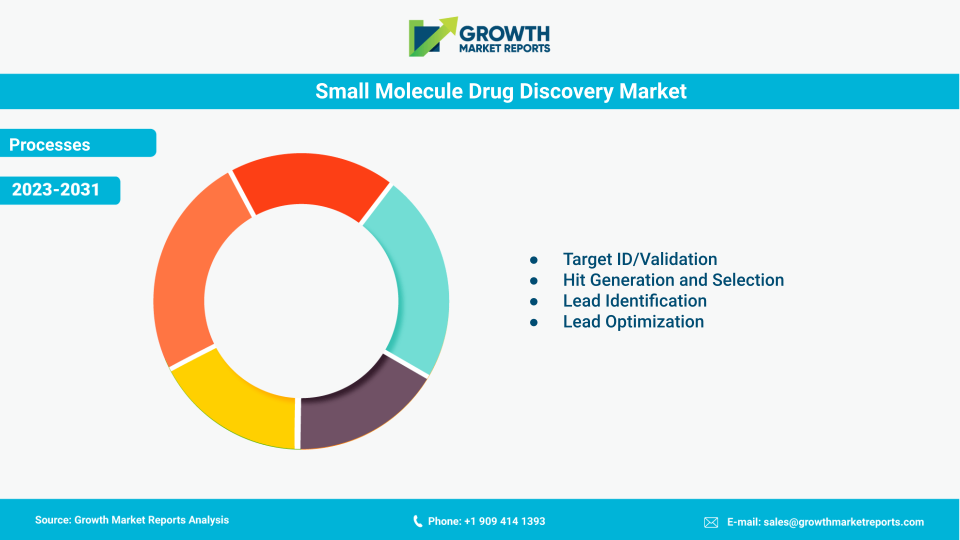
The process/phase segment of the small molecule drug discovery market encompasses several critical stages, including target identification and validation, hit generation and selection, lead optimization, preclinical development, and other supporting activities. Target identification and validation form the foundation of successful drug discovery, as they involve the selection of relevant biological targets implicated in disease progression. Advances in genomics, proteomics, and bioinformatics have significantly enhanced the accuracy and efficiency of this phase, enabling researchers to identify novel targets with high therapeutic potential. The integration of AI-driven data analytics has further streamlined the process, allowing for the rapid prioritization of targets based on disease relevance and druggability.
Covalent Inhibitor Drug Discovery represents a promising strategy in the development of small molecule therapeutics, particularly for targets that are challenging to modulate with traditional reversible inhibitors. Covalent inhibitors form a permanent bond with their target proteins, leading to sustained inhibition and potentially enhanced therapeutic effects. This approach is especially valuable for targeting enzymes and proteins with shallow or poorly defined binding sites, where non-covalent interactions may be insufficient. The design of covalent inhibitors requires careful consideration of selectivity and safety to minimize off-target effects and adverse reactions. Recent advances in chemical biology and structural analysis have facilitated the identification of novel covalent binding sites, enabling the development of highly selective and potent inhibitors. As a result, covalent inhibitor drug discovery is gaining traction as a viable strategy for addressing unmet medical needs across various therapeutic areas.
Hit generation and selection represent the next crucial step, where large compound libraries are screened to identify molecules that exhibit desired biological activity against the chosen target. High-throughput screening (HTS) platforms, coupled with virtual screening and fragment-based drug design, have transformed this phase by enabling the rapid evaluation of thousands to millions of compounds. The ability to generate high-quality hits with favorable physicochemical properties is essential for the success of subsequent drug development stages. Collaborative efforts between pharmaceutical companies, academic institutions, and CROs have further accelerated hit discovery and validation.
Lead optimization involves the iterative modification of hit compounds to enhance their potency, selectivity, and pharmacokinetic properties. This phase is critical for minimizing off-target effects and improving the safety profile of potential drug candidates. Medicinal chemistry, structure-activity relationship (SAR) studies, and advanced modeling techniques are extensively employed to optimize lead compounds. The growing use of predictive toxicology and in silico ADMET (absorption, distribution, metabolism, excretion, and toxicity) modeling has reduced the attrition rate of drug candidates, thereby increasing the efficiency of the drug discovery process.
Preclinical development is the final stage before clinical trials, involving comprehensive in vitro and in vivo studies to assess the efficacy, safety, and pharmacological properties of optimized lead compounds. Regulatory requirements for preclinical data have become increasingly stringent, necessitating the use of advanced animal models and biomarker analysis. The adoption of innovative technologies such as organ-on-a-chip and 3D cell culture systems has improved the predictive value of preclinical studies, facilitating smoother transitions to clinical development. Collectively, the process/phase segment underscores the critical importance of a well-coordinated and technologically advanced drug discovery workflow.
The end-user segment of the small molecule drug discovery market is primarily composed of pharmaceutical and biotechnology companies, contract research organizations (CROs), academic and research institutes, and other stakeholders. Pharmaceutical and biotechnology companies remain the dominant end-users, accounting for the largest share of the market. These organizations possess the financial resources, technical expertise, and infrastructure necessary to drive large-scale drug discovery programs. The increasing emphasis on innovation and the need to replenish product pipelines have prompted pharma and biotech firms to invest heavily in small molecule research, both through in-house efforts and strategic collaborations.
Contract research organizations (CROs) have emerged as critical partners in the small molecule drug discovery ecosystem. CROs offer a wide range of services, including target validation, compound screening, lead optimization, and preclinical development. The outsourcing of drug discovery activities to CROs enables pharmaceutical companies to reduce operational costs, access specialized expertise, and accelerate project timelines. The growing trend of virtual and decentralized drug discovery models has further bolstered the demand for CRO services, particularly among small and mid-sized biotech firms with limited internal capabilities.
Academic and research institutes play a vital role in advancing the frontiers of small molecule drug discovery. These institutions are often at the forefront of basic research, uncovering new biological targets and elucidating disease mechanisms. Collaborative initiatives between academia and industry have become increasingly common, facilitating the translation of scientific discoveries into viable drug candidates. Government funding, grants, and public-private partnerships have further strengthened the role of academic and research institutes in the drug discovery value chain.
Other end-users, including government agencies, non-profit organizations, and patient advocacy groups, also contribute to the small molecule drug discovery landscape. These stakeholders often focus on neglected diseases, rare disorders, and areas with limited commercial interest, ensuring that drug discovery efforts address a broad spectrum of healthcare needs. The collective efforts of diverse end-users underscore the collaborative and multidisciplinary nature of the small molecule drug discovery market.
The small molecule drug discovery market is brimming with opportunities, particularly in the realm of precision medicine and rare disease therapeutics. The increasing availability of genomic and proteomic data has enabled the identification of novel drug targets and patient-specific biomarkers, paving the way for personalized small molecule therapies. Additionally, advances in computational chemistry, AI-driven drug design, and machine learning have significantly reduced the time and cost associated with drug discovery, making it feasible for smaller companies and academic institutions to participate in this space. The expansion of open innovation models, collaborative research networks, and public-private partnerships further enhances the potential for breakthrough discoveries and accelerates the translation of scientific insights into clinical applications.
Another major opportunity lies in the growing demand for small molecule drugs in emerging markets such as Asia Pacific, Latin America, and the Middle East & Africa. These regions are witnessing rapid improvements in healthcare infrastructure, increasing investments in pharmaceutical R&D, and rising awareness of chronic and infectious diseases. The expansion of local CRO networks and favorable regulatory reforms are making it easier for global and regional players to conduct drug discovery activities and bring innovative therapies to market. Moreover, the ongoing shift towards value-based healthcare and outcome-driven reimbursement models is expected to drive the adoption of cost-effective small molecule drugs, especially in resource-constrained settings.
Despite these opportunities, the small molecule drug discovery market faces several restraining factors, with high attrition rates and regulatory complexities being the most prominent. The process of translating a promising compound from early discovery to clinical success is fraught with scientific, technical, and regulatory challenges. Many drug candidates fail during preclinical or clinical development due to issues related to efficacy, safety, or pharmacokinetics. Additionally, the evolving regulatory landscape, characterized by stringent requirements for data quality, safety, and efficacy, adds to the time and cost of drug development. Intellectual property (IP) challenges, competitive pressures, and the emergence of alternative therapeutic modalities such as biologics and gene therapies further intensify the risks associated with small molecule drug discovery.
North America remains the largest regional market for small molecule drug discovery, accounting for approximately 42% of the global market share, or USD 19.8 billion in 2024. The regionÂ’s dominance is attributed to its advanced healthcare infrastructure, high R&D spending, and the presence of leading pharmaceutical and biotechnology companies. The United States, in particular, is home to a vibrant ecosystem of academic research centers, CROs, and venture capital investors, all of which contribute to a dynamic and innovative drug discovery environment. Favorable regulatory frameworks and strong intellectual property protection further enhance the regionÂ’s attractiveness for drug development activities.
Europe holds a significant position in the global small molecule drug discovery market, with a market size of USD 12.7 billion in 2024, representing 27% of the global share. The region benefits from a well-established pharmaceutical industry, robust public and private research funding, and a collaborative approach to drug discovery. Key countries such as Germany, the United Kingdom, and Switzerland are at the forefront of innovation, leveraging strong academic-industry partnerships and government support for life sciences research. The European Medicines Agency (EMA) has played a pivotal role in facilitating the development and approval of innovative small molecule drugs, particularly for rare and orphan diseases.
The Asia Pacific region is witnessing the fastest growth in the small molecule drug discovery market, with a projected CAGR of 10.2% from 2025 to 2033. The market size in Asia Pacific reached USD 9.4 billion in 2024, driven by increasing healthcare investments, expanding pharmaceutical manufacturing capabilities, and a growing focus on translational research. China, India, and Japan are leading the regional growth, supported by government initiatives to promote drug discovery and innovation. The rising prevalence of chronic diseases, improving access to healthcare, and the establishment of state-of-the-art research facilities are expected to further accelerate market expansion in Asia Pacific. Latin America and the Middle East & Africa, though currently smaller in market size, are also poised for steady growth as local pharmaceutical industries mature and healthcare infrastructure improves.
The competitive landscape of the small molecule drug discovery market is characterized by the presence of several global pharmaceutical giants, innovative biotechnology firms, and a growing number of contract research organizations (CROs) and academic research centers. The market is highly dynamic, with companies continuously striving to enhance their drug discovery capabilities through investments in advanced technologies, strategic acquisitions, and collaborative partnerships. The increasing complexity of disease biology and the demand for more targeted and effective therapies have prompted companies to adopt multidisciplinary approaches, integrating medicinal chemistry, computational biology, and high-throughput screening into their R&D workflows.
Strategic alliances, licensing agreements, and joint ventures are commonplace in the small molecule drug discovery market, as companies seek to leverage complementary strengths and accelerate the development of novel therapeutics. Large pharmaceutical companies often collaborate with smaller biotech firms and academic institutions to access innovative drug discovery platforms, novel targets, and early-stage compounds. These partnerships not only reduce the risks and costs associated with drug development but also enhance the speed and efficiency of bringing new drugs to market. Additionally, the rise of open innovation models and crowdsourced research initiatives has fostered a more collaborative and inclusive drug discovery ecosystem.
The market is also witnessing increased investment in digital and computational technologies, such as artificial intelligence (AI), machine learning, and big data analytics. These tools are being used to streamline target identification, optimize compound design, and predict drug safety and efficacy, thereby improving the overall success rate of drug discovery programs. Companies are also focusing on expanding their global footprint, particularly in emerging markets, to capitalize on growing demand and access diverse patient populations for clinical trials. The competitive environment is further intensified by the entry of new players, including specialty pharma and biotech startups, which are driving innovation in niche therapeutic areas and rare diseases.
Some of the major companies operating in the small molecule drug discovery market include Pfizer Inc., Novartis AG, GlaxoSmithKline plc, Merck & Co., Inc., AstraZeneca plc, Roche Holding AG, Johnson & Johnson, Eli Lilly and Company, AbbVie Inc., and Sanofi S.A. These industry leaders are distinguished by their extensive R&D pipelines, global presence, and strong financial resources. Pfizer, for example, has a robust portfolio of small molecule drugs across multiple therapeutic areas and continues to invest in next-generation drug discovery platforms. Novartis and AstraZeneca are known for their innovative oncology pipelines, while Roche and Merck have made significant advances in immunology and infectious diseases.
In addition to these pharmaceutical giants, a growing number of biotechnology firms and CROs are making significant contributions to the small molecule drug discovery market. Companies such as Evotec AG, Charles River Laboratories, and WuXi AppTec offer a wide range of discovery and development services, enabling pharmaceutical companies to accelerate their R&D programs and bring new drugs to market more efficiently. Academic research centers and public-private partnerships also play a crucial role in driving innovation, particularly in early-stage discovery and translational research. The collective efforts of these diverse stakeholders ensure that the small molecule drug discovery market remains vibrant, competitive, and poised for continued growth over the next decade.
The Small Molecule Drug Discovery market has been segmented on the basis of
The major players of the market are Pfizer Inc., Bristol-Myers Squibb Company, Merck KGaA, Boehringer Ingelheim GmbH, and GlaxoSmithKline. Companies are focusing on innovations, partnerships, and acquisitions to expand their market share.
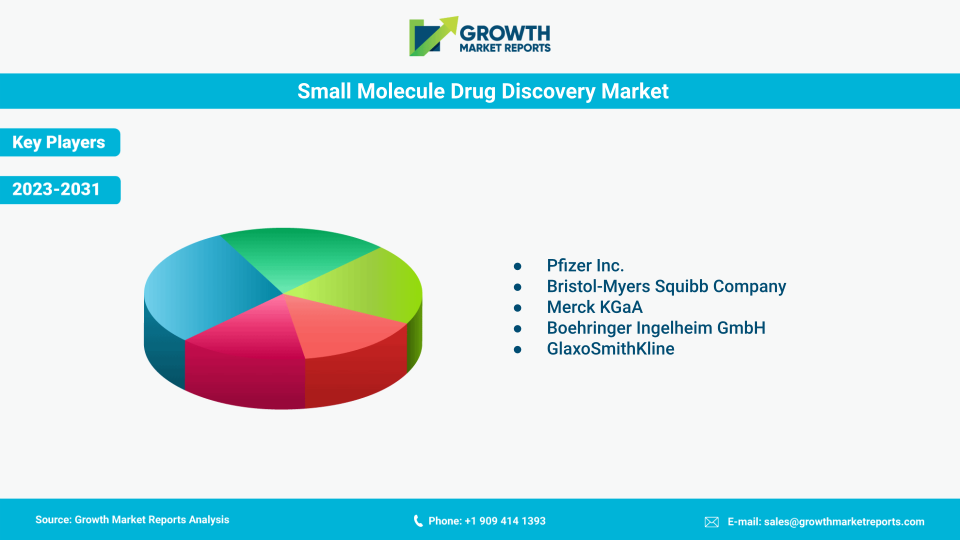
Major players include Pfizer, Novartis, GlaxoSmithKline, Roche, Johnson & Johnson, AstraZeneca, Sanofi, Merck, Eli Lilly, AbbVie, and several others, along with CROs like Evotec, Charles River Laboratories, and WuXi AppTec.
Opportunities include the rise of precision medicine, increased demand in emerging markets, advances in AI-driven drug design, and collaborative research models that accelerate innovation.
Major challenges include high attrition rates in drug development, regulatory complexities, intellectual property issues, and competition from biologics and gene therapies.
Pharmaceutical and biotechnology companies are the primary end-users, with contract research organizations (CROs), academic and research institutes, and government agencies also playing significant roles.
North America dominates the market, followed by Europe and the Asia Pacific. Asia Pacific is the fastest-growing region, driven by increased healthcare investments and expanding CRO networks.
The main types include targeted small molecules, cytotoxic small molecules, and others such as enzyme inhibitors and receptor modulators. Targeted small molecules are gaining traction, especially in oncology and immunology.
Technologies such as artificial intelligence, machine learning, high-throughput screening, and advanced computational modeling are accelerating target identification, hit generation, and lead optimization, making drug discovery faster and more cost-effective.
Oncology leads the market due to high cancer incidence and mortality, followed by cardiovascular diseases, neurological disorders, infectious diseases, and metabolic disorders.
Key growth drivers include the rising prevalence of chronic and infectious diseases, advancements in high-throughput screening and AI technologies, increased demand for precision medicine, and a robust pipeline of small molecule therapeutics.
As of 2024, the global small molecule drug discovery market is valued at USD 47.2 billion and is projected to reach USD 92.5 billion by 2033, growing at a CAGR of 8.1%.