Segments - by Trailer Type (2-Axle, 3-Axle, 4-Axle, Multi-Axle), by Application (Container Transportation, Logistics, Shipping, Ports, Others), by Material (Steel, Aluminum, Composite), by End-User (Logistics Companies, Shipping Lines, Freight Forwarders, Others)
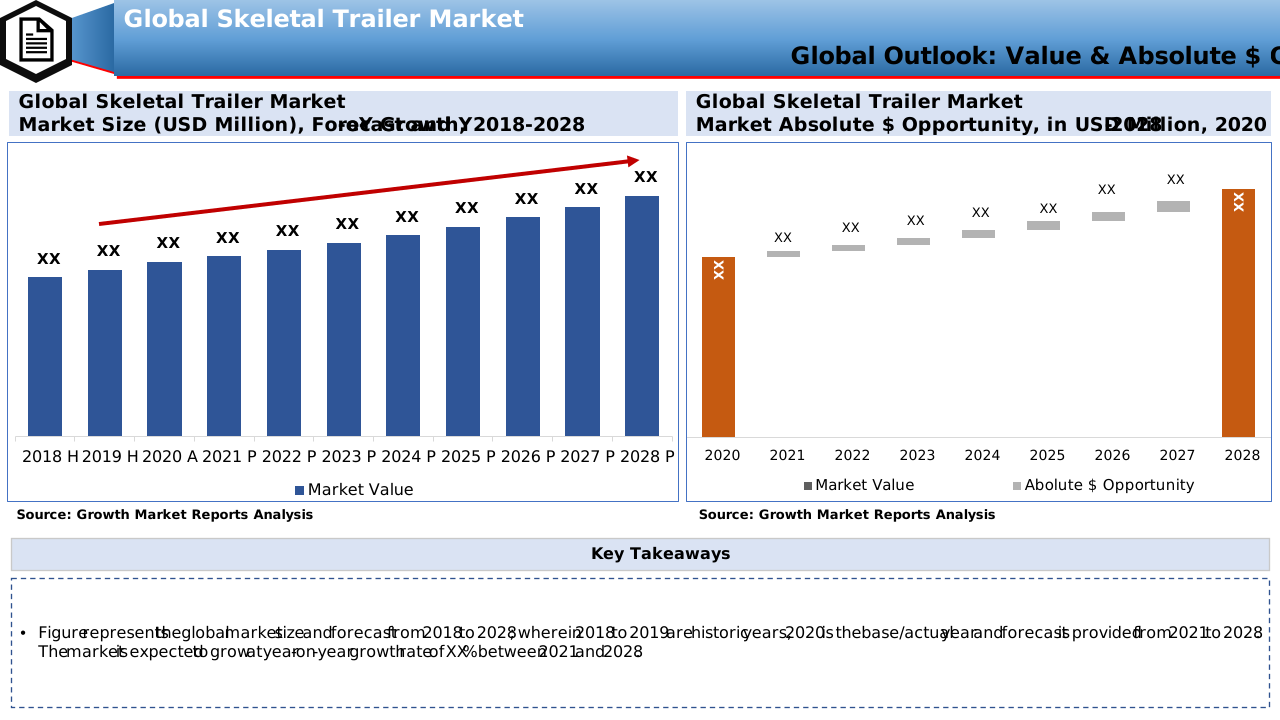
According to our latest research, the skeletal trailer market size reached USD 1.82 billion globally in 2024. With a steady compound annual growth rate (CAGR) of 5.3% projected for the period 2025–2033, the market is expected to achieve a value of USD 2.88 billion by 2033. This growth is primarily driven by the escalating demand for efficient container transportation across major trade routes, the modernization of port and logistics infrastructure, and the increasing emphasis on cost-effective freight solutions worldwide.
One of the principal growth factors for the skeletal trailer market is the exponential rise in global trade volumes, particularly in containerized cargo. As international shipping and cross-border e-commerce continue to expand, there is a heightened need for reliable, flexible, and efficient trailer solutions to transport containers between ports, warehouses, and distribution centers. Skeletal trailers, with their lightweight design and adaptability for various container sizes, have become indispensable assets for logistics operators aiming to optimize turnaround times and reduce operational costs. Additionally, government investments in port modernization and the expansion of intermodal transportation networks are creating new opportunities for skeletal trailer manufacturers and service providers.
Technological advancements in trailer manufacturing are another significant driver of market growth. The integration of high-strength, lightweight materials such as advanced steel alloys, aluminum, and composites has enhanced the payload capacity and fuel efficiency of skeletal trailers. Innovations in telematics, GPS tracking, and smart fleet management systems are further enabling logistics companies to monitor trailer performance, optimize routes, and improve asset utilization. These technological improvements not only reduce operating expenses but also support sustainability initiatives by minimizing carbon emissions and resource consumption throughout the transportation value chain.
The skeletal trailer market is also benefiting from evolving regulatory frameworks and industry standards that prioritize safety, efficiency, and environmental compliance. Stringent regulations governing vehicle weight limits, emissions, and road safety are prompting logistics companies to upgrade their fleets with modern skeletal trailers that meet or exceed these requirements. Furthermore, the growing adoption of multimodal transportation solutions, which combine road, rail, and sea freight, is increasing the demand for versatile trailers capable of seamless container transfers. As a result, manufacturers are focusing on developing modular and customizable skeletal trailers to cater to the diverse needs of end-users across different regions and industries.
From a regional perspective, Asia Pacific remains the dominant market for skeletal trailers, accounting for the largest share of global demand in 2024. This leadership is attributed to the region's robust manufacturing base, extensive port infrastructure, and rapidly growing logistics and e-commerce sectors. North America and Europe also represent significant markets, driven by ongoing investments in transportation infrastructure and the adoption of advanced trailer technologies. Meanwhile, emerging economies in Latin America and the Middle East & Africa are witnessing increasing demand for skeletal trailers as they invest in port expansion and trade facilitation initiatives to boost their participation in global supply chains.
The skeletal trailer market is segmented by trailer type into 2-axle, 3-axle, 4-axle, and multi-axle configurations, each catering to specific operational requirements and load capacities. The 3-axle segment currently dominates the market, owing to its optimal balance between load-bearing capacity and maneuverability, making it ideal for the majority of container transportation applications. These trailers are widely preferred by logistics companies and freight forwarders for their ability to efficiently carry standard 20-foot and 40-foot containers over medium to long distances. The demand for 3-axle skeletal trailers is further supported by regulatory standards in key markets that specify axle configurations for road safety and weight distribution.
The 2-axle skeletal trailer segment, while smaller in market share, plays a crucial role in short-haul and intra-city container movements. These trailers are particularly favored in urban logistics environments where maneuverability, compact design, and lower weight are essential for navigating congested city streets and tight loading docks. The growing trend of last-mile delivery and increased focus on urban supply chain efficiency are expected to drive incremental demand for 2-axle skeletal trailers, especially in developed regions with mature logistics infrastructure.
The 4-axle and multi-axle segments are gaining traction in markets where heavy container loads and long-haul transportation are prevalent. These trailers offer superior load distribution and stability, enabling the safe transport of oversized and overweight containers across challenging terrains and extended routes. The adoption of 4-axle and multi-axle skeletal trailers is particularly notable in regions with significant mining, industrial, and infrastructure development activities, where the movement of heavy and specialized cargo is a routine requirement. Manufacturers are responding to this demand by introducing robust, high-capacity models with advanced suspension systems and enhanced durability.
Technological innovation is also influencing the trailer type segment, with manufacturers increasingly offering modular chassis designs that allow operators to customize axle configurations based on specific transport needs. This flexibility enables logistics providers to optimize fleet utilization, reduce downtime, and comply with varying regulatory requirements across different jurisdictions. As the global logistics landscape evolves, the ability to adapt trailer configurations to changing cargo profiles and operational environments will remain a key competitive advantage for both manufacturers and end-users in the skeletal trailer market.
| Attributes | Details |
| Report Title | Skeletal Trailer Market Research Report 2033 |
| By Trailer Type | 2-Axle, 3-Axle, 4-Axle, Multi-Axle |
| By Application | Container Transportation, Logistics, Shipping, Ports, Others |
| By Material | Steel, Aluminum, Composite |
| By End-User | Logistics Companies, Shipping Lines, Freight Forwarders, Others |
| Regions Covered | North America, Europe, APAC, Latin America, MEA |
| Base Year | 2024 |
| Historic Data | 2018-2023 |
| Forecast Period | 2025-2033 |
| Number of Pages | 270 |
| Number of Tables & Figures | 305 |
| Customization Available | Yes, the report can be customized as per your need. |
The application segment of the skeletal trailer market encompasses container transportation, logistics, shipping, ports, and others, reflecting the diverse roles these trailers play in the global supply chain. Container transportation represents the largest application, accounting for a substantial share of market revenue in 2024. The proliferation of containerized shipping, driven by the need for standardized, secure, and efficient cargo handling, has made skeletal trailers an essential component of intermodal transport systems. These trailers facilitate the seamless movement of containers between ships, trains, and trucks, thereby enhancing supply chain flexibility and reducing handling times at key transfer points.
The logistics segment is witnessing robust growth as companies increasingly prioritize operational efficiency, cost reduction, and timely delivery in a highly competitive market environment. Skeletal trailers are integral to the functioning of large-scale logistics operations, enabling the rapid transport of goods between distribution centers, warehouses, and retail outlets. The rise of e-commerce and the resulting surge in parcel volumes are further driving demand for skeletal trailers, particularly those equipped with advanced tracking and fleet management technologies that support real-time visibility and inventory optimization.
Ports and shipping terminals constitute another critical application area for skeletal trailers, given their role in facilitating the movement of containers between vessels and inland transport networks. The ongoing expansion and modernization of port infrastructure in major trade hubs are generating new opportunities for skeletal trailer providers, as terminal operators seek to enhance throughput capacity and streamline cargo handling processes. The adoption of automated and semi-automated terminal operations is also fueling demand for specialized skeletal trailers that can integrate with advanced yard management systems and autonomous vehicle fleets.
Beyond traditional applications, the "others" segment includes the use of skeletal trailers in specialized industries such as construction, agriculture, and energy. These sectors require customized trailer solutions to transport oversized equipment, bulk materials, and project cargo, often under challenging operating conditions. The versatility and adaptability of skeletal trailers make them well-suited for such applications, and manufacturers are increasingly offering tailored designs to meet the unique requirements of non-standard cargo movements.
Material choice is a critical factor in the design and performance of skeletal trailers, with the market segmented into steel, aluminum, and composite options. Steel remains the dominant material, accounting for the majority of skeletal trailers produced globally in 2024. Its widespread use is attributed to its high strength, durability, and cost-effectiveness, making it suitable for heavy-duty applications and long-haul transportation. Steel trailers are particularly favored in regions with challenging road conditions and high cargo weights, where robustness and reliability are paramount.
Aluminum is gaining popularity as a lightweight alternative to steel, offering significant advantages in terms of fuel efficiency, payload capacity, and resistance to corrosion. Aluminum skeletal trailers are especially sought after in markets where weight restrictions and environmental regulations are stringent, as they enable operators to maximize cargo loads while minimizing operating costs and emissions. The adoption of aluminum trailers is expected to accelerate in Europe and North America, where sustainability and regulatory compliance are increasingly important drivers of purchasing decisions.
Composite materials represent the newest frontier in skeletal trailer manufacturing, combining the best attributes of steel and aluminum with advanced polymers and fiber-reinforced structures. Composite trailers offer superior weight savings, enhanced durability, and improved resistance to environmental degradation, making them ideal for specialized and high-performance applications. Although currently occupying a smaller share of the market, the composite segment is expected to experience rapid growth over the forecast period as manufacturers continue to invest in research and development, and as end-users seek innovative solutions to address evolving operational challenges.
Material selection also has a direct impact on the lifecycle costs, maintenance requirements, and resale value of skeletal trailers. As total cost of ownership becomes a key consideration for fleet operators, there is a growing emphasis on selecting materials that offer the best balance of upfront investment, operational efficiency, and long-term durability. Manufacturers are responding by expanding their product portfolios to include a wider range of material options, allowing customers to tailor their trailer fleets to specific business needs and market conditions.
The end-user landscape of the skeletal trailer market is characterized by the presence of logistics companies, shipping lines, freight forwarders, and others, each with distinct operational requirements and purchasing behaviors. Logistics companies represent the largest end-user segment, leveraging skeletal trailers to support the efficient movement of containers and general cargo across complex supply chains. These organizations prioritize fleet standardization, cost optimization, and technology integration, driving demand for high-quality, reliable, and technologically advanced skeletal trailers.
Shipping lines are another major end-user group, utilizing skeletal trailers to facilitate the transfer of containers between vessels and inland transport modes. As global shipping companies expand their service offerings and invest in integrated logistics solutions, the demand for skeletal trailers that can seamlessly interface with port equipment and terminal operations is on the rise. Shipping lines also require trailers that meet stringent safety and regulatory standards, particularly in international and cross-border transport scenarios.
Freight forwarders play a critical role in the skeletal trailer market by coordinating the movement of goods on behalf of shippers, often across multiple modes of transport and international borders. These organizations value trailer versatility, operational flexibility, and the ability to customize configurations for specific cargo types and route requirements. Freight forwarders are increasingly adopting skeletal trailers equipped with advanced tracking systems, telematics, and fleet management solutions to enhance visibility, security, and service quality for their clients.
The "others" end-user segment includes a diverse array of organizations such as construction firms, agricultural cooperatives, and industrial enterprises that require skeletal trailers for specialized transport applications. These users often demand customized trailer designs and materials to accommodate unique cargo profiles, operating environments, and regulatory requirements. As the global economy continues to diversify and new industries emerge, the skeletal trailer market is expected to witness increasing demand from non-traditional end-users seeking innovative and tailored transport solutions.
The skeletal trailer market presents numerous opportunities for growth and innovation, particularly as global supply chains become more complex and interconnected. One of the most promising opportunities lies in the integration of digital technologies and smart systems into skeletal trailer design and operation. By leveraging telematics, IoT sensors, and real-time data analytics, manufacturers and fleet operators can enhance trailer tracking, predictive maintenance, and route optimization, resulting in improved efficiency, reduced downtime, and lower operating costs. The growing emphasis on sustainability and environmental responsibility is also creating opportunities for the development of lightweight, energy-efficient trailer materials and designs that help reduce carbon emissions and support green logistics initiatives.
Another significant opportunity arises from the expansion of emerging markets, particularly in Asia Pacific, Latin America, and the Middle East & Africa. Rapid industrialization, urbanization, and investments in transportation infrastructure are driving increased demand for skeletal trailers in these regions. Manufacturers that can offer cost-effective, durable, and adaptable trailer solutions tailored to the unique needs of local markets are well-positioned to capture new business and expand their global footprint. Strategic partnerships with local logistics providers, port authorities, and government agencies can further enhance market penetration and support long-term growth.
Despite these opportunities, the skeletal trailer market faces several restraining factors that could impact growth prospects. Chief among these is the volatility of raw material prices, particularly steel and aluminum, which can significantly affect production costs and profit margins for manufacturers. Fluctuations in commodity markets, driven by geopolitical tensions, trade policies, and supply chain disruptions, pose ongoing challenges for cost management and pricing strategies. Additionally, the market is subject to stringent regulatory requirements related to vehicle safety, emissions, and roadworthiness, which can increase compliance costs and limit the adoption of new technologies in some regions. Addressing these challenges will require manufacturers to adopt agile supply chain strategies, invest in R&D, and collaborate closely with regulatory bodies to ensure continued market competitiveness.
Asia Pacific leads the skeletal trailer market, accounting for approximately 44% of the global market size in 2024, with a value of USD 800 million. This dominance is attributed to the region's robust manufacturing sector, expansive port infrastructure, and the rapid growth of logistics and e-commerce activities in countries such as China, India, Japan, and Southeast Asian nations. The region is also experiencing significant investments in transportation and logistics infrastructure, driven by government initiatives to enhance trade facilitation and supply chain efficiency. The Asia Pacific market is anticipated to maintain a strong CAGR of 6.1% through 2033, outpacing other regions due to ongoing industrialization and urbanization trends.
North America and Europe collectively accounted for around 38% of the global skeletal trailer market in 2024, with market sizes of USD 420 million and USD 270 million respectively. Both regions benefit from mature logistics networks, advanced trailer technologies, and a strong focus on regulatory compliance and sustainability. In North America, the adoption of lightweight materials and smart trailer systems is driving market growth, while in Europe, environmental regulations and the shift towards intermodal transport solutions are shaping demand patterns. Both regions are expected to witness steady growth over the forecast period, supported by ongoing investments in infrastructure modernization and digital transformation initiatives.
Latin America and the Middle East & Africa represent emerging markets for skeletal trailers, together accounting for approximately 18% of the global market in 2024. These regions are characterized by increasing investments in port expansion, trade corridors, and industrial development projects aimed at enhancing connectivity and supporting economic diversification. The skeletal trailer market in these regions is projected to grow at a moderate pace, driven by rising demand for efficient container transport solutions and the gradual adoption of modern logistics practices. However, market growth may be tempered by challenges such as regulatory complexity, infrastructure gaps, and economic volatility.
The competitive landscape of the skeletal trailer market is characterized by the presence of a mix of established global players and regional manufacturers, each vying for market share through product innovation, strategic partnerships, and geographic expansion. Leading companies are investing heavily in research and development to introduce advanced trailer designs, lightweight materials, and integrated digital solutions that address the evolving needs of logistics operators and end-users. The market is also witnessing increased consolidation as larger players acquire smaller firms to expand their product portfolios, enhance distribution networks, and strengthen their competitive positions in key growth markets.
In addition to product innovation, market leaders are focusing on customer-centric strategies such as offering tailored trailer configurations, flexible financing options, and comprehensive after-sales support services. These initiatives are aimed at building long-term relationships with key customers, particularly large logistics companies, shipping lines, and freight forwarders that account for a significant share of skeletal trailer demand. The ability to provide customized solutions and responsive service is increasingly seen as a critical differentiator in a highly competitive market environment.
Regional manufacturers play a vital role in the skeletal trailer market, particularly in Asia Pacific, Latin America, and the Middle East & Africa, where local knowledge, cost competitiveness, and proximity to customers are key advantages. These companies often focus on meeting the specific requirements of domestic markets, offering robust and affordable trailer solutions that cater to local operating conditions and regulatory frameworks. Strategic collaborations with international players, technology providers, and government agencies are enabling regional manufacturers to enhance their capabilities, access new markets, and participate in large-scale infrastructure and logistics projects.
Some of the major companies operating in the global skeletal trailer market include CIMC Vehicles Group, Schmitz Cargobull AG, Krone Group, Kögel Trailer GmbH, Dennison Trailers, SDC Trailers, and LeciTrailer. CIMC Vehicles Group is recognized for its extensive product portfolio and global distribution network, serving customers across Asia, Europe, and the Americas. Schmitz Cargobull AG and Krone Group are leading European manufacturers known for their innovation in lightweight materials and smart trailer technologies. Dennison Trailers and SDC Trailers have established strong positions in the UK and Ireland, focusing on tailored solutions for logistics and shipping companies. LeciTrailer, based in Spain, is noted for its robust designs and customer-focused approach in Southern Europe and Latin America.
These companies are continuously enhancing their product offerings through investments in R&D, strategic alliances, and the adoption of advanced manufacturing processes. Their commitment to quality, reliability, and customer service has enabled them to maintain leadership positions in a dynamic and rapidly evolving market. As competition intensifies and customer expectations continue to rise, the ability to innovate, adapt to changing market trends, and deliver value-added solutions will remain critical success factors for both global and regional players in the skeletal trailer market.
The Skeletal Trailer market has been segmented on the basis of
Major players in the global skeletal trailer market includes Buiscar Cargo Solutions BV, Dennison Trailers Ltd, MaxiTRANS, SATRAC, Gaura Fabricators, ROTHDEAN LIMITED, The Cartwright Group, TIP Trailer Services Group of Companies, KRONE, and Dutch Lanka Trailers. Many companies are adopting research &development to gain an edge over their rivals.

Major players include CIMC Vehicles Group, Schmitz Cargobull AG, Krone Group, Kögel Trailer GmbH, Dennison Trailers, SDC Trailers, LeciTrailer, and others.
Key challenges include volatility in raw material prices (especially steel and aluminum), stringent regulatory requirements, and the need for compliance with safety and environmental standards.
Innovations include the use of lightweight materials, integration of telematics, GPS tracking, smart fleet management systems, and modular chassis designs for customizable axle configurations.
Major end-users include logistics companies, shipping lines, freight forwarders, and organizations in industries such as construction, agriculture, and energy.
Skeletal trailers are primarily made from steel, aluminum, and composite materials. Steel is the most common due to its strength and durability, while aluminum and composites are gaining popularity for their lightweight and fuel-efficient properties.
The 3-axle skeletal trailer segment dominates due to its optimal balance of load capacity and maneuverability, making it ideal for standard container transportation over medium to long distances.
The market is segmented by trailer type into 2-axle, 3-axle, 4-axle, and multi-axle skeletal trailers, each catering to specific operational and load requirements.
Asia Pacific leads the market, accounting for about 44% of the global market in 2024, followed by North America and Europe. Latin America and the Middle East & Africa are emerging markets with growing demand.
Key growth drivers include rising global trade volumes, increased demand for efficient container transportation, modernization of port and logistics infrastructure, and advancements in trailer manufacturing technologies.
The global skeletal trailer market reached USD 1.82 billion in 2024 and is projected to grow at a CAGR of 5.3% from 2025 to 2033, reaching USD 2.88 billion by 2033.