Segments - by Product Type (Inoculants, Organic Acids, Enzymes, Absorbents, Preservatives, Others), by Silage Type (Cereal Silage, Legume Silage, Grass Silage, Others), by Form (Dry, Liquid, Granular), by Application (Crops, Animal Feed, Others)
According to our latest research, the global silage additives market size reached USD 2.13 billion in 2024, reflecting a robust performance driven by the growing demand for high-quality animal feed and enhanced livestock productivity. The market is expected to expand at a CAGR of 4.7% from 2025 to 2033, reaching an estimated value of USD 3.23 billion by 2033. This growth trajectory is underpinned by the increasing adoption of advanced agricultural practices, rising awareness about feed quality, and the need to minimize post-harvest losses. As per our comprehensive analysis, the market is poised for significant development, supported by technological innovation and evolving consumer preferences.
One of the primary growth factors for the silage additives market is the escalating global demand for animal protein, which has led to a surge in livestock farming activities. Farmers and feed manufacturers are increasingly recognizing the importance of silage additives in preserving the nutritional quality of silage, preventing spoilage, and enhancing digestibility. The growing prevalence of intensive livestock farming, especially in emerging economies, has necessitated the use of effective silage management solutions to ensure consistent feed availability throughout the year. This trend is further strengthened by the rising adoption of precision agriculture techniques, which emphasize the optimization of feed resources and reduction of wastage.
Another key driver for the market is the ongoing innovation in additive formulations, with manufacturers focusing on the development of multifunctional products that offer improved efficacy and environmental sustainability. The shift towards organic and natural silage additives, such as inoculants and enzymes, is gaining momentum as consumers and regulators push for reduced chemical residues in the food chain. Additionally, the integration of biotechnology in silage additive production has enabled the creation of tailor-made solutions for different forage types and climatic conditions. These advancements are helping farmers achieve higher silage yields, better fermentation profiles, and enhanced animal health outcomes, which collectively contribute to the market’s upward trajectory.
Government initiatives and supportive policies aimed at promoting sustainable agriculture and food security are also playing a pivotal role in shaping the silage additives market. Subsidies, training programs, and awareness campaigns conducted by agricultural extension services are encouraging farmers to adopt modern silage management practices. Moreover, the increasing incidences of feed contamination and spoilage due to unpredictable weather patterns have heightened the need for effective preservation techniques. The market is further bolstered by collaborations between research institutions and industry players, which are driving the adoption of best practices and fostering innovation in silage additive technologies.
Regionally, Europe dominates the silage additives market, accounting for the largest share due to its advanced dairy and livestock industry, stringent quality standards, and widespread adoption of silage preservation techniques. North America follows closely, supported by large-scale commercial farming and continuous investment in agricultural research. The Asia Pacific region is witnessing the fastest growth, propelled by rising meat consumption, expanding dairy sector, and increasing awareness about feed quality. Developing regions in Latin America and Middle East & Africa are also exhibiting promising potential, driven by efforts to modernize agriculture and improve animal productivity. The regional dynamics are expected to evolve further as emerging economies continue to invest in agricultural infrastructure and technology.
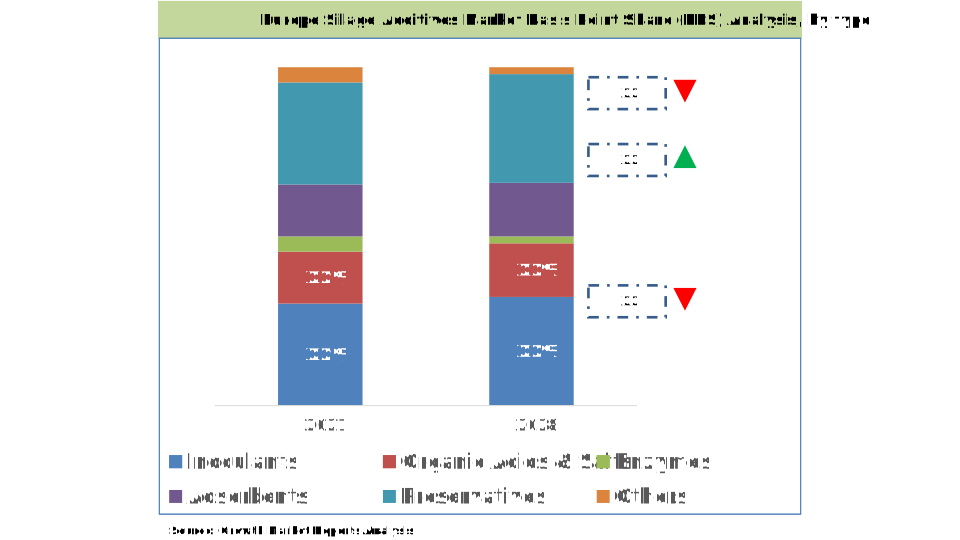
The product type segment of the silage additives market is highly diversified, encompassing inoculants, organic acids, enzymes, absorbents, preservatives, and other specialized additives. Inoculants hold the largest market share, primarily due to their proven efficacy in enhancing fermentation, improving silage stability, and reducing nutrient losses. These products, typically comprising lactic acid bacteria, are widely adopted by farmers seeking to optimize the fermentation process and safeguard silage quality against spoilage organisms. The demand for inoculants is particularly strong in regions with intensive dairy and beef production, where consistent feed quality is paramount for animal health and productivity.
Organic acids, such as propionic and formic acids, are another significant category within the silage additives market. These additives are valued for their ability to inhibit the growth of undesirable microorganisms, such as molds and yeasts, thereby extending the shelf life of silage and reducing the risk of mycotoxin contamination. The adoption of organic acids is especially prevalent in areas prone to wet or humid conditions, where silage spoilage is a common challenge. Furthermore, the trend towards natural and residue-free additives is driving the development of organic acid blends that offer enhanced safety and environmental compatibility.
Enzymes are gaining traction as a preferred silage additive, owing to their role in breaking down complex plant fibers and improving the digestibility of forage. By facilitating the release of fermentable sugars, enzymes contribute to a more efficient fermentation process and higher energy availability for livestock. The growing emphasis on maximizing feed conversion efficiency and minimizing feed costs is fueling the demand for enzyme-based additives, particularly in regions with limited forage resources or high feed prices. Manufacturers are investing in research to develop enzyme formulations tailored to specific forage types and climatic conditions, further expanding the market potential.
The market for absorbents and preservatives is also witnessing steady growth, driven by the need to manage moisture content and prevent secondary fermentation during storage. Absorbents, such as clay minerals and plant fibers, help maintain optimal silage moisture levels, while preservatives offer protection against spoilage organisms and oxidative degradation. The adoption of these products is particularly relevant in large-scale silage operations and regions with variable weather patterns. The continuous innovation in additive formulations, including the development of multi-functional products that combine fermentation enhancement with spoilage control, is expected to drive further growth in this segment.
| Attributes | Details |
| Report Title | Silage Additives Market Research Report 2033 |
| By Product Type | Inoculants, Organic Acids, Enzymes, Absorbents, Preservatives, Others |
| By Silage Type | Cereal Silage, Legume Silage, Grass Silage, Others |
| By Form | Dry, Liquid, Granular |
| By Application | Crops, Animal Feed, Others |
| Regions Covered | North America, Europe, APAC, Latin America, MEA |
| Base Year | 2024 |
| Historic Data | 2018-2023 |
| Forecast Period | 2025-2033 |
| Number of Pages | 287 |
| Number of Tables & Figures | 390 |
| Customization Available | Yes, the report can be customized as per your need. |
The silage type segment is categorized into cereal silage, legume silage, grass silage, and others, each with unique preservation requirements and market dynamics. Cereal silage, such as corn and sorghum, dominates the market due to its high energy content, palatability, and widespread use in dairy and beef cattle diets. The adoption of silage additives in cereal silage production is particularly high, as these additives help optimize fermentation, preserve starch content, and minimize dry matter losses. The global shift towards high-yielding cereal crops for silage is further boosting the demand for specialized additives tailored to these forages.
Legume silage, including alfalfa and clover, presents unique challenges due to its high protein content and buffering capacity, which can hinder the fermentation process. As a result, the use of targeted silage additives, such as acidifiers and enzyme-inoculant blends, is essential to achieve rapid pH reduction and prevent spoilage. The increasing recognition of the nutritional benefits of legume silage, particularly for high-producing dairy herds, is driving the adoption of advanced additive solutions in this segment. Research and development efforts are focused on formulating products that address the specific needs of legume silage, ensuring optimal preservation and nutrient retention.
Grass silage is another important segment, especially in regions with abundant pasture resources and seasonal forage production. The variability in grass species, moisture content, and harvest timing necessitates the use of versatile silage additives that can adapt to different conditions. Inoculants and enzyme-based products are commonly used to enhance fermentation, improve fiber digestibility, and reduce the risk of aerobic spoilage. The growing interest in sustainable livestock production and pasture-based feeding systems is expected to drive further growth in the grass silage additives market, supported by ongoing innovation in additive technology.
The "others" category includes silage made from alternative crops and by-products, such as sugar beet pulp, whole crop cereals, and vegetable residues. The adoption of silage additives in this segment is driven by the need to manage diverse fermentation profiles and ensure consistent feed quality. As the livestock industry increasingly explores alternative feed resources to reduce costs and enhance sustainability, the demand for specialized silage additives tailored to non-traditional forages is expected to rise. Manufacturers are responding by developing flexible, multi-purpose additive solutions that cater to a wide range of silage types and storage conditions.
The form segment of the silage additives market is divided into dry, liquid, and granular formulations, each offering distinct advantages and application methods. Dry additives are widely favored for their ease of handling, storage stability, and compatibility with mechanized application systems. These products are particularly popular in large-scale silage operations and regions with limited access to liquid application equipment. The demand for dry additives is further supported by their extended shelf life and reduced risk of product degradation during storage and transportation.
Liquid silage additives offer rapid dispersion and uniform distribution throughout the forage mass, making them ideal for use in modern ensiling systems. Liquid formulations are often preferred for their ease of mixing, ability to penetrate dense forage layers, and quick onset of action. This form is especially popular in regions with advanced agricultural infrastructure and high adoption of automated silage application technologies. Manufacturers are continuously innovating to enhance the stability and efficacy of liquid additives, incorporating advanced delivery systems and multi-component formulations to meet diverse customer needs.
Granular silage additives represent a growing segment, offering the benefits of both dry and liquid forms. These products are designed to provide controlled release of active ingredients, ensuring sustained efficacy throughout the ensiling process. Granular formulations are particularly suited for use in challenging storage conditions or where extended protection against spoilage is required. The increasing demand for user-friendly, low-dust, and residue-free additive solutions is driving the development of granular products tailored to specific forage types and storage environments.
The choice of additive form is influenced by several factors, including farm size, forage type, application equipment, and regional preferences. While dry additives remain the most widely used globally, the growing adoption of precision agriculture and automated silage systems is expected to drive increased demand for liquid and granular formulations. Manufacturers are responding by offering a diverse portfolio of products and customized solutions that cater to the evolving needs of modern livestock producers.
The application segment of the silage additives market is primarily divided into crops, animal feed, and others. Crops represent the initial stage of silage production, where additives are applied to harvested forage to initiate and control the fermentation process. The use of silage additives at this stage is critical for preserving the nutritional value of the crop, minimizing dry matter losses, and preventing the growth of spoilage organisms. The increasing adoption of high-yielding forage crops and the trend towards multi-cut silage systems are driving the demand for crop-specific additives that ensure optimal preservation and feed quality.
Animal feed is the primary end-use application for silage additives, with a focus on maximizing feed conversion efficiency, animal health, and productivity. The use of additives in silage destined for animal feed helps improve palatability, enhance nutrient availability, and reduce the risk of mycotoxin contamination. The growing emphasis on precision feeding and the need to meet the nutritional requirements of high-performing livestock are fueling the demand for advanced silage additive solutions. Research and development efforts are increasingly focused on formulating products that address specific animal health challenges, such as rumen acidosis and metabolic disorders.
The "others" application category includes the use of silage additives in bioenergy production, composting, and waste management. As the circular economy gains traction and the agricultural sector seeks to reduce its environmental footprint, the use of silage additives in alternative applications is expected to increase. Manufacturers are exploring new opportunities to leverage the fermentation-enhancing properties of silage additives in the production of biogas, bioethanol, and organic fertilizers, creating additional revenue streams and supporting sustainable agriculture initiatives.
Overall, the application landscape for silage additives is evolving rapidly, driven by the need to optimize resource utilization, enhance feed quality, and support sustainable livestock production. The integration of silage additives into broader farm management systems, including precision agriculture and digital monitoring tools, is expected to further expand their adoption and impact across diverse agricultural sectors.
The silage additives market presents a multitude of opportunities for growth and innovation, particularly as global agriculture transitions towards more sustainable and efficient practices. One of the most significant opportunities lies in the development of next-generation silage additives that combine multiple functionalities, such as enhanced fermentation, spoilage control, and nutritional fortification. The increasing demand for organic and residue-free products is driving research into natural and bio-based additives, opening new avenues for market expansion. Additionally, the adoption of digital agriculture and precision silage management tools offers opportunities for manufacturers to develop integrated solutions that optimize additive application and monitor silage quality in real-time.
Another promising opportunity is the expansion of the silage additives market in emerging economies, where rising meat and dairy consumption, coupled with government support for agricultural modernization, is fueling demand for advanced feed solutions. The increasing prevalence of climate-related challenges, such as drought and feed scarcity, is also driving the adoption of silage additives as a means to ensure feed security and resilience. Strategic partnerships between industry players, research institutions, and government agencies are expected to accelerate product innovation, knowledge transfer, and market penetration in these high-potential regions.
Despite the positive outlook, the silage additives market faces certain restraining factors that could impede growth. Regulatory challenges, particularly related to the approval and use of chemical preservatives and additives, pose a significant barrier in some regions. Stringent safety and environmental regulations, coupled with the need for extensive product testing and documentation, can increase development costs and delay market entry for new products. Additionally, the lack of awareness and technical expertise among smallholder farmers in developing regions may limit the adoption of advanced silage management practices, underscoring the need for targeted education and extension programs.
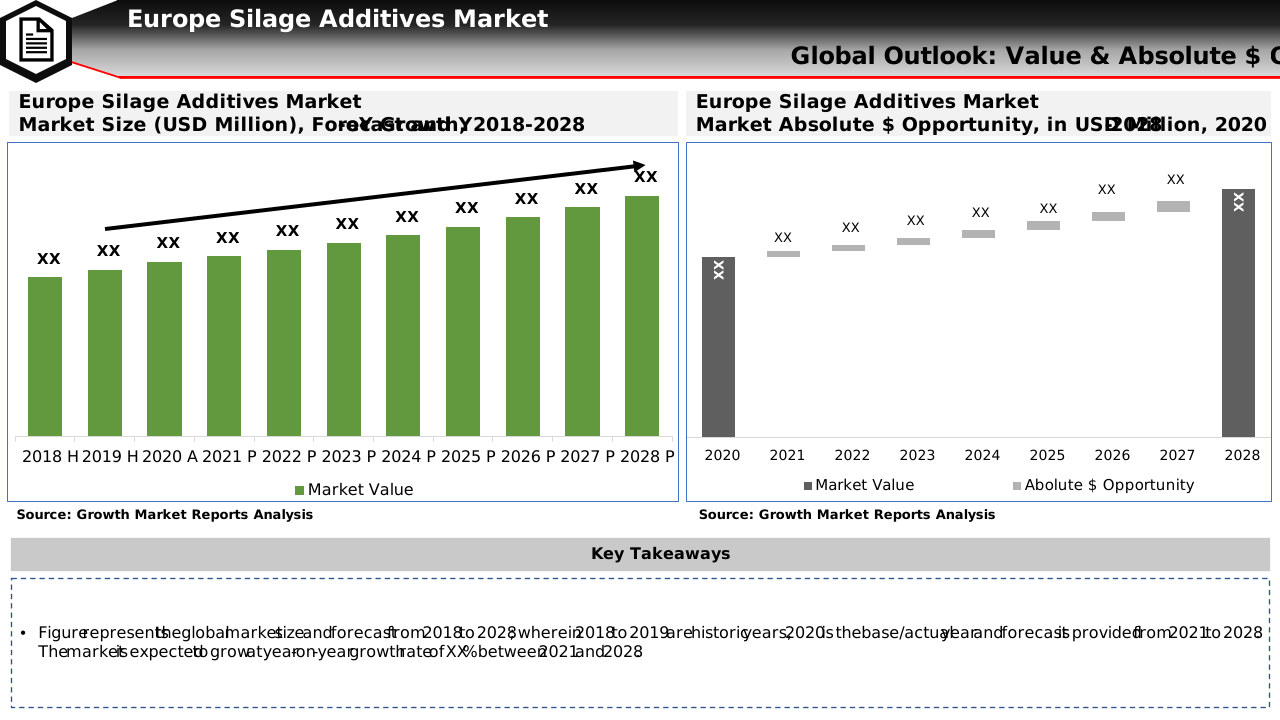
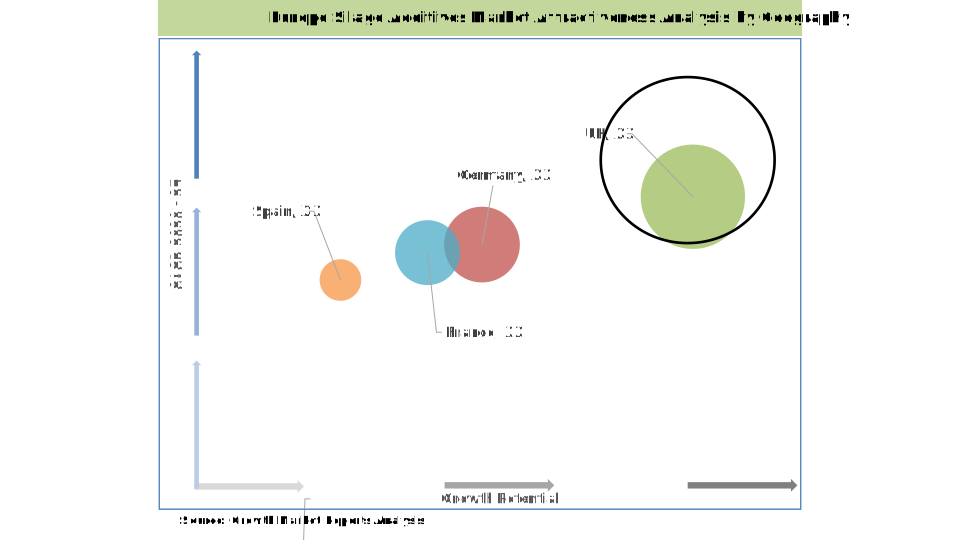
Regionally, Europe leads the global silage additives market, accounting for approximately 33% of the total market value in 2024, or USD 0.70 billion. The region’s dominance is attributed to its highly developed dairy and livestock sectors, stringent quality standards, and widespread adoption of silage preservation technologies. Key markets such as Germany, France, and the United Kingdom are at the forefront of innovation, with a strong focus on sustainable agriculture and feed safety. The European market is expected to maintain steady growth, supported by ongoing investment in research and the increasing adoption of organic and bio-based additives.
North America is the second-largest market, representing around 28% of the global share, or approximately USD 0.60 billion in 2024. The region benefits from large-scale commercial farming, advanced agricultural infrastructure, and a strong emphasis on feed quality and animal productivity. The United States and Canada are key contributors, with high adoption rates of inoculants, enzymes, and organic acids. The North American market is projected to grow at a CAGR of 4.3% through 2033, driven by continued innovation and the expansion of intensive livestock operations.
The Asia Pacific region is experiencing the fastest growth, with a CAGR of 6.1% forecasted for the 2025–2033 period. The market size for Asia Pacific reached USD 0.45 billion in 2024, fueled by rising meat and dairy consumption, expanding livestock populations, and increasing awareness about feed quality. Key markets such as China, India, and Australia are investing heavily in agricultural modernization, creating significant opportunities for silage additive manufacturers. The region’s rapid urbanization and changing dietary patterns are expected to drive sustained demand for high-quality animal feed and advanced silage management solutions.
The silage additives market is characterized by intense competition and a dynamic landscape, with both global and regional players vying for market share. Leading companies are focusing on product innovation, strategic partnerships, and geographic expansion to strengthen their competitive position. The market is marked by a high degree of consolidation, with major players investing in research and development to introduce advanced additive formulations that address evolving customer needs. The trend towards sustainable agriculture and residue-free feed solutions is prompting companies to diversify their product portfolios and explore new technologies, such as microbial inoculants and enzyme blends.
Strategic collaborations and mergers & acquisitions are common strategies employed by key players to enhance their market presence and access new customer segments. Companies are increasingly partnering with research institutions, universities, and government agencies to accelerate product development, validation, and commercialization. The emphasis on customer education and technical support is also growing, as manufacturers seek to differentiate themselves through value-added services and tailored solutions. Digitalization and the integration of precision agriculture tools are emerging as key differentiators, enabling companies to offer integrated solutions that optimize silage management and feed quality.
The competitive landscape is further shaped by the entry of new players and the emergence of niche segments, such as organic and bio-based silage additives. Startups and small-scale manufacturers are leveraging innovation and agility to capture market share in specialized segments, while established players focus on scaling up production and expanding their global footprint. The growing importance of sustainability, traceability, and regulatory compliance is prompting companies to invest in certification, quality assurance, and supply chain transparency.
Major companies operating in the silage additives market include BASF SE, Chr. Hansen Holding A/S, DuPont de Nemours, Inc., Lallemand Inc., ADDCON GmbH, Eastman Chemical Company, Nutreco N.V., Schaumann BioEnergy, and Volac International Ltd.. BASF SE is renowned for its extensive portfolio of chemical and biological additives, with a strong focus on innovation and sustainability. Chr. Hansen Holding A/S specializes in microbial inoculants and enzyme solutions, leveraging its expertise in bioscience to deliver high-performance products. DuPont de Nemours, Inc. and Lallemand Inc. are recognized for their leadership in fermentation technology and the development of tailored silage additive solutions. ADDCON GmbH and Eastman Chemical Company are prominent players in the organic acids and preservatives segment, offering a wide range of products for diverse silage types and applications.
Nutreco N.V. and Schaumann BioEnergy are leading providers of integrated feed and silage management solutions, with a strong presence in Europe and expanding operations in Asia and Latin America. Volac International Ltd. is known for its innovative inoculant and enzyme products, as well as its commitment to customer education and technical support. These companies are continuously investing in research, sustainability initiatives, and digital technologies to maintain their competitive edge and capitalize on emerging market opportunities. The competitive landscape is expected to remain dynamic, with ongoing innovation, strategic alliances, and a growing focus on sustainability shaping the future of the silage additives market.
The Silage Additives market has been segmented on the basis of
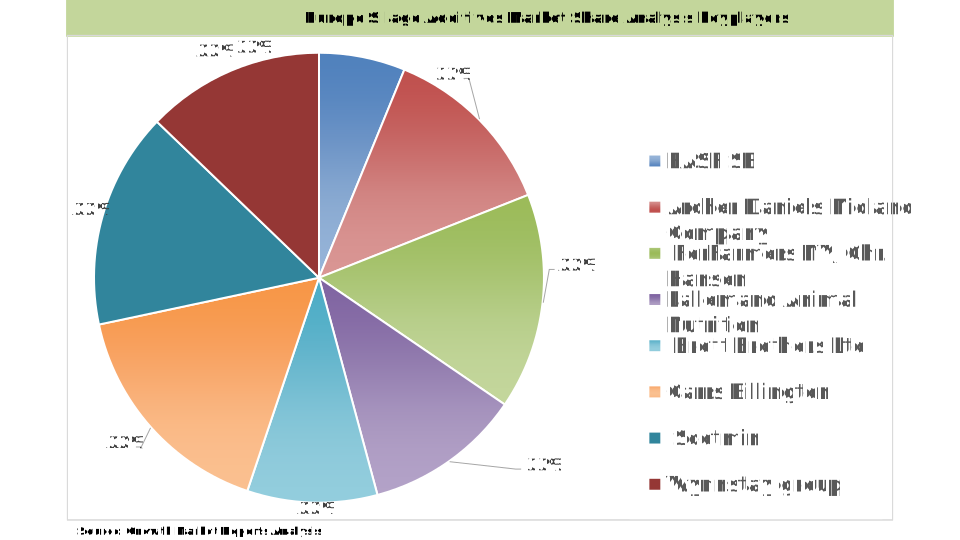
Key players competing in the Europe silage additives market include BASF SE, Archer Daniels Midland Company, ForFarmers NV, Chr. Hansen, Lallemand Animal Nutrition, Brett Brothers Ltd, Carrs Billington, Scotmin, and Wynnstay group.
Key challenges include regulatory hurdles for chemical additives, high development and testing costs, and limited awareness or technical expertise among smallholder farmers in developing regions.
Trends include the development of multifunctional and bio-based additives, increased focus on organic and residue-free products, adoption of digital agriculture tools, and expansion into emerging economies with rising meat and dairy consumption.
Major companies include BASF SE, Chr. Hansen Holding A/S, Lallemand Inc., DuPont de Nemours, Inc., Archer Daniels Midland Company, Kemin Industries, Volac International Ltd., Schaumann BioEnergy, Nutreco N.V., Eastman Chemical Company, and others.
Silage additives are primarily used in crops (during ensiling), animal feed (to enhance feed quality and animal health), and other applications such as bioenergy production, composting, and waste management.
Silage additives are available in dry, liquid, and granular forms. Dry additives offer storage stability and ease of handling, liquid additives provide rapid dispersion and uniform application, while granular additives ensure controlled release and sustained efficacy.
Silage additives are used for cereal silage (like corn and sorghum), legume silage (alfalfa, clover), grass silage, and other types such as sugar beet pulp and vegetable residues, each requiring specific additive solutions.
The main product types include inoculants, organic acids, enzymes, absorbents, preservatives, and other specialized additives. Inoculants hold the largest market share due to their effectiveness in enhancing fermentation and silage stability.
Europe leads the silage additives market, followed by North America. The Asia Pacific region is experiencing the fastest growth, while Latin America and Middle East & Africa also show promising potential.
Key growth drivers include increasing demand for high-quality animal feed, rising livestock productivity, adoption of advanced agricultural practices, technological innovation, and heightened awareness about feed quality and post-harvest loss reduction.
The global silage additives market reached USD 2.13 billion in 2024 and is projected to grow at a CAGR of 4.7% from 2025 to 2033, reaching an estimated value of USD 3.23 billion by 2033.