Segments - by Product Type (Whey Protein Bars, Plant-Based Protein Bars, Soy Protein Bars, Casein Protein Bars, Others), by Flavor (Chocolate, Peanut Butter, Fruit, Cookies & Cream, Others), by Application (Sports Nutrition, Meal Replacement, Weight Management, Others), by Distribution Channel (Supermarkets/Hypermarkets, Convenience Stores, Online Stores, Specialty Stores, Others)
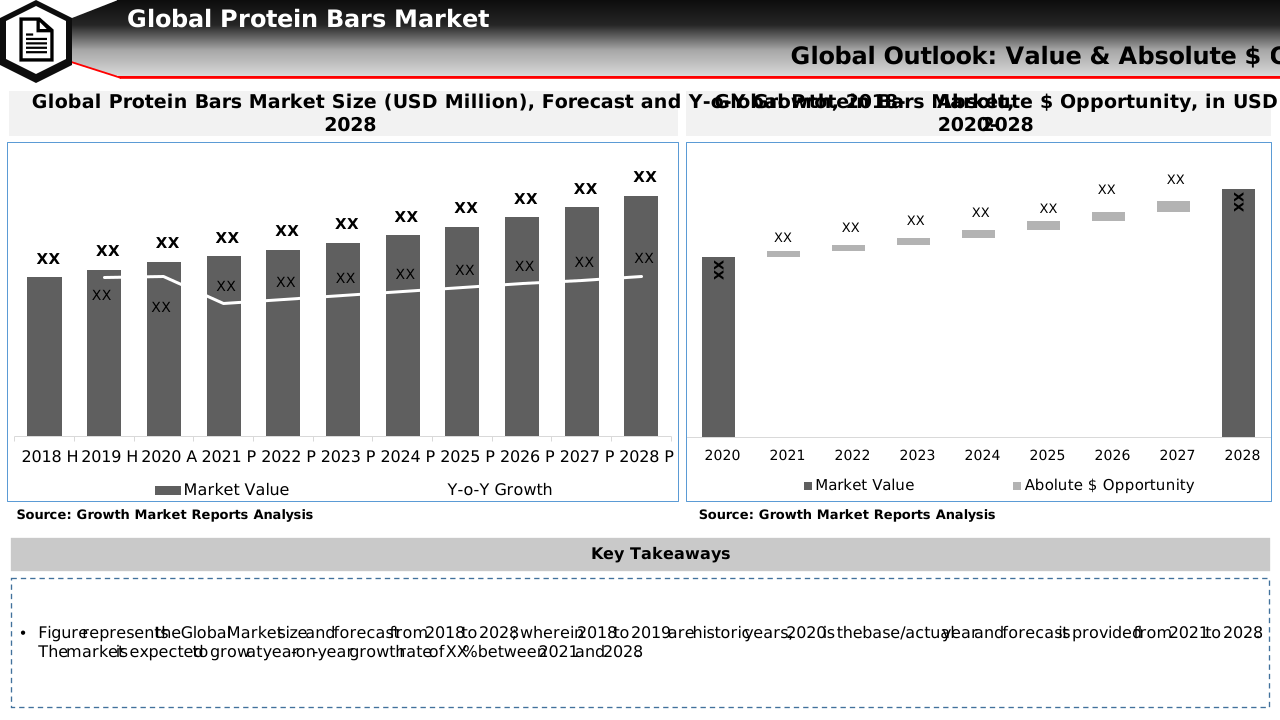
According to our latest research, the global protein bars market size reached USD 4.8 billion in 2024, demonstrating robust demand driven by increasing health consciousness and evolving consumer lifestyles. The market is set to register a promising CAGR of 8.2% during the forecast period, with the total market expected to reach USD 9.2 billion by 2033. The primary growth factor for this market is the rising inclination towards convenient, on-the-go nutrition solutions, particularly among millennials and fitness enthusiasts worldwide.
The expanding awareness of health and wellness has significantly contributed to the growth of the protein bars market. Consumers are increasingly seeking out functional foods that not only satiate hunger but also provide essential nutrients, with protein bars fitting this demand perfectly. The rise in gym memberships, the proliferation of fitness centers, and the growing popularity of home workouts have all played a pivotal role in boosting the consumption of protein bars. Additionally, the trend towards high-protein, low-sugar diets has further propelled the adoption of protein bars as a preferred snack or meal replacement option, especially among urban populations. Key players in the industry are leveraging these trends by launching innovative flavors and formulations to attract a broader consumer base, including those with dietary restrictions such as vegan, gluten-free, or keto-friendly preferences.
Another significant growth driver is the increasing convenience offered by protein bars, which cater to the fast-paced lifestyles of modern consumers. With hectic schedules and the need for quick, nutritious meals, protein bars have emerged as a practical solution for breakfast, lunch, or post-workout recovery. The portability, long shelf life, and portion control provided by protein bars make them an attractive choice for busy professionals, students, and travelers alike. Furthermore, the integration of functional ingredients such as vitamins, minerals, and superfoods into protein bars has enhanced their appeal, allowing brands to differentiate themselves in a highly competitive market. The availability of protein bars across multiple distribution channels, including supermarkets, convenience stores, online platforms, and specialty outlets, has also made them more accessible to consumers worldwide.
The protein bars market is also benefiting from the increasing prevalence of lifestyle-related health issues such as obesity, diabetes, and cardiovascular diseases. As consumers become more aware of the importance of maintaining a balanced diet and healthy weight, they are turning to protein-rich snacks as a means of managing their nutritional intake. Protein bars, with their controlled calorie content and balanced macronutrient profiles, are being positioned as effective tools for weight management and sports nutrition. This shift in consumer behavior is encouraging manufacturers to invest in research and development, resulting in the introduction of bars that cater to specific health goals, such as muscle building, energy boosting, or weight loss. The growing adoption of plant-based and allergen-free protein bars is further expanding the market's reach, appealing to vegan, vegetarian, and lactose-intolerant consumers.
The introduction of innovative products like the Soft-Baked Protein Bar is transforming the protein bars market by offering consumers a new texture and taste experience. Unlike traditional protein bars, these soft-baked variants provide a more indulgent and satisfying mouthfeel, appealing to those who may have been deterred by the dense and chewy nature of conventional options. This innovation caters to a broader range of taste preferences, making protein bars more accessible to individuals who prioritize texture in their snack choices. As the demand for diverse and enjoyable protein snacks grows, the soft-baked category is poised to capture a significant share of the market, attracting both new consumers and those looking for variety in their protein intake.
Regionally, North America continues to dominate the protein bars market, accounting for the largest share in 2024 due to high consumer awareness, established fitness culture, and the presence of major industry players. However, the Asia Pacific region is emerging as a lucrative market, driven by rising disposable incomes, urbanization, and the growing adoption of Western dietary habits. Europe also represents a significant market, with increasing demand for healthy snacks and a strong focus on sports nutrition. Latin America and the Middle East & Africa are witnessing steady growth, supported by expanding retail infrastructure and increasing health consciousness among consumers. Each region presents unique opportunities and challenges, making it essential for market participants to tailor their strategies accordingly.
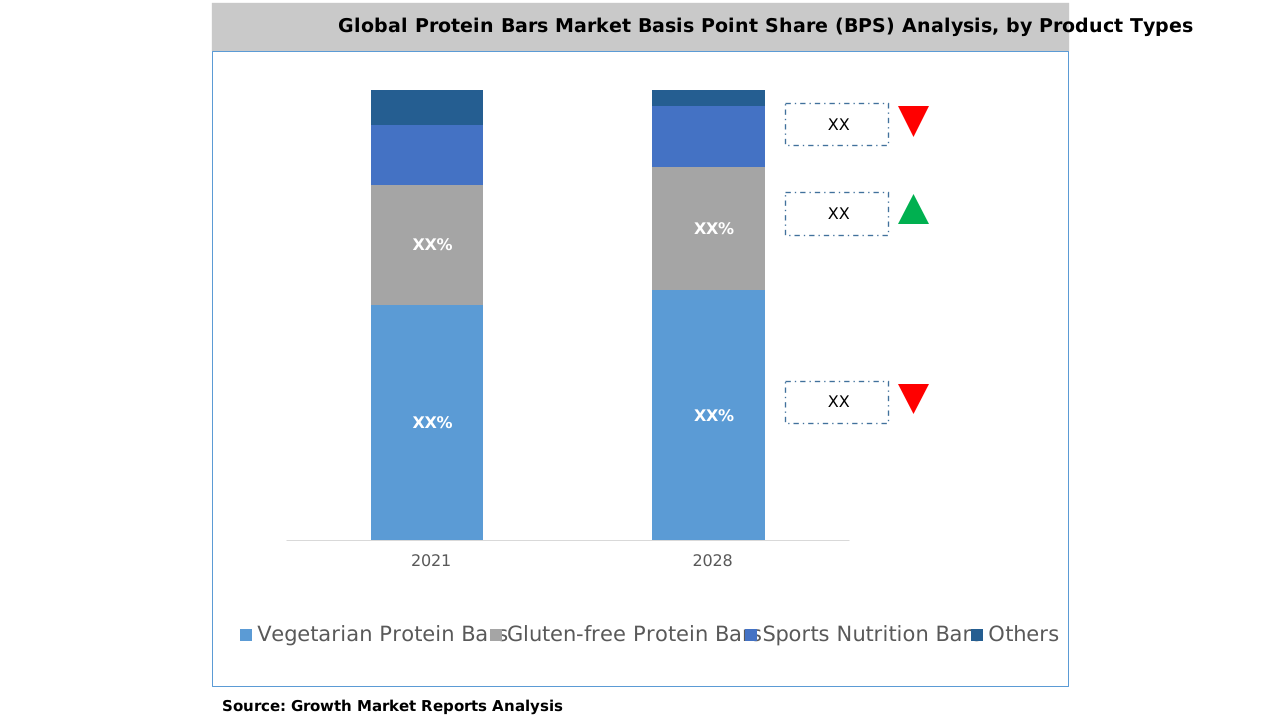
The protein bars market is segmented by product type into whey protein bars, plant-based protein bars, soy protein bars, casein protein bars, and others. Among these, whey protein bars have traditionally held a dominant position, owing to their high biological value and superior amino acid profile. Whey protein is widely recognized for its rapid absorption and effectiveness in muscle recovery, making it a preferred choice among athletes and fitness enthusiasts. The demand for whey protein bars is further bolstered by extensive marketing efforts and product endorsements by professional athletes, which have helped to reinforce their credibility and appeal. Manufacturers are continuously innovating in this segment, introducing new flavors, textures, and added benefits to retain consumer interest.
Plant-based protein bars are experiencing remarkable growth, reflecting the broader shift towards plant-based diets and sustainable food choices. This segment is being driven by the increasing number of consumers adopting vegan, vegetarian, or flexitarian lifestyles, as well as those seeking allergen-free alternatives. Plant-based protein sources such as pea, rice, hemp, and nuts are being utilized to create bars that cater to diverse dietary needs. The appeal of plant-based protein bars is further enhanced by their perceived health benefits, environmental sustainability, and ethical considerations. As a result, both established brands and new entrants are expanding their plant-based offerings, often highlighting clean labels, organic ingredients, and non-GMO certifications to attract health-conscious consumers.
Soy protein bars represent another important segment, valued for their complete protein profile and affordability. Soy protein is particularly popular among consumers seeking dairy-free options or those with lactose intolerance. The versatility of soy protein allows for the creation of bars with various textures and flavors, appealing to a wide range of palates. However, the segment faces some challenges related to concerns over genetically modified organisms (GMOs) and potential allergenicity, prompting manufacturers to focus on non-GMO and allergen-free formulations. Despite these challenges, soy protein bars continue to maintain a solid presence in the market, particularly in regions where soy is a dietary staple.
Emerging technologies and innovations are playing a crucial role in reshaping the protein bars industry, with companies like Smart Protein-Bar Maker leading the charge. These advancements are enabling manufacturers to streamline production processes, enhance product quality, and introduce new flavors and formulations at a faster pace. By leveraging cutting-edge technology, Smart Protein-Bar Maker is able to meet the growing consumer demand for personalized nutrition solutions that cater to specific dietary needs and preferences. This technological edge not only improves operational efficiency but also allows for greater flexibility in product development, positioning companies at the forefront of the competitive protein bars market.
Casein protein bars and other specialty protein bars, such as those made with egg or collagen protein, cater to niche segments of the market. Casein protein is known for its slow digestion rate, making it ideal for sustained energy release and overnight muscle recovery. These bars are often marketed to serious athletes and bodybuilders who require targeted nutrition. Specialty protein bars, on the other hand, are gaining traction among consumers seeking specific functional benefits, such as joint health or skin support, provided by collagen. As consumer preferences continue to evolve, the diversification of protein sources in protein bars is expected to drive further innovation and market growth.
| Attributes | Details |
| Report Title | Protein Bars Market Research Report 2033 |
| By Product Type | Whey Protein Bars, Plant-Based Protein Bars, Soy Protein Bars, Casein Protein Bars, Others |
| By Flavor | Chocolate, Peanut Butter, Fruit, Cookies & Cream, Others |
| By Application | Sports Nutrition, Meal Replacement, Weight Management, Others |
| By Distribution Channel | Supermarkets/Hypermarkets, Convenience Stores, Online Stores, Specialty Stores, Others |
| Regions Covered | North America, Europe, APAC, Latin America, MEA |
| Base Year | 2024 |
| Historic Data | 2018-2023 |
| Forecast Period | 2025-2033 |
| Number of Pages | 254 |
| Number of Tables & Figures | 375 |
| Customization Available | Yes, the report can be customized as per your need. |
Flavor plays a crucial role in the protein bars market, significantly influencing consumer purchasing decisions. The segment is categorized into chocolate, peanut butter, fruit, cookies & cream, and others. Chocolate remains the most popular flavor, accounting for the largest share of the market. Its widespread appeal can be attributed to its rich taste, indulgent experience, and ability to mask the sometimes gritty or bland texture of protein-rich formulations. Manufacturers frequently introduce new chocolate-based variants, such as dark chocolate, chocolate mint, or chocolate coconut, to keep the product line fresh and appealing. The enduring popularity of chocolate-flavored protein bars underscores the importance of sensory experience in driving repeat purchases.
Peanut butter is another leading flavor, favored for its creamy texture, rich taste, and high protein content. Peanut butter-flavored protein bars are particularly popular among consumers seeking a balance of taste and nutrition, as peanuts themselves are a good source of protein and healthy fats. The combination of chocolate and peanut butter is a classic pairing that continues to perform well in the market, often featured in limited edition or seasonal offerings. Additionally, nut butter variations such as almond or cashew butter are gaining traction, catering to consumers with specific taste preferences or nut allergies.
Fruit-flavored protein bars cater to consumers looking for a refreshing, natural taste profile. Common fruit flavors include berry, apple, banana, and tropical blends. These bars are often positioned as lighter, more refreshing alternatives to richer flavors like chocolate or peanut butter. Fruit flavors are especially popular among younger consumers and those seeking a perceived healthier snacking option. To enhance the appeal of fruit-flavored bars, manufacturers are incorporating real fruit pieces, natural sweeteners, and superfoods such as acai or goji berries, further differentiating their products in a crowded market.
The expansion of Protein Bar Production Lines is a testament to the increasing demand for protein-rich snacks across the globe. These production lines are equipped with state-of-the-art machinery that enhances the efficiency and scalability of protein bar manufacturing. By investing in advanced production capabilities, companies can ensure consistent product quality and meet the diverse needs of health-conscious consumers. The ability to produce large volumes of protein bars with varied ingredients and flavors allows manufacturers to cater to different market segments, from fitness enthusiasts to busy professionals seeking convenient nutrition options. As the protein bars market continues to grow, the role of efficient production lines becomes even more critical in maintaining a competitive edge.
Cookies & cream is a relatively newer entrant in the protein bars flavor segment but has quickly gained popularity, especially among younger demographics. The flavor's indulgent and nostalgic profile resonates with consumers who desire a treat-like experience without compromising on nutrition. The success of cookies & cream has inspired manufacturers to experiment with other dessert-inspired flavors, such as birthday cake, s'mores, or salted caramel, broadening the range of options available to consumers. This trend highlights the importance of continuous innovation in flavor development to maintain consumer interest and drive market growth.
The application segment of the protein bars market is divided into sports nutrition, meal replacement, weight management, and others. Sports nutrition remains the primary application, accounting for a significant share of the market. Protein bars are widely used by athletes, bodybuilders, and fitness enthusiasts as a convenient source of protein for muscle recovery, energy replenishment, and performance enhancement. The growth of the sports nutrition segment is supported by the rising number of fitness centers, increased participation in sports and recreational activities, and growing awareness of the importance of post-workout nutrition. Manufacturers are responding to this demand by developing bars with optimized macronutrient ratios, added electrolytes, and performance-enhancing ingredients.
Meal replacement is another key application, driven by the need for convenient, portable, and nutritionally balanced food options. Protein bars are increasingly being used as meal replacements by busy professionals, students, and travelers who lack the time or resources to prepare traditional meals. These bars are formulated to provide a balanced mix of protein, carbohydrates, fats, vitamins, and minerals, ensuring that consumers receive adequate nutrition on the go. The meal replacement segment is further supported by the growing trend of intermittent fasting and controlled-calorie diets, where protein bars serve as a practical solution for managing hunger and maintaining energy levels.
Weight management is a rapidly growing application area, as consumers seek effective strategies for achieving and maintaining a healthy weight. Protein bars are positioned as guilt-free snacks or meal substitutes that can help control calorie intake, reduce cravings, and support satiety. The high protein content in these bars promotes feelings of fullness, making them an attractive option for individuals following weight loss or weight maintenance programs. Manufacturers are capitalizing on this trend by offering bars with reduced sugar, high fiber, and added functional ingredients such as green tea extract or CLA (conjugated linoleic acid) to enhance their weight management benefits.
Other applications of protein bars include their use as healthy snacks for children, elderly individuals, or those with specific dietary needs. The versatility of protein bars allows them to be tailored to various demographic groups, with formulations designed to address specific nutritional requirements. For example, bars fortified with calcium and vitamin D may be targeted at older adults, while those with added probiotics or immune-boosting ingredients may appeal to health-conscious parents. As the market continues to evolve, the diversification of applications is expected to drive further growth and innovation in the protein bars segment.
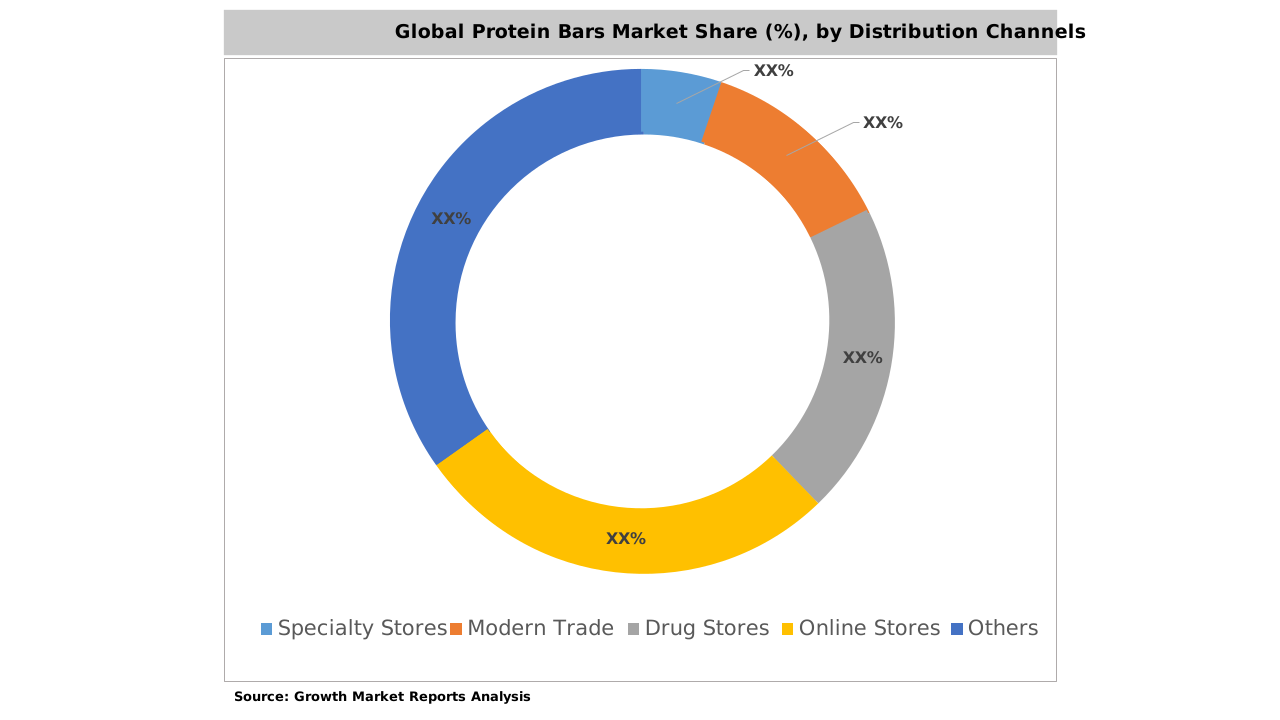
The distribution channel segment of the protein bars market includes supermarkets/hypermarkets, convenience stores, online stores, specialty stores, and others. Supermarkets and hypermarkets hold the largest share of the market, serving as the primary point of purchase for a wide range of consumers. The extensive retail network, attractive in-store promotions, and the ability to compare multiple brands and flavors contribute to the dominance of this channel. Supermarkets and hypermarkets also offer the advantage of bulk purchasing and frequent discounts, making protein bars more accessible and affordable to mainstream consumers.
Convenience stores are another important distribution channel, catering to consumers seeking quick and easy access to protein bars while on the move. The strategic placement of protein bars near checkout counters or in grab-and-go sections has proven effective in driving impulse purchases. Convenience stores are particularly popular in urban areas and transportation hubs, where time-constrained consumers are more likely to seek out portable snack options. The growing penetration of convenience stores in emerging markets is further expanding the reach of protein bars to new consumer segments.
Online stores are experiencing rapid growth as a distribution channel for protein bars, driven by the increasing adoption of e-commerce and digital shopping platforms. Online channels offer several advantages, including a wider selection of products, detailed product information, user reviews, and the convenience of home delivery. The rise of health and wellness-focused e-commerce platforms, subscription services, and direct-to-consumer brands is reshaping the protein bars market, allowing manufacturers to engage with consumers more directly and build brand loyalty. Online sales are also supported by targeted digital marketing campaigns, influencer partnerships, and social media promotions.
Specialty stores, such as health food stores, nutrition shops, and fitness centers, play a crucial role in reaching niche consumer segments. These outlets typically offer a curated selection of high-quality protein bars, often focusing on premium, organic, or specialty formulations. The expertise of staff and personalized recommendations enhance the shopping experience, making specialty stores a preferred choice for discerning consumers seeking specific nutritional benefits. As the market matures, the role of specialty stores in educating consumers and introducing them to new products is expected to become increasingly important.
The protein bars market presents significant opportunities for growth, particularly through product innovation and diversification. Manufacturers have the chance to develop new formulations that cater to emerging consumer preferences, such as plant-based, allergen-free, or functional protein bars with added vitamins, minerals, or adaptogens. The growing demand for clean label and organic products offers further opportunities for differentiation and premiumization. Additionally, expanding into untapped markets in Asia Pacific, Latin America, and the Middle East & Africa can unlock new revenue streams, as rising disposable incomes and changing dietary habits drive demand for convenient nutrition solutions. Strategic partnerships with fitness centers, sports organizations, and digital influencers can also enhance brand visibility and consumer engagement.
Another major opportunity lies in leveraging technology and data analytics to better understand consumer preferences and personalize product offerings. The use of artificial intelligence and machine learning can help manufacturers optimize formulations, predict flavor trends, and tailor marketing campaigns to specific target audiences. The integration of sustainable packaging and environmentally friendly sourcing practices can also enhance brand reputation and appeal to eco-conscious consumers. Furthermore, the increasing popularity of e-commerce and direct-to-consumer channels provides brands with greater control over pricing, distribution, and customer relationships, enabling them to respond more quickly to market trends and consumer feedback.
Despite the numerous opportunities, the protein bars market faces several restraining factors, the most significant being intense competition and market saturation. The proliferation of brands and products has led to price wars, reduced profit margins, and challenges in maintaining brand differentiation. Additionally, concerns over the use of artificial ingredients, excessive sugar content, and misleading health claims have led to increased regulatory scrutiny and consumer skepticism. Manufacturers must invest in transparent labeling, rigorous quality control, and compliance with food safety standards to build and maintain consumer trust. Economic uncertainties and fluctuations in raw material prices can also impact production costs and supply chain stability, posing further challenges to market growth.
North America remains the largest regional market for protein bars, accounting for approximately USD 2.1 billion in sales in 2024. The region's dominance is attributed to high consumer awareness, a well-established fitness culture, and the presence of leading industry players. The United States, in particular, is a major contributor to the market, with a strong focus on sports nutrition, weight management, and healthy snacking. The region is also characterized by a high level of product innovation, with manufacturers frequently introducing new flavors, formats, and functional benefits to cater to evolving consumer preferences. The North American protein bars market is expected to maintain its leading position throughout the forecast period, supported by ongoing health and wellness trends.
The Asia Pacific region is emerging as the fastest-growing market for protein bars, with a projected CAGR of 10.5% during the forecast period. The market size in Asia Pacific reached USD 950 million in 2024 and is expected to surpass USD 2.3 billion by 2033. Key growth drivers include rising disposable incomes, rapid urbanization, and increasing adoption of Western dietary habits. Countries such as China, India, Japan, and Australia are witnessing a surge in demand for protein bars, driven by growing health consciousness, expanding retail infrastructure, and the influence of global fitness trends. Manufacturers are tailoring their product offerings to suit local tastes and dietary preferences, further accelerating market growth in the region.
Europe represents a mature and sophisticated market for protein bars, with a market size of USD 1.1 billion in 2024. The region is characterized by a strong focus on sports nutrition, healthy snacking, and clean label products. The United Kingdom, Germany, France, and the Nordic countries are key contributors to market growth, driven by high levels of health awareness and a preference for functional foods. The European market is also witnessing increased demand for plant-based and organic protein bars, reflecting broader trends towards sustainability and ethical consumption. Latin America and the Middle East & Africa, though smaller in terms of market size, are experiencing steady growth, supported by improving economic conditions and rising health consciousness among consumers.
The global protein bars market is highly competitive, characterized by the presence of numerous multinational corporations, regional players, and emerging startups. The competitive landscape is shaped by ongoing product innovation, aggressive marketing strategies, and a strong focus on brand differentiation. Leading companies are investing heavily in research and development to introduce new flavors, formulations, and functional benefits that cater to diverse consumer preferences. The emphasis on clean label ingredients, sustainable sourcing, and eco-friendly packaging has become increasingly important, as consumers demand greater transparency and environmental responsibility from brands. Strategic partnerships, mergers and acquisitions, and collaborations with fitness influencers and sports organizations are also common strategies employed by key players to expand their market presence and enhance brand visibility.
In addition to established brands, the protein bars market has witnessed the entry of numerous niche players and startups, particularly in the plant-based and specialty protein segments. These companies are leveraging digital marketing, e-commerce platforms, and direct-to-consumer models to reach targeted consumer segments and differentiate themselves from mainstream competitors. The proliferation of online channels has lowered barriers to entry, enabling smaller brands to compete effectively by offering unique value propositions, such as allergen-free, organic, or locally sourced ingredients. However, the intense competition has also led to price pressures and the need for continuous innovation to maintain consumer interest and loyalty.
Quality assurance, regulatory compliance, and supply chain management are critical factors influencing the competitive dynamics of the protein bars market. Leading companies are investing in robust quality control systems, third-party certifications, and transparent labeling practices to build consumer trust and comply with evolving food safety regulations. The ability to scale production, manage distribution networks, and respond quickly to changing market trends is essential for maintaining a competitive edge. As the market continues to evolve, the most successful companies will be those that can balance innovation, quality, and sustainability while effectively engaging with consumers across multiple channels.
Some of the major companies operating in the protein bars market include Quest Nutrition (Atkins), Clif Bar & Company, RXBAR (KelloggÂ’s), The Kellogg Company, Mars, Inc., General Mills, Inc., The Simply Good Foods Company, Kind LLC, Premier Nutrition Corporation, and Nature Valley. Quest Nutrition is renowned for its high-protein, low-sugar bars, targeting fitness enthusiasts and those following low-carb diets. Clif Bar & Company has established a strong presence in the organic and plant-based protein bar segment, appealing to environmentally conscious consumers. RXBAR, now a part of KelloggÂ’s, is known for its clean label approach, with simple, recognizable ingredients listed on the front of the packaging. Mars, Inc. and General Mills, Inc. leverage their extensive distribution networks and brand equity to maintain a significant share of the market.
The Simply Good Foods Company, which owns the Atkins and Quest brands, has a strong focus on innovation and product diversification, catering to various dietary needs and preferences. Kind LLC is recognized for its emphasis on whole food ingredients and transparent labeling, while Premier Nutrition Corporation offers a wide range of protein bars targeting different consumer segments, from athletes to busy professionals. Nature Valley, a brand under General Mills, has expanded its product portfolio to include protein-rich snack bars, capitalizing on the growing demand for healthy snacking options. These leading companies are continuously investing in marketing, product development, and sustainability initiatives to strengthen their market position and drive future growth.
The Protein Bars market has been segmented on the basis of
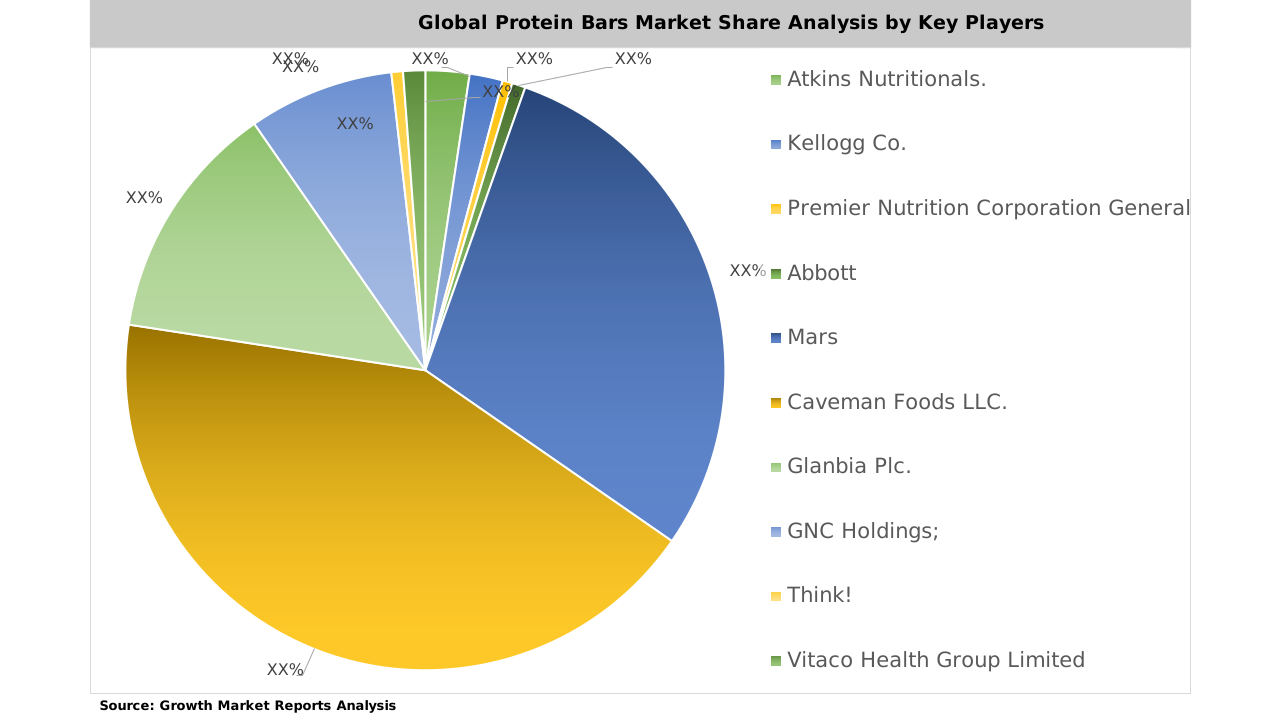
Key players in the protein bars market include Atkins Nutritionals.; Kellogg Co.; Premier Nutrition Corporation General Mills; Abbott; Mars; Caveman Foods LLC.; Glanbia Plc.; GNC Holdings; Think!; and Vitaco Health Group Limited. These players engage in mergers & acquisitions, collaborations, agreements, and partnerships to strengthen their geographical presence.
Challenges include intense competition, market saturation, concerns over artificial ingredients and sugar content, regulatory scrutiny, and fluctuations in raw material prices.
Major companies include Quest Nutrition, Clif Bar & Company, RXBAR (Kellogg’s), The Kellogg Company, Mars, Inc., General Mills, The Simply Good Foods Company, Kind LLC, Premier Nutrition Corporation, and Nature Valley.
Key trends include the demand for convenient, on-the-go nutrition, rising popularity of plant-based and allergen-free bars, focus on clean label and organic products, and the integration of functional ingredients like vitamins and superfoods.
Supermarkets/hypermarkets lead in sales, followed by convenience stores, online stores, and specialty stores such as health food shops and fitness centers.
Protein bars are primarily used for sports nutrition, meal replacement, and weight management. They are also consumed as healthy snacks by children, elderly individuals, and people with specific dietary needs.
Chocolate is the most popular flavor, followed by peanut butter, fruit, and cookies & cream. Manufacturers also offer innovative dessert-inspired flavors like birthday cake and salted caramel.
The main types include whey protein bars, plant-based protein bars, soy protein bars, casein protein bars, and specialty bars such as those made with egg or collagen protein.
North America holds the largest market share, while Asia Pacific is the fastest-growing region, driven by rising health awareness and urbanization. Europe is also a significant market, with Latin America and the Middle East & Africa showing steady growth.
The protein bars market is forecasted to grow at a CAGR of 8.2% from 2025 to 2033, reaching an estimated USD 9.2 billion by 2033.
As of 2024, the global protein bars market is valued at USD 4.8 billion, with strong growth expected in the coming years.