Segments - by Product Type (Human Primary Cells, Animal Primary Cells), by Source (Blood, Bone Marrow, Adipose Tissue, Skin, Liver, Lung, Kidney, Others), by Application (Cancer Research, Drug Development, Stem Cell Therapy, Tissue Regeneration, Toxicity Testing, Others), by End-User (Pharmaceutical & Biotechnology Companies, Academic & Research Institutes, Hospitals & Diagnostic Laboratories, Others)
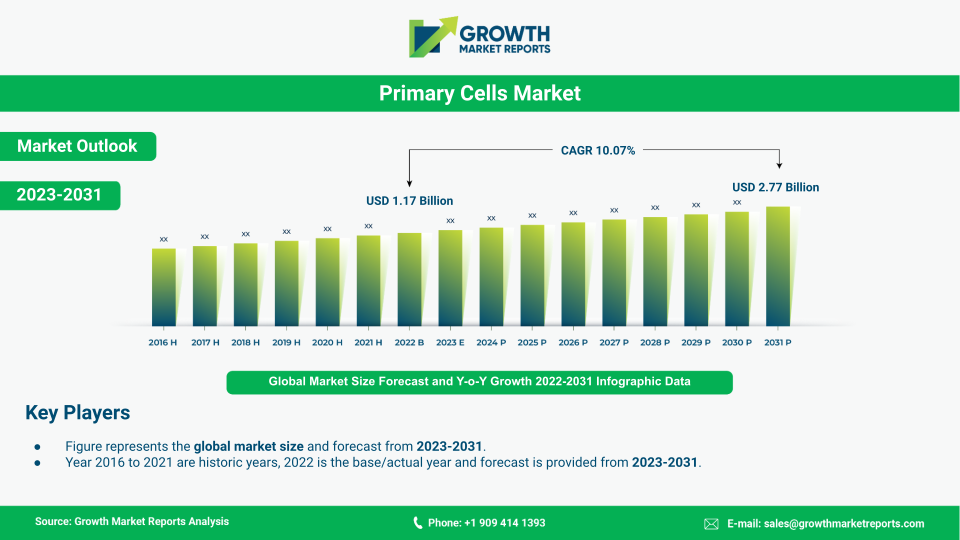
According to our latest research, the global primary cells market size in 2024 is valued at USD 1.62 billion, with a robust compound annual growth rate (CAGR) of 8.2% projected through the forecast period. By 2033, the market is anticipated to reach approximately USD 3.24 billion. This growth is primarily driven by increasing investments in cell-based research, rising demand for personalized medicine, and the expanding role of primary cells in drug discovery and regenerative medicine. As per our latest research, the surge in pharmaceutical R&D, coupled with advancements in cell isolation and culture techniques, is fueling the adoption of primary cells across various applications worldwide.
One of the key growth factors for the primary cells market is the escalating focus on personalized medicine and precision therapeutics. Primary cells, derived directly from living tissues, retain the physiological characteristics of their source, making them invaluable for developing targeted therapies and disease models. The increasing prevalence of chronic diseases, such as cancer, diabetes, and cardiovascular disorders, has propelled the need for more accurate and predictive in vitro models. This, in turn, has spurred the demand for primary cells in drug screening, toxicity testing, and biomarker discovery. Additionally, regulatory bodies are increasingly emphasizing the use of human-relevant models to improve the predictability of preclinical studies, further accelerating market growth.
Another significant driver is the rapid advancement in cell isolation, culture, and cryopreservation technologies. Innovations in enzymatic dissociation, cell sorting, and microfluidics have enhanced the viability, purity, and scalability of primary cell cultures. These technological strides have not only improved the reproducibility of experimental results but also expanded the accessibility of rare and difficult-to-isolate cell types. Furthermore, the integration of automation and digital platforms in cell processing workflows has streamlined large-scale research and clinical applications, reducing labor costs and minimizing human error. This technological evolution is expected to play a pivotal role in sustaining the momentum of the primary cells market through the next decade.
Government and private sector funding for biomedical research is another major catalyst propelling the primary cells market. Strategic collaborations between academic institutions, biotechnology firms, and pharmaceutical companies are fostering innovation and expediting the translation of laboratory findings into clinical applications. Many countries have launched national initiatives aimed at advancing regenerative medicine and cell therapy, which often rely heavily on primary cells for both basic research and therapeutic development. The proliferation of biobanks and tissue repositories is also contributing to the availability of high-quality, well-characterized primary cells, further supporting the expansion of the market.
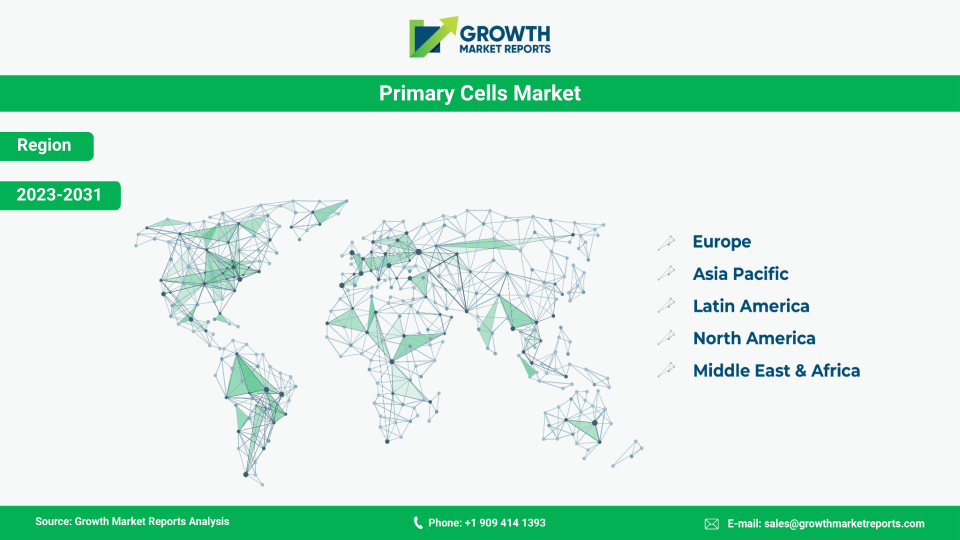
Regionally, North America continues to dominate the primary cells market, accounting for the largest share in 2024, followed by Europe and Asia Pacific. The strong presence of leading pharmaceutical and biotechnology companies, coupled with advanced healthcare infrastructure and supportive regulatory frameworks, underpins North America’s leadership position. Meanwhile, Asia Pacific is emerging as a high-growth region, driven by increasing investments in life sciences, a rising burden of chronic diseases, and growing participation in global clinical trials. Europe also maintains a significant market share, supported by robust research funding and an expanding network of academic and clinical research centers.
The product type segment of the primary cells market is bifurcated into human primary cells and animal primary cells, each serving distinct research and clinical needs. Human primary cells are increasingly preferred in translational research and drug development due to their direct physiological relevance to human health and disease. This preference is further amplified by regulatory agencies’ encouragement to use human-based models for preclinical testing, thereby reducing the translational gap between laboratory findings and clinical outcomes. Human primary cells are widely utilized in oncology, immunology, and regenerative medicine, where accurate modeling of human pathophysiology is critical.
Animal primary cells, on the other hand, remain indispensable in basic biological research, toxicology studies, and certain preclinical investigations. They provide valuable insights into fundamental cellular processes and disease mechanisms that are conserved across species. The use of animal-derived cells is particularly prevalent in early-stage drug screening and in studies where human tissue availability is limited. However, ethical considerations and the push towards reducing animal testing are gradually shifting the focus towards alternative human-based models, which may impact the growth trajectory of the animal primary cells segment in the coming years.
The human primary cells sub-segment is witnessing accelerated growth, driven by advancements in tissue procurement, cell isolation, and characterization techniques. The increasing availability of ethically sourced human tissues, coupled with improved cell preservation methods, has expanded the range of primary cell types accessible to researchers. Furthermore, the rise of personalized medicine and cell-based therapies has heightened the demand for patient-specific primary cells, enabling the development of tailored treatment strategies and enhancing the predictive value of in vitro models. This trend is expected to continue, solidifying human primary cells as the dominant product type in the market.
In contrast, the animal primary cells sub-segment is evolving through the adoption of genetically modified and disease-model animal cells, which are used to study specific genetic mutations and pathological conditions. These models are instrumental in elucidating disease mechanisms and evaluating the efficacy of novel therapeutic agents. Despite the growing emphasis on human-relevant models, animal primary cells will retain their importance in certain research domains, particularly where comparative studies and in vivo validation are required. Overall, the product type segment is characterized by a dynamic interplay between technological innovation, regulatory trends, and evolving research priorities.
| Attributes | Details |
| Report Title | Primary Cells Market Research Report 2033 |
| By Product Type | Human Primary Cells, Animal Primary Cells |
| By Source | Blood, Bone Marrow, Adipose Tissue, Skin, Liver, Lung, Kidney, Others |
| By Application | Cancer Research, Drug Development, Stem Cell Therapy, Tissue Regeneration, Toxicity Testing, Others |
| By End-User | Pharmaceutical & Biotechnology Companies, Academic & Research Institutes, Hospitals & Diagnostic Laboratories, Others |
| Regions Covered | North America, Europe, APAC, Latin America, MEA |
| Base Year | 2024 |
| Historic Data | 2018-2023 |
| Forecast Period | 2025-2033 |
| Number of Pages | 270 |
| Number of Tables & Figures | 327 |
| Customization Available | Yes, the report can be customized as per your need. |
The source segment of the primary cells market encompasses a diverse array of tissue origins, including blood, bone marrow, adipose tissue, skin, liver, lung, kidney, and others. Blood-derived primary cells, such as peripheral blood mononuclear cells (PBMCs), hematopoietic stem cells, and endothelial cells, are among the most widely used due to their accessibility and relevance in immunology, hematology, and cardiovascular research. The ease of collection, coupled with well-established isolation protocols, has made blood a preferred source for both research and clinical applications, particularly in the development of immunotherapies and hematopoietic stem cell transplantation.
Bone marrow is another critical source, providing primary cells such as mesenchymal stem cells (MSCs) and hematopoietic stem cells (HSCs) that are pivotal in regenerative medicine, transplantation, and cancer research. The therapeutic potential of bone marrow-derived cells in tissue repair and immune modulation has driven substantial investment in this segment. However, the invasive nature of bone marrow extraction and the limited availability of donor material pose challenges to scalability. Recent advancements in minimally invasive collection techniques and ex vivo expansion protocols are addressing some of these hurdles, thereby supporting the sustained growth of bone marrow-derived primary cells.
Adipose tissue is gaining prominence as a source of multipotent stem cells, particularly adipose-derived stem cells (ADSCs), which are increasingly utilized in tissue engineering, wound healing, and cosmetic applications. The abundance and ease of harvesting adipose tissue, often through minimally invasive procedures, have contributed to the rapid adoption of ADSCs in both research and clinical settings. Skin, liver, lung, and kidney tissues also represent important sources of primary cells, each with unique applications in disease modeling, drug toxicity testing, and organ-specific research. For instance, primary hepatocytes from the liver are essential in pharmacokinetics and drug metabolism studies, while primary renal cells are crucial for nephrotoxicity assessment.
The “others” category within the source segment includes less commonly used tissues such as neural, cardiac, and pancreatic cells, which are vital for specialized research in neuroscience, cardiology, and diabetes, respectively. The growing interest in organ-on-a-chip and 3D culture models is further expanding the demand for primary cells from diverse tissue sources. As tissue procurement and cell isolation technologies continue to advance, the range and quality of primary cells available to researchers are expected to broaden, enhancing the versatility and impact of the primary cells market across multiple scientific disciplines.
The application segment of the primary cells market is highly diverse, reflecting the broad utility of primary cells in modern life sciences. Cancer research remains the largest application area, as primary tumor cells provide critical insights into tumor biology, heterogeneity, and drug resistance mechanisms. The use of patient-derived primary cells in oncology research enables the development of more predictive in vitro models, facilitating the identification of novel therapeutic targets and the screening of anti-cancer compounds. This approach not only accelerates the drug discovery process but also improves the translational relevance of preclinical findings, thereby increasing the likelihood of clinical success.
Drug development is another major application, with primary cells playing a central role in target validation, lead optimization, and toxicity testing. The physiological relevance of primary cells enhances the accuracy of in vitro assays, reducing the risk of late-stage failures in clinical trials. Pharmaceutical and biotechnology companies are increasingly incorporating primary cells into their screening platforms to evaluate drug efficacy, safety, and pharmacokinetics. The adoption of primary human hepatocytes, cardiomyocytes, and renal cells in ADME (absorption, distribution, metabolism, and excretion) and toxicity studies is particularly noteworthy, as these cells provide more reliable predictions of human responses compared to immortalized cell lines or animal models.
Stem cell therapy and tissue regeneration represent rapidly growing application areas, fueled by advancements in regenerative medicine and cell-based therapeutics. Primary stem cells, including mesenchymal stem cells, hematopoietic stem cells, and neural stem cells, are being explored for their potential to repair or replace damaged tissues in a variety of conditions, from neurodegenerative diseases to orthopedic injuries. The increasing number of clinical trials involving primary cells for tissue engineering and regenerative applications is expected to drive significant market growth in this segment over the forecast period.
Toxicity testing is another critical application, as regulatory agencies and industry stakeholders seek to reduce reliance on animal testing and improve the predictability of safety assessments. Primary cells, particularly hepatocytes and cardiomyocytes, are widely used in in vitro toxicity assays to evaluate the potential adverse effects of new chemical entities. The adoption of high-throughput screening technologies and 3D culture systems is further enhancing the utility of primary cells in toxicity testing, enabling the assessment of complex cellular responses and drug interactions. Other applications, such as biomarker discovery, disease modeling, and personalized medicine, continue to expand the scope and impact of the primary cells market.
The end-user segment of the primary cells market is dominated by pharmaceutical and biotechnology companies, which account for the largest share due to their extensive involvement in drug discovery, preclinical research, and biopharmaceutical development. These organizations rely heavily on primary cells to enhance the physiological relevance of their experimental models, improve the predictability of drug responses, and comply with regulatory requirements. The increasing adoption of high-content screening, automation, and advanced analytics in pharmaceutical R&D is further driving the demand for high-quality, well-characterized primary cells.
Academic and research institutes represent another significant end-user group, leveraging primary cells for basic and translational research across a wide range of scientific disciplines. Universities, medical schools, and government research organizations are at the forefront of innovation in cell biology, regenerative medicine, and disease modeling. The availability of funding from public and private sources, coupled with collaborative research initiatives, is supporting the sustained growth of primary cell usage in academic settings. These institutions also play a critical role in training the next generation of scientists and advancing the field through fundamental discoveries.
Hospitals and diagnostic laboratories are increasingly utilizing primary cells in clinical diagnostics, personalized medicine, and therapeutic applications. The use of primary cells in ex vivo diagnostic assays, such as cytogenetic testing and immunophenotyping, is enhancing the accuracy and specificity of disease diagnosis. In addition, hospitals are actively participating in clinical trials involving primary cell-based therapies, particularly in oncology, hematology, and regenerative medicine. The integration of primary cell technologies into clinical workflows is expected to expand further as precision medicine and cell therapy adoption continue to rise.
Other end-users, including contract research organizations (CROs), government agencies, and non-profit organizations, also contribute to the demand for primary cells. CROs, in particular, play a vital role in providing outsourced research and development services to pharmaceutical, biotechnology, and academic clients. Their expertise in primary cell culture, assay development, and high-throughput screening is supporting the scalability and efficiency of cell-based research. As the primary cells market continues to evolve, the end-user landscape is expected to diversify, with increasing participation from emerging sectors such as cell therapy manufacturing, biobanking, and personalized health services.
The primary cells market presents numerous opportunities for growth, particularly in the areas of regenerative medicine, personalized therapeutics, and advanced drug screening. The ongoing development of cell-based therapies for chronic and degenerative diseases is creating a substantial demand for high-quality primary cells, especially those derived from human tissues. The rise of precision medicine, supported by genomic and proteomic technologies, is enabling the development of patient-specific disease models and tailored treatment strategies. Furthermore, the integration of artificial intelligence and machine learning in cell analysis is opening new avenues for high-throughput screening, data-driven drug discovery, and predictive toxicology. These technological advancements are expected to significantly enhance the utility and impact of primary cells in both research and clinical applications.
Another major opportunity lies in the expansion of biobanking and tissue repository networks, which are improving the accessibility and diversity of primary cell types available to researchers worldwide. The establishment of standardized protocols for tissue procurement, cell isolation, and quality control is enhancing the reproducibility and reliability of primary cell-based studies. Additionally, the growing emphasis on reducing animal testing and adopting human-relevant models is driving regulatory and industry support for primary cell technologies. Emerging markets, particularly in Asia Pacific and Latin America, offer significant growth potential due to increasing investments in life sciences infrastructure, rising healthcare expenditures, and expanding participation in global clinical research initiatives.
Despite these opportunities, the primary cells market faces several restraining factors that could impede its growth. One of the primary challenges is the limited availability and variability of primary cells, particularly those derived from rare or diseased tissues. The heterogeneity of primary cells, combined with donor-to-donor variability, can impact the reproducibility and scalability of research and therapeutic applications. Additionally, ethical and regulatory considerations surrounding tissue procurement, informed consent, and data privacy pose ongoing challenges for market participants. High costs associated with the isolation, culture, and maintenance of primary cells, as well as the need for specialized expertise and infrastructure, may also limit market adoption, particularly in resource-constrained settings.
North America continues to lead the primary cells market, accounting for the largest share of USD 610 million in 2024. The region’s dominance is underpinned by a robust ecosystem of pharmaceutical and biotechnology companies, advanced healthcare infrastructure, and significant investments in biomedical research. The presence of leading academic and clinical research institutions, coupled with supportive regulatory frameworks, has fostered innovation and accelerated the adoption of primary cell technologies. The United States, in particular, remains at the forefront of market growth, driven by strong funding for cell-based research, a high prevalence of chronic diseases, and a vibrant biotechnology sector.
Europe holds the second-largest share, with a market value of USD 420 million in 2024. The region benefits from a well-established network of research institutions, collaborative research initiatives, and government support for life sciences innovation. Countries such as Germany, the United Kingdom, and France are key contributors to market growth, driven by increasing investments in regenerative medicine, stem cell research, and personalized therapeutics. The European Union’s emphasis on ethical research practices and the reduction of animal testing is also promoting the adoption of primary cell-based models in drug development and toxicity testing. Europe is expected to maintain a steady CAGR of 7.8% through the forecast period.
Asia Pacific is emerging as the fastest-growing region in the primary cells market, with a market value of USD 350 million in 2024 and a projected CAGR of 10.1% through 2033. The region’s rapid growth is fueled by increasing investments in life sciences infrastructure, expanding healthcare expenditures, and a growing focus on biomedical research and clinical trials. China, Japan, South Korea, and India are leading the regional expansion, supported by government initiatives, rising disease burden, and the proliferation of contract research organizations. The availability of a large and diverse patient population is also facilitating the development and validation of primary cell-based models for personalized medicine and drug discovery.
The competitive landscape of the primary cells market is characterized by the presence of several global and regional players, each striving to enhance their product portfolios, expand their geographic reach, and strengthen their technological capabilities. Major companies are focusing on strategic collaborations, mergers and acquisitions, and investments in research and development to gain a competitive edge. The market is witnessing increasing consolidation, with leading players acquiring smaller firms to access new technologies, tissue sources, and customer segments. Innovation remains a key differentiator, with companies investing in advanced cell isolation, characterization, and culture technologies to improve the quality and scalability of primary cell products.
Product differentiation is another critical aspect of competition, as companies strive to offer a broad range of primary cell types, including rare and disease-specific cells, to cater to the diverse needs of researchers and clinicians. The ability to provide high-quality, ethically sourced, and well-characterized primary cells, along with comprehensive technical support and customized solutions, is becoming increasingly important for market success. Companies are also investing in digital platforms and automation to streamline cell processing workflows, enhance data management, and improve customer experience. The integration of artificial intelligence and machine learning in cell analysis and screening is further driving innovation and competitiveness in the market.
Regulatory compliance and quality assurance are paramount in the primary cells market, as customers demand products that meet stringent standards for safety, purity, and functionality. Leading companies are investing in quality management systems, certifications, and third-party audits to ensure the reliability and reproducibility of their products. The ability to navigate complex regulatory landscapes, particularly in the context of human tissue procurement and international trade, is a key success factor for global players. As the market continues to evolve, companies that can balance innovation, quality, and compliance will be well-positioned to capture emerging opportunities and sustain long-term growth.
Some of the major companies operating in the primary cells market include Thermo Fisher Scientific Inc., Lonza Group Ltd., Merck KGaA, PromoCell GmbH, and STEMCELL Technologies Inc. Thermo Fisher Scientific is a global leader in life sciences, offering a comprehensive range of primary cell products, reagents, and culture systems for research and clinical applications. Lonza Group is renowned for its expertise in cell and gene therapy manufacturing, providing high-quality primary cells and custom cell sourcing solutions. Merck KGaA, through its MilliporeSigma division, offers a broad portfolio of primary human and animal cells, along with advanced cell culture media and reagents. PromoCell GmbH specializes in human primary cells and cell culture products, supporting applications in cancer research, regenerative medicine, and toxicology. STEMCELL Technologies is recognized for its innovative cell isolation and culture technologies, serving academic, clinical, and industrial customers worldwide.
These companies are continuously investing in research and development to expand their product offerings, improve cell quality, and address emerging market needs. Strategic partnerships with academic institutions, biobanks, and clinical centers are enabling them to access new tissue sources, develop disease-specific cell models, and accelerate the translation of research findings into clinical applications. The competitive landscape is expected to remain dynamic, with ongoing innovation, collaboration, and market expansion shaping the future of the primary cells market on a global scale.
The Primary Cells market has been segmented on the basis of
Key players in the primary cells market include ZenBio, Inc., Stem Cell Technologies, Promocell, ALLCells, Cell Applications, Inc., Sigma-Aldrich, Thermo Fisher Scientific, Cureline, American Type Culture Collection, Lonza Group, Cell Applications, Inc., Pelobiotech, Axol Bioscience Ltd, Cell Biologics, Inc., AG, and Creative Bioarray.
Technological advancements in cell isolation, culture, cryopreservation, automation, and digital platforms are improving the viability, scalability, and reproducibility of primary cell research, driving market growth and innovation.
Major players include Thermo Fisher Scientific Inc., Lonza Group Ltd., Merck KGaA, PromoCell GmbH, STEMCELL Technologies Inc., ZenBio, Inc., ATCC, Corning Incorporated, Sigma-Aldrich (MilliporeSigma), and others.
Opportunities include growth in regenerative medicine, personalized therapeutics, and advanced drug screening. Challenges include limited availability and variability of primary cells, ethical and regulatory concerns, and high costs of isolation and maintenance.
Pharmaceutical and biotechnology companies are the largest end-users, followed by academic and research institutes, hospitals and diagnostic laboratories, and contract research organizations (CROs).
Primary cells are sourced from blood, bone marrow, adipose tissue, skin, liver, lung, kidney, and other tissues such as neural, cardiac, and pancreatic cells.
The market is segmented into human primary cells and animal primary cells. Human primary cells are preferred for translational research and drug development, while animal primary cells are used in basic research and toxicology studies.
Primary cells are widely used in cancer research, drug development, stem cell therapy, tissue regeneration, toxicity testing, and personalized medicine.
North America leads the primary cells market, followed by Europe and Asia Pacific. North America's dominance is due to advanced healthcare infrastructure, strong pharmaceutical and biotechnology presence, and supportive regulatory frameworks.
Key drivers include increasing investments in cell-based research, rising demand for personalized medicine, advancements in cell isolation and culture techniques, and the expanding use of primary cells in drug discovery and regenerative medicine.
The global primary cells market is valued at USD 1.62 billion in 2024 and is projected to reach approximately USD 3.24 billion by 2033, growing at a compound annual growth rate (CAGR) of 8.2%.