Preventive Vaccines Market Research Report 2033

Preventive Vaccines Market Research Report 2033

Segments - by Vaccine Type (Live Attenuated Vaccines, Inactivated Vaccines, Subunit Vaccines, Toxoid Vaccines, Conjugate Vaccines, Others), by Disease Indication (Influenza, Hepatitis, Human Papillomavirus, Measles, Mumps & Rubella, Polio, COVID-19, Others), by Age Group (Pediatric, Adult, Geriatric), by Distribution Channel (Hospitals & Clinics, Government Suppliers, Pharmacies, Others)

https://growthmarketreports.com/raksha
Author : Raksha Sharma
https://growthmarketreports.com/Vaibhav
Fact-checked by : V. Chandola
https://growthmarketreports.com/Shruti
Editor : Shruti Bhat

Upcoming | Report ID :HC-1365 | 4.7 Rating | 35 Reviews | 288 Pages | Format : Docx PDF

Report Description


Preventive Vaccines Market Outlook

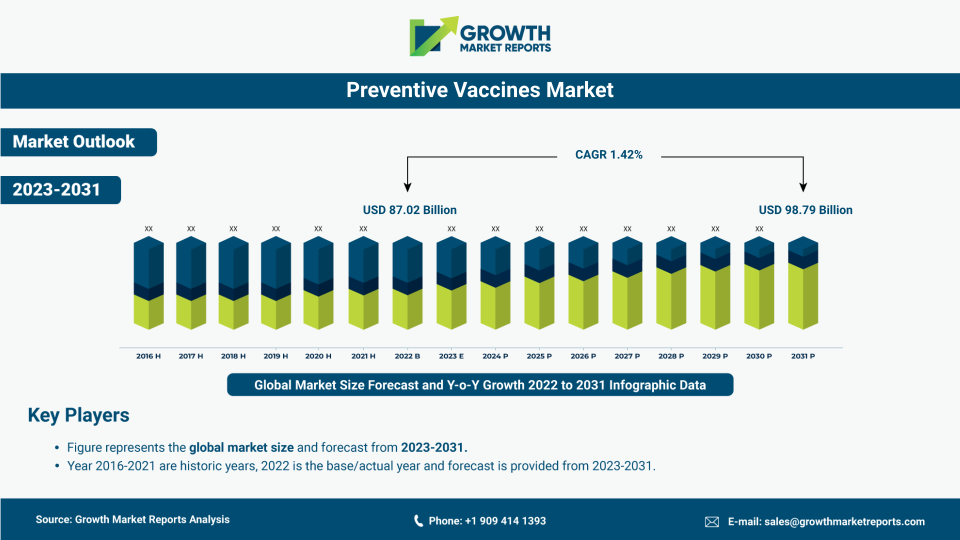
According to our latest research, the global preventive vaccines market size reached USD 54.8 billion in 2024, reflecting robust demand and sustained investments in immunization programs worldwide. The market is projected to expand at a CAGR of 7.1% from 2025 to 2033, with the market size forecasted to reach USD 102.3 billion by 2033. This impressive growth trajectory is underpinned by rising awareness of vaccine-preventable diseases, expanding immunization coverage, and the introduction of innovative vaccine technologies.

The growth of the preventive vaccines market is primarily driven by increasing government initiatives and funding for immunization programs across both developed and developing economies. The relentless global push for universal vaccination, particularly in response to recent pandemics and outbreaks, has galvanized public health agencies and non-governmental organizations to invest heavily in vaccine procurement and distribution. Additionally, the inclusion of new vaccines in national immunization schedules, such as those targeting HPV and hepatitis, has expanded the market’s scope significantly. The ongoing evolution of vaccine delivery mechanisms, such as needle-free systems and heat-stable formulations, has further improved accessibility and compliance, especially in remote and underserved populations. This ecosystem of innovation and investment continues to drive the market forward, ensuring that preventive vaccines remain a cornerstone of public health strategies worldwide.

Another critical growth factor is the rapid advancement in vaccine research and development, which has led to the introduction of next-generation vaccines with improved efficacy and safety profiles. The integration of cutting-edge technologies, including mRNA platforms and recombinant DNA techniques, has revolutionized the speed and precision with which new vaccines can be developed and deployed. This was particularly evident during the COVID-19 pandemic, where the expedited development and global distribution of vaccines set new benchmarks for the industry. Furthermore, increased private sector participation, strategic collaborations between pharmaceutical companies, and strong regulatory support have accelerated the approval and commercialization of novel vaccines. These advancements not only address emerging infectious diseases but also target non-communicable diseases, expanding the market’s potential applications and driving sustained growth.

The rising incidence of infectious diseases, coupled with heightened public awareness about the benefits of vaccination, is another major driver for the preventive vaccines market. Outbreaks of diseases such as influenza, measles, and polio continue to pose significant health threats, particularly in low- and middle-income countries. The global interconnectedness of populations has heightened the risk of rapid disease transmission, underscoring the importance of preventive vaccination as a first line of defense. Public health campaigns, educational initiatives, and social media outreach have played pivotal roles in dispelling vaccine hesitancy and misinformation, thereby improving vaccination rates. In addition, the growing geriatric population and increased prevalence of chronic diseases have broadened the target demographic for adult and elderly vaccines, further fueling market expansion.

Regionally, North America and Europe have traditionally dominated the preventive vaccines market due to their well-established healthcare infrastructure, high per capita healthcare spending, and comprehensive immunization programs. However, the Asia Pacific region is emerging as a significant growth engine, driven by rising healthcare investments, expanding population bases, and increasing government focus on public health. Countries such as China, India, and Japan are investing heavily in vaccine production capabilities and distribution networks to address both domestic and global demand. Latin America and the Middle East & Africa regions are also witnessing gradual improvements in vaccine coverage, supported by international aid and partnerships with global health organizations. Despite these advancements, disparities in access and affordability remain a challenge, particularly in resource-limited settings.

Global Preventive Vaccines Industry Outlook

Vaccine Type Analysis

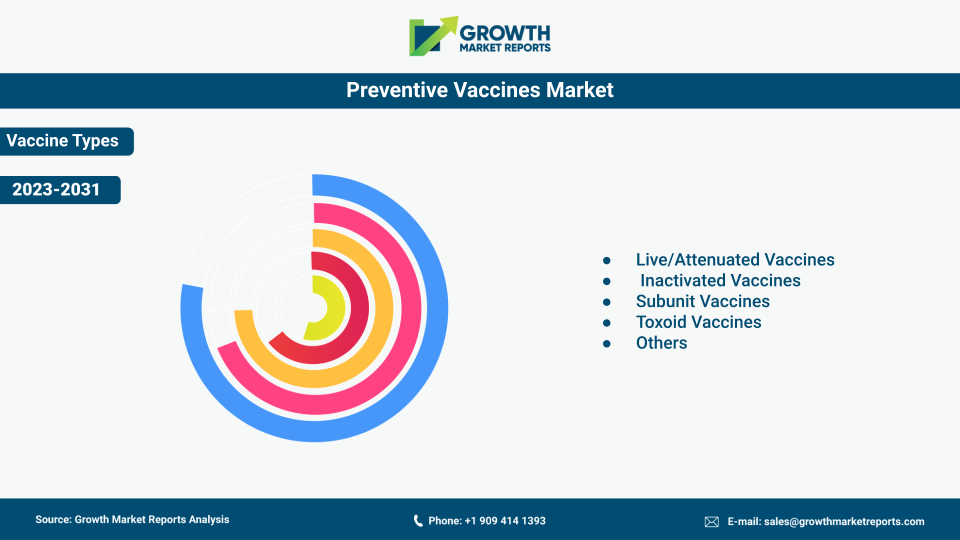
The vaccine type segment of the preventive vaccines market encompasses a diverse array of technologies, each with distinct advantages and challenges. Live attenuated vaccines have long been a cornerstone of immunization programs, offering robust and long-lasting immunity by using weakened forms of pathogens. These vaccines, such as those for measles, mumps, and rubella (MMR), have demonstrated high efficacy rates and are widely used in pediatric immunization schedules. However, their use is sometimes limited in immunocompromised individuals due to safety concerns. On the other hand, inactivated vaccines use killed pathogens and are considered safer for a broader population, including those with weakened immune systems. These vaccines, such as the inactivated polio vaccine, are essential in regions where live vaccines are contraindicated.

Subunit vaccines and conjugate vaccines represent the next generation of vaccine technologies, offering improved safety profiles by using specific components of the pathogen, such as proteins or polysaccharides, to elicit an immune response. Subunit vaccines, such as those for hepatitis B and HPV, have gained significant traction due to their targeted action and lower risk of adverse reactions. Conjugate vaccines, which link polysaccharide antigens to carrier proteins, have been instrumental in combating diseases like Haemophilus influenzae type b (Hib) and pneumococcal infections, particularly in young children. These advances have expanded the range of preventable diseases and improved vaccine uptake in sensitive populations.

Toxoid vaccines are another important category, designed to protect against diseases caused by bacterial toxins, such as tetanus and diphtheria. By inactivating the toxin rather than the organism itself, toxoid vaccines provide effective immunity with minimal risk of infection. The continued prevalence of these diseases in certain regions underscores the importance of maintaining high coverage rates for toxoid vaccines. Additionally, the market is witnessing the emergence of combination vaccines and novel platforms, including mRNA and viral vector technologies, which offer the potential for multi-disease protection and rapid response to emerging threats. The integration of these innovative approaches is expected to redefine the landscape of vaccine development and delivery in the coming years.

The "Others" category within vaccine types includes DNA vaccines, peptide vaccines, and other experimental platforms that are currently under investigation or in early stages of commercialization. These novel approaches aim to address unmet needs in the market, such as improved thermostability, ease of administration, and broader spectrum coverage. The ongoing research and development activities in this segment are supported by both public and private investments, reflecting the industry's commitment to continuous innovation. As regulatory frameworks evolve to accommodate these new technologies, the market is poised for further diversification and growth, ensuring that preventive vaccines remain at the forefront of global health initiatives.

Report Scope

Attributes Details
Report Title Preventive Vaccines Market Research Report 2033
By Vaccine Type Live Attenuated Vaccines, Inactivated Vaccines, Subunit Vaccines, Toxoid Vaccines, Conjugate Vaccines, Others
By Disease Indication Influenza, Hepatitis, Human Papillomavirus, Measles, Mumps & Rubella, Polio, COVID-19, Others
By Age Group Pediatric, Adult, Geriatric
By Distribution Channel Hospitals & Clinics, Government Suppliers, Pharmacies, Others
Regions Covered North America, Europe, APAC, Latin America, MEA
Base Year 2024
Historic Data 2018-2023
Forecast Period 2025-2033
Number of Pages 288
Number of Tables & Figures 286
Customization Available Yes, the report can be customized as per your need.

Disease Indication Analysis

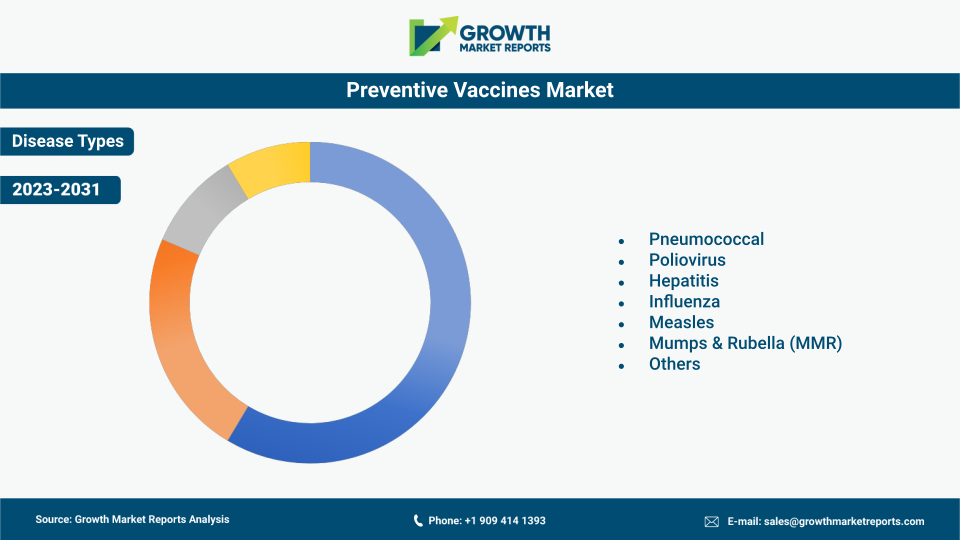
The disease indication segment of the preventive vaccines market is characterized by a broad spectrum of target diseases, each with unique epidemiological and public health implications. Influenza vaccines remain one of the most widely administered preventive vaccines globally, driven by annual outbreaks and the significant morbidity and mortality associated with seasonal flu. The recurring nature of influenza, coupled with the virus’s ability to mutate rapidly, necessitates ongoing surveillance and frequent updates to vaccine formulations. This has created a stable and growing demand for influenza vaccines, particularly among vulnerable populations such as the elderly, young children, and individuals with chronic health conditions.

Hepatitis vaccines (including hepatitis A and B) have played a pivotal role in reducing the global burden of liver diseases. Widespread immunization campaigns, particularly in high-prevalence regions, have led to significant declines in infection rates and associated complications, such as liver cancer and cirrhosis. The success of hepatitis B vaccination programs in newborns and healthcare workers has set a benchmark for other vaccine-preventable diseases. Similarly, human papillomavirus (HPV) vaccines have revolutionized the prevention of cervical cancer and other HPV-related malignancies. The inclusion of HPV vaccines in national immunization schedules across several countries has contributed to a measurable reduction in infection rates and precancerous lesions.

The market for measles, mumps, and rubella (MMR) vaccines remains robust, particularly in regions where outbreaks continue to pose significant public health risks. Global initiatives aimed at measles elimination have driven high coverage rates, although challenges such as vaccine hesitancy and logistical barriers persist in certain areas. Polio vaccines represent a major success story in global health, with sustained efforts bringing the world closer to eradication. However, the emergence of vaccine-derived poliovirus strains and gaps in immunization coverage highlight the need for continued vigilance and innovation in vaccine delivery.

COVID-19 vaccines have emerged as a dominant force in the preventive vaccines market since 2020, reshaping the industry landscape and setting new standards for rapid development, approval, and global distribution. The unprecedented scale of COVID-19 vaccination campaigns has demonstrated the critical importance of preventive vaccines in mitigating the impact of pandemics. Other disease indications, including rotavirus, meningococcal, and pneumococcal infections, continue to drive market growth, particularly in pediatric and high-risk adult populations. The ongoing expansion of vaccine-preventable disease lists, supported by advances in epidemiology and diagnostics, ensures a dynamic and evolving market environment.

Age Group Analysis

The age group segmentation of the preventive vaccines market reflects the diverse immunization needs of different population cohorts. Pediatric vaccines constitute the largest share of the market, as children are particularly vulnerable to infectious diseases and benefit most from early immunization. National and international health organizations have prioritized pediatric vaccination programs, resulting in high coverage rates for diseases such as measles, polio, diphtheria, pertussis, and tetanus. The introduction of combination vaccines and expanded immunization schedules has further streamlined vaccine delivery and improved compliance among parents and caregivers.

Adult vaccination is gaining prominence as public health authorities recognize the importance of lifelong immunity and the prevention of disease outbreaks in older populations. Vaccines targeting influenza, hepatitis, HPV, and pneumococcal infections are increasingly recommended for adults, particularly those with underlying health conditions, healthcare workers, and travelers. The growing awareness of vaccine-preventable diseases among adults, coupled with employer-sponsored vaccination programs and public health campaigns, has contributed to rising uptake in this segment. Additionally, the development of vaccines for emerging diseases and travel-related infections is expanding the scope of adult immunization.

The geriatric population represents a critical and growing segment of the preventive vaccines market, driven by the demographic shift toward an aging global population. Older adults are at increased risk of severe complications from infectious diseases due to age-related decline in immune function and the presence of comorbidities. Vaccines for influenza, pneumococcus, shingles (herpes zoster), and COVID-19 are particularly important for this age group, as they help reduce hospitalization rates, morbidity, and mortality. The development of high-dose and adjuvanted vaccines specifically designed for older adults is a testament to the industry’s commitment to addressing the unique needs of this population.

Efforts to improve vaccination coverage across all age groups are supported by educational initiatives, policy changes, and the integration of immunization services into routine healthcare. The expansion of school-based and workplace vaccination programs, as well as targeted outreach to vulnerable populations, is expected to further enhance market penetration. As the understanding of immunosenescence and age-related immune responses advances, the market is likely to witness the introduction of novel vaccines and tailored immunization strategies for different age cohorts, ensuring comprehensive protection across the lifespan.

Distribution Channel Analysis

The distribution channel segment plays a pivotal role in determining the accessibility and uptake of preventive vaccines. Hospitals and clinics are the primary distribution points for vaccines, offering a controlled environment for administration and immediate management of adverse reactions. These settings are particularly important for pediatric and high-risk adult populations, where close monitoring and follow-up are essential. Hospitals and clinics also serve as key sites for mass immunization campaigns and outbreak response efforts, leveraging their infrastructure and trained personnel to ensure efficient vaccine delivery.

Government suppliers constitute another major distribution channel, particularly in low- and middle-income countries where public health agencies are responsible for vaccine procurement and distribution. National immunization programs, often supported by international organizations such as WHO and UNICEF, rely on government suppliers to ensure equitable access to vaccines, especially in remote and underserved areas. The centralized procurement and distribution model adopted by many governments has enabled large-scale vaccination campaigns and the rapid deployment of new vaccines in response to emerging threats.

Pharmacies are emerging as a convenient and accessible distribution channel for preventive vaccines, particularly in developed markets. The expansion of pharmacist-administered vaccination services has improved access for adults and working populations, reducing barriers related to scheduling and transportation. Pharmacies offer extended hours, walk-in services, and proximity to residential areas, making them an attractive option for individuals seeking routine or travel-related immunizations. The integration of digital health platforms and electronic health records has further streamlined vaccine administration and documentation in pharmacy settings.

The "Others" category includes schools, workplace clinics, community health centers, and mobile vaccination units, all of which play a vital role in reaching specific population groups. School-based vaccination programs have been instrumental in achieving high coverage rates for pediatric vaccines, while workplace clinics support adult immunization initiatives. Mobile units and outreach programs are essential for reaching populations in remote or conflict-affected regions, where traditional healthcare infrastructure may be lacking. The diversification of distribution channels, supported by technological advancements and policy changes, is expected to enhance vaccine accessibility and uptake, driving further growth in the preventive vaccines market.

Opportunities & Threats

The preventive vaccines market is poised for substantial opportunities over the coming decade, driven by ongoing innovation and expanding global health initiatives. The development of next-generation vaccines using mRNA, DNA, and recombinant technologies opens new frontiers in disease prevention, enabling rapid response to emerging pathogens and previously untreatable conditions. Moreover, the increasing emphasis on personalized medicine and immunology is paving the way for tailored vaccines that address individual risk profiles and genetic predispositions. This trend is supported by advances in bioinformatics, genomics, and vaccine delivery systems, which collectively enhance the efficacy, safety, and accessibility of preventive vaccines. The expansion of immunization programs into adult and geriatric populations, coupled with the integration of digital health solutions for tracking and monitoring, presents significant growth potential for industry stakeholders.

Another major opportunity lies in the ongoing global efforts to improve vaccine equity and access, particularly in low- and middle-income countries. International collaborations, such as Gavi, the Vaccine Alliance, and the COVAX initiative, have demonstrated the feasibility and impact of large-scale vaccine procurement and distribution. These programs have facilitated the introduction of new vaccines, strengthened supply chains, and improved cold chain infrastructure, thereby reducing disparities in vaccine coverage. The growing recognition of the economic and societal benefits of vaccination, including reduced healthcare costs and improved productivity, is driving increased investments from governments, non-governmental organizations, and the private sector. As public health priorities evolve and new disease threats emerge, the preventive vaccines market is well positioned to capitalize on these opportunities and deliver transformative health outcomes.

Despite these opportunities, the market faces several restraining factors, the most prominent of which is vaccine hesitancy and misinformation. The proliferation of anti-vaccination movements, fueled by social media and misinformation campaigns, has undermined public confidence in vaccines and led to declines in coverage rates in some regions. This poses a significant threat to the success of immunization programs and the achievement of herd immunity, particularly for highly contagious diseases. Addressing vaccine hesitancy requires concerted efforts from governments, healthcare providers, and community leaders to educate the public, dispel myths, and build trust in the safety and efficacy of vaccines. Regulatory hurdles, supply chain challenges, and pricing pressures also represent ongoing threats to market growth, necessitating continuous innovation and collaboration across the value chain.

Regional Outlook

The North American preventive vaccines market accounted for the largest share in 2024, reaching approximately USD 19.7 billion. The region’s dominance is attributed to its advanced healthcare infrastructure, high vaccination coverage, and strong government support for immunization programs. The United States, in particular, has made significant investments in vaccine research, development, and distribution, resulting in rapid adoption of new vaccines and high public awareness. Canada’s universal healthcare system and proactive public health policies have also contributed to robust market growth. The presence of leading vaccine manufacturers and research institutions further strengthens North America’s position as a global leader in the preventive vaccines market.

Europe follows closely, with a market size of USD 16.2 billion in 2024, driven by comprehensive immunization programs, strong regulatory frameworks, and high public acceptance of vaccines. Countries such as the United Kingdom, Germany, and France have implemented national vaccination schedules that encompass a wide range of diseases, ensuring broad population coverage. The European Union’s centralized procurement and approval processes have facilitated the rapid introduction of new vaccines and harmonized standards across member states. The region is expected to maintain a steady growth rate, with a projected CAGR of 6.8% through 2033, supported by ongoing investments in vaccine innovation and public health infrastructure.

The Asia Pacific region is emerging as the fastest-growing market, with a value of USD 12.5 billion in 2024 and a projected CAGR of 8.4% over the forecast period. The region’s growth is fueled by large and growing populations, rising healthcare expenditures, and increasing government focus on immunization. China, India, and Japan are leading the charge, investing heavily in vaccine manufacturing capabilities and expanding access to preventive vaccines. Public-private partnerships, international aid, and innovative distribution strategies are helping to overcome logistical challenges and improve coverage rates in rural and remote areas. Latin America and the Middle East & Africa collectively accounted for USD 6.4 billion in 2024, with gradual improvements in vaccine access and coverage supported by international collaborations and targeted public health interventions. Despite these gains, disparities in access and affordability persist, highlighting the need for continued investment and innovation in vaccine delivery across all regions.

Preventive Vaccines Market Statistics

Competitor Outlook

The preventive vaccines market is characterized by intense competition and a dynamic landscape, with both established players and emerging companies vying for market share. The industry is dominated by a handful of multinational pharmaceutical giants, which leverage their extensive research and development capabilities, global distribution networks, and strong brand recognition to maintain leadership positions. These companies invest heavily in innovation, seeking to develop next-generation vaccines that offer improved efficacy, safety, and convenience. Strategic collaborations, mergers and acquisitions, and partnerships with government agencies and non-governmental organizations are common strategies employed to expand product portfolios and geographic reach.

In recent years, the competitive landscape has been further shaped by the entry of biotechnology firms and specialty vaccine manufacturers, which bring agility and novel technologies to the market. These companies often focus on niche indications or leverage advanced platforms, such as mRNA or viral vectors, to address unmet needs and respond to emerging threats. The COVID-19 pandemic accelerated this trend, with several biotech companies achieving rapid success and establishing themselves as key players in the global vaccine market. The competitive environment is also influenced by the increasing role of contract manufacturing organizations (CMOs) and contract research organizations (CROs), which provide essential support for vaccine development, production, and clinical trials.

Regulatory compliance and quality assurance are critical differentiators in the preventive vaccines market, as companies must navigate complex and evolving requirements across multiple jurisdictions. The ability to demonstrate robust safety and efficacy data, secure timely approvals, and ensure consistent product quality is essential for maintaining market access and reputation. Intellectual property protection, pricing strategies, and supply chain resilience are additional factors that influence competitive dynamics. Companies that can effectively balance innovation, cost efficiency, and global reach are best positioned to succeed in this highly competitive market.

Among the major companies operating in the preventive vaccines market are GlaxoSmithKline plc (GSK), Pfizer Inc., Sanofi S.A., Merck & Co., Inc., and AstraZeneca plc. GSK is renowned for its broad vaccine portfolio, including leading products for hepatitis, HPV, and influenza, and its commitment to expanding access in low- and middle-income countries. Pfizer, in partnership with BioNTech, played a pivotal role in the development and global distribution of the first mRNA COVID-19 vaccine, setting new industry standards for innovation and speed. Sanofi is a leader in pediatric and adult vaccines, with a strong presence in both developed and emerging markets. Merck’s expertise spans a wide range of vaccine-preventable diseases, including HPV, measles, and mumps, while AstraZeneca has made significant contributions to COVID-19 vaccination efforts through its viral vector platform.

Other notable players include Johnson & Johnson, Serum Institute of India, CSL Limited, Bharat Biotech, and Moderna, Inc.. The Serum Institute of India is the world’s largest vaccine manufacturer by volume, supplying affordable vaccines to over 170 countries and playing a critical role in global health initiatives. Moderna has emerged as a leader in mRNA vaccine technology, with ongoing research and development efforts targeting a wide range of infectious and non-infectious diseases. Johnson & Johnson and CSL Limited have extensive experience in vaccine development and global distribution, contributing to the market’s resilience and adaptability. These companies, along with a host of regional and specialty manufacturers, are driving innovation, expanding access, and shaping the future of the preventive vaccines market.

Key Players

  • GlaxoSmithKline plc
  • Sanofi S.A.
  • Merck & Co., Inc.
  • Pfizer Inc.
  • AstraZeneca plc
  • Johnson & Johnson (Janssen Vaccines)
  • Bharat Biotech
  • Serum Institute of India Pvt. Ltd.
  • Moderna, Inc.
  • Novavax, Inc.
  • CSL Limited (Seqirus)
  • Emergent BioSolutions Inc.
  • Sinovac Biotech Ltd.
  • Sinopharm Group Co., Ltd.
  • Biological E Limited
  • Daiichi Sankyo Company, Limited
  • Valneva SE
  • Mitsubishi Tanabe Pharma Corporation
  • Inovio Pharmaceuticals, Inc.
  • VBI Vaccines Inc.
Preventive Vaccines Market Overview

Segments

The Preventive Vaccines market has been segmented on the basis of

Vaccine Type

  • Live Attenuated Vaccines
  • Inactivated Vaccines
  • Subunit Vaccines
  • Toxoid Vaccines
  • Conjugate Vaccines
  • Others

Disease Indication

  • Influenza
  • Hepatitis
  • Human Papillomavirus
  • Measles
  • Mumps & Rubella
  • Polio
  • COVID-19
  • Others

Age Group

  • Pediatric
  • Adult
  • Geriatric

Distribution Channel

  • Hospitals & Clinics
  • Government Suppliers
  • Pharmacies
  • Others

Competitive Landscape

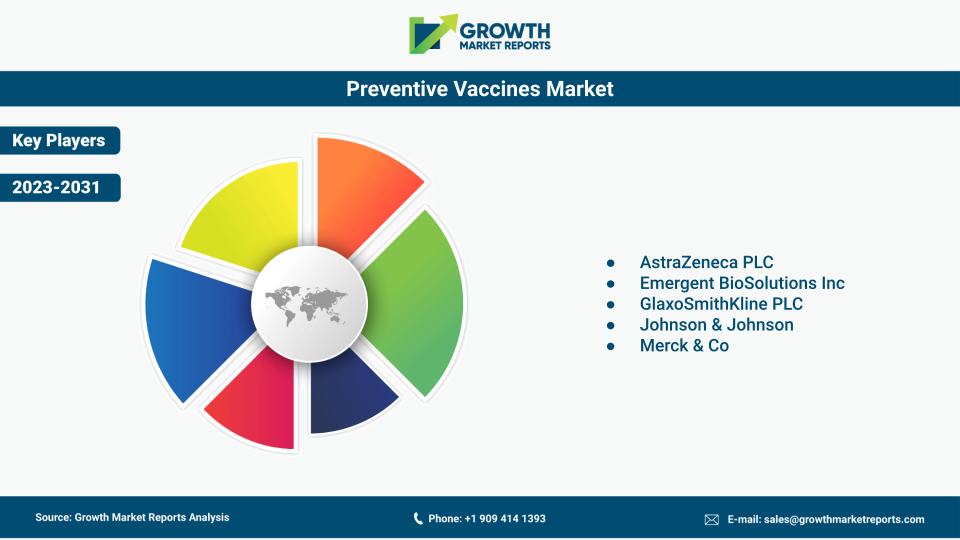
Key players competing in the preventive vaccines market include AstraZeneca PLC, Emergent BioSolutions Inc, GlaxoSmithKline PLC, Johnson & Johnson, and Merck & Co.

Global Preventive Vaccines Market Key Players

Frequently Asked Questions

Key challenges include vaccine hesitancy and misinformation, regulatory hurdles, supply chain issues, pricing pressures, and disparities in vaccine access and affordability, especially in low- and middle-income countries.

Major players include GlaxoSmithKline plc (GSK), Pfizer Inc., Sanofi S.A., Merck & Co., Inc., AstraZeneca plc, Johnson & Johnson, Serum Institute of India, Moderna, CSL Limited, and Novavax, among others.

Vaccines are distributed through hospitals and clinics, government suppliers, pharmacies, and other channels such as schools, workplace clinics, community health centers, and mobile vaccination units.

The market is segmented into pediatric, adult, and geriatric groups, with pediatric vaccines holding the largest share. However, adult and elderly vaccination is gaining importance due to rising awareness and demographic shifts.

Preventive vaccines commonly target diseases such as influenza, hepatitis, human papillomavirus (HPV), measles, mumps, rubella, polio, COVID-19, and others like rotavirus, meningococcal, and pneumococcal infections.

Key vaccine types include live attenuated vaccines, inactivated vaccines, subunit vaccines, toxoid vaccines, conjugate vaccines, and emerging platforms such as mRNA, DNA, and peptide vaccines.

North America and Europe currently dominate the market due to advanced healthcare infrastructure and high vaccination rates, while Asia Pacific is the fastest-growing region, driven by large populations and increased healthcare spending.

Growth is driven by rising awareness of vaccine-preventable diseases, expanding immunization coverage, government initiatives, technological advancements like mRNA vaccines, and increased public and private investments.

The preventive vaccines market is expected to grow at a CAGR of 7.1% from 2025 to 2033, reaching an estimated USD 102.3 billion by 2033.

As of 2024, the global preventive vaccines market size reached USD 54.8 billion, reflecting strong demand and sustained investments in immunization programs worldwide.

Table Of Content

Chapter 1 Executive Summary
Chapter 2 Assumptions and Acronyms Used
Chapter 3 Research Methodology
Chapter 4 Preventive Vaccines Market Overview
   4.1 Introduction
      4.1.1 Market Taxonomy
      4.1.2 Market Definition
      4.1.3 Macro-Economic Factors Impacting the Market Growth
   4.2 Preventive Vaccines Market Dynamics
      4.2.1 Market Drivers
      4.2.2 Market Restraints
      4.2.3 Market Opportunity
   4.3 Preventive Vaccines Market - Supply Chain Analysis
      4.3.1 List of Key Suppliers
      4.3.2 List of Key Distributors
      4.3.3 List of Key Consumers
   4.4 Key Forces Shaping the Preventive Vaccines Market
      4.4.1 Bargaining Power of Suppliers
      4.4.2 Bargaining Power of Buyers
      4.4.3 Threat of Substitution
      4.4.4 Threat of New Entrants
      4.4.5 Competitive Rivalry
   4.5 Global Preventive Vaccines Market Size & Forecast, 2023-2032
      4.5.1 Preventive Vaccines Market Size and Y-o-Y Growth
      4.5.2 Preventive Vaccines Market Absolute $ Opportunity

Chapter 5 Global Preventive Vaccines Market Analysis and Forecast By Vaccine Type
   5.1 Introduction
      5.1.1 Key Market Trends & Growth Opportunities By Vaccine Type
      5.1.2 Basis Point Share (BPS) Analysis By Vaccine Type
      5.1.3 Absolute $ Opportunity Assessment By Vaccine Type
   5.2 Preventive Vaccines Market Size Forecast By Vaccine Type
      5.2.1 Live Attenuated Vaccines
      5.2.2 Inactivated Vaccines
      5.2.3 Subunit Vaccines
      5.2.4 Toxoid Vaccines
      5.2.5 Conjugate Vaccines
      5.2.6 Others
   5.3 Market Attractiveness Analysis By Vaccine Type

Chapter 6 Global Preventive Vaccines Market Analysis and Forecast By Disease Indication
   6.1 Introduction
      6.1.1 Key Market Trends & Growth Opportunities By Disease Indication
      6.1.2 Basis Point Share (BPS) Analysis By Disease Indication
      6.1.3 Absolute $ Opportunity Assessment By Disease Indication
   6.2 Preventive Vaccines Market Size Forecast By Disease Indication
      6.2.1 Influenza
      6.2.2 Hepatitis
      6.2.3 Human Papillomavirus
      6.2.4 Measles
      6.2.5 Mumps & Rubella
      6.2.6 Polio
      6.2.7 COVID-19
      6.2.8 Others
   6.3 Market Attractiveness Analysis By Disease Indication

Chapter 7 Global Preventive Vaccines Market Analysis and Forecast By Age Group
   7.1 Introduction
      7.1.1 Key Market Trends & Growth Opportunities By Age Group
      7.1.2 Basis Point Share (BPS) Analysis By Age Group
      7.1.3 Absolute $ Opportunity Assessment By Age Group
   7.2 Preventive Vaccines Market Size Forecast By Age Group
      7.2.1 Pediatric
      7.2.2 Adult
      7.2.3 Geriatric
   7.3 Market Attractiveness Analysis By Age Group

Chapter 8 Global Preventive Vaccines Market Analysis and Forecast By Distribution Channel
   8.1 Introduction
      8.1.1 Key Market Trends & Growth Opportunities By Distribution Channel
      8.1.2 Basis Point Share (BPS) Analysis By Distribution Channel
      8.1.3 Absolute $ Opportunity Assessment By Distribution Channel
   8.2 Preventive Vaccines Market Size Forecast By Distribution Channel
      8.2.1 Hospitals & Clinics
      8.2.2 Government Suppliers
      8.2.3 Pharmacies
      8.2.4 Others
   8.3 Market Attractiveness Analysis By Distribution Channel

Chapter 9 Global Preventive Vaccines Market Analysis and Forecast by Region
   9.1 Introduction
      9.1.1 Key Market Trends & Growth Opportunities By Region
      9.1.2 Basis Point Share (BPS) Analysis By Region
      9.1.3 Absolute $ Opportunity Assessment By Region
   9.2 Preventive Vaccines Market Size Forecast By Region
      9.2.1 North America
      9.2.2 Europe
      9.2.3 Asia Pacific
      9.2.4 Latin America
      9.2.5 Middle East & Africa (MEA)
   9.3 Market Attractiveness Analysis By Region

Chapter 10 Coronavirus Disease (COVID-19) Impact 
   10.1 Introduction 
   10.2 Current & Future Impact Analysis 
   10.3 Economic Impact Analysis 
   10.4 Government Policies 
   10.5 Investment Scenario

Chapter 11 North America Preventive Vaccines Analysis and Forecast
   11.1 Introduction
   11.2 North America Preventive Vaccines Market Size Forecast by Country
      11.2.1 U.S.
      11.2.2 Canada
   11.3 Basis Point Share (BPS) Analysis by Country
   11.4 Absolute $ Opportunity Assessment by Country
   11.5 Market Attractiveness Analysis by Country
   11.6 North America Preventive Vaccines Market Size Forecast By Vaccine Type
      11.6.1 Live Attenuated Vaccines
      11.6.2 Inactivated Vaccines
      11.6.3 Subunit Vaccines
      11.6.4 Toxoid Vaccines
      11.6.5 Conjugate Vaccines
      11.6.6 Others
   11.7 Basis Point Share (BPS) Analysis By Vaccine Type 
   11.8 Absolute $ Opportunity Assessment By Vaccine Type 
   11.9 Market Attractiveness Analysis By Vaccine Type
   11.10 North America Preventive Vaccines Market Size Forecast By Disease Indication
      11.10.1 Influenza
      11.10.2 Hepatitis
      11.10.3 Human Papillomavirus
      11.10.4 Measles
      11.10.5 Mumps & Rubella
      11.10.6 Polio
      11.10.7 COVID-19
      11.10.8 Others
   11.11 Basis Point Share (BPS) Analysis By Disease Indication 
   11.12 Absolute $ Opportunity Assessment By Disease Indication 
   11.13 Market Attractiveness Analysis By Disease Indication
   11.14 North America Preventive Vaccines Market Size Forecast By Age Group
      11.14.1 Pediatric
      11.14.2 Adult
      11.14.3 Geriatric
   11.15 Basis Point Share (BPS) Analysis By Age Group 
   11.16 Absolute $ Opportunity Assessment By Age Group 
   11.17 Market Attractiveness Analysis By Age Group
   11.18 North America Preventive Vaccines Market Size Forecast By Distribution Channel
      11.18.1 Hospitals & Clinics
      11.18.2 Government Suppliers
      11.18.3 Pharmacies
      11.18.4 Others
   11.19 Basis Point Share (BPS) Analysis By Distribution Channel 
   11.20 Absolute $ Opportunity Assessment By Distribution Channel 
   11.21 Market Attractiveness Analysis By Distribution Channel

Chapter 12 Europe Preventive Vaccines Analysis and Forecast
   12.1 Introduction
   12.2 Europe Preventive Vaccines Market Size Forecast by Country
      12.2.1 Germany
      12.2.2 France
      12.2.3 Italy
      12.2.4 U.K.
      12.2.5 Spain
      12.2.6 Russia
      12.2.7 Rest of Europe
   12.3 Basis Point Share (BPS) Analysis by Country
   12.4 Absolute $ Opportunity Assessment by Country
   12.5 Market Attractiveness Analysis by Country
   12.6 Europe Preventive Vaccines Market Size Forecast By Vaccine Type
      12.6.1 Live Attenuated Vaccines
      12.6.2 Inactivated Vaccines
      12.6.3 Subunit Vaccines
      12.6.4 Toxoid Vaccines
      12.6.5 Conjugate Vaccines
      12.6.6 Others
   12.7 Basis Point Share (BPS) Analysis By Vaccine Type 
   12.8 Absolute $ Opportunity Assessment By Vaccine Type 
   12.9 Market Attractiveness Analysis By Vaccine Type
   12.10 Europe Preventive Vaccines Market Size Forecast By Disease Indication
      12.10.1 Influenza
      12.10.2 Hepatitis
      12.10.3 Human Papillomavirus
      12.10.4 Measles
      12.10.5 Mumps & Rubella
      12.10.6 Polio
      12.10.7 COVID-19
      12.10.8 Others
   12.11 Basis Point Share (BPS) Analysis By Disease Indication 
   12.12 Absolute $ Opportunity Assessment By Disease Indication 
   12.13 Market Attractiveness Analysis By Disease Indication
   12.14 Europe Preventive Vaccines Market Size Forecast By Age Group
      12.14.1 Pediatric
      12.14.2 Adult
      12.14.3 Geriatric
   12.15 Basis Point Share (BPS) Analysis By Age Group 
   12.16 Absolute $ Opportunity Assessment By Age Group 
   12.17 Market Attractiveness Analysis By Age Group
   12.18 Europe Preventive Vaccines Market Size Forecast By Distribution Channel
      12.18.1 Hospitals & Clinics
      12.18.2 Government Suppliers
      12.18.3 Pharmacies
      12.18.4 Others
   12.19 Basis Point Share (BPS) Analysis By Distribution Channel 
   12.20 Absolute $ Opportunity Assessment By Distribution Channel 
   12.21 Market Attractiveness Analysis By Distribution Channel

Chapter 13 Asia Pacific Preventive Vaccines Analysis and Forecast
   13.1 Introduction
   13.2 Asia Pacific Preventive Vaccines Market Size Forecast by Country
      13.2.1 China
      13.2.2 Japan
      13.2.3 South Korea
      13.2.4 India
      13.2.5 Australia
      13.2.6 South East Asia (SEA)
      13.2.7 Rest of Asia Pacific (APAC)
   13.3 Basis Point Share (BPS) Analysis by Country
   13.4 Absolute $ Opportunity Assessment by Country
   13.5 Market Attractiveness Analysis by Country
   13.6 Asia Pacific Preventive Vaccines Market Size Forecast By Vaccine Type
      13.6.1 Live Attenuated Vaccines
      13.6.2 Inactivated Vaccines
      13.6.3 Subunit Vaccines
      13.6.4 Toxoid Vaccines
      13.6.5 Conjugate Vaccines
      13.6.6 Others
   13.7 Basis Point Share (BPS) Analysis By Vaccine Type 
   13.8 Absolute $ Opportunity Assessment By Vaccine Type 
   13.9 Market Attractiveness Analysis By Vaccine Type
   13.10 Asia Pacific Preventive Vaccines Market Size Forecast By Disease Indication
      13.10.1 Influenza
      13.10.2 Hepatitis
      13.10.3 Human Papillomavirus
      13.10.4 Measles
      13.10.5 Mumps & Rubella
      13.10.6 Polio
      13.10.7 COVID-19
      13.10.8 Others
   13.11 Basis Point Share (BPS) Analysis By Disease Indication 
   13.12 Absolute $ Opportunity Assessment By Disease Indication 
   13.13 Market Attractiveness Analysis By Disease Indication
   13.14 Asia Pacific Preventive Vaccines Market Size Forecast By Age Group
      13.14.1 Pediatric
      13.14.2 Adult
      13.14.3 Geriatric
   13.15 Basis Point Share (BPS) Analysis By Age Group 
   13.16 Absolute $ Opportunity Assessment By Age Group 
   13.17 Market Attractiveness Analysis By Age Group
   13.18 Asia Pacific Preventive Vaccines Market Size Forecast By Distribution Channel
      13.18.1 Hospitals & Clinics
      13.18.2 Government Suppliers
      13.18.3 Pharmacies
      13.18.4 Others
   13.19 Basis Point Share (BPS) Analysis By Distribution Channel 
   13.20 Absolute $ Opportunity Assessment By Distribution Channel 
   13.21 Market Attractiveness Analysis By Distribution Channel

Chapter 14 Latin America Preventive Vaccines Analysis and Forecast
   14.1 Introduction
   14.2 Latin America Preventive Vaccines Market Size Forecast by Country
      14.2.1 Brazil
      14.2.2 Mexico
      14.2.3 Rest of Latin America (LATAM)
   14.3 Basis Point Share (BPS) Analysis by Country
   14.4 Absolute $ Opportunity Assessment by Country
   14.5 Market Attractiveness Analysis by Country
   14.6 Latin America Preventive Vaccines Market Size Forecast By Vaccine Type
      14.6.1 Live Attenuated Vaccines
      14.6.2 Inactivated Vaccines
      14.6.3 Subunit Vaccines
      14.6.4 Toxoid Vaccines
      14.6.5 Conjugate Vaccines
      14.6.6 Others
   14.7 Basis Point Share (BPS) Analysis By Vaccine Type 
   14.8 Absolute $ Opportunity Assessment By Vaccine Type 
   14.9 Market Attractiveness Analysis By Vaccine Type
   14.10 Latin America Preventive Vaccines Market Size Forecast By Disease Indication
      14.10.1 Influenza
      14.10.2 Hepatitis
      14.10.3 Human Papillomavirus
      14.10.4 Measles
      14.10.5 Mumps & Rubella
      14.10.6 Polio
      14.10.7 COVID-19
      14.10.8 Others
   14.11 Basis Point Share (BPS) Analysis By Disease Indication 
   14.12 Absolute $ Opportunity Assessment By Disease Indication 
   14.13 Market Attractiveness Analysis By Disease Indication
   14.14 Latin America Preventive Vaccines Market Size Forecast By Age Group
      14.14.1 Pediatric
      14.14.2 Adult
      14.14.3 Geriatric
   14.15 Basis Point Share (BPS) Analysis By Age Group 
   14.16 Absolute $ Opportunity Assessment By Age Group 
   14.17 Market Attractiveness Analysis By Age Group
   14.18 Latin America Preventive Vaccines Market Size Forecast By Distribution Channel
      14.18.1 Hospitals & Clinics
      14.18.2 Government Suppliers
      14.18.3 Pharmacies
      14.18.4 Others
   14.19 Basis Point Share (BPS) Analysis By Distribution Channel 
   14.20 Absolute $ Opportunity Assessment By Distribution Channel 
   14.21 Market Attractiveness Analysis By Distribution Channel

Chapter 15 Middle East & Africa (MEA) Preventive Vaccines Analysis and Forecast
   15.1 Introduction
   15.2 Middle East & Africa (MEA) Preventive Vaccines Market Size Forecast by Country
      15.2.1 Saudi Arabia
      15.2.2 South Africa
      15.2.3 UAE
      15.2.4 Rest of Middle East & Africa (MEA)
   15.3 Basis Point Share (BPS) Analysis by Country
   15.4 Absolute $ Opportunity Assessment by Country
   15.5 Market Attractiveness Analysis by Country
   15.6 Middle East & Africa (MEA) Preventive Vaccines Market Size Forecast By Vaccine Type
      15.6.1 Live Attenuated Vaccines
      15.6.2 Inactivated Vaccines
      15.6.3 Subunit Vaccines
      15.6.4 Toxoid Vaccines
      15.6.5 Conjugate Vaccines
      15.6.6 Others
   15.7 Basis Point Share (BPS) Analysis By Vaccine Type 
   15.8 Absolute $ Opportunity Assessment By Vaccine Type 
   15.9 Market Attractiveness Analysis By Vaccine Type
   15.10 Middle East & Africa (MEA) Preventive Vaccines Market Size Forecast By Disease Indication
      15.10.1 Influenza
      15.10.2 Hepatitis
      15.10.3 Human Papillomavirus
      15.10.4 Measles
      15.10.5 Mumps & Rubella
      15.10.6 Polio
      15.10.7 COVID-19
      15.10.8 Others
   15.11 Basis Point Share (BPS) Analysis By Disease Indication 
   15.12 Absolute $ Opportunity Assessment By Disease Indication 
   15.13 Market Attractiveness Analysis By Disease Indication
   15.14 Middle East & Africa (MEA) Preventive Vaccines Market Size Forecast By Age Group
      15.14.1 Pediatric
      15.14.2 Adult
      15.14.3 Geriatric
   15.15 Basis Point Share (BPS) Analysis By Age Group 
   15.16 Absolute $ Opportunity Assessment By Age Group 
   15.17 Market Attractiveness Analysis By Age Group
   15.18 Middle East & Africa (MEA) Preventive Vaccines Market Size Forecast By Distribution Channel
      15.18.1 Hospitals & Clinics
      15.18.2 Government Suppliers
      15.18.3 Pharmacies
      15.18.4 Others
   15.19 Basis Point Share (BPS) Analysis By Distribution Channel 
   15.20 Absolute $ Opportunity Assessment By Distribution Channel 
   15.21 Market Attractiveness Analysis By Distribution Channel

Chapter 16 Competition Landscape 
   16.1 Preventive Vaccines Market: Competitive Dashboard
   16.2 Global Preventive Vaccines Market: Market Share Analysis, 2023
   16.3 Company Profiles (Details – Overview, Financials, Developments, Strategy) 
      16.3.1 GlaxoSmithKline plc
Sanofi S.A.
Merck & Co., Inc.
Pfizer Inc.
AstraZeneca plc
Johnson & Johnson (Janssen Vaccines)
Bharat Biotech
Serum Institute of India Pvt. Ltd.
Moderna, Inc.
Novavax, Inc.
CSL Limited (Seqirus)
Emergent BioSolutions Inc.
Sinovac Biotech Ltd.
Sinopharm Group Co., Ltd.
Biological E Limited
Daiichi Sankyo Company, Limited
Valneva SE
Mitsubishi Tanabe Pharma Corporation
Inovio Pharmaceuticals, Inc.
VBI Vaccines Inc.

Methodology

Our Clients

sinopec
Pfizer
Deloitte
FedEx Logistics
Dassault Aviation
Siemens Healthcare
Microsoft
General Mills