Segments - by Resin Type (Thermoset, Thermoplastic), by Coating Method (Electrostatic Spray, Fluidized Bed), by Application (Automotive, Appliances, Furniture, Architectural, Industrial, Others), by Substrate (Metal, Non-metal), by End-Use Industry (Consumer Goods, Automotive, Architectural, General Industrial, Furniture, Others)
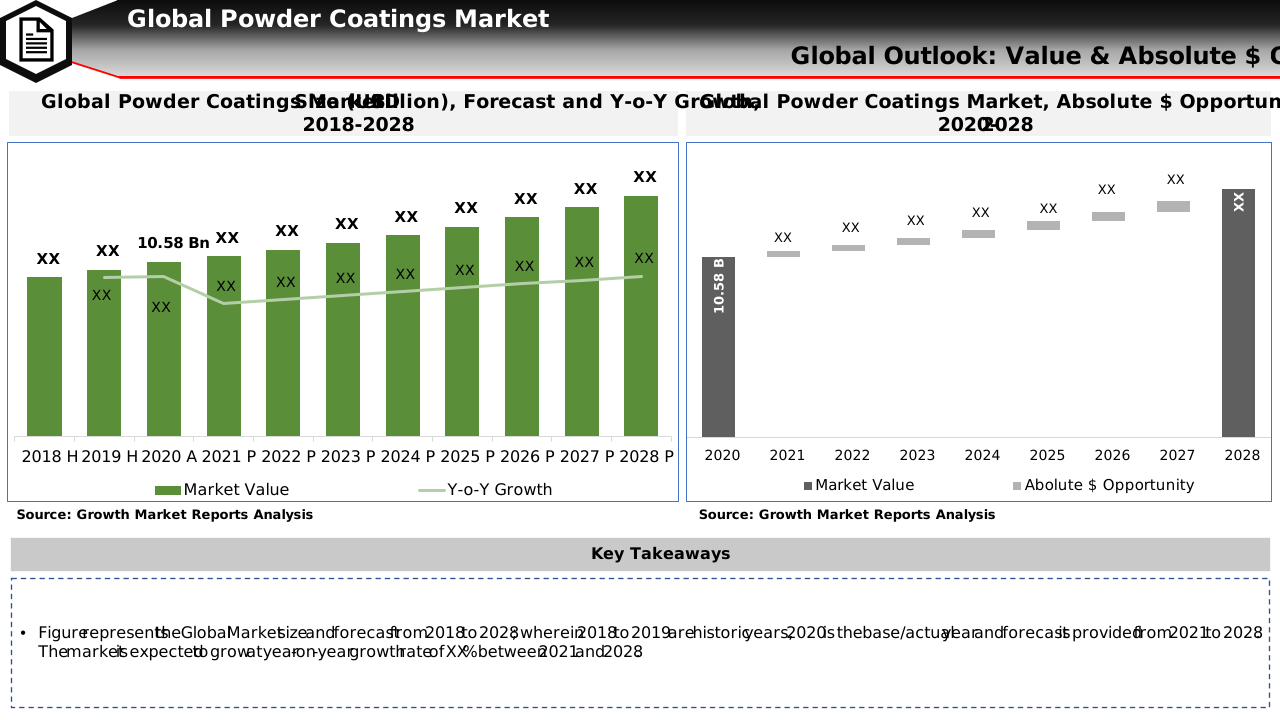
According to our latest research, the global Powder Coatings market size reached USD 15.2 billion in 2024. The industry is demonstrating robust momentum, registering a compound annual growth rate (CAGR) of 5.8% from 2025 to 2033. By the end of 2033, the powder coatings market is expected to attain a value of USD 26.2 billion, propelled by rising demand across automotive, consumer goods, and architectural applications. The marketÂ’s expansion is underpinned by stringent environmental regulations favoring low-VOC coatings, increased production in emerging economies, and continual advancements in powder coating technologies.
One of the key growth drivers for the powder coatings market is the increasing adoption of environmentally friendly coating solutions. Unlike traditional liquid coatings, powder coatings emit negligible volatile organic compounds (VOCs), aligning with global regulatory trends and sustainability goals. This eco-friendly profile has led to widespread adoption in industries such as automotive, furniture, and appliances, where manufacturers are under pressure to reduce their environmental footprint. Additionally, powder coatings offer superior durability, corrosion resistance, and aesthetic versatility, making them a preferred choice for both protective and decorative applications. The ongoing shift toward sustainable manufacturing practices and the implementation of stricter environmental policies, especially in Europe and North America, are expected to further augment the demand for powder coatings over the forecast period.
Another significant factor fueling market growth is the rapid industrialization and urbanization occurring in emerging economies, particularly in the Asia Pacific region. As construction activities surge and infrastructure projects multiply, the demand for durable and cost-effective coatings for architectural applications is rising. Powder coatings are increasingly being used for window frames, doors, and other architectural elements due to their excellent weather resistance and aesthetic appeal. Furthermore, the expanding automotive sector in countries such as China and India is creating new opportunities for powder coating manufacturers, as these coatings are extensively used for wheels, chassis, and other vehicle components. The growing middle-class population, rising disposable incomes, and changing consumer preferences toward high-quality finished products are all contributing to the robust growth trajectory of the powder coatings market.
Technological advancements and innovations in powder coating formulations and application techniques are also playing a pivotal role in market expansion. The development of ultra-thin powder coatings, improved curing processes, and the introduction of new resin chemistries have significantly enhanced the performance and efficiency of powder coatings. These innovations are enabling manufacturers to meet the diverse requirements of different end-use industries, from consumer electronics to heavy machinery. Additionally, the integration of automation and robotics in powder coating lines is improving productivity and reducing operational costs, making powder coatings an attractive solution for large-scale industrial applications. As research and development efforts continue to focus on improving coating properties and expanding the range of applicable substrates, the powder coatings market is poised for sustained growth.
The automotive industry is a significant contributor to the powder coatings market, particularly with the growing emphasis on sustainability and efficiency. Powder coatings for automotive applications offer numerous advantages, including superior corrosion resistance, durability, and a wide range of aesthetic finishes. These coatings are extensively used on various vehicle components such as wheels, chassis, and body panels, providing both protective and decorative benefits. As the automotive sector continues to evolve with the rise of electric vehicles and lightweight materials, the demand for innovative powder coating solutions is expected to increase. Manufacturers are focusing on developing coatings that meet the specific performance requirements of modern vehicles while adhering to stringent environmental regulations. This trend underscores the importance of powder coatings in the automotive industry's ongoing transformation towards more sustainable practices.
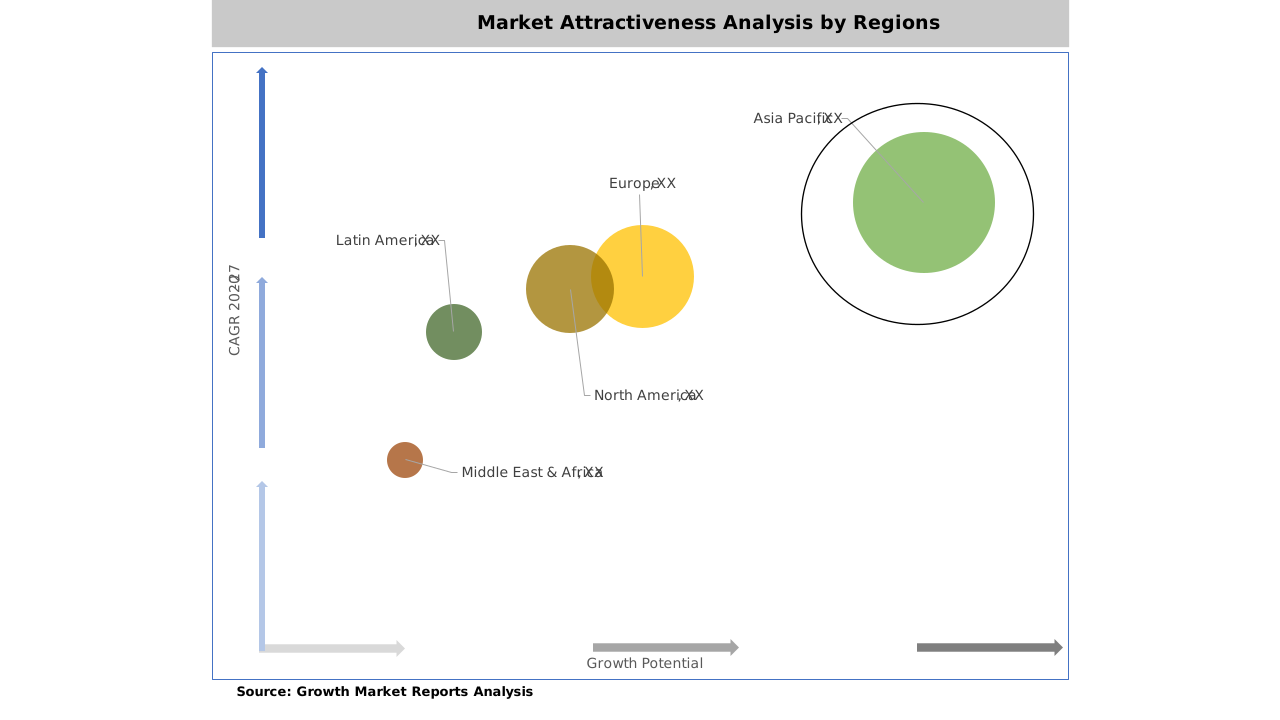
From a regional perspective, Asia Pacific dominates the global powder coatings market, accounting for the largest share in 2024 due to its burgeoning manufacturing sector and rapid urban development. North America and Europe also represent significant markets, driven by stringent environmental regulations and a strong emphasis on sustainable production practices. Latin America and the Middle East & Africa are witnessing steady growth, supported by increasing investments in infrastructure and industrial projects. The regional dynamics of the powder coatings market are influenced by factors such as economic development, regulatory frameworks, and the presence of key industry players. As global supply chains evolve and new application areas emerge, regional markets are expected to exhibit varying growth patterns, with Asia Pacific maintaining its leadership position through 2033.
The powder coatings market is segmented by resin type into thermoset and thermoplastic resins, with thermoset resins holding the dominant share in 2024. Thermoset powder coatings, primarily based on epoxy, polyester, and polyurethane chemistries, are widely used due to their excellent mechanical properties, chemical resistance, and cost-effectiveness. These coatings are extensively applied in industries such as automotive, appliances, and general industrial, where durability and performance are critical. Thermoset resins undergo a cross-linking reaction during the curing process, resulting in a hard, infusible finish that offers superior protection against corrosion, UV radiation, and wear. The demand for thermoset powder coatings is expected to remain strong over the forecast period, driven by ongoing product innovations and expanding end-use applications.
Thermoplastic powder coatings, on the other hand, are gaining traction in niche applications that require flexibility, impact resistance, and reprocessability. Unlike thermoset coatings, thermoplastic powders do not undergo chemical cross-linking during curing, allowing them to be remelted and reshaped. Common thermoplastic resins used in powder coatings include polyvinyl chloride (PVC), polyolefins, and nylon. These coatings are particularly suited for applications such as wire and cable coatings, dishwasher baskets, and medical devices, where specific performance attributes are required. Although thermoplastic powder coatings currently account for a smaller share of the market, ongoing research into new resin formulations and processing techniques is expected to broaden their application scope in the coming years.
The choice of resin type significantly influences the performance characteristics and end-use suitability of powder coatings. Manufacturers are increasingly focusing on developing hybrid resin systems that combine the advantages of both thermoset and thermoplastic chemistries, offering enhanced flexibility, durability, and processability. These hybrid systems are being tailored to meet the evolving needs of industries such as automotive, electronics, and architectural, where performance requirements are becoming more stringent. The continued evolution of resin technologies is expected to drive innovation in the powder coatings market, enabling manufacturers to address emerging challenges and capitalize on new growth opportunities.
In addition to performance considerations, regulatory compliance and sustainability are becoming important factors in resin selection. The development of bio-based and low-VOC resin systems is gaining momentum as manufacturers seek to reduce their environmental impact and comply with global regulations. These sustainable resin solutions are being adopted by leading industry players to differentiate their product offerings and meet the growing demand for green coatings. As the powder coatings market continues to evolve, resin innovation will remain a key driver of competitive advantage and market growth.
| Attributes | Details |
| Report Title | Powder Coatings Market Research Report 2033 |
| By Resin Type | Thermoset, Thermoplastic |
| By Coating Method | Electrostatic Spray, Fluidized Bed |
| By Application | Automotive, Appliances, Furniture, Architectural, Industrial, Others |
| By Substrate | Metal, Non-metal |
| By End-Use Industry | Consumer Goods, Automotive, Architectural, General Industrial, Furniture, Others |
| Regions Covered | North America, Europe, APAC, Latin America, MEA |
| Base Year | 2024 |
| Historic Data | 2018-2023 |
| Forecast Period | 2025-2033 |
| Number of Pages | 278 |
| Number of Tables & Figures | 276 |
| Customization Available | Yes, the report can be customized as per your need. |
The powder coatings market is segmented by coating method into electrostatic spray and fluidized bed processes, with electrostatic spray emerging as the most widely used technique in 2024. The electrostatic spray method involves applying powder particles to a grounded substrate using an electrostatic gun, which imparts an electric charge to the powder. This technique offers several advantages, including high transfer efficiency, uniform coverage, and minimal overspray, making it ideal for large-scale industrial applications. Electrostatic spray is commonly used in the automotive, appliance, and furniture industries, where consistent film thickness and high-quality finishes are essential. The methodÂ’s versatility and cost-effectiveness have contributed to its widespread adoption and are expected to sustain its dominance over the forecast period.
The fluidized bed coating method, while less prevalent than electrostatic spray, is gaining popularity for specific applications that require thick, durable coatings. In this process, preheated substrates are immersed in a bed of fluidized powder particles, which adhere to the surface and melt to form a uniform coating. Fluidized bed coating is particularly suited for applications such as dishwasher racks, metal shelving, and wire products, where enhanced corrosion resistance and impact durability are critical. The methodÂ’s ability to produce thick, pinhole-free coatings in a single application makes it attractive for certain industrial and consumer goods applications. As manufacturers seek to improve product performance and extend service life, the demand for fluidized bed coatings is expected to grow steadily.
Technological advancements in coating equipment and process control are driving improvements in both electrostatic spray and fluidized bed methods. The integration of automation, robotics, and advanced monitoring systems is enhancing process efficiency, reducing material waste, and ensuring consistent coating quality. These innovations are enabling manufacturers to meet the stringent requirements of end-use industries while optimizing production costs. Additionally, the development of new application techniques, such as multi-layer and gradient coatings, is expanding the functional and aesthetic possibilities of powder coatings. As the market continues to evolve, advancements in coating methods will play a crucial role in shaping the competitive landscape and driving market growth.
Environmental considerations are also influencing the choice of coating method, with both electrostatic spray and fluidized bed processes offering significant sustainability benefits compared to traditional liquid coatings. The absence of solvents and the ability to recycle overspray powder contribute to reduced emissions and waste, aligning with global sustainability goals. As regulatory pressures intensify and consumer preferences shift toward eco-friendly products, the adoption of powder coating methods is expected to accelerate across a wide range of industries. The continued evolution of application technologies will be instrumental in meeting the growing demand for high-performance, sustainable coating solutions.
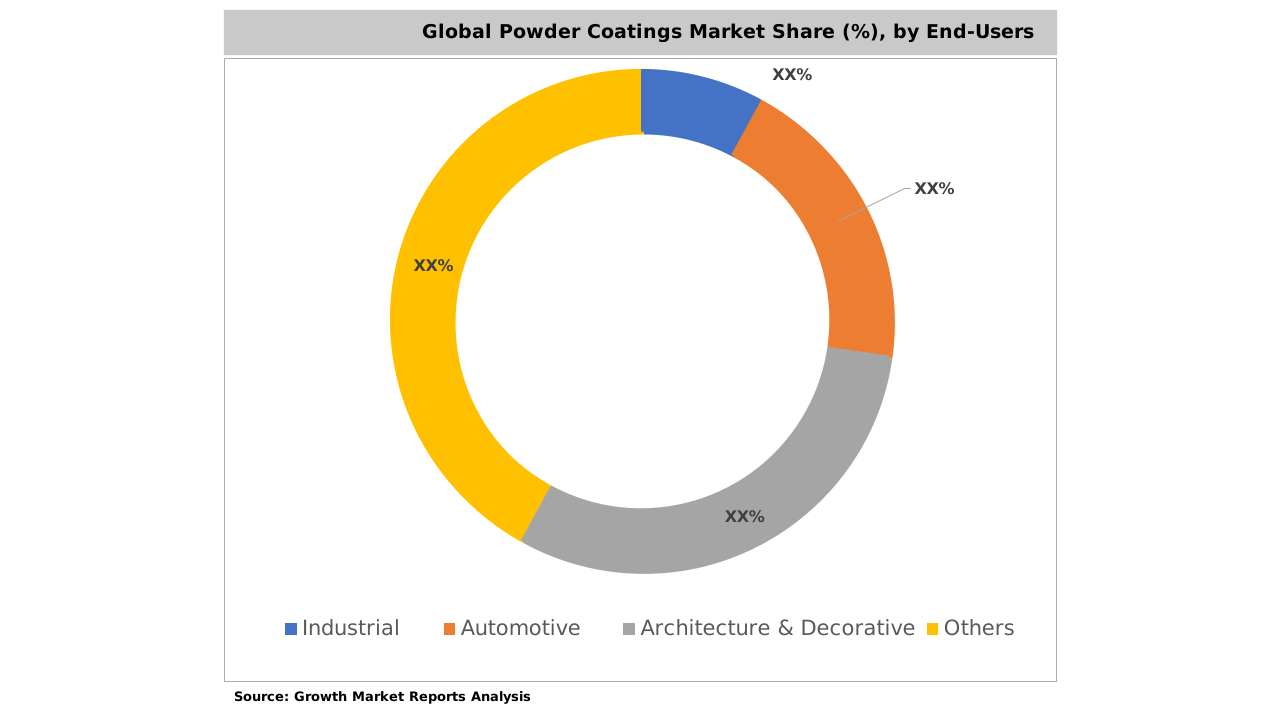
The powder coatings market is segmented by application into automotive, appliances, furniture, architectural, industrial, and others, with the automotive segment accounting for the largest market share in 2024. Powder coatings are extensively used in the automotive industry for coating wheels, chassis components, bumpers, and underbody parts due to their superior corrosion resistance, durability, and aesthetic appeal. The growing production of vehicles, particularly in emerging markets, is driving the demand for powder coatings in this segment. Additionally, the increasing adoption of electric vehicles and the need for lightweight, high-performance coatings are creating new opportunities for powder coating manufacturers. The automotive industryÂ’s focus on sustainability and regulatory compliance is further accelerating the shift toward powder coatings, which offer significant environmental benefits over traditional liquid coatings.
The appliances segment is another major application area for powder coatings, driven by the growing demand for durable, attractive finishes in home appliances such as refrigerators, washing machines, and ovens. Powder coatings provide excellent resistance to scratches, chemicals, and heat, making them ideal for appliance surfaces that are subject to frequent use and cleaning. The trend toward energy-efficient and environmentally friendly appliances is also contributing to the increased adoption of powder coatings, as manufacturers seek to enhance product longevity and reduce maintenance costs. The expansion of the global middle class and rising consumer spending on household appliances are expected to sustain strong growth in this segment over the forecast period.
Furniture and architectural applications are witnessing significant growth, supported by increasing urbanization, rising disposable incomes, and changing consumer preferences toward high-quality, aesthetically pleasing products. Powder coatings are widely used for coating metal and non-metal furniture, window frames, doors, and other architectural elements due to their excellent weather resistance, color retention, and design flexibility. The construction boom in emerging economies and the growing emphasis on sustainable building materials are driving the demand for powder coatings in the architectural segment. Additionally, the development of new powder coating formulations with enhanced UV resistance and antimicrobial properties is expanding their use in both residential and commercial construction projects.
The industrial segment encompasses a wide range of applications, including machinery, equipment, and metal components used in manufacturing, agriculture, and transportation. Powder coatings are favored in these applications for their ability to provide robust protection against corrosion, abrasion, and chemical exposure. The increasing automation of manufacturing processes and the adoption of advanced coating technologies are enhancing the efficiency and performance of industrial powder coatings. As industries continue to prioritize durability, cost-effectiveness, and environmental sustainability, the industrial segment is expected to remain a key growth driver for the powder coatings market.
The powder coatings market is segmented by substrate into metal and non-metal categories, with metal substrates accounting for the majority of market share in 2024. Metal substrates, such as steel, aluminum, and iron, are widely used in automotive, architectural, and industrial applications due to their strength, durability, and versatility. Powder coatings provide excellent adhesion, corrosion resistance, and impact durability on metal surfaces, making them the preferred choice for protecting and enhancing the appearance of metal components. The increasing use of lightweight metals in automotive and aerospace industries is further boosting the demand for powder coatings, as manufacturers seek to improve fuel efficiency and reduce emissions.
Non-metal substrates, including plastics, composites, and wood, are emerging as important growth areas for powder coatings. Advances in powder coating formulations and application technologies have enabled the effective coating of heat-sensitive and non-conductive materials, expanding the range of potential applications. Non-metal substrates are increasingly being used in consumer goods, electronics, and furniture, where design flexibility, color variety, and environmental sustainability are key considerations. The development of low-temperature curing powders and innovative surface preparation techniques is facilitating the adoption of powder coatings on non-metal substrates, addressing challenges related to adhesion and thermal stability.
The growing demand for lightweight and sustainable materials in various industries is driving the adoption of powder coatings on non-metal substrates. Manufacturers are investing in research and development to optimize coating formulations and application processes for different substrate types, ensuring compatibility and performance. The ability to coat a diverse range of substrates is enhancing the versatility and market reach of powder coatings, enabling manufacturers to address evolving customer needs and industry trends. As substrate diversity increases, the powder coatings market is expected to witness continued innovation and expansion across multiple end-use sectors.
Sustainability considerations are also influencing substrate selection, with manufacturers seeking to reduce the environmental impact of their products by using recyclable and renewable materials. Powder coatings, with their low-VOC and waste-minimizing properties, are well-suited to support these sustainability goals. The continued development of bio-based and recyclable substrates is expected to create new opportunities for powder coating manufacturers, further driving market growth and differentiation.
The powder coatings market is segmented by end-use industry into consumer goods, automotive, architectural, general industrial, furniture, and others, with consumer goods and automotive sectors leading the market in 2024. The consumer goods segment encompasses a wide range of products, including home appliances, electronics, sporting goods, and outdoor equipment, where powder coatings are valued for their durability, aesthetic appeal, and environmental friendliness. The increasing demand for high-quality, long-lasting consumer products is driving the adoption of powder coatings, particularly in emerging markets where rising incomes and urbanization are fueling consumption growth.
The automotive industry is a major end-user of powder coatings, driven by the need for corrosion protection, weather resistance, and aesthetic enhancement in vehicle components. The shift toward electric vehicles and lightweight materials is creating new opportunities for powder coating manufacturers, as these trends require advanced coating solutions with tailored performance characteristics. The automotive sectorÂ’s focus on sustainability and regulatory compliance is also accelerating the transition to powder coatings, which offer significant environmental and operational advantages over traditional liquid coatings.
The architectural and furniture industries are experiencing robust growth, supported by increasing construction activity, urban development, and changing consumer preferences. Powder coatings are widely used for coating building facades, window frames, doors, and furniture due to their excellent weatherability, color retention, and design flexibility. The growing emphasis on sustainable building materials and green construction practices is driving the adoption of powder coatings in these sectors, as manufacturers seek to meet regulatory requirements and differentiate their products in a competitive market.
General industrial applications, including machinery, equipment, and metal components used in manufacturing, agriculture, and transportation, represent a significant and growing segment of the powder coatings market. The need for durable, cost-effective, and environmentally friendly coatings is driving the adoption of powder coatings in these industries, as manufacturers seek to improve product performance and reduce maintenance costs. The ongoing automation of manufacturing processes and the integration of advanced coating technologies are further enhancing the efficiency and competitiveness of powder coatings in the general industrial segment.
The powder coatings market presents substantial opportunities for growth, particularly in the areas of sustainability, technological innovation, and emerging applications. The increasing emphasis on environmental regulations and the global shift toward sustainable manufacturing practices are creating significant opportunities for powder coating manufacturers to develop and commercialize eco-friendly products. The development of low-VOC, bio-based, and recyclable powder coatings is gaining momentum, as manufacturers seek to differentiate their offerings and meet the evolving needs of customers and regulators. Additionally, advancements in application technologies, such as low-temperature curing and automation, are enabling the expansion of powder coatings into new substrates and end-use industries, further broadening the marketÂ’s growth potential.
Another key opportunity lies in the rapid industrialization and urbanization of emerging economies, particularly in Asia Pacific, Latin America, and the Middle East & Africa. As construction activity increases and infrastructure projects proliferate, the demand for durable, cost-effective coatings for architectural and industrial applications is rising. The expanding middle-class population and rising consumer spending in these regions are also driving growth in the consumer goods and automotive sectors, creating new opportunities for powder coating manufacturers. The ability to customize coatings to meet specific performance and aesthetic requirements is enabling manufacturers to address diverse customer needs and capture new market segments.
Despite the positive outlook, the powder coatings market faces several restraining factors that could impact growth. One of the primary challenges is the high initial investment required for powder coating equipment and facilities, which may deter small- and medium-sized manufacturers from adopting this technology. Additionally, the application of powder coatings on heat-sensitive and non-conductive substrates remains a technical challenge, requiring ongoing research and development to overcome adhesion and curing issues. Regulatory compliance and the need to continually innovate to meet evolving performance standards also pose challenges for manufacturers. Addressing these restraining factors will be critical to sustaining long-term growth and competitiveness in the powder coatings market.
The Asia Pacific region leads the global powder coatings market, accounting for approximately 48% of the total market value in 2024, or around USD 7.3 billion. The regionÂ’s dominance is driven by rapid industrialization, urbanization, and the expansion of key end-use industries such as automotive, appliances, and construction. China, India, Japan, and South Korea are major contributors to regional growth, supported by strong manufacturing bases, favorable government policies, and rising consumer demand. The Asia Pacific powder coatings market is expected to maintain a robust CAGR of 6.3% through 2033, outpacing other regions due to ongoing infrastructure development and increasing investments in advanced coating technologies.
North America and Europe are mature markets for powder coatings, with a combined market value of approximately USD 5.6 billion in 2024. These regions are characterized by stringent environmental regulations, a strong focus on sustainability, and high levels of technological innovation. The adoption of powder coatings in automotive, appliances, and architectural applications is well-established, with manufacturers continually investing in research and development to enhance product performance and meet evolving regulatory requirements. The North American market is supported by the presence of leading industry players and a robust manufacturing sector, while Europe benefits from a strong emphasis on green building practices and energy efficiency.
Latin America and the Middle East & Africa represent emerging markets for powder coatings, with a combined value of approximately USD 2.3 billion in 2024. Growth in these regions is driven by increasing investments in infrastructure, construction, and industrial projects, as well as rising consumer demand for durable and aesthetically pleasing products. The adoption of powder coatings is being supported by government initiatives to promote sustainable development and reduce environmental impact. While these regions currently account for a smaller share of the global market, their growth potential is significant, particularly as local manufacturers adopt advanced coating technologies and expand their product offerings.
The powder coatings market is highly competitive, with a diverse array of global and regional players vying for market share. The competitive landscape is characterized by continuous innovation, strategic partnerships, and a strong focus on sustainability and regulatory compliance. Leading companies are investing heavily in research and development to develop new resin chemistries, application technologies, and eco-friendly formulations that address the evolving needs of end-use industries. Mergers, acquisitions, and joint ventures are common strategies employed by major players to expand their geographic presence, diversify product portfolios, and enhance technological capabilities. The marketÂ’s competitive intensity is further heightened by the entry of new players and the expansion of existing companies into emerging markets.
Product differentiation and customization are key strategies used by leading powder coating manufacturers to gain a competitive edge. Companies are offering a wide range of colors, finishes, and performance attributes to meet the specific requirements of automotive, appliances, architectural, and industrial customers. The ability to deliver high-quality, durable, and environmentally friendly coatings is increasingly important in securing long-term contracts and building strong customer relationships. As customer expectations continue to rise and regulatory standards become more stringent, manufacturers are focusing on continuous improvement and innovation to maintain their competitive position.
Sustainability is emerging as a critical factor in the competitive landscape, with companies investing in the development of low-VOC, bio-based, and recyclable powder coatings to meet the growing demand for green products. The ability to demonstrate environmental stewardship and regulatory compliance is becoming a key differentiator, particularly in mature markets such as North America and Europe. Leading players are also leveraging digital technologies, automation, and advanced analytics to optimize production processes, reduce costs, and improve product quality. The integration of these technologies is enabling manufacturers to respond more quickly to market trends and customer needs, further enhancing their competitive advantage.
Major companies operating in the powder coatings market include Akzo Nobel N.V., PPG Industries, Inc., The Sherwin-Williams Company, Axalta Coating Systems, BASF SE, Jotun, RPM International Inc., and Tiger Coatings GmbH & Co. KG. Akzo Nobel N.V. is a global leader in powder coatings, offering a comprehensive portfolio of products for automotive, architectural, and industrial applications. PPG Industries, Inc. is known for its innovative coating solutions and strong presence in North America and Europe. The Sherwin-Williams Company is a major player in both industrial and consumer segments, with a focus on sustainability and product innovation. Axalta Coating Systems specializes in high-performance coatings for automotive and industrial applications, while BASF SE is recognized for its advanced resin technologies and commitment to sustainability. Jotun and RPM International Inc. are prominent players in the architectural and general industrial segments, offering a wide range of powder coating solutions. Tiger Coatings GmbH & Co. KG is known for its high-quality products and strong presence in the European market. These companies are continuously investing in research, product development, and strategic initiatives to strengthen their market position and capitalize on emerging growth opportunities.
The Powder Coatings market has been segmented on the basis of
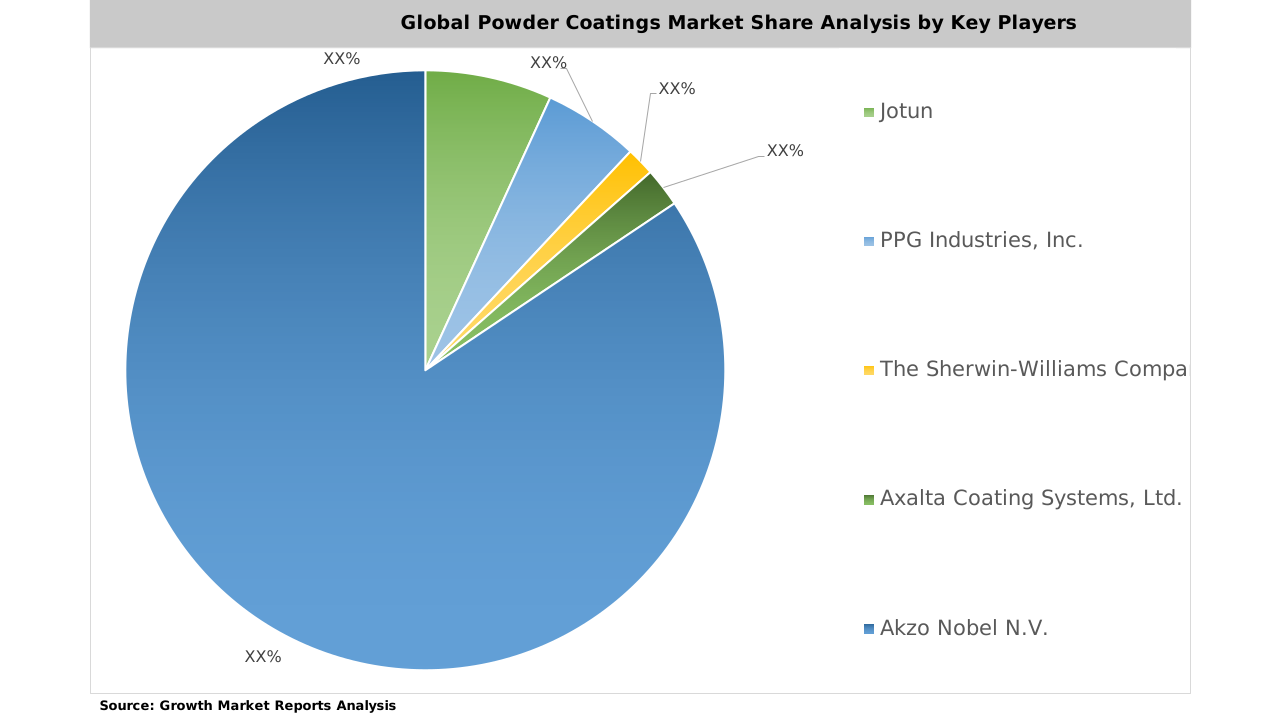
Key players competing in the global powder coatings market are Jotun; PPG Industries, Inc.; The Sherwin-Williams Company; Axalta Coating Systems, Ltd.; and Akzo Nobel N.V. As part of their efforts to expand their client base and acquire a competitive advantage over competitors, manufacturers operating in the market have adopted various strategic initiatives such as partnerships, collaborations, and mergers & acquisitions. Moreover, companies are focusing on investment in R&D for development and launching of new products to maintain their competitive positions in the market.
For instance, in March 2020, PPG Industries, Inc. acquired a maker of heat-sensitive substrates and powder coatings for light industrial applications, Alpha Coating Technologies, LLC. In February 2020, Akzo Nobel N.V. absorbed Stahl Performance Powder Coatings along with its line of products targeting heat-sensitive applications. The UV and thermally curing powders included in the transaction would allow the company to expand its reach into the ultra-low cure sector.
Yes, advances in powder coating formulations and application technologies have enabled effective coating of non-metal substrates such as plastics, composites, and wood, expanding the range of applications in consumer goods, electronics, and furniture.
Major companies include Akzo Nobel N.V., PPG Industries, Sherwin-Williams Company, Axalta Coating Systems, BASF SE, Jotun, RPM International Inc., Tiger Coatings GmbH & Co. KG, Asian Paints Limited, Kansai Paint Co., Ltd., and Nippon Paint Holdings Co., Ltd.
Opportunities include growth in sustainable and bio-based coatings, technological innovation, and expansion in emerging markets. Challenges include high initial investment costs, technical difficulties with heat-sensitive substrates, and the need for ongoing regulatory compliance and innovation.
The primary coating methods are electrostatic spray, which is widely used for its efficiency and uniform coverage, and fluidized bed, which is preferred for thick, durable coatings in specific industrial and consumer applications.
Thermoset powder coatings, based on epoxy, polyester, and polyurethane, offer excellent durability and chemical resistance and dominate the market. Thermoplastic powder coatings, such as PVC and nylon, are valued for flexibility and reprocessability and are used in niche applications like wire coatings and medical devices.
Major applications include automotive (wheels, chassis, bumpers), appliances (refrigerators, washing machines), furniture, architectural elements (window frames, doors), and various industrial uses (machinery, equipment).
Asia Pacific dominates the market, accounting for about 48% of global value in 2024, driven by rapid industrialization, urbanization, and expansion in automotive, appliances, and construction. North America and Europe are also significant markets due to strict environmental regulations and a focus on sustainable production.
Powder coatings emit negligible volatile organic compounds (VOCs), making them environmentally friendly and compliant with global regulatory trends. Their eco-friendly profile supports sustainability goals and reduces the environmental footprint of manufacturers.
Key growth drivers include rising demand in automotive, consumer goods, and architectural sectors, stringent environmental regulations favoring low-VOC coatings, increased production in emerging economies, and technological advancements in powder coating formulations and application methods.
The global powder coatings market reached USD 15.2 billion in 2024 and is expected to grow at a CAGR of 5.8% from 2025 to 2033, reaching USD 26.2 billion by 2033.