Segments - by Product Type (Fresh Pork, Processed Pork, Frozen Pork, Others), by Application (Household, Food Service, Food Processing Industry, Others), by Distribution Channel (Supermarkets/Hypermarkets, Convenience Stores, Online Retail, Butcher Shops, Others)
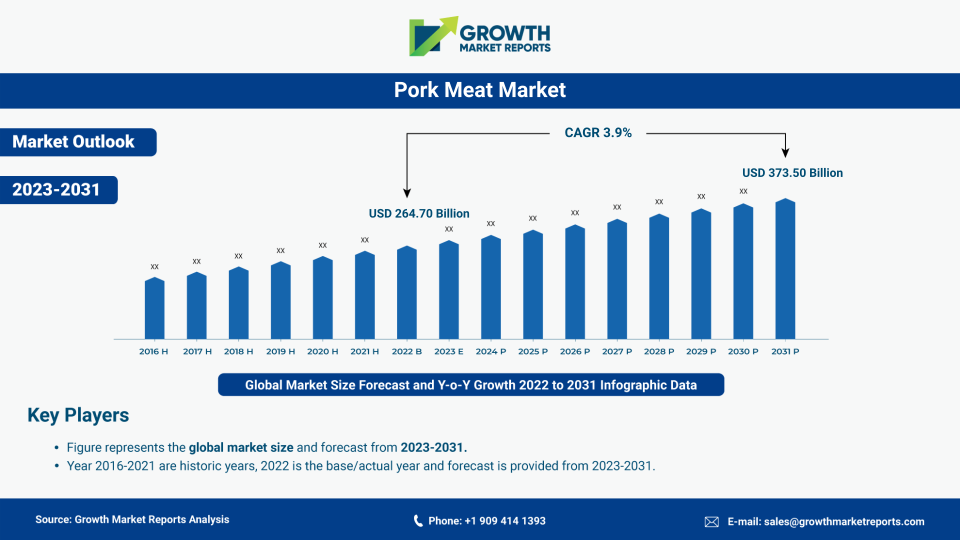
According to our latest research, the global pork meat market size reached USD 310.4 billion in 2024, with a robust year-on-year growth rate. The market is expected to expand at a CAGR of 4.2% during the forecast period, projecting a value of approximately USD 448.6 billion by 2033. This growth trajectory is primarily driven by increasing demand for animal protein, urbanization, and evolving consumer preferences towards high-protein diets. The pork meat market continues to be a vital component of the global meat industry, fueled by rising incomes, expanding middle-class populations, and advancements in meat processing technologies.
One of the primary growth factors driving the global pork meat market is the increasing consumer inclination toward animal-based protein sources. As populations become more urbanized and disposable incomes rise, especially in emerging economies, there is a notable shift in dietary patterns favoring protein-rich foods such as pork. Pork is not only a staple in many Asian and European cuisines but also offers versatility in preparation and consumption, making it a preferred choice among consumers. The nutritional profile of pork, which includes essential amino acids, vitamins, and minerals, further enhances its appeal, supporting market growth across both developed and developing regions.
Technological advancements in pork processing and preservation have significantly contributed to the expansion of the pork meat market. Modern processing techniques, such as vacuum packaging and cold chain logistics, have improved the shelf life and safety of pork products, enabling suppliers to reach broader markets. The proliferation of processed and value-added pork products, including sausages, bacon, and ham, caters to the fast-paced lifestyles of urban consumers seeking convenience without compromising on quality. These innovations, coupled with effective marketing strategies by major players, have played a pivotal role in driving consumer demand and market penetration.
The growth of organized retail infrastructure and the emergence of online retail platforms have further accelerated the market's expansion. Supermarkets, hypermarkets, and dedicated butcher shops provide consumers with easy access to a wide variety of pork products, while online retail channels offer the convenience of home delivery and competitive pricing. This shift in distribution dynamics has not only improved product availability but also enhanced consumer awareness regarding quality and safety standards. As a result, the pork meat market is experiencing increased consumer engagement and rising sales volumes, particularly in urban centers.
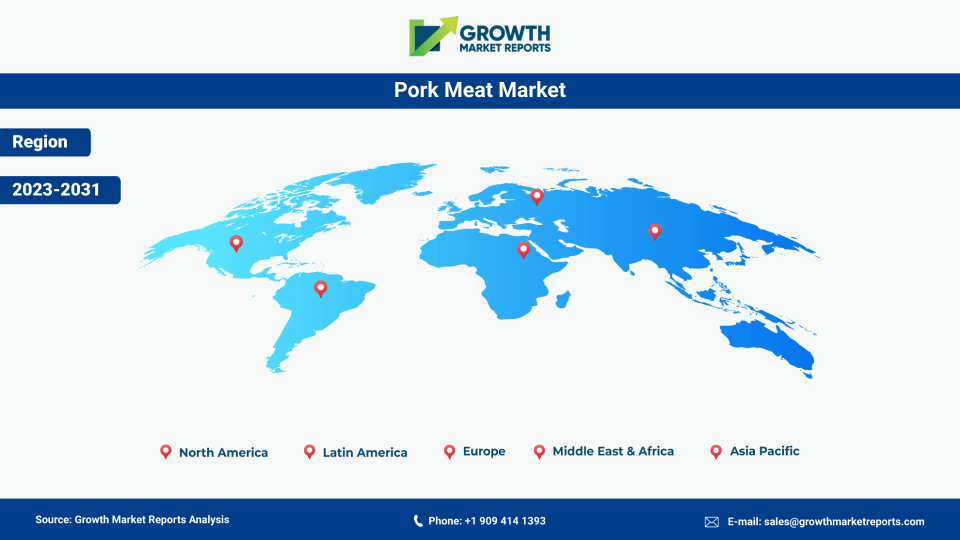
Regionally, the Asia Pacific dominates the global pork meat market, accounting for the largest share in terms of both production and consumption. Driven by countries such as China, Vietnam, and South Korea, the region benefits from strong cultural preferences for pork and well-established supply chains. Europe and North America also represent significant markets, characterized by high per capita consumption and a diverse range of pork products. Meanwhile, Latin America and the Middle East & Africa are witnessing steady growth, supported by rising urbanization and increasing adoption of Western dietary habits. The regional outlook remains optimistic, with each market presenting unique opportunities and challenges for industry stakeholders.
The pork meat market is segmented by product type into fresh pork, processed pork, frozen pork, and others, each catering to distinct consumer preferences and market demands. Fresh pork remains the most widely consumed segment, particularly in regions where traditional culinary practices emphasize freshness and local sourcing. The demand for fresh pork is driven by its perceived superior taste, texture, and nutritional value, making it a staple in household and food service applications. In countries like China, fresh pork is integral to daily meals, contributing significantly to the segment's dominance. However, the supply chain for fresh pork requires efficient logistics and cold storage facilities to maintain quality and safety, posing challenges in regions with underdeveloped infrastructure.
Processed pork products, including sausages, bacon, ham, and deli meats, have witnessed substantial growth, particularly in developed markets. The appeal of processed pork lies in its convenience, extended shelf life, and variety of flavors, catering to the fast-paced lifestyles of urban consumers. Food service establishments and ready-to-eat meal providers are major consumers of processed pork, leveraging its versatility in menu offerings. Technological advancements in processing and packaging have further enhanced the safety and appeal of processed pork, enabling manufacturers to introduce innovative products that align with evolving consumer tastes. The processed pork segment is expected to maintain steady growth, supported by ongoing product development and marketing initiatives.
Frozen pork has gained traction in recent years, especially in regions with limited access to fresh meat or where long-distance transportation is required. The frozen pork segment offers logistical advantages, enabling suppliers to reach remote or export markets without compromising product quality. Freezing technology has improved significantly, preserving the taste, texture, and nutritional content of pork while extending its shelf life. Retailers and food service operators value frozen pork for its inventory flexibility and reduced risk of spoilage. As global trade in pork continues to expand, the frozen segment is poised for further growth, particularly in markets with rising import demand.
The "others" category encompasses specialty pork products, such as organic, free-range, and premium cuts, which cater to niche consumer segments seeking higher quality and ethical sourcing. The demand for specialty pork is growing in response to increasing consumer awareness regarding animal welfare, sustainability, and food safety. Premiumization trends are particularly evident in developed markets, where consumers are willing to pay a premium for products that offer superior taste, traceability, and health benefits. Manufacturers are responding by expanding their product portfolios to include organic and specialty pork, further diversifying the market and driving innovation.
| Attributes | Details |
| Report Title | Pork Meat Market Research Report 2033 |
| By Product Type | Fresh Pork, Processed Pork, Frozen Pork, Others |
| By Application | Household, Food Service, Food Processing Industry, Others |
| By Distribution Channel | Supermarkets/Hypermarkets, Convenience Stores, Online Retail, Butcher Shops, Others |
| Regions Covered | North America, Europe, APAC, Latin America, MEA |
| Base Year | 2024 |
| Historic Data | 2018-2023 |
| Forecast Period | 2025-2033 |
| Number of Pages | 288 |
| Number of Tables & Figures | 331 |
| Customization Available | Yes, the report can be customized as per your need. |
The application segment of the pork meat market is categorized into household, food service, food processing industry, and others, each representing distinct consumption patterns and market dynamics. Household consumption remains the largest application segment, driven by the widespread use of pork in home-cooked meals across various cultures. Pork's versatility in culinary applications, from roasts and stews to stir-fries and barbecues, ensures its continued popularity among households. Rising disposable incomes and changing dietary habits are further fueling household demand, particularly in emerging economies where pork is a traditional staple.
The food service sector, including restaurants, hotels, and catering services, is a significant driver of pork meat demand. The sector's growth is closely linked to urbanization, tourism, and the expansion of the hospitality industry. Food service establishments rely on pork for its flavor, versatility, and ability to cater to diverse culinary preferences. The increasing popularity of quick-service restaurants and international cuisines has led to a surge in demand for processed and ready-to-cook pork products. Food service operators are also responding to consumer trends by offering healthier and premium pork options, further stimulating market growth.
The food processing industry represents a dynamic application segment, utilizing pork as a key ingredient in a wide range of processed foods, including sausages, canned meats, and ready-to-eat meals. The industry's growth is driven by technological advancements in processing, packaging, and preservation, enabling manufacturers to develop innovative products that meet the demands of convenience-oriented consumers. The food processing industry's ability to add value to raw pork through flavor enhancements, extended shelf life, and improved safety standards has made it a vital component of the pork meat supply chain. As consumer preferences continue to evolve, the food processing industry is expected to play an increasingly important role in market expansion.
The "others" application segment includes institutional buyers, such as schools, hospitals, and government agencies, as well as specialty markets catering to ethnic and religious communities. While smaller in scale, these segments present unique opportunities for market growth, particularly in regions with diverse populations and specialized dietary requirements. Manufacturers and distributors are increasingly tailoring their offerings to meet the specific needs of these segments, including halal and kosher pork alternatives, specialty cuts, and value-added products. The ability to address niche market demands is expected to contribute to the overall resilience and adaptability of the pork meat market.
The distribution channel landscape for pork meat is evolving rapidly, with supermarkets and hypermarkets emerging as the dominant sales channels. These retail formats offer consumers a wide selection of pork products, competitive pricing, and a convenient shopping experience. The expansion of organized retail infrastructure, particularly in urban areas, has facilitated greater access to high-quality pork products, supported by stringent quality control and traceability standards. Supermarkets and hypermarkets also play a crucial role in promoting branded and value-added pork products, leveraging their extensive reach and marketing capabilities to drive consumer engagement and loyalty.
Convenience stores have become increasingly important in the pork meat market, catering to the needs of time-pressed consumers seeking quick and easy meal solutions. The growth of convenience stores is closely linked to urbanization and changing lifestyles, with consumers prioritizing accessibility and speed in their purchasing decisions. Convenience stores typically offer a curated selection of ready-to-cook and processed pork products, appealing to single-person households, young professionals, and on-the-go consumers. The segment's growth is expected to continue as convenience stores expand their footprint in both developed and emerging markets.
The rise of online retail has transformed the pork meat distribution landscape, providing consumers with unprecedented convenience and choice. E-commerce platforms offer a wide range of pork products, from fresh and frozen cuts to specialty and organic options, delivered directly to consumers' doorsteps. Online retail channels have gained traction, particularly during the COVID-19 pandemic, as consumers increasingly prioritize safety, hygiene, and contactless shopping. The ability to compare prices, read reviews, and access detailed product information has further enhanced the appeal of online retail. As digital adoption continues to rise, online retail is expected to capture an increasing share of the pork meat market.
Butcher shops remain a vital distribution channel, particularly in regions where consumers value personalized service, product customization, and local sourcing. Butcher shops offer a unique shopping experience, allowing consumers to select specific cuts, request custom preparations, and receive expert advice. The segment is characterized by strong customer loyalty and a focus on quality and freshness. While facing competition from modern retail formats, butcher shops continue to thrive in niche markets and rural areas, supported by their ability to build trust and maintain close relationships with customers.
The "others" distribution channel includes specialty stores, farmers' markets, and institutional suppliers, each serving specific market segments and consumer preferences. Specialty stores cater to niche markets, offering premium, organic, or ethnic pork products, while farmers' markets emphasize locally sourced and sustainable options. Institutional suppliers serve large-scale buyers, such as restaurants, hotels, and catering companies, providing bulk quantities and tailored solutions. The diversity of distribution channels ensures that pork meat products remain accessible to a wide range of consumers, supporting overall market growth and resilience.
The pork meat market presents significant opportunities for growth, driven by rising consumer demand for animal protein, particularly in emerging economies. Rapid urbanization, increasing disposable incomes, and shifting dietary preferences are fueling demand for pork products across various segments. The expansion of organized retail and online distribution channels has improved product availability and accessibility, enabling manufacturers to reach new customer segments. Technological advancements in processing, packaging, and logistics have enhanced product quality, safety, and shelf life, supporting market expansion. Additionally, the growing popularity of value-added and specialty pork products, such as organic and premium cuts, presents opportunities for differentiation and premiumization, allowing companies to capture higher margins and build brand loyalty.
Innovation in product development and marketing strategies offers further opportunities for market growth. Manufacturers are increasingly investing in research and development to create healthier, more sustainable, and ethically sourced pork products that align with evolving consumer values. The adoption of digital technologies, such as blockchain and IoT, is improving traceability, transparency, and supply chain efficiency, enhancing consumer trust and regulatory compliance. Strategic partnerships and collaborations with retailers, food service operators, and technology providers are enabling companies to expand their reach and accelerate market penetration. As consumer awareness of health, sustainability, and animal welfare continues to rise, companies that proactively address these concerns are well-positioned to capitalize on emerging trends and drive long-term growth.
Despite the positive outlook, the pork meat market faces several restraining factors and threats that could impact future growth. Disease outbreaks, such as African Swine Fever (ASF) and other zoonotic diseases, pose significant risks to pork production and supply chains, leading to supply shortages, price volatility, and trade disruptions. Regulatory challenges related to food safety, animal welfare, and environmental sustainability are becoming increasingly stringent, requiring substantial investments in compliance and risk management. Additionally, changing consumer preferences, driven by health concerns and the rise of plant-based alternatives, could temper demand for traditional pork products in certain markets. Companies must remain agile and proactive in addressing these challenges to ensure sustained growth and competitiveness in the evolving pork meat market.
The Asia Pacific region dominates the global pork meat market, accounting for over 54% of total consumption in 2024, with a market value of approximately USD 167.6 billion. China is the largest consumer and producer of pork globally, driven by strong cultural preferences and a large population base. The region's market growth is supported by rising incomes, urbanization, and the increasing adoption of modern retail formats. Southeast Asian countries, such as Vietnam, Thailand, and the Philippines, also contribute significantly to regional demand, with pork being a staple in local diets. The Asia Pacific market is expected to maintain a strong growth trajectory, with a projected CAGR of 4.8% through 2033, driven by ongoing urbanization and dietary shifts.
Europe represents the second-largest regional market, with a market value of USD 62.1 billion in 2024. The region is characterized by high per capita pork consumption, a diverse range of processed and specialty pork products, and a strong tradition of pork-based cuisine. Germany, Spain, and France are major producers and exporters, benefiting from advanced processing technologies and well-established supply chains. The European market is supported by consumer demand for premium, organic, and ethically sourced pork products, as well as robust food safety and quality standards. While growth is relatively moderate compared to Asia Pacific, the region continues to offer opportunities for innovation and premiumization.
North America, with a market size of USD 44.7 billion in 2024, is a mature market characterized by high levels of industrialization and technology adoption in pork production. The United States and Canada are major producers and exporters, with a strong focus on efficiency, safety, and sustainability. The region's market growth is driven by demand for processed and convenience-oriented pork products, as well as the expansion of ethnic and specialty offerings. Latin America and the Middle East & Africa collectively account for the remaining market share, with values of USD 23.8 billion and USD 12.2 billion respectively. These regions are experiencing steady growth, supported by rising urbanization, increasing disposable incomes, and the gradual adoption of Western dietary habits. Overall, the regional outlook for the pork meat market remains positive, with each region presenting unique opportunities and challenges for industry stakeholders.
The global pork meat market is highly competitive, characterized by the presence of numerous multinational corporations, regional players, and local producers. The market landscape is shaped by intense competition, ongoing innovation, and a relentless focus on quality, safety, and cost efficiency. Leading companies are leveraging advanced production technologies, integrated supply chains, and strong distribution networks to maintain their market positions and drive growth. The competitive environment is further intensified by the entry of new players, the expansion of organized retail, and the rise of online distribution channels, all of which are reshaping consumer expectations and purchasing behaviors.
Major players in the pork meat market are investing heavily in research and development to create value-added products that cater to evolving consumer preferences. These investments are focused on developing healthier, more sustainable, and ethically sourced pork products, as well as enhancing processing efficiency and food safety. Companies are also adopting digital technologies, such as blockchain and IoT, to improve traceability, transparency, and supply chain management. Strategic partnerships, mergers, and acquisitions are common strategies employed by leading players to expand their market presence, access new technologies, and enter emerging markets.
Brand differentiation and premiumization are key strategies adopted by top companies to capture higher margins and build customer loyalty. Leading brands are emphasizing quality, traceability, and ethical sourcing in their marketing efforts, targeting health-conscious and environmentally aware consumers. The ability to offer a diverse product portfolio, including fresh, processed, frozen, and specialty pork products, is a critical success factor in the competitive landscape. Companies are also focusing on expanding their distribution networks, both offline and online, to enhance product availability and reach new customer segments.
Some of the major companies operating in the global pork meat market include WH Group Limited (Smithfield Foods), JBS S.A., Tyson Foods Inc., Danish Crown, Hormel Foods Corporation, BRF S.A., Vion Food Group, and Yurun Group. WH Group, through its subsidiary Smithfield Foods, is the world's largest pork processor and exporter, with a strong presence in both domestic and international markets. JBS S.A. and Tyson Foods are major players in North America and Latin America, known for their extensive product portfolios and advanced processing capabilities. Danish Crown and Vion Food Group are leading European producers, focusing on quality, sustainability, and innovation. Hormel Foods and BRF S.A. are recognized for their strong brands and value-added product offerings. These companies are at the forefront of market trends, driving innovation and setting industry standards in quality, safety, and sustainability.
In summary, the global pork meat market is characterized by dynamic competition, ongoing innovation, and a relentless focus on meeting evolving consumer needs. Leading companies are well-positioned to capitalize on growth opportunities, driven by rising demand for animal protein, expanding distribution channels, and ongoing investments in technology and product development. The ability to adapt to changing market dynamics, address regulatory challenges, and respond to emerging consumer trends will be critical to sustaining long-term growth and competitiveness in the global pork meat market.
The Pork Meat market has been segmented on the basis of
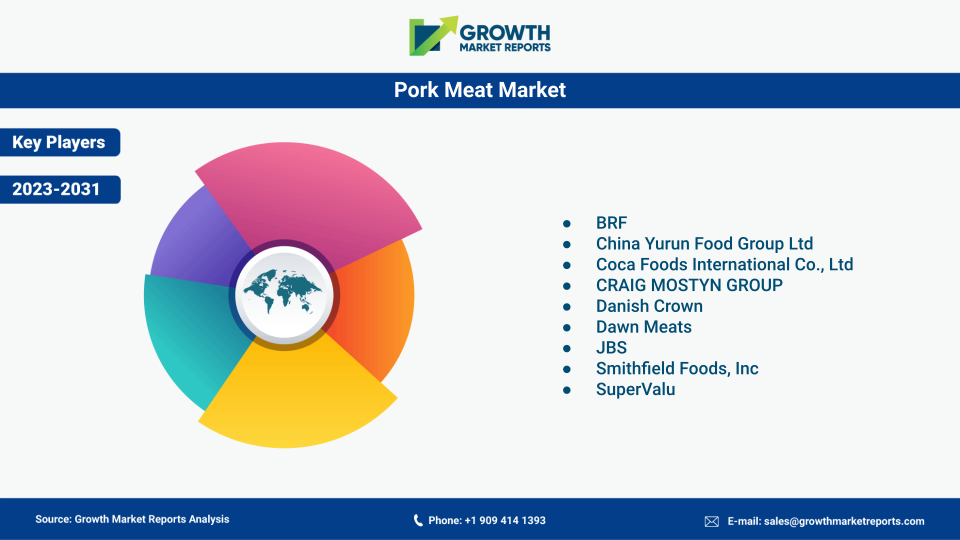
Key players in the pork meat market include BRF, China Yurun Food Group Ltd, Coca Foods International Co., Ltd, CRAIG MOSTYN GROUP, Danish Crown, Dawn Meats, JBS, Smithfield Foods, Inc, SuperValu, Tonnies, Vion Food Group, and WH Group Limited. These players engage in mergers & acquisitions, collaborations, agreements, and partnerships to strengthen their geographical presence.
Technological advancements such as vacuum packaging, cold chain logistics, blockchain, and IoT are improving product shelf life, safety, traceability, and supply chain efficiency in the pork meat industry.
Major players include WH Group Limited (Smithfield Foods), JBS S.A., Tyson Foods Inc., Danish Crown, Hormel Foods Corporation, BRF S.A., Vion Food Group, and Yurun Group.
Major threats include disease outbreaks (such as African Swine Fever), regulatory challenges related to food safety and animal welfare, environmental concerns, and competition from plant-based protein alternatives.
Opportunities include the growing popularity of value-added and specialty pork products, technological advancements in processing and packaging, expansion of online retail, and increasing consumer awareness of health and sustainability.
Pork meat is used in household cooking, food service (restaurants, hotels, catering), the food processing industry (sausages, canned meats, ready-to-eat meals), and institutional buyers like schools and hospitals.
Pork meat is distributed through supermarkets/hypermarkets, convenience stores, online retail platforms, butcher shops, and specialty stores.
The market is segmented into fresh pork, processed pork (such as sausages, bacon, and ham), frozen pork, and specialty products like organic and premium cuts.
The Asia Pacific region leads the global pork meat market, accounting for over 54% of total consumption, followed by Europe and North America.
Key growth drivers include rising demand for animal protein, urbanization, increasing disposable incomes, evolving consumer preferences for high-protein diets, and advancements in meat processing technologies.
As of 2024, the global pork meat market size reached USD 310.4 billion, with expectations to grow to approximately USD 448.6 billion by 2033.