Platelet Rich Plasma Market Research Report 2033

Platelet Rich Plasma Market Research Report 2033

Segments - by Product Type (Pure PRP, Leukocyte-rich PRP, Leukocyte-poor PRP), by Origin (Autologous, Allogeneic, Homologous), by Application (Orthopedics, Dermatology, Sports Medicine, Cosmetic Surgery, Dental, Others), by End-User (Hospitals & Clinics, Research Institutes, Others)

https://growthmarketreports.com/raksha
Author : Raksha Sharma
https://growthmarketreports.com/Vaibhav
Fact-checked by : V. Chandola
https://growthmarketreports.com/Shruti
Editor : Shruti Bhat

Upcoming | Report ID :HC-1396 | 4.2 Rating | 34 Reviews | 294 Pages | Format : Docx PDF

Report Description


Platelet Rich Plasma (PRP) Market Outlook

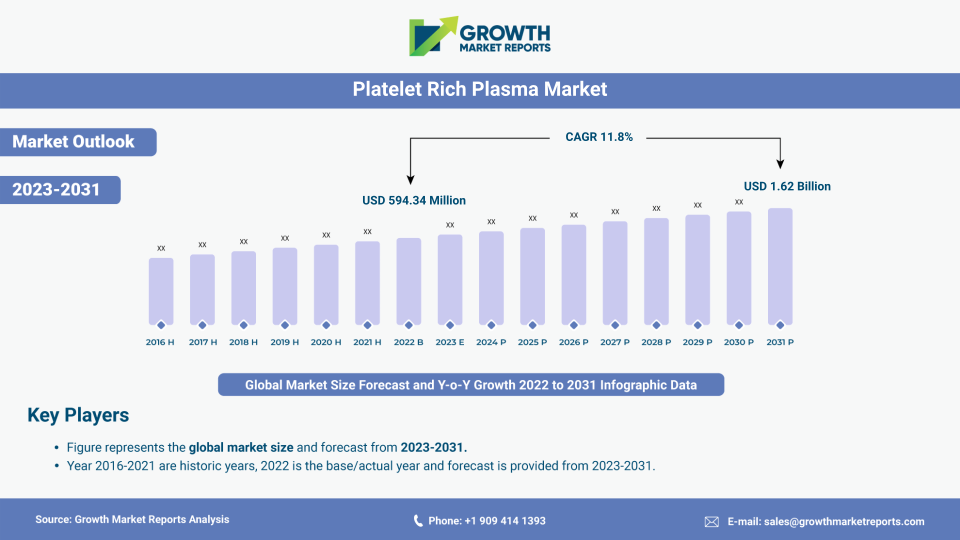
According to our latest research, the global Platelet Rich Plasma (PRP) market size reached USD 704.1 million in 2024, demonstrating robust performance across key healthcare sectors. The market is projected to expand at a CAGR of 12.8% from 2025 to 2033, reaching an estimated USD 2,110.5 million by 2033. This strong growth trajectory is driven by the increasing adoption of PRP therapies in orthopedics, dermatology, sports medicine, and cosmetic surgery, coupled with technological advancements in preparation systems and a growing preference for minimally invasive procedures.

The growth factors fueling the Platelet Rich Plasma market are multifaceted, with the rising prevalence of musculoskeletal disorders and sports injuries being primary contributors. As the global population ages, there is a marked increase in osteoarthritis, tendonitis, and ligament injuries, all of which are effectively addressed by PRP therapies. Additionally, the surge in sports participation and physical fitness activities, especially among younger demographics, has led to a higher incidence of acute and chronic injuries. PRP, with its regenerative properties and expedited healing potential, is increasingly being recommended by healthcare professionals as an adjunct or alternative to traditional treatment methods, further propelling market growth.

Another significant driver is the expanding use of PRP in dermatology and cosmetic surgery. The demand for aesthetic procedures, such as facial rejuvenation, hair restoration, and scar treatment, has witnessed exponential growth over the past decade. PRPÂ’s appeal lies in its autologous nature, which minimizes the risk of allergic reactions and complications, making it a preferred choice among patients seeking natural and minimally invasive solutions. The integration of PRP with other cosmetic modalities, such as microneedling and laser therapy, has further amplified its clinical efficacy, thus expanding its adoption across dermatology clinics and medical spas worldwide.

Technological innovation and regulatory support are also pivotal in shaping the PRP market landscape. The development of advanced centrifugation devices and standardized preparation kits has improved the consistency and efficacy of PRP formulations. Furthermore, favorable regulatory frameworks in key regions, such as North America and Europe, have facilitated the approval and commercialization of PRP-based products. Strategic collaborations between biotechnology firms and healthcare providers are accelerating clinical research and the introduction of novel PRP applications, thereby broadening the marketÂ’s scope and accessibility.

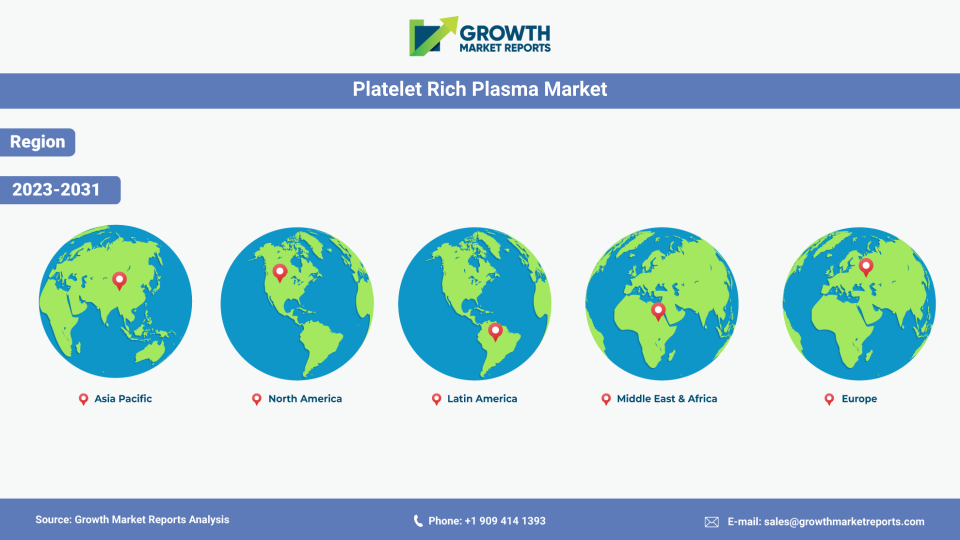
From a regional perspective, North America continues to dominate the Platelet Rich Plasma market, accounting for the largest revenue share in 2024. This leadership is attributed to the regionÂ’s advanced healthcare infrastructure, high patient awareness, and an active sports culture that drives the demand for regenerative therapies. Europe follows closely, benefiting from a strong focus on research and innovation, while the Asia Pacific region is emerging as a lucrative market, propelled by rising healthcare investments, increasing medical tourism, and the growing popularity of aesthetic treatments. Latin America and the Middle East & Africa are also witnessing steady growth, supported by expanding healthcare access and rising disposable incomes.

Exosome-Enhanced PRP Sports Injury Therapy is emerging as a promising advancement in the field of sports medicine. By integrating exosomes with traditional PRP treatments, this innovative approach aims to enhance the regenerative capabilities of PRP, offering athletes and active individuals a more effective solution for injury recovery. Exosomes, which are small vesicles that facilitate intercellular communication, are believed to play a crucial role in tissue repair and regeneration. When combined with PRP, they may help accelerate healing processes, reduce inflammation, and improve overall recovery times. This synergy between exosomes and PRP could potentially transform the management of sports injuries, providing a cutting-edge alternative to conventional therapies and contributing to the growing demand for advanced regenerative treatments.

Global Platelet Rich Plasma Industry Outlook

Product Type Analysis

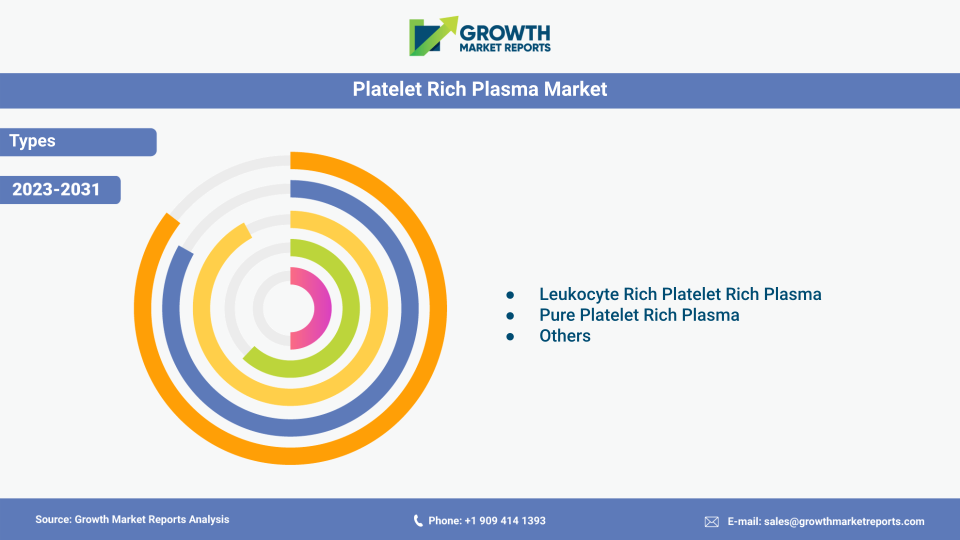
The Product Type segment of the Platelet Rich Plasma market is categorized into Pure PRP, Leukocyte-rich PRP, and Leukocyte-poor PRP. Pure PRP, characterized by the absence of leukocytes and a high concentration of platelets, is widely utilized for its enhanced healing properties and minimal inflammatory response. This subtype is particularly favored in cosmetic and dermatological applications, where tissue regeneration and minimal side effects are crucial. The consistent efficacy and safety profile of Pure PRP have contributed to its growing adoption among both clinicians and patients, especially in developed markets where regulatory standards are stringent.

Leukocyte-rich PRP, containing a higher concentration of white blood cells alongside platelets, is gaining traction in orthopedic and sports medicine applications. The presence of leukocytes is believed to augment the anti-inflammatory and antimicrobial properties of PRP, making it suitable for treating chronic tendon injuries, ligament sprains, and osteoarthritis. However, the potential for increased inflammation with leukocyte-rich formulations necessitates careful patient selection and clinical judgment. Ongoing research is focused on optimizing the balance between platelet and leukocyte concentrations to maximize therapeutic outcomes across diverse indications.

Leukocyte-poor PRP, on the other hand, is designed to minimize the inflammatory response by reducing the leukocyte content while maintaining a high platelet concentration. This subtype is increasingly preferred in sensitive applications such as dental surgery and wound healing, where excessive inflammation can impede recovery. The adoption of leukocyte-poor PRP is further supported by advancements in centrifugation technologies that enable precise separation and customization of PRP formulations. As clinical evidence continues to accumulate, healthcare providers are better equipped to tailor PRP products to specific patient needs and therapeutic goals.

The competitive landscape within the Product Type segment is marked by continuous innovation and the introduction of next-generation PRP kits and devices. Manufacturers are investing in research and development to enhance the yield, purity, and consistency of PRP preparations, thereby improving clinical outcomes. The availability of automated and user-friendly systems has also facilitated the integration of PRP therapies into routine clinical practice, reducing preparation time and minimizing the risk of contamination. As the evidence base for each PRP subtype expands, market participants are poised to capitalize on emerging opportunities across both established and nascent therapeutic areas.

Report Scope

Attributes Details
Report Title Platelet Rich Plasma Market Research Report 2033
By Product Type Pure PRP, Leukocyte-rich PRP, Leukocyte-poor PRP
By Origin Autologous, Allogeneic, Homologous
By Application Orthopedics, Dermatology, Sports Medicine, Cosmetic Surgery, Dental, Others
By End-User Hospitals & Clinics, Research Institutes, Others
Regions Covered North America, Europe, APAC, Latin America, MEA
Base Year 2024
Historic Data 2018-2023
Forecast Period 2025-2033
Number of Pages 294
Number of Tables & Figures 316
Customization Available Yes, the report can be customized as per your need.

Origin Analysis

The Origin segment of the Platelet Rich Plasma market is classified into Autologous, Allogeneic, and Homologous sources. Autologous PRP, derived from the patientÂ’s own blood, accounts for the majority of procedures performed globally. Its widespread adoption is underpinned by its exceptional safety profile, as the risk of immunogenic reactions or disease transmission is virtually eliminated. Autologous PRP is extensively utilized across orthopedic, dermatological, and dental applications, and is often favored in regulatory environments that prioritize patient safety and product traceability.

Allogeneic PRP, sourced from donor blood, is gradually gaining acceptance, particularly in clinical scenarios where autologous collection is not feasible or practical. Advancements in donor screening, pathogen reduction technologies, and stringent quality control measures have enhanced the safety and efficacy of allogeneic PRP products. This approach is especially relevant in large-scale clinical trials and research settings, where standardized formulations are essential for reproducibility and data integrity. However, regulatory hurdles and concerns regarding immunological compatibility continue to limit the widespread adoption of allogeneic PRP in routine clinical practice.

Platelet-Rich Fibrin in Veterinary Medicine is gaining traction as a valuable tool for enhancing animal health and recovery. This biologically active matrix, derived from the patient's own blood, is rich in growth factors and cytokines that promote tissue healing and regeneration. In veterinary applications, PRF is being utilized to treat a variety of conditions, including wound healing, periodontal disease, and orthopedic injuries in pets and livestock. The autologous nature of PRF minimizes the risk of adverse reactions, making it a safe and effective option for veterinary practitioners. As awareness of its benefits grows, Platelet-Rich Fibrin is poised to become an integral part of veterinary care, offering new possibilities for improving animal welfare and clinical outcomes in the field.

Homologous PRP, which involves the use of blood from genetically similar individuals, represents a niche but promising segment within the market. This origin is primarily explored in regenerative medicine research and specialized therapeutic applications, such as treating rare genetic disorders or facilitating organ transplantation. The potential for homologous PRP to offer enhanced regenerative capacity without the risks associated with allogeneic sources is an area of active investigation. As clinical evidence and regulatory guidance evolve, the homologous segment may unlock new opportunities for innovation and market expansion.

Overall, the Origin segment is characterized by a dynamic interplay between safety, efficacy, and regulatory considerations. The dominance of autologous PRP is expected to persist in the near term, driven by patient and clinician preference for personalized therapies. However, ongoing research into the scalability and standardization of allogeneic and homologous PRP products may pave the way for broader adoption, particularly in high-volume clinical settings and emerging markets. The ability to tailor PRP origin to specific patient populations and therapeutic indications will be a key differentiator for market participants moving forward.

Application Analysis

The Application segment of the Platelet Rich Plasma market encompasses Orthopedics, Dermatology, Sports Medicine, Cosmetic Surgery, Dental, and Others. Orthopedics remains the largest application area, accounting for a significant share of global PRP procedures. The efficacy of PRP in accelerating the healing of bone fractures, tendon injuries, and ligament sprains has been well-documented in clinical studies. As orthopedic surgeons and sports medicine specialists increasingly embrace regenerative therapies, the demand for PRP is expected to surge, particularly in conjunction with surgical interventions and rehabilitation protocols.

Dermatology and cosmetic surgery represent rapidly growing segments, fueled by the rising popularity of non-surgical aesthetic treatments. PRP is widely used for facial rejuvenation, hair restoration, and scar reduction, offering a natural and minimally invasive alternative to traditional cosmetic procedures. The integration of PRP with microneedling, laser therapy, and dermal fillers has further enhanced its clinical efficacy, leading to high patient satisfaction rates and repeat procedures. The expanding portfolio of PRP-based aesthetic products and the proliferation of specialized clinics are expected to drive continued growth in this segment.

Sports medicine is another key application area, with PRP being utilized to treat a wide range of acute and chronic injuries among athletes and physically active individuals. The regenerative properties of PRP, coupled with its ability to reduce pain and inflammation, have made it a preferred option for managing conditions such as tendinopathy, muscle strains, and joint degeneration. The increasing incidence of sports-related injuries, coupled with the growing emphasis on early recovery and return to play, is anticipated to bolster the adoption of PRP therapies in this segment.

Dental applications of PRP are also gaining traction, particularly in oral and maxillofacial surgery, periodontal regeneration, and implantology. PRPÂ’s ability to promote soft tissue healing and bone regeneration has made it an invaluable adjunct in complex dental procedures. The rising prevalence of dental disorders and the increasing adoption of advanced surgical techniques are expected to drive demand for PRP in dental settings. Other emerging applications, such as wound healing and chronic ulcer management, further underscore the versatility and therapeutic potential of PRP across diverse medical specialties.

End-User Analysis

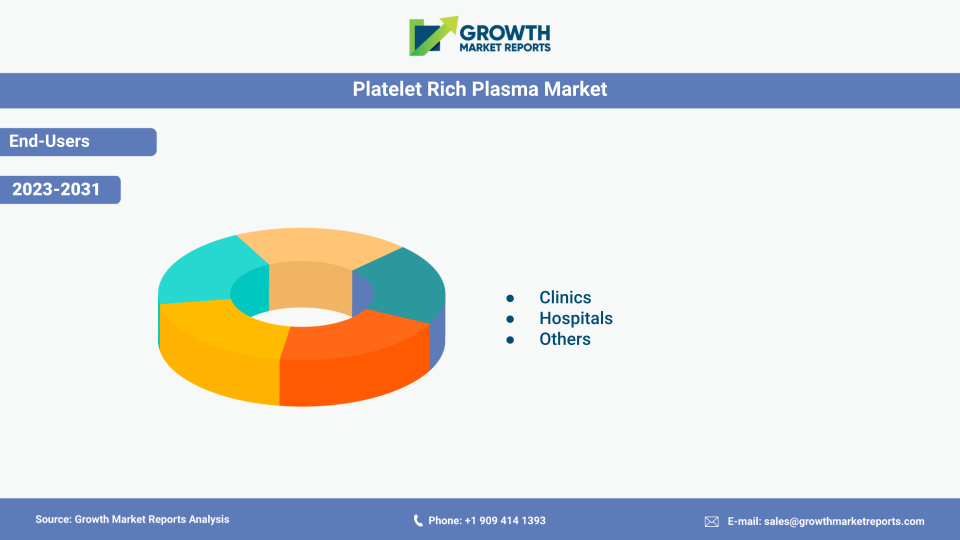
The End-User segment of the Platelet Rich Plasma market is segmented into Hospitals & Clinics, Research Institutes, and Others. Hospitals & Clinics represent the largest end-user group, accounting for the majority of PRP procedures performed globally. The integration of PRP therapies into hospital-based orthopedic, dermatology, and surgical departments has been facilitated by the availability of advanced preparation systems and trained medical personnel. The ability to offer PRP as part of comprehensive treatment packages has also enhanced patient access and convenience, driving growth in this segment.

Research Institutes play a pivotal role in advancing the scientific understanding and clinical applications of PRP. These institutions are at the forefront of conducting preclinical and clinical studies to evaluate the safety, efficacy, and mechanisms of action of various PRP formulations. The collaboration between academic centers, biotechnology firms, and healthcare providers is accelerating the translation of research findings into clinical practice. As the evidence base for PRP continues to expand, research institutes are expected to play an increasingly influential role in shaping industry standards and regulatory policies.

The Others segment, which includes ambulatory surgical centers, specialty clinics, and medical spas, is witnessing steady growth, particularly in developed markets with high demand for aesthetic and minimally invasive procedures. The proliferation of outpatient facilities offering PRP-based treatments has improved accessibility and affordability for patients, contributing to market expansion. The adoption of portable and user-friendly PRP preparation systems has further facilitated the integration of PRP therapies into diverse healthcare settings, enabling providers to cater to a broader patient base.

Overall, the End-User segment is characterized by a trend towards decentralization and diversification of PRP services. While hospitals and clinics remain the primary drivers of market growth, the increasing participation of research institutes and specialty centers is broadening the scope and impact of PRP therapies. The ability to tailor PRP offerings to specific patient populations and clinical indications will be a key determinant of success for market participants in this dynamic and evolving landscape.

Opportunities & Threats

The Platelet Rich Plasma market is teeming with opportunities for innovation and expansion, particularly in the areas of product development and clinical research. The ongoing refinement of PRP preparation techniques, including the use of specialized centrifugation devices and standardized kits, is enhancing the consistency and efficacy of PRP therapies. The exploration of novel applications, such as tissue engineering, chronic wound management, and regenerative medicine, presents significant growth potential for market participants. Additionally, the increasing adoption of combination therapies, wherein PRP is used alongside biomaterials, stem cells, or growth factors, is opening new avenues for therapeutic innovation and improved patient outcomes.

Another major opportunity lies in the expansion of PRP services in emerging markets, particularly in Asia Pacific, Latin America, and the Middle East & Africa. Rising healthcare expenditures, increasing awareness of regenerative therapies, and the growing demand for minimally invasive procedures are driving market growth in these regions. The proliferation of medical tourism, coupled with favorable government initiatives to promote advanced healthcare technologies, is further accelerating the uptake of PRP therapies. Market players that can effectively navigate regulatory landscapes and adapt their offerings to local needs are well-positioned to capitalize on these emerging opportunities.

Despite the promising outlook, the Platelet Rich Plasma market faces several restraints and threats that may impede its growth. One of the primary challenges is the lack of standardized protocols for PRP preparation and administration, leading to variability in clinical outcomes. Inconsistent regulatory frameworks across regions and limited reimbursement coverage for PRP procedures also pose significant barriers to market expansion. Additionally, the high cost of advanced PRP preparation systems and the need for specialized training may limit adoption in resource-constrained settings. Addressing these challenges will require concerted efforts from industry stakeholders, regulatory authorities, and healthcare providers to establish best practices and promote evidence-based utilization of PRP therapies.

Regional Outlook

The regional landscape of the Platelet Rich Plasma market is characterized by significant heterogeneity in terms of market size, growth drivers, and adoption patterns. North America leads the global market, with an estimated value of USD 290.7 million in 2024, driven by advanced healthcare infrastructure, high patient awareness, and a strong emphasis on sports medicine and regenerative therapies. The United States accounts for the lionÂ’s share of the regional market, supported by a robust pipeline of clinical research, favorable reimbursement policies, and the presence of leading market players. Canada is also witnessing steady growth, fueled by rising healthcare investments and increasing adoption of minimally invasive procedures.

Europe is the second-largest regional market, valued at USD 211.2 million in 2024, and is expected to register a healthy CAGR of 12.4% through 2033. The region benefits from a strong focus on research and innovation, with Germany, France, and the United Kingdom emerging as key hubs for PRP therapies. The widespread availability of advanced preparation systems, coupled with supportive regulatory frameworks, has facilitated the integration of PRP into clinical practice across orthopedic, dermatological, and dental specialties. The growing demand for aesthetic procedures and the increasing prevalence of musculoskeletal disorders are expected to drive sustained growth in the European market.

The Asia Pacific region is rapidly emerging as a high-growth market, with a value of USD 140.8 million in 2024 and a projected CAGR of 14.2% over the forecast period. Countries such as China, Japan, South Korea, and India are at the forefront of this growth, driven by rising healthcare expenditures, expanding medical tourism, and increasing adoption of advanced therapeutic modalities. The proliferation of specialty clinics and the growing popularity of cosmetic treatments are further boosting demand for PRP therapies in the region. Latin America and the Middle East & Africa, with market values of USD 38.2 million and USD 23.2 million respectively in 2024, are also witnessing steady growth, supported by improving healthcare access and rising disposable incomes. Collectively, these regional dynamics underscore the global potential and evolving landscape of the Platelet Rich Plasma market.

Platelet Rich Plasma Market Statistics

Competitor Outlook

The competitive landscape of the Platelet Rich Plasma market is characterized by the presence of a diverse mix of multinational corporations, specialized biotechnology firms, and emerging startups. Leading players are focused on expanding their product portfolios, enhancing the efficacy and safety of PRP systems, and strengthening their distribution networks to capture a larger share of the global market. Strategic collaborations, mergers and acquisitions, and partnerships with healthcare providers are common strategies employed by market participants to accelerate innovation and market penetration. The emphasis on research and development is particularly pronounced, with companies investing heavily in clinical trials and product development to address unmet medical needs and differentiate their offerings.

Technological innovation is a key differentiator in the PRP market, with companies vying to introduce next-generation preparation systems that offer improved yield, purity, and ease of use. Automated and closed-system devices are gaining traction, as they minimize the risk of contamination and reduce preparation time, thereby enhancing workflow efficiency in clinical settings. The integration of digital technologies, such as data analytics and remote monitoring, is also emerging as a trend, enabling providers to track patient outcomes and optimize treatment protocols. Companies that can successfully combine technological innovation with clinical efficacy are well-positioned to gain a competitive edge in this dynamic market.

Regulatory compliance and quality assurance are critical considerations for market participants, particularly in regions with stringent approval processes and safety standards. Companies are investing in robust quality management systems and adhering to Good Manufacturing Practices (GMP) to ensure the safety and consistency of their PRP products. The ability to navigate complex regulatory landscapes and secure timely approvals is a key success factor, particularly for firms seeking to expand into new geographic markets. Additionally, the provision of comprehensive training and support services for healthcare providers is becoming increasingly important, as it enhances product adoption and fosters long-term customer loyalty.

Major companies operating in the Platelet Rich Plasma market include Arthrex, Inc., EmCyte Corporation, Zimmer Biomet Holdings, Inc., Terumo BCT, Inc., Dr. PRP America LLC, Regen Lab SA, Juventix Regenerative Medical, LLC, and BioLife Plasma Services. Arthrex, Inc. is renowned for its innovative PRP systems and a strong presence in the orthopedic and sports medicine segments. EmCyte Corporation specializes in advanced PRP and cellular therapy systems, with a focus on clinical efficacy and safety. Zimmer Biomet Holdings, Inc. leverages its extensive orthopedic portfolio to integrate PRP therapies into surgical and non-surgical treatment protocols. Terumo BCT, Inc. is a global leader in blood component and cellular technologies, offering a range of PRP preparation systems for diverse clinical applications.

Regen Lab SA is a key player in the European market, known for its proprietary PRP preparation kits and strong research focus. Dr. PRP America LLC and Juventix Regenerative Medical, LLC are emerging players with a growing footprint in the North American aesthetic and regenerative medicine segments. BioLife Plasma Services, a subsidiary of Takeda Pharmaceutical Company Limited, is actively involved in plasma-derived therapies and is exploring opportunities in PRP-based treatments. These companies, along with several others, are driving innovation, expanding access, and shaping the future of the Platelet Rich Plasma market through a relentless focus on quality, safety, and clinical excellence.

Key Players

  • Arthrex, Inc.
  • EmCyte Corporation
  • Zimmer Biomet Holdings, Inc.
  • Terumo Corporation
  • Dr. PRP America LLC
  • Stryker Corporation
  • Johnson & Johnson (DePuy Synthes)
  • Exactech, Inc.
  • Regen Lab SA
  • BioLife Plasma Services
  • Cesca Therapeutics Inc. (ThermoGenesis Holdings, Inc.)
  • Grifols, S.A.
  • Harvest Technologies Corporation (Terumo BCT)
  • Tropocells (Estar Medical)
  • PLTTech Inc.
  • AdvaCare Pharma
  • Magellan Stem Cells
  • Nuo Therapeutics, Inc.
  • Octapharma AG
  • Haemonetics Corporation
Platelet Rich Plasma Market Overview

Segments

The Platelet Rich Plasma market has been segmented on the basis of

Product Type

  • Pure PRP
  • Leukocyte-rich PRP
  • Leukocyte-poor PRP

Origin

  • Autologous
  • Allogeneic
  • Homologous

Application

  • Orthopedics
  • Dermatology
  • Sports Medicine
  • Cosmetic Surgery
  • Dental
  • Others

End-User

  • Hospitals & Clinics
  • Research Institutes
  • Others

Competitive Landscape

Key players competing in the global platelet rich plasma market are Johnson & Johnson (DePuy Synthes); EmCyte Corporation; Zimmer Biomet; Terumo BCT, Inc.; Stryker; Celling BioSciences; Arthrex, Inc.; APEX Biologix; Juventix; and Dr. PRP America.

Many of these players are primarily involved in strategic acquisitions to enhance their market presence. Various key players are continuously trying to develop solutions for niche markets such as ulcer healing and wound care using platelet rich plasma.


For example, the acquisition of Cellmedix Holdings LLC by EmCyte was completed in February 2020. As per the report, the deal was finalized as a strategic move in order to expand EmCyte’s expertise in product development intellectual property profile.
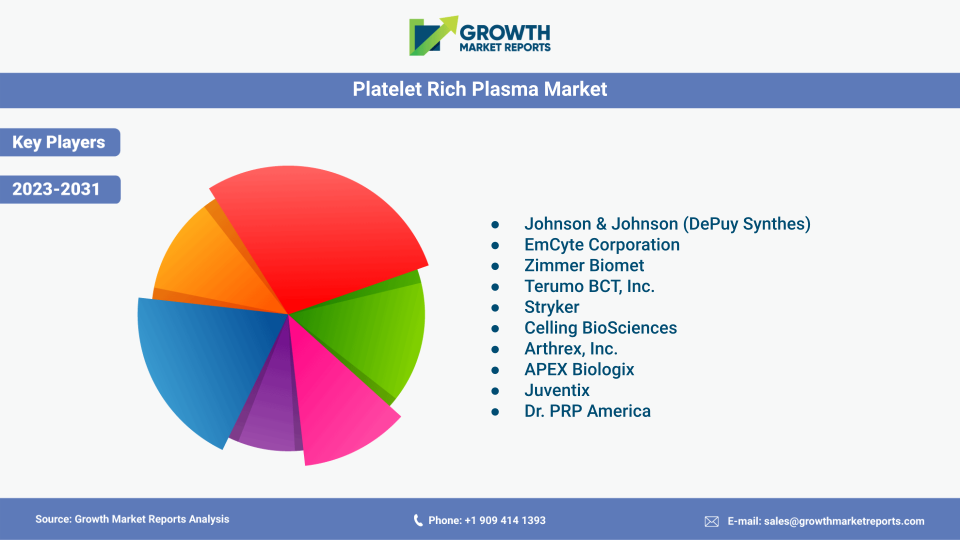

Platelet Rich Plasma Market Key Players

Frequently Asked Questions

Major players include Arthrex, Inc., EmCyte Corporation, Zimmer Biomet Holdings, Inc., Terumo BCT, Inc., Dr. PRP America LLC, Regen Lab SA, Juventix Regenerative Medical, LLC, BioLife Plasma Services, Stryker Corporation, and Johnson & Johnson (DePuy Synthes).

Challenges include lack of standardized PRP preparation protocols, inconsistent regulatory frameworks, limited reimbursement coverage, high costs of advanced systems, and the need for specialized training.

Key growth drivers include the rising prevalence of musculoskeletal disorders and sports injuries, increasing demand for minimally invasive and aesthetic procedures, technological advancements in PRP preparation, and expanding clinical applications.

The major end-users of PRP therapies are hospitals & clinics, research institutes, and specialty centers such as ambulatory surgical centers and medical spas. Hospitals and clinics account for the majority of PRP procedures globally.

PRP can be derived from autologous (patient’s own blood), allogeneic (donor blood), or homologous (genetically similar individuals) sources. Autologous PRP is most common due to its safety, while allogeneic and homologous PRP are used in specific research and clinical scenarios.

PRP therapy is widely used in orthopedics for bone and tendon healing, dermatology and cosmetic surgery for facial rejuvenation and hair restoration, sports medicine for injury recovery, and dental procedures for tissue and bone regeneration.

The main types of PRP products are Pure PRP (high platelet concentration, no leukocytes), Leukocyte-rich PRP (contains white blood cells), and Leukocyte-poor PRP (reduced leukocyte content). Each type is preferred for different medical applications based on healing and inflammatory response needs.

North America leads the PRP market due to advanced healthcare infrastructure, high patient awareness, and a strong sports culture. Europe follows closely with a focus on research and innovation, while Asia Pacific is emerging rapidly due to rising healthcare investments and medical tourism.

The global Platelet Rich Plasma (PRP) market reached USD 704.1 million in 2024 and is expected to grow at a CAGR of 12.8% from 2025 to 2033, reaching approximately USD 2,110.5 million by 2033.

Platelet Rich Plasma (PRP) is a concentration of platelets derived from blood, used for its regenerative properties in various medical fields such as orthopedics, dermatology, sports medicine, cosmetic surgery, and dental procedures. It promotes healing and tissue regeneration by delivering growth factors directly to the affected area.

Table Of Content

Chapter 1 Executive Summary
Chapter 2 Assumptions and Acronyms Used
Chapter 3 Research Methodology
Chapter 4 Platelet Rich Plasma Market Overview
   4.1 Introduction
      4.1.1 Market Taxonomy
      4.1.2 Market Definition
      4.1.3 Macro-Economic Factors Impacting the Market Growth
   4.2 Platelet Rich Plasma Market Dynamics
      4.2.1 Market Drivers
      4.2.2 Market Restraints
      4.2.3 Market Opportunity
   4.3 Platelet Rich Plasma Market - Supply Chain Analysis
      4.3.1 List of Key Suppliers
      4.3.2 List of Key Distributors
      4.3.3 List of Key Consumers
   4.4 Key Forces Shaping the Platelet Rich Plasma Market
      4.4.1 Bargaining Power of Suppliers
      4.4.2 Bargaining Power of Buyers
      4.4.3 Threat of Substitution
      4.4.4 Threat of New Entrants
      4.4.5 Competitive Rivalry
   4.5 Global Platelet Rich Plasma Market Size & Forecast, 2023-2032
      4.5.1 Platelet Rich Plasma Market Size and Y-o-Y Growth
      4.5.2 Platelet Rich Plasma Market Absolute $ Opportunity

Chapter 5 Global Platelet Rich Plasma Market Analysis and Forecast By Product Type
   5.1 Introduction
      5.1.1 Key Market Trends & Growth Opportunities By Product Type
      5.1.2 Basis Point Share (BPS) Analysis By Product Type
      5.1.3 Absolute $ Opportunity Assessment By Product Type
   5.2 Platelet Rich Plasma Market Size Forecast By Product Type
      5.2.1 Pure PRP
      5.2.2 Leukocyte-rich PRP
      5.2.3 Leukocyte-poor PRP
   5.3 Market Attractiveness Analysis By Product Type

Chapter 6 Global Platelet Rich Plasma Market Analysis and Forecast By Origin
   6.1 Introduction
      6.1.1 Key Market Trends & Growth Opportunities By Origin
      6.1.2 Basis Point Share (BPS) Analysis By Origin
      6.1.3 Absolute $ Opportunity Assessment By Origin
   6.2 Platelet Rich Plasma Market Size Forecast By Origin
      6.2.1 Autologous
      6.2.2 Allogeneic
      6.2.3 Homologous
   6.3 Market Attractiveness Analysis By Origin

Chapter 7 Global Platelet Rich Plasma Market Analysis and Forecast By Application
   7.1 Introduction
      7.1.1 Key Market Trends & Growth Opportunities By Application
      7.1.2 Basis Point Share (BPS) Analysis By Application
      7.1.3 Absolute $ Opportunity Assessment By Application
   7.2 Platelet Rich Plasma Market Size Forecast By Application
      7.2.1 Orthopedics
      7.2.2 Dermatology
      7.2.3 Sports Medicine
      7.2.4 Cosmetic Surgery
      7.2.5 Dental
      7.2.6 Others
   7.3 Market Attractiveness Analysis By Application

Chapter 8 Global Platelet Rich Plasma Market Analysis and Forecast By End-User
   8.1 Introduction
      8.1.1 Key Market Trends & Growth Opportunities By End-User
      8.1.2 Basis Point Share (BPS) Analysis By End-User
      8.1.3 Absolute $ Opportunity Assessment By End-User
   8.2 Platelet Rich Plasma Market Size Forecast By End-User
      8.2.1 Hospitals & Clinics
      8.2.2 Research Institutes
      8.2.3 Others
   8.3 Market Attractiveness Analysis By End-User

Chapter 9 Global Platelet Rich Plasma Market Analysis and Forecast by Region
   9.1 Introduction
      9.1.1 Key Market Trends & Growth Opportunities By Region
      9.1.2 Basis Point Share (BPS) Analysis By Region
      9.1.3 Absolute $ Opportunity Assessment By Region
   9.2 Platelet Rich Plasma Market Size Forecast By Region
      9.2.1 North America
      9.2.2 Europe
      9.2.3 Asia Pacific
      9.2.4 Latin America
      9.2.5 Middle East & Africa (MEA)
   9.3 Market Attractiveness Analysis By Region

Chapter 10 Coronavirus Disease (COVID-19) Impact 
   10.1 Introduction 
   10.2 Current & Future Impact Analysis 
   10.3 Economic Impact Analysis 
   10.4 Government Policies 
   10.5 Investment Scenario

Chapter 11 North America Platelet Rich Plasma Analysis and Forecast
   11.1 Introduction
   11.2 North America Platelet Rich Plasma Market Size Forecast by Country
      11.2.1 U.S.
      11.2.2 Canada
   11.3 Basis Point Share (BPS) Analysis by Country
   11.4 Absolute $ Opportunity Assessment by Country
   11.5 Market Attractiveness Analysis by Country
   11.6 North America Platelet Rich Plasma Market Size Forecast By Product Type
      11.6.1 Pure PRP
      11.6.2 Leukocyte-rich PRP
      11.6.3 Leukocyte-poor PRP
   11.7 Basis Point Share (BPS) Analysis By Product Type 
   11.8 Absolute $ Opportunity Assessment By Product Type 
   11.9 Market Attractiveness Analysis By Product Type
   11.10 North America Platelet Rich Plasma Market Size Forecast By Origin
      11.10.1 Autologous
      11.10.2 Allogeneic
      11.10.3 Homologous
   11.11 Basis Point Share (BPS) Analysis By Origin 
   11.12 Absolute $ Opportunity Assessment By Origin 
   11.13 Market Attractiveness Analysis By Origin
   11.14 North America Platelet Rich Plasma Market Size Forecast By Application
      11.14.1 Orthopedics
      11.14.2 Dermatology
      11.14.3 Sports Medicine
      11.14.4 Cosmetic Surgery
      11.14.5 Dental
      11.14.6 Others
   11.15 Basis Point Share (BPS) Analysis By Application 
   11.16 Absolute $ Opportunity Assessment By Application 
   11.17 Market Attractiveness Analysis By Application
   11.18 North America Platelet Rich Plasma Market Size Forecast By End-User
      11.18.1 Hospitals & Clinics
      11.18.2 Research Institutes
      11.18.3 Others
   11.19 Basis Point Share (BPS) Analysis By End-User 
   11.20 Absolute $ Opportunity Assessment By End-User 
   11.21 Market Attractiveness Analysis By End-User

Chapter 12 Europe Platelet Rich Plasma Analysis and Forecast
   12.1 Introduction
   12.2 Europe Platelet Rich Plasma Market Size Forecast by Country
      12.2.1 Germany
      12.2.2 France
      12.2.3 Italy
      12.2.4 U.K.
      12.2.5 Spain
      12.2.6 Russia
      12.2.7 Rest of Europe
   12.3 Basis Point Share (BPS) Analysis by Country
   12.4 Absolute $ Opportunity Assessment by Country
   12.5 Market Attractiveness Analysis by Country
   12.6 Europe Platelet Rich Plasma Market Size Forecast By Product Type
      12.6.1 Pure PRP
      12.6.2 Leukocyte-rich PRP
      12.6.3 Leukocyte-poor PRP
   12.7 Basis Point Share (BPS) Analysis By Product Type 
   12.8 Absolute $ Opportunity Assessment By Product Type 
   12.9 Market Attractiveness Analysis By Product Type
   12.10 Europe Platelet Rich Plasma Market Size Forecast By Origin
      12.10.1 Autologous
      12.10.2 Allogeneic
      12.10.3 Homologous
   12.11 Basis Point Share (BPS) Analysis By Origin 
   12.12 Absolute $ Opportunity Assessment By Origin 
   12.13 Market Attractiveness Analysis By Origin
   12.14 Europe Platelet Rich Plasma Market Size Forecast By Application
      12.14.1 Orthopedics
      12.14.2 Dermatology
      12.14.3 Sports Medicine
      12.14.4 Cosmetic Surgery
      12.14.5 Dental
      12.14.6 Others
   12.15 Basis Point Share (BPS) Analysis By Application 
   12.16 Absolute $ Opportunity Assessment By Application 
   12.17 Market Attractiveness Analysis By Application
   12.18 Europe Platelet Rich Plasma Market Size Forecast By End-User
      12.18.1 Hospitals & Clinics
      12.18.2 Research Institutes
      12.18.3 Others
   12.19 Basis Point Share (BPS) Analysis By End-User 
   12.20 Absolute $ Opportunity Assessment By End-User 
   12.21 Market Attractiveness Analysis By End-User

Chapter 13 Asia Pacific Platelet Rich Plasma Analysis and Forecast
   13.1 Introduction
   13.2 Asia Pacific Platelet Rich Plasma Market Size Forecast by Country
      13.2.1 China
      13.2.2 Japan
      13.2.3 South Korea
      13.2.4 India
      13.2.5 Australia
      13.2.6 South East Asia (SEA)
      13.2.7 Rest of Asia Pacific (APAC)
   13.3 Basis Point Share (BPS) Analysis by Country
   13.4 Absolute $ Opportunity Assessment by Country
   13.5 Market Attractiveness Analysis by Country
   13.6 Asia Pacific Platelet Rich Plasma Market Size Forecast By Product Type
      13.6.1 Pure PRP
      13.6.2 Leukocyte-rich PRP
      13.6.3 Leukocyte-poor PRP
   13.7 Basis Point Share (BPS) Analysis By Product Type 
   13.8 Absolute $ Opportunity Assessment By Product Type 
   13.9 Market Attractiveness Analysis By Product Type
   13.10 Asia Pacific Platelet Rich Plasma Market Size Forecast By Origin
      13.10.1 Autologous
      13.10.2 Allogeneic
      13.10.3 Homologous
   13.11 Basis Point Share (BPS) Analysis By Origin 
   13.12 Absolute $ Opportunity Assessment By Origin 
   13.13 Market Attractiveness Analysis By Origin
   13.14 Asia Pacific Platelet Rich Plasma Market Size Forecast By Application
      13.14.1 Orthopedics
      13.14.2 Dermatology
      13.14.3 Sports Medicine
      13.14.4 Cosmetic Surgery
      13.14.5 Dental
      13.14.6 Others
   13.15 Basis Point Share (BPS) Analysis By Application 
   13.16 Absolute $ Opportunity Assessment By Application 
   13.17 Market Attractiveness Analysis By Application
   13.18 Asia Pacific Platelet Rich Plasma Market Size Forecast By End-User
      13.18.1 Hospitals & Clinics
      13.18.2 Research Institutes
      13.18.3 Others
   13.19 Basis Point Share (BPS) Analysis By End-User 
   13.20 Absolute $ Opportunity Assessment By End-User 
   13.21 Market Attractiveness Analysis By End-User

Chapter 14 Latin America Platelet Rich Plasma Analysis and Forecast
   14.1 Introduction
   14.2 Latin America Platelet Rich Plasma Market Size Forecast by Country
      14.2.1 Brazil
      14.2.2 Mexico
      14.2.3 Rest of Latin America (LATAM)
   14.3 Basis Point Share (BPS) Analysis by Country
   14.4 Absolute $ Opportunity Assessment by Country
   14.5 Market Attractiveness Analysis by Country
   14.6 Latin America Platelet Rich Plasma Market Size Forecast By Product Type
      14.6.1 Pure PRP
      14.6.2 Leukocyte-rich PRP
      14.6.3 Leukocyte-poor PRP
   14.7 Basis Point Share (BPS) Analysis By Product Type 
   14.8 Absolute $ Opportunity Assessment By Product Type 
   14.9 Market Attractiveness Analysis By Product Type
   14.10 Latin America Platelet Rich Plasma Market Size Forecast By Origin
      14.10.1 Autologous
      14.10.2 Allogeneic
      14.10.3 Homologous
   14.11 Basis Point Share (BPS) Analysis By Origin 
   14.12 Absolute $ Opportunity Assessment By Origin 
   14.13 Market Attractiveness Analysis By Origin
   14.14 Latin America Platelet Rich Plasma Market Size Forecast By Application
      14.14.1 Orthopedics
      14.14.2 Dermatology
      14.14.3 Sports Medicine
      14.14.4 Cosmetic Surgery
      14.14.5 Dental
      14.14.6 Others
   14.15 Basis Point Share (BPS) Analysis By Application 
   14.16 Absolute $ Opportunity Assessment By Application 
   14.17 Market Attractiveness Analysis By Application
   14.18 Latin America Platelet Rich Plasma Market Size Forecast By End-User
      14.18.1 Hospitals & Clinics
      14.18.2 Research Institutes
      14.18.3 Others
   14.19 Basis Point Share (BPS) Analysis By End-User 
   14.20 Absolute $ Opportunity Assessment By End-User 
   14.21 Market Attractiveness Analysis By End-User

Chapter 15 Middle East & Africa (MEA) Platelet Rich Plasma Analysis and Forecast
   15.1 Introduction
   15.2 Middle East & Africa (MEA) Platelet Rich Plasma Market Size Forecast by Country
      15.2.1 Saudi Arabia
      15.2.2 South Africa
      15.2.3 UAE
      15.2.4 Rest of Middle East & Africa (MEA)
   15.3 Basis Point Share (BPS) Analysis by Country
   15.4 Absolute $ Opportunity Assessment by Country
   15.5 Market Attractiveness Analysis by Country
   15.6 Middle East & Africa (MEA) Platelet Rich Plasma Market Size Forecast By Product Type
      15.6.1 Pure PRP
      15.6.2 Leukocyte-rich PRP
      15.6.3 Leukocyte-poor PRP
   15.7 Basis Point Share (BPS) Analysis By Product Type 
   15.8 Absolute $ Opportunity Assessment By Product Type 
   15.9 Market Attractiveness Analysis By Product Type
   15.10 Middle East & Africa (MEA) Platelet Rich Plasma Market Size Forecast By Origin
      15.10.1 Autologous
      15.10.2 Allogeneic
      15.10.3 Homologous
   15.11 Basis Point Share (BPS) Analysis By Origin 
   15.12 Absolute $ Opportunity Assessment By Origin 
   15.13 Market Attractiveness Analysis By Origin
   15.14 Middle East & Africa (MEA) Platelet Rich Plasma Market Size Forecast By Application
      15.14.1 Orthopedics
      15.14.2 Dermatology
      15.14.3 Sports Medicine
      15.14.4 Cosmetic Surgery
      15.14.5 Dental
      15.14.6 Others
   15.15 Basis Point Share (BPS) Analysis By Application 
   15.16 Absolute $ Opportunity Assessment By Application 
   15.17 Market Attractiveness Analysis By Application
   15.18 Middle East & Africa (MEA) Platelet Rich Plasma Market Size Forecast By End-User
      15.18.1 Hospitals & Clinics
      15.18.2 Research Institutes
      15.18.3 Others
   15.19 Basis Point Share (BPS) Analysis By End-User 
   15.20 Absolute $ Opportunity Assessment By End-User 
   15.21 Market Attractiveness Analysis By End-User

Chapter 16 Competition Landscape 
   16.1 Platelet Rich Plasma Market: Competitive Dashboard
   16.2 Global Platelet Rich Plasma Market: Market Share Analysis, 2023
   16.3 Company Profiles (Details – Overview, Financials, Developments, Strategy) 
      16.3.1 Arthrex, Inc.
EmCyte Corporation
Zimmer Biomet Holdings, Inc.
Terumo Corporation
Dr. PRP America LLC
Stryker Corporation
Johnson & Johnson (DePuy Synthes)
Exactech, Inc.
Regen Lab SA
BioLife Plasma Services
Cesca Therapeutics Inc. (ThermoGenesis Holdings, Inc.)
Grifols, S.A.
Harvest Technologies Corporation (Terumo BCT)
Tropocells (Estar Medical)
PLTTech Inc.
AdvaCare Pharma
Magellan Stem Cells
Nuo Therapeutics, Inc.
Octapharma AG
Haemonetics Corporation

Methodology

Our Clients

Honda Motor Co. Ltd.
General Electric
sinopec
Siemens Healthcare
Microsoft
The John Holland Group
General Mills
Pfizer