Segments - by Material Type (PET, HDPE, LDPE, PP, PVC, Others), by Product Type (Bottles, Jars, Cans, Others), by Application (Beverages, Food, Personal Care, Household Care, Pharmaceuticals, Others), by End-User (Food & Beverage, Pharmaceuticals, Personal Care & Cosmetics, Household Products, Others), by Distribution Channel (Online, Offline)
According to our latest research, the global plastic bottles and containers market size reached USD 169.4 billion in 2024, reflecting robust demand across diverse industries. The market is exhibiting a compound annual growth rate (CAGR) of 4.7% and is projected to reach USD 258.2 billion by 2033. This growth is primarily fueled by rising consumption in the food and beverage sector, increased urbanization, and the expanding pharmaceutical and personal care industries. The market’s steady expansion is also driven by advancements in packaging technology and the growing emphasis on lightweight, shatter-resistant, and cost-effective packaging solutions.
One of the primary growth factors for the plastic bottles and containers market is the surging demand from the food and beverage industry. As consumers increasingly prefer packaged and ready-to-consume products, manufacturers are responding by introducing innovative packaging solutions that extend shelf life and ensure product safety. The convenience offered by plastic bottles and containers, coupled with their ability to be molded into various shapes and sizes, makes them ideal for packaging a wide range of beverages, dairy products, sauces, and condiments. Furthermore, the rapid proliferation of modern retail formats, such as supermarkets and hypermarkets, has augmented the visibility and accessibility of packaged foods, further accelerating the adoption of plastic packaging. The introduction of eco-friendly and recyclable plastics is also reshaping industry dynamics, as companies strive to meet evolving consumer preferences and regulatory requirements related to sustainability.
Another significant growth driver is the increasing use of plastic containers in the pharmaceutical and personal care sectors. The pharmaceutical industry, in particular, relies heavily on plastic bottles and containers due to their excellent barrier properties, lightweight nature, and resistance to breakage. These attributes are crucial for ensuring the safety and efficacy of liquid medicines, syrups, and tablets. In the personal care segment, the rising demand for products such as shampoos, lotions, and creams has spurred the need for attractive and functional packaging. Manufacturers are investing in research and development to create aesthetically appealing designs and incorporate features such as tamper-evidence and child-resistant closures. The shift towards premiumization in personal care packaging, coupled with the growing popularity of travel-sized containers, is further contributing to market growth.
Technological advancements and innovations in material science have also played a pivotal role in shaping the plastic bottles and containers market. The development of high-performance polymers, such as PET and HDPE, has enabled manufacturers to produce containers that are not only durable but also lightweight and recyclable. These materials offer excellent clarity, chemical resistance, and impact strength, making them suitable for a broad spectrum of applications. Additionally, the adoption of advanced manufacturing techniques, such as injection blow molding and stretch blow molding, has improved production efficiency and enabled the creation of complex shapes and designs. The integration of smart packaging technologies, such as QR codes and RFID tags, is enhancing traceability and consumer engagement, thereby opening new avenues for market expansion.
From a regional perspective, Asia Pacific dominates the plastic bottles and containers market, accounting for the largest share in 2024. This dominance is attributed to the presence of a large consumer base, rapid urbanization, and the expansion of the food and beverage and pharmaceutical industries in countries such as China, India, and Japan. North America and Europe also hold significant market shares, driven by high per capita consumption of packaged goods and stringent regulations related to packaging safety and sustainability. The Middle East & Africa and Latin America markets are witnessing steady growth, fueled by rising disposable incomes and increasing penetration of modern retail channels. Regional players are focusing on expanding their production capacities and adopting sustainable practices to cater to evolving market demands.
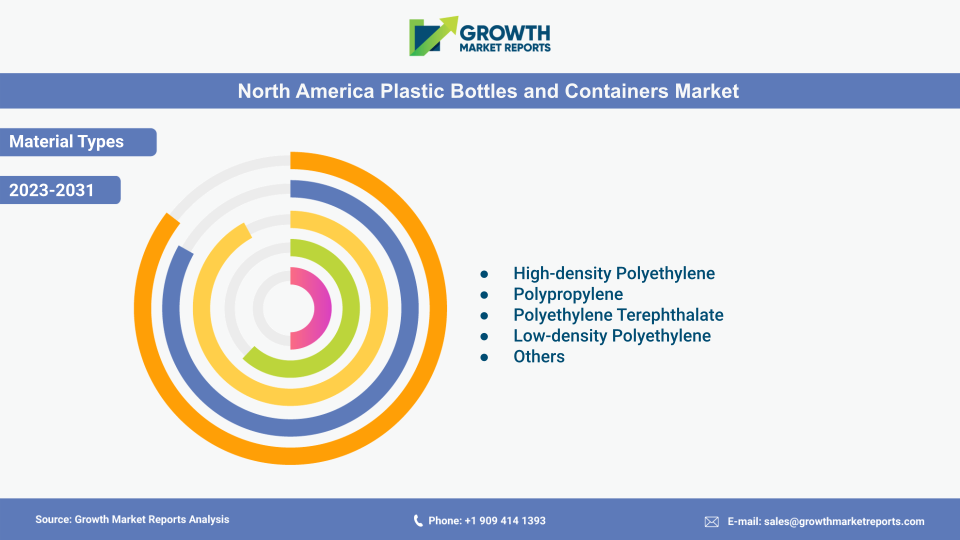
The plastic bottles and containers market is segmented by material type into PET (Polyethylene Terephthalate), HDPE (High-Density Polyethylene), LDPE (Low-Density Polyethylene), PP (Polypropylene), PVC (Polyvinyl Chloride), and others. Among these, PET has emerged as the most widely used material, owing to its excellent clarity, lightweight properties, and recyclability. PET bottles are extensively utilized in the packaging of water, carbonated drinks, juices, and edible oils. The material's superior barrier properties against moisture and gases make it ideal for preserving the freshness and quality of beverages. The growing emphasis on sustainability has led to increased adoption of recycled PET (rPET), as brands and consumers alike seek environmentally responsible packaging solutions. PET’s ability to be molded into intricate shapes and its compatibility with various closure systems further enhance its appeal across multiple end-use industries.
HDPE is another prominent material in the plastic bottles and containers market, valued for its high strength-to-density ratio and chemical resistance. HDPE bottles are commonly used for packaging household cleaning products, detergents, milk, and pharmaceuticals. The material's robustness ensures that containers can withstand rough handling and transportation without compromising product integrity. HDPE is also favored for its excellent moisture barrier properties, which are critical for packaging products that are sensitive to humidity. The recyclability of HDPE adds to its attractiveness, as regulatory bodies and consumers increasingly prioritize materials with a lower environmental footprint. Manufacturers are investing in advanced blow molding technologies to enhance the production efficiency and design flexibility of HDPE containers.
LDPE and PP are gaining traction in the market due to their unique properties and versatility. LDPE is known for its flexibility, transparency, and resistance to impact, making it suitable for squeeze bottles and containers used in the personal care and food sectors. PP, on the other hand, offers high temperature resistance and is widely used for packaging hot-fill products, such as sauces and syrups. PP containers are also popular in the pharmaceutical industry for packaging pills and tablets, as the material provides excellent protection against moisture and contaminants. The ongoing research and development in polymer blends and additives are further expanding the application scope of LDPE and PP in the packaging industry.
PVC, while less commonly used compared to PET and HDPE, still holds a niche in certain applications, such as packaging oils, chemicals, and pharmaceuticals. PVC’s chemical resistance and durability make it suitable for packaging products that require long shelf life and protection from external factors. However, environmental concerns related to PVC production and disposal have led to a gradual decline in its usage, with manufacturers exploring alternative materials that offer similar performance characteristics but with a reduced environmental impact. The “others” category includes emerging bioplastics and specialty polymers that are being developed to address the growing demand for sustainable packaging solutions. These materials are expected to gain prominence in the coming years as the industry shifts towards circular economy principles.
| Attributes | Details |
| Report Title | Plastic Bottles and Containers Market Research Report 2033 |
| By Material Type | PET, HDPE, LDPE, PP, PVC, Others |
| By Product Type | Bottles, Jars, Cans, Others |
| By Application | Beverages, Food, Personal Care, Household Care, Pharmaceuticals, Others |
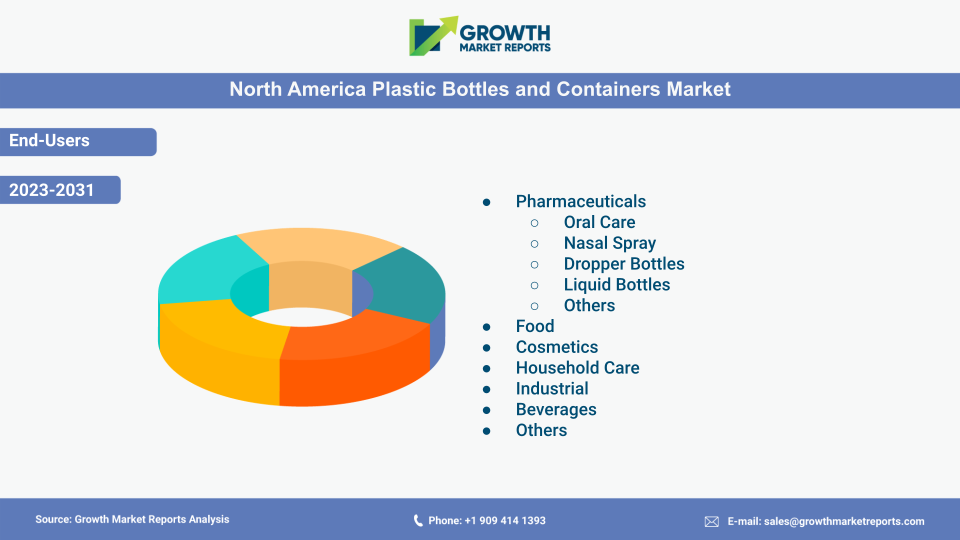
| By End-User | Food & Beverage, Pharmaceuticals, Personal Care & Cosmetics, Household Products, Others |
| By Distribution Channel | Online, Offline |
| Regions Covered | North America, Europe, APAC, Latin America, MEA |
| Base Year | 2024 |
| Historic Data | 2018-2023 |
| Forecast Period | 2025-2033 |
| Number of Pages | 274 |
| Number of Tables & Figures | 393 |
| Customization Available | Yes, the report can be customized as per your need. |
The product type segment of the plastic bottles and containers market encompasses bottles, jars, cans, and others. Bottles represent the largest share of the market, driven by their widespread use in packaging beverages, personal care products, pharmaceuticals, and household chemicals. The versatility of plastic bottles, which can be manufactured in a variety of shapes, sizes, and colors, allows them to cater to diverse consumer preferences and branding requirements. Bottles are favored for their convenience, portability, and ability to preserve product freshness. The increasing demand for single-serve and on-the-go packaging solutions is further propelling the growth of plastic bottles, especially in the beverage and personal care segments.
Jars are another significant product type, commonly used for packaging food items such as jams, sauces, spreads, and condiments, as well as personal care products like creams and lotions. Plastic jars offer several advantages over traditional glass jars, including reduced weight, lower risk of breakage, and improved design flexibility. The ability to incorporate features such as wide mouths and tamper-evident closures enhances the functionality and consumer appeal of plastic jars. Manufacturers are leveraging advanced molding technologies to create aesthetically pleasing and ergonomic jar designs that stand out on retail shelves. The growing trend towards premiumization in food and personal care packaging is driving innovation in jar design and material selection.
Plastic cans are gaining popularity as an alternative to metal cans, particularly in the packaging of beverages, food products, and household chemicals. Plastic cans offer several benefits, including corrosion resistance, lightweight construction, and ease of handling. The ability to integrate resealable lids and custom graphics makes plastic cans an attractive option for brands seeking to differentiate their products. The adoption of plastic cans is also being driven by advancements in barrier technology, which enable the packaging of carbonated and non-carbonated beverages without compromising product quality. As sustainability concerns continue to shape consumer preferences, manufacturers are exploring the use of recyclable and biodegradable materials in the production of plastic cans.
The “others” category includes specialized containers such as tubs, pouches, and trays, which are used for packaging a wide range of products, from dairy and bakery items to pharmaceuticals and household goods. These containers offer unique advantages, such as portion control, convenience, and enhanced product protection. The growing demand for ready-to-eat and convenience foods is fueling the adoption of innovative packaging formats in this segment. Manufacturers are focusing on developing containers that are not only functional but also visually appealing, incorporating features such as transparent windows, resealable closures, and ergonomic designs. The shift towards sustainable packaging solutions is prompting the use of bio-based and compostable materials in the production of these specialized containers.
The application segment of the plastic bottles and containers market is broadly categorized into beverages, food, personal care, household care, pharmaceuticals, and others. Beverages constitute the largest application segment, accounting for a substantial share of the market in 2024. The increasing consumption of bottled water, carbonated drinks, juices, and energy drinks is driving the demand for plastic bottles, particularly those made from PET. The convenience, portability, and affordability of plastic bottles make them the preferred choice for beverage packaging worldwide. The trend towards health and wellness is also spurring the development of innovative packaging solutions for functional and fortified beverages. The adoption of lightweight and recyclable materials is becoming increasingly important as brands seek to align with sustainability goals and regulatory requirements.
The food segment is another major application area, encompassing the packaging of sauces, dressings, condiments, dairy products, and ready-to-eat meals. Plastic containers offer several advantages in food packaging, including excellent barrier properties, design flexibility, and cost-effectiveness. The ability to create tamper-evident and resealable packaging enhances food safety and convenience for consumers. The rise of e-commerce and food delivery services is further boosting the demand for durable and lightweight plastic containers that can withstand the rigors of transportation. Manufacturers are investing in research and development to create packaging solutions that extend shelf life, reduce food waste, and improve overall product appeal.
In the personal care segment, plastic bottles and containers are widely used for packaging products such as shampoos, conditioners, lotions, creams, and cosmetics. The demand for attractive and functional packaging is being driven by changing consumer lifestyles, increasing disposable incomes, and the growing popularity of premium and travel-sized products. Manufacturers are focusing on creating packaging designs that enhance brand visibility and consumer engagement, incorporating features such as pumps, flip-tops, and airless dispensers. Sustainability is also a key consideration, with brands exploring the use of recycled and bio-based plastics to reduce their environmental footprint.
The household care and pharmaceuticals segments are witnessing steady growth, driven by the need for safe, durable, and convenient packaging solutions. In household care, plastic containers are used for packaging cleaning agents, detergents, and air fresheners, while in pharmaceuticals, they are essential for packaging liquid medicines, tablets, and supplements. The stringent regulatory requirements in the pharmaceutical industry necessitate the use of high-quality materials and advanced manufacturing processes to ensure product safety and efficacy. The integration of child-resistant and tamper-evident features is becoming increasingly important in both segments, as manufacturers seek to enhance consumer safety and compliance.
The end-user segment of the plastic bottles and containers market comprises food & beverage, pharmaceuticals, personal care & cosmetics, household products, and others. The food & beverage industry is the largest end-user, accounting for a significant share of the market in 2024. The rising demand for packaged and processed foods, coupled with the proliferation of modern retail formats, is driving the adoption of plastic bottles and containers in this segment. Manufacturers are focusing on developing innovative packaging solutions that enhance product shelf life, improve convenience, and meet evolving consumer preferences. The increasing emphasis on sustainability is prompting the use of recyclable and lightweight materials, as brands seek to reduce their environmental impact and comply with regulatory requirements.
The pharmaceuticals segment is another key end-user, relying on plastic bottles and containers for the safe and efficient packaging of medicines, syrups, and supplements. The lightweight, shatter-resistant, and chemically inert properties of plastic containers make them ideal for pharmaceutical applications. The stringent regulatory standards governing pharmaceutical packaging necessitate the use of high-quality materials and advanced manufacturing processes. Manufacturers are investing in research and development to create packaging solutions that offer enhanced barrier properties, tamper-evidence, and child-resistance. The growing demand for over-the-counter and prescription medications, especially in emerging markets, is fueling the growth of this segment.
In the personal care & cosmetics segment, plastic bottles and containers are widely used for packaging a diverse range of products, including shampoos, lotions, creams, and makeup. The demand for innovative and aesthetically appealing packaging is being driven by changing consumer lifestyles, increasing disposable incomes, and the growing popularity of premium and travel-sized products. Manufacturers are leveraging advanced molding technologies and materials to create packaging designs that enhance brand visibility and consumer engagement. Sustainability is also a key consideration, with brands exploring the use of recycled and bio-based plastics to reduce their environmental footprint.
The household products segment encompasses the packaging of cleaning agents, detergents, air fresheners, and other household chemicals. Plastic containers offer several advantages in this segment, including durability, chemical resistance, and ease of handling. The increasing focus on convenience and safety is driving the adoption of packaging features such as child-resistant closures and ergonomic designs. Manufacturers are also exploring the use of sustainable materials and manufacturing processes to address growing environmental concerns. The “others” category includes industrial and institutional end-users, who require specialized packaging solutions for a variety of applications.
The distribution channel segment of the plastic bottles and containers market is divided into online and offline channels. Offline channels continue to dominate the market, accounting for the majority of sales in 2024. Traditional retail outlets, such as supermarkets, hypermarkets, convenience stores, and specialty stores, remain the primary points of purchase for plastic bottles and containers. The widespread presence of these outlets, coupled with the ability to physically inspect products before purchase, contributes to their popularity among consumers. Manufacturers and distributors are focusing on expanding their retail networks and enhancing in-store experiences to attract and retain customers. The offline channel is particularly important in emerging markets, where internet penetration and e-commerce adoption are still in the nascent stages.
The online channel is witnessing rapid growth, driven by the increasing penetration of the internet and the proliferation of e-commerce platforms. Consumers are increasingly turning to online channels for the convenience of browsing and purchasing a wide range of packaging products from the comfort of their homes. E-commerce platforms offer several advantages, including a broader product selection, competitive pricing, and doorstep delivery. Manufacturers and distributors are leveraging digital marketing strategies and partnering with online retailers to reach a wider customer base and enhance brand visibility. The COVID-19 pandemic has further accelerated the shift towards online purchasing, as consumers prioritize safety and convenience.
The integration of advanced technologies, such as artificial intelligence and data analytics, is transforming the online distribution landscape. E-commerce platforms are using these technologies to personalize product recommendations, streamline order fulfillment, and improve customer service. The growing adoption of direct-to-consumer (D2C) models is enabling manufacturers to establish closer relationships with customers and gather valuable insights into their preferences and purchasing behaviors. The online channel is expected to continue its rapid growth trajectory, driven by ongoing digitalization and changing consumer shopping habits.
Despite the growth of online channels, challenges such as product authenticity, shipping costs, and environmental concerns related to packaging waste remain. Manufacturers and e-commerce platforms are working together to address these challenges by implementing robust authentication systems, optimizing logistics, and promoting the use of sustainable packaging materials. The balance between online and offline channels is likely to evolve in the coming years, as consumers seek a seamless and integrated shopping experience across multiple touchpoints.
The plastic bottles and containers market presents numerous opportunities for growth and innovation. One of the most significant opportunities lies in the development and adoption of sustainable packaging solutions. With increasing consumer awareness of environmental issues and stringent regulatory requirements, manufacturers are investing in the research and development of biodegradable, compostable, and recyclable plastics. The shift towards a circular economy is prompting companies to explore innovative materials, such as bioplastics derived from renewable sources, and to implement closed-loop recycling systems. These initiatives not only help reduce the environmental footprint of plastic packaging but also enhance brand reputation and consumer loyalty. The integration of smart packaging technologies, such as QR codes and RFID tags, offers additional opportunities for differentiation and value creation, enabling brands to enhance traceability, product authenticity, and consumer engagement.
Another promising opportunity is the expansion into emerging markets, where rising disposable incomes, urbanization, and changing consumer lifestyles are driving the demand for packaged goods. The rapid growth of the food and beverage, pharmaceutical, and personal care sectors in countries such as China, India, Brazil, and Indonesia presents significant growth prospects for plastic bottles and containers manufacturers. Companies are focusing on expanding their production capacities, optimizing supply chains, and tailoring their product offerings to meet the unique needs and preferences of consumers in these markets. Strategic partnerships, mergers and acquisitions, and investments in advanced manufacturing technologies are enabling manufacturers to strengthen their market presence and capitalize on new growth opportunities.
Despite the favorable growth outlook, the plastic bottles and containers market faces several restraining factors, with environmental concerns and regulatory pressures being the most prominent. The increasing scrutiny of plastic waste and its impact on the environment has led to the implementation of stringent regulations governing the production, use, and disposal of plastic packaging. Governments and regulatory bodies worldwide are introducing bans on single-use plastics, imposing recycling mandates, and encouraging the adoption of alternative materials. These measures are compelling manufacturers to rethink their product designs, invest in sustainable materials, and adopt eco-friendly manufacturing processes. The high cost of developing and implementing sustainable packaging solutions, coupled with the challenges associated with recycling and waste management infrastructure, poses a significant challenge for industry players.
Asia Pacific remains the dominant region in the global plastic bottles and containers market, accounting for over 38% of the total market share in 2024, which translates to a market size of approximately USD 64.4 billion. The region’s leadership is underpinned by the rapid urbanization, expanding middle-class population, and the robust growth of the food and beverage, pharmaceutical, and personal care industries in major economies such as China, India, and Japan. The increasing adoption of modern retail formats and the rising demand for packaged and convenience foods are further fueling market growth. Asia Pacific is also witnessing significant investments in manufacturing infrastructure and technological advancements, enabling local players to enhance their production capabilities and cater to the evolving needs of consumers. The region is expected to maintain its leading position, with a projected CAGR of 5.2% through 2033.
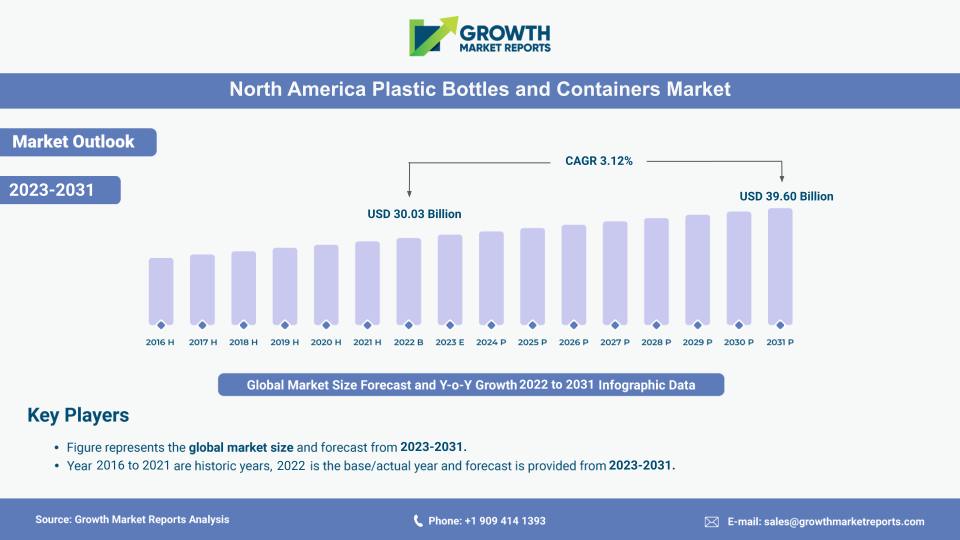
North America is another major market, accounting for approximately 26% of the global market share in 2024, with a market size of around USD 44.0 billion. The region’s growth is driven by high per capita consumption of packaged goods, stringent regulations related to packaging safety and sustainability, and the presence of leading packaging manufacturers. The United States is the largest market within the region, supported by the strong demand for packaged beverages, pharmaceuticals, and personal care products. The growing emphasis on sustainability and the adoption of advanced packaging technologies are shaping market dynamics in North America. Manufacturers are focusing on developing eco-friendly packaging solutions and optimizing supply chains to enhance efficiency and reduce costs.
Europe holds a significant share of the plastic bottles and containers market, with a market size of USD 34.1 billion in 2024, representing 20% of the global market. The region is characterized by stringent regulations governing packaging materials and waste management, as well as a strong focus on sustainability and circular economy principles. Countries such as Germany, France, and the United Kingdom are at the forefront of adopting innovative and sustainable packaging solutions. The Middle East & Africa and Latin America are emerging as important growth markets, driven by rising disposable incomes, urbanization, and the increasing penetration of modern retail channels. While these regions currently account for a smaller share of the global market, they offer significant growth potential as manufacturers expand their presence and invest in local production facilities.
The competitive landscape of the plastic bottles and containers market is highly fragmented, with the presence of numerous global and regional players vying for market share. The industry is characterized by intense competition, rapid technological advancements, and evolving consumer preferences. Leading companies are focusing on expanding their product portfolios, enhancing production capabilities, and investing in research and development to create innovative and sustainable packaging solutions. Strategic partnerships, mergers and acquisitions, and collaborations with raw material suppliers and end-users are common strategies employed by market participants to strengthen their market position and gain a competitive edge. The increasing emphasis on sustainability and regulatory compliance is prompting companies to invest in eco-friendly materials, advanced manufacturing processes, and closed-loop recycling systems.
Innovation is a key differentiator in the plastic bottles and containers market, with manufacturers leveraging advanced materials, design technologies, and smart packaging solutions to meet the evolving needs of consumers and brand owners. The integration of digital technologies, such as QR codes and RFID tags, is enabling brands to enhance traceability, product authentication, and consumer engagement. Leading players are also investing in the development of lightweight and recyclable packaging solutions to reduce material usage and environmental impact. The growing demand for customized and aesthetically appealing packaging is driving innovation in design and printing technologies, enabling brands to create unique and memorable packaging experiences for consumers.
Sustainability is at the forefront of competitive strategies, with companies increasingly adopting circular economy principles and investing in the development of biodegradable, compostable, and recycled plastics. The implementation of extended producer responsibility (EPR) programs and the establishment of robust recycling infrastructure are enabling manufacturers to close the loop and reduce their environmental footprint. Collaboration with stakeholders across the value chain, including raw material suppliers, converters, brand owners, and recyclers, is essential for driving sustainability initiatives and achieving long-term growth. The ability to adapt to changing regulatory requirements and consumer preferences is a critical success factor in the highly dynamic and competitive plastic bottles and containers market.
Major companies operating in the plastic bottles and containers market include Amcor plc, Berry Global Inc., Graham Packaging Company, Plastipak Holdings, Inc., Alpla Werke Alwin Lehner GmbH & Co KG, Silgan Holdings Inc., RPC Group Plc, and Consolidated Container Company. These companies are at the forefront of innovation and sustainability, investing heavily in research and development to create high-performance and eco-friendly packaging solutions. Amcor plc, for instance, is a global leader in responsible packaging, with a strong focus on developing recyclable and reusable packaging solutions. Berry Global Inc. is known for its extensive product portfolio and commitment to sustainability, while Graham Packaging Company specializes in custom blow-molded plastic containers for a wide range of applications. Alpla Werke is a leading provider of innovative and sustainable packaging solutions, with a strong presence in Europe and emerging markets.
Silgan Holdings Inc. is a major player in the rigid packaging sector, offering a diverse range of plastic containers for food, beverage, personal care, and household products. RPC Group Plc (now part of Berry Global) is renowned for its expertise in plastic packaging design and manufacturing, with a focus on sustainability and innovation. Consolidated Container Company is a leading North American manufacturer of rigid plastic packaging solutions, with a strong emphasis on customer-centric innovation and operational excellence. These companies are continuously expanding their product offerings, enhancing their manufacturing capabilities, and adopting sustainable practices to maintain their competitive advantage and meet the evolving needs of customers across the globe.
The Plastic Bottles and Containers market has been segmented on the basis of
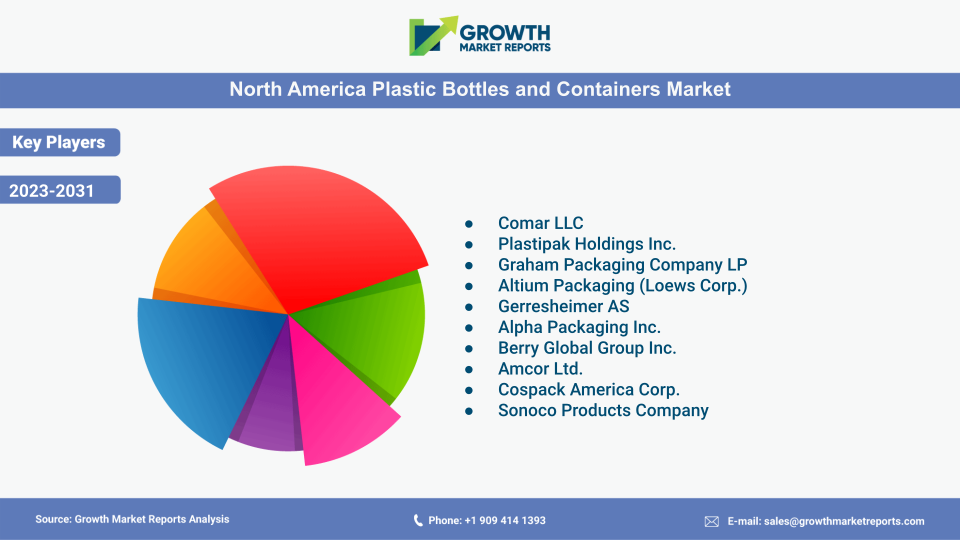
Key players competing in the North America plastic bottles and containers market include Comar LLC; Plastipak Holdings Inc.; Graham Packaging Company LP; Altium Packaging (Loews Corp.); Gerresheimer AS; Alpha Packaging Inc.; Berry Global Group Inc.; Amcor Ltd.; Cospack America Corp.; Sonoco Products Company; Sealed Air; Container Corp. Of Canada; and Indorma Ventures Public Company Ltd.
Some of these players are using several market strategies such as acquisitions, merger, collaborations, partnerships, capacity expansion, and product launches to enhance their market shares and rise their production line of the business in the coming years.
Plastic bottles and containers are distributed through both offline (supermarkets, specialty stores) and online channels. Offline channels currently dominate, but online sales are growing rapidly due to e-commerce and digitalization.
Major companies include Amcor plc, Berry Global Inc., Graham Packaging Company, Plastipak Holdings Inc., ALPLA Group, Silgan Holdings Inc., RPC Group Plc, and Consolidated Container Company, among others.
Technological advancements in material science and manufacturing, such as high-performance polymers, blow molding, and smart packaging (QR codes, RFID), are enhancing product durability, efficiency, and consumer engagement.
Key opportunities include the development of sustainable packaging solutions and expansion into emerging markets. Major challenges involve environmental concerns, regulatory pressures, and the high cost of sustainable materials and recycling infrastructure.
The main product types include bottles, jars, cans, and specialized containers like tubs, pouches, and trays. Bottles hold the largest market share due to their versatility and widespread use.
Asia Pacific leads the market, accounting for over 38% of the global share in 2024, followed by North America and Europe. Growth in Asia Pacific is driven by urbanization, expanding middle class, and robust food and beverage sectors.
Sustainability is a major trend, with manufacturers investing in recyclable, biodegradable, and compostable plastics. The use of recycled PET (rPET) and bio-based plastics is increasing to meet consumer and regulatory demands for eco-friendly packaging.
The most commonly used materials are PET (Polyethylene Terephthalate), HDPE (High-Density Polyethylene), LDPE (Low-Density Polyethylene), PP (Polypropylene), and PVC (Polyvinyl Chloride). PET is the most widely used due to its clarity, lightweight nature, and recyclability.
The food and beverage, pharmaceutical, and personal care industries are the primary drivers of demand for plastic bottles and containers, due to increased consumption of packaged products and innovations in packaging technology.
As of 2024, the global plastic bottles and containers market size reached USD 169.4 billion, with projections to grow to USD 258.2 billion by 2033.