Segments - by Service Type (Contract Manufacturing, Contract Research, Others), by Product Type (Active Pharmaceutical Ingredients, Finished Dosage Forms, Biologics, Others), by End-User (Pharmaceutical Companies, Biotechnology Companies, Others), by Therapeutic Area (Oncology, Cardiovascular, Infectious Diseases, Neurology, Others)
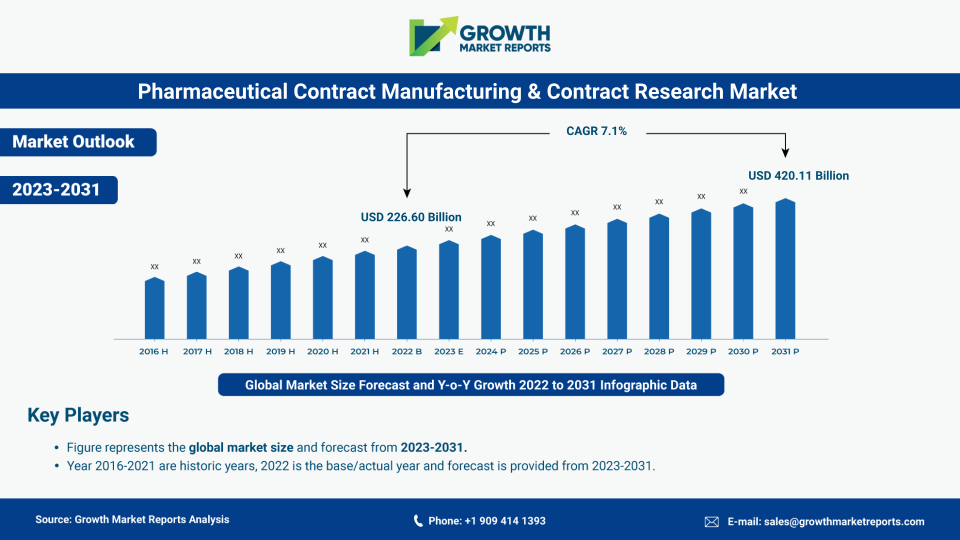
According to our latest research, the global Pharmaceutical Contract Manufacturing & Contract Research market size in 2024 stands at USD 198.3 billion, with a robust CAGR of 7.8% anticipated through the forecast period. By 2033, the market is projected to reach approximately USD 392.6 billion, reflecting strong growth momentum driven by increasing outsourcing trends, rising R&D expenditures, and expanding demand for cost-efficient drug development solutions. The ongoing evolution of pharmaceutical innovation, coupled with the need for specialized expertise and scalability, remains a key growth factor for the market as per our latest research.
The growth of the Pharmaceutical Contract Manufacturing & Contract Research market is primarily fueled by the escalating complexity of drug development and the rising costs associated with in-house manufacturing and research. Pharmaceutical and biotechnology companies are increasingly outsourcing their manufacturing and research activities to contract organizations to leverage specialized capabilities, reduce time-to-market, and focus on core competencies such as drug discovery and marketing. This trend is further amplified by the growing pipeline of biologics and specialty drugs, which require advanced manufacturing technologies and stringent regulatory compliance, making contract service providers indispensable partners in the global pharmaceutical value chain.
Another significant growth driver is the surge in demand for personalized medicine and advanced therapies, including cell and gene therapies, which necessitate highly specialized manufacturing and research expertise. Contract manufacturing and research organizations (CMOs and CROs) are investing heavily in state-of-the-art facilities and technologies to cater to these evolving needs, providing scalable and flexible solutions for their clients. Additionally, the increasing prevalence of chronic and infectious diseases worldwide has led to a higher volume of clinical trials and drug development projects, further boosting the demand for contract services across various therapeutic areas. The ability of CMOs and CROs to navigate complex regulatory landscapes and offer end-to-end solutions is proving critical in accelerating drug development timelines and ensuring product quality and compliance.
The global shift towards cost optimization and risk mitigation is also playing a pivotal role in the expansion of the Pharmaceutical Contract Manufacturing & Contract Research market. With mounting pressure to reduce healthcare costs and improve operational efficiencies, pharmaceutical companies are increasingly turning to outsourcing as a strategic approach to streamline their supply chains and enhance productivity. The flexibility offered by contract service providers enables companies to adjust production capacities in response to market demand fluctuations, minimize capital investments, and access global markets more effectively. Furthermore, the integration of digital technologies and data analytics into contract manufacturing and research processes is enhancing transparency, traceability, and collaboration, driving further growth opportunities in the market.
Pharmaceutical Contract Manufacturing plays a pivotal role in the pharmaceutical industry by offering specialized production capabilities that are crucial for the development of complex drug formulations. As pharmaceutical companies face increasing pressure to innovate and bring new therapies to market, the ability to outsource manufacturing processes to contract manufacturers allows them to focus on core activities such as research and development. This partnership not only enhances operational efficiency but also provides access to cutting-edge technologies and expertise that might otherwise be unavailable in-house. The strategic collaboration with contract manufacturers is vital for scaling up production, ensuring compliance with regulatory standards, and ultimately accelerating the delivery of life-saving medications to patients worldwide.
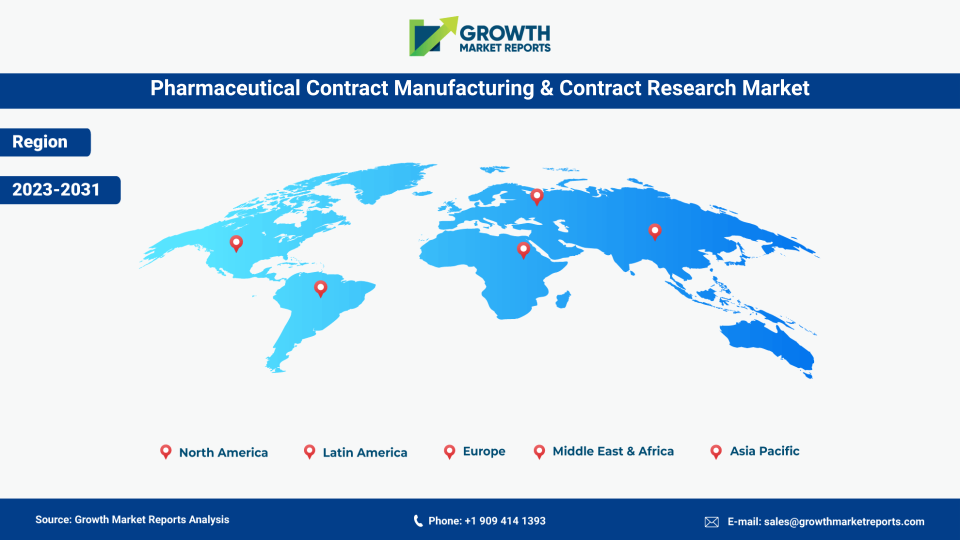
From a regional perspective, Asia Pacific continues to emerge as a dominant force in the Pharmaceutical Contract Manufacturing & Contract Research market, driven by favorable regulatory environments, cost advantages, and a rapidly expanding pharmaceutical sector. North America and Europe remain significant contributors, owing to their established pharmaceutical industries, high R&D investments, and stringent quality standards. Meanwhile, Latin America and the Middle East & Africa are witnessing growing interest from multinational pharmaceutical companies seeking to capitalize on untapped markets and expanding healthcare infrastructure. The interplay of these regional dynamics is shaping the global competitive landscape and influencing strategic decision-making across the industry.
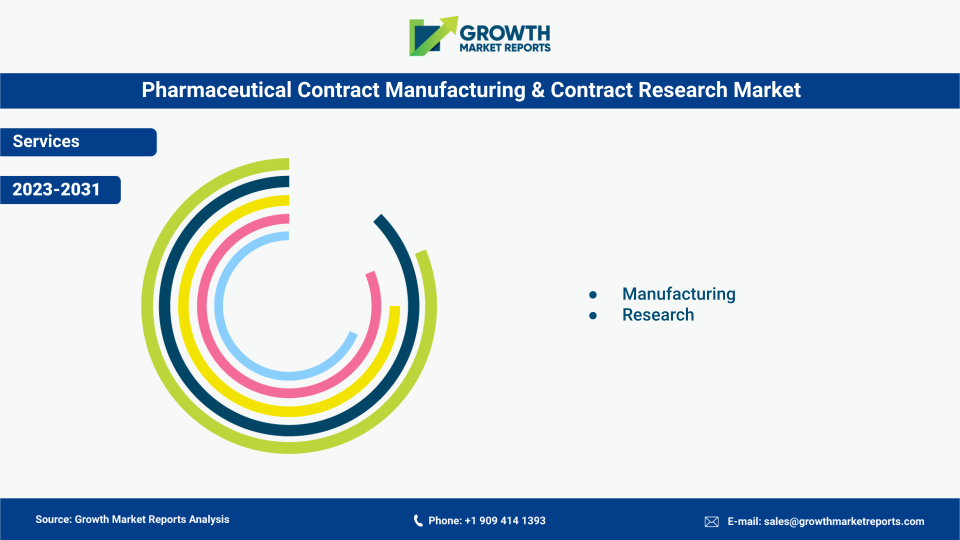
The Service Type segment in the Pharmaceutical Contract Manufacturing & Contract Research market encompasses contract manufacturing, contract research, and other specialized services. Contract manufacturing services have traditionally dominated the market, accounting for a significant share owing to the increasing need for large-scale production of both generic and branded pharmaceuticals. These services include the manufacturing of active pharmaceutical ingredients (APIs), intermediates, and finished dosage forms, which require adherence to stringent regulatory standards and advanced quality control systems. The growing complexity of drug molecules and the need for specialized manufacturing capabilities are driving pharmaceutical companies to rely on contract manufacturers for cost-effective and scalable production solutions.
On the other hand, contract research services are witnessing rapid growth, propelled by the rising number of clinical trials and the demand for specialized expertise in preclinical and clinical development. Contract research organizations (CROs) offer a wide range of services, including study design, regulatory consulting, patient recruitment, data management, and statistical analysis. The increasing prevalence of chronic diseases and the need for innovative therapies are fueling the demand for efficient and reliable research partners. CROs are also expanding their service portfolios to include pharmacovigilance, real-world evidence generation, and post-marketing surveillance, further enhancing their value proposition to pharmaceutical and biotechnology companies.
The "Others" category within the service type segment includes ancillary services such as packaging, labeling, logistics, and regulatory support. These services, while often overlooked, play a critical role in ensuring the timely and compliant delivery of pharmaceutical products to global markets. With the growing emphasis on supply chain efficiency and regulatory compliance, demand for integrated service offerings that encompass manufacturing, research, and ancillary services is on the rise. This trend is prompting contract service providers to adopt a holistic approach, offering end-to-end solutions that address the diverse needs of their clients and enhance overall operational efficiency.
The integration of Pharmaceutical Contract Manufacturing and Contract Research services is transforming the landscape of drug development by providing a seamless continuum from initial research to final product manufacturing. This comprehensive approach enables pharmaceutical companies to streamline their operations, reduce costs, and improve time-to-market for new therapies. By leveraging the combined expertise of contract manufacturers and research organizations, companies can navigate the complexities of drug development more effectively, from preclinical studies to clinical trials and beyond. This synergy not only enhances the quality and efficacy of pharmaceutical products but also fosters innovation and collaboration across the industry, ultimately benefiting patients by bringing new treatments to market more efficiently.
The competitive landscape within the service type segment is characterized by intense rivalry among established players and the entry of new providers seeking to capitalize on emerging opportunities. Leading CMOs and CROs are investing in advanced technologies, automation, and digitalization to differentiate their offerings and improve service delivery. Strategic partnerships, mergers, and acquisitions are also prevalent, enabling companies to expand their capabilities, geographic reach, and client base. As the demand for contract services continues to grow, providers that can offer high-quality, flexible, and innovative solutions will be well-positioned to capture a larger share of the market.
| Attributes | Details |
| Report Title | Pharmaceutical Contract Manufacturing & Contract Research Market Research Report 2033 |
| By Service Type | Contract Manufacturing, Contract Research, Others |
| By Product Type | Active Pharmaceutical Ingredients, Finished Dosage Forms, Biologics, Others |
| By End-User | Pharmaceutical Companies, Biotechnology Companies, Others |
| By Therapeutic Area | Oncology, Cardiovascular, Infectious Diseases, Neurology, Others |
| Regions Covered | North America, Europe, APAC, Latin America, MEA |
| Base Year | 2024 |
| Historic Data | 2018-2023 |
| Forecast Period | 2025-2033 |
| Number of Pages | 259 |
| Number of Tables & Figures | 315 |
| Customization Available | Yes, the report can be customized as per your need. |
The Product Type segment of the Pharmaceutical Contract Manufacturing & Contract Research market is broadly categorized into active pharmaceutical ingredients (APIs), finished dosage forms, biologics, and others. APIs represent a foundational element of pharmaceutical manufacturing, as they are the primary components responsible for the therapeutic effects of drugs. The increasing complexity of API synthesis, coupled with stringent regulatory requirements, has led to a surge in outsourcing activities. Contract manufacturers specializing in APIs are investing in advanced synthesis technologies, process optimization, and quality assurance systems to meet the diverse needs of their clients and ensure compliance with global standards.
Finished dosage forms, including tablets, capsules, injectables, and topical formulations, constitute another major segment within the product type category. The demand for contract manufacturing of finished dosage forms is driven by the need for large-scale production, cost efficiency, and rapid time-to-market. Pharmaceutical companies are increasingly outsourcing the production of finished dosage forms to leverage the expertise, capacity, and regulatory know-how of contract manufacturers. The growing trend towards complex formulations, such as sustained-release and combination products, is further fueling demand for specialized manufacturing capabilities.
Biologics, encompassing therapeutic proteins, monoclonal antibodies, vaccines, and advanced therapies, represent one of the fastest-growing segments within the product type category. The development and manufacturing of biologics require highly specialized facilities, sophisticated technologies, and stringent quality control measures. Contract service providers are responding to this demand by expanding their biologics capabilities, investing in state-of-the-art biomanufacturing facilities, and adopting innovative production platforms. The increasing prevalence of chronic and rare diseases, coupled with the growing pipeline of biologic drugs, is expected to drive significant growth in this segment over the forecast period.
The "Others" category includes a range of pharmaceutical products such as diagnostics, excipients, and over-the-counter (OTC) medications. While these products may represent a smaller share of the overall market, they are integral to the comprehensive service offerings of contract manufacturers and researchers. The ability to provide a diverse portfolio of products enhances the competitiveness of service providers and enables them to cater to a broader spectrum of client needs. As the pharmaceutical industry continues to evolve, the demand for innovative and high-quality products across all categories is expected to remain strong.
The End-User segment in the Pharmaceutical Contract Manufacturing & Contract Research market includes pharmaceutical companies, biotechnology companies, and others such as academic research institutes and government organizations. Pharmaceutical companies represent the largest end-user group, accounting for a substantial share of the market. These companies are increasingly outsourcing manufacturing and research activities to contract service providers to optimize costs, enhance operational efficiency, and focus on core competencies such as drug discovery and commercialization. The growing complexity of drug development and the need for specialized expertise are prompting pharmaceutical companies to form strategic partnerships with CMOs and CROs.
Biotechnology companies, while representing a smaller share of the market compared to pharmaceutical companies, are experiencing rapid growth in their outsourcing activities. The dynamic and innovative nature of the biotechnology sector, characterized by the development of novel therapies and advanced biologics, necessitates access to cutting-edge manufacturing and research capabilities. Biotechnology companies often lack the infrastructure and resources required for large-scale production and clinical development, making contract service providers valuable partners in their commercialization journey. The increasing focus on personalized medicine, cell and gene therapies, and orphan drugs is further driving demand for specialized contract services within this end-user segment.
The "Others" category includes academic research institutes, government agencies, and nonprofit organizations involved in pharmaceutical research and development. While these entities may not represent the primary drivers of market growth, they play a critical role in advancing scientific knowledge, conducting early-stage research, and facilitating public-private collaborations. Contract service providers are increasingly partnering with these organizations to support research projects, clinical trials, and technology transfer initiatives. The collaborative efforts between academia, government, and industry are fostering innovation and accelerating the development of new therapies for unmet medical needs.
The evolving needs of end-users are shaping the strategic direction of contract service providers, prompting them to invest in specialized capabilities, regulatory compliance, and customer-centric service models. The ability to offer tailored solutions, flexible engagement models, and seamless integration with client operations is becoming a key differentiator in the competitive landscape. As the demand for outsourcing continues to grow across all end-user segments, providers that can deliver high-quality, reliable, and innovative services will be well-positioned to capture new business opportunities and drive long-term growth.
The Therapeutic Area segment in the Pharmaceutical Contract Manufacturing & Contract Research market is segmented into oncology, cardiovascular, infectious diseases, neurology, and others. Oncology represents the largest and fastest-growing therapeutic area, driven by the increasing prevalence of cancer worldwide and the growing pipeline of innovative oncology drugs. The complexity of oncology drug development, coupled with the need for specialized manufacturing and clinical research capabilities, is fueling demand for contract services in this segment. Contract service providers are investing in advanced technologies, biomarker-driven research, and personalized medicine approaches to support the development and commercialization of oncology therapies.
Cardiovascular diseases remain a significant focus area for pharmaceutical research and development, given their high global burden and unmet medical needs. The demand for contract manufacturing and research services in the cardiovascular segment is driven by the development of novel therapies, combination products, and advanced drug delivery systems. Contract service providers are leveraging their expertise in formulation development, clinical trial management, and regulatory compliance to support the successful development and launch of cardiovascular drugs. The integration of digital health technologies and real-world evidence generation is further enhancing the value proposition of contract services in this therapeutic area.
Infectious diseases, including emerging and re-emerging pathogens, continue to present significant challenges and opportunities for the pharmaceutical industry. The recent global health crises have underscored the importance of rapid and scalable manufacturing and research capabilities in addressing infectious disease threats. Contract service providers are playing a crucial role in supporting the development, manufacturing, and distribution of vaccines, antivirals, and diagnostic tests. The ability to quickly mobilize resources, navigate regulatory pathways, and ensure product quality and safety is critical in responding to public health emergencies and advancing infectious disease research.
Neurology, encompassing disorders such as Alzheimer's disease, Parkinson's disease, and multiple sclerosis, represents another important therapeutic area within the contract manufacturing and research market. The growing prevalence of neurological disorders, coupled with the complexity of drug development in this field, is driving demand for specialized contract services. Service providers are investing in advanced research methodologies, biomarker discovery, and patient-centric clinical trial designs to support the development of effective neurological therapies. The "Others" category includes a wide range of therapeutic areas such as metabolic disorders, respiratory diseases, and rare diseases, reflecting the diverse and evolving needs of the pharmaceutical industry.
The Pharmaceutical Contract Manufacturing & Contract Research market presents significant opportunities for growth and innovation, driven by the increasing trend of outsourcing among pharmaceutical and biotechnology companies. As drug development becomes more complex and expensive, companies are seeking strategic partnerships with contract service providers to access specialized expertise, advanced technologies, and scalable manufacturing capabilities. The growing focus on personalized medicine, biologics, and advanced therapies is creating new avenues for contract service providers to differentiate themselves and capture emerging market segments. Additionally, the expansion of the pharmaceutical industry in emerging markets, coupled with favorable regulatory environments and cost advantages, is providing contract service providers with access to new clients and growth opportunities.
The integration of digital technologies, automation, and data analytics into contract manufacturing and research processes is another major opportunity for market participants. These technologies are enhancing operational efficiency, improving quality control, and enabling real-time monitoring and collaboration across the pharmaceutical value chain. Contract service providers that can leverage digital transformation to deliver innovative, flexible, and customer-centric solutions will be well-positioned to capitalize on the evolving needs of their clients. Furthermore, the increasing emphasis on sustainability, environmental responsibility, and regulatory compliance is driving demand for contract services that adhere to the highest standards of quality and ethical practices.
Despite the numerous opportunities, the market faces several restraining factors that could hinder its growth. One of the primary challenges is the intensifying competition among contract service providers, which is leading to pricing pressures and margin erosion. The need to continuously invest in advanced technologies, regulatory compliance, and talent acquisition is increasing operational costs and complexity. Additionally, the risk of supply chain disruptions, intellectual property concerns, and regulatory uncertainties can pose significant challenges for both service providers and their clients. Companies that fail to adapt to changing market dynamics and client expectations may struggle to maintain their competitive edge and sustain long-term growth.
In terms of regional distribution, North America remains the largest market for Pharmaceutical Contract Manufacturing & Contract Research, with a market size of approximately USD 71.4 billion in 2024. The region's dominance can be attributed to its well-established pharmaceutical industry, high R&D investments, and stringent regulatory standards. The presence of leading pharmaceutical companies, advanced research infrastructure, and a robust network of contract service providers further enhances North America's position as a key hub for contract manufacturing and research activities. The region is also witnessing increasing adoption of digital technologies and innovative business models, driving operational efficiency and value creation across the industry.
Asia Pacific is emerging as the fastest-growing region in the Pharmaceutical Contract Manufacturing & Contract Research market, with a projected CAGR of 9.2% during the forecast period. The region's market size reached USD 54.7 billion in 2024, driven by cost advantages, favorable regulatory environments, and a rapidly expanding pharmaceutical sector. Countries such as China, India, and South Korea are attracting significant investments from multinational pharmaceutical companies seeking to leverage local expertise, manufacturing capabilities, and access to large patient populations. The growing focus on biosimilars, generics, and advanced therapies is further fueling demand for contract manufacturing and research services in the Asia Pacific region.
Europe also holds a significant share of the global market, with a market size of USD 46.2 billion in 2024. The region's strong regulatory framework, high standards of quality and safety, and emphasis on innovation are key factors supporting the growth of contract manufacturing and research activities. European countries are home to numerous leading CMOs and CROs, offering a wide range of services across the pharmaceutical value chain. The increasing focus on personalized medicine, advanced therapies, and cross-border collaborations is creating new opportunities for contract service providers in Europe. Meanwhile, Latin America and Middle East & Africa are witnessing steady growth, driven by expanding healthcare infrastructure, rising pharmaceutical investments, and growing demand for cost-effective drug development solutions. The combined market size for these regions is estimated at USD 26.0 billion in 2024, with significant potential for future expansion as regulatory environments improve and market access barriers are reduced.
The Pharmaceutical Contract Manufacturing & Contract Research market is characterized by a highly competitive and fragmented landscape, with a mix of global, regional, and niche players vying for market share. The leading contract manufacturing organizations (CMOs) and contract research organizations (CROs) are leveraging their scale, expertise, and technological capabilities to differentiate themselves and capture new business opportunities. Strategic partnerships, mergers, and acquisitions are common strategies employed by market participants to expand their service portfolios, enhance geographic reach, and strengthen client relationships. The ability to offer integrated, end-to-end solutions that encompass manufacturing, research, and ancillary services is becoming a key differentiator in the competitive landscape.
Innovation and investment in advanced technologies are critical success factors for companies operating in this market. Leading players are investing in state-of-the-art manufacturing facilities, automation, digitalization, and data analytics to improve operational efficiency, quality control, and regulatory compliance. The integration of artificial intelligence, machine learning, and real-world evidence generation into contract research processes is enhancing the value proposition of CROs and enabling them to deliver faster, more reliable, and cost-effective solutions. Companies that can adapt to evolving client needs, regulatory requirements, and technological advancements will be well-positioned to maintain their competitive edge and drive long-term growth.
The competitive dynamics of the market are further influenced by the increasing focus on sustainability, environmental responsibility, and ethical practices. Clients are placing greater emphasis on partnering with contract service providers that adhere to the highest standards of quality, safety, and corporate social responsibility. The ability to demonstrate a strong track record of regulatory compliance, product quality, and customer satisfaction is becoming a key criterion for vendor selection. As the market continues to evolve, companies that can build trust, foster long-term partnerships, and deliver consistent value to their clients will be best positioned for success.
Some of the major companies operating in the Pharmaceutical Contract Manufacturing & Contract Research market include Lonza Group AG, Catalent Inc., Thermo Fisher Scientific Inc., Boehringer Ingelheim BioXcellence, Charles River Laboratories International Inc., WuXi AppTec, and Samsung Biologics. Lonza Group AG is renowned for its comprehensive contract development and manufacturing services, particularly in the biologics segment. Catalent Inc. is a leading provider of advanced delivery technologies and development solutions for drugs, biologics, and consumer health products. Thermo Fisher Scientific Inc. offers a broad portfolio of contract research and manufacturing services, leveraging its global network and technological expertise.
Boehringer Ingelheim BioXcellence specializes in biopharmaceutical contract manufacturing, offering end-to-end solutions from cell line development to commercial production. Charles River Laboratories International Inc. is a prominent CRO offering a wide range of preclinical and clinical research services, including safety assessment, efficacy studies, and regulatory consulting. WuXi AppTec is a leading global provider of R&D and manufacturing services for pharmaceuticals, biologics, and medical devices, with a strong presence in both China and international markets. Samsung Biologics is recognized for its large-scale biologics manufacturing capabilities and commitment to quality and innovation.
These companies, along with numerous other regional and specialized players, are shaping the competitive landscape of the Pharmaceutical Contract Manufacturing & Contract Research market. Their ability to innovate, invest in advanced technologies, and deliver high-quality, flexible, and customer-centric solutions will be critical in driving future growth and maintaining leadership positions in this dynamic and rapidly evolving industry.
The Pharmaceutical Contract Manufacturing & Contract Research market has been segmented on the basis of
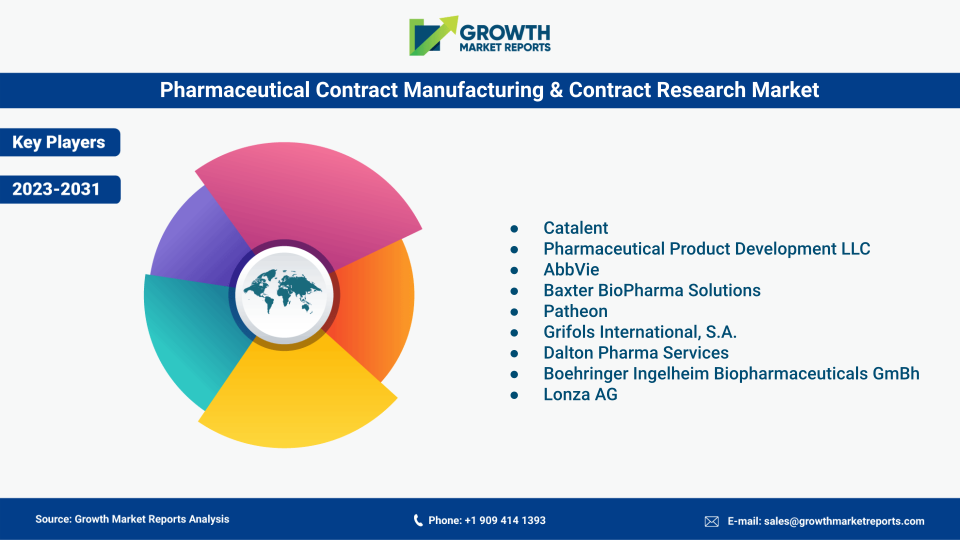
Key players competing in the global pharmaceutical contract manufacturing & contract research market are Dalton Pharma Services; AbbVie; Catalent; Grifols International, S.A.; Pharmaceutical Product Development LLC; Baxter BioPharma Solutions; Patheon; Boehringer Ingelheim Biopharmaceuticals GmBh; and Lonza AG.
Digital technologies and data analytics are enhancing operational efficiency, transparency, traceability, and collaboration, driving further growth and innovation in the industry.
Key players include Thermo Fisher Scientific Inc., Lonza Group AG, Catalent Inc., Boehringer Ingelheim BioXcellence, Samsung Biologics, WuXi AppTec, Recipharm AB, Charles River Laboratories, and others.
Opportunities include the rise of personalized medicine, biologics, digital transformation, and expansion into emerging markets. Challenges involve intense competition, pricing pressures, regulatory uncertainties, and supply chain risks.
Major therapeutic areas include oncology, cardiovascular, infectious diseases, neurology, and others such as metabolic and respiratory diseases.
End-users include pharmaceutical companies, biotechnology companies, academic research institutes, government agencies, and nonprofit organizations.
Product types include active pharmaceutical ingredients (APIs), finished dosage forms, biologics, and others such as diagnostics, excipients, and OTC medications.
The primary service types include contract manufacturing, contract research, and ancillary services such as packaging, labeling, logistics, and regulatory support.
North America remains the largest market, while Asia Pacific is the fastest-growing region due to cost advantages, favorable regulations, and a rapidly expanding pharmaceutical sector. Europe also holds a significant share.
Key growth drivers include increasing outsourcing trends, rising R&D expenditures, demand for cost-efficient drug development, the complexity of drug development, and the need for specialized expertise and scalability.
As of 2024, the global Pharmaceutical Contract Manufacturing & Contract Research market is valued at USD 198.3 billion, with projections to reach approximately USD 392.6 billion by 2033.