Segments - by Product Type (One-way Video, Two-way Video, Treat Dispenser Cameras, Pan & Tilt Cameras, Others), by Connectivity (Wi-Fi, Bluetooth, Cellular, Others), by Application (Home, Veterinary Clinics, Pet Daycare Centers, Others), by Distribution Channel (Online Stores, Specialty Stores, Supermarkets/Hypermarkets, Others)
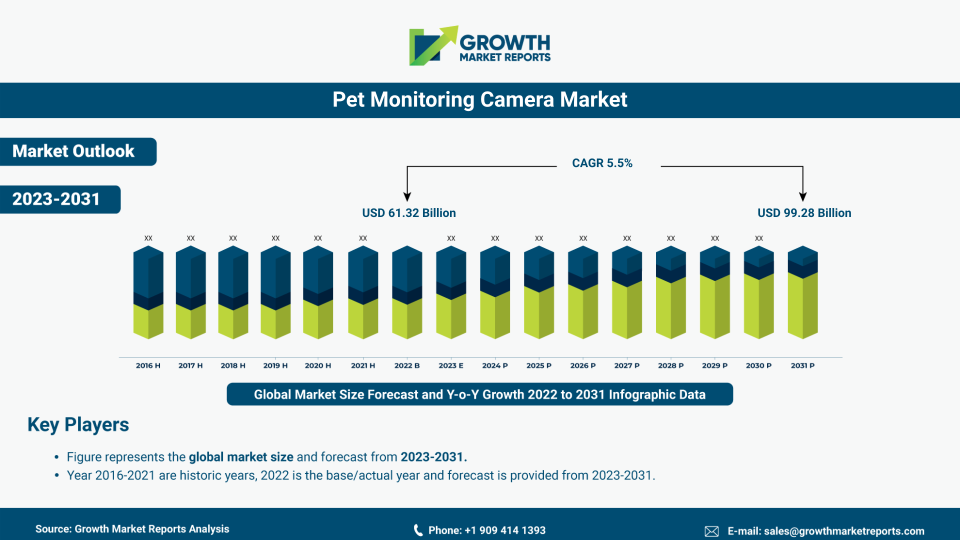
According to our latest research, the global pet monitoring camera market size reached USD 1.58 billion in 2024, with a robust CAGR of 12.2% expected from 2025 to 2033. This sustained growth trajectory is set to propel the market to a value of USD 4.44 billion by 2033. The primary drivers behind this expansion include the rising adoption of pets worldwide, the growing inclination of pet owners to ensure the well-being and safety of their animals, and advancements in smart home technologies that have made these devices more accessible and functional.
One of the key growth factors for the pet monitoring camera market is the increasing humanization of pets, which has led to a surge in spending on pet care products and services. Pet owners are increasingly treating their animals as family members, resulting in a higher demand for products that ensure their safety, comfort, and engagement. This trend is particularly evident in urban areas, where busy lifestyles and long working hours make it difficult for pet owners to monitor their pets in person. The integration of advanced features such as two-way audio, treat dispensers, and real-time video streaming in pet monitoring cameras has further enhanced their appeal, offering peace of mind and convenience to pet owners.
Technological advancements have played a crucial role in shaping the trajectory of the pet monitoring camera market. Innovations such as AI-powered motion detection, night vision, cloud storage, and mobile app integration have significantly improved the functionality and user experience of these devices. The proliferation of high-speed internet and the widespread adoption of smart home ecosystems have made it easier for consumers to install and operate pet monitoring cameras. Furthermore, the entry of new players and the introduction of competitively priced products have expanded the market’s reach, making pet monitoring cameras accessible to a broader demographic of pet owners.
Another significant factor driving market growth is the rising awareness about pet health and safety, supported by the increasing number of nuclear families and single-person households. Pet owners are now more conscious of their pets’ mental and physical well-being, seeking solutions that allow them to monitor their pets remotely and respond to emergencies promptly. The COVID-19 pandemic further accelerated this trend, as remote work and lockdowns highlighted the importance of maintaining a connection with pets even when away from home. These factors, combined with the growing availability of pet monitoring cameras through online and offline channels, are expected to sustain the market’s growth in the coming years.
From a regional perspective, North America continues to dominate the pet monitoring camera market, followed closely by Europe and Asia Pacific. The high pet ownership rates, advanced technological infrastructure, and strong consumer purchasing power in these regions have contributed to their leading positions. However, emerging markets in Asia Pacific and Latin America are witnessing rapid growth, driven by rising disposable incomes, urbanization, and an increasing awareness of pet welfare. As manufacturers focus on product innovation and expanding their distribution networks, the global pet monitoring camera market is poised for significant growth during the forecast period.
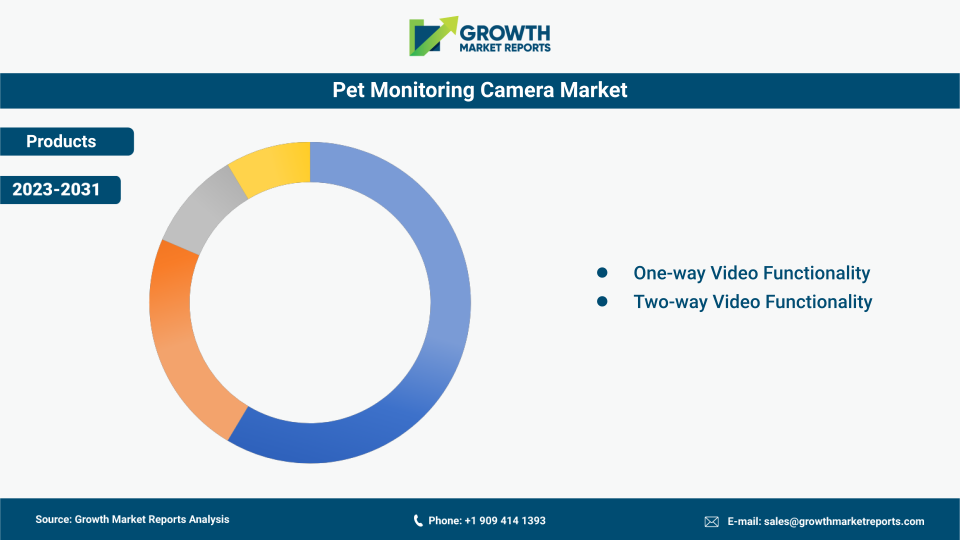
The pet monitoring camera market is segmented by product type into one-way video, two-way video, treat dispenser cameras, pan & tilt cameras, and others. One-way video cameras, which allow pet owners to observe their pets remotely without interaction, have traditionally dominated the market due to their simplicity and affordability. These cameras provide basic monitoring features such as live streaming and motion detection, making them a popular choice for first-time buyers and budget-conscious consumers. However, their limited functionality has driven demand for more advanced solutions as pet owners seek greater engagement and interaction with their pets.
Two-way video cameras have gained significant traction in recent years, offering both visual monitoring and two-way audio communication. This enables pet owners to see, hear, and speak to their pets in real time, helping to alleviate separation anxiety for both parties. The integration of features such as noise alerts, customizable notifications, and mobile app controls has made two-way video cameras a preferred choice for tech-savvy consumers who prioritize connectivity and convenience. As a result, this segment is expected to witness the highest growth rate during the forecast period, supported by ongoing technological advancements and increasing consumer awareness.
Treat dispenser cameras represent a rapidly growing sub-segment, combining monitoring capabilities with interactive features that allow pet owners to reward their pets remotely. These devices often include two-way audio, HD video, and app-based controls, providing a comprehensive solution for pet engagement and training. The popularity of treat dispenser cameras is driven by their ability to address behavioral issues and reinforce positive habits, making them especially appealing to pet owners with busy schedules or pets prone to anxiety. Manufacturers are continually innovating in this space, introducing new designs and functionalities to enhance user experience and drive adoption.
Pan & tilt cameras offer enhanced coverage and flexibility, allowing users to remotely adjust the camera’s angle and field of view. This is particularly useful for monitoring larger spaces or multiple pets, ensuring comprehensive surveillance and reducing blind spots. The demand for pan & tilt cameras is fueled by their versatility and advanced features such as motion tracking, night vision, and cloud storage. As consumers increasingly seek all-in-one solutions for pet monitoring, the pan & tilt segment is expected to see steady growth, supported by ongoing product development and competitive pricing strategies.
The "others" category includes emerging product types such as wearable pet cameras and cameras with integrated health monitoring sensors. While these products currently represent a smaller share of the market, they hold significant potential for future growth as technology evolves and consumer preferences shift towards more comprehensive pet care solutions. The continued expansion of the pet monitoring camera market by product type reflects the diverse needs and preferences of pet owners, driving innovation and competition among manufacturers.
| Attributes | Details |
| Report Title | Pet Monitoring Camera Market Research Report 2033 |
| By Product Type | One-way Video, Two-way Video, Treat Dispenser Cameras, Pan & Tilt Cameras, Others |
| By Connectivity | Wi-Fi, Bluetooth, Cellular, Others |
| By Application | Home, Veterinary Clinics, Pet Daycare Centers, Others |
| By Distribution Channel | Online Stores, Specialty Stores, Supermarkets/Hypermarkets, Others |
| Regions Covered | North America, Europe, APAC, Latin America, MEA |
| Base Year | 2024 |
| Historic Data | 2018-2023 |
| Forecast Period | 2025-2033 |
| Number of Pages | 279 |
| Number of Tables & Figures | 268 |
| Customization Available | Yes, the report can be customized as per your need. |
Connectivity is a critical factor in the pet monitoring camera market, with options including Wi-Fi, Bluetooth, cellular, and others. Wi-Fi-enabled cameras dominate the market, offering seamless integration with home networks and mobile devices. These cameras provide real-time video streaming, cloud storage, and remote access via dedicated apps, making them highly convenient for pet owners who want to monitor their pets from anywhere. The widespread availability of high-speed internet and the growing adoption of smart home devices have further fueled the demand for Wi-Fi-connected pet monitoring cameras.
Bluetooth-enabled cameras are gaining popularity among consumers seeking simple, short-range connectivity solutions. While these cameras typically offer limited features compared to Wi-Fi models, they are valued for their ease of setup and compatibility with smartphones and tablets. Bluetooth connectivity is particularly suitable for smaller living spaces or situations where internet access is limited. However, the lack of remote access and advanced functionalities may restrict the growth of this segment compared to Wi-Fi-enabled cameras.
Cellular-connected pet monitoring cameras are an emerging segment, offering greater flexibility and mobility for pet owners who need to monitor their pets in locations without reliable Wi-Fi access. These cameras use mobile networks to transmit video and audio data, enabling real-time monitoring from virtually anywhere. The adoption of cellular technology in pet monitoring cameras is expected to increase as mobile network coverage expands and data costs decrease. This segment is particularly relevant for use cases such as pet daycare centers, veterinary clinics, and outdoor environments where traditional connectivity options may be unavailable.
Other connectivity options include Zigbee, Z-Wave, and proprietary wireless protocols, which are often used in specialized or integrated smart home systems. These technologies offer unique advantages such as low power consumption, extended range, and enhanced security, making them suitable for certain applications and environments. As the smart home ecosystem continues to evolve, the integration of pet monitoring cameras with other connected devices is expected to drive innovation and create new growth opportunities in the market.
Overall, the connectivity segment of the pet monitoring camera market is characterized by rapid technological advancements and evolving consumer preferences. Manufacturers are focusing on enhancing the compatibility, reliability, and security of their products to meet the diverse needs of pet owners. The growing emphasis on seamless connectivity and integration with smart home platforms is expected to shape the future of the market, driving the adoption of advanced pet monitoring solutions worldwide.
The application segment of the pet monitoring camera market encompasses home, veterinary clinics, pet daycare centers, and others. The home segment accounts for the largest share of the market, driven by the increasing number of pet-owning households and the rising demand for convenient, user-friendly monitoring solutions. Pet owners are increasingly investing in pet monitoring cameras to ensure the safety, health, and well-being of their animals while they are away from home. The integration of advanced features such as two-way audio, treat dispensers, and mobile app controls has further enhanced the appeal of these devices for home use.
Veterinary clinics represent a growing application area for pet monitoring cameras, as veterinarians seek to improve the quality of care and enhance the safety of animals under their supervision. Cameras are used to monitor pets during recovery, observe behavioral changes, and ensure compliance with treatment protocols. The ability to remotely share video footage with pet owners and specialists also facilitates better communication and collaboration in the diagnosis and management of health issues. The adoption of pet monitoring cameras in veterinary clinics is expected to increase as awareness of their benefits grows and technology becomes more affordable.
Pet daycare centers are another important application segment, driven by the increasing demand for professional pet care services and the growing number of working pet owners. Monitoring cameras are used to ensure the safety and security of pets, facilitate staff supervision, and provide real-time updates to pet owners. The integration of advanced features such as motion detection, night vision, and cloud storage has made these devices indispensable for pet daycare operators seeking to differentiate their services and build trust with clients. The pet daycare segment is expected to witness significant growth during the forecast period, supported by rising urbanization and changing lifestyles.
Other applications of pet monitoring cameras include animal shelters, boarding facilities, and research institutions. These environments require robust, reliable monitoring solutions to ensure the welfare of animals and support various operational and research objectives. The adoption of pet monitoring cameras in these settings is driven by the need for enhanced security, improved animal care, and efficient management of resources. As awareness of the benefits of pet monitoring technology continues to grow, the range of applications is expected to expand, creating new opportunities for market growth and innovation.
The application segment of the pet monitoring camera market is characterized by diverse use cases and evolving consumer needs. Manufacturers are responding by developing specialized products and features tailored to the unique requirements of each application area. The continued expansion of the market into new and emerging applications is expected to drive growth and foster innovation in the years ahead.
The distribution channel segment of the pet monitoring camera market includes online stores, specialty stores, supermarkets/hypermarkets, and others. Online stores have emerged as the dominant distribution channel, driven by the growing popularity of e-commerce and the increasing preference for convenient, hassle-free shopping experiences. Consumers are drawn to the wide selection, competitive pricing, and detailed product information available online, making it easier to compare and purchase pet monitoring cameras. The COVID-19 pandemic further accelerated the shift towards online shopping, with many consumers opting for contactless delivery and virtual product demonstrations.
Specialty stores, which focus on pet care products and accessories, remain an important distribution channel for pet monitoring cameras. These stores offer personalized service, expert advice, and the opportunity to see and test products before purchase. Specialty stores are particularly popular among pet owners seeking high-quality, premium products and those who value the in-store experience. The growing trend towards pet humanization and the increasing demand for specialized pet care solutions have contributed to the sustained relevance of this channel.
Supermarkets and hypermarkets represent another key distribution channel, offering convenience and accessibility to a broad consumer base. These retail outlets typically stock a range of pet monitoring cameras alongside other pet care products, making it easy for consumers to purchase everything they need in one place. The presence of established brands and the availability of promotions and discounts further enhance the appeal of supermarkets and hypermarkets as a distribution channel. However, the limited product selection and lack of specialized expertise may restrict the growth of this channel compared to online and specialty stores.
Other distribution channels include direct sales, home improvement stores, and electronic retailers. These channels cater to specific consumer segments and offer unique advantages such as personalized service, product bundling, and exclusive deals. The diversification of distribution channels reflects the evolving preferences and purchasing behaviors of pet owners, as well as the efforts of manufacturers to reach new customers and expand their market presence. The continued growth of the pet monitoring camera market will depend on the ability of manufacturers and retailers to adapt to changing consumer demands and leverage multiple distribution channels effectively.
The distribution channel segment of the pet monitoring camera market is characterized by intense competition and rapid evolution. The rise of omnichannel retailing, which combines online and offline sales strategies, is expected to shape the future of the market, providing consumers with greater flexibility and choice. As the market continues to grow, manufacturers and retailers will need to invest in digital marketing, customer engagement, and supply chain optimization to stay competitive and meet the needs of today’s pet owners.
The pet monitoring camera market presents a wealth of opportunities for growth and innovation, driven by the increasing adoption of smart home technologies and the rising demand for connected pet care solutions. One of the most significant opportunities lies in the integration of artificial intelligence (AI) and machine learning technologies, which can enhance the functionality and user experience of pet monitoring cameras. AI-powered features such as facial recognition, behavior analysis, and automated alerts can provide pet owners with valuable insights into their pets’ health, behavior, and well-being. The development of new applications and use cases, such as health monitoring, training, and entertainment, also presents significant opportunities for manufacturers to differentiate their products and capture new market segments.
Another key opportunity for the pet monitoring camera market is the expansion into emerging markets, where rising disposable incomes, urbanization, and changing lifestyles are driving increased pet ownership and demand for pet care products. Manufacturers can capitalize on this trend by developing affordable, easy-to-use products tailored to the needs of consumers in these regions. Strategic partnerships with local distributors, retailers, and service providers can help companies expand their reach and build brand awareness in new markets. The growing trend towards pet humanization and the increasing willingness of consumers to invest in premium pet care solutions further support the long-term growth prospects of the market.
Despite the numerous opportunities, the pet monitoring camera market also faces several challenges and threats. One of the primary restraining factors is the high cost of advanced pet monitoring cameras, which can limit adoption among price-sensitive consumers. The proliferation of low-cost, generic alternatives has intensified price competition, putting pressure on manufacturers to innovate and differentiate their products. Concerns about data privacy and security, particularly in the context of connected devices and cloud-based services, also pose a significant threat to market growth. Manufacturers must address these concerns by implementing robust security measures and transparent data policies to build trust and confidence among consumers.
The regional analysis of the pet monitoring camera market reveals significant variations in market size, growth rates, and adoption patterns across different geographies. North America leads the global market, accounting for approximately USD 620 million in 2024, driven by high pet ownership rates, advanced technological infrastructure, and strong consumer purchasing power. The United States, in particular, is a major contributor to regional growth, supported by a large population of pet owners, widespread adoption of smart home devices, and a thriving e-commerce ecosystem. The presence of leading manufacturers and the availability of a wide range of products further enhance the region’s dominant position.
Europe is the second-largest market for pet monitoring cameras, with a market size of USD 430 million in 2024. The region is characterized by high levels of pet ownership, particularly in countries such as the United Kingdom, Germany, and France. The increasing humanization of pets, coupled with rising disposable incomes and a growing awareness of pet welfare, has fueled demand for advanced monitoring solutions. The European market is also supported by strong regulatory frameworks and a focus on data privacy and security, which have encouraged the adoption of connected pet care devices. The region is expected to maintain a healthy growth rate, with a CAGR of 11.4% projected through 2033.
The Asia Pacific region is experiencing the fastest growth in the pet monitoring camera market, with a market size of USD 320 million in 2024 and a projected CAGR of 15.2% during the forecast period. Rapid urbanization, rising disposable incomes, and changing lifestyles are driving increased pet ownership and demand for pet care products in countries such as China, Japan, and Australia. The growing adoption of smart home technologies and the expansion of e-commerce platforms have further accelerated market growth in the region. While the market is still in the early stages of development compared to North America and Europe, the Asia Pacific region presents significant opportunities for manufacturers seeking to expand their global footprint.
The competitive landscape of the pet monitoring camera market is characterized by intense rivalry among established players and new entrants, all striving to capture a share of this rapidly growing market. Leading companies are investing heavily in research and development to introduce innovative features and enhance the functionality of their products. Key areas of focus include AI-powered analytics, cloud-based services, seamless connectivity, and user-friendly interfaces. The ability to offer differentiated products that address the evolving needs and preferences of pet owners is a critical success factor in this highly competitive market.
Strategic partnerships, mergers, and acquisitions are common strategies employed by companies to expand their product portfolios, enter new markets, and strengthen their competitive positions. The increasing emphasis on omnichannel distribution, which combines online and offline sales channels, has also intensified competition, as manufacturers and retailers seek to provide consumers with greater flexibility and convenience. Price competition remains a significant challenge, particularly in the entry-level and mid-range segments, where the proliferation of low-cost alternatives has put pressure on margins and profitability.
Brand reputation, product quality, and customer service are key differentiators in the pet monitoring camera market. Leading companies are leveraging their brand equity and customer loyalty to maintain a competitive edge, while also investing in digital marketing, influencer partnerships, and community engagement to build awareness and drive sales. The ability to provide comprehensive after-sales support, including technical assistance, warranty services, and software updates, is increasingly important in building long-term customer relationships and ensuring repeat business.
As the market continues to evolve, companies are exploring new business models and revenue streams, such as subscription-based services for cloud storage, AI analytics, and premium features. The integration of pet monitoring cameras with other smart home devices and platforms is also creating new opportunities for cross-selling and upselling. The competitive landscape is expected to remain dynamic and fast-paced, with ongoing innovation and disruption shaping the future of the market.
Some of the major companies operating in the pet monitoring camera market include Furbo (Tomofun), Petcube, Inc., Motorola Home, Nest Labs (Google LLC), Skymee, Pawbo (Acer Inc.), Blink Home Security (Amazon.com, Inc.), and Wyze Labs, Inc.. Furbo is renowned for its treat-dispensing cameras and AI-powered features, making it a favorite among pet owners seeking interactive solutions. Petcube offers a range of smart cameras with two-way audio, laser toys, and cloud-based video storage, catering to tech-savvy consumers who prioritize engagement and convenience.
Motorola Home and Nest Labs (Google LLC) are leveraging their expertise in smart home technology to offer advanced pet monitoring solutions with seamless integration and robust security features. Skymee and Pawbo are gaining traction in emerging markets with affordable, feature-rich products tailored to the needs of local consumers. Blink Home Security and Wyze Labs, Inc. are known for their competitively priced cameras and user-friendly interfaces, making them popular choices among budget-conscious pet owners.
These companies are continuously innovating and expanding their product lines to address the diverse needs of pet owners worldwide. The focus on AI-driven analytics, cloud connectivity, and mobile app integration is expected to drive further growth and differentiation in the market. As competition intensifies, the ability to deliver high-quality, reliable, and secure pet monitoring solutions will be critical to sustaining long-term success in this dynamic and rapidly evolving industry.
The Pet Monitoring Camera market has been segmented on the basis of
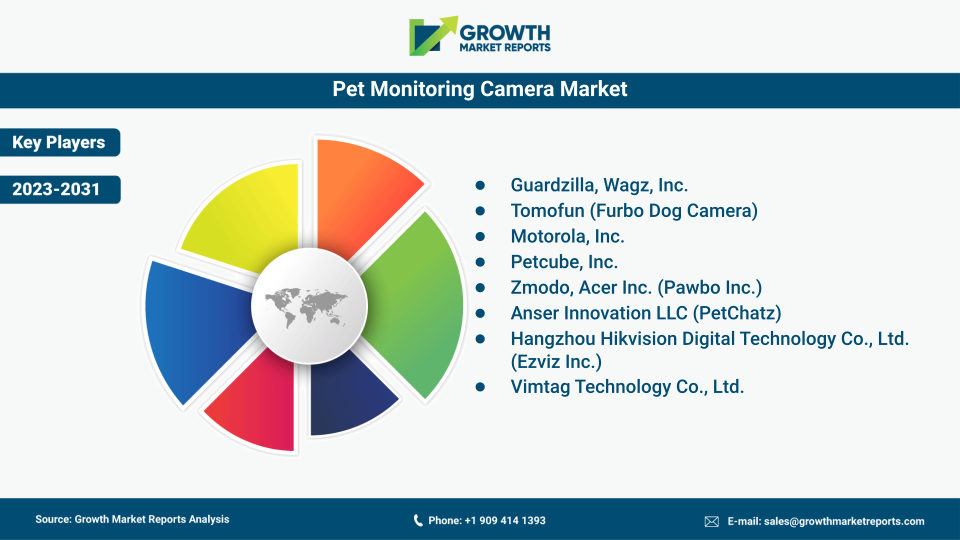
Some of the key players in the global pet monitoring cameras market are Guardzilla, Wagz, Inc., Tomofun (Furbo Dog Camera), Motorola, Inc., Petcube, Inc., Zmodo, Acer Inc. (Pawbo Inc.), Anser Innovation LLC (PetChatz), Hangzhou Hikvision Digital Technology Co., Ltd. (Ezviz Inc.), and Vimtag Technology Co., Ltd.
Companies are focusing on collaborations and product innovation to improve their product offerings and acquire a large consumer base. For instance, in July 2018, Petcube merged with Cesar Millan, a dog trainer, to improve their product by understanding the relationship between pets and owners in a better way.
Challenges include high costs of advanced devices, intense price competition from low-cost alternatives, and concerns about data privacy and security.
Major players include Furbo (Tomofun), Petcube, Motorola Home, Nest Labs (Google LLC), Skymee, Pawbo (Acer Inc.), Blink Home Security (Amazon), and Wyze Labs, Inc.
Recent advancements include AI-powered motion detection, facial recognition, behavior analysis, night vision, cloud storage, mobile app integration, and treat dispensing features.
They are sold through online stores, specialty pet stores, supermarkets/hypermarkets, and other channels like direct sales and electronic retailers. Online sales are the most dominant channel.
Pet monitoring cameras are used in homes, veterinary clinics, pet daycare centers, animal shelters, boarding facilities, and research institutions to ensure pet safety, health, and well-being.
Pet monitoring cameras can connect via Wi-Fi, Bluetooth, cellular networks, and other protocols like Zigbee and Z-Wave. Wi-Fi-enabled cameras are the most popular due to their convenience and real-time features.
The market offers one-way video cameras, two-way video cameras, treat dispenser cameras, pan & tilt cameras, and emerging types like wearable cameras and cameras with health monitoring sensors.
North America currently dominates the market, followed by Europe and Asia Pacific. The fastest growth is expected in Asia Pacific and Latin America due to rising disposable incomes and urbanization.
Key growth drivers include rising pet adoption rates, increased pet humanization, advancements in smart home technologies, and growing awareness of pet health and safety.
The global pet monitoring camera market reached USD 1.58 billion in 2024 and is expected to grow at a CAGR of 12.2% from 2025 to 2033, reaching USD 4.44 billion by 2033.