Segments - by Product Type (Analgesics, Cough, Cold and Flu Products, Dermatological Products, Gastrointestinal Products, Vitamins and Minerals, Others), by Formulation (Tablets, Capsules, Liquids, Ointments, Others), by Distribution Channel (Pharmacies/Drug Stores, Supermarkets/Hypermarkets, Online Pharmacies, Others)
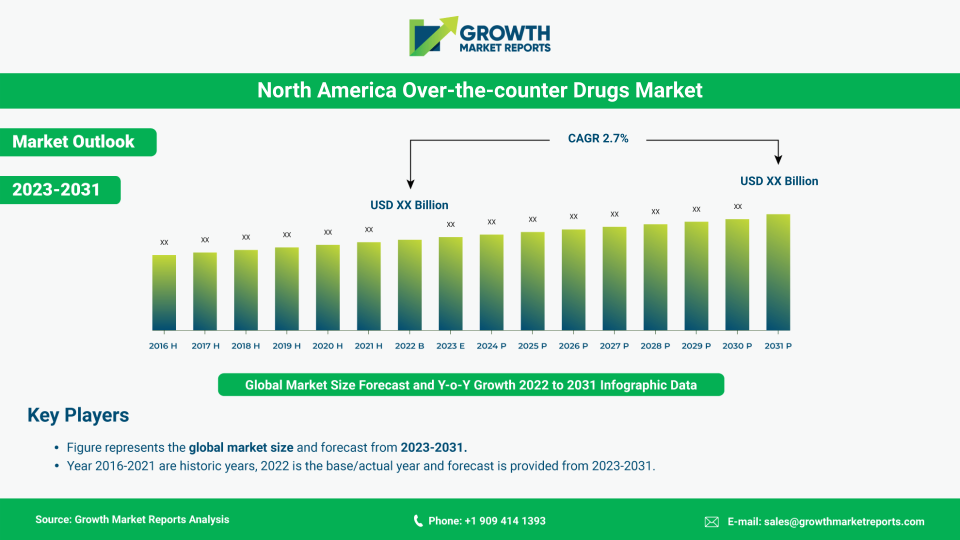
According to our latest research, the global over-the-counter (OTC) drugs market size in 2024 reached USD 164.7 billion, reflecting robust consumer demand and expanding access to self-care solutions. The market is projected to grow at a CAGR of 5.1% during the forecast period from 2025 to 2033, with the market size expected to reach USD 256.2 billion by 2033. The primary growth factor driving this expansion is the increasing consumer preference for self-medication, coupled with greater awareness and availability of OTC products globally.
The growth trajectory of the OTC drugs market is significantly influenced by the rising trend of self-care and preventive healthcare among consumers. As healthcare costs continue to escalate, individuals are seeking more affordable and accessible alternatives to prescription medications. OTC drugs, which include analgesics, cough and cold remedies, dermatological products, gastrointestinal treatments, and vitamins, provide a convenient solution for managing minor health issues without the need for a physician’s prescription. This shift is further supported by public health campaigns, educational initiatives, and the proliferation of digital health information, empowering consumers to make informed decisions about their health and wellness. The increased adoption of OTC drugs is also a response to the growing prevalence of chronic and lifestyle-related diseases, where individuals seek immediate and effective relief for symptoms.
Another vital growth factor for the OTC drugs market is the ongoing innovation in product formulations and delivery mechanisms. Pharmaceutical companies are investing heavily in research and development to introduce new product combinations, user-friendly dosage forms, and enhanced packaging that improves shelf life and consumer convenience. The availability of OTC drugs in multiple formulations such as tablets, capsules, liquids, and ointments caters to diverse consumer preferences and medical needs. Additionally, the expansion of retail distribution channels, including online pharmacies and supermarket chains, has significantly improved product accessibility. The rise of e-commerce platforms has particularly accelerated the market’s growth, as consumers increasingly prefer the convenience of purchasing OTC medications online, often benefiting from competitive pricing and discreet delivery.
Regulatory support and favorable government policies have also played a crucial role in the expansion of the OTC drugs market. Regulatory agencies in key markets such as the United States, Europe, and Asia Pacific have streamlined the approval process for the reclassification of prescription drugs to OTC status, thereby broadening the range of products available without prescription. This has enabled pharmaceutical manufacturers to tap into new consumer segments and expand their market reach. The regulatory focus on ensuring product safety, efficacy, and clear labeling has further strengthened consumer trust in OTC medications. However, the market’s growth is balanced by the need for ongoing pharmacovigilance and monitoring to mitigate risks associated with inappropriate or excessive use.
From a regional perspective, North America continues to dominate the global OTC drugs market, accounting for the largest revenue share in 2024, followed closely by Europe and Asia Pacific. The high penetration of OTC products in these regions is attributed to advanced healthcare infrastructure, high consumer awareness, and strong distribution networks. Asia Pacific, in particular, is witnessing the fastest growth, driven by rising disposable incomes, urbanization, and increasing adoption of self-care practices among a burgeoning middle-class population. Latin America and the Middle East & Africa are also emerging as attractive markets, benefitting from regulatory reforms and expanding retail sectors. Overall, the global OTC drugs market is expected to sustain its growth momentum, driven by evolving consumer preferences and continuous innovation across product segments.
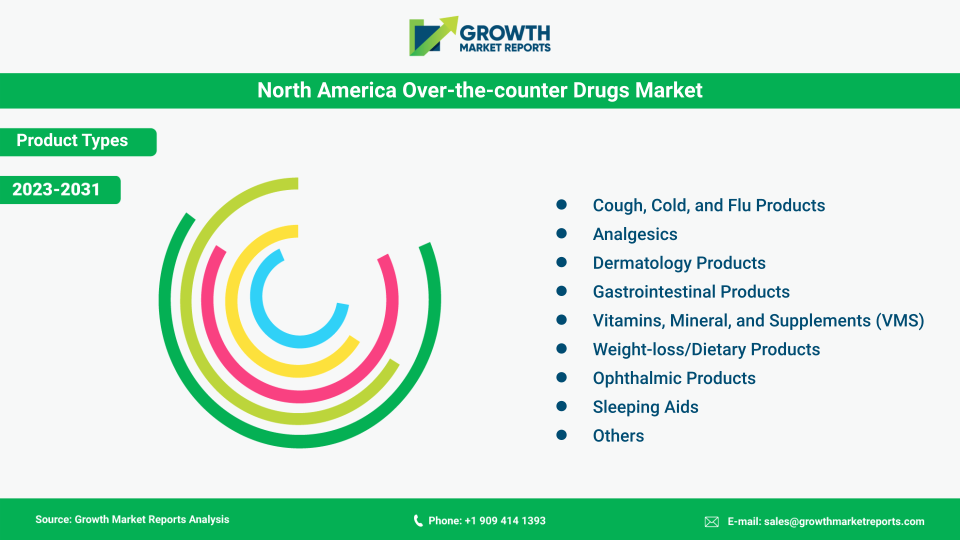
The product type segment of the over-the-counter drugs market encompasses a wide array of therapeutic categories, each fulfilling specific consumer health needs. Among these, analgesics represent one of the largest product segments, driven by the high prevalence of pain-related conditions such as headaches, musculoskeletal pain, and minor injuries. Analgesics, including acetaminophen, ibuprofen, and aspirin, are favored for their effectiveness, rapid onset of action, and minimal side effects when used as directed. The demand for these products is further augmented by an aging population prone to chronic pain, as well as increased awareness about pain management and mobility. In addition, the accessibility of analgesics in various forms, such as tablets and topical creams, has contributed to their sustained market growth.
Cough, cold, and flu products constitute another significant segment, particularly in regions with seasonal fluctuations and high incidence of respiratory infections. These products, which include decongestants, antihistamines, expectorants, and combination remedies, are widely used for symptomatic relief and are often recommended as first-line therapy for mild respiratory ailments. The segment benefits from recurring demand during cold and flu seasons and is further boosted by consumer preference for quick, over-the-counter solutions. Innovations in flavor, packaging, and multi-symptom relief formulations have enhanced product appeal, while the inclusion of natural ingredients and herbal extracts is gaining traction among health-conscious consumers.
The dermatological products segment is experiencing robust growth, driven by rising concerns over skin health, allergies, and minor dermatological conditions. OTC dermatological products, including antifungals, hydrocortisone creams, acne treatments, and antiseptics, offer convenient solutions for issues such as rashes, insect bites, fungal infections, and mild eczema. The increasing prevalence of skin conditions, coupled with greater consumer awareness and the desire for cosmetic enhancement, has fueled demand in this segment. Product innovation, such as the development of non-greasy, fast-absorbing ointments and gels, has further contributed to market expansion, addressing consumer needs for efficacy and ease of use.
Gastrointestinal products and vitamins and minerals are also important contributors to the OTC drugs market. Gastrointestinal products, including antacids, laxatives, and anti-diarrheal medications, address common digestive issues and are widely used for self-treatment. The increasing incidence of gastrointestinal disorders, often linked to dietary habits and stress, has driven demand for these products. Meanwhile, the vitamins and minerals segment is experiencing strong growth, supported by the global trend toward preventive healthcare and nutritional supplementation. Consumers are increasingly incorporating multivitamins, vitamin C, and mineral supplements into their daily routines to boost immunity, energy, and overall well-being. The rise of personalized nutrition and targeted supplementation is expected to further propel growth in this segment.
The others category comprises OTC products for a range of minor ailments and health maintenance needs, such as smoking cessation aids, weight management supplements, and allergy relief medications. This segment is characterized by continuous innovation and the introduction of new products addressing emerging health concerns. The growing focus on lifestyle management, coupled with regulatory approvals for novel OTC drugs, is expected to drive further diversification and expansion of the product type segment in the coming years.
| Attributes | Details |
| Report Title | Over-the-counter Drugs Market Research Report 2033 |
| By Product Type | Analgesics, Cough, Cold and Flu Products, Dermatological Products, Gastrointestinal Products, Vitamins and Minerals, Others |
| By Formulation | Tablets, Capsules, Liquids, Ointments, Others |
| By Distribution Channel | Pharmacies/Drug Stores, Supermarkets/Hypermarkets, Online Pharmacies, Others |
| Regions Covered | North America, Europe, APAC, Latin America, MEA |
| Base Year | 2024 |
| Historic Data | 2018-2023 |
| Forecast Period | 2025-2033 |
| Number of Pages | 273 |
| Number of Tables & Figures | 332 |
| Customization Available | Yes, the report can be customized as per your need. |
The formulation segment of the OTC drugs market is pivotal in determining consumer preference, product efficacy, and market reach. Tablets remain the most widely used formulation, accounting for a significant share of the market due to their convenience, precise dosing, and stability. Tablets are preferred for a variety of OTC medications, including analgesics, antihistamines, and vitamins, as they offer ease of administration and portability. Advances in tablet technology, such as rapid-dissolving and chewable formulations, have enhanced user experience and compliance, particularly among pediatric and geriatric populations. The ability to combine multiple active ingredients in a single tablet has also contributed to the popularity of this dosage form, enabling manufacturers to offer multi-symptom relief products.
Capsules are another popular formulation, valued for their ease of swallowing, masking of unpleasant tastes, and ability to deliver both solid and liquid drug forms. Capsules are commonly used for gastrointestinal products, dietary supplements, and certain analgesics. The segment has witnessed innovation in the form of enteric-coated and extended-release capsules, which improve drug absorption and therapeutic efficacy. The growing demand for plant-based and gelatin-free capsules has also expanded the market, catering to the needs of vegetarian and vegan consumers. Furthermore, the ability to encapsulate sensitive ingredients, such as probiotics and herbal extracts, has broadened the application of capsules in the OTC drugs market.
Liquids represent a crucial formulation segment, especially for pediatric and geriatric patients who may have difficulty swallowing solid dosage forms. Liquid OTC drugs, including syrups, suspensions, and solutions, are widely used for cough and cold remedies, antacids, and vitamins. The segment benefits from the flexibility to adjust dosing and the rapid onset of action provided by liquid formulations. Flavor enhancement and attractive packaging have further increased the appeal of liquid OTC products, particularly among children. The trend toward sugar-free and alcohol-free formulations is gaining momentum, driven by consumer demand for healthier alternatives.
Ointments and topical formulations play a significant role in the management of dermatological conditions, pain relief, and wound care. Ointments, creams, gels, and patches offer targeted therapy and rapid relief for localized symptoms, reducing the risk of systemic side effects. The segment has seen considerable innovation, with the development of non-greasy, fast-absorbing formulations and the incorporation of natural and herbal ingredients. The increasing prevalence of skin disorders, sports injuries, and musculoskeletal pain has driven demand for topical OTC drugs, while advancements in transdermal delivery systems are expected to further expand the segment’s potential.
The others category includes a variety of novel and emerging formulations, such as dissolvable strips, sprays, lozenges, and gummies. These innovative dosage forms are designed to enhance consumer convenience, improve compliance, and address specific therapeutic needs. The growing interest in on-the-go and discreet medication options has fueled the development of these formulations, particularly in the vitamins and dietary supplements segment. As consumer preferences continue to evolve, manufacturers are expected to invest in new delivery technologies and product formats, further diversifying the formulation landscape of the OTC drugs market.
The distribution channel segment is a critical determinant of market reach and consumer accessibility in the OTC drugs market. Pharmacies and drug stores continue to dominate the distribution landscape, accounting for the largest share of OTC drug sales globally. These outlets are trusted sources of health information and advice, offering consumers the assurance of product authenticity and access to professional guidance. The widespread presence of pharmacies, both independent and chain stores, ensures convenient access to a broad range of OTC medications. Pharmacists play a key role in recommending appropriate products and providing education on proper usage, further strengthening the position of pharmacies in the distribution channel hierarchy.
Supermarkets and hypermarkets have emerged as important distribution channels for OTC drugs, particularly in urban areas with high foot traffic and consumer demand for convenience. These retail outlets offer a wide selection of OTC products alongside everyday household goods, enabling consumers to purchase medications during routine shopping trips. The visibility and accessibility of OTC drugs in supermarkets and hypermarkets have contributed to impulse purchases and increased product awareness. Strategic placement of products, promotional offers, and in-store displays have further boosted sales through this channel. The integration of health and wellness sections within supermarkets has also expanded the range of OTC products available to consumers.
Online pharmacies represent the fastest-growing distribution channel in the OTC drugs market, driven by the rapid adoption of digital technologies and changing consumer shopping behaviors. The convenience of 24/7 access, home delivery, and competitive pricing has made online pharmacies an attractive option for a wide range of consumers, including those in remote or underserved areas. The COVID-19 pandemic further accelerated the shift toward online purchasing, as consumers sought safe, contactless ways to obtain medications. Online platforms also offer the advantage of detailed product information, user reviews, and personalized recommendations, enhancing the overall shopping experience. Regulatory support for e-pharmacy operations and investments in digital infrastructure are expected to sustain the growth of this channel in the coming years.
The others category includes a variety of alternative distribution channels, such as convenience stores, health and wellness centers, and direct-to-consumer sales through manufacturer websites. These channels cater to specific consumer segments and offer opportunities for targeted marketing and product differentiation. The growing popularity of health and wellness centers, particularly in urban areas, has created new avenues for the sale of OTC drugs, especially vitamins, supplements, and dermaceuticals. Direct-to-consumer sales models enable manufacturers to build brand loyalty, gather consumer insights, and offer exclusive products or promotions. As the retail landscape continues to evolve, a multi-channel distribution strategy is increasingly essential for maximizing market penetration and meeting diverse consumer needs.
Overall, the distribution channel segment of the OTC drugs market is characterized by dynamic shifts and increasing competition among traditional and digital retailers. The integration of omnichannel strategies, enhanced supply chain management, and customer-centric innovations are expected to shape the future of OTC drug distribution, ensuring broader access and improved consumer satisfaction.
The over-the-counter drugs market is brimming with opportunities, primarily driven by the rising trend of self-care and preventive healthcare. The increasing prevalence of chronic diseases, coupled with growing consumer awareness about health and wellness, presents significant growth prospects for manufacturers and retailers. The expansion of digital health platforms and telemedicine services has further empowered consumers to make informed decisions about their health, driving demand for OTC products. Pharmaceutical companies have the opportunity to capitalize on this trend by developing innovative, user-friendly products that address emerging health concerns and cater to diverse consumer preferences. The growing acceptance of e-pharmacy platforms and direct-to-consumer sales models also opens new avenues for market expansion, particularly in regions with limited access to traditional healthcare infrastructure.
Another major opportunity lies in the reclassification of prescription drugs to OTC status, which allows manufacturers to tap into new consumer segments and expand their product portfolios. Regulatory agencies in key markets are increasingly supportive of this trend, provided that products meet stringent safety and efficacy criteria. The development of combination products and targeted formulations for specific demographic groups, such as children, seniors, and women, offers additional growth potential. Furthermore, the incorporation of natural and herbal ingredients in OTC drugs is gaining popularity among health-conscious consumers, creating opportunities for differentiation and premiumization. Strategic partnerships, mergers, and acquisitions among industry players can also facilitate market entry, innovation, and global expansion.
Despite the numerous opportunities, the OTC drugs market faces certain restraints and threats that could impede growth. One of the primary challenges is the risk of inappropriate or excessive use of OTC medications, which can lead to adverse health outcomes and undermine consumer trust. Regulatory agencies and healthcare professionals emphasize the importance of responsible self-medication, pharmacovigilance, and clear product labeling to mitigate these risks. The presence of counterfeit and substandard products, particularly in emerging markets, poses an additional threat to market integrity and consumer safety. Competitive pressures, price sensitivity, and the need for ongoing innovation also present challenges for manufacturers seeking to maintain market share and profitability.
The regional outlook for the over-the-counter drugs market reveals a diverse landscape shaped by consumer behavior, regulatory frameworks, and healthcare infrastructure. North America remains the largest regional market, accounting for approximately USD 62.9 billion in revenue in 2024. The region’s dominance is attributed to high consumer awareness, advanced retail networks, and favorable regulatory policies supporting the availability of OTC drugs. The United States, in particular, is a major contributor, driven by a strong culture of self-medication, well-established pharmacy chains, and a proactive approach to preventive healthcare. The presence of leading pharmaceutical companies and ongoing product innovation further strengthen North America’s position in the global market.
Europe is the second-largest market, with a revenue share of around USD 48.2 billion in 2024. The region benefits from a robust healthcare system, high levels of health literacy, and supportive regulatory frameworks that facilitate the reclassification of prescription drugs to OTC status. Countries such as Germany, the United Kingdom, and France are major contributors to market growth, driven by strong demand for analgesics, cold and flu remedies, and vitamins. The European market is characterized by a high degree of product innovation, with manufacturers focusing on the development of combination products and natural formulations to meet evolving consumer preferences. The region is expected to grow at a steady CAGR of 4.7% during the forecast period.
The Asia Pacific region is witnessing the fastest growth in the OTC drugs market, with revenues reaching approximately USD 34.5 billion in 2024. The region’s rapid expansion is driven by rising disposable incomes, urbanization, and increasing adoption of self-care practices among a growing middle-class population. Countries such as China, India, and Japan are at the forefront of market growth, supported by government initiatives to improve healthcare access and awareness. The proliferation of retail pharmacies, supermarkets, and online platforms has significantly enhanced product availability and accessibility. Asia Pacific is projected to achieve a CAGR of 6.5% through 2033, outpacing other regions and emerging as a key growth engine for the global OTC drugs market.
The competitive landscape of the over-the-counter drugs market is characterized by intense rivalry among leading multinational corporations, regional players, and emerging startups. Market leaders leverage their extensive product portfolios, strong brand recognition, and robust distribution networks to maintain a competitive edge. These companies invest heavily in research and development to introduce innovative formulations, expand therapeutic indications, and enhance product safety and efficacy. Strategic collaborations, mergers, and acquisitions are common strategies employed to strengthen market presence, access new technologies, and enter untapped markets. The focus on consumer-centric product development and digital marketing initiatives has become increasingly important in capturing market share and building brand loyalty.
Product differentiation and innovation are key drivers of competition in the OTC drugs market. Companies are continuously developing new dosage forms, combination products, and value-added features such as child-resistant packaging and tamper-evident seals to meet evolving consumer needs. The incorporation of natural and herbal ingredients, as well as the development of personalized and targeted OTC solutions, has created new opportunities for differentiation and premiumization. Regulatory compliance, quality assurance, and pharmacovigilance are critical factors influencing competitive positioning, as companies seek to build consumer trust and ensure product safety. The ability to adapt to changing regulatory requirements and consumer preferences is essential for sustained success in this dynamic market.
Digital transformation is reshaping the competitive landscape, with companies increasingly investing in e-commerce platforms, digital marketing, and data analytics to enhance consumer engagement and drive sales. The rise of online pharmacies and direct-to-consumer sales models has intensified competition, prompting traditional retailers to adopt omnichannel strategies and enhance the in-store experience. Companies are also leveraging digital health tools, such as mobile apps and telemedicine services, to provide personalized recommendations and support responsible self-medication. The integration of digital technologies into product development, marketing, and distribution is expected to play a pivotal role in shaping the future of the OTC drugs market.
Some of the major companies operating in the global over-the-counter drugs market include Johnson & Johnson, Bayer AG, GlaxoSmithKline plc, Pfizer Inc., Sanofi S.A., Reckitt Benckiser Group plc, Procter & Gamble Co., Novartis AG, Takeda Pharmaceutical Company Limited, and Boehringer Ingelheim International GmbH. These companies have established a strong presence across multiple product categories and regions, supported by extensive research and development capabilities and global supply chains. Johnson & Johnson and Bayer AG, for example, are known for their diverse portfolios of analgesics, dermatological products, and vitamins, while GlaxoSmithKline and Pfizer have a strong focus on cold and flu remedies and gastrointestinal treatments.
Sanofi and Reckitt Benckiser have made significant investments in expanding their OTC product lines and enhancing consumer engagement through digital platforms and targeted marketing campaigns. Procter & Gamble and Novartis have focused on product innovation and strategic partnerships to strengthen their market positions and address emerging health needs. Takeda Pharmaceutical and Boehringer Ingelheim have leveraged their expertise in pharmaceuticals to develop high-quality OTC drugs and expand their reach in key growth markets, particularly in Asia Pacific and Latin America. These companies are expected to continue driving market growth through innovation, strategic investments, and a strong commitment to consumer health and safety.
The Over-the-counter Drugs market has been segmented on the basis of
Key players competing in the over the counter drugs market includes Johnson and Johnson; Novartis AG; Bayer AG; Sanofi; and Pfizer Inc.
Some of these players are engaging in business strategies such as mergers, acquisitions, partnerships, collaborations, capacity expansion, and product launches to enhance their market share.
In 2018, Pfizer Inc. and GSK are working together for conducting extensive product line clinical trials under research and development stage.

Digital transformation is driving growth in online pharmacies, direct-to-consumer sales, and digital marketing, while enabling companies to offer personalized recommendations and improve consumer engagement.
Major companies include Johnson & Johnson, Bayer AG, GlaxoSmithKline plc, Pfizer Inc., Sanofi S.A., Reckitt Benckiser Group plc, Procter & Gamble Co., Novartis AG, Takeda Pharmaceutical Company Limited, and Boehringer Ingelheim International GmbH.
Opportunities include the reclassification of prescription drugs to OTC status, digital health expansion, and product innovation. Threats include risks of inappropriate use, counterfeit products, and regulatory challenges.
North America holds the largest market share, followed by Europe and Asia Pacific. Asia Pacific is the fastest-growing region due to rising incomes, urbanization, and increased adoption of self-care practices.
Pharmacies and drug stores remain the primary distribution channels, but supermarkets/hypermarkets and online pharmacies are rapidly growing in importance, especially for convenience and accessibility.
Tablets are the most widely used formulation, followed by capsules, liquids (such as syrups and suspensions), ointments, and innovative forms like dissolvable strips and gummies.
Analgesics, cough, cold and flu products, dermatological products, gastrointestinal treatments, and vitamins and minerals are the leading product segments in the OTC drugs market.
Key growth factors include increasing consumer preference for self-medication, rising awareness of preventive healthcare, product innovation, and expanded access through online and retail channels.
The OTC drugs market is expected to grow at a CAGR of 5.1% from 2025 to 2033, reaching an estimated USD 256.2 billion by 2033.
As of 2024, the global OTC drugs market size reached USD 164.7 billion, driven by strong consumer demand and expanding self-care solutions.