Segments - by Product Type (Parathion, Malathion, Chlorpyrifos, Diazinon, Dimethoate, Others), by Application (Agriculture, Residential, Commercial, Industrial, Others), by Crop Type (Cereals & Grains, Fruits & Vegetables, Oilseeds & Pulses, Others), by Formulation (Liquid, Powder, Granules, Others), by Distribution Channel (Direct Sales, Distributors, Online Retail, Others)
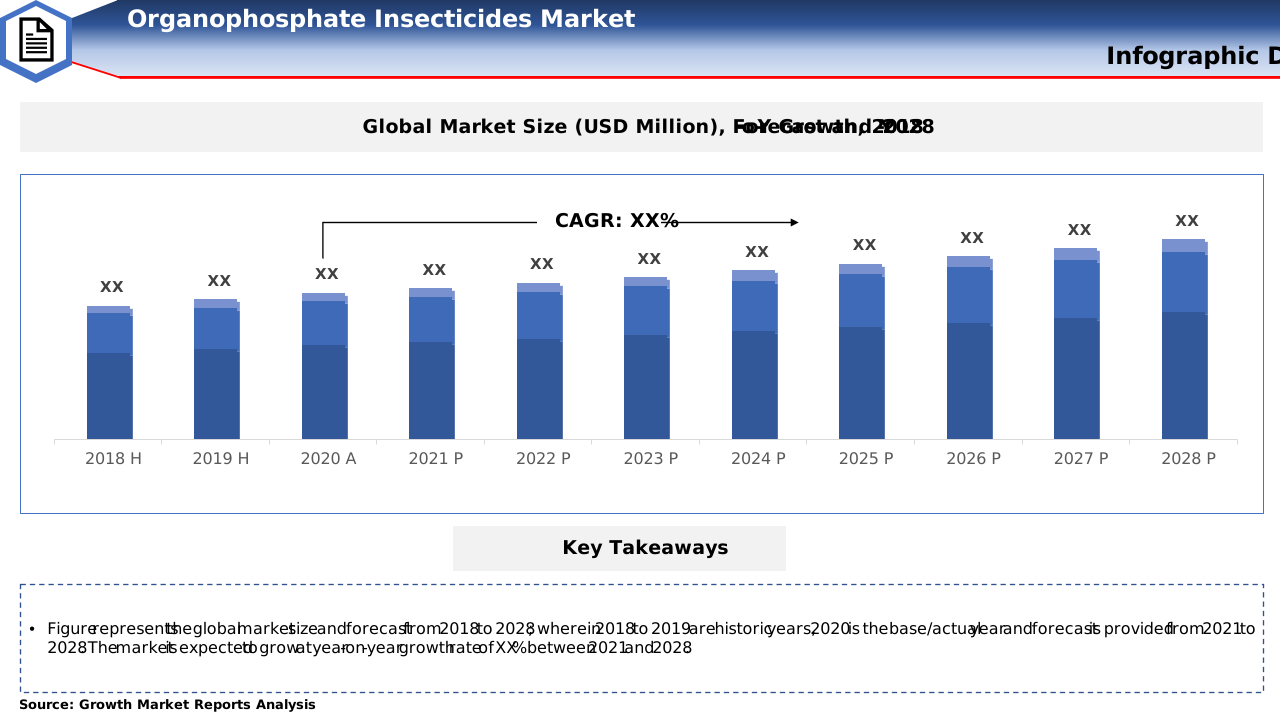
According to our latest research, the global Organophosphate Insecticides market size in 2024 stands at USD 7.4 billion, reflecting the sector’s vital role in modern pest management. The market is expanding at a CAGR of 4.8% and is forecasted to reach USD 11.3 billion by 2033. This robust growth is propelled by rising global food demand, expanding agricultural activities, and the persistent threat of crop-damaging pests. The market is also influenced by advances in chemical formulations and the need for effective, broad-spectrum pest control solutions, especially in developing regions where agricultural output is critical for economic stability and food security.
One of the primary growth drivers for the Organophosphate Insecticides market is the intensification of global agricultural practices. As the world’s population continues to rise, the demand for food production has increased exponentially, prompting farmers to rely heavily on efficient pest control solutions. Organophosphate insecticides, known for their rapid action and broad-spectrum efficacy, are widely used to protect a variety of crops from destructive pests. This increased application in agriculture is further supported by governmental initiatives in emerging economies to boost crop yields and ensure food security, making these insecticides a preferred choice for many farmers globally.
Technological advancements and innovation in formulation have also contributed significantly to the growth of the Organophosphate Insecticides market. Manufacturers are investing in research and development to create products with enhanced efficacy, reduced toxicity, and improved environmental safety profiles. New formulations, such as microencapsulated and controlled-release variants, are gaining traction as they offer prolonged protection and minimize the risk of environmental contamination. These innovations are helping to address regulatory concerns and public apprehensions regarding the safety of organophosphate insecticides, thereby supporting sustained market growth.
Another crucial factor fueling market expansion is the increasing prevalence of pest resistance to older classes of insecticides. As pests evolve and develop resistance to commonly used chemicals, organophosphates are often adopted as alternative solutions due to their unique mode of action. This trend is particularly evident in regions with intensive monoculture farming, where pest pressure is consistently high. Additionally, the versatility of organophosphate insecticides, which can be used across various crop types and in non-agricultural settings, further enhances their market appeal.
Regionally, the Asia Pacific market is at the forefront of global demand, accounting for the largest share of organophosphate insecticide consumption. This dominance is attributed to the region’s vast agricultural sector, high population density, and favorable climatic conditions for pest proliferation. Countries such as China, India, and Indonesia are major contributors, with government policies focused on increasing agricultural productivity and reducing crop losses. North America and Europe, while showing moderate growth, are experiencing a shift towards integrated pest management and stricter regulatory frameworks, which are influencing product adoption patterns and driving innovation in safer, more sustainable formulations.
The product type segment of the Organophosphate Insecticides market encompasses key chemical classes such as Parathion, Malathion, Chlorpyrifos, Diazinon, Dimethoate, and others. Among these, Chlorpyrifos has historically held a significant market share due to its effectiveness against a wide range of insect pests and its cost-efficiency. However, increasing regulatory scrutiny and bans in several developed countries have led to a decline in its usage, creating opportunities for alternative organophosphates. Malathion, known for its relatively lower toxicity to humans and animals, is gaining popularity, especially in public health and residential applications. Parathion, once a staple in agricultural pest control, is now facing reduced adoption due to its high toxicity and associated health risks, prompting a shift towards safer alternatives.
Diazinon and Dimethoate continue to be widely used in both agricultural and non-agricultural settings, thanks to their broad-spectrum activity and relatively lower environmental persistence. The “Others” category, which includes newer and less commonly used organophosphates, is witnessing gradual growth as manufacturers focus on developing compounds with improved safety profiles and resistance management capabilities. The competitive landscape within the product type segment is dynamic, with companies investing in research to create differentiated offerings that comply with evolving regulatory standards and address emerging pest challenges.
The transition towards safer and more sustainable organophosphate insecticides is also influencing product development strategies. Manufacturers are increasingly prioritizing the reformulation of existing products to reduce toxicity and enhance biodegradability. This trend is particularly pronounced in regions with stringent environmental regulations, such as Europe and North America, where the approval process for new active ingredients is rigorous. As a result, the product type segment is expected to witness a gradual shift from traditional, high-toxicity compounds to next-generation organophosphates that offer a balance between efficacy and environmental safety.
In terms of market share, the dominance of specific product types varies by region and application. For instance, Malathion is extensively used in public health programs in North America for mosquito control, while Chlorpyrifos remains popular in Asia Pacific for agricultural applications. The evolving regulatory landscape and growing awareness of health and environmental risks associated with certain organophosphates are expected to drive further diversification within this segment, with increased adoption of safer and more targeted products.
| Attributes | Details |
| Report Title | Organophosphate Insecticides Market Research Report 2033 |
| By Product Type | Parathion, Malathion, Chlorpyrifos, Diazinon, Dimethoate, Others |
| By Application | Agriculture, Residential, Commercial, Industrial, Others |
| By Crop Type | Cereals & Grains, Fruits & Vegetables, Oilseeds & Pulses, Others |
| By Formulation | Liquid, Powder, Granules, Others |
| By Distribution Channel | Direct Sales, Distributors, Online Retail, Others |
| Regions Covered | North America, Europe, APAC, Latin America, MEA |
| Base Year | 2024 |
| Historic Data | 2018-2023 |
| Forecast Period | 2025-2033 |
| Number of Pages | 269 |
| Number of Tables & Figures | 375 |
| Customization Available | Yes, the report can be customized as per your need. |
The application segment of the Organophosphate Insecticides market is broadly categorized into Agriculture, Residential, Commercial, Industrial, and Others. Agriculture remains the dominant application area, accounting for the largest share of global consumption. Organophosphate insecticides are extensively used to protect crops from a wide variety of pests, thereby ensuring higher yields and food security. The agricultural sector’s reliance on these chemicals is particularly pronounced in developing regions, where pest infestations can have devastating economic and social consequences. In addition to crop protection, organophosphates are also used in the treatment of stored grains and seed dressing, further expanding their application scope within the agricultural sector.
Residential applications of organophosphate insecticides, while smaller in scale compared to agriculture, are significant in terms of public health impact. These chemicals are commonly used for controlling household pests such as cockroaches, ants, and mosquitoes. The demand for effective and fast-acting pest control solutions in urban and suburban environments has driven the adoption of organophosphates in residential settings. However, increasing awareness of the potential health risks associated with these chemicals is leading to a gradual shift towards safer alternatives and integrated pest management practices.
The commercial and industrial segments represent another important application area for organophosphate insecticides. In commercial settings, such as food processing facilities, restaurants, and warehouses, these chemicals are used to maintain hygiene standards and prevent pest-related contamination. Industrial applications include use in manufacturing processes, wood preservation, and vector control in large-scale public health initiatives. The versatility of organophosphate insecticides in addressing diverse pest control needs makes them indispensable in these sectors, although regulatory pressures and safety concerns are prompting the adoption of more targeted and environmentally friendly solutions.
The “Others” category in the application segment includes specialized uses such as veterinary medicine, forestry, and turf management. While these applications account for a smaller share of the overall market, they are characterized by specific requirements and regulatory considerations. For example, the use of organophosphates in veterinary medicine is subject to strict residue limits to ensure food safety, while their application in forestry is governed by environmental protection guidelines. The growing emphasis on sustainable pest management practices across all application areas is expected to drive innovation and diversification within this segment.
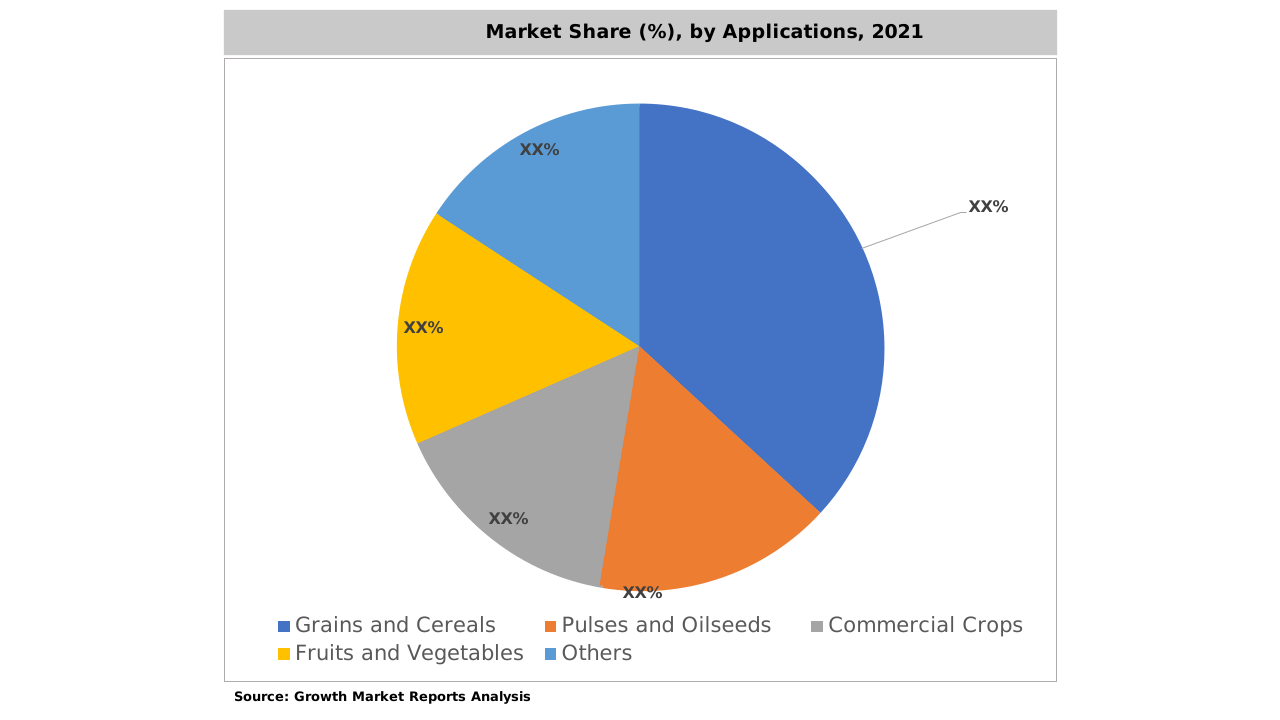
The crop type segment of the Organophosphate Insecticides market is divided into Cereals & Grains, Fruits & Vegetables, Oilseeds & Pulses, and Others. Cereals & Grains, which include staple crops such as wheat, rice, and maize, represent the largest market share due to their extensive cultivation and susceptibility to a wide range of insect pests. The use of organophosphate insecticides in this segment is driven by the need to protect high-value crops from yield losses and quality degradation. Farmers in major cereal-producing regions, particularly in Asia Pacific and Latin America, rely heavily on these chemicals to safeguard their harvests and ensure food security.
Fruits & Vegetables constitute the second-largest crop type segment, with organophosphate insecticides playing a crucial role in protecting these perishable crops from insect infestations. The high economic value and export potential of fruits and vegetables make effective pest control essential for maintaining product quality and meeting international trade standards. The use of organophosphates in this segment is subject to strict residue regulations, especially in export-oriented markets, prompting the adoption of best practices in application and monitoring.
Oilseeds & Pulses, including crops such as soybeans, sunflower, and lentils, also represent a significant market for organophosphate insecticides. These crops are vulnerable to a variety of insect pests that can cause substantial yield losses if not effectively managed. The growing demand for edible oils and protein-rich pulses is driving increased cultivation and, consequently, higher usage of pest control solutions. Organophosphate insecticides are favored in this segment for their broad-spectrum activity and cost-effectiveness, although the shift towards integrated pest management is influencing application patterns.
The “Others” category encompasses a diverse range of crops, including spices, medicinal plants, and ornamental plants. While the market share of this segment is relatively small, it is characterized by specialized pest control needs and stringent regulatory requirements. The use of organophosphate insecticides in these crops is often dictated by specific pest challenges, economic considerations, and compliance with food safety and environmental standards. As consumer demand for organic and sustainably produced crops grows, the adoption of alternative pest management strategies is expected to increase within this segment.
The formulation segment of the Organophosphate Insecticides market includes Liquid, Powder, Granules, and Others. Liquid formulations are the most widely used, accounting for the largest share of the market. Their popularity is attributed to ease of application, rapid absorption by plants, and uniform coverage, which ensures effective pest control. Liquid organophosphate insecticides are available in various concentrations and are suitable for use in both large-scale agricultural operations and smallholder farms. The versatility of liquid formulations makes them the preferred choice for a wide range of crops and application methods, including foliar sprays, soil drenches, and seed treatments.
Powder formulations, while less commonly used than liquids, offer distinct advantages in terms of storage stability and ease of handling. These formulations are particularly popular in regions with limited access to advanced spraying equipment, as they can be easily mixed with water or applied directly to crops. Powdered organophosphate insecticides are also favored for use in stored grain protection, where they help prevent pest infestations during storage and transportation. The demand for powder formulations is expected to remain steady, especially in developing regions where infrastructure and equipment constraints are prevalent.
Granular formulations are gaining traction in the market due to their precision and controlled release properties. These formulations are designed to deliver active ingredients directly to the soil, where they are absorbed by plant roots or taken up by target pests. Granular organophosphate insecticides are particularly effective in controlling soil-dwelling pests and are widely used in crops such as sugarcane, maize, and potatoes. The growing emphasis on targeted pest management and reduced environmental impact is driving the adoption of granular formulations, especially in regions with intensive agricultural practices.
The “Others” category includes specialized formulations such as microencapsulated and emulsifiable concentrates. These advanced formulations offer benefits such as prolonged residual activity, reduced risk of off-target effects, and improved safety for applicators. Manufacturers are investing in the development of innovative formulation technologies to address regulatory concerns and meet the evolving needs of end-users. The formulation segment is expected to witness continued innovation as companies strive to enhance product performance, minimize environmental impact, and comply with stringent safety standards.
The distribution channel segment of the Organophosphate Insecticides market comprises Direct Sales, Distributors, Online Retail, and Others. Direct sales channels are particularly prominent among large-scale agricultural enterprises and commercial growers who require bulk quantities and customized solutions. Manufacturers often engage directly with these clients to provide technical support, product training, and after-sales services. The direct sales model enables companies to build long-term relationships with key customers and gain valuable insights into market trends and emerging needs.
Distributors play a critical role in the market by bridging the gap between manufacturers and end-users, particularly in regions with fragmented agricultural sectors. Distributors offer a wide range of products from multiple manufacturers, providing farmers with access to diverse pest control solutions. They also offer value-added services such as product demonstrations, technical advice, and financing options. The distributor channel is especially important in developing regions, where smallholder farmers rely on local suppliers for their agricultural inputs.
Online retail is an emerging distribution channel that is gaining traction, particularly in urban and semi-urban areas. The convenience of online purchasing, coupled with the availability of detailed product information and customer reviews, is driving the adoption of this channel. Online platforms offer a wide selection of organophosphate insecticides, enabling farmers and pest control professionals to compare products and make informed decisions. The COVID-19 pandemic accelerated the shift towards online retail, and this trend is expected to continue as digital literacy and internet penetration increase in rural areas.
The “Others” category includes government procurement programs, cooperatives, and non-governmental organizations involved in pest management initiatives. These channels are particularly important in regions where government agencies play a significant role in agricultural development and public health. The distribution channel segment is evolving rapidly, with companies exploring new ways to reach end-users and enhance customer engagement through digital platforms, mobile applications, and integrated supply chain solutions.
The Organophosphate Insecticides market presents a range of opportunities for growth and innovation. One of the most promising opportunities lies in the development of safer and more environmentally friendly formulations. As regulatory agencies worldwide tighten restrictions on the use of hazardous chemicals, there is a growing demand for products that offer effective pest control with minimal impact on human health and the environment. Manufacturers who invest in research and development to create next-generation organophosphate insecticides with improved safety profiles are well-positioned to capture emerging market opportunities and gain a competitive edge.
Another significant opportunity is the expansion of market reach through digital transformation and e-commerce. The increasing adoption of online platforms for purchasing agricultural inputs is opening new avenues for manufacturers and distributors to connect with a broader customer base. Digital tools such as mobile apps, precision agriculture technologies, and data analytics are enabling farmers to make more informed decisions about pest management, driving demand for advanced and customized insecticide solutions. Companies that leverage digital channels and invest in customer education and support are likely to benefit from increased brand loyalty and market share.
Despite these opportunities, the market faces several restraining factors that could hinder growth. The most notable threat is the increasing regulatory scrutiny and potential bans on certain organophosphate insecticides due to their toxicity and environmental persistence. Governments and international organizations are imposing stricter limits on the use of hazardous chemicals in agriculture, prompting manufacturers to reformulate products or withdraw them from the market. Additionally, growing public awareness of the health risks associated with organophosphate exposure is leading to a shift towards alternative pest control methods, such as biological control and integrated pest management. These trends underscore the importance of innovation and regulatory compliance in sustaining long-term market growth.
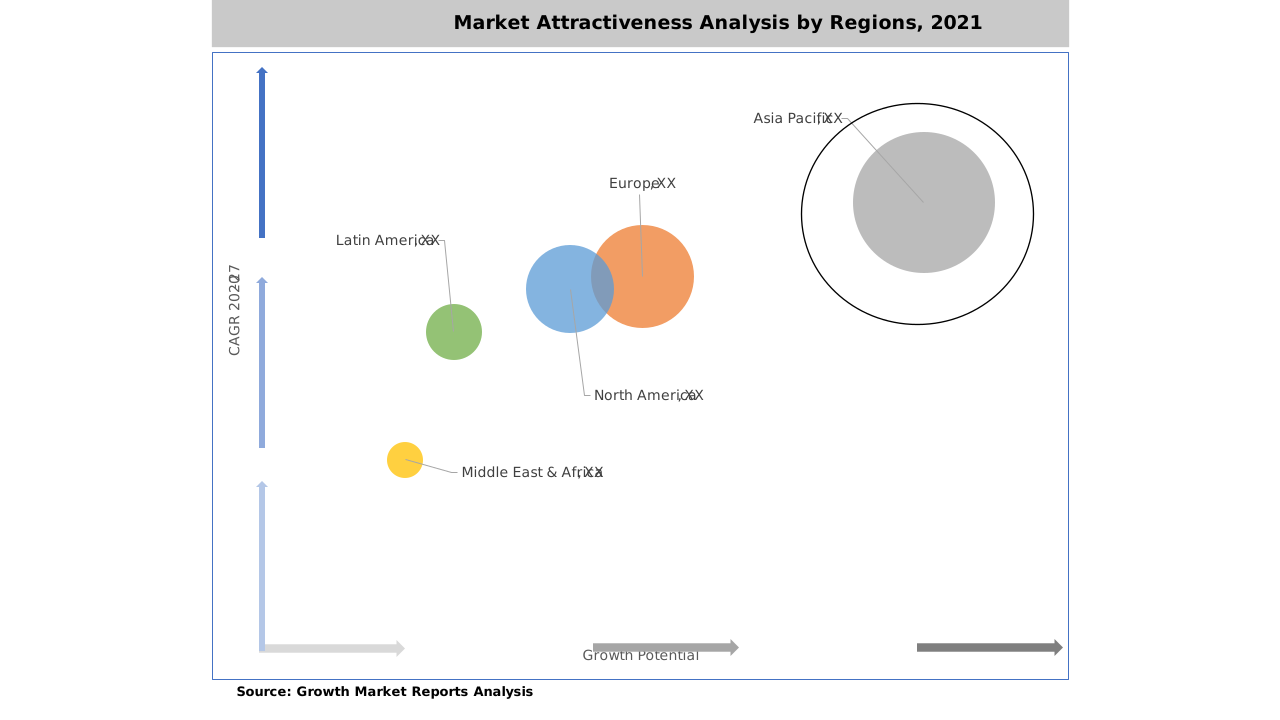
Regionally, the Asia Pacific market dominates the global Organophosphate Insecticides landscape, accounting for approximately 42% of global market revenue in 2024, or USD 3.1 billion. The region’s leadership is driven by its vast agricultural sector, high population density, and favorable climatic conditions for pest proliferation. Countries such as China, India, and Indonesia are major consumers, with government policies focused on enhancing food security and increasing agricultural productivity. The Asia Pacific market is projected to grow at a CAGR of 5.2% through 2033, outpacing other regions due to ongoing investments in agricultural infrastructure and technology adoption.
North America and Europe collectively account for around 28% of global market revenue in 2024, or USD 2.1 billion. In North America, the United States and Canada are the primary markets, with demand driven by large-scale commercial agriculture and public health initiatives. However, the region is experiencing a gradual shift towards integrated pest management and organic farming, influenced by stringent regulatory frameworks and consumer preferences for safer food products. Europe, while maintaining a stable market share, is characterized by a strong regulatory environment that favors the adoption of environmentally friendly and sustainable pest control solutions.
Latin America, with a market size of approximately USD 1.1 billion in 2024, is an emerging growth region, supported by expanding agricultural activities and increasing pest pressures. Brazil and Argentina are key contributors, with government initiatives aimed at boosting crop yields and export competitiveness. The Middle East & Africa region, although smaller in size, is witnessing steady growth driven by the need to enhance food security and combat pest outbreaks in key agricultural zones. Overall, regional dynamics are shaped by a combination of economic, regulatory, and environmental factors, with Asia Pacific expected to maintain its dominance over the forecast period.
The competitive landscape of the Organophosphate Insecticides market is highly fragmented, with a mix of multinational corporations, regional players, and specialty chemical manufacturers vying for market share. Leading companies are focusing on expanding their product portfolios, investing in research and development, and strengthening their distribution networks to maintain a competitive edge. Strategic collaborations, mergers and acquisitions, and partnerships with research institutions are common strategies employed by market participants to accelerate innovation and address emerging challenges such as pest resistance and regulatory compliance.
Innovation is a key differentiator in the market, with companies investing heavily in the development of safer, more effective, and environmentally friendly organophosphate insecticides. The introduction of advanced formulation technologies, such as microencapsulation and controlled-release systems, is enabling manufacturers to enhance product performance and reduce environmental impact. Additionally, companies are leveraging digital tools and precision agriculture technologies to provide customized pest management solutions and improve customer engagement. These efforts are aimed at meeting the evolving needs of end-users and complying with increasingly stringent regulatory requirements.
The market is also characterized by intense price competition, particularly in developing regions where cost considerations are paramount. To address this challenge, manufacturers are optimizing their supply chains, investing in local production facilities, and offering value-added services such as technical support and training. The ability to provide high-quality products at competitive prices is a critical success factor in the market, especially as farmers and pest control professionals seek to maximize returns on investment.
Major companies operating in the Organophosphate Insecticides market include Bayer CropScience, Syngenta AG, BASF SE, FMC Corporation, Dow AgroSciences, Adama Agricultural Solutions, Nufarm Limited, and UPL Limited. Bayer CropScience and Syngenta AG are recognized for their extensive product portfolios and global presence, with a strong focus on innovation and sustainability. BASF SE and FMC Corporation are leading players in the development of advanced formulation technologies and integrated pest management solutions. Dow AgroSciences and Adama Agricultural Solutions are known for their expertise in crop protection and commitment to regulatory compliance. Nufarm Limited and UPL Limited have a strong presence in emerging markets, leveraging their distribution networks and local expertise to drive growth. These companies are continuously investing in research, partnerships, and digital transformation to maintain their leadership positions and address the evolving needs of the global Organophosphate Insecticides market.
The Organophosphate Insecticides market has been segmented on the basis of
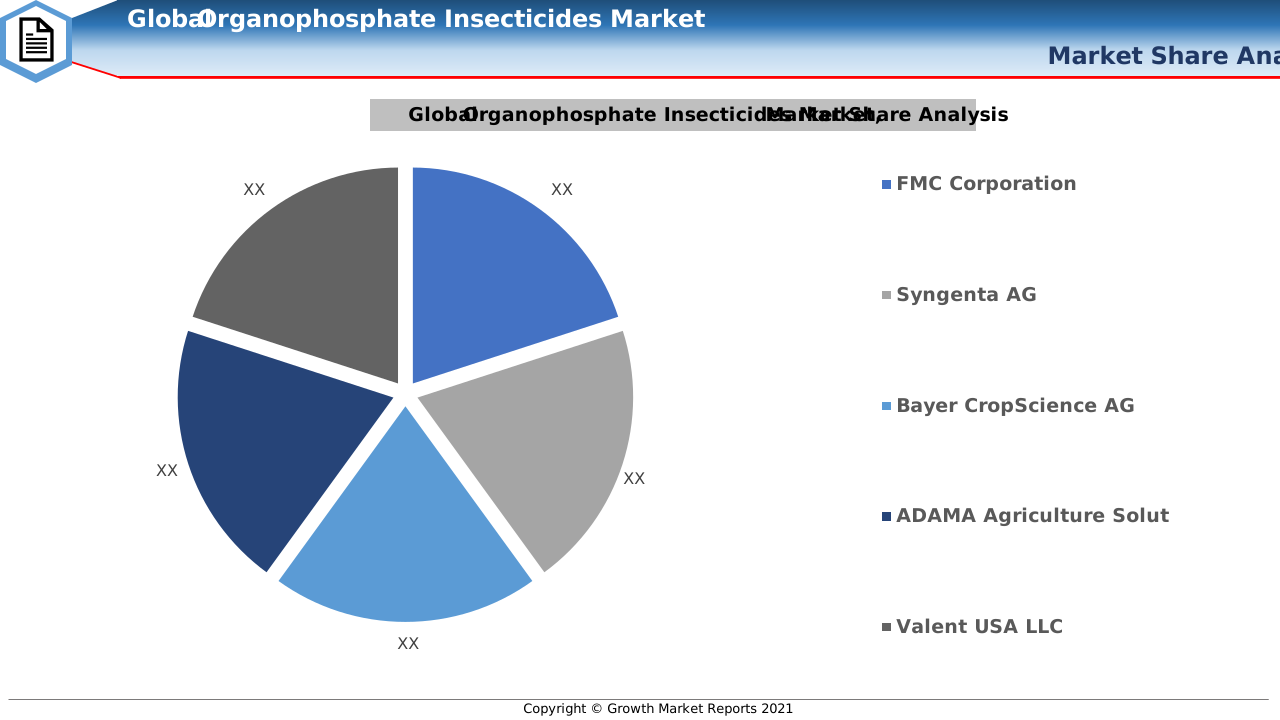
Key players operating in the global organophosphate insecticides market includes FMC Corporation, Syngenta AG, Bayer CropScience AG, ADAMA Agriculture Solutions Ltd, and Valent USA LLC.
Trends include innovation in safer formulations, adoption of integrated pest management, digital transformation in distribution, and a focus on sustainability and regulatory compliance.
Key players include Bayer CropScience, Syngenta AG, BASF SE, FMC Corporation, Dow AgroSciences, Adama Agricultural Solutions, Nufarm Limited, and UPL Limited.
Major challenges include increasing regulatory scrutiny, potential bans due to toxicity, growing public health concerns, and the shift towards safer and sustainable alternatives.
Distribution channels include direct sales, distributors, online retail, and government procurement programs, with online retail gaining traction in recent years.
Organophosphate Insecticides are primarily used in agriculture, but also have significant applications in residential, commercial, and industrial pest control.
Common product types include Parathion, Malathion, Chlorpyrifos, Diazinon, and Dimethoate, with Chlorpyrifos and Malathion being particularly prominent.
Key growth drivers include rising global food demand, expanding agricultural activities, technological advancements in formulations, and the need for effective pest control solutions.
The Asia Pacific region leads the market, accounting for about 42% of global revenue, with China, India, and Indonesia being major contributors.
The Organophosphate Insecticides market is expected to grow at a CAGR of 4.8% and reach USD 11.3 billion by 2033.
As of 2024, the global Organophosphate Insecticides market size is valued at USD 7.4 billion.