Segments - by Product Type (Skin Care, Hair Care, Oral Care, Cosmetics, Others), by Distribution Channel (Supermarkets/Hypermarkets, Specialty Stores, Online Retail, Others), by End-User (Men, Women, Children)
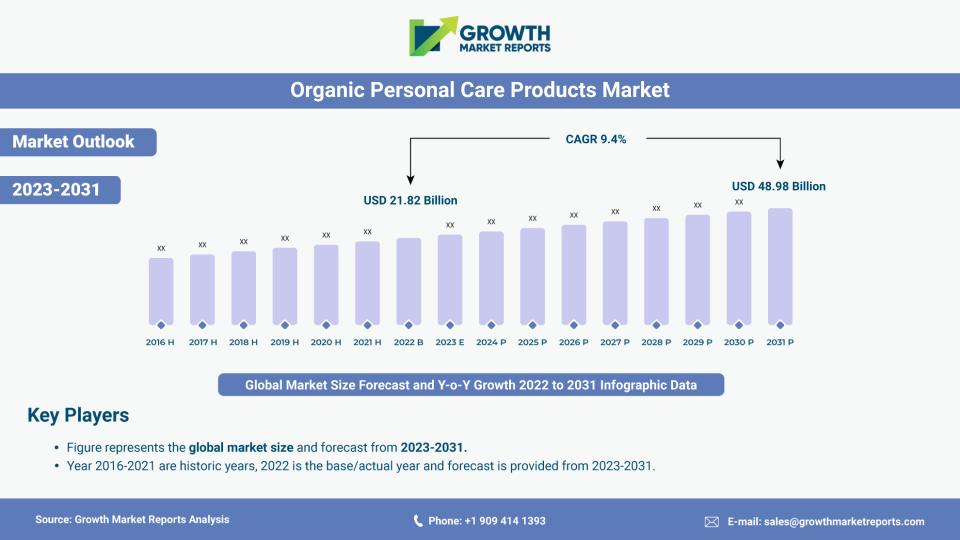
According to the latest research conducted in 2025, the global organic personal care products market size reached USD 23.7 billion in 2024, demonstrating robust expansion driven by consumer preferences for natural and environmentally friendly ingredients. The market is projected to grow at a CAGR of 9.8% from 2025 to 2033, with the forecasted market size expected to reach approximately USD 54.1 billion by 2033. This remarkable growth is primarily fueled by increasing health consciousness, stringent regulatory frameworks supporting organic labeling, and a pronounced shift toward sustainable and cruelty-free beauty regimens worldwide, as per our latest research findings.
One of the most significant growth factors for the organic personal care products market is the escalating consumer awareness regarding the adverse effects of synthetic chemicals and additives commonly used in conventional personal care items. Consumers are increasingly scrutinizing product labels and seeking transparency in ingredient sourcing, which has led to a dramatic surge in demand for products that are certified organic, non-toxic, and free from parabens, sulfates, and artificial fragrances. The rise of social media influencers and beauty bloggers advocating for clean beauty has further accelerated this trend, encouraging brands to innovate and expand their organic product portfolios. Additionally, the COVID-19 pandemic has heightened concerns about health and hygiene, prompting a preference for products that promise safety, purity, and minimal environmental impact.
Another pivotal growth driver is the expanding availability and accessibility of organic personal care products across diverse retail channels. The proliferation of e-commerce platforms has democratized access to a wide array of organic brands, making it easier for consumers to compare products, read reviews, and make informed purchasing decisions. Retail giants and specialty stores alike are dedicating more shelf space to organic lines, recognizing the lucrative potential of this segment. Furthermore, government initiatives and certifications such as USDA Organic, COSMOS, and Ecocert are fostering consumer confidence and standardizing quality benchmarks across the industry. These factors, combined with increasing disposable incomes, particularly in emerging economies, are driving the sustained adoption of organic personal care products.
Technological advancements in product formulation and sustainable packaging are also contributing significantly to market growth. Innovations such as plant-based actives, biodegradable packaging, and waterless beauty products are resonating with environmentally conscious consumers. Brands are investing heavily in research and development to introduce multifunctional products that cater to evolving consumer needs, such as anti-aging, hydration, and sun protection, all while maintaining organic integrity. The integration of artificial intelligence and data analytics in product development and marketing strategies is enabling brands to personalize offerings and enhance customer engagement, further fueling market expansion.
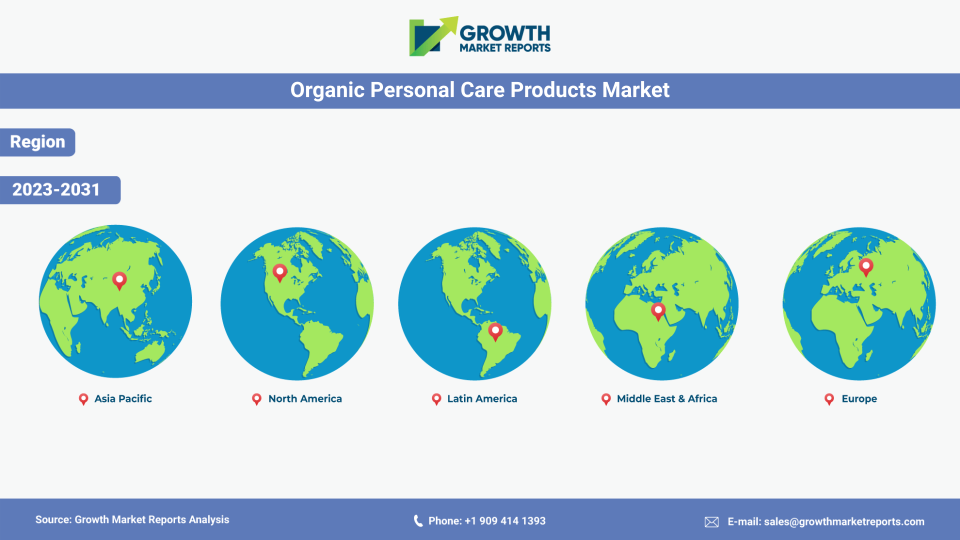
Regionally, North America and Europe continue to dominate the organic personal care products market, collectively accounting for more than half of the global revenue in 2024. However, the Asia Pacific region is emerging as the fastest-growing market, driven by a burgeoning middle class, rapid urbanization, and increasing awareness about organic lifestyles. Countries like India, China, and Japan are witnessing a surge in demand for organic skincare and hair care products, supported by rising disposable incomes and a youthful, health-conscious population. Latin America and the Middle East & Africa are also exhibiting promising growth trajectories, albeit from a smaller base, as consumers in these regions become more attuned to global beauty trends and the benefits of organic alternatives.
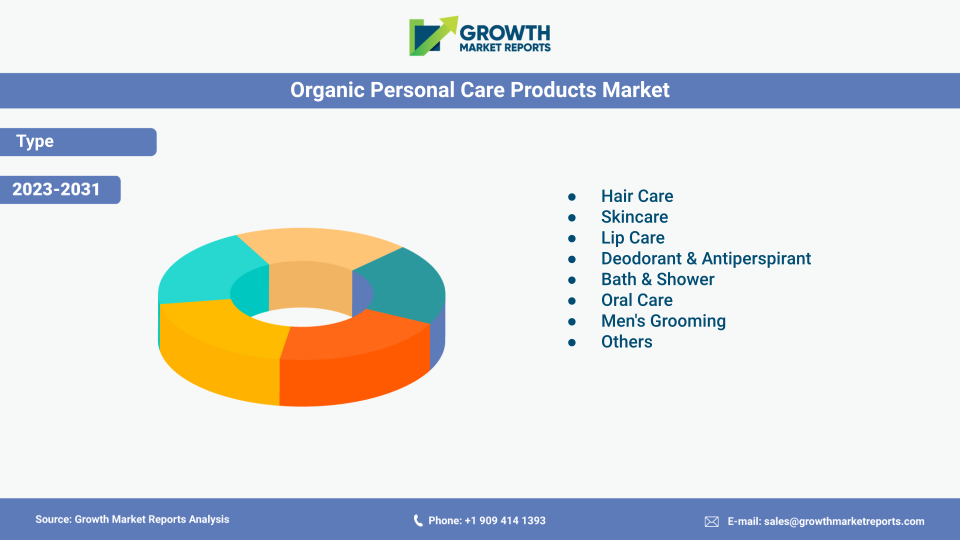
The product type segment of the organic personal care products market is broadly categorized into skin care, hair care, oral care, cosmetics, and others. Among these, organic skin care products hold the largest market share, accounting for approximately 35% of total global revenues in 2024. This dominance is attributed to the increasing prevalence of skin-related concerns such as acne, premature aging, and hyperpigmentation, which have driven consumers to seek safer, natural alternatives. Organic skin care products, formulated with botanical extracts, essential oils, and plant-based actives, are perceived as gentler and more effective for long-term skin health. The demand for facial serums, moisturizers, and sunscreens with organic certifications is particularly strong, as consumers prioritize products that offer both efficacy and safety.
Organic hair care is another rapidly expanding segment, fueled by growing awareness about the harmful effects of sulfates, parabens, and silicones found in conventional shampoos and conditioners. Consumers are increasingly opting for organic hair oils, shampoos, conditioners, and styling products that promote scalp health and hair strength without compromising on performance. The rise of specific concerns such as hair fall, dandruff, and scalp sensitivity has led to a proliferation of targeted organic solutions, often leveraging ingredients like argan oil, aloe vera, and tea tree extract. Brands are also focusing on sustainability by introducing biodegradable packaging and refillable options, further enhancing their appeal to eco-conscious consumers.
The organic oral care segment, while relatively smaller compared to skin and hair care, is witnessing robust growth, particularly among health-conscious millennials and families with young children. Products such as organic toothpastes, mouthwashes, and dental flosses are gaining traction as consumers become more aware of the potential risks associated with fluoride, artificial sweeteners, and microbeads. The emphasis on holistic well-being and preventive healthcare is driving the adoption of oral care products formulated with natural ingredients like neem, clove, and charcoal. Additionally, the segment is benefiting from the trend toward zero-waste and plastic-free packaging, with brands introducing compostable toothbrushes and recyclable containers.
Organic cosmetics, encompassing makeup and beauty enhancement products, are experiencing a surge in popularity as consumers seek clean alternatives that do not compromise on color payoff or longevity. The segment includes foundations, lipsticks, mascaras, and blushes made with naturally derived pigments and skin-friendly ingredients. Regulatory support for cruelty-free and vegan formulations is further propelling market growth, as is the increasing representation of diverse skin tones and types in product offerings. The “clean beauty” movement is also encouraging brands to disclose full ingredient lists and obtain third-party certifications, fostering greater transparency and trust among consumers.
The “others” category within product type includes organic deodorants, fragrances, and baby care products, all of which are gaining momentum due to rising concerns about synthetic chemicals and allergens. Parents, in particular, are driving demand for organic baby lotions, shampoos, and wipes, seeking to minimize exposure to potentially harmful substances in early childhood. The segment also encompasses niche products such as organic beard oils and feminine hygiene items, reflecting the broadening scope and inclusivity of the organic personal care industry.
| Attributes | Details |
| Report Title | Organic Personal Care Products Market Research Report 2033 |
| By Product Type | Skin Care, Hair Care, Oral Care, Cosmetics, Others |
| By Distribution Channel | Supermarkets/Hypermarkets, Specialty Stores, Online Retail, Others |
| By End-User | Men, Women, Children |
| Regions Covered | North America, Europe, APAC, Latin America, MEA |
| Base Year | 2024 |
| Historic Data | 2018-2023 |
| Forecast Period | 2025-2033 |
| Number of Pages | 270 |
| Number of Tables & Figures | 252 |
| Customization Available | Yes, the report can be customized as per your need. |
The distribution channel landscape for organic personal care products is undergoing a significant transformation, with online retail emerging as the fastest-growing channel in 2024. E-commerce platforms offer unparalleled convenience, variety, and access to global brands, making it easier for consumers to discover and purchase organic products from the comfort of their homes. The ability to compare prices, read customer reviews, and benefit from personalized recommendations has made online shopping the preferred choice for a growing segment of the population. Major e-commerce players such as Amazon, Alibaba, and niche organic marketplaces are expanding their organic personal care offerings, often featuring exclusive deals and subscription services that drive repeat purchases.
Supermarkets and hypermarkets continue to play a vital role in the distribution of organic personal care products, particularly in developed markets where organized retail infrastructure is well established. These outlets offer the advantage of physical product inspection, immediate purchase, and access to in-store promotions. Retailers are increasingly dedicating special sections or aisles to organic and natural products, responding to consumer demand for transparency and quality assurance. The presence of certified organic brands in mainstream retail channels is helping to normalize organic personal care as a viable, everyday choice rather than a niche or luxury purchase.
Specialty stores, including health food shops, organic boutiques, and beauty salons, are highly influential in shaping consumer perceptions and driving trial of organic personal care products. These outlets often employ knowledgeable staff who can educate customers about ingredient benefits, usage instructions, and certification standards. The personalized shopping experience and curated product selections offered by specialty stores foster brand loyalty and encourage repeat business. Many specialty retailers also host events, workshops, and sampling sessions to engage with their local communities and promote the adoption of organic lifestyles.
The “others” category in distribution channel encompasses pharmacies, direct selling, and pop-up stores, which collectively contribute to market penetration in both urban and rural areas. Pharmacies are particularly important for the distribution of organic personal care products with therapeutic claims, such as medicated creams, balms, and baby care items. Direct selling and multi-level marketing models are also gaining traction, leveraging personal relationships and word-of-mouth marketing to reach new customer segments. Pop-up stores and experiential retail formats are being used by brands to create buzz, gather consumer feedback, and test new product concepts before wider rollout.
The interplay between online and offline channels is fostering an omnichannel retail environment, where consumers expect a seamless shopping experience across platforms. Brands are investing in digital marketing, influencer collaborations, and loyalty programs to enhance customer engagement and drive conversions. The integration of technologies such as augmented reality for virtual try-ons and AI-powered chatbots for personalized recommendations is further enriching the consumer journey and supporting the sustained growth of the organic personal care products market.
The end-user segment of the organic personal care products market is segmented into men, women, and children, each with distinct preferences and purchasing behaviors. Women constitute the largest end-user group, accounting for more than 60% of global revenues in 2024. This dominance is attributed to the traditionally higher consumption of personal care products among women, coupled with a strong inclination toward health, beauty, and wellness. Women are particularly discerning about ingredient safety, efficacy, and sustainability, driving demand for organic skincare, cosmetics, and hair care products. The rise of feminist and body positivity movements is also encouraging brands to develop inclusive product lines that cater to diverse skin types, tones, and hair textures.
The men’s segment is witnessing rapid growth, driven by changing grooming habits and increasing awareness about the benefits of organic personal care. Modern men are seeking products that address specific concerns such as beard care, hair loss, and sensitive skin, leading to the development of targeted organic solutions. Brands are responding with gender-neutral packaging, minimalist formulations, and multifunctional products that appeal to male consumers seeking simplicity and convenience. The influence of social media and celebrity endorsements is also playing a crucial role in destigmatizing male grooming and encouraging experimentation with organic alternatives.
Children represent a unique and highly sensitive end-user group, with parents prioritizing safety, gentleness, and hypoallergenic properties in personal care products. The demand for organic baby lotions, shampoos, wipes, and sunscreens is on the rise, as parents seek to minimize exposure to synthetic chemicals during early childhood development. Brands are leveraging pediatrician endorsements, clinical testing, and eco-friendly packaging to build trust and credibility among parents. The growing trend toward holistic parenting and natural lifestyles is expected to sustain the growth of the children’s segment in the coming years.
The evolving needs of different end-user groups are prompting brands to invest in research and development, focusing on product customization and personalization. Advanced formulations that cater to age-specific concerns, such as anti-aging for women and hair regrowth for men, are gaining traction. The integration of natural fragrances, allergen-free ingredients, and biodegradable materials is further enhancing the appeal of organic personal care products across all demographics. The emphasis on inclusivity, diversity, and ethical sourcing is shaping the future of product development and marketing strategies in the organic personal care industry.
The interplay between end-user preferences and broader societal trends is fostering a culture of conscious consumption, where personal care choices are seen as extensions of individual values and lifestyles. Brands that can effectively communicate their commitment to sustainability, transparency, and social responsibility are well positioned to capture market share and drive long-term loyalty among diverse consumer segments.
The organic personal care products market is rife with opportunities, primarily driven by the growing consumer inclination toward health and wellness. The increasing prevalence of lifestyle diseases and allergies linked to synthetic chemicals is prompting consumers to seek safer, more natural alternatives. This shift is creating ample opportunities for brands to innovate and differentiate themselves through clean formulations, eco-friendly packaging, and transparent sourcing practices. The rise of digital marketing and social media platforms is enabling brands to reach new audiences, build communities, and foster brand loyalty. Additionally, the expansion of distribution networks, particularly in emerging markets, is opening up new avenues for growth and market penetration. The integration of advanced technologies such as artificial intelligence, blockchain, and augmented reality is further enhancing product development, supply chain transparency, and customer engagement, positioning the market for sustained expansion.
Another significant opportunity lies in the increasing demand for personalized and multifunctional organic personal care products. Consumers are seeking products that cater to their unique skin types, hair textures, and lifestyle needs, driving the development of customized solutions and subscription-based models. The trend toward holistic wellness is encouraging brands to offer products that address not just external beauty but also overall health and well-being. Collaborations with dermatologists, nutritionists, and wellness experts are helping brands build credibility and trust among discerning consumers. The growing emphasis on inclusivity and diversity is also creating opportunities for brands to develop products that cater to a wider range of skin tones, hair types, and cultural preferences, thereby expanding their customer base and fostering brand loyalty.
Despite the numerous opportunities, the organic personal care products market faces several restraining factors, chief among them being the high cost of organic ingredients and certification. The rigorous standards and testing required for organic certification often result in higher production costs, which are passed on to consumers in the form of premium pricing. This can limit market penetration, particularly in price-sensitive regions and among lower-income consumer segments. Additionally, the proliferation of “greenwashing” and misleading labeling practices poses a threat to consumer trust and market credibility. Regulatory inconsistencies across regions and the lack of standardized definitions for organic and natural products further complicate market dynamics, creating barriers to entry for new players and hindering the growth of smaller brands.
North America remains the largest regional market for organic personal care products, accounting for approximately USD 8.5 billion in revenues in 2024. The region’s dominance is underpinned by high consumer awareness, a strong regulatory framework supporting organic labeling, and a well-developed retail infrastructure. The United States is the primary contributor, driven by a large base of health-conscious consumers, widespread availability of organic products, and the presence of leading market players. Canada is also witnessing robust growth, supported by government initiatives promoting sustainable consumption and increasing demand for clean beauty products. The North American market is expected to maintain a steady growth trajectory, with a projected CAGR of 8.5% through 2033.
Europe is the second-largest market, with revenues reaching USD 7.2 billion in 2024. The region’s growth is fueled by stringent regulations on cosmetic ingredients, high levels of environmental consciousness, and a strong tradition of herbal and botanical remedies. Countries such as Germany, France, and the United Kingdom are at the forefront of the organic personal care movement, supported by a mature retail landscape and a discerning consumer base. The European market is characterized by a high degree of product innovation, with brands focusing on sustainability, ethical sourcing, and cruelty-free formulations. The increasing popularity of vegan and zero-waste products is further propelling market growth in the region.
The Asia Pacific region is emerging as the fastest-growing market, with revenues estimated at USD 5.1 billion in 2024 and a projected CAGR of 13.2% from 2025 to 2033. The region’s growth is driven by a burgeoning middle class, rising disposable incomes, and increasing awareness about the benefits of organic lifestyles. Countries such as China, India, and Japan are witnessing a surge in demand for organic skincare, hair care, and cosmetics, supported by rapid urbanization and a youthful, health-conscious population. The proliferation of e-commerce platforms and the entry of international brands are further accelerating market expansion in the region. Latin America and the Middle East & Africa, while currently smaller in terms of market size, are exhibiting promising growth trajectories as consumers in these regions become more attuned to global beauty trends and the benefits of organic alternatives.
The competitive landscape of the organic personal care products market is characterized by intense rivalry, continuous innovation, and a dynamic mix of established players and emerging brands. Leading companies are investing heavily in research and development to introduce new and improved formulations that cater to evolving consumer preferences for clean, safe, and effective products. The emphasis on sustainability, transparency, and ethical sourcing is prompting brands to obtain third-party certifications, disclose full ingredient lists, and adopt eco-friendly packaging solutions. Mergers, acquisitions, and strategic partnerships are common strategies employed by market leaders to expand their product portfolios, enhance distribution networks, and strengthen their global footprint. The rise of direct-to-consumer brands and digital-first companies is further intensifying competition, as these players leverage social media, influencer marketing, and data analytics to build strong customer relationships and drive brand loyalty.
Innovation is a key differentiator in the organic personal care products market, with companies focusing on the development of multifunctional products that address multiple consumer needs. The integration of advanced technologies such as artificial intelligence, machine learning, and augmented reality is enabling brands to offer personalized recommendations, virtual try-ons, and tailored product experiences. The growing demand for inclusive and diverse product offerings is encouraging brands to develop solutions that cater to a wide range of skin tones, hair types, and cultural preferences. Companies are also exploring new business models, such as subscription services and refillable packaging, to enhance customer convenience and reduce environmental impact.
The market is witnessing the entry of numerous niche and indie brands, which are challenging established players by offering highly specialized, artisanal, and locally sourced products. These brands often emphasize transparency, authenticity, and community engagement, resonating strongly with younger, values-driven consumers. The proliferation of online retail channels and social media platforms is leveling the playing field, enabling smaller brands to reach global audiences and compete effectively with larger competitors. However, the increasing prevalence of greenwashing and misleading claims is prompting regulatory authorities to tighten oversight and enforce stricter labeling standards, thereby enhancing market credibility and consumer trust.
Major companies operating in the organic personal care products market include The Estée Lauder Companies, L'Oréal, Procter & Gamble, The Hain Celestial Group, Weleda AG, Burt's Bees, and Avalon Organics, among others. The Estée Lauder Companies and L'Oréal have made significant investments in sustainable sourcing, ingredient transparency, and eco-friendly packaging, positioning themselves as leaders in the clean beauty movement. Procter & Gamble has expanded its organic product offerings through acquisitions and partnerships, while The Hain Celestial Group has focused on developing innovative, plant-based formulations under its Alba Botanica and Jason brands. Weleda AG and Burt's Bees are renowned for their commitment to natural and organic ingredients, ethical sourcing, and environmental stewardship. Avalon Organics is recognized for its extensive range of certified organic personal care products, including skin care, hair care, and body care solutions.
These companies are continuously expanding their product portfolios, investing in marketing and promotional activities, and leveraging digital platforms to engage with consumers and drive brand awareness. The emphasis on product innovation, sustainability, and ethical business practices is expected to remain a key focus area for market leaders, as they seek to capture a larger share of the rapidly growing organic personal care products market. The competitive landscape is likely to become even more dynamic in the coming years, as new entrants, technological advancements, and evolving consumer preferences continue to shape the future of the industry.
The Organic Personal Care Products market has been segmented on the basis of
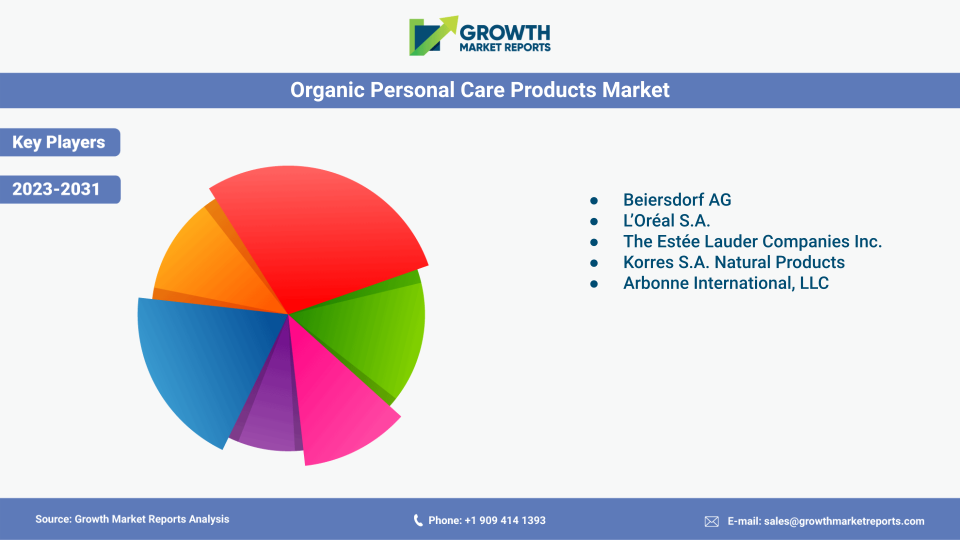
Key players competing in the global organic personal care products market are Beiersdorf AG; The Estée Lauder Companies Inc.; L’Oréal S.A.; Korres S.A. Natural Products; and Arbonne International, LLC.
Major players include The Estée Lauder Companies, L'Oréal, Procter & Gamble, The Hain Celestial Group, Weleda AG, Burt's Bees, Avalon Organics, Unilever, and Johnson & Johnson, among others.
Trends include plant-based actives, biodegradable packaging, waterless beauty products, AI-driven personalization, and multifunctional products addressing various consumer needs.
Challenges include high costs of organic ingredients and certification, greenwashing and misleading labeling, and regulatory inconsistencies across regions.
Women are the largest end-user group, followed by men and children. Each segment has distinct needs, with women focusing on safety and efficacy, men on grooming and convenience, and parents seeking gentle, hypoallergenic products for children.
North America and Europe are the leading markets, while the Asia Pacific region is the fastest-growing, driven by rising disposable incomes and growing awareness of organic lifestyles.
Online retail is the fastest-growing distribution channel, offering consumers convenience, variety, and easy access to global organic brands.
Organic skin care products hold the largest market share, accounting for about 35% of global revenues in 2024, due to high demand for natural solutions for skin concerns like acne and aging.
Key growth drivers include rising health consciousness, stricter organic labeling regulations, increased awareness of the harmful effects of synthetic chemicals, and a shift toward sustainable, cruelty-free beauty products.
The organic personal care products market is expected to grow at a CAGR of 9.8% from 2025 to 2033, reaching approximately USD 54.1 billion by 2033.
As of 2024, the global organic personal care products market reached USD 23.7 billion, with strong growth driven by consumer demand for natural and eco-friendly products.