Ophthalmic Drugs & Devices Market Report 2034

Ophthalmic Drugs & Devices Market Report 2034

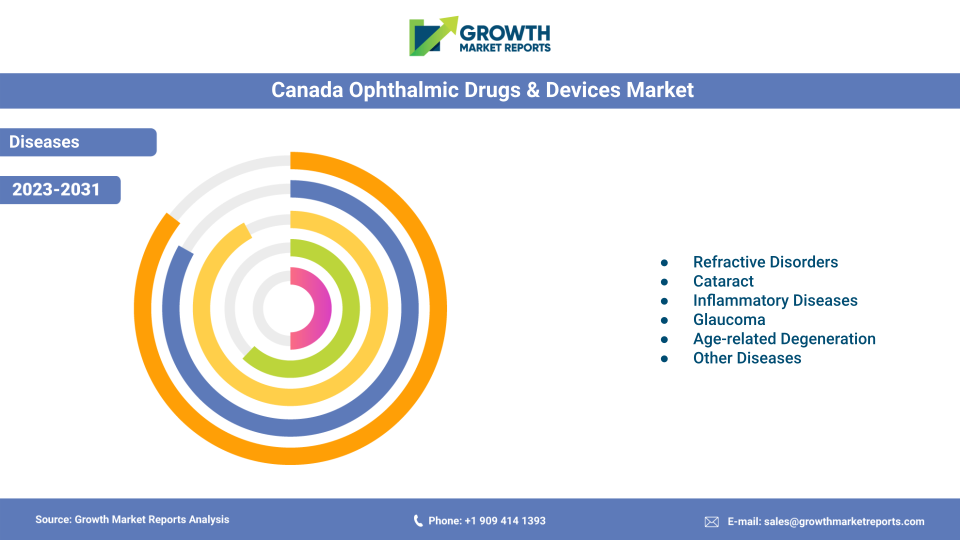
Segments - by Product Type (Drugs, Devices), by Drug Class (Anti-inflammatory, Anti-infective, Anti-glaucoma, Anti-allergy, Others), by Device Type (Surgical Devices, Diagnostic Devices, Vision Care Devices), by Application (Glaucoma, Retinal Disorders, Dry Eye, Eye Infections, Others), by Distribution Channel (Hospital Pharmacies, Retail Pharmacies, Online Pharmacies, Others), by End User (Hospitals, Clinics, Ambulatory Surgical Centers, Others)

https://growthmarketreports.com/raksha
Author : Raksha Sharma
https://growthmarketreports.com/Vaibhav
Fact-checked by : V. Chandola
https://growthmarketreports.com/Shruti
Editor : Shruti Bhat

Last Updated : Jun, 2026 | Report ID :HC-1092 | 4.8 Rating | 88 Reviews | 280 Pages | Format : Docx PDF

Report Description

This report is updated with the latest market data and insights as of June 2026. Base year: 2025  |  Forecast period: 2026-2034


Ophthalmic Drugs & Devices Market Outlook

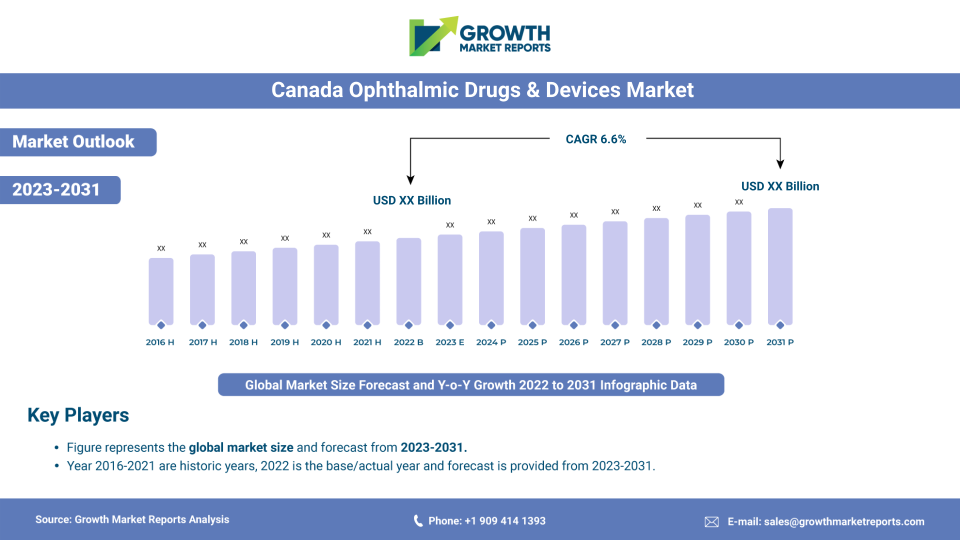
According to our latest research, the global ophthalmic drugs & devices market size reached USD 66.3 billion in 2025, reflecting robust demand for advanced ocular therapeutics and diagnostic technologies. The market is expected to grow at a CAGR of 6.8% from 2026 to 2034, reaching an estimated USD 122.4 billion by 2034. This growth is primarily driven by the increasing prevalence of ophthalmic disorders, advancements in minimally invasive surgical devices, and the rapid adoption of innovative drug delivery systems across both developed and emerging markets.

Global Ophthalmic Drugs & Devices  Market Size Forecast 2025-2034, USD Billion

A significant growth factor for the ophthalmic drugs & devices market is the sharp rise in the global geriatric population. Age-related ocular conditions such as cataract, glaucoma, and macular degeneration are becoming more prevalent, necessitating both surgical interventions and long-term pharmacological management. Furthermore, the escalating incidence of diabetes worldwide is contributing to a higher burden of diabetic retinopathy, which in turn fuels demand for both ophthalmic drugs and diagnostic devices. The expansion of healthcare infrastructure, particularly in emerging economies across Asia Pacific and Latin America, is making advanced treatments and technologies more accessible, further accelerating market growth through the forecast horizon.

Another critical driver is the ongoing technological innovation in both ophthalmic drugs and devices. The introduction of sustained-release drug delivery systems, biologics, and gene therapies has significantly improved the efficacy and patient compliance in treating chronic eye diseases. On the devices front, advancements in surgical equipment such as femtosecond lasers and micro-incisional instruments are enabling safer and more precise procedures with shorter recovery times. Diagnostic devices are also evolving rapidly, with optical coherence tomography (OCT) and AI-enhanced digital fundus cameras becoming standard in eye care practices, allowing for earlier and more accurate detection of ocular pathologies. For a broader perspective on the global landscape, our coverage of the ophthalmology drug and device sector provides complementary insights into therapeutic pipeline developments and regulatory dynamics.

The market is also benefiting from increased awareness and proactive eye health management among populations worldwide. Public and private initiatives aimed at reducing preventable blindness, coupled with regular screening programs, are driving early diagnosis and intervention. The proliferation of retail and online pharmacies has improved patient access to ophthalmic drugs, while the growth of ambulatory surgical centers is making ophthalmic surgeries more convenient and cost-effective. Furthermore, strategic collaborations between pharmaceutical and medical device companies are fostering the development of integrated solutions, which is expected to further propel market expansion over the 2026-2034 forecast period.

Ophthalmic devices are playing an increasingly pivotal role in the advancement of eye care, particularly in the realm of surgical and diagnostic applications. These devices, ranging from sophisticated surgical instruments to cutting-edge diagnostic tools, are enhancing the precision and efficacy of ophthalmic procedures. The development of advanced phacoemulsification systems and laser-assisted technologies has revolutionized cataract surgery, making it safer and more efficient. Moreover, diagnostic devices such as optical coherence tomography and AI-powered digital fundus cameras are providing clinicians with unparalleled insights into ocular health, enabling early detection and intervention for various eye conditions. As the demand for minimally invasive procedures and accurate diagnostics continues to grow, the role of these technologies in improving patient outcomes cannot be overstated. Detailed country-level analysis of ophthalmic devices in Germany illustrates how mature European markets are adopting next-generation surgical and imaging platforms.

From a regional perspective, North America continues to dominate the ophthalmic drugs & devices market, accounting for approximately 36.2% of total revenue in 2025 due to its advanced healthcare infrastructure, high healthcare expenditure, and strong presence of key market players. However, the Asia Pacific region is emerging as the fastest-growing market, driven by a large patient pool, rising disposable incomes, and increasing investments in healthcare modernization. Europe maintains a significant share, supported by robust reimbursement frameworks and a growing elderly population. Meanwhile, Latin America and the Middle East & Africa are witnessing steady growth, albeit from a smaller base, as awareness of and access to eye care services improve across both regions.

Product Type Analysis

The ophthalmic drugs & devices market is segmented by product type into drugs and devices, each playing a vital role in the management and treatment of ocular conditions. Ophthalmic drugs continue to represent a substantial portion of the market at approximately 54.5% of 2025 revenue, driven by the increasing prevalence of chronic eye diseases and the continuous development of novel therapeutics. The introduction of combination therapies, sustained-release formulations, and biologics has significantly enhanced treatment outcomes for patients with glaucoma, retinal disorders, and inflammatory diseases. Additionally, the growing adoption of over-the-counter eye drops for conditions such as dry eye and allergies has expanded the consumer base for ophthalmic drugs considerably.

Ophthalmic Drugs & Devices  Market Share by Product Type 2025

On the devices side, the market is witnessing significant advancements in both surgical and diagnostic technologies. Surgical devices, including phacoemulsification systems, intraocular lenses, and laser-assisted equipment, have revolutionized the management of cataracts and refractive errors. The increasing preference for minimally invasive and outpatient procedures has led to a surge in demand for advanced surgical devices that offer greater precision and faster recovery. Diagnostic devices such as OCT, fundus cameras, and tonometers are now integral to routine eye examinations, enabling early detection and monitoring of diseases like glaucoma and diabetic retinopathy.

Vision care devices, including contact lenses and spectacles, also constitute an essential segment of the ophthalmic devices market. The rising incidence of refractive errors, coupled with growing awareness about eye health and aesthetics, has fueled demand for innovative vision correction solutions. Technological advancements in lens materials, coatings, and designs are enhancing comfort and visual outcomes, further boosting market growth. The increasing adoption of smart lenses and digital eye strain solutions is expected to create new opportunities within the vision care segment over the 2026-2034 forecast period.

The integration of pharmacological treatments with device-based delivery systems is creating new paradigms in the management of ocular diseases. This synergy is particularly evident in the development of drug-eluting implants and ocular inserts, which combine the benefits of sustained drug release with the precision of device-assisted delivery. These innovations are not only improving patient compliance but also enhancing therapeutic outcomes by maintaining optimal drug concentrations at the target site. Collaborative work between pharmaceutical companies and medical device manufacturers is fostering comprehensive treatment platforms that address multiple aspects of eye health simultaneously. As these integrated solutions gain traction, they are poised to redefine standards of care in ophthalmology. A review of global ophthalmology drug and device trends further contextualizes the pipeline of combination products expected to reach market through the mid-2030s.

The interplay between drugs and devices is becoming increasingly prominent, with integrated solutions that combine pharmacological therapy with device-assisted delivery or monitoring. Drug-eluting implants and ocular inserts are gaining traction as they offer sustained drug release and improved patient compliance. This convergence is fostering collaborations between pharmaceutical companies and medical device manufacturers, leading to the development of comprehensive treatment platforms that address multiple aspects of ocular health. As the market continues to evolve, the synergy between drugs and devices is expected to drive innovation and deliver enhanced value to both patients and healthcare providers through 2034 and beyond.

Report Scope

Attributes Details
Report Title Ophthalmic Drugs & Devices Market Research Report 2034
By Product Type Drugs, Devices
By Drug Class Anti-inflammatory, Anti-infective, Anti-glaucoma, Anti-allergy, Others
By Device Type Surgical Devices, Diagnostic Devices, Vision Care Devices
By Application Glaucoma, Retinal Disorders, Dry Eye, Eye Infections, Others
By Distribution Channel Hospital Pharmacies, Retail Pharmacies, Online Pharmacies, Others
By End User Hospitals, Clinics, Ambulatory Surgical Centers, Others
Regions Covered North America, Europe, APAC, Latin America, MEA
Base Year 2025
Historic Data 2019-2024
Forecast Period 2026-2034
Number of Pages 280
Number of Tables & Figures 365
Customization Available Yes, the report can be customized as per your need.

Drug Class Analysis

The ophthalmic drugs segment is further categorized by drug class, with anti-inflammatory, anti-infective, anti-glaucoma, anti-allergy, and other drugs forming the core therapeutic categories. Anti-inflammatory drugs, including corticosteroids and non-steroidal anti-inflammatory drugs (NSAIDs), are widely used for post-surgical inflammation, uveitis, and allergic conjunctivitis. The increasing number of cataract and refractive surgeries performed globally in 2025 has led to higher demand for effective anti-inflammatory medications that minimize complications and promote faster recovery. Biologic agents targeting specific inflammatory pathways are also gaining acceptance, offering improved efficacy and safety profiles compared to traditional therapies.

Anti-infective drugs, comprising antibiotics, antivirals, and antifungals, play a crucial role in the management of ocular infections such as conjunctivitis, keratitis, and endophthalmitis. The rise in antimicrobial resistance has prompted the development of novel anti-infective agents with broader spectra and enhanced penetration. Combination therapies and fortified formulations are being increasingly used to address complex infections, particularly in immunocompromised patients. The growing awareness of hygiene and infection control in clinical settings is further driving the adoption of advanced anti-infective ophthalmic drugs worldwide.

Anti-glaucoma drugs represent a significant portion of the ophthalmic drugs market, given the chronic nature of glaucoma and the need for long-term intraocular pressure control. Prostaglandin analogs, beta-blockers, alpha agonists, and carbonic anhydrase inhibitors are commonly prescribed, either as monotherapy or in combination. The development of fixed-dose combinations, preservative-free formulations, and sustained-release implants has improved patient adherence and reduced side effects. The increasing prevalence of glaucoma, particularly in aging populations globally, ensures a steady and growing demand for innovative anti-glaucoma therapies across all major markets.

The ophthalmic devices market continues to witness a surge in innovation, driven by the need for more efficient and patient-friendly solutions. Vision care devices such as contact lenses and spectacles are evolving with advancements in lens materials and designs, offering enhanced comfort and visual acuity. Additionally, the emergence of smart lenses and digital eye strain solutions is addressing the growing challenges posed by increased screen time and digital device usage. These innovations are catering to the aesthetic and functional needs of consumers while also contributing to the broader goal of improving eye health and quality of life. Granular regional analysis, such as our report on the German ophthalmic devices market, provides valuable benchmarks for understanding how innovation adoption varies across mature healthcare systems.

Anti-allergy drugs, including antihistamines and mast cell stabilizers, are widely used for the management of allergic conjunctivitis and related conditions. The growing incidence of allergies due to environmental factors, urbanization, and lifestyle changes has led to higher demand for fast-acting and long-lasting anti-allergy medications. Over-the-counter availability and the introduction of multi-action formulations are enhancing market penetration. Other drug classes, such as mydriatics, cycloplegics, and lubricants, continue to play a supportive role in comprehensive eye care, addressing specific clinical needs and improving overall patient outcomes.

Device Type Analysis

The device segment of the ophthalmic drugs & devices market is broadly categorized into surgical devices, diagnostic devices, and vision care devices, each contributing uniquely to the continuum of eye care. Surgical devices have witnessed significant advancements, particularly in cataract and refractive surgery. The adoption of femtosecond lasers, micro-incision instruments, and advanced phacoemulsification systems has improved surgical precision, reduced complications, and shortened recovery times. Intraocular lenses (IOLs) with enhanced optical properties and accommodative capabilities are increasingly preferred, offering patients better visual outcomes and quality of life in a post-surgical context.

Diagnostic devices are pivotal in the early detection and monitoring of ocular diseases. Optical coherence tomography has become the gold standard for retinal imaging, enabling high-resolution visualization of retinal layers and facilitating the diagnosis of conditions such as macular degeneration and diabetic retinopathy. Fundus cameras, visual field analyzers, and tonometers are routinely used in clinical practice, allowing for comprehensive assessment of ocular health. The integration of artificial intelligence and tele-ophthalmology platforms is further enhancing diagnostic accuracy and expanding access to specialized care, particularly in remote and underserved areas where specialist availability is limited.

Vision care devices, including spectacles, contact lenses, and low vision aids, address the growing demand for refractive error correction and visual rehabilitation. Technological innovations in lens materials, coatings, and designs are improving comfort, durability, and visual performance. The increasing prevalence of myopia, hyperopia, and astigmatism, particularly among younger populations in urban areas, is driving the adoption of customized and digitally enhanced vision care solutions. The emergence of smart lenses and devices designed to address digital eye strain is creating new growth avenues within this segment over the 2026-2034 forecast period.

The convergence of surgical, diagnostic, and vision care devices is leading to the development of integrated treatment platforms that offer comprehensive solutions for both acute and chronic eye conditions. Diagnostic devices with embedded analytics can guide surgical planning, while vision care devices can be tailored based on precise diagnostic data. This holistic approach is improving clinical outcomes, reducing treatment costs, and enhancing patient satisfaction. As the market continues to evolve through 2034, the emphasis on integrated and personalized eye care is expected to drive further innovation across all ophthalmic device categories.

Application Analysis

The ophthalmic drugs & devices market is segmented by application into glaucoma, retinal disorders, dry eye, eye infections, and others. Glaucoma remains a major application area, given its status as a leading cause of irreversible blindness worldwide. The chronic nature of the disease necessitates lifelong management, driving demand for both pharmacological therapies and surgical interventions. The introduction of minimally invasive glaucoma surgery (MIGS) devices and sustained-release implants has significantly improved patient outcomes and quality of life. Early diagnosis and regular monitoring, facilitated by advanced diagnostic devices, are critical in preventing disease progression and vision loss.

Retinal disorders, including age-related macular degeneration, diabetic retinopathy, and retinal vein occlusion, represent another significant application segment. The rising incidence of diabetes and aging populations globally are contributing to an increased burden of retinal diseases. Anti-VEGF therapies have revolutionized the management of neovascular AMD and diabetic macular edema, offering improved visual outcomes and reducing the risk of blindness. The development of long-acting formulations and gene therapies targeting inherited retinal dystrophies is expected to further enhance treatment efficacy and patient adherence over the forecast period through 2034.

Dry eye disease is emerging as a major public health concern in 2025, driven by factors such as increased screen time, environmental pollution, and aging. The growing awareness of the impact of dry eye on quality of life has led to a surge in demand for artificial tears, lubricating gels, and prescription medications. Diagnostic devices that assess tear film stability and ocular surface health are enabling more accurate diagnosis and personalized treatment strategies. The introduction of novel therapeutics targeting underlying inflammatory pathways, including peptide-based formulations and microbiome-modulating agents, is expected to expand the treatment landscape for dry eye disease considerably.

Eye infections, including bacterial, viral, and fungal etiologies, continue to pose significant challenges in both hospital and community settings. The increasing prevalence of contact lens use, ocular trauma, and immunosuppressive therapies has contributed to a higher incidence of infectious keratitis and endophthalmitis. Rapid diagnostic tools and broad-spectrum anti-infective drugs are essential for timely and effective management. The market is also witnessing growing demand for preventive measures, such as antimicrobial coatings for intraocular lenses and surgical instruments, to reduce the risk of postoperative infections and associated morbidity.

Distribution Channel Analysis

Distribution channels play a critical role in the accessibility and availability of ophthalmic drugs & devices. Hospital pharmacies continue to be the primary distribution channel, particularly for prescription medications and surgical devices. The presence of specialized ophthalmology departments in hospitals ensures timely access to advanced therapeutics and technologies for both inpatients and outpatients. Hospital pharmacies also play a key role in the procurement and management of high-value surgical and diagnostic devices, supporting the delivery of comprehensive eye care services across large patient populations.

Retail pharmacies are gaining prominence as a convenient and accessible channel for over-the-counter ophthalmic drugs, vision care products, and prescription medications. The expansion of retail pharmacy chains, particularly in urban areas of emerging economies, has improved patient access to essential eye care products. Pharmacist-led counseling and patient education initiatives are enhancing medication adherence and promoting proactive eye health management. The growing trend of self-medication for minor ocular conditions such as dry eye and mild allergic conjunctivitis is further boosting sales through retail pharmacies in 2025.

Online pharmacies are emerging as a disruptive force in the distribution landscape, offering patients greater convenience, competitive pricing, and home delivery options. The proliferation of e-commerce platforms and digital health solutions is enabling patients to access a wide range of ophthalmic drugs and devices without visiting traditional brick-and-mortar outlets. Regulatory frameworks governing online pharmacies are evolving to ensure the safety and authenticity of products, which is expected to further drive adoption. The normalization of telemedicine consultations and digital prescriptions that accelerated post-2020 has created a durable shift in patient purchasing behavior that continues to benefit online pharmacy growth through 2025 and beyond.

Other distribution channels, such as specialty clinics and ambulatory surgical centers, are also playing a growing role in the delivery of ophthalmic drugs and devices. These settings offer targeted services for specific ocular conditions, enabling more personalized and efficient care. Direct-to-consumer models and partnerships with healthcare providers are expanding the reach of innovative products and solutions. As the market continues to evolve through 2034, the emphasis on multi-channel distribution strategies is expected to enhance patient access and drive sustained growth across all product categories.

End User Analysis

The end user segment of the ophthalmic drugs & devices market comprises hospitals, clinics, ambulatory surgical centers (ASCs), and others, each contributing uniquely to the delivery of eye care services. Hospitals remain the largest end user, given their ability to provide comprehensive diagnostic, therapeutic, and surgical services under one roof. The presence of multidisciplinary teams and advanced infrastructure enables hospitals to manage complex cases and offer a wide range of ophthalmic procedures, from routine cataract surgeries to advanced retinal interventions involving the latest biologics and surgical platforms.

Clinics, including specialized ophthalmology centers and optometry practices, are playing an increasingly important role in the early detection, diagnosis, and management of ocular conditions. The growing trend toward outpatient care and minimally invasive procedures is driving patient preference for clinics, which offer shorter wait times, personalized attention, and cost-effective solutions. Clinics are also at the forefront of adopting innovative diagnostic and therapeutic technologies, enabling the delivery of high-quality care in community settings that supplement larger hospital networks.

Ambulatory surgical centers are emerging as a preferred setting for elective ophthalmic surgeries, such as cataract extraction, refractive surgery, and glaucoma interventions. The focus on efficiency, patient comfort, and reduced hospitalization costs is driving the adoption of ASCs, particularly in developed markets where healthcare cost pressures are acute. The ability to perform high-volume procedures in a streamlined environment is enhancing surgical outcomes and patient satisfaction. ASCs are also increasingly equipped with state-of-the-art surgical and diagnostic devices, further expanding their role in the eye care continuum through 2034.

Other end users, such as academic institutions, research organizations, and government health programs, are contributing to the advancement of ophthalmic care through research, training, and public health initiatives. Collaborative efforts between public and private sectors are facilitating the development and dissemination of innovative drugs and devices, addressing unmet needs and improving access to quality eye care globally. As the market continues to evolve, the emphasis on integrated and patient-centered care models is expected to drive further growth across all end user segments over the forecast period.

Opportunities & Threats

The ophthalmic drugs & devices market presents significant opportunities for growth and innovation, particularly in emerging markets and underserved populations. The rising prevalence of chronic eye diseases, coupled with increasing awareness of the importance of early diagnosis and treatment, is creating a favorable environment for the adoption of advanced therapeutics and technologies. The expansion of healthcare infrastructure and the implementation of national eye health programs are improving access to care and driving demand for both drugs and devices. Strategic partnerships, mergers, and acquisitions are enabling companies to expand their product portfolios and geographic reach, fostering innovation and competitiveness through the 2026-2034 forecast period.

Technological advancements represent a major opportunity for market players, with the integration of artificial intelligence, telemedicine, and digital health solutions transforming the delivery of eye care. The development of personalized and precision medicine approaches, such as gene therapies and targeted biologics for inherited retinal diseases, is opening new frontiers in the treatment of previously intractable ocular conditions. The increasing adoption of minimally invasive surgical techniques and smart diagnostic devices is enhancing clinical outcomes and patient experiences. Furthermore, the growing emphasis on preventive care and wellness is driving demand for vision care products and services, creating new avenues for market expansion well into the 2030s.

Despite the numerous opportunities, the ophthalmic drugs & devices market faces several restraining factors that could impact growth. Regulatory challenges, particularly in the approval and commercialization of new drugs and devices across multiple jurisdictions, can delay market entry and increase development costs substantially. The high cost of advanced surgical and diagnostic equipment may limit adoption in resource-constrained settings, while reimbursement uncertainties can affect patient access to innovative treatments. Additionally, the threat of counterfeit and substandard products, particularly in online and informal markets, poses significant risks to patient safety and market integrity. Addressing these challenges will require coordinated efforts from industry stakeholders, regulators, and healthcare providers across all geographies.

Regional Outlook

North America remains the largest regional market for ophthalmic drugs & devices, accounting for approximately USD 24.0 billion in 2025. The region's dominance is underpinned by a well-established healthcare infrastructure, high healthcare expenditure, and the presence of leading pharmaceutical and medical device companies. The United States, in particular, boasts a high prevalence of age-related ocular diseases, robust reimbursement frameworks, and a strong focus on research and innovation. Canada is also contributing to regional growth through investments in healthcare modernization and public health initiatives aimed at reducing preventable blindness among aging and Indigenous populations.

Ophthalmic Drugs & Devices  Market Regional Share 2025

Europe holds a significant share of the global ophthalmic drugs & devices market, with a market size of approximately USD 18.9 billion in 2025. The region benefits from a growing elderly population, comprehensive national health systems, and strong regulatory support for innovative therapies and devices. Countries such as Germany, the United Kingdom, and France are at the forefront of adopting advanced surgical and diagnostic technologies. The European market is expected to grow at a CAGR of approximately 6.2% over the 2026-2034 forecast period, driven by increasing investments in eye health research and the expansion of outpatient care services across member states.

The Asia Pacific region is emerging as the fastest-growing market, with a market size of approximately USD 14.6 billion in 2025 and an anticipated CAGR of 8.3% through 2034. The region's growth is fueled by a large and rapidly aging population, rising disposable incomes, and increasing awareness of eye health among urban consumers. China, India, and Japan are leading the way in healthcare modernization and the adoption of innovative drugs and devices. Government initiatives aimed at reducing the burden of preventable blindness and expanding access to care are further driving market growth. Latin America and the Middle East & Africa, with market sizes of approximately USD 4.5 billion and USD 4.2 billion respectively in 2025, are witnessing steady growth as healthcare infrastructure improves and awareness of eye health increases across both regions.

Competitor Outlook

The global ophthalmic drugs & devices market is characterized by intense competition, with numerous multinational corporations and emerging players vying for market share. The competitive landscape is shaped by continuous innovation, strategic partnerships, and a focus on expanding product portfolios to address a wide range of ocular conditions. Leading companies are investing heavily in research and development to introduce novel therapeutics, advanced surgical instruments, and cutting-edge diagnostic technologies. The emphasis on personalized medicine and integrated care solutions is driving collaborations between pharmaceutical companies, medical device manufacturers, and digital health startups across the industry.

Mergers and acquisitions are a common strategy among key players seeking to strengthen their market position and expand their geographic reach. Companies are also entering into licensing agreements and joint ventures to leverage complementary expertise and accelerate the development and commercialization of new products. The increasing importance of emerging markets is prompting global players to establish local manufacturing facilities, distribution networks, and partnerships with regional healthcare providers. Competitive pricing, robust after-sales support, and comprehensive training programs are critical differentiators in the market, particularly within the devices segment where capital investment decisions are significant.

Regulatory compliance and quality assurance are paramount, given the critical nature of ophthalmic products and the potential impact on patient safety. Companies are investing in robust quality management systems and adhering to stringent regulatory standards to ensure the safety, efficacy, and reliability of their products. The growing threat of counterfeit and substandard products, particularly in online and informal markets, is prompting industry stakeholders to collaborate on initiatives aimed at improving product traceability and patient education. As the market continues to evolve through 2034, the ability to adapt to changing regulatory environments and emerging trends will be key to sustaining competitive advantage.

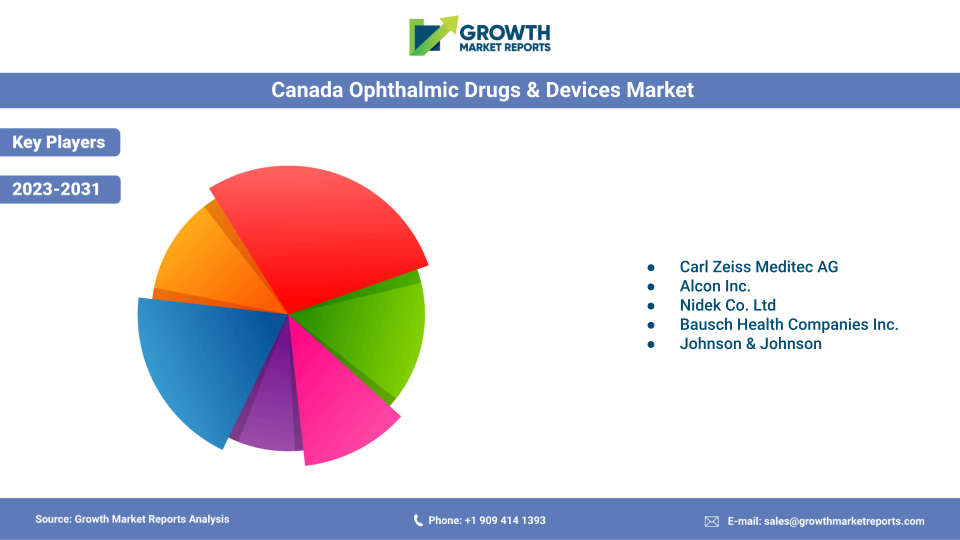
Major companies operating in the ophthalmic drugs & devices market include Alcon Inc., Novartis AG, Johnson & Johnson Vision Care, Bausch + Lomb, Allergan (AbbVie), Carl Zeiss Meditec AG, EssilorLuxottica, and Hoya Corporation. Alcon is a global leader in eye care, offering a comprehensive range of surgical, vision care, and pharmaceutical products. Novartis AG is a key player in both innovative and generic ophthalmic drugs, with a strong pipeline of biologics and gene therapies in clinical development. Johnson & Johnson Vision and Bausch + Lomb are renowned for their advanced surgical devices and vision care solutions. Allergan, now part of AbbVie, is a major player in ophthalmic pharmaceuticals, particularly in the areas of glaucoma and dry eye treatment.

Carl Zeiss Meditec AG and EssilorLuxottica are at the forefront of diagnostic and vision care technologies, offering state-of-the-art imaging systems and innovative lens solutions. Hoya Corporation is a leading provider of ophthalmic lenses and medical devices, with a strong focus on research and development. Regeneron Pharmaceuticals continues to be a critical player in retinal disease through its flagship anti-VEGF therapy, while Glaukos Corporation is a specialist in minimally invasive glaucoma surgery technologies. These companies are continuously expanding their product portfolios through internal innovation, strategic acquisitions, and partnerships with academic and research institutions. The competitive dynamics of the ophthalmic drugs & devices market are expected to intensify as new entrants and disruptive technologies reshape the landscape, offering patients and healthcare providers an ever-expanding array of options for the management of ocular health through 2034.

Key Players

  • Novartis AG
  • Alcon Inc.
  • Johnson & Johnson Vision Care, Inc.
  • Bausch + Lomb Incorporated
  • Allergan (AbbVie Inc.)
  • Carl Zeiss Meditec AG
  • EssilorLuxottica SA
  • Hoya Corporation
  • Santen Pharmaceutical Co., Ltd.
  • CooperVision, Inc.
  • STAAR Surgical Company
  • Glaukos Corporation
  • Nidek Co., Ltd.
  • Topcon Corporation
  • Regeneron Pharmaceuticals, Inc.
  • Sun Pharmaceutical Industries Ltd.
  • Ziemer Ophthalmic Systems AG
  • Aerie Pharmaceuticals (Alcon)

Segments

The Ophthalmic Drugs & Devices market has been segmented on the basis of

Product Type

  • Drugs
  • Devices

Drug Class

  • Anti-inflammatory
  • Anti-infective
  • Anti-glaucoma
  • Anti-allergy
  • Others

Device Type

  • Surgical Devices
  • Diagnostic Devices
  • Vision Care Devices

Application

  • Glaucoma
  • Retinal Disorders
  • Dry Eye
  • Eye Infections
  • Others

Distribution Channel

  • Hospital Pharmacies
  • Retail Pharmacies
  • Online Pharmacies
  • Others

End User

  • Hospitals
  • Clinics
  • Ambulatory Surgical Centers
  • Others

Frequently Asked Questions

The convergence of ophthalmic drugs and devices is one of the most transformative trends in the industry as of 2025. Drug-eluting intraocular lenses that release anti-inflammatory or anti-glaucoma agents post-surgery are reducing reliance on topical drops and improving adherence. Ocular inserts and sustained-release implants are replacing frequent injection regimens for retinal diseases. Diagnostic devices embedded with machine learning algorithms are now guiding personalized treatment planning, enabling physicians to tailor pharmacological regimens based on real-time imaging data. This integrated approach is enhancing outcomes, reducing healthcare costs, and positioning combination platforms as the standard of care for complex, chronic ocular conditions over the 2026-2034 forecast horizon.

Major opportunities include the large unmet need in emerging markets where preventable blindness remains prevalent, rapid uptake of AI-driven diagnostics, expanding gene therapy pipelines for inherited retinal diseases, and the growing consumer market for myopia management solutions. The integration of digital health platforms with traditional eye care also presents significant growth avenues. Key challenges include complex and costly regulatory approval pathways, reimbursement uncertainties particularly for novel biologics and device-drug combinations, high equipment acquisition costs that limit adoption in lower-income settings, and the ongoing risk posed by counterfeit or substandard ophthalmic products in less-regulated markets.

The market features a mix of large diversified healthcare corporations and specialized ophthalmic companies. Key players as of 2025 include Alcon Inc., Novartis AG, Johnson & Johnson Vision Care, Bausch + Lomb, Allergan (AbbVie), Carl Zeiss Meditec AG, EssilorLuxottica, Hoya Corporation, Santen Pharmaceutical, CooperVision, STAAR Surgical Company, Glaukos Corporation, Nidek Co., Topcon Corporation, Regeneron Pharmaceuticals, and Sun Pharmaceutical Industries. These companies compete through continuous R&D investment, strategic acquisitions, geographic expansion, and the development of integrated drug-device platforms.

Hospital pharmacies remain the dominant distribution channel, particularly for high-value prescription medications, surgical implants, and advanced diagnostic consumables, given their integration with specialized ophthalmology departments. Retail pharmacies are a critical channel for over-the-counter dry eye drops, allergy medications, and everyday vision care products. Online pharmacies are the fastest-growing channel, accelerated by the post-pandemic normalization of e-commerce and digital prescriptions, offering patients competitive pricing and convenient home delivery. Specialty clinics and ambulatory surgical centers also serve as important procurement points for surgical devices and procedure-specific drugs.

The leading applications are glaucoma management, retinal disorders including age-related macular degeneration and diabetic retinopathy, dry eye disease, and eye infections. Glaucoma remains a major application, given the chronic, lifelong nature of intraocular pressure management and the growing adoption of minimally invasive glaucoma surgery devices. Retinal disorders are a fast-growing segment, underpinned by the widespread use of anti-VEGF injections and emerging gene therapies. Dry eye disease is gaining prominence as digital screen exposure, urbanization, and aging drive its prevalence. Other applications include post-surgical care, uveitis, ocular oncology, and pediatric eye conditions.

Technology is fundamentally reshaping both the drugs and devices sides of the market. On the pharmaceutical front, sustained-release ocular implants, gene therapies targeting inherited retinal dystrophies, and next-generation anti-VEGF agents with extended durability are improving treatment adherence and outcomes. On the devices front, artificial intelligence-integrated diagnostic platforms are enabling earlier and more accurate disease detection, while robotic-assisted and laser-guided surgical systems are improving procedural precision. Tele-ophthalmology solutions are extending specialist reach to underserved populations. Smart contact lenses capable of monitoring intraocular pressure represent an emerging convergence of drugs and devices that is expected to open entirely new therapeutic paradigms by the late 2020s.

The market is divided into two primary segments: ophthalmic drugs and ophthalmic devices. In 2025, drugs account for approximately 54.5% of total market revenue, driven by high demand for anti-glaucoma agents, anti-VEGF biologics, anti-inflammatory medications, and dry eye therapeutics. Devices constitute the remaining 45.5%, spanning surgical devices such as phacoemulsification systems and intraocular lenses, diagnostic devices including OCT and fundus cameras, and vision care devices such as contact lenses and spectacles. The devices segment is gaining share rapidly, fueled by technological innovation and rising surgical volumes.

North America leads the global market, accounting for roughly 36.2% of total revenue in 2025, supported by advanced healthcare infrastructure, high per-capita health spending, strong reimbursement frameworks, and a dense concentration of leading market participants. Europe holds the second-largest share at approximately 28.6%, driven by a growing elderly population and well-established national health systems. Asia Pacific is the fastest-growing region, forecast to expand at a CAGR of approximately 8.3% through 2034, propelled by large patient populations in China, India, and Japan, rising disposable incomes, and accelerating healthcare modernization. Latin America and the Middle East & Africa are also recording steady growth as awareness and access to eye care improve.

Key growth drivers include the rapidly expanding global geriatric population and associated age-related ocular conditions such as cataracts, glaucoma, and macular degeneration. The escalating global diabetes burden is fueling diabetic retinopathy cases, creating strong demand for both diagnostic devices and anti-VEGF therapies. Technological innovations such as sustained-release drug implants, femtosecond laser surgery, AI-powered diagnostic imaging, and gene therapies are transforming clinical outcomes. Additionally, expanding healthcare infrastructure in Asia Pacific, Latin America, and the Middle East & Africa is broadening patient access and stimulating market growth.

The global ophthalmic drugs & devices market reached USD 66.3 billion in 2025, our base year, and is projected to expand at a CAGR of 6.8% from 2026 to 2034, reaching approximately USD 122.4 billion by 2034. This growth is driven by rising prevalence of chronic ocular diseases, demographic aging, expanding access to advanced therapeutics in emerging markets, and continuous innovation in drug delivery systems and surgical technologies.

Table Of Content

Chapter 1 Executive Summary
Chapter 2 Assumptions and Acronyms Used
Chapter 3 Research Methodology
Chapter 4 Ophthalmic Drugs & Devices  Market Overview
   4.1 Introduction
      4.1.1 Market Taxonomy
      4.1.2 Market Definition
      4.1.3 Macro-Economic Factors Impacting the Market Growth
   4.2 Ophthalmic Drugs & Devices  Market Dynamics
      4.2.1 Market Drivers
      4.2.2 Market Restraints
      4.2.3 Market Opportunity
   4.3 Ophthalmic Drugs & Devices  Market - Supply Chain Analysis
      4.3.1 List of Key Suppliers
      4.3.2 List of Key Distributors
      4.3.3 List of Key Consumers
   4.4 Key Forces Shaping the Ophthalmic Drugs & Devices  Market
      4.4.1 Bargaining Power of Suppliers
      4.4.2 Bargaining Power of Buyers
      4.4.3 Threat of Substitution
      4.4.4 Threat of New Entrants
      4.4.5 Competitive Rivalry
   4.5 Global Ophthalmic Drugs & Devices  Market Size & Forecast, 2023-2032
      4.5.1 Ophthalmic Drugs & Devices  Market Size and Y-o-Y Growth
      4.5.2 Ophthalmic Drugs & Devices  Market Absolute $ Opportunity

Chapter 5 Global Ophthalmic Drugs & Devices  Market Analysis and Forecast By Product Type
   5.1 Introduction
      5.1.1 Key Market Trends & Growth Opportunities By Product Type
      5.1.2 Basis Point Share (BPS) Analysis By Product Type
      5.1.3 Absolute $ Opportunity Assessment By Product Type
   5.2 Ophthalmic Drugs & Devices  Market Size Forecast By Product Type
      5.2.1 Drugs
      5.2.2 Devices
   5.3 Market Attractiveness Analysis By Product Type

Chapter 6 Global Ophthalmic Drugs & Devices  Market Analysis and Forecast By Drug Class
   6.1 Introduction
      6.1.1 Key Market Trends & Growth Opportunities By Drug Class
      6.1.2 Basis Point Share (BPS) Analysis By Drug Class
      6.1.3 Absolute $ Opportunity Assessment By Drug Class
   6.2 Ophthalmic Drugs & Devices  Market Size Forecast By Drug Class
      6.2.1 Anti-inflammatory
      6.2.2 Anti-infective
      6.2.3 Anti-glaucoma
      6.2.4 Anti-allergy
      6.2.5 Others
   6.3 Market Attractiveness Analysis By Drug Class

Chapter 7 Global Ophthalmic Drugs & Devices  Market Analysis and Forecast By Device Type
   7.1 Introduction
      7.1.1 Key Market Trends & Growth Opportunities By Device Type
      7.1.2 Basis Point Share (BPS) Analysis By Device Type
      7.1.3 Absolute $ Opportunity Assessment By Device Type
   7.2 Ophthalmic Drugs & Devices  Market Size Forecast By Device Type
      7.2.1 Surgical Devices
      7.2.2 Diagnostic Devices
      7.2.3 Vision Care Devices
   7.3 Market Attractiveness Analysis By Device Type

Chapter 8 Global Ophthalmic Drugs & Devices  Market Analysis and Forecast By Application
   8.1 Introduction
      8.1.1 Key Market Trends & Growth Opportunities By Application
      8.1.2 Basis Point Share (BPS) Analysis By Application
      8.1.3 Absolute $ Opportunity Assessment By Application
   8.2 Ophthalmic Drugs & Devices  Market Size Forecast By Application
      8.2.1 Glaucoma
      8.2.2 Retinal Disorders
      8.2.3 Dry Eye
      8.2.4 Eye Infections
      8.2.5 Others
   8.3 Market Attractiveness Analysis By Application

Chapter 9 Global Ophthalmic Drugs & Devices  Market Analysis and Forecast By Distribution Channel
   9.1 Introduction
      9.1.1 Key Market Trends & Growth Opportunities By Distribution Channel
      9.1.2 Basis Point Share (BPS) Analysis By Distribution Channel
      9.1.3 Absolute $ Opportunity Assessment By Distribution Channel
   9.2 Ophthalmic Drugs & Devices  Market Size Forecast By Distribution Channel
      9.2.1 Hospital Pharmacies
      9.2.2 Retail Pharmacies
      9.2.3 Online Pharmacies
      9.2.4 Others
   9.3 Market Attractiveness Analysis By Distribution Channel

Chapter 10 Global Ophthalmic Drugs & Devices  Market Analysis and Forecast By End User
   10.1 Introduction
      10.1.1 Key Market Trends & Growth Opportunities By End User
      10.1.2 Basis Point Share (BPS) Analysis By End User
      10.1.3 Absolute $ Opportunity Assessment By End User
   10.2 Ophthalmic Drugs & Devices  Market Size Forecast By End User
      10.2.1 Hospitals
      10.2.2 Clinics
      10.2.3 Ambulatory Surgical Centers
      10.2.4 Others
   10.3 Market Attractiveness Analysis By End User

Chapter 11 Global Ophthalmic Drugs & Devices  Market Analysis and Forecast by Region
   11.1 Introduction
      11.1.1 Key Market Trends & Growth Opportunities By Region
      11.1.2 Basis Point Share (BPS) Analysis By Region
      11.1.3 Absolute $ Opportunity Assessment By Region
   11.2 Ophthalmic Drugs & Devices  Market Size Forecast By Region
      11.2.1 North America
      11.2.2 Europe
      11.2.3 Asia Pacific
      11.2.4 Latin America
      11.2.5 Middle East & Africa (MEA)
   11.3 Market Attractiveness Analysis By Region

Chapter 12 Coronavirus Disease (COVID-19) Impact 
   12.1 Introduction 
   12.2 Current & Future Impact Analysis 
   12.3 Economic Impact Analysis 
   12.4 Government Policies 
   12.5 Investment Scenario

Chapter 13 North America Ophthalmic Drugs & Devices  Analysis and Forecast
   13.1 Introduction
   13.2 North America Ophthalmic Drugs & Devices  Market Size Forecast by Country
      13.2.1 U.S.
      13.2.2 Canada
   13.3 Basis Point Share (BPS) Analysis by Country
   13.4 Absolute $ Opportunity Assessment by Country
   13.5 Market Attractiveness Analysis by Country
   13.6 North America Ophthalmic Drugs & Devices  Market Size Forecast By Product Type
      13.6.1 Drugs
      13.6.2 Devices
   13.7 Basis Point Share (BPS) Analysis By Product Type 
   13.8 Absolute $ Opportunity Assessment By Product Type 
   13.9 Market Attractiveness Analysis By Product Type
   13.10 North America Ophthalmic Drugs & Devices  Market Size Forecast By Drug Class
      13.10.1 Anti-inflammatory
      13.10.2 Anti-infective
      13.10.3 Anti-glaucoma
      13.10.4 Anti-allergy
      13.10.5 Others
   13.11 Basis Point Share (BPS) Analysis By Drug Class 
   13.12 Absolute $ Opportunity Assessment By Drug Class 
   13.13 Market Attractiveness Analysis By Drug Class
   13.14 North America Ophthalmic Drugs & Devices  Market Size Forecast By Device Type
      13.14.1 Surgical Devices
      13.14.2 Diagnostic Devices
      13.14.3 Vision Care Devices
   13.15 Basis Point Share (BPS) Analysis By Device Type 
   13.16 Absolute $ Opportunity Assessment By Device Type 
   13.17 Market Attractiveness Analysis By Device Type
   13.18 North America Ophthalmic Drugs & Devices  Market Size Forecast By Application
      13.18.1 Glaucoma
      13.18.2 Retinal Disorders
      13.18.3 Dry Eye
      13.18.4 Eye Infections
      13.18.5 Others
   13.19 Basis Point Share (BPS) Analysis By Application 
   13.20 Absolute $ Opportunity Assessment By Application 
   13.21 Market Attractiveness Analysis By Application
   13.22 North America Ophthalmic Drugs & Devices  Market Size Forecast By Distribution Channel
      13.22.1 Hospital Pharmacies
      13.22.2 Retail Pharmacies
      13.22.3 Online Pharmacies
      13.22.4 Others
   13.23 Basis Point Share (BPS) Analysis By Distribution Channel 
   13.24 Absolute $ Opportunity Assessment By Distribution Channel 
   13.25 Market Attractiveness Analysis By Distribution Channel
   13.26 North America Ophthalmic Drugs & Devices  Market Size Forecast By End User
      13.26.1 Hospitals
      13.26.2 Clinics
      13.26.3 Ambulatory Surgical Centers
      13.26.4 Others
   13.27 Basis Point Share (BPS) Analysis By End User 
   13.28 Absolute $ Opportunity Assessment By End User 
   13.29 Market Attractiveness Analysis By End User

Chapter 14 Europe Ophthalmic Drugs & Devices  Analysis and Forecast
   14.1 Introduction
   14.2 Europe Ophthalmic Drugs & Devices  Market Size Forecast by Country
      14.2.1 Germany
      14.2.2 France
      14.2.3 Italy
      14.2.4 U.K.
      14.2.5 Spain
      14.2.6 Russia
      14.2.7 Rest of Europe
   14.3 Basis Point Share (BPS) Analysis by Country
   14.4 Absolute $ Opportunity Assessment by Country
   14.5 Market Attractiveness Analysis by Country
   14.6 Europe Ophthalmic Drugs & Devices  Market Size Forecast By Product Type
      14.6.1 Drugs
      14.6.2 Devices
   14.7 Basis Point Share (BPS) Analysis By Product Type 
   14.8 Absolute $ Opportunity Assessment By Product Type 
   14.9 Market Attractiveness Analysis By Product Type
   14.10 Europe Ophthalmic Drugs & Devices  Market Size Forecast By Drug Class
      14.10.1 Anti-inflammatory
      14.10.2 Anti-infective
      14.10.3 Anti-glaucoma
      14.10.4 Anti-allergy
      14.10.5 Others
   14.11 Basis Point Share (BPS) Analysis By Drug Class 
   14.12 Absolute $ Opportunity Assessment By Drug Class 
   14.13 Market Attractiveness Analysis By Drug Class
   14.14 Europe Ophthalmic Drugs & Devices  Market Size Forecast By Device Type
      14.14.1 Surgical Devices
      14.14.2 Diagnostic Devices
      14.14.3 Vision Care Devices
   14.15 Basis Point Share (BPS) Analysis By Device Type 
   14.16 Absolute $ Opportunity Assessment By Device Type 
   14.17 Market Attractiveness Analysis By Device Type
   14.18 Europe Ophthalmic Drugs & Devices  Market Size Forecast By Application
      14.18.1 Glaucoma
      14.18.2 Retinal Disorders
      14.18.3 Dry Eye
      14.18.4 Eye Infections
      14.18.5 Others
   14.19 Basis Point Share (BPS) Analysis By Application 
   14.20 Absolute $ Opportunity Assessment By Application 
   14.21 Market Attractiveness Analysis By Application
   14.22 Europe Ophthalmic Drugs & Devices  Market Size Forecast By Distribution Channel
      14.22.1 Hospital Pharmacies
      14.22.2 Retail Pharmacies
      14.22.3 Online Pharmacies
      14.22.4 Others
   14.23 Basis Point Share (BPS) Analysis By Distribution Channel 
   14.24 Absolute $ Opportunity Assessment By Distribution Channel 
   14.25 Market Attractiveness Analysis By Distribution Channel
   14.26 Europe Ophthalmic Drugs & Devices  Market Size Forecast By End User
      14.26.1 Hospitals
      14.26.2 Clinics
      14.26.3 Ambulatory Surgical Centers
      14.26.4 Others
   14.27 Basis Point Share (BPS) Analysis By End User 
   14.28 Absolute $ Opportunity Assessment By End User 
   14.29 Market Attractiveness Analysis By End User

Chapter 15 Asia Pacific Ophthalmic Drugs & Devices  Analysis and Forecast
   15.1 Introduction
   15.2 Asia Pacific Ophthalmic Drugs & Devices  Market Size Forecast by Country
      15.2.1 China
      15.2.2 Japan
      15.2.3 South Korea
      15.2.4 India
      15.2.5 Australia
      15.2.6 South East Asia (SEA)
      15.2.7 Rest of Asia Pacific (APAC)
   15.3 Basis Point Share (BPS) Analysis by Country
   15.4 Absolute $ Opportunity Assessment by Country
   15.5 Market Attractiveness Analysis by Country
   15.6 Asia Pacific Ophthalmic Drugs & Devices  Market Size Forecast By Product Type
      15.6.1 Drugs
      15.6.2 Devices
   15.7 Basis Point Share (BPS) Analysis By Product Type 
   15.8 Absolute $ Opportunity Assessment By Product Type 
   15.9 Market Attractiveness Analysis By Product Type
   15.10 Asia Pacific Ophthalmic Drugs & Devices  Market Size Forecast By Drug Class
      15.10.1 Anti-inflammatory
      15.10.2 Anti-infective
      15.10.3 Anti-glaucoma
      15.10.4 Anti-allergy
      15.10.5 Others
   15.11 Basis Point Share (BPS) Analysis By Drug Class 
   15.12 Absolute $ Opportunity Assessment By Drug Class 
   15.13 Market Attractiveness Analysis By Drug Class
   15.14 Asia Pacific Ophthalmic Drugs & Devices  Market Size Forecast By Device Type
      15.14.1 Surgical Devices
      15.14.2 Diagnostic Devices
      15.14.3 Vision Care Devices
   15.15 Basis Point Share (BPS) Analysis By Device Type 
   15.16 Absolute $ Opportunity Assessment By Device Type 
   15.17 Market Attractiveness Analysis By Device Type
   15.18 Asia Pacific Ophthalmic Drugs & Devices  Market Size Forecast By Application
      15.18.1 Glaucoma
      15.18.2 Retinal Disorders
      15.18.3 Dry Eye
      15.18.4 Eye Infections
      15.18.5 Others
   15.19 Basis Point Share (BPS) Analysis By Application 
   15.20 Absolute $ Opportunity Assessment By Application 
   15.21 Market Attractiveness Analysis By Application
   15.22 Asia Pacific Ophthalmic Drugs & Devices  Market Size Forecast By Distribution Channel
      15.22.1 Hospital Pharmacies
      15.22.2 Retail Pharmacies
      15.22.3 Online Pharmacies
      15.22.4 Others
   15.23 Basis Point Share (BPS) Analysis By Distribution Channel 
   15.24 Absolute $ Opportunity Assessment By Distribution Channel 
   15.25 Market Attractiveness Analysis By Distribution Channel
   15.26 Asia Pacific Ophthalmic Drugs & Devices  Market Size Forecast By End User
      15.26.1 Hospitals
      15.26.2 Clinics
      15.26.3 Ambulatory Surgical Centers
      15.26.4 Others
   15.27 Basis Point Share (BPS) Analysis By End User 
   15.28 Absolute $ Opportunity Assessment By End User 
   15.29 Market Attractiveness Analysis By End User

Chapter 16 Latin America Ophthalmic Drugs & Devices  Analysis and Forecast
   16.1 Introduction
   16.2 Latin America Ophthalmic Drugs & Devices  Market Size Forecast by Country
      16.2.1 Brazil
      16.2.2 Mexico
      16.2.3 Rest of Latin America (LATAM)
   16.3 Basis Point Share (BPS) Analysis by Country
   16.4 Absolute $ Opportunity Assessment by Country
   16.5 Market Attractiveness Analysis by Country
   16.6 Latin America Ophthalmic Drugs & Devices  Market Size Forecast By Product Type
      16.6.1 Drugs
      16.6.2 Devices
   16.7 Basis Point Share (BPS) Analysis By Product Type 
   16.8 Absolute $ Opportunity Assessment By Product Type 
   16.9 Market Attractiveness Analysis By Product Type
   16.10 Latin America Ophthalmic Drugs & Devices  Market Size Forecast By Drug Class
      16.10.1 Anti-inflammatory
      16.10.2 Anti-infective
      16.10.3 Anti-glaucoma
      16.10.4 Anti-allergy
      16.10.5 Others
   16.11 Basis Point Share (BPS) Analysis By Drug Class 
   16.12 Absolute $ Opportunity Assessment By Drug Class 
   16.13 Market Attractiveness Analysis By Drug Class
   16.14 Latin America Ophthalmic Drugs & Devices  Market Size Forecast By Device Type
      16.14.1 Surgical Devices
      16.14.2 Diagnostic Devices
      16.14.3 Vision Care Devices
   16.15 Basis Point Share (BPS) Analysis By Device Type 
   16.16 Absolute $ Opportunity Assessment By Device Type 
   16.17 Market Attractiveness Analysis By Device Type
   16.18 Latin America Ophthalmic Drugs & Devices  Market Size Forecast By Application
      16.18.1 Glaucoma
      16.18.2 Retinal Disorders
      16.18.3 Dry Eye
      16.18.4 Eye Infections
      16.18.5 Others
   16.19 Basis Point Share (BPS) Analysis By Application 
   16.20 Absolute $ Opportunity Assessment By Application 
   16.21 Market Attractiveness Analysis By Application
   16.22 Latin America Ophthalmic Drugs & Devices  Market Size Forecast By Distribution Channel
      16.22.1 Hospital Pharmacies
      16.22.2 Retail Pharmacies
      16.22.3 Online Pharmacies
      16.22.4 Others
   16.23 Basis Point Share (BPS) Analysis By Distribution Channel 
   16.24 Absolute $ Opportunity Assessment By Distribution Channel 
   16.25 Market Attractiveness Analysis By Distribution Channel
   16.26 Latin America Ophthalmic Drugs & Devices  Market Size Forecast By End User
      16.26.1 Hospitals
      16.26.2 Clinics
      16.26.3 Ambulatory Surgical Centers
      16.26.4 Others
   16.27 Basis Point Share (BPS) Analysis By End User 
   16.28 Absolute $ Opportunity Assessment By End User 
   16.29 Market Attractiveness Analysis By End User

Chapter 17 Middle East & Africa (MEA) Ophthalmic Drugs & Devices  Analysis and Forecast
   17.1 Introduction
   17.2 Middle East & Africa (MEA) Ophthalmic Drugs & Devices  Market Size Forecast by Country
      17.2.1 Saudi Arabia
      17.2.2 South Africa
      17.2.3 UAE
      17.2.4 Rest of Middle East & Africa (MEA)
   17.3 Basis Point Share (BPS) Analysis by Country
   17.4 Absolute $ Opportunity Assessment by Country
   17.5 Market Attractiveness Analysis by Country
   17.6 Middle East & Africa (MEA) Ophthalmic Drugs & Devices  Market Size Forecast By Product Type
      17.6.1 Drugs
      17.6.2 Devices
   17.7 Basis Point Share (BPS) Analysis By Product Type 
   17.8 Absolute $ Opportunity Assessment By Product Type 
   17.9 Market Attractiveness Analysis By Product Type
   17.10 Middle East & Africa (MEA) Ophthalmic Drugs & Devices  Market Size Forecast By Drug Class
      17.10.1 Anti-inflammatory
      17.10.2 Anti-infective
      17.10.3 Anti-glaucoma
      17.10.4 Anti-allergy
      17.10.5 Others
   17.11 Basis Point Share (BPS) Analysis By Drug Class 
   17.12 Absolute $ Opportunity Assessment By Drug Class 
   17.13 Market Attractiveness Analysis By Drug Class
   17.14 Middle East & Africa (MEA) Ophthalmic Drugs & Devices  Market Size Forecast By Device Type
      17.14.1 Surgical Devices
      17.14.2 Diagnostic Devices
      17.14.3 Vision Care Devices
   17.15 Basis Point Share (BPS) Analysis By Device Type 
   17.16 Absolute $ Opportunity Assessment By Device Type 
   17.17 Market Attractiveness Analysis By Device Type
   17.18 Middle East & Africa (MEA) Ophthalmic Drugs & Devices  Market Size Forecast By Application
      17.18.1 Glaucoma
      17.18.2 Retinal Disorders
      17.18.3 Dry Eye
      17.18.4 Eye Infections
      17.18.5 Others
   17.19 Basis Point Share (BPS) Analysis By Application 
   17.20 Absolute $ Opportunity Assessment By Application 
   17.21 Market Attractiveness Analysis By Application
   17.22 Middle East & Africa (MEA) Ophthalmic Drugs & Devices  Market Size Forecast By Distribution Channel
      17.22.1 Hospital Pharmacies
      17.22.2 Retail Pharmacies
      17.22.3 Online Pharmacies
      17.22.4 Others
   17.23 Basis Point Share (BPS) Analysis By Distribution Channel 
   17.24 Absolute $ Opportunity Assessment By Distribution Channel 
   17.25 Market Attractiveness Analysis By Distribution Channel
   17.26 Middle East & Africa (MEA) Ophthalmic Drugs & Devices  Market Size Forecast By End User
      17.26.1 Hospitals
      17.26.2 Clinics
      17.26.3 Ambulatory Surgical Centers
      17.26.4 Others
   17.27 Basis Point Share (BPS) Analysis By End User 
   17.28 Absolute $ Opportunity Assessment By End User 
   17.29 Market Attractiveness Analysis By End User

Chapter 18 Competition Landscape 
   18.1 Ophthalmic Drugs & Devices  Market: Competitive Dashboard
   18.2 Global Ophthalmic Drugs & Devices  Market: Market Share Analysis, 2023
   18.3 Company Profiles (Details – Overview, Financials, Developments, Strategy) 
      18.3.1 Novartis AG
      18.3.2 Alcon Inc.
      18.3.3 Johnson & Johnson Vision Care, Inc.
      18.3.4 Bausch + Lomb Incorporated
      18.3.5 Allergan (AbbVie Inc.)
      18.3.6 Carl Zeiss Meditec AG
      18.3.7 EssilorLuxottica SA
      18.3.8 Hoya Corporation
      18.3.9 Santen Pharmaceutical Co., Ltd.
      18.3.10 CooperVision, Inc.
      18.3.11 STAAR Surgical Company
      18.3.12 Glaukos Corporation
      18.3.13 Nidek Co., Ltd.
      18.3.14 Topcon Corporation
      18.3.15 Regeneron Pharmaceuticals, Inc.
      18.3.16 Sun Pharmaceutical Industries Ltd.
      18.3.17 Ziemer Ophthalmic Systems AG
      18.3.18 Aerie Pharmaceuticals (Alcon)

Methodology

Our Clients

sinopec
Pfizer
The John Holland Group
Dassault Aviation
Microsoft
Honda Motor Co. Ltd.
FedEx Logistics
Siemens Healthcare