Segments - by Product Type (Instant Oatmeal, Steel-Cut Oatmeal, Rolled Oatmeal, Flavored Oatmeal, Others), by Application (Breakfast Cereals, Bakery Products, Snacks, Personal Care, Others), by Distribution Channel (Supermarkets/Hypermarkets, Convenience Stores, Online Retail, Specialty Stores, Others)
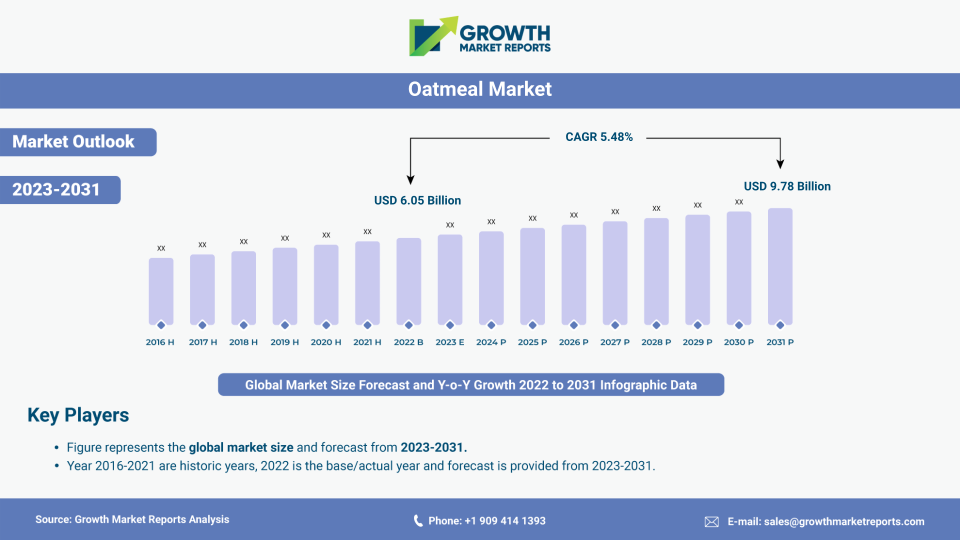
According to our latest research, the global oatmeal market size reached USD 7.2 billion in 2024, reflecting robust consumer demand and a growing inclination towards healthy eating. The market is expected to expand at a CAGR of 5.8% from 2025 to 2033, reaching a projected value of USD 12.1 billion by 2033. This sustained growth is primarily driven by the increasing awareness of the health benefits associated with oatmeal consumption, such as its high fiber content and potential to aid in weight management and cardiovascular health. As per our latest research, the oatmeal market’s expansion is further fueled by innovations in product offerings and the rising popularity of convenient, ready-to-eat breakfast options globally.
One of the most significant growth factors for the oatmeal market is the rising consumer awareness regarding the health benefits of oats. Oatmeal is rich in dietary fiber, particularly beta-glucan, which is known to lower cholesterol levels and support heart health. Consumers are increasingly seeking functional foods that not only provide nutrition but also contribute to overall well-being. This trend is especially prominent among urban populations who are more health-conscious and have greater access to information about nutrition. Additionally, the growing prevalence of lifestyle diseases such as obesity, diabetes, and cardiovascular disorders has prompted individuals to modify their diets and incorporate healthier options like oatmeal, further propelling market growth.
Another key driver of the oatmeal market is the continuous innovation in product development and diversification. Manufacturers are introducing a wide range of oatmeal products, including instant oatmeal, steel-cut oats, rolled oats, and flavored variants, to cater to varying consumer preferences. The introduction of convenient, ready-to-eat oatmeal cups and sachets has also played a crucial role in attracting busy consumers who seek quick and nutritious breakfast solutions. Furthermore, the use of oatmeal as an ingredient in bakery products, snacks, and even personal care items has expanded its application scope, leading to increased consumption across different segments. The rise of plant-based and gluten-free dietary trends has also encouraged manufacturers to develop specialized oatmeal products targeting these niche markets.
The growth of the oatmeal market is also supported by evolving distribution channels and the increasing penetration of e-commerce platforms. Supermarkets and hypermarkets continue to dominate the retail landscape, offering a wide variety of oatmeal products to consumers. However, the rapid growth of online retail has significantly enhanced product accessibility and convenience, enabling consumers to explore a broader range of oatmeal options and benefit from attractive discounts and promotions. Additionally, specialty stores and health food outlets are gaining traction as consumers seek premium and organic oatmeal products. The expansion of distribution networks, coupled with strategic marketing initiatives, has contributed to the sustained growth of the oatmeal market worldwide.
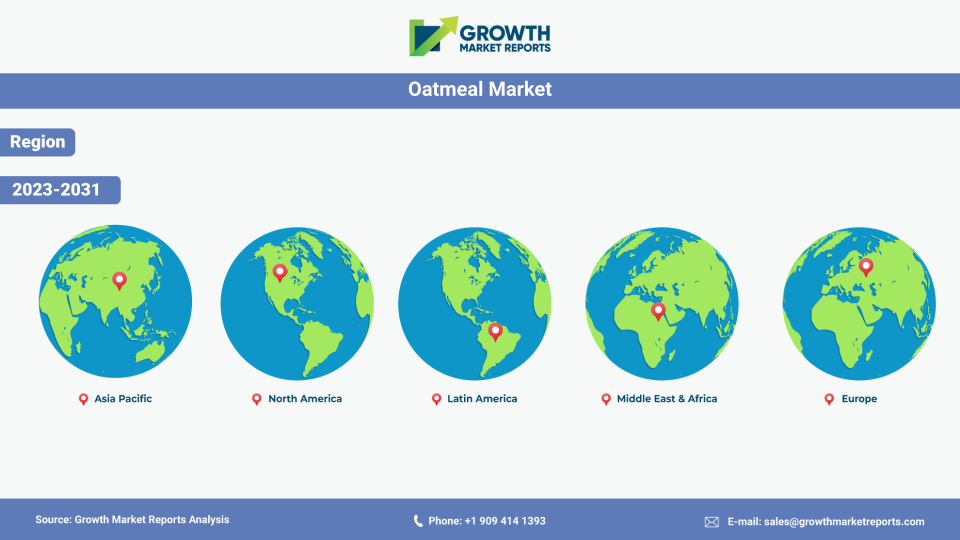
From a regional perspective, North America remains the largest market for oatmeal, accounting for a significant share of global consumption. The region’s strong health and wellness culture, coupled with high disposable incomes and widespread product availability, has fueled the demand for oatmeal products. Europe follows closely, with countries like the United Kingdom and Germany exhibiting robust consumption patterns driven by the popularity of breakfast cereals and healthy eating habits. The Asia Pacific region is emerging as a lucrative market, supported by rising health awareness, urbanization, and changing dietary preferences. Latin America and the Middle East & Africa are also witnessing steady growth, albeit from a smaller base, as consumers in these regions become more receptive to health-focused food products.
The oatmeal market is segmented by product type into instant oatmeal, steel-cut oatmeal, rolled oatmeal, flavored oatmeal, and others. Instant oatmeal holds the largest share within this segment, primarily due to its convenience and quick preparation time. Consumers' increasingly busy lifestyles have made instant oatmeal a preferred choice for breakfast, especially in urban areas where time constraints are a major concern. The availability of instant oatmeal in a variety of flavors and formats, such as single-serve sachets and cups, has further enhanced its appeal. Manufacturers are continuously innovating to improve the taste, texture, and nutritional profile of instant oatmeal, making it an attractive option for health-conscious consumers seeking a quick yet nutritious meal.
Steel-cut oatmeal, also known as Irish oatmeal, is gaining popularity among consumers who prefer a coarser texture and less processed product. This segment is particularly favored by health enthusiasts who value the higher fiber content and slower digestion rate of steel-cut oats, which contribute to prolonged satiety and stable blood sugar levels. Although steel-cut oatmeal requires a longer cooking time compared to instant or rolled oats, its perceived health benefits and superior nutritional value have driven its adoption, especially among consumers who prioritize wholesome, minimally processed foods. The growing trend of home cooking and the popularity of overnight oats have also contributed to the rising demand for steel-cut oatmeal.
Rolled oatmeal, commonly referred to as old-fashioned oats, occupies a significant position in the market due to its versatility and widespread use in both traditional and modern recipes. Rolled oats are often used in baking, granola bars, and homemade snacks, making them a staple ingredient in many households. Their relatively quick cooking time and pleasant texture make them suitable for a variety of culinary applications. The increasing popularity of homemade and artisanal food products has further boosted the demand for rolled oatmeal, as consumers seek high-quality ingredients for their recipes. Manufacturers are also introducing organic and gluten-free rolled oats to cater to specific dietary needs, expanding the market for this product type.
Flavored oatmeal has emerged as a dynamic segment, targeting younger consumers and those seeking variety in their breakfast options. The introduction of innovative flavors such as apple cinnamon, maple brown sugar, and mixed berries has elevated the appeal of oatmeal beyond its traditional image. Flavored oatmeal products are often fortified with additional nutrients, such as vitamins and minerals, to enhance their health benefits. The convenience of single-serve flavored oatmeal packets has made them a popular choice for on-the-go consumption. This segment is expected to witness robust growth as manufacturers continue to experiment with new flavor combinations and cater to evolving consumer preferences for taste and variety.
The "others" category includes less common oatmeal products, such as organic, gluten-free, and specialty oats. These products cater to niche markets and consumers with specific dietary requirements. Organic oatmeal is particularly popular among environmentally conscious consumers who prioritize sustainable and chemical-free food options. Gluten-free oatmeal, on the other hand, addresses the needs of individuals with gluten intolerance or celiac disease. The growing awareness of food allergies and the demand for clean-label products have driven the growth of this segment. As consumer preferences continue to evolve, the market for specialty oatmeal products is expected to expand, offering new opportunities for manufacturers to differentiate their offerings.
| Attributes | Details |
| Report Title | Oatmeal Market Research Report 2033 |
| By Product Type | Instant Oatmeal, Steel-Cut Oatmeal, Rolled Oatmeal, Flavored Oatmeal, Others |
| By Application | Breakfast Cereals, Bakery Products, Snacks, Personal Care, Others |
| By Distribution Channel | Supermarkets/Hypermarkets, Convenience Stores, Online Retail, Specialty Stores, Others |
| Regions Covered | North America, Europe, APAC, Latin America, MEA |
| Base Year | 2024 |
| Historic Data | 2018-2023 |
| Forecast Period | 2025-2033 |
| Number of Pages | 300 |
| Number of Tables & Figures | 389 |
| Customization Available | Yes, the report can be customized as per your need. |
The application segment of the oatmeal market encompasses breakfast cereals, bakery products, snacks, personal care, and others. Breakfast cereals represent the largest application segment, accounting for a substantial portion of oatmeal consumption worldwide. Oatmeal’s reputation as a healthy and nutritious breakfast option has made it a staple in households across various regions. The versatility of oatmeal allows it to be consumed in a variety of forms, including hot porridge, overnight oats, and cold cereal. The increasing demand for convenient and ready-to-eat breakfast solutions has further propelled the growth of this segment. Manufacturers are responding by introducing innovative breakfast cereal products that combine oatmeal with other healthy ingredients, such as fruits, nuts, and seeds, to enhance flavor and nutritional value.
Bakery products constitute another significant application segment for oatmeal, driven by the growing trend of incorporating healthy ingredients into baked goods. Oatmeal is widely used in the production of bread, muffins, cookies, and granola bars, offering a wholesome alternative to traditional wheat-based products. The use of oatmeal in bakery products not only enhances their nutritional profile but also imparts a unique texture and flavor. The rising popularity of artisanal and homemade baked goods has further boosted the demand for oatmeal in this segment. Additionally, the increasing prevalence of food allergies and the demand for gluten-free bakery products have encouraged manufacturers to develop oatmeal-based alternatives, catering to a broader consumer base.
The snacks segment is witnessing rapid growth as consumers seek healthier alternatives to conventional snack foods. Oatmeal-based snacks, such as granola bars, energy bites, and oat clusters, are gaining popularity among health-conscious individuals seeking convenient, on-the-go options. These products are often marketed as high-fiber, low-sugar, and nutrient-dense snacks, appealing to consumers who prioritize health and wellness. The trend towards clean-label and plant-based snacks has further driven the demand for oatmeal-based products. Manufacturers are capitalizing on this trend by introducing innovative snack options that combine oatmeal with superfoods, dried fruits, and seeds, offering both taste and nutrition.
Oatmeal’s application in personal care products is an emerging trend, driven by its recognized benefits for skin health. Colloidal oatmeal, in particular, is widely used in skincare formulations due to its soothing and anti-inflammatory properties. It is commonly found in products such as lotions, creams, bath treatments, and soaps designed to relieve dry, itchy, or irritated skin. The increasing demand for natural and organic personal care products has led to the incorporation of oatmeal as a key ingredient in various formulations. This trend is expected to continue as consumers become more aware of the benefits of natural ingredients in personal care and seek products that are free from synthetic chemicals.
The "others" application segment includes niche uses of oatmeal, such as in infant food, pet food, and specialty dietary products. Oatmeal is recognized for its gentle and easily digestible nature, making it a suitable ingredient for infant cereals and baby food. In the pet food industry, oatmeal is valued for its nutritional benefits and hypoallergenic properties, making it a preferred choice for formulating specialized pet diets. The growing awareness of the importance of nutrition in both human and animal health is expected to drive the demand for oatmeal in these niche applications, further expanding the market’s scope.
The oatmeal market’s distribution channels include supermarkets/hypermarkets, convenience stores, online retail, specialty stores, and others. Supermarkets and hypermarkets remain the dominant distribution channel, accounting for the largest share of oatmeal sales globally. These retail outlets offer a wide variety of oatmeal products, allowing consumers to compare brands, flavors, and packaging options. The convenience of one-stop shopping and the availability of promotional offers and discounts have made supermarkets and hypermarkets the preferred choice for many consumers. Additionally, the strategic placement of oatmeal products in prominent locations within these stores has contributed to increased visibility and impulse purchases.
Convenience stores represent another important distribution channel, particularly in urban areas where consumers seek quick and easy access to food products. The compact size and extended operating hours of convenience stores make them an attractive option for purchasing oatmeal, especially for busy individuals and small households. The growing trend of single-serve and ready-to-eat oatmeal products has further boosted sales through convenience stores. Manufacturers are partnering with convenience store chains to ensure widespread product availability and to capitalize on the growing demand for on-the-go breakfast solutions.
Online retail is rapidly emerging as a significant distribution channel for oatmeal, driven by the increasing penetration of e-commerce platforms and changing consumer shopping habits. The convenience of online shopping, coupled with the ability to access a broader range of products and brands, has made this channel increasingly popular. Online retailers often offer detailed product information, customer reviews, and attractive discounts, enhancing the overall shopping experience. The COVID-19 pandemic has accelerated the shift towards online grocery shopping, with many consumers opting for home delivery and contactless transactions. As a result, manufacturers are investing in digital marketing and e-commerce partnerships to strengthen their online presence and reach a wider customer base.
Specialty stores, including health food stores and organic markets, cater to consumers seeking premium and specialized oatmeal products. These stores typically offer a curated selection of organic, gluten-free, and non-GMO oatmeal options, appealing to health-conscious and environmentally aware consumers. The personalized service and product expertise provided by specialty stores enhance the shopping experience and foster customer loyalty. As the demand for clean-label and functional foods continues to grow, specialty stores are expected to play an increasingly important role in the distribution of oatmeal products.
The "others" distribution channel includes direct sales, foodservice providers, and institutional buyers such as schools, hospitals, and hotels. Oatmeal is commonly served in institutional settings as a nutritious breakfast option, contributing to its steady demand. Foodservice providers, including cafes and restaurants, are also incorporating oatmeal-based dishes into their menus to cater to health-conscious diners. The expansion of foodservice and institutional channels is expected to complement traditional retail sales and support the overall growth of the oatmeal market.
The oatmeal market presents a wealth of opportunities for growth and innovation, particularly in the areas of product development and market expansion. One of the most promising opportunities lies in the development of value-added and functional oatmeal products that cater to specific consumer needs, such as high-protein, low-sugar, or fortified oatmeal. The rising demand for plant-based and gluten-free foods presents a significant opportunity for manufacturers to introduce specialized oatmeal products that address dietary restrictions and preferences. Additionally, the increasing popularity of organic and clean-label products offers manufacturers the chance to differentiate their offerings and capture a premium segment of the market. Expanding into emerging markets, particularly in Asia Pacific and Latin America, where health awareness is on the rise, also represents a key growth opportunity for the oatmeal industry.
Another major opportunity for the oatmeal market is the integration of digital technologies and e-commerce strategies to enhance product accessibility and consumer engagement. The rapid growth of online retail platforms has opened new avenues for reaching a broader customer base and offering personalized shopping experiences. Leveraging data analytics and digital marketing tools can help manufacturers better understand consumer preferences and tailor their product offerings accordingly. Collaborations with health and wellness influencers, as well as strategic partnerships with foodservice providers, can further enhance brand visibility and drive product adoption. Sustainability initiatives, such as eco-friendly packaging and responsible sourcing of oats, also present opportunities for brands to strengthen their market position and appeal to environmentally conscious consumers.
Despite the numerous opportunities, the oatmeal market faces certain restraining factors that could hinder its growth. One of the primary challenges is the intense competition from alternative breakfast products, such as ready-to-eat cereals, yogurt, and protein bars. These products often offer similar convenience and nutritional benefits, making it essential for oatmeal manufacturers to continuously innovate and differentiate their offerings. Additionally, fluctuations in raw material prices, particularly oats, can impact production costs and profit margins. Supply chain disruptions and adverse weather conditions affecting oat crops may also pose risks to market stability. Addressing these challenges will require strategic planning, investment in supply chain resilience, and ongoing product innovation to maintain a competitive edge.
North America dominates the global oatmeal market, accounting for approximately USD 2.6 billion in sales in 2024. The region's strong health and wellness culture, coupled with high consumer awareness of the benefits of oats, has driven robust demand for oatmeal products. The United States and Canada are the primary contributors to this market, with a well-established distribution network and widespread product availability. The popularity of oatmeal as a breakfast staple, combined with the growing trend of healthy snacking, has supported steady market growth in North America. The region is also witnessing increased demand for organic and gluten-free oatmeal products, reflecting evolving consumer preferences and dietary trends.
Europe follows closely, with a market size of approximately USD 2.1 billion in 2024. Countries such as the United Kingdom, Germany, and France are key contributors to the European oatmeal market, driven by the popularity of breakfast cereals and a strong emphasis on health and nutrition. The region has a rich tradition of oat consumption, with oatmeal being a common ingredient in both traditional and modern recipes. The European market is characterized by a high level of product innovation, with manufacturers introducing a variety of flavors, formats, and functional oatmeal products to cater to diverse consumer needs. The increasing demand for organic and clean-label products is also shaping the market landscape in Europe.
The Asia Pacific region is emerging as a high-growth market for oatmeal, with a market size of USD 1.5 billion in 2024 and an expected CAGR of 7.2% through 2033. Rapid urbanization, rising health awareness, and changing dietary habits are driving the adoption of oatmeal in countries such as China, India, Japan, and Australia. The increasing prevalence of lifestyle-related health issues, such as obesity and diabetes, has prompted consumers to seek healthier food options, boosting the demand for oatmeal. The expansion of modern retail channels and the growing influence of Western dietary patterns are further supporting market growth in the Asia Pacific region. Latin America and the Middle East & Africa, with market sizes of USD 0.7 billion and USD 0.3 billion respectively, are also witnessing steady growth as consumers become more receptive to health-focused food products.
The global oatmeal market is characterized by intense competition, with numerous multinational and regional players vying for market share. The competitive landscape is shaped by factors such as product innovation, quality, pricing, and distribution reach. Leading companies are continuously investing in research and development to introduce new and improved oatmeal products that cater to evolving consumer preferences. Brand reputation, marketing strategies, and the ability to respond to changing market trends are critical success factors in this dynamic market. The entry of new players and the expansion of existing brands into emerging markets have further intensified competition, prompting companies to differentiate their offerings and enhance their value proposition.
Product differentiation is a key strategy employed by major players in the oatmeal market. Companies are focusing on developing unique flavors, packaging formats, and functional attributes to attract a broader customer base. The growing demand for organic, gluten-free, and clean-label oatmeal products has led to increased investment in sustainable sourcing and production practices. Strategic partnerships with retailers and foodservice providers are also being pursued to strengthen market presence and improve product accessibility. Digital marketing and e-commerce initiatives have become increasingly important, enabling companies to engage directly with consumers and drive online sales.
The competitive landscape is further characterized by mergers, acquisitions, and collaborations aimed at expanding product portfolios and geographic reach. Companies are leveraging these strategies to gain access to new markets, enhance distribution networks, and capitalize on emerging growth opportunities. Investment in supply chain optimization and sustainability initiatives is also gaining prominence, as companies seek to address consumer concerns regarding environmental impact and ethical sourcing. The ability to adapt to changing consumer preferences and regulatory requirements will be crucial for maintaining a competitive edge in the oatmeal market.
Some of the major companies operating in the global oatmeal market include Quaker Oats Company (a subsidiary of PepsiCo), Nestlé S.A., General Mills, Inc., Kellogg Company, Bob’s Red Mill Natural Foods, Inc., Nature’s Path Foods, Inc., McCann’s Irish Oatmeal, and Weetabix Limited. Quaker Oats is a market leader, renowned for its wide range of oatmeal products and strong brand presence across multiple regions. Nestlé and Kellogg are also prominent players, offering a variety of breakfast cereals and oatmeal products tailored to different consumer segments. Bob’s Red Mill is recognized for its focus on organic and gluten-free oats, catering to health-conscious and specialty markets. Nature’s Path Foods and McCann’s Irish Oatmeal have established strong reputations for quality and innovation, while Weetabix Limited continues to expand its presence in the European market. These companies are at the forefront of product development, sustainability initiatives, and marketing strategies, shaping the future of the global oatmeal market.
The Oatmeal market has been segmented on the basis of
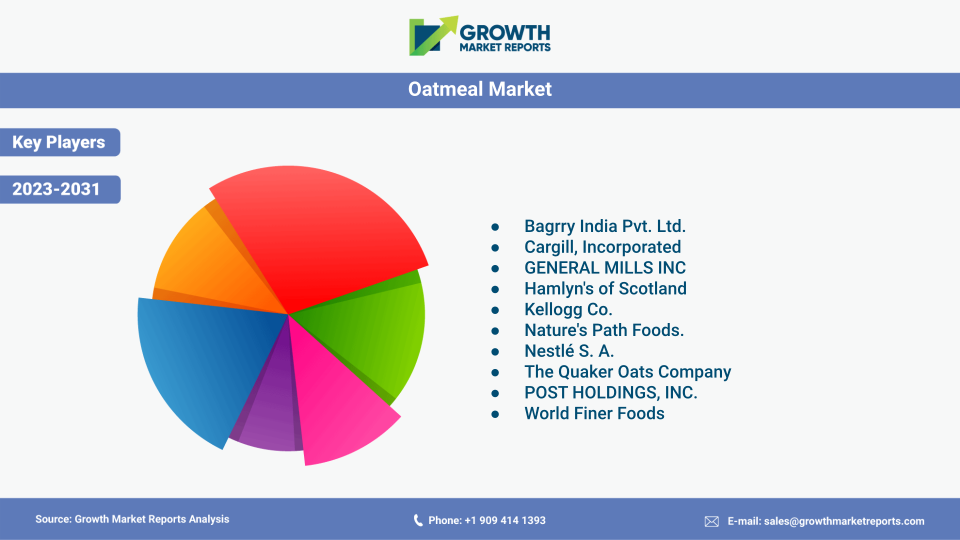
Key players in the oatmeal market are Bagrry India Pvt. Ltd.; Cargill, Incorporated; GENERAL MILLS INC; Hamlyn's of Scotland; Kellogg Co.; Nature's Path Foods.; Nestlé S. A.; The Quaker Oats Company; POST HOLDINGS, INC.; World Finer Foods; Blue Lake Milling; B&G Foods, Inc.; Marico; Morning Foods; Wegmans Food Markets.; Abbott.; Conagra Brands, Inc.; Associated British Foods plc; La Crosse Milling Company; Avena Foods, Limited.
These players engage in mergers & acquisitions, collaborations, agreements, and partnerships to strengthen their geographical presence.
The oatmeal market faces competition from other breakfast products, fluctuations in oat prices, supply chain disruptions, and the need for ongoing product innovation to meet changing consumer preferences.
Leading companies include Quaker Oats Company (PepsiCo), Nestlé S.A., General Mills, Kellogg Company, Bob’s Red Mill, Nature’s Path Foods, McCann’s Irish Oatmeal, and Weetabix Limited.
Key trends include the development of plant-based, gluten-free, and fortified oatmeal products, the rise of flavored and ready-to-eat options, and a focus on organic and clean-label offerings.
Oatmeal is primarily sold through supermarkets/hypermarkets, convenience stores, online retail platforms, specialty stores, and foodservice providers.
North America is the largest oatmeal market, followed by Europe. The Asia Pacific region is experiencing rapid growth, while Latin America and the Middle East & Africa are also expanding steadily.
Oatmeal is widely used in breakfast cereals, bakery products, snacks, and personal care items such as skincare products, as well as in infant and pet food.
Instant oatmeal leads the market due to its convenience, followed by steel-cut oats, rolled oats, flavored oatmeal, and specialty options like organic and gluten-free oats.
Oatmeal is rich in dietary fiber, especially beta-glucan, which helps lower cholesterol, supports heart health, aids in weight management, and provides prolonged satiety.
The oatmeal market is expected to grow at a CAGR of 5.8% from 2025 to 2033, reaching an estimated value of USD 12.1 billion by 2033.
As of 2024, the global oatmeal market size reached USD 7.2 billion, reflecting strong consumer demand and a shift towards healthier eating habits.