Nuclear Medicine Therapeutic Alpha Beta Emitters Brachytherapy Market Research Report 2033

Nuclear Medicine Therapeutic Alpha Beta Emitters Brachytherapy Market Research Report 2033

Segments - by Isotope Type (Alpha Emitters, Beta Emitters), by Therapy Type (Brachytherapy, Targeted Alpha Therapy, Targeted Beta Therapy), by Application (Oncology, Cardiology, Neurology, Endocrinology, Others), by End-User (Hospitals, Specialty Clinics, Research Institutes, Others)

https://growthmarketreports.com/raksha
Author : Raksha Sharma
https://growthmarketreports.com/Vaibhav
Fact-checked by : V. Chandola
https://growthmarketreports.com/Shruti
Editor : Shruti Bhat

Upcoming | Report ID :HC-2459 | 4.3 Rating | 7 Reviews | 284 Pages | Format : Docx PDF

Report Description


Nuclear Medicine Therapeutic Alpha Beta Emitters Brachytherapy Market Outlook

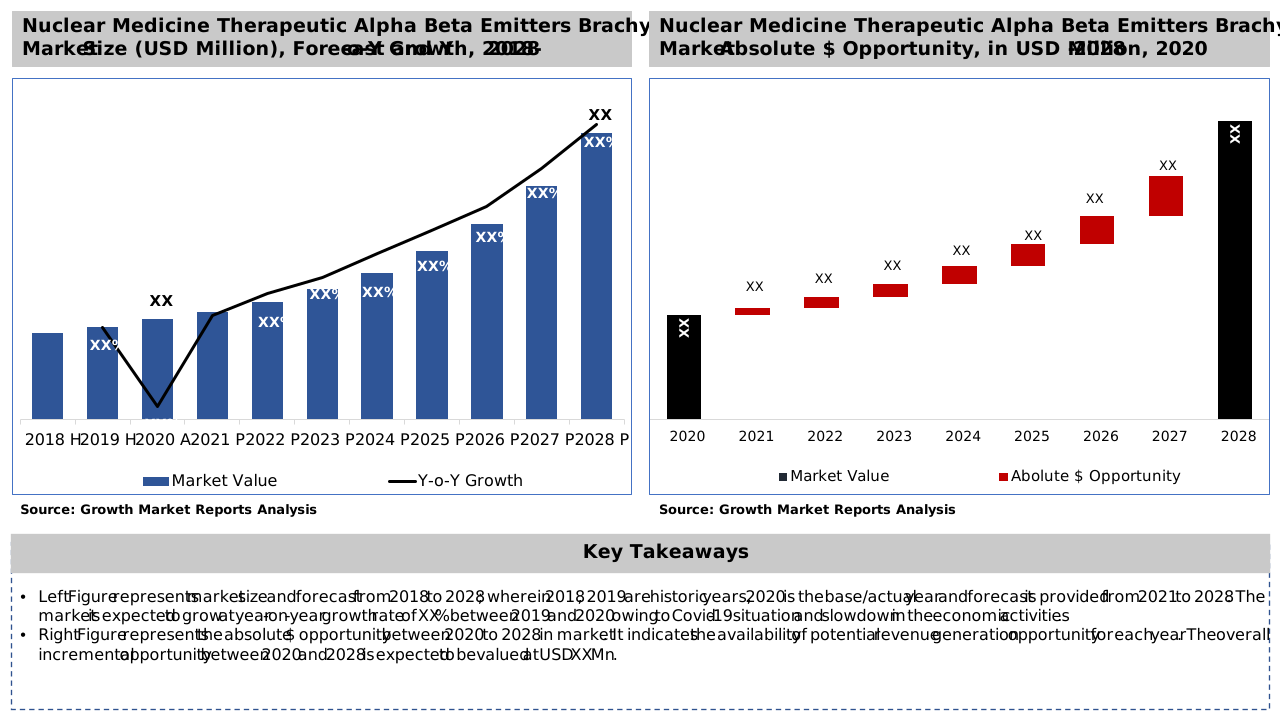
According to our latest research, the global Nuclear Medicine Therapeutic Alpha Beta Emitters Brachytherapy market size reached USD 2.14 billion in 2024, reflecting the sector’s robust expansion. The market is projected to grow at a CAGR of 13.2% from 2025 to 2033, with the market value expected to hit USD 6.23 billion by 2033. This significant growth is primarily driven by increased adoption of precision medicine, the rising incidence of cancer and cardiovascular diseases, and ongoing advancements in isotope technology and targeted therapies.

One of the primary growth factors for the Nuclear Medicine Therapeutic Alpha Beta Emitters Brachytherapy market is the escalating prevalence of cancer worldwide. As per the latest WHO statistics, cancer remains a leading cause of mortality, necessitating advanced and effective treatment modalities. The ability of alpha and beta emitters to deliver highly localized radiation to malignant cells while sparing healthy tissues has positioned these therapies at the forefront of oncological interventions. Furthermore, the integration of brachytherapy with targeted alpha and beta therapies has revolutionized the treatment paradigm, offering improved patient outcomes and reduced side effects. These advancements, coupled with increasing patient and physician awareness, are fostering the rapid adoption of nuclear medicine therapeutics across global healthcare systems.

Another key driver is the technological progress in isotope production and delivery systems. The development of novel radioisotopes such as actinium-225 and lutetium-177, along with innovations in radiopharmaceutical formulations, is expanding the therapeutic arsenal available to clinicians. Enhanced imaging techniques and the advent of theranostics—combining diagnostic and therapeutic capabilities—are further propelling the market. The growing pipeline of targeted radiopharmaceuticals, supported by robust clinical trials and regulatory approvals, is enabling personalized approaches to treatment in oncology, cardiology, neurology, and endocrinology. This convergence of technology and clinical need is accelerating the growth trajectory of the nuclear medicine therapeutic market.

Healthcare infrastructure improvements and favorable reimbursement policies in developed and emerging economies are also contributing to market expansion. Governments and private stakeholders are investing heavily in cancer care facilities, nuclear medicine departments, and specialized clinics. Additionally, collaborations between research institutes, pharmaceutical companies, and isotope manufacturers are fostering innovation and streamlining the regulatory pathway for new therapies. These collaborative efforts are lowering barriers to entry, improving access to advanced treatments, and ultimately boosting the overall market growth for therapeutic alpha and beta emitters and brachytherapy modalities.

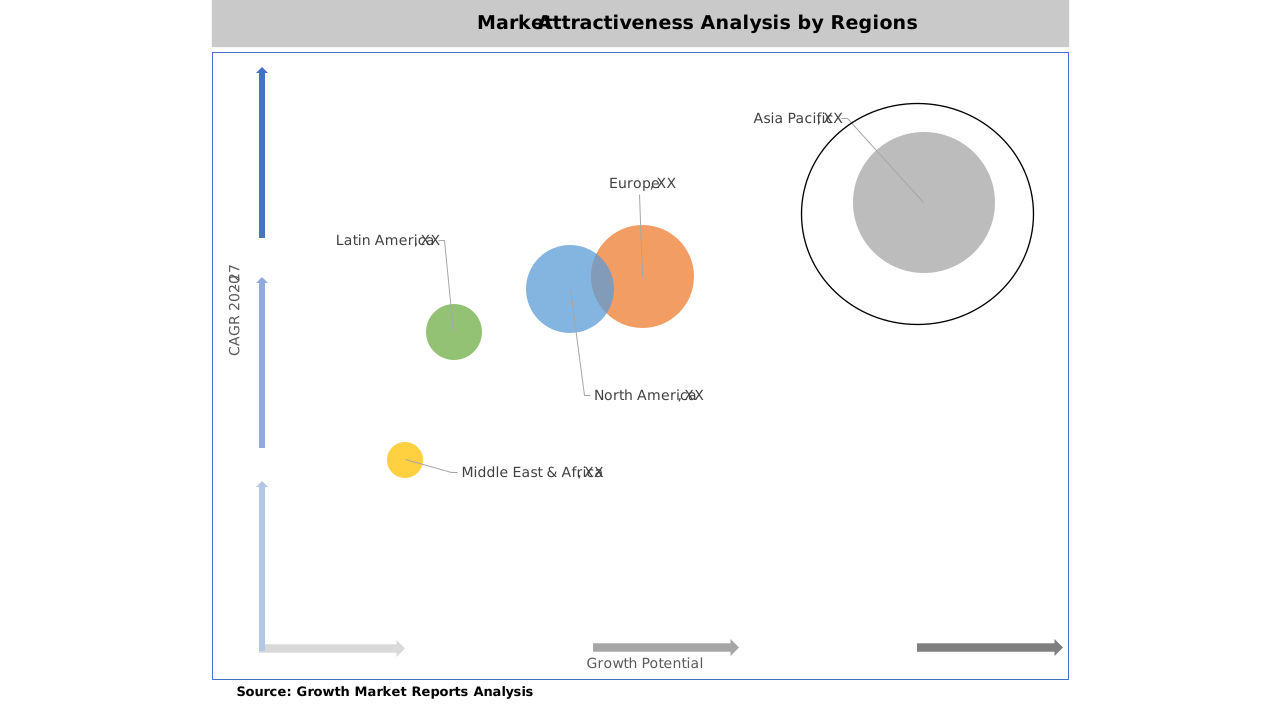
From a regional perspective, North America continues to dominate the Nuclear Medicine Therapeutic Alpha Beta Emitters Brachytherapy market due to its advanced healthcare infrastructure, high adoption rates of innovative therapies, and strong presence of leading industry players. Europe follows closely, benefiting from supportive regulatory frameworks and significant investments in nuclear medicine research. Meanwhile, Asia Pacific is emerging as a high-growth region, driven by increasing healthcare expenditure, rising cancer incidence, and growing awareness about the benefits of nuclear medicine therapeutics. Latin America and the Middle East & Africa are also witnessing gradual market penetration, supported by ongoing improvements in healthcare delivery and growing collaborations with global pharmaceutical companies.

Global Nuclear Medicine Therapeutic Alpha Beta Emitters Brachytherapy Industry Outlook

Isotope Type Analysis

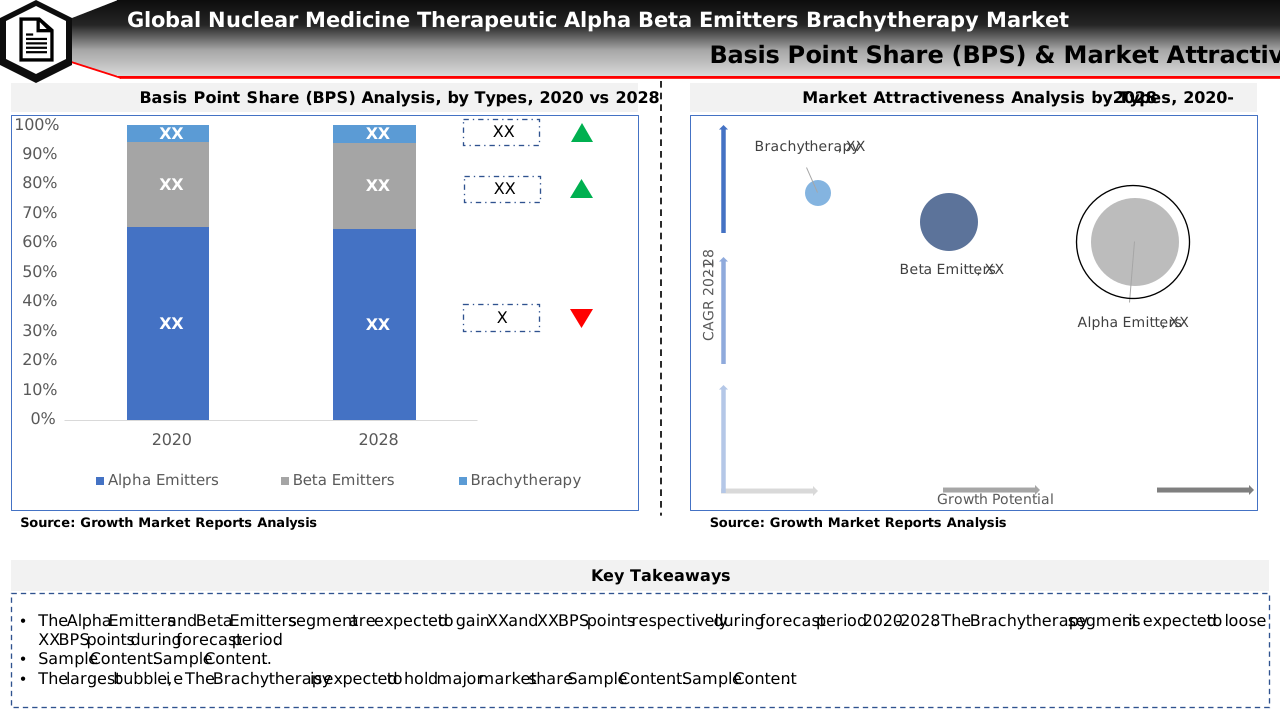
The Isotope Type segment in the Nuclear Medicine Therapeutic Alpha Beta Emitters Brachytherapy market is primarily classified into alpha emitters and beta emitters. Alpha emitters, such as actinium-225 and radium-223, have gained considerable attention due to their high linear energy transfer and ability to induce double-strand DNA breaks in cancer cells, resulting in superior cytotoxicity and minimal damage to surrounding healthy tissues. This makes them particularly effective for treating micrometastatic disease and hematological malignancies. On the other hand, beta emitters like lutetium-177 and yttrium-90 are widely used in the management of solid tumors, owing to their deeper tissue penetration and established efficacy in various clinical settings. The demand for both alpha and beta emitters is rising as personalized medicine and targeted therapy approaches continue to gain traction in oncology and beyond.

Alpha emitters are witnessing increased research and development investments, with several novel agents progressing through clinical trials. Their unique properties, such as short-range, high-energy emissions, make them ideal for targeted alpha therapy (TAT) in conditions where precision and minimal collateral damage are critical. The growing pipeline of alpha-emitting radiopharmaceuticals is expected to drive substantial growth in this segment, especially as regulatory agencies expedite approvals for promising candidates. Additionally, partnerships between isotope producers and pharmaceutical companies are enhancing the commercial availability and clinical adoption of alpha emitters worldwide.

Beta emitters remain the backbone of therapeutic nuclear medicine, particularly in the context of brachytherapy and targeted beta therapy (TBT). Their established safety profile, cost-effectiveness, and versatility in treating a wide range of malignancies have ensured their continued dominance in the market. Recent advancements in chelation chemistry and radiolabeling techniques have further improved the therapeutic index of beta-emitting agents, expanding their applicability to new indications such as neuroendocrine tumors and metastatic prostate cancer. The robust clinical evidence supporting the efficacy of beta emitters is fostering confidence among healthcare providers and driving sustained demand across hospital and specialty clinic settings.

The market for isotopes is also influenced by supply chain dynamics and regulatory policies. The production of medical isotopes requires specialized facilities and stringent quality controls, which can impact availability and pricing. Governments and industry stakeholders are investing in domestic isotope production capabilities to reduce dependence on imports and ensure a stable supply of critical radioisotopes. These initiatives are expected to enhance the resilience of the isotope supply chain and support the long-term growth of the alpha and beta emitter segments within the global market.

Report Scope

Attributes Details
Report Title Nuclear Medicine Therapeutic Alpha Beta Emitters Brachytherapy Market Research Report 2033
By Isotope Type Alpha Emitters, Beta Emitters
By Therapy Type Brachytherapy, Targeted Alpha Therapy, Targeted Beta Therapy
By Application Oncology, Cardiology, Neurology, Endocrinology, Others
By End-User Hospitals, Specialty Clinics, Research Institutes, Others
Regions Covered North America, Europe, APAC, Latin America, MEA
Base Year 2024
Historic Data 2018-2023
Forecast Period 2025-2033
Number of Pages 284
Number of Tables & Figures 364
Customization Available Yes, the report can be customized as per your need.

Therapy Type Analysis

The Therapy Type segment is segmented into brachytherapy, targeted alpha therapy, and targeted beta therapy. Brachytherapy, a well-established modality, involves the placement of radioactive sources directly into or near the tumor site, allowing for localized radiation delivery. This approach has demonstrated significant success in treating prostate, cervical, and breast cancers, among others. The precision and reduced systemic toxicity associated with brachytherapy have made it a preferred choice for both patients and clinicians. Ongoing advancements in imaging and applicator technologies are further enhancing the accuracy and effectiveness of brachytherapy procedures, driving their adoption in oncology centers worldwide.

Targeted alpha therapy (TAT) represents a cutting-edge approach in nuclear medicine, leveraging the potent cytotoxic effects of alpha-emitting isotopes to eradicate cancer cells with minimal off-target effects. TAT is particularly promising for treating hematological malignancies and micrometastatic disease, where traditional therapies may fall short. The development of novel alpha-emitting agents and improved targeting vectors is expanding the therapeutic potential of TAT, with several candidates demonstrating impressive results in early-phase clinical trials. As more data becomes available, TAT is expected to gain broader acceptance and play a pivotal role in the future of precision oncology.

Targeted beta therapy (TBT) continues to be a mainstay in the management of various solid tumors and metastatic cancers. The ability of beta-emitting radiopharmaceuticals to deliver sustained radiation doses over a larger tissue volume makes them suitable for treating bulky tumors and widespread disease. TBT has been successfully integrated into treatment regimens for neuroendocrine tumors, liver metastases, and bone metastases, among others. Recent innovations in radiochemistry and molecular targeting are enhancing the selectivity and efficacy of TBT agents, supporting their continued growth in the therapeutic landscape.

The interplay between these therapy types is fostering a multimodal approach to cancer treatment, wherein brachytherapy, TAT, and TBT are used in combination or sequentially to maximize therapeutic outcomes. This integrated strategy is supported by advances in imaging, dosimetry, and patient selection, enabling personalized treatment plans tailored to individual disease characteristics. The growing body of clinical evidence and ongoing technological innovation are expected to drive sustained growth across all therapy types within the Nuclear Medicine Therapeutic Alpha Beta Emitters Brachytherapy market.

Application Analysis

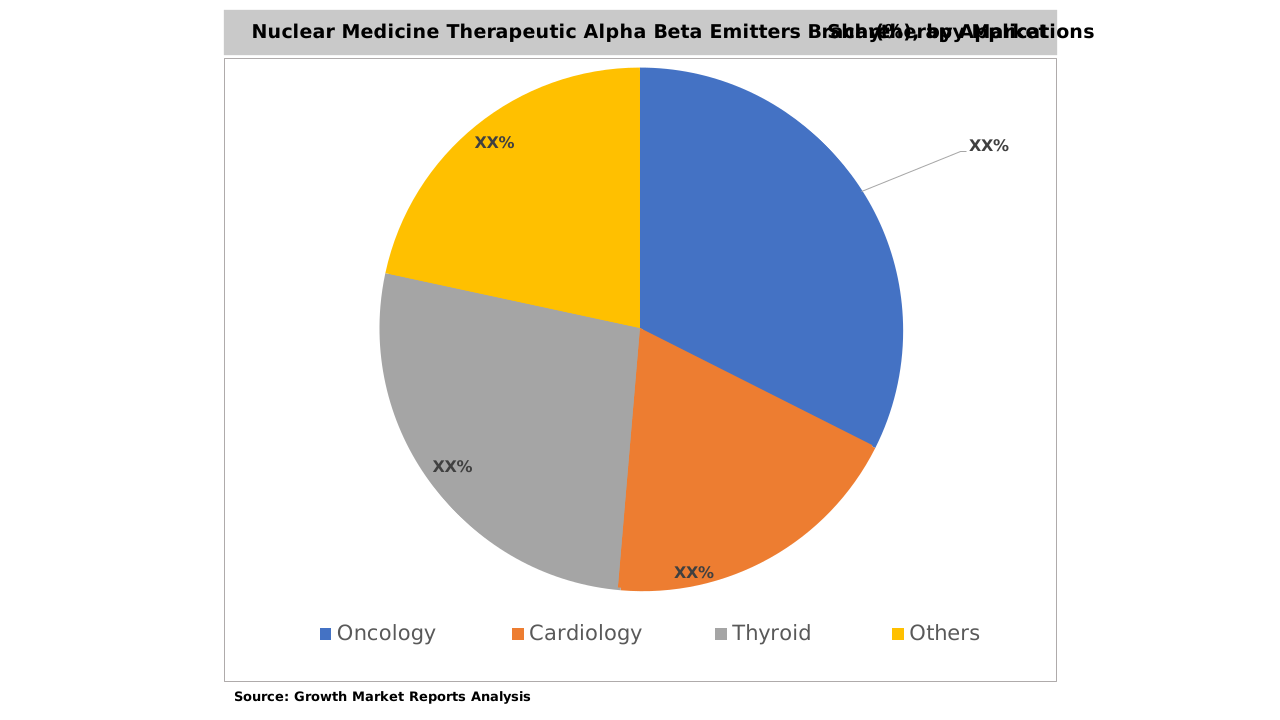
The Application segment encompasses oncology, cardiology, neurology, endocrinology, and other emerging indications. Oncology remains the dominant application area, accounting for the majority of market revenue in 2024. The rising global cancer burden, coupled with the proven efficacy of nuclear medicine therapeutics in managing both primary and metastatic tumors, is fueling demand for alpha and beta emitter-based therapies. Brachytherapy and targeted radiopharmaceuticals are increasingly being incorporated into standard-of-care protocols for prostate, cervical, breast, and neuroendocrine cancers, among others. The ability to tailor treatment to tumor biology and patient-specific factors is driving the widespread adoption of these advanced modalities in oncology.

Cardiology represents a growing application segment, particularly in the context of targeted radiotherapy for conditions such as cardiac amyloidosis and restenosis prevention following angioplasty. The use of beta-emitting isotopes in intracoronary brachytherapy has shown promise in reducing the risk of restenosis and improving long-term outcomes in patients with coronary artery disease. Ongoing research into novel radiopharmaceuticals and delivery systems is expected to expand the role of nuclear medicine therapeutics in cardiovascular care, offering new treatment options for patients with otherwise limited alternatives.

Neurology and endocrinology are emerging as important application areas for nuclear medicine therapeutics, driven by advances in molecular imaging and targeted therapy. In neurology, alpha and beta emitters are being investigated for the treatment of brain tumors and neurodegenerative diseases, leveraging their ability to cross the blood-brain barrier and deliver precise radiation doses to affected regions. In endocrinology, radiopharmaceuticals are being used to manage conditions such as thyroid cancer and parathyroid disorders, with promising results reported in clinical studies. The expanding therapeutic landscape and growing body of evidence are expected to drive further adoption of nuclear medicine therapeutics in these specialty areas.

Other applications, including infectious diseases and bone metastases, are also gaining traction as research efforts uncover new therapeutic targets and delivery mechanisms. The versatility of alpha and beta emitters, coupled with ongoing innovation in radiopharmaceutical development, is enabling the exploration of novel indications and expanding the overall addressable market for nuclear medicine therapeutics. As clinical experience accumulates and regulatory approvals increase, the application segment is poised for robust growth in the coming years.

End-User Analysis

The End-User segment is categorized into hospitals, specialty clinics, research institutes, and others. Hospitals account for the largest share of the market, driven by their central role in delivering complex cancer care and advanced therapeutic procedures. The availability of state-of-the-art infrastructure, multidisciplinary expertise, and integrated care pathways makes hospitals the primary setting for the administration of nuclear medicine therapeutics. Increasing investments in oncology departments, nuclear medicine facilities, and radiopharmacy units are further strengthening the position of hospitals as key end-users in this market.

Specialty clinics, particularly those focused on oncology and cardiology, are witnessing rapid growth as patients seek access to cutting-edge therapies in a more personalized and convenient setting. These clinics often collaborate with hospitals and research institutes to offer a comprehensive range of diagnostic and therapeutic services, including brachytherapy and targeted radiopharmaceutical treatments. The rise of outpatient care models and the growing emphasis on patient-centered care are contributing to the expansion of specialty clinics as important end-users of nuclear medicine therapeutics.

Research institutes play a vital role in driving innovation and advancing the clinical application of alpha and beta emitter therapies. These institutions are at the forefront of preclinical and clinical research, contributing to the development of new radiopharmaceuticals, delivery systems, and treatment protocols. Collaborative efforts between research institutes, pharmaceutical companies, and healthcare providers are accelerating the translation of scientific discoveries into clinical practice, supporting the growth of the market across all end-user segments.

Other end-users, including ambulatory surgical centers and academic medical centers, are also contributing to market growth by expanding access to nuclear medicine therapeutics and fostering the adoption of new technologies. The diversification of end-user settings is enhancing the reach and impact of alpha and beta emitter-based therapies, ensuring that patients across diverse healthcare environments can benefit from the latest advances in nuclear medicine.

Opportunities & Threats

The Nuclear Medicine Therapeutic Alpha Beta Emitters Brachytherapy market is teeming with opportunities, primarily driven by the ongoing shift toward personalized medicine and precision oncology. The development of novel radiopharmaceuticals and targeted delivery systems is enabling clinicians to tailor treatments to individual patient profiles, improving efficacy and reducing adverse effects. The integration of theranostics, which combines diagnostic imaging and targeted therapy, is revolutionizing the management of complex diseases and opening new avenues for market growth. Additionally, the expansion of healthcare infrastructure in emerging markets, coupled with increasing government and private sector investments, is creating significant opportunities for market players to expand their footprint and address unmet clinical needs.

Another key opportunity lies in the growing adoption of artificial intelligence (AI) and advanced imaging technologies in nuclear medicine. AI-driven image analysis, dosimetry, and treatment planning are enhancing the precision and efficiency of nuclear medicine procedures, enabling more accurate patient selection and treatment monitoring. The convergence of digital health and nuclear medicine is expected to drive further innovation and differentiation in the market, attracting new entrants and fostering collaboration across the healthcare ecosystem. Furthermore, the increasing focus on value-based care and outcome-driven reimbursement models is incentivizing the adoption of advanced therapies that offer demonstrable clinical and economic benefits.

Despite these opportunities, the market faces several restraining factors, chief among them being the complex regulatory landscape and challenges associated with isotope production and supply chain management. The production of medical isotopes requires specialized facilities, stringent quality controls, and compliance with international regulations, which can limit availability and increase costs. Additionally, the high capital investment required for establishing nuclear medicine infrastructure and the need for skilled personnel may pose barriers to entry, particularly in resource-constrained settings. Addressing these challenges will be critical to sustaining long-term market growth and ensuring broad access to advanced nuclear medicine therapeutics.

Regional Outlook

North America remains the largest regional market for Nuclear Medicine Therapeutic Alpha Beta Emitters Brachytherapy, accounting for approximately 38% of the global market, or USD 814 million in 2024. The region’s dominance is underpinned by a well-established healthcare infrastructure, high adoption rates of innovative therapies, and a strong presence of leading industry players. The United States, in particular, benefits from substantial investments in cancer research, favorable reimbursement policies, and a robust regulatory framework that supports the rapid introduction of new radiopharmaceuticals. The market in North America is expected to maintain a steady growth trajectory, with a projected CAGR of 12.8% through 2033.

Europe is the second-largest market, representing around 29% of global revenue, or USD 621 million in 2024. The region’s growth is driven by supportive government policies, significant investments in nuclear medicine research, and a growing emphasis on personalized healthcare. Countries such as Germany, France, and the United Kingdom are leading the way in the adoption of advanced nuclear medicine therapeutics, supported by strong academic and clinical research networks. The European market is also benefiting from cross-border collaborations and harmonized regulatory standards, which are facilitating the development and commercialization of new therapies.

Asia Pacific is emerging as a high-growth region, contributing 22% of the global market, or USD 471 million in 2024. The region’s rapid expansion is fueled by increasing healthcare expenditure, rising cancer incidence, and growing awareness about the benefits of nuclear medicine therapeutics. Countries such as China, Japan, and India are investing heavily in healthcare infrastructure and nuclear medicine capabilities, creating new opportunities for market participants. The Asia Pacific market is expected to register the highest CAGR of 15.4% over the forecast period, reflecting the region’s strong growth potential and increasing focus on advanced cancer care.

Nuclear Medicine Therapeutic Alpha Beta Emitters Brachytherapy Market Statistics

Competitor Outlook

The competitive landscape of the Nuclear Medicine Therapeutic Alpha Beta Emitters Brachytherapy market is characterized by a mix of established multinational corporations, specialized radiopharmaceutical companies, and emerging biotech firms. Leading players are focusing on strategic collaborations, mergers and acquisitions, and product innovation to strengthen their market position and expand their therapeutic portfolios. The market is witnessing intense competition in the development of novel radiopharmaceuticals, with companies investing heavily in research and clinical trials to bring new therapies to market. Intellectual property protection, regulatory approvals, and manufacturing capabilities are key differentiators in this highly specialized sector.

Innovation is a central theme in the competitive dynamics of the market, with companies striving to develop next-generation alpha and beta emitter therapies that offer improved efficacy, safety, and patient convenience. The integration of advanced imaging technologies, AI-driven analytics, and personalized treatment approaches is enabling market leaders to differentiate their offerings and capture new market segments. Collaborations with academic institutions, research organizations, and healthcare providers are facilitating the translation of scientific discoveries into commercial products, accelerating the pace of innovation and market expansion.

The market is also witnessing the entry of new players, particularly in the Asia Pacific and Latin American regions, where increasing demand for advanced cancer care is creating attractive opportunities for growth. These entrants are leveraging local expertise, cost advantages, and strategic partnerships to compete with established players and gain market share. The competitive landscape is expected to remain dynamic, with ongoing innovation, regulatory developments, and evolving clinical guidelines shaping the future of the market.

Major companies operating in the Nuclear Medicine Therapeutic Alpha Beta Emitters Brachytherapy market include Novartis AG, Siemens Healthineers, Bayer AG, Curium Pharma, Nordion Inc., Alpha Tau Medical, Actinium Pharmaceuticals Inc., and Isoray Medical. Novartis AG, through its Advanced Accelerator Applications division, is a leader in targeted radioligand therapies, with a strong pipeline of alpha and beta emitter-based products. Siemens Healthineers and Bayer AG are investing in advanced imaging and theranostics, supporting the integration of diagnostics and therapeutics in nuclear medicine. Curium Pharma and Nordion Inc. are key suppliers of medical isotopes, ensuring a stable supply of critical radioisotopes for therapeutic applications.

Alpha Tau Medical is pioneering the development of alpha particle-based therapies for solid tumors, while Actinium Pharmaceuticals is focused on the development of targeted alpha therapies for hematological malignancies. Isoray Medical specializes in brachytherapy solutions, offering innovative products for the treatment of prostate and other cancers. These companies are at the forefront of innovation, driving the evolution of the market through product development, clinical research, and strategic partnerships. As the market continues to evolve, the competitive landscape is expected to become increasingly dynamic, with both established players and new entrants vying for leadership in this rapidly growing sector.

Key Players

  • Bayer AG
  • Novartis AG
  • Eckert & Ziegler Strahlen- und Medizintechnik AG
  • Curium Pharma
  • Lantheus Holdings, Inc.
  • Telix Pharmaceuticals Limited
  • Advanced Accelerator Applications (AAA)
  • Isoray Inc.
  • Boston Scientific Corporation
  • Elekta AB
  • Theragenics Corporation
  • Varian Medical Systems, Inc.
  • BrachySciences, Inc.
  • Alpha Tau Medical Ltd.
  • Sirtex Medical Limited
  • IBA Radiopharma Solutions
  • Nordion (Canada) Inc.
  • Cardinal Health, Inc.
  • Siemens Healthineers AG
  • GE Healthcare
Nuclear Medicine Therapeutic Alpha Beta Emitters Brachytherapy Market Overview

Segments

The Nuclear Medicine Therapeutic Alpha Beta Emitters Brachytherapy market has been segmented on the basis of

Isotope Type

  • Alpha Emitters
  • Beta Emitters

Therapy Type

  • Brachytherapy
  • Targeted Alpha Therapy
  • Targeted Beta Therapy

Application

  • Oncology
  • Cardiology
  • Neurology
  • Endocrinology
  • Others

End-User

  • Hospitals
  • Specialty Clinics
  • Research Institutes
  • Others

Competitive Landscape

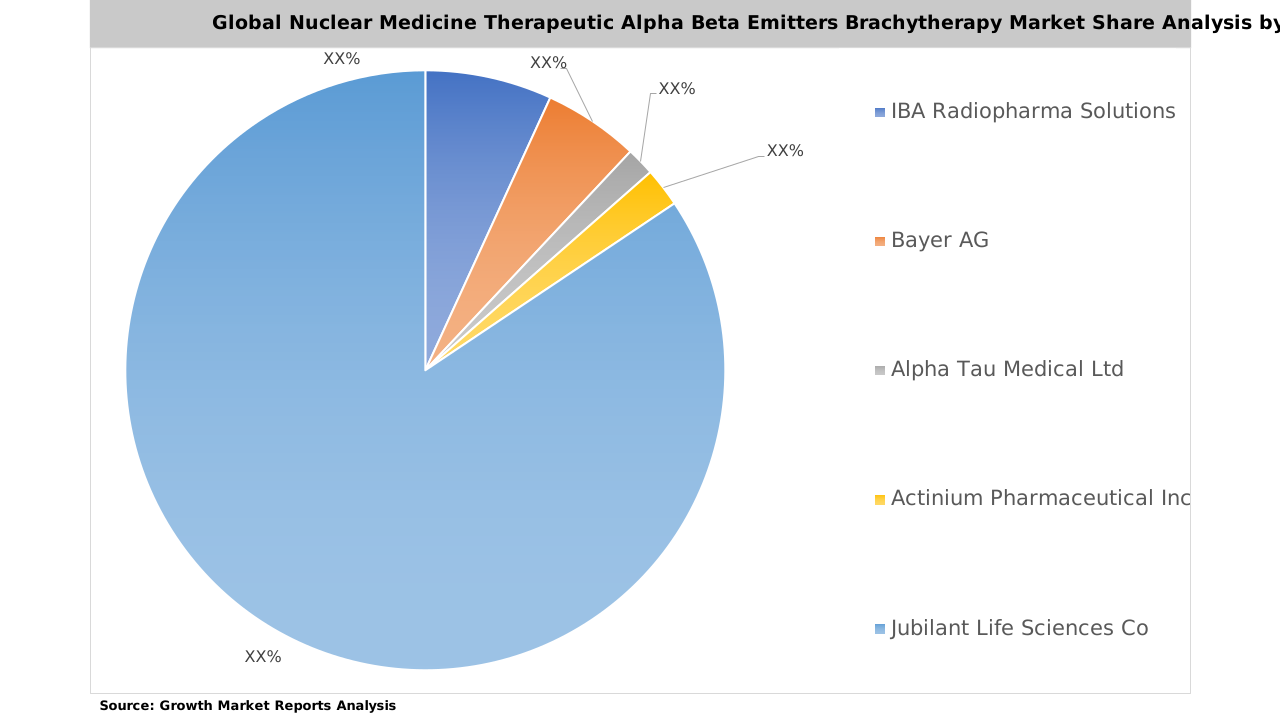
Major players competing in the nuclear medicine therapeutic alpha beta emitters’ brachytherapy market include IBA Radiopharma Solutions, Bayer AG, Alpha Tau Medical Ltd, Actinium Pharmaceutical Inc., and Jubilant Life Sciences Co.

Some of these players are using several market strategies such as mergers, acquisitions, partnerships, collaborations, capacity expansion, and product launches to increase their market shares.

Nuclear Medicine Therapeutic Alpha Beta Emitters Brachytherapy Market keyplayers

Frequently Asked Questions

Technological advancements in isotope production, imaging, AI-driven analytics, and theranostics are enhancing treatment precision, expanding clinical applications, and driving market growth. Innovation is also fostering new product development and strategic collaborations among industry players.

Major players include Novartis AG, Siemens Healthineers, Bayer AG, Curium Pharma, Nordion Inc., Alpha Tau Medical, Actinium Pharmaceuticals Inc., Isoray Medical, and others such as GE Healthcare, Boston Scientific, and Telix Pharmaceuticals.

Opportunities include the rise of personalized medicine, theranostics, AI-driven imaging, and expanding healthcare infrastructure. Challenges involve complex regulatory requirements, isotope supply chain management, high capital investment, and the need for skilled personnel.

Key end-users include hospitals, specialty clinics, research institutes, and other healthcare facilities such as ambulatory surgical centers and academic medical centers.

Major applications include oncology (treatment of various cancers), cardiology (such as cardiac amyloidosis and restenosis prevention), neurology (brain tumors and neurodegenerative diseases), endocrinology (thyroid and parathyroid disorders), and emerging indications like infectious diseases.

North America leads the market, followed by Europe and Asia Pacific. North America benefits from advanced healthcare infrastructure and high adoption rates, while Asia Pacific is experiencing the fastest growth due to rising healthcare investments and cancer incidence.

The main therapy types are brachytherapy, targeted alpha therapy (TAT), and targeted beta therapy (TBT). Brachytherapy delivers localized radiation, TAT uses potent alpha emitters for precision oncology, and TBT is effective for treating solid and metastatic tumors.

Alpha emitters like actinium-225 and radium-223 are used for their high cytotoxicity and precision, especially in micrometastatic and hematological cancers. Beta emitters such as lutetium-177 and yttrium-90 are widely used for solid tumors due to their deeper tissue penetration.

Key growth drivers include the rising prevalence of cancer and cardiovascular diseases, increased adoption of precision medicine, advancements in isotope technology, and the integration of targeted therapies and brachytherapy.

The global Nuclear Medicine Therapeutic Alpha Beta Emitters Brachytherapy market reached USD 2.14 billion in 2024 and is projected to grow at a CAGR of 13.2% from 2025 to 2033, reaching USD 6.23 billion by 2033.

Table Of Content

Chapter 1 Executive Summary
Chapter 2 Assumptions and Acronyms Used
Chapter 3 Research Methodology
Chapter 4 Nuclear Medicine Therapeutic Alpha Beta Emitters Brachytherapy Market Overview
   4.1 Introduction
      4.1.1 Market Taxonomy
      4.1.2 Market Definition
      4.1.3 Macro-Economic Factors Impacting the Market Growth
   4.2 Nuclear Medicine Therapeutic Alpha Beta Emitters Brachytherapy Market Dynamics
      4.2.1 Market Drivers
      4.2.2 Market Restraints
      4.2.3 Market Opportunity
   4.3 Nuclear Medicine Therapeutic Alpha Beta Emitters Brachytherapy Market - Supply Chain Analysis
      4.3.1 List of Key Suppliers
      4.3.2 List of Key Distributors
      4.3.3 List of Key Consumers
   4.4 Key Forces Shaping the Nuclear Medicine Therapeutic Alpha Beta Emitters Brachytherapy Market
      4.4.1 Bargaining Power of Suppliers
      4.4.2 Bargaining Power of Buyers
      4.4.3 Threat of Substitution
      4.4.4 Threat of New Entrants
      4.4.5 Competitive Rivalry
   4.5 Global Nuclear Medicine Therapeutic Alpha Beta Emitters Brachytherapy Market Size & Forecast, 2023-2032
      4.5.1 Nuclear Medicine Therapeutic Alpha Beta Emitters Brachytherapy Market Size and Y-o-Y Growth
      4.5.2 Nuclear Medicine Therapeutic Alpha Beta Emitters Brachytherapy Market Absolute $ Opportunity

Chapter 5 Global Nuclear Medicine Therapeutic Alpha Beta Emitters Brachytherapy Market Analysis and Forecast By Isotope Type
   5.1 Introduction
      5.1.1 Key Market Trends & Growth Opportunities By Isotope Type
      5.1.2 Basis Point Share (BPS) Analysis By Isotope Type
      5.1.3 Absolute $ Opportunity Assessment By Isotope Type
   5.2 Nuclear Medicine Therapeutic Alpha Beta Emitters Brachytherapy Market Size Forecast By Isotope Type
      5.2.1 Alpha Emitters
      5.2.2 Beta Emitters
   5.3 Market Attractiveness Analysis By Isotope Type

Chapter 6 Global Nuclear Medicine Therapeutic Alpha Beta Emitters Brachytherapy Market Analysis and Forecast By Therapy Type
   6.1 Introduction
      6.1.1 Key Market Trends & Growth Opportunities By Therapy Type
      6.1.2 Basis Point Share (BPS) Analysis By Therapy Type
      6.1.3 Absolute $ Opportunity Assessment By Therapy Type
   6.2 Nuclear Medicine Therapeutic Alpha Beta Emitters Brachytherapy Market Size Forecast By Therapy Type
      6.2.1 Brachytherapy
      6.2.2 Targeted Alpha Therapy
      6.2.3 Targeted Beta Therapy
   6.3 Market Attractiveness Analysis By Therapy Type

Chapter 7 Global Nuclear Medicine Therapeutic Alpha Beta Emitters Brachytherapy Market Analysis and Forecast By Application
   7.1 Introduction
      7.1.1 Key Market Trends & Growth Opportunities By Application
      7.1.2 Basis Point Share (BPS) Analysis By Application
      7.1.3 Absolute $ Opportunity Assessment By Application
   7.2 Nuclear Medicine Therapeutic Alpha Beta Emitters Brachytherapy Market Size Forecast By Application
      7.2.1 Oncology
      7.2.2 Cardiology
      7.2.3 Neurology
      7.2.4 Endocrinology
      7.2.5 Others
   7.3 Market Attractiveness Analysis By Application

Chapter 8 Global Nuclear Medicine Therapeutic Alpha Beta Emitters Brachytherapy Market Analysis and Forecast By End-User
   8.1 Introduction
      8.1.1 Key Market Trends & Growth Opportunities By End-User
      8.1.2 Basis Point Share (BPS) Analysis By End-User
      8.1.3 Absolute $ Opportunity Assessment By End-User
   8.2 Nuclear Medicine Therapeutic Alpha Beta Emitters Brachytherapy Market Size Forecast By End-User
      8.2.1 Hospitals
      8.2.2 Specialty Clinics
      8.2.3 Research Institutes
      8.2.4 Others
   8.3 Market Attractiveness Analysis By End-User

Chapter 9 Global Nuclear Medicine Therapeutic Alpha Beta Emitters Brachytherapy Market Analysis and Forecast by Region
   9.1 Introduction
      9.1.1 Key Market Trends & Growth Opportunities By Region
      9.1.2 Basis Point Share (BPS) Analysis By Region
      9.1.3 Absolute $ Opportunity Assessment By Region
   9.2 Nuclear Medicine Therapeutic Alpha Beta Emitters Brachytherapy Market Size Forecast By Region
      9.2.1 North America
      9.2.2 Europe
      9.2.3 Asia Pacific
      9.2.4 Latin America
      9.2.5 Middle East & Africa (MEA)
   9.3 Market Attractiveness Analysis By Region

Chapter 10 Coronavirus Disease (COVID-19) Impact 
   10.1 Introduction 
   10.2 Current & Future Impact Analysis 
   10.3 Economic Impact Analysis 
   10.4 Government Policies 
   10.5 Investment Scenario

Chapter 11 North America Nuclear Medicine Therapeutic Alpha Beta Emitters Brachytherapy Analysis and Forecast
   11.1 Introduction
   11.2 North America Nuclear Medicine Therapeutic Alpha Beta Emitters Brachytherapy Market Size Forecast by Country
      11.2.1 U.S.
      11.2.2 Canada
   11.3 Basis Point Share (BPS) Analysis by Country
   11.4 Absolute $ Opportunity Assessment by Country
   11.5 Market Attractiveness Analysis by Country
   11.6 North America Nuclear Medicine Therapeutic Alpha Beta Emitters Brachytherapy Market Size Forecast By Isotope Type
      11.6.1 Alpha Emitters
      11.6.2 Beta Emitters
   11.7 Basis Point Share (BPS) Analysis By Isotope Type 
   11.8 Absolute $ Opportunity Assessment By Isotope Type 
   11.9 Market Attractiveness Analysis By Isotope Type
   11.10 North America Nuclear Medicine Therapeutic Alpha Beta Emitters Brachytherapy Market Size Forecast By Therapy Type
      11.10.1 Brachytherapy
      11.10.2 Targeted Alpha Therapy
      11.10.3 Targeted Beta Therapy
   11.11 Basis Point Share (BPS) Analysis By Therapy Type 
   11.12 Absolute $ Opportunity Assessment By Therapy Type 
   11.13 Market Attractiveness Analysis By Therapy Type
   11.14 North America Nuclear Medicine Therapeutic Alpha Beta Emitters Brachytherapy Market Size Forecast By Application
      11.14.1 Oncology
      11.14.2 Cardiology
      11.14.3 Neurology
      11.14.4 Endocrinology
      11.14.5 Others
   11.15 Basis Point Share (BPS) Analysis By Application 
   11.16 Absolute $ Opportunity Assessment By Application 
   11.17 Market Attractiveness Analysis By Application
   11.18 North America Nuclear Medicine Therapeutic Alpha Beta Emitters Brachytherapy Market Size Forecast By End-User
      11.18.1 Hospitals
      11.18.2 Specialty Clinics
      11.18.3 Research Institutes
      11.18.4 Others
   11.19 Basis Point Share (BPS) Analysis By End-User 
   11.20 Absolute $ Opportunity Assessment By End-User 
   11.21 Market Attractiveness Analysis By End-User

Chapter 12 Europe Nuclear Medicine Therapeutic Alpha Beta Emitters Brachytherapy Analysis and Forecast
   12.1 Introduction
   12.2 Europe Nuclear Medicine Therapeutic Alpha Beta Emitters Brachytherapy Market Size Forecast by Country
      12.2.1 Germany
      12.2.2 France
      12.2.3 Italy
      12.2.4 U.K.
      12.2.5 Spain
      12.2.6 Russia
      12.2.7 Rest of Europe
   12.3 Basis Point Share (BPS) Analysis by Country
   12.4 Absolute $ Opportunity Assessment by Country
   12.5 Market Attractiveness Analysis by Country
   12.6 Europe Nuclear Medicine Therapeutic Alpha Beta Emitters Brachytherapy Market Size Forecast By Isotope Type
      12.6.1 Alpha Emitters
      12.6.2 Beta Emitters
   12.7 Basis Point Share (BPS) Analysis By Isotope Type 
   12.8 Absolute $ Opportunity Assessment By Isotope Type 
   12.9 Market Attractiveness Analysis By Isotope Type
   12.10 Europe Nuclear Medicine Therapeutic Alpha Beta Emitters Brachytherapy Market Size Forecast By Therapy Type
      12.10.1 Brachytherapy
      12.10.2 Targeted Alpha Therapy
      12.10.3 Targeted Beta Therapy
   12.11 Basis Point Share (BPS) Analysis By Therapy Type 
   12.12 Absolute $ Opportunity Assessment By Therapy Type 
   12.13 Market Attractiveness Analysis By Therapy Type
   12.14 Europe Nuclear Medicine Therapeutic Alpha Beta Emitters Brachytherapy Market Size Forecast By Application
      12.14.1 Oncology
      12.14.2 Cardiology
      12.14.3 Neurology
      12.14.4 Endocrinology
      12.14.5 Others
   12.15 Basis Point Share (BPS) Analysis By Application 
   12.16 Absolute $ Opportunity Assessment By Application 
   12.17 Market Attractiveness Analysis By Application
   12.18 Europe Nuclear Medicine Therapeutic Alpha Beta Emitters Brachytherapy Market Size Forecast By End-User
      12.18.1 Hospitals
      12.18.2 Specialty Clinics
      12.18.3 Research Institutes
      12.18.4 Others
   12.19 Basis Point Share (BPS) Analysis By End-User 
   12.20 Absolute $ Opportunity Assessment By End-User 
   12.21 Market Attractiveness Analysis By End-User

Chapter 13 Asia Pacific Nuclear Medicine Therapeutic Alpha Beta Emitters Brachytherapy Analysis and Forecast
   13.1 Introduction
   13.2 Asia Pacific Nuclear Medicine Therapeutic Alpha Beta Emitters Brachytherapy Market Size Forecast by Country
      13.2.1 China
      13.2.2 Japan
      13.2.3 South Korea
      13.2.4 India
      13.2.5 Australia
      13.2.6 South East Asia (SEA)
      13.2.7 Rest of Asia Pacific (APAC)
   13.3 Basis Point Share (BPS) Analysis by Country
   13.4 Absolute $ Opportunity Assessment by Country
   13.5 Market Attractiveness Analysis by Country
   13.6 Asia Pacific Nuclear Medicine Therapeutic Alpha Beta Emitters Brachytherapy Market Size Forecast By Isotope Type
      13.6.1 Alpha Emitters
      13.6.2 Beta Emitters
   13.7 Basis Point Share (BPS) Analysis By Isotope Type 
   13.8 Absolute $ Opportunity Assessment By Isotope Type 
   13.9 Market Attractiveness Analysis By Isotope Type
   13.10 Asia Pacific Nuclear Medicine Therapeutic Alpha Beta Emitters Brachytherapy Market Size Forecast By Therapy Type
      13.10.1 Brachytherapy
      13.10.2 Targeted Alpha Therapy
      13.10.3 Targeted Beta Therapy
   13.11 Basis Point Share (BPS) Analysis By Therapy Type 
   13.12 Absolute $ Opportunity Assessment By Therapy Type 
   13.13 Market Attractiveness Analysis By Therapy Type
   13.14 Asia Pacific Nuclear Medicine Therapeutic Alpha Beta Emitters Brachytherapy Market Size Forecast By Application
      13.14.1 Oncology
      13.14.2 Cardiology
      13.14.3 Neurology
      13.14.4 Endocrinology
      13.14.5 Others
   13.15 Basis Point Share (BPS) Analysis By Application 
   13.16 Absolute $ Opportunity Assessment By Application 
   13.17 Market Attractiveness Analysis By Application
   13.18 Asia Pacific Nuclear Medicine Therapeutic Alpha Beta Emitters Brachytherapy Market Size Forecast By End-User
      13.18.1 Hospitals
      13.18.2 Specialty Clinics
      13.18.3 Research Institutes
      13.18.4 Others
   13.19 Basis Point Share (BPS) Analysis By End-User 
   13.20 Absolute $ Opportunity Assessment By End-User 
   13.21 Market Attractiveness Analysis By End-User

Chapter 14 Latin America Nuclear Medicine Therapeutic Alpha Beta Emitters Brachytherapy Analysis and Forecast
   14.1 Introduction
   14.2 Latin America Nuclear Medicine Therapeutic Alpha Beta Emitters Brachytherapy Market Size Forecast by Country
      14.2.1 Brazil
      14.2.2 Mexico
      14.2.3 Rest of Latin America (LATAM)
   14.3 Basis Point Share (BPS) Analysis by Country
   14.4 Absolute $ Opportunity Assessment by Country
   14.5 Market Attractiveness Analysis by Country
   14.6 Latin America Nuclear Medicine Therapeutic Alpha Beta Emitters Brachytherapy Market Size Forecast By Isotope Type
      14.6.1 Alpha Emitters
      14.6.2 Beta Emitters
   14.7 Basis Point Share (BPS) Analysis By Isotope Type 
   14.8 Absolute $ Opportunity Assessment By Isotope Type 
   14.9 Market Attractiveness Analysis By Isotope Type
   14.10 Latin America Nuclear Medicine Therapeutic Alpha Beta Emitters Brachytherapy Market Size Forecast By Therapy Type
      14.10.1 Brachytherapy
      14.10.2 Targeted Alpha Therapy
      14.10.3 Targeted Beta Therapy
   14.11 Basis Point Share (BPS) Analysis By Therapy Type 
   14.12 Absolute $ Opportunity Assessment By Therapy Type 
   14.13 Market Attractiveness Analysis By Therapy Type
   14.14 Latin America Nuclear Medicine Therapeutic Alpha Beta Emitters Brachytherapy Market Size Forecast By Application
      14.14.1 Oncology
      14.14.2 Cardiology
      14.14.3 Neurology
      14.14.4 Endocrinology
      14.14.5 Others
   14.15 Basis Point Share (BPS) Analysis By Application 
   14.16 Absolute $ Opportunity Assessment By Application 
   14.17 Market Attractiveness Analysis By Application
   14.18 Latin America Nuclear Medicine Therapeutic Alpha Beta Emitters Brachytherapy Market Size Forecast By End-User
      14.18.1 Hospitals
      14.18.2 Specialty Clinics
      14.18.3 Research Institutes
      14.18.4 Others
   14.19 Basis Point Share (BPS) Analysis By End-User 
   14.20 Absolute $ Opportunity Assessment By End-User 
   14.21 Market Attractiveness Analysis By End-User

Chapter 15 Middle East & Africa (MEA) Nuclear Medicine Therapeutic Alpha Beta Emitters Brachytherapy Analysis and Forecast
   15.1 Introduction
   15.2 Middle East & Africa (MEA) Nuclear Medicine Therapeutic Alpha Beta Emitters Brachytherapy Market Size Forecast by Country
      15.2.1 Saudi Arabia
      15.2.2 South Africa
      15.2.3 UAE
      15.2.4 Rest of Middle East & Africa (MEA)
   15.3 Basis Point Share (BPS) Analysis by Country
   15.4 Absolute $ Opportunity Assessment by Country
   15.5 Market Attractiveness Analysis by Country
   15.6 Middle East & Africa (MEA) Nuclear Medicine Therapeutic Alpha Beta Emitters Brachytherapy Market Size Forecast By Isotope Type
      15.6.1 Alpha Emitters
      15.6.2 Beta Emitters
   15.7 Basis Point Share (BPS) Analysis By Isotope Type 
   15.8 Absolute $ Opportunity Assessment By Isotope Type 
   15.9 Market Attractiveness Analysis By Isotope Type
   15.10 Middle East & Africa (MEA) Nuclear Medicine Therapeutic Alpha Beta Emitters Brachytherapy Market Size Forecast By Therapy Type
      15.10.1 Brachytherapy
      15.10.2 Targeted Alpha Therapy
      15.10.3 Targeted Beta Therapy
   15.11 Basis Point Share (BPS) Analysis By Therapy Type 
   15.12 Absolute $ Opportunity Assessment By Therapy Type 
   15.13 Market Attractiveness Analysis By Therapy Type
   15.14 Middle East & Africa (MEA) Nuclear Medicine Therapeutic Alpha Beta Emitters Brachytherapy Market Size Forecast By Application
      15.14.1 Oncology
      15.14.2 Cardiology
      15.14.3 Neurology
      15.14.4 Endocrinology
      15.14.5 Others
   15.15 Basis Point Share (BPS) Analysis By Application 
   15.16 Absolute $ Opportunity Assessment By Application 
   15.17 Market Attractiveness Analysis By Application
   15.18 Middle East & Africa (MEA) Nuclear Medicine Therapeutic Alpha Beta Emitters Brachytherapy Market Size Forecast By End-User
      15.18.1 Hospitals
      15.18.2 Specialty Clinics
      15.18.3 Research Institutes
      15.18.4 Others
   15.19 Basis Point Share (BPS) Analysis By End-User 
   15.20 Absolute $ Opportunity Assessment By End-User 
   15.21 Market Attractiveness Analysis By End-User

Chapter 16 Competition Landscape 
   16.1 Nuclear Medicine Therapeutic Alpha Beta Emitters Brachytherapy Market: Competitive Dashboard
   16.2 Global Nuclear Medicine Therapeutic Alpha Beta Emitters Brachytherapy Market: Market Share Analysis, 2023
   16.3 Company Profiles (Details – Overview, Financials, Developments, Strategy) 
      16.3.1 Bayer AG
Novartis AG
Eckert & Ziegler Strahlen- und Medizintechnik AG
Curium Pharma
Lantheus Holdings, Inc.
Telix Pharmaceuticals Limited
Advanced Accelerator Applications (AAA)
Isoray Inc.
Boston Scientific Corporation
Elekta AB
Theragenics Corporation
Varian Medical Systems, Inc.
BrachySciences, Inc.
Alpha Tau Medical Ltd.
Sirtex Medical Limited
IBA Radiopharma Solutions
Nordion (Canada) Inc.
Cardinal Health, Inc.
Siemens Healthineers AG
GE Healthcare

Methodology

Our Clients

Honda Motor Co. Ltd.
Microsoft
Nestle SA
FedEx Logistics
General Mills
Pfizer
Siemens Healthcare
Deloitte