Neurometabolic Disorders Market Research Report 2033

Neurometabolic Disorders Market Research Report 2033

Segments - by Disorder Type (Lysosomal Storage Disorders, Mitochondrial Disorders, Amino Acid Disorders, Organic Acid Disorders, Fatty Acid Oxidation Disorders, Others), by Diagnosis (Genetic Testing, Biochemical Testing, Imaging, Others), by Treatment (Medications, Dietary Management, Enzyme Replacement Therapy, Gene Therapy, Others), by End-User (Hospitals, Specialty Clinics, Diagnostic Centers, Others)

https://growthmarketreports.com/raksha
Author : Raksha Sharma
https://growthmarketreports.com/Vaibhav
Fact-checked by : V. Chandola
https://growthmarketreports.com/Shruti
Editor : Shruti Bhat

Upcoming | Report ID :HC-2554 | 4.7 Rating | 95 Reviews | 283 Pages | Format : Docx PDF

Report Description


Neurometabolic Disorders Market Outlook

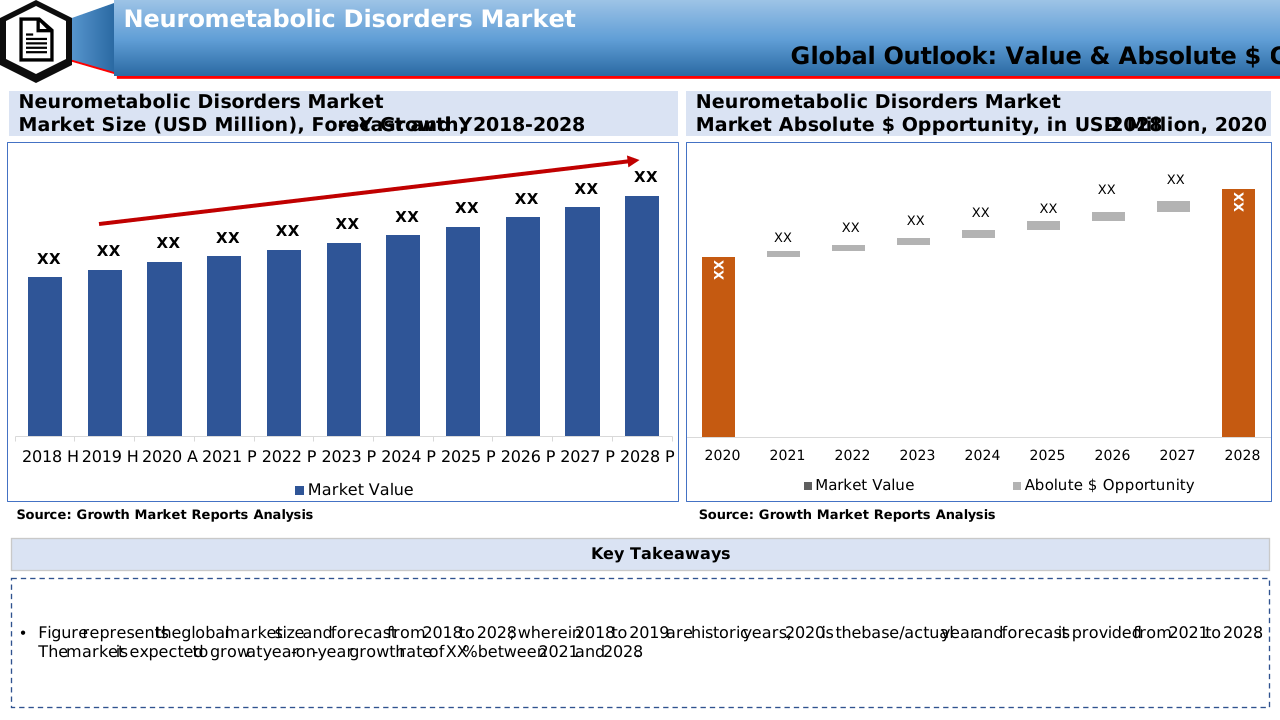
According to our latest research, the global Neurometabolic Disorders market size in 2024 stands at USD 14.3 billion, registering robust growth driven by rising awareness, advancements in diagnostic technologies, and the increasing prevalence of rare genetic disorders. The market is projected to grow at a CAGR of 8.1% from 2025 to 2033, reaching an estimated USD 28.7 billion by the end of the forecast period. This accelerated growth is attributed to a combination of factors, including significant investments in research and development, the emergence of novel therapies, and the expansion of specialized healthcare infrastructure worldwide.

The primary growth driver for the neurometabolic disorders market is the increasing prevalence of inherited metabolic disorders, particularly in pediatric populations. As awareness about these conditions grows among healthcare professionals and the general public, early detection and intervention rates are rising. This trend is further supported by the expansion of newborn screening programs in developed and emerging economies, which enable the identification of disorders such as lysosomal storage diseases, mitochondrial disorders, and amino acidopathies at an early stage. Additionally, the growing availability of advanced diagnostic tools and genetic testing technologies is enhancing the accuracy and speed of diagnosis, facilitating timely treatment and improving patient outcomes. The market is also benefitting from increased collaboration between academic institutions, pharmaceutical companies, and patient advocacy groups, which is accelerating the development of innovative therapies and expanding access to specialized care.

Another significant factor driving market growth is the rapid advancement in therapeutic options for neurometabolic disorders. The introduction of enzyme replacement therapies, gene therapies, and small molecule drugs has revolutionized the management of several previously untreatable conditions. Pharmaceutical and biotechnology companies are investing heavily in research and development to bring novel treatments to market, with a strong focus on addressing unmet medical needs. The regulatory landscape has also evolved to support accelerated approvals for orphan drugs, providing incentives for companies to invest in rare disease research. Moreover, improved disease awareness and patient advocacy have led to better funding and support for clinical trials, resulting in a robust pipeline of promising therapies. These advancements are not only improving patient quality of life but also driving substantial growth in the neurometabolic disorders market.

The market is further propelled by the integration of multidisciplinary care models and the expansion of specialized treatment centers. As neurometabolic disorders often require complex, lifelong management, there is a growing emphasis on coordinated care involving neurologists, geneticists, metabolic specialists, dietitians, and other healthcare professionals. This approach ensures comprehensive diagnosis, personalized treatment plans, and ongoing monitoring of disease progression. The proliferation of specialty clinics and diagnostic centers, particularly in developed regions, is increasing access to expert care and advanced therapies. In addition, technological advancements in telemedicine and digital health solutions are enabling remote management and monitoring of patients, particularly in underserved and rural areas. These factors are collectively enhancing patient outcomes and contributing to the sustained growth of the neurometabolic disorders market.

Niemann-Pick Disease Therapeutics are gaining attention as part of the broader advancements in the treatment of neurometabolic disorders. This rare lysosomal storage disorder, characterized by the harmful accumulation of lipids in various organs, has seen significant progress in therapeutic research. Recent developments in enzyme replacement therapies and gene therapies are providing new hope for patients affected by this debilitating condition. The focus on Niemann-Pick Disease is part of a larger trend towards addressing rare genetic disorders, with pharmaceutical companies investing in innovative solutions to improve patient outcomes. As awareness and understanding of these conditions grow, so too does the potential for effective treatments that can transform the lives of those affected. The integration of multidisciplinary care models is also playing a crucial role in managing Niemann-Pick Disease, ensuring that patients receive comprehensive and personalized care.

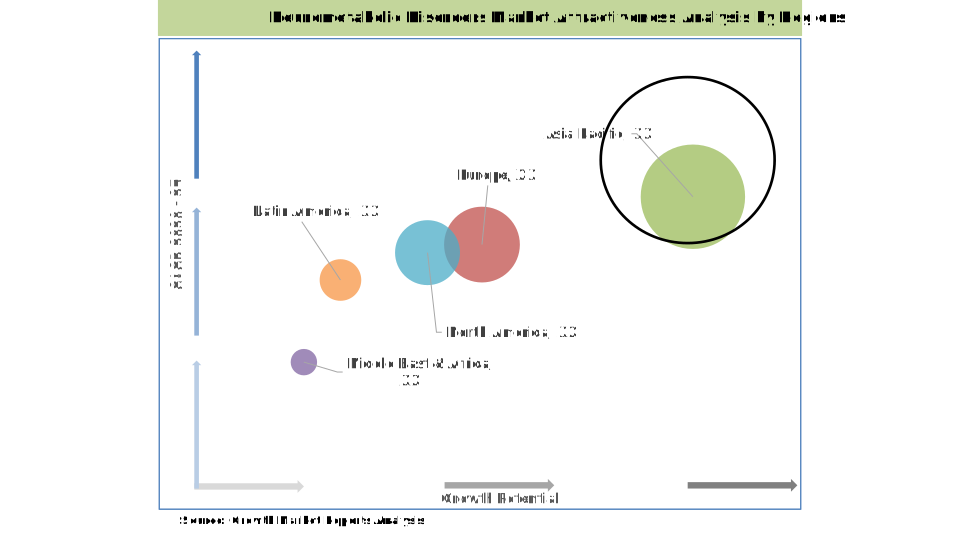
From a regional perspective, North America currently dominates the neurometabolic disorders market, accounting for the largest revenue share in 2024 due to the presence of a well-established healthcare infrastructure, high adoption of advanced diagnostic and therapeutic technologies, and strong support from government and non-profit organizations. Europe follows closely, driven by comprehensive newborn screening programs and robust research initiatives. Meanwhile, the Asia Pacific region is experiencing the fastest growth, fueled by rising healthcare investments, increasing awareness, and expanding access to specialized care. Latin America and the Middle East & Africa are also witnessing steady growth, supported by improving healthcare systems and growing patient advocacy efforts. This diverse regional landscape highlights the global nature of the neurometabolic disorders market and underscores the importance of tailored strategies to address unique regional challenges and opportunities.

Global Neurometabolic Disorders Industry Outlook

Disorder Type Analysis

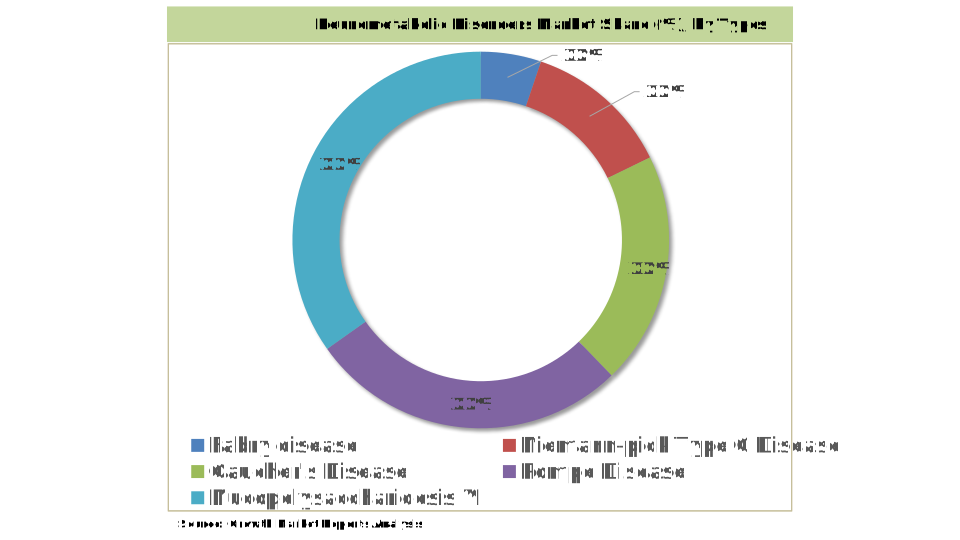
The neurometabolic disorders market is segmented by disorder type into lysosomal storage disorders, mitochondrial disorders, amino acid disorders, organic acid disorders, fatty acid oxidation disorders, and others. Among these, lysosomal storage disorders represent the largest segment, primarily due to the high prevalence and severity of conditions such as Gaucher disease, Fabry disease, and Pompe disease. The availability of enzyme replacement therapies and increasing awareness have significantly improved patient outcomes, leading to higher diagnosis and treatment rates. Mitochondrial disorders, although less common, are gaining attention due to advancements in genetic testing and the development of targeted therapies. Amino acid disorders, including phenylketonuria and maple syrup urine disease, are also significant contributors to market growth, driven by the widespread implementation of newborn screening programs and dietary management interventions. Organic acid disorders and fatty acid oxidation disorders, while rarer, are increasingly being diagnosed thanks to improved biochemical and genetic testing methods. The "others" category encompasses a range of ultra-rare neurometabolic conditions, which are gradually being recognized as diagnostic capabilities expand. Overall, the disorder type segment reflects the diverse and evolving landscape of neurometabolic disorders, with ongoing research and innovation continuing to drive progress in diagnosis and treatment.

Lysosomal storage disorders (LSDs) remain at the forefront of the neurometabolic disorders market, accounting for a substantial share of both research and commercial activity. The development of enzyme replacement therapies has been a game-changer for several LSDs, offering patients the possibility of improved quality of life and extended survival. Pharmaceutical companies are actively pursuing new indications and expanding the range of available therapies, with a particular focus on addressing central nervous system manifestations. The growing pipeline of gene therapies holds promise for addressing the underlying genetic causes of LSDs, potentially offering curative solutions. Mitochondrial disorders, characterized by defects in cellular energy production, present unique diagnostic and therapeutic challenges. Recent advances in next-generation sequencing and metabolomics are improving the identification of mitochondrial diseases, while ongoing research is exploring novel therapeutic approaches such as mitochondrial replacement and gene editing. Amino acid and organic acid disorders continue to benefit from early detection and dietary management, with research focused on optimizing treatment protocols and developing new pharmacological interventions.

Fatty acid oxidation disorders, though less prevalent, are gaining recognition due to the severe and sometimes life-threatening nature of these conditions. Advances in newborn screening and biochemical analysis have led to earlier diagnosis and intervention, reducing the risk of acute metabolic crises. Treatment strategies for these disorders often involve dietary modifications and supplementation, with ongoing research exploring the potential of gene therapy and enzyme replacement. The "others" segment, which includes a diverse array of rare and ultra-rare neurometabolic disorders, presents unique challenges in terms of diagnosis, management, and research funding. However, increasing collaboration between academic institutions, patient advocacy groups, and industry stakeholders is driving progress in understanding and addressing these conditions. As diagnostic technologies continue to evolve, the ability to identify and characterize a broader range of neurometabolic disorders is expected to expand, further driving market growth.

The disorder type segment is also influenced by regional variations in prevalence, diagnostic capabilities, and access to care. In developed regions, comprehensive newborn screening programs and advanced diagnostic infrastructure support the early identification and management of a wide range of neurometabolic disorders. In contrast, limited resources and lack of awareness in some emerging markets may result in underdiagnosis and delayed treatment. Efforts to harmonize screening protocols, improve access to diagnostic technologies, and increase awareness among healthcare professionals are critical to addressing these disparities. The ongoing expansion of genetic testing and the integration of precision medicine approaches are expected to further enhance the diagnosis and management of neurometabolic disorders across all regions, supporting continued market growth.

Report Scope

Attributes Details
Report Title Neurometabolic Disorders Market Research Report 2033
By Disorder Type Lysosomal Storage Disorders, Mitochondrial Disorders, Amino Acid Disorders, Organic Acid Disorders, Fatty Acid Oxidation Disorders, Others
By Diagnosis Genetic Testing, Biochemical Testing, Imaging, Others
By Treatment Medications, Dietary Management, Enzyme Replacement Therapy, Gene Therapy, Others
By End-User Hospitals, Specialty Clinics, Diagnostic Centers, Others
Regions Covered North America, Europe, APAC, Latin America, MEA
Base Year 2024
Historic Data 2018-2023
Forecast Period 2025-2033
Number of Pages 283
Number of Tables & Figures 328
Customization Available Yes, the report can be customized as per your need.

Diagnosis Analysis

Diagnosis is a critical segment in the neurometabolic disorders market, encompassing genetic testing, biochemical testing, imaging, and other diagnostic modalities. The increasing adoption of advanced genetic testing technologies, such as next-generation sequencing and whole-exome sequencing, is transforming the diagnostic landscape. These technologies enable the rapid and accurate identification of genetic mutations associated with neurometabolic disorders, facilitating early diagnosis and personalized treatment planning. Biochemical testing, including analysis of metabolites, enzymes, and biomarkers, remains a cornerstone of diagnosis, particularly for disorders with characteristic metabolic profiles. Imaging techniques, such as MRI and PET scans, are increasingly being used to assess neurological involvement and monitor disease progression. Other diagnostic approaches, including tandem mass spectrometry and functional assays, are also playing a growing role in the comprehensive evaluation of patients with suspected neurometabolic disorders.

Genetic testing is emerging as the gold standard for the diagnosis of many neurometabolic disorders, particularly those with complex or atypical presentations. The decreasing cost and increasing accessibility of genetic sequencing technologies are making it feasible to screen larger populations and identify previously undiagnosed cases. This trend is supported by growing awareness among healthcare professionals and patients, as well as the expansion of newborn screening programs. Biochemical testing continues to be essential for the initial identification and confirmation of metabolic abnormalities, guiding further genetic analysis and treatment planning. The integration of genetic and biochemical testing is enabling a more comprehensive and accurate diagnosis, reducing the risk of misdiagnosis and enabling timely intervention.

Imaging technologies are playing an increasingly important role in the diagnosis and management of neurometabolic disorders, particularly those with significant neurological involvement. MRI and PET scans provide valuable information about brain structure and function, enabling the assessment of disease severity and progression. Advanced imaging techniques are also being used to monitor the effects of therapy and guide treatment decisions. Other diagnostic modalities, such as electrophysiological studies and neuropsychological assessments, are being integrated into multidisciplinary care models to provide a holistic evaluation of patients. The ongoing development of novel biomarkers and diagnostic assays is expected to further enhance the accuracy and efficiency of diagnosis, supporting earlier intervention and improved outcomes.

The diagnosis segment is characterized by rapid technological innovation and increasing collaboration between diagnostic laboratories, healthcare providers, and industry stakeholders. Efforts to standardize diagnostic protocols and improve access to advanced technologies are critical to addressing disparities in diagnosis and care, particularly in resource-limited settings. The integration of digital health solutions, such as telemedicine and electronic health records, is facilitating remote diagnosis and monitoring, expanding access to specialized care. As the understanding of the genetic and biochemical basis of neurometabolic disorders continues to evolve, the development of targeted diagnostic tools and personalized medicine approaches is expected to drive further growth in this segment.

Treatment Analysis

The treatment segment of the neurometabolic disorders market encompasses medications, dietary management, enzyme replacement therapy, gene therapy, and other therapeutic interventions. Medications, including small molecule drugs and disease-modifying agents, remain a mainstay of treatment for many neurometabolic disorders, providing symptomatic relief and slowing disease progression. Dietary management, particularly for amino acid and organic acid disorders, is essential for preventing metabolic crises and optimizing patient outcomes. Enzyme replacement therapy has revolutionized the management of several lysosomal storage disorders, offering patients improved quality of life and extended survival. Gene therapy represents a promising frontier, with several therapies in development or recently approved for the treatment of specific neurometabolic disorders.

Enzyme replacement therapy (ERT) is a cornerstone of treatment for lysosomal storage disorders, with several approved therapies available for conditions such as Gaucher disease, Fabry disease, and Pompe disease. ERT has demonstrated significant benefits in reducing disease burden and improving patient outcomes, although challenges remain in addressing central nervous system involvement and long-term safety. Gene therapy is an area of intense research and development, offering the potential for curative treatment by addressing the underlying genetic defects. Recent advances in gene editing technologies, such as CRISPR/Cas9, are driving the development of novel therapies with the potential to transform the treatment landscape for neurometabolic disorders.

Dietary management is a critical component of care for many neurometabolic disorders, particularly those involving amino acid, organic acid, and fatty acid metabolism. Tailored dietary interventions, including restriction of specific nutrients and supplementation with essential compounds, are essential for preventing metabolic decompensation and supporting normal growth and development. Ongoing research is focused on optimizing dietary protocols and developing novel nutritional therapies to improve patient adherence and outcomes. Medications, including disease-modifying agents and symptomatic treatments, are also playing an increasingly important role in the management of neurometabolic disorders, with a growing pipeline of new drugs in development.

The treatment segment is characterized by rapid innovation and a strong focus on personalized medicine. The integration of genetic and biochemical data is enabling the development of targeted therapies tailored to individual patient profiles. Multidisciplinary care models, involving neurologists, geneticists, metabolic specialists, and dietitians, are essential for optimizing treatment outcomes and supporting long-term management. The expansion of clinical trials and patient registries is facilitating the development of new therapies and improving access to innovative treatments. As the understanding of the molecular and genetic basis of neurometabolic disorders continues to advance, the treatment segment is expected to experience significant growth, driven by the introduction of novel therapies and the expansion of access to specialized care.

End-User Analysis

The end-user segment of the neurometabolic disorders market includes hospitals, specialty clinics, diagnostic centers, and others. Hospitals represent the largest end-user segment, driven by the availability of advanced diagnostic and therapeutic technologies, multidisciplinary care teams, and specialized expertise. Hospitals are often the primary point of care for patients with complex neurometabolic disorders, providing comprehensive evaluation, diagnosis, and management. Specialty clinics, focused on metabolic and genetic disorders, are playing an increasingly important role in the delivery of specialized care, offering tailored treatment plans and ongoing monitoring. Diagnostic centers are essential for the early identification and confirmation of neurometabolic disorders, providing access to advanced genetic and biochemical testing.

Hospitals are at the forefront of the neurometabolic disorders market, offering comprehensive care for patients with complex and rare conditions. The presence of multidisciplinary teams, including neurologists, geneticists, metabolic specialists, and dietitians, enables the delivery of personalized and coordinated care. Hospitals are also key sites for clinical research and the development of new therapies, supporting the advancement of the field. Specialty clinics, often affiliated with academic medical centers, are dedicated to the care of patients with metabolic and genetic disorders, providing access to expert care and the latest therapeutic options. These clinics play a critical role in supporting patients and families, offering education, counseling, and psychosocial support.

Diagnostic centers are essential for the early detection and confirmation of neurometabolic disorders, offering access to advanced genetic and biochemical testing technologies. The increasing availability of next-generation sequencing and other molecular diagnostic tools is enabling the identification of a broader range of disorders, supporting earlier intervention and improved outcomes. Diagnostic centers also play a key role in supporting newborn screening programs and facilitating the integration of genetic testing into routine clinical care. The "others" category includes home healthcare providers, research institutions, and patient advocacy organizations, all of which contribute to the comprehensive care and support of patients with neurometabolic disorders.

The end-user segment is characterized by increasing collaboration between hospitals, specialty clinics, diagnostic centers, and other stakeholders. Integrated care models, involving coordinated care across multiple settings, are essential for optimizing outcomes and supporting long-term management. The expansion of telemedicine and digital health solutions is facilitating remote monitoring and management, increasing access to specialized care for patients in underserved and rural areas. As the prevalence of neurometabolic disorders continues to rise and the range of available therapies expands, the end-user segment is expected to experience significant growth, driven by the increasing demand for specialized and coordinated care.

Opportunities & Threats

The neurometabolic disorders market presents significant opportunities for growth, driven by ongoing advancements in diagnostic and therapeutic technologies. The increasing adoption of next-generation sequencing and other molecular diagnostic tools is enabling the identification of a broader range of disorders, supporting earlier intervention and improved outcomes. The development of novel therapies, including gene therapy and enzyme replacement therapy, offers the potential for transformative treatment options, addressing previously unmet medical needs. The expansion of newborn screening programs and the integration of precision medicine approaches are further enhancing the ability to diagnose and manage neurometabolic disorders, supporting continued market growth. Collaboration between academic institutions, pharmaceutical companies, and patient advocacy groups is accelerating research and development, driving innovation and expanding access to specialized care.

Another key opportunity in the neurometabolic disorders market lies in the expansion of access to care in emerging markets. As awareness of neurometabolic disorders increases and healthcare infrastructure improves, there is significant potential to address unmet needs in regions with limited resources. Efforts to harmonize screening protocols, improve access to diagnostic technologies, and increase awareness among healthcare professionals are critical to expanding access to care. The integration of digital health solutions, such as telemedicine and remote monitoring, is facilitating the delivery of specialized care to patients in underserved and rural areas. The growing emphasis on multidisciplinary care models and the expansion of specialty clinics and diagnostic centers are further supporting the delivery of comprehensive and coordinated care, driving market growth.

Despite these opportunities, the neurometabolic disorders market faces several challenges and threats. High treatment costs, limited access to advanced diagnostic and therapeutic technologies in some regions, and the complexity of disease management pose significant barriers to care. The rarity and heterogeneity of many neurometabolic disorders can result in delayed diagnosis and misdiagnosis, impacting patient outcomes. Regulatory and reimbursement challenges, particularly for novel and high-cost therapies, can limit patient access and hinder market growth. Addressing these challenges will require ongoing collaboration between stakeholders, continued investment in research and development, and efforts to improve access to care and support for patients and families.

Regional Outlook

The regional landscape of the neurometabolic disorders market is marked by significant variation in prevalence, diagnostic capabilities, and access to care. North America leads the market, with a 2024 market size of approximately USD 6.1 billion, supported by a well-established healthcare infrastructure, high adoption of advanced diagnostic and therapeutic technologies, and strong support from government and non-profit organizations. The presence of leading academic medical centers, pharmaceutical companies, and patient advocacy groups is driving research and innovation, supporting the development and commercialization of novel therapies. Comprehensive newborn screening programs and robust regulatory frameworks are further enhancing the ability to diagnose and manage neurometabolic disorders, supporting continued market growth.

Europe follows closely, with a market size of around USD 4.2 billion in 2024, driven by comprehensive newborn screening programs, robust research initiatives, and strong support from government and non-profit organizations. The region is characterized by a high level of collaboration between academic institutions, healthcare providers, and industry stakeholders, supporting the development and adoption of advanced diagnostic and therapeutic technologies. The presence of leading pharmaceutical and biotechnology companies, as well as a strong focus on rare disease research, is driving innovation and expanding access to care. Europe is expected to experience steady growth over the forecast period, with a projected CAGR of 7.8% from 2025 to 2033.

The Asia Pacific region is experiencing the fastest growth in the neurometabolic disorders market, with a 2024 market size of approximately USD 2.2 billion. Rapid economic development, increasing healthcare investments, and growing awareness of neurometabolic disorders are driving market expansion. The region is characterized by significant variation in access to care, with advanced healthcare infrastructure in countries such as Japan, South Korea, and Australia, and limited resources in some emerging markets. Efforts to expand newborn screening programs, improve access to diagnostic technologies, and increase awareness among healthcare professionals are critical to addressing unmet needs and supporting market growth. Latin America and the Middle East & Africa together account for the remaining share, with a combined market size of approximately USD 1.8 billion in 2024. These regions are witnessing steady growth, supported by improving healthcare systems, increasing awareness, and growing patient advocacy efforts.

Neurometabolic Disorders Market Statistics

Competitor Outlook

The competitive landscape of the neurometabolic disorders market is highly dynamic, characterized by the presence of established pharmaceutical and biotechnology companies, emerging startups, and academic research institutions. Leading players are investing heavily in research and development to bring novel therapies to market, with a strong focus on addressing unmet medical needs and expanding indications for existing treatments. The market is marked by intense competition in key segments, such as enzyme replacement therapy, gene therapy, and advanced diagnostic technologies. Strategic collaborations, mergers and acquisitions, and licensing agreements are common, as companies seek to expand their product portfolios, access new markets, and leverage complementary expertise.

Innovation is a key driver of competitive advantage in the neurometabolic disorders market. Companies are focused on developing targeted therapies, optimizing treatment protocols, and expanding access to advanced diagnostic technologies. The growing pipeline of gene therapies and disease-modifying agents is expected to transform the treatment landscape, offering new options for patients with previously untreatable conditions. The integration of precision medicine approaches, leveraging genetic and biochemical data to tailor therapies to individual patient profiles, is further enhancing the competitive landscape. Companies are also investing in digital health solutions, such as telemedicine and remote monitoring, to improve patient access and support long-term management.

The competitive landscape is also shaped by regulatory and reimbursement dynamics, particularly for novel and high-cost therapies. Companies must navigate complex regulatory pathways and demonstrate the value of their therapies to secure approval and reimbursement. Patient advocacy groups play an increasingly important role in shaping the market, supporting research, raising awareness, and advocating for access to care. The expansion of clinical trials and patient registries is facilitating the development of new therapies and supporting regulatory approval and commercialization.

Major companies operating in the neurometabolic disorders market include Sanofi Genzyme, BioMarin Pharmaceutical, Shire (now part of Takeda), Amicus Therapeutics, and Ultragenyx Pharmaceutical. Sanofi Genzyme is a leader in enzyme replacement therapy, with a strong portfolio of approved therapies for lysosomal storage disorders. BioMarin Pharmaceutical is focused on the development of innovative therapies for rare genetic disorders, including enzyme replacement and gene therapies. Shire, now part of Takeda, has a broad portfolio of therapies for metabolic and genetic disorders, with a strong focus on research and development. Amicus Therapeutics is a leader in the development of novel therapies for lysosomal storage disorders and other rare diseases, with a strong pipeline of small molecule drugs and gene therapies. Ultragenyx Pharmaceutical is focused on the development of therapies for rare and ultra-rare genetic disorders, with a growing portfolio of approved and investigational therapies.

These companies are supported by a network of academic research institutions, specialty clinics, and patient advocacy groups, all of which play a critical role in advancing research, supporting clinical development, and expanding access to care. Strategic collaborations and partnerships are common, enabling companies to leverage complementary expertise and resources. The competitive landscape is expected to remain dynamic, with ongoing innovation, regulatory evolution, and the introduction of new therapies driving continued growth and transformation in the neurometabolic disorders market.

Key Players

  • Sanofi
  • BioMarin Pharmaceutical Inc.
  • Shire (now part of Takeda Pharmaceutical Company Limited)
  • Pfizer Inc.
  • Genzyme Corporation (a Sanofi company)
  • Ultragenyx Pharmaceutical Inc.
  • Amicus Therapeutics
  • Horizon Therapeutics
  • Orphazyme A/S
  • Alexion Pharmaceuticals, Inc.
  • Zogenix, Inc.
  • Retrophin, Inc. (now Travere Therapeutics)
  • Sobi (Swedish Orphan Biovitrum AB)
  • Aeglea BioTherapeutics
  • Leadiant Biosciences, Inc.
  • Actelion Pharmaceuticals (now part of Johnson & Johnson)
  • Takeda Pharmaceutical Company Limited
  • Vertex Pharmaceuticals Incorporated
  • REGENXBIO Inc.
  • Denali Therapeutics Inc.
Neurometabolic Disorders Market Overview

Segments

The Neurometabolic Disorders market has been segmented on the basis of

Disorder Type

  • Lysosomal Storage Disorders
  • Mitochondrial Disorders
  • Amino Acid Disorders
  • Organic Acid Disorders
  • Fatty Acid Oxidation Disorders
  • Others

Diagnosis

  • Genetic Testing
  • Biochemical Testing
  • Imaging
  • Others

Treatment

  • Medications
  • Dietary Management
  • Enzyme Replacement Therapy
  • Gene Therapy
  • Others

End-User

  • Hospitals
  • Specialty Clinics
  • Diagnostic Centers
  • Others

Competitive Landscape

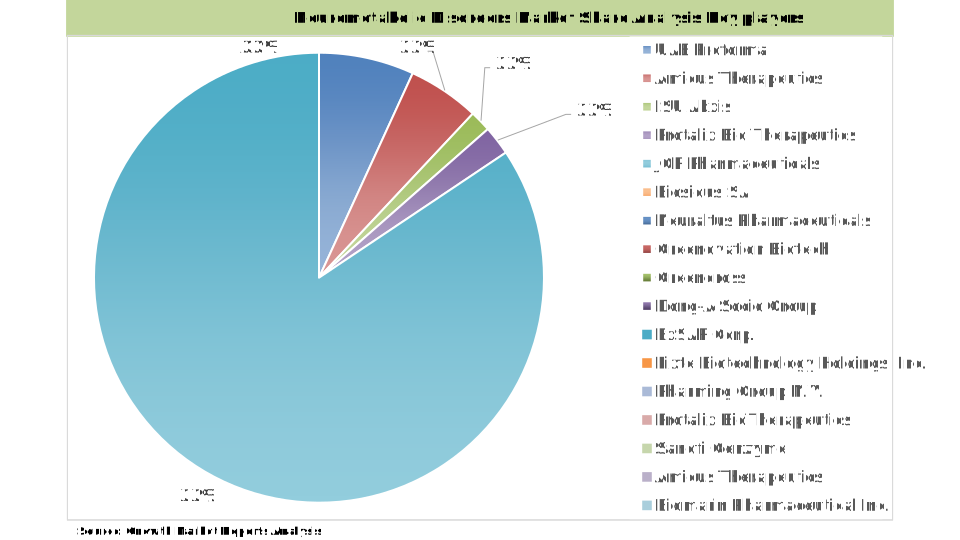
Some of the key players competing in the global neurometabolic disorders market are UAB Proforma; Amicus Therapeutics; ISU Abxis; Protalix Bio Therapeutics; JCR Pharmaceuticals; Biosidus SA; Neuraltus Pharmaceuticals; Greenovation Biotech; Greencross; Dong-A Socio Group; ExSAR Corp.; Lixte Biotechnology Holdings, Inc.; Pharming Group N.V.; Protalix BioTherapeutics; Sanofi Genzyme; Amicus Therapeutics; and Biomarin Pharmaceutical Inc.

To expand their market reach, major market players are engaged in innovation and development of new products. Furthermore, these key players are stepping into merger & acquisitions, licensing partnerships, and co-development to stay ahead in the market competition.

Neurometabolic Disorders Market

Frequently Asked Questions

The neurometabolic disorders market is expected to grow at a CAGR of 8.1% from 2025 to 2033.

Advances in next-generation sequencing, genetic testing, digital health, and telemedicine are improving early detection, personalized treatment, and remote patient management.

Challenges include high treatment costs, limited access to advanced diagnostics and therapies in some regions, disease complexity, delayed diagnosis, and regulatory and reimbursement hurdles.

Key companies include Sanofi Genzyme, BioMarin Pharmaceutical, Takeda (Shire), Amicus Therapeutics, Ultragenyx Pharmaceutical, Pfizer, Alexion Pharmaceuticals, and others.

Treatment options include medications, dietary management, enzyme replacement therapy, gene therapy, and other interventions. Enzyme replacement and gene therapies are particularly transformative for certain conditions.

Diagnosis typically involves genetic testing, biochemical testing, imaging (such as MRI and PET scans), and other modalities like tandem mass spectrometry and functional assays.

The market is segmented into lysosomal storage disorders, mitochondrial disorders, amino acid disorders, organic acid disorders, fatty acid oxidation disorders, and others. Lysosomal storage disorders represent the largest segment.

North America currently dominates the market, followed by Europe. The Asia Pacific region is experiencing the fastest growth, while Latin America and the Middle East & Africa are also seeing steady expansion.

Key growth drivers include rising awareness, advancements in diagnostic technologies, increasing prevalence of rare genetic disorders, significant R&D investments, and the emergence of novel therapies.

As of 2024, the global neurometabolic disorders market is valued at USD 14.3 billion, with projections to reach USD 28.7 billion by 2033.

Table Of Content

Chapter 1 Executive Summary
Chapter 2 Assumptions and Acronyms Used
Chapter 3 Research Methodology
Chapter 4 Neurometabolic Disorders Market Overview
   4.1 Introduction
      4.1.1 Market Taxonomy
      4.1.2 Market Definition
      4.1.3 Macro-Economic Factors Impacting the Market Growth
   4.2 Neurometabolic Disorders Market Dynamics
      4.2.1 Market Drivers
      4.2.2 Market Restraints
      4.2.3 Market Opportunity
   4.3 Neurometabolic Disorders Market - Supply Chain Analysis
      4.3.1 List of Key Suppliers
      4.3.2 List of Key Distributors
      4.3.3 List of Key Consumers
   4.4 Key Forces Shaping the Neurometabolic Disorders Market
      4.4.1 Bargaining Power of Suppliers
      4.4.2 Bargaining Power of Buyers
      4.4.3 Threat of Substitution
      4.4.4 Threat of New Entrants
      4.4.5 Competitive Rivalry
   4.5 Global Neurometabolic Disorders Market Size & Forecast, 2023-2032
      4.5.1 Neurometabolic Disorders Market Size and Y-o-Y Growth
      4.5.2 Neurometabolic Disorders Market Absolute $ Opportunity

Chapter 5 Global Neurometabolic Disorders Market Analysis and Forecast By Disorder Type
   5.1 Introduction
      5.1.1 Key Market Trends & Growth Opportunities By Disorder Type
      5.1.2 Basis Point Share (BPS) Analysis By Disorder Type
      5.1.3 Absolute $ Opportunity Assessment By Disorder Type
   5.2 Neurometabolic Disorders Market Size Forecast By Disorder Type
      5.2.1 Lysosomal Storage Disorders
      5.2.2 Mitochondrial Disorders
      5.2.3 Amino Acid Disorders
      5.2.4 Organic Acid Disorders
      5.2.5 Fatty Acid Oxidation Disorders
      5.2.6 Others
   5.3 Market Attractiveness Analysis By Disorder Type

Chapter 6 Global Neurometabolic Disorders Market Analysis and Forecast By Diagnosis
   6.1 Introduction
      6.1.1 Key Market Trends & Growth Opportunities By Diagnosis
      6.1.2 Basis Point Share (BPS) Analysis By Diagnosis
      6.1.3 Absolute $ Opportunity Assessment By Diagnosis
   6.2 Neurometabolic Disorders Market Size Forecast By Diagnosis
      6.2.1 Genetic Testing
      6.2.2 Biochemical Testing
      6.2.3 Imaging
      6.2.4 Others
   6.3 Market Attractiveness Analysis By Diagnosis

Chapter 7 Global Neurometabolic Disorders Market Analysis and Forecast By Treatment
   7.1 Introduction
      7.1.1 Key Market Trends & Growth Opportunities By Treatment
      7.1.2 Basis Point Share (BPS) Analysis By Treatment
      7.1.3 Absolute $ Opportunity Assessment By Treatment
   7.2 Neurometabolic Disorders Market Size Forecast By Treatment
      7.2.1 Medications
      7.2.2 Dietary Management
      7.2.3 Enzyme Replacement Therapy
      7.2.4 Gene Therapy
      7.2.5 Others
   7.3 Market Attractiveness Analysis By Treatment

Chapter 8 Global Neurometabolic Disorders Market Analysis and Forecast By End-User
   8.1 Introduction
      8.1.1 Key Market Trends & Growth Opportunities By End-User
      8.1.2 Basis Point Share (BPS) Analysis By End-User
      8.1.3 Absolute $ Opportunity Assessment By End-User
   8.2 Neurometabolic Disorders Market Size Forecast By End-User
      8.2.1 Hospitals
      8.2.2 Specialty Clinics
      8.2.3 Diagnostic Centers
      8.2.4 Others
   8.3 Market Attractiveness Analysis By End-User

Chapter 9 Global Neurometabolic Disorders Market Analysis and Forecast by Region
   9.1 Introduction
      9.1.1 Key Market Trends & Growth Opportunities By Region
      9.1.2 Basis Point Share (BPS) Analysis By Region
      9.1.3 Absolute $ Opportunity Assessment By Region
   9.2 Neurometabolic Disorders Market Size Forecast By Region
      9.2.1 North America
      9.2.2 Europe
      9.2.3 Asia Pacific
      9.2.4 Latin America
      9.2.5 Middle East & Africa (MEA)
   9.3 Market Attractiveness Analysis By Region

Chapter 10 Coronavirus Disease (COVID-19) Impact 
   10.1 Introduction 
   10.2 Current & Future Impact Analysis 
   10.3 Economic Impact Analysis 
   10.4 Government Policies 
   10.5 Investment Scenario

Chapter 11 North America Neurometabolic Disorders Analysis and Forecast
   11.1 Introduction
   11.2 North America Neurometabolic Disorders Market Size Forecast by Country
      11.2.1 U.S.
      11.2.2 Canada
   11.3 Basis Point Share (BPS) Analysis by Country
   11.4 Absolute $ Opportunity Assessment by Country
   11.5 Market Attractiveness Analysis by Country
   11.6 North America Neurometabolic Disorders Market Size Forecast By Disorder Type
      11.6.1 Lysosomal Storage Disorders
      11.6.2 Mitochondrial Disorders
      11.6.3 Amino Acid Disorders
      11.6.4 Organic Acid Disorders
      11.6.5 Fatty Acid Oxidation Disorders
      11.6.6 Others
   11.7 Basis Point Share (BPS) Analysis By Disorder Type 
   11.8 Absolute $ Opportunity Assessment By Disorder Type 
   11.9 Market Attractiveness Analysis By Disorder Type
   11.10 North America Neurometabolic Disorders Market Size Forecast By Diagnosis
      11.10.1 Genetic Testing
      11.10.2 Biochemical Testing
      11.10.3 Imaging
      11.10.4 Others
   11.11 Basis Point Share (BPS) Analysis By Diagnosis 
   11.12 Absolute $ Opportunity Assessment By Diagnosis 
   11.13 Market Attractiveness Analysis By Diagnosis
   11.14 North America Neurometabolic Disorders Market Size Forecast By Treatment
      11.14.1 Medications
      11.14.2 Dietary Management
      11.14.3 Enzyme Replacement Therapy
      11.14.4 Gene Therapy
      11.14.5 Others
   11.15 Basis Point Share (BPS) Analysis By Treatment 
   11.16 Absolute $ Opportunity Assessment By Treatment 
   11.17 Market Attractiveness Analysis By Treatment
   11.18 North America Neurometabolic Disorders Market Size Forecast By End-User
      11.18.1 Hospitals
      11.18.2 Specialty Clinics
      11.18.3 Diagnostic Centers
      11.18.4 Others
   11.19 Basis Point Share (BPS) Analysis By End-User 
   11.20 Absolute $ Opportunity Assessment By End-User 
   11.21 Market Attractiveness Analysis By End-User

Chapter 12 Europe Neurometabolic Disorders Analysis and Forecast
   12.1 Introduction
   12.2 Europe Neurometabolic Disorders Market Size Forecast by Country
      12.2.1 Germany
      12.2.2 France
      12.2.3 Italy
      12.2.4 U.K.
      12.2.5 Spain
      12.2.6 Russia
      12.2.7 Rest of Europe
   12.3 Basis Point Share (BPS) Analysis by Country
   12.4 Absolute $ Opportunity Assessment by Country
   12.5 Market Attractiveness Analysis by Country
   12.6 Europe Neurometabolic Disorders Market Size Forecast By Disorder Type
      12.6.1 Lysosomal Storage Disorders
      12.6.2 Mitochondrial Disorders
      12.6.3 Amino Acid Disorders
      12.6.4 Organic Acid Disorders
      12.6.5 Fatty Acid Oxidation Disorders
      12.6.6 Others
   12.7 Basis Point Share (BPS) Analysis By Disorder Type 
   12.8 Absolute $ Opportunity Assessment By Disorder Type 
   12.9 Market Attractiveness Analysis By Disorder Type
   12.10 Europe Neurometabolic Disorders Market Size Forecast By Diagnosis
      12.10.1 Genetic Testing
      12.10.2 Biochemical Testing
      12.10.3 Imaging
      12.10.4 Others
   12.11 Basis Point Share (BPS) Analysis By Diagnosis 
   12.12 Absolute $ Opportunity Assessment By Diagnosis 
   12.13 Market Attractiveness Analysis By Diagnosis
   12.14 Europe Neurometabolic Disorders Market Size Forecast By Treatment
      12.14.1 Medications
      12.14.2 Dietary Management
      12.14.3 Enzyme Replacement Therapy
      12.14.4 Gene Therapy
      12.14.5 Others
   12.15 Basis Point Share (BPS) Analysis By Treatment 
   12.16 Absolute $ Opportunity Assessment By Treatment 
   12.17 Market Attractiveness Analysis By Treatment
   12.18 Europe Neurometabolic Disorders Market Size Forecast By End-User
      12.18.1 Hospitals
      12.18.2 Specialty Clinics
      12.18.3 Diagnostic Centers
      12.18.4 Others
   12.19 Basis Point Share (BPS) Analysis By End-User 
   12.20 Absolute $ Opportunity Assessment By End-User 
   12.21 Market Attractiveness Analysis By End-User

Chapter 13 Asia Pacific Neurometabolic Disorders Analysis and Forecast
   13.1 Introduction
   13.2 Asia Pacific Neurometabolic Disorders Market Size Forecast by Country
      13.2.1 China
      13.2.2 Japan
      13.2.3 South Korea
      13.2.4 India
      13.2.5 Australia
      13.2.6 South East Asia (SEA)
      13.2.7 Rest of Asia Pacific (APAC)
   13.3 Basis Point Share (BPS) Analysis by Country
   13.4 Absolute $ Opportunity Assessment by Country
   13.5 Market Attractiveness Analysis by Country
   13.6 Asia Pacific Neurometabolic Disorders Market Size Forecast By Disorder Type
      13.6.1 Lysosomal Storage Disorders
      13.6.2 Mitochondrial Disorders
      13.6.3 Amino Acid Disorders
      13.6.4 Organic Acid Disorders
      13.6.5 Fatty Acid Oxidation Disorders
      13.6.6 Others
   13.7 Basis Point Share (BPS) Analysis By Disorder Type 
   13.8 Absolute $ Opportunity Assessment By Disorder Type 
   13.9 Market Attractiveness Analysis By Disorder Type
   13.10 Asia Pacific Neurometabolic Disorders Market Size Forecast By Diagnosis
      13.10.1 Genetic Testing
      13.10.2 Biochemical Testing
      13.10.3 Imaging
      13.10.4 Others
   13.11 Basis Point Share (BPS) Analysis By Diagnosis 
   13.12 Absolute $ Opportunity Assessment By Diagnosis 
   13.13 Market Attractiveness Analysis By Diagnosis
   13.14 Asia Pacific Neurometabolic Disorders Market Size Forecast By Treatment
      13.14.1 Medications
      13.14.2 Dietary Management
      13.14.3 Enzyme Replacement Therapy
      13.14.4 Gene Therapy
      13.14.5 Others
   13.15 Basis Point Share (BPS) Analysis By Treatment 
   13.16 Absolute $ Opportunity Assessment By Treatment 
   13.17 Market Attractiveness Analysis By Treatment
   13.18 Asia Pacific Neurometabolic Disorders Market Size Forecast By End-User
      13.18.1 Hospitals
      13.18.2 Specialty Clinics
      13.18.3 Diagnostic Centers
      13.18.4 Others
   13.19 Basis Point Share (BPS) Analysis By End-User 
   13.20 Absolute $ Opportunity Assessment By End-User 
   13.21 Market Attractiveness Analysis By End-User

Chapter 14 Latin America Neurometabolic Disorders Analysis and Forecast
   14.1 Introduction
   14.2 Latin America Neurometabolic Disorders Market Size Forecast by Country
      14.2.1 Brazil
      14.2.2 Mexico
      14.2.3 Rest of Latin America (LATAM)
   14.3 Basis Point Share (BPS) Analysis by Country
   14.4 Absolute $ Opportunity Assessment by Country
   14.5 Market Attractiveness Analysis by Country
   14.6 Latin America Neurometabolic Disorders Market Size Forecast By Disorder Type
      14.6.1 Lysosomal Storage Disorders
      14.6.2 Mitochondrial Disorders
      14.6.3 Amino Acid Disorders
      14.6.4 Organic Acid Disorders
      14.6.5 Fatty Acid Oxidation Disorders
      14.6.6 Others
   14.7 Basis Point Share (BPS) Analysis By Disorder Type 
   14.8 Absolute $ Opportunity Assessment By Disorder Type 
   14.9 Market Attractiveness Analysis By Disorder Type
   14.10 Latin America Neurometabolic Disorders Market Size Forecast By Diagnosis
      14.10.1 Genetic Testing
      14.10.2 Biochemical Testing
      14.10.3 Imaging
      14.10.4 Others
   14.11 Basis Point Share (BPS) Analysis By Diagnosis 
   14.12 Absolute $ Opportunity Assessment By Diagnosis 
   14.13 Market Attractiveness Analysis By Diagnosis
   14.14 Latin America Neurometabolic Disorders Market Size Forecast By Treatment
      14.14.1 Medications
      14.14.2 Dietary Management
      14.14.3 Enzyme Replacement Therapy
      14.14.4 Gene Therapy
      14.14.5 Others
   14.15 Basis Point Share (BPS) Analysis By Treatment 
   14.16 Absolute $ Opportunity Assessment By Treatment 
   14.17 Market Attractiveness Analysis By Treatment
   14.18 Latin America Neurometabolic Disorders Market Size Forecast By End-User
      14.18.1 Hospitals
      14.18.2 Specialty Clinics
      14.18.3 Diagnostic Centers
      14.18.4 Others
   14.19 Basis Point Share (BPS) Analysis By End-User 
   14.20 Absolute $ Opportunity Assessment By End-User 
   14.21 Market Attractiveness Analysis By End-User

Chapter 15 Middle East & Africa (MEA) Neurometabolic Disorders Analysis and Forecast
   15.1 Introduction
   15.2 Middle East & Africa (MEA) Neurometabolic Disorders Market Size Forecast by Country
      15.2.1 Saudi Arabia
      15.2.2 South Africa
      15.2.3 UAE
      15.2.4 Rest of Middle East & Africa (MEA)
   15.3 Basis Point Share (BPS) Analysis by Country
   15.4 Absolute $ Opportunity Assessment by Country
   15.5 Market Attractiveness Analysis by Country
   15.6 Middle East & Africa (MEA) Neurometabolic Disorders Market Size Forecast By Disorder Type
      15.6.1 Lysosomal Storage Disorders
      15.6.2 Mitochondrial Disorders
      15.6.3 Amino Acid Disorders
      15.6.4 Organic Acid Disorders
      15.6.5 Fatty Acid Oxidation Disorders
      15.6.6 Others
   15.7 Basis Point Share (BPS) Analysis By Disorder Type 
   15.8 Absolute $ Opportunity Assessment By Disorder Type 
   15.9 Market Attractiveness Analysis By Disorder Type
   15.10 Middle East & Africa (MEA) Neurometabolic Disorders Market Size Forecast By Diagnosis
      15.10.1 Genetic Testing
      15.10.2 Biochemical Testing
      15.10.3 Imaging
      15.10.4 Others
   15.11 Basis Point Share (BPS) Analysis By Diagnosis 
   15.12 Absolute $ Opportunity Assessment By Diagnosis 
   15.13 Market Attractiveness Analysis By Diagnosis
   15.14 Middle East & Africa (MEA) Neurometabolic Disorders Market Size Forecast By Treatment
      15.14.1 Medications
      15.14.2 Dietary Management
      15.14.3 Enzyme Replacement Therapy
      15.14.4 Gene Therapy
      15.14.5 Others
   15.15 Basis Point Share (BPS) Analysis By Treatment 
   15.16 Absolute $ Opportunity Assessment By Treatment 
   15.17 Market Attractiveness Analysis By Treatment
   15.18 Middle East & Africa (MEA) Neurometabolic Disorders Market Size Forecast By End-User
      15.18.1 Hospitals
      15.18.2 Specialty Clinics
      15.18.3 Diagnostic Centers
      15.18.4 Others
   15.19 Basis Point Share (BPS) Analysis By End-User 
   15.20 Absolute $ Opportunity Assessment By End-User 
   15.21 Market Attractiveness Analysis By End-User

Chapter 16 Competition Landscape 
   16.1 Neurometabolic Disorders Market: Competitive Dashboard
   16.2 Global Neurometabolic Disorders Market: Market Share Analysis, 2023
   16.3 Company Profiles (Details – Overview, Financials, Developments, Strategy) 
      16.3.1 Sanofi
BioMarin Pharmaceutical Inc.
Shire (now part of Takeda Pharmaceutical Company Limited)
Pfizer Inc.
Genzyme Corporation (a Sanofi company)
Ultragenyx Pharmaceutical Inc.
Amicus Therapeutics
Horizon Therapeutics
Orphazyme A/S
Alexion Pharmaceuticals, Inc.
Zogenix, Inc.
Retrophin, Inc. (now Travere Therapeutics)
Sobi (Swedish Orphan Biovitrum AB)
Aeglea BioTherapeutics
Leadiant Biosciences, Inc.
Actelion Pharmaceuticals (now part of Johnson & Johnson)
Takeda Pharmaceutical Company Limited
Vertex Pharmaceuticals Incorporated
REGENXBIO Inc.
Denali Therapeutics Inc.

Methodology

Our Clients

General Electric
The John Holland Group
Microsoft
Honda Motor Co. Ltd.
Nestle SA
Deloitte
Dassault Aviation
Siemens Healthcare