Neuralgia Treatment Market Research Report 2033

Neuralgia Treatment Market Research Report 2033

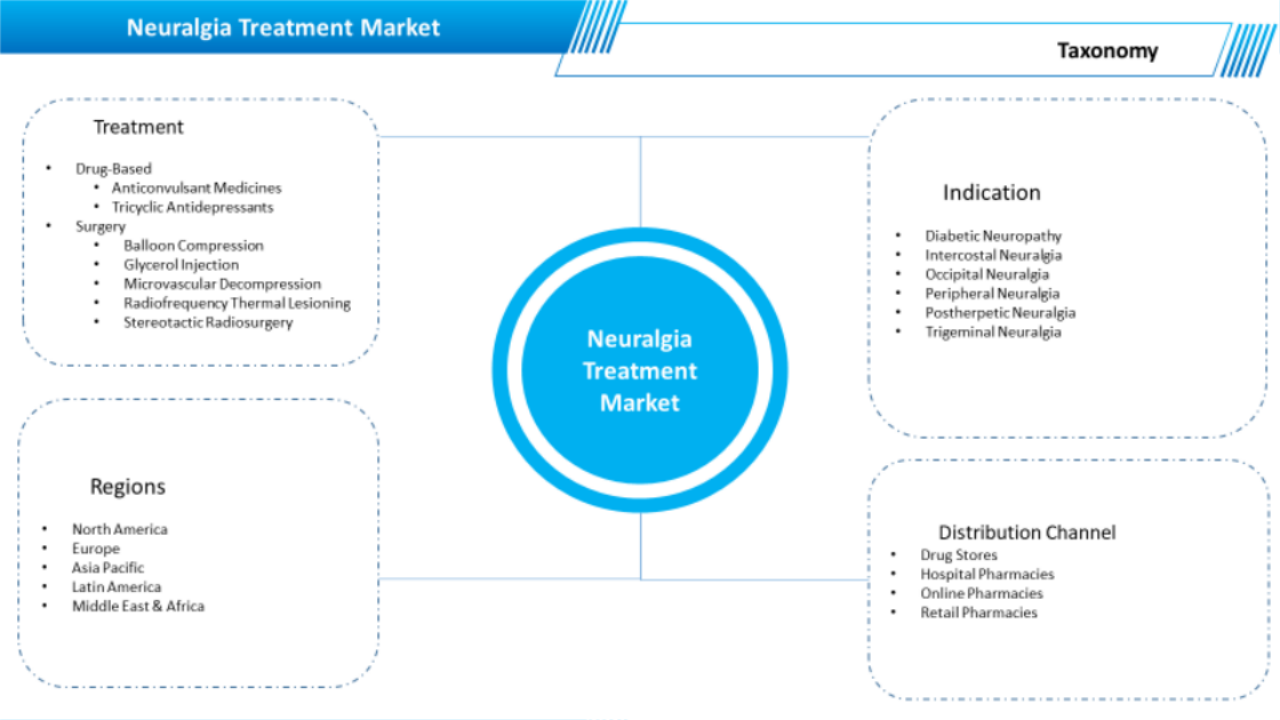
Segments - by Drug Class (Anticonvulsants, Antidepressants, Topical Agents, Opioids, Nonsteroidal Anti-Inflammatory Drugs (NSAIDs), Others), by Treatment Type (Pharmacological, Non-Pharmacological, Surgical, Others), by Indication (Trigeminal Neuralgia, Postherpetic Neuralgia, Occipital Neuralgia, Others), by Distribution Channel (Hospital Pharmacies, Retail Pharmacies, Online Pharmacies, Others)

https://growthmarketreports.com/raksha
Author : Raksha Sharma
https://growthmarketreports.com/Vaibhav
Fact-checked by : V. Chandola
https://growthmarketreports.com/Shruti
Editor : Shruti Bhat

Upcoming | Report ID :HC-450 | 4.2 Rating | 79 Reviews | 262 Pages | Format : Docx PDF

Report Description


Neuralgia Treatment Market Outlook

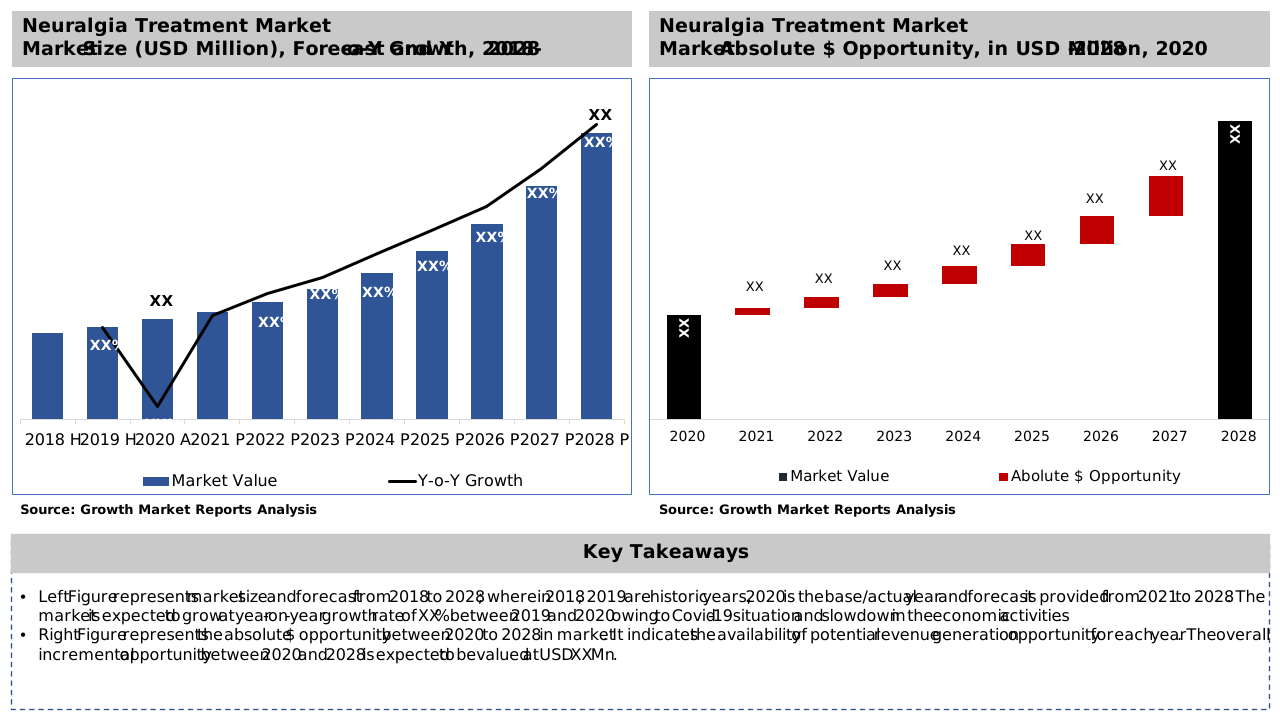
According to our latest research, the global Neuralgia Treatment market size reached USD 3.42 billion in 2024. The market is experiencing robust growth with a recorded CAGR of 7.1% from 2025 to 2033, driven by the increasing prevalence of neuralgic disorders and the growing demand for advanced therapeutic options. By 2033, the market is forecasted to reach USD 6.36 billion, reflecting the significant advancements in both pharmacological and non-pharmacological treatment modalities. The market's expansion is primarily attributed to rising awareness, technological innovations in pain management, and an aging global population susceptible to neuralgic conditions.

The primary growth factor fueling the Neuralgia Treatment market is the escalating incidence of neuralgic disorders, particularly trigeminal neuralgia and postherpetic neuralgia, among the elderly population. With the global demographic shift toward an older population, the prevalence of chronic pain syndromes has markedly increased, necessitating effective and long-term treatment solutions. Moreover, improved diagnostic capabilities and heightened awareness among healthcare professionals have contributed to earlier and more accurate detection of neuralgia, further driving the demand for both established and novel therapeutic approaches. The integration of patient-centric care models and multidisciplinary pain management strategies has also played a crucial role in expanding treatment uptake, thereby bolstering market growth.

Technological advancements in drug delivery systems and the development of more targeted pharmacological agents have significantly enhanced the efficacy and safety profiles of neuralgia treatments. Innovations such as extended-release formulations, minimally invasive surgical interventions, and neuromodulation techniques have transformed the therapeutic landscape, offering patients improved pain relief and better quality of life. Additionally, the pharmaceutical industryÂ’s focus on research and development has led to the introduction of new molecules and combination therapies, which have demonstrated superior outcomes in clinical trials. These advancements have not only broadened the treatment arsenal but also attracted substantial investments from key market players, further propelling the growth of the Neuralgia Treatment market.

The market is also witnessing an increasing shift toward non-pharmacological and multidisciplinary approaches, including physical therapy, psychological counseling, and complementary therapies. This trend is driven by the growing recognition of the limitations and side effects associated with long-term pharmacological use, particularly opioids and NSAIDs. Healthcare providers are increasingly adopting integrated care pathways that combine pharmacological, non-pharmacological, and surgical interventions to address the multifaceted nature of neuralgia. This holistic approach has resulted in improved patient adherence and satisfaction, thereby supporting sustained market expansion. Furthermore, the adoption of telemedicine and digital health platforms has facilitated greater access to neuralgia treatments, especially in remote and underserved regions.

Paresthesia Treatment is gaining attention within the broader scope of neuralgia management due to its unique challenges and patient needs. Paresthesia, characterized by abnormal sensations such as tingling or numbness, often requires a nuanced approach to treatment. While pharmacological options remain a cornerstone, there is a growing emphasis on integrating non-pharmacological therapies such as physical therapy and cognitive-behavioral interventions. These approaches aim to address not only the physical symptoms but also the psychological impact of living with paresthesia. Advances in neuromodulation and regenerative medicine are also being explored as potential avenues for more effective Paresthesia Treatment, offering hope for improved patient outcomes.

Regionally, North America continues to dominate the Neuralgia Treatment market, accounting for the largest revenue share in 2024. This is attributed to the high prevalence of neuralgic disorders, well-established healthcare infrastructure, and the presence of leading pharmaceutical companies. Europe follows closely, driven by increased healthcare spending and favorable reimbursement policies. The Asia Pacific region is expected to witness the fastest growth during the forecast period, supported by rising healthcare awareness, expanding geriatric population, and improving access to advanced medical treatments. Latin America and the Middle East & Africa are also showing promising growth potential, albeit from a smaller base, as investment in healthcare infrastructure and education continues to rise.

Global Neuralgia Treatment Industry Outlook

Drug Class Analysis

The Neuralgia Treatment market is segmented by drug class into Anticonvulsants, Antidepressants, Topical Agents, Opioids, Nonsteroidal Anti-Inflammatory Drugs (NSAIDs), and Others. Among these, anticonvulsants have emerged as the leading segment owing to their established efficacy in managing neuropathic pain, particularly trigeminal neuralgia and postherpetic neuralgia. Drugs such as gabapentin and pregabalin are widely prescribed due to their favorable safety profiles and significant pain-relieving properties. The increasing preference for anticonvulsants is also driven by their central role in clinical guidelines for neuralgia management, making them the first-line therapy for many patients.

Antidepressants, particularly tricyclic antidepressants and serotonin-norepinephrine reuptake inhibitors (SNRIs), represent another important drug class within the Neuralgia Treatment market. These agents are frequently used either as monotherapy or adjunctive therapy, especially in patients who do not respond adequately to anticonvulsants. The mechanism of action of antidepressants in neuropathic pain involves modulation of neurotransmitters implicated in pain pathways, thereby providing both analgesic and mood-stabilizing effects. The growing recognition of the psychosocial burden of neuralgia has led to an increased adoption of antidepressants in comprehensive pain management protocols.

Topical agents, including lidocaine patches and capsaicin creams, have gained popularity as non-systemic options for localized neuralgia pain. These treatments are particularly advantageous for patients who are unable to tolerate systemic medications due to comorbidities or adverse effects. The market for topical agents is expected to expand as new formulations and delivery technologies are developed, offering enhanced convenience and efficacy. Additionally, the trend toward personalized medicine is encouraging the use of combination therapies, where topical agents are used alongside oral medications to achieve optimal pain control.

Opioids and NSAIDs, while still commonly prescribed, are witnessing a gradual decline in market share due to concerns over long-term safety, risk of dependency, and the availability of more effective alternatives. Regulatory restrictions and evolving clinical guidelines are further limiting the use of opioids, particularly in chronic neuralgia cases. However, these drug classes remain important for acute pain management and in patients with refractory symptoms who have exhausted other treatment options. The "Others" category includes novel agents and emerging drug classes under investigation, which hold promise for future market growth as ongoing research uncovers new therapeutic targets for neuralgia.

Report Scope

Attributes Details
Report Title Neuralgia Treatment Market Research Report 2033
By Drug Class Anticonvulsants, Antidepressants, Topical Agents, Opioids, Nonsteroidal Anti-Inflammatory Drugs (NSAIDs), Others
By Treatment Type Pharmacological, Non-Pharmacological, Surgical, Others
By Indication Trigeminal Neuralgia, Postherpetic Neuralgia, Occipital Neuralgia, Others
By Distribution Channel Hospital Pharmacies, Retail Pharmacies, Online Pharmacies, Others
Regions Covered North America, Europe, APAC, Latin America, MEA
Base Year 2024
Historic Data 2018-2023
Forecast Period 2025-2033
Number of Pages 262
Number of Tables & Figures 308
Customization Available Yes, the report can be customized as per your need.

Treatment Type Analysis

The Neuralgia Treatment market is segmented by treatment type into Pharmacological, Non-Pharmacological, Surgical, and Others. Pharmacological treatments remain the cornerstone of neuralgia management, accounting for the largest revenue share in 2024. The widespread use of anticonvulsants, antidepressants, and topical agents is driven by their proven efficacy, ease of administration, and inclusion in clinical practice guidelines. Pharmaceutical companies continue to invest in the development of new molecules and drug delivery systems, further enhancing the therapeutic landscape for neuralgia.

Neuropathic Corneal Pain Therapies are an emerging area of interest within the field of pain management, particularly due to the complex nature of corneal neuropathic pain. This condition, often resulting from surgical procedures or infections, presents unique challenges in diagnosis and treatment. Current therapeutic strategies focus on both symptom relief and addressing the underlying nerve damage. Pharmacological treatments such as anticonvulsants and antidepressants are commonly used, but there is a growing interest in exploring innovative therapies, including topical nerve growth factor applications and neuroprotective agents. The development of personalized Neuropathic Corneal Pain Therapies is crucial, as it allows for tailored treatment plans that consider the individual patient's condition and response to therapy, ultimately aiming to enhance quality of life.

Non-pharmacological treatments, including physical therapy, cognitive-behavioral therapy, acupuncture, and transcutaneous electrical nerve stimulation (TENS), are gaining traction as adjunctive or alternative options for patients with neuralgia. These approaches are particularly valuable for individuals who experience intolerable side effects from medications or who prefer non-drug interventions. The growing body of evidence supporting the efficacy of non-pharmacological therapies is encouraging healthcare providers to adopt a more holistic, multidisciplinary approach to pain management, which is expected to drive segment growth over the forecast period.

Surgical interventions, such as microvascular decompression, nerve blocks, and radiofrequency ablation, are typically reserved for patients with refractory neuralgia who do not respond to conservative treatments. Advances in minimally invasive surgical techniques and improved patient selection criteria have significantly enhanced the safety and success rates of these procedures. The surgical segment, while smaller in terms of patient volume, represents a high-value market due to the complexity and cost of interventions. Continued innovation in surgical tools and imaging technologies is expected to expand the pool of eligible patients and improve outcomes.

The "Others" segment encompasses emerging therapies such as neuromodulation, gene therapy, and regenerative medicine approaches. While still in the early stages of development, these novel treatments have demonstrated promising results in preclinical and early clinical studies. The growing interest in personalized medicine and the identification of new molecular targets are expected to fuel innovation in this segment, potentially transforming the future of neuralgia treatment. Collaborative efforts between academic institutions, biotechnology firms, and pharmaceutical companies are accelerating the translation of these cutting-edge therapies from bench to bedside.

Indication Analysis

The Neuralgia Treatment market is segmented by indication into Trigeminal Neuralgia, Postherpetic Neuralgia, Occipital Neuralgia, and Others. Trigeminal neuralgia is the most prevalent and well-recognized form of neuralgia, accounting for a substantial share of the market in 2024. The condition is characterized by severe, episodic facial pain and significantly impacts patientsÂ’ quality of life. The high burden of trigeminal neuralgia has spurred extensive research into new therapeutic options, resulting in a robust pipeline of drugs and interventions. Early diagnosis and improved access to specialist care are further contributing to market growth in this segment.

Postherpetic neuralgia, a complication of herpes zoster infection, is another major indication driving demand for neuralgia treatments. The incidence of postherpetic neuralgia increases with age, making it a significant concern in aging populations worldwide. The availability of antiviral therapies and vaccines has reduced the overall incidence of herpes zoster, but the need for effective pain management in affected individuals remains high. Pharmacological treatments, particularly anticonvulsants and topical agents, are the mainstay of therapy for postherpetic neuralgia, with ongoing research focused on identifying new analgesic targets.

Occipital neuralgia, characterized by chronic headache and neck pain, is less common but poses unique diagnostic and therapeutic challenges. The condition is often misdiagnosed, leading to delays in treatment and suboptimal outcomes. Increased awareness among healthcare providers and the development of more sensitive diagnostic tools are expected to improve detection rates and drive demand for targeted therapies. Surgical and minimally invasive procedures, such as nerve blocks and neuromodulation, are gaining popularity as effective options for refractory cases.

The "Others" category includes less common forms of neuralgia, such as glossopharyngeal neuralgia and intercostal neuralgia, as well as neuralgia secondary to systemic diseases. While these indications represent a smaller share of the overall market, advances in diagnostic capabilities and the development of tailored treatment protocols are expected to support growth in this segment. The increasing emphasis on rare disease research and the availability of orphan drug incentives are encouraging pharmaceutical companies to invest in novel therapies for these underserved patient populations.

Distribution Channel Analysis

The Neuralgia Treatment market is segmented by distribution channel into Hospital Pharmacies, Retail Pharmacies, Online Pharmacies, and Others. Hospital pharmacies dominate the market, reflecting the high proportion of neuralgia treatments initiated and managed in hospital settings. The complexity of neuralgia cases often necessitates specialist input and multidisciplinary care, making hospital-based pharmacies the primary source of prescription medications and advanced therapies. The integration of hospital pharmacies with electronic health records and telemedicine platforms is further enhancing the efficiency and coordination of neuralgia care.

Retail pharmacies represent the second-largest distribution channel, driven by the widespread availability of over-the-counter and prescription medications for neuralgia. The convenience and accessibility of retail pharmacies make them a popular choice for patients requiring ongoing medication management. Retail pharmacies also play a key role in patient education and adherence support, particularly for individuals with chronic conditions who require long-term therapy. The expansion of pharmacy chains and the introduction of value-added services, such as medication therapy management, are expected to drive further growth in this segment.

Online pharmacies are experiencing rapid growth, fueled by the increasing adoption of digital health technologies and the demand for contactless healthcare solutions. The COVID-19 pandemic has accelerated the shift toward online purchasing, with patients seeking greater convenience and privacy in managing their neuralgia treatments. Online pharmacies offer a wide range of products, competitive pricing, and home delivery options, making them an attractive alternative to traditional brick-and-mortar outlets. Regulatory changes supporting e-prescriptions and teleconsultations are further facilitating the expansion of online pharmacy services.

The "Others" segment includes specialty pharmacies, compounding pharmacies, and direct-to-patient distribution models. These channels cater to patients with complex needs, such as those requiring customized medication formulations or access to rare and orphan drugs. Specialty pharmacies, in particular, are playing an increasingly important role in the management of refractory and rare forms of neuralgia, offering personalized support and care coordination. The growth of these alternative distribution channels reflects the evolving landscape of pharmaceutical supply and the increasing focus on patient-centered care.

Opportunities & Threats

The Neuralgia Treatment market presents numerous opportunities for growth and innovation, particularly in the areas of drug development and personalized medicine. The rising prevalence of neuralgic disorders, coupled with the unmet need for more effective and safer therapies, is driving substantial investment in research and development. Pharmaceutical and biotechnology companies are focusing on the identification of novel molecular targets, the development of extended-release formulations, and the exploration of combination therapies to enhance treatment efficacy and reduce side effects. The integration of genomics, proteomics, and biomarker-based approaches is expected to pave the way for personalized treatment strategies, enabling clinicians to tailor therapies to individual patient profiles and improve outcomes.

Another significant opportunity lies in the expansion of non-pharmacological and multidisciplinary treatment approaches. The growing recognition of the limitations of traditional pharmacological therapies, particularly opioids and NSAIDs, is fueling demand for alternative interventions such as physical therapy, neuromodulation, and psychological support. Advances in digital health technologies, including telemedicine, mobile health apps, and remote monitoring devices, are enhancing access to neuralgia care and enabling more proactive disease management. The increasing adoption of integrated care models and value-based healthcare initiatives is expected to drive innovation in service delivery and improve patient satisfaction.

Despite these opportunities, the Neuralgia Treatment market faces several restraining factors, the most significant of which is the high cost and limited accessibility of advanced therapies. Many innovative treatments, particularly surgical and neuromodulation interventions, are associated with substantial upfront costs and may not be covered by insurance in all regions. Reimbursement challenges and disparities in healthcare infrastructure can limit access to optimal care, particularly in low- and middle-income countries. Additionally, the risk of adverse effects and the potential for medication misuse, particularly with opioids, remain ongoing concerns that necessitate careful patient selection and monitoring. Addressing these barriers will require coordinated efforts among stakeholders, including healthcare providers, payers, policymakers, and industry leaders.

Regional Outlook

North America continues to lead the global Neuralgia Treatment market, capturing a market value of USD 1.28 billion in 2024. This region benefits from a robust healthcare infrastructure, high awareness of neuralgic disorders, and the presence of leading pharmaceutical and biotechnology companies. The United States, in particular, has a well-established network of pain management specialists and multidisciplinary clinics, facilitating early diagnosis and comprehensive care for neuralgia patients. Favorable reimbursement policies and ongoing investment in research and development further support market growth in North America.

Europe holds the second-largest share of the Neuralgia Treatment market, with a market size of approximately USD 1.05 billion in 2024. The region is characterized by an aging population, increasing incidence of neuropathic pain conditions, and strong government support for healthcare innovation. Countries such as Germany, the United Kingdom, and France are at the forefront of adopting new treatment modalities and implementing value-based care initiatives. The European market is expected to grow at a steady CAGR of 6.9% during the forecast period, driven by rising healthcare expenditure and the expansion of specialized pain management services.

The Asia Pacific region is emerging as the fastest-growing market for neuralgia treatment, with a market value of USD 0.78 billion in 2024. Rapid urbanization, increasing healthcare awareness, and improving access to medical services are key factors driving growth in this region. Countries such as China, India, and Japan are witnessing a surge in demand for both pharmacological and non-pharmacological therapies, supported by government initiatives to strengthen healthcare infrastructure. The Asia Pacific market is projected to outpace other regions in terms of CAGR, reflecting the untapped potential and growing investment in neuralgia research and development. Latin America and the Middle East & Africa, with market sizes of USD 0.19 billion and USD 0.12 billion respectively in 2024, are also poised for growth as healthcare systems evolve and awareness of neuralgia increases.

Neuralgia Treatment Market Statistics

Competitor Outlook

The competitive landscape of the Neuralgia Treatment market is characterized by the presence of both established pharmaceutical giants and innovative biotechnology firms. Market leaders are focused on expanding their product portfolios through the development of novel drugs, improved formulations, and strategic partnerships. Intense competition is driving continuous investment in research and development, with companies seeking to differentiate their offerings through enhanced efficacy, safety, and patient convenience. The market is also witnessing increased collaboration between industry players and academic institutions, aimed at accelerating the discovery and commercialization of new therapies for neuralgia.

Mergers and acquisitions are a prominent feature of the competitive landscape, as companies seek to strengthen their market position and gain access to complementary technologies and expertise. Strategic alliances with specialty pharmacies, healthcare providers, and digital health platforms are enabling companies to broaden their reach and enhance patient engagement. The growing emphasis on personalized medicine is prompting market leaders to invest in biomarker research, companion diagnostics, and patient support programs, further enhancing their value proposition in the neuralgia treatment space.

In addition to traditional pharmaceutical companies, the market is witnessing the entry of medical device manufacturers and digital health startups, particularly in the areas of neuromodulation and remote monitoring. These new entrants are leveraging advances in technology to develop innovative solutions for pain management, such as implantable devices, wearable sensors, and mobile health applications. The convergence of pharmaceuticals and medical devices is creating new opportunities for integrated care and improved patient outcomes, intensifying competition and driving market innovation.

Major companies operating in the Neuralgia Treatment market include Pfizer Inc., GlaxoSmithKline plc, Novartis AG, Teva Pharmaceutical Industries Ltd., AbbVie Inc., Astellas Pharma Inc., Merck & Co., Inc., and Biogen Inc.. Pfizer and GlaxoSmithKline are recognized for their extensive portfolios of pain management and neurology drugs, with a strong focus on research and development. Novartis and Teva have established themselves as leaders in the anticonvulsant and antidepressant segments, offering a wide range of products for neuralgia and related conditions. AbbVie and Astellas are investing in novel therapeutic approaches, including biologics and gene therapies, to address unmet needs in the market.

Merck & Co. and Biogen are notable for their contributions to neuroscience research and their commitment to advancing the understanding of neuropathic pain mechanisms. These companies are actively engaged in clinical trials and collaborative research initiatives, aimed at identifying new drug targets and optimizing treatment protocols. The competitive landscape is further enriched by the presence of regional players and specialty pharmaceutical companies, who are focused on developing targeted therapies and expanding access to care in emerging markets. The dynamic interplay between established leaders and innovative newcomers is expected to drive continued growth and transformation in the Neuralgia Treatment market over the coming years.

Key Players

  • Pfizer Inc.
  • GlaxoSmithKline plc
  • Novartis AG
  • AstraZeneca plc
  • Eli Lilly and Company
  • Johnson & Johnson
  • Teva Pharmaceutical Industries Ltd.
  • AbbVie Inc.
  • Bayer AG
  • Sanofi S.A.
  • Merck & Co., Inc.
  • Boehringer Ingelheim International GmbH
  • Sun Pharmaceutical Industries Ltd.
  • Aurobindo Pharma Limited
  • Mylan N.V.
  • Endo International plc
  • Zydus Cadila
  • Dr. ReddyÂ’s Laboratories Ltd.
  • Mallinckrodt Pharmaceuticals
  • Grünenthal GmbH
Neuralgia Treatment Market Overview

Segments

The Neuralgia Treatment market has been segmented on the basis of

Drug Class

  • Anticonvulsants
  • Antidepressants
  • Topical Agents
  • Opioids
  • Nonsteroidal Anti-Inflammatory Drugs (NSAIDs)
  • Others

Treatment Type

  • Pharmacological
  • Non-Pharmacological
  • Surgical
  • Others

Indication

  • Trigeminal Neuralgia
  • Postherpetic Neuralgia
  • Occipital Neuralgia
  • Others

Distribution Channel

  • Hospital Pharmacies
  • Retail Pharmacies
  • Online Pharmacies
  • Others

Competitive Landscape

Key players in the neuralgia treatment market include GlaxoSmithKline PLC, Pfizer Inc., Novartis AG, Biogen, Cadila Healthcare Limited, Lundbeck Pharmaceuticals LLC, Allergan Plc, GlaxoSmithKline Plc., Biogen Inc. and Abbott Laboratories. For instance, in February 2019, Zydus Cadila received FDA approval to market Carbamazepine, which is used in treatment of neuralgia.
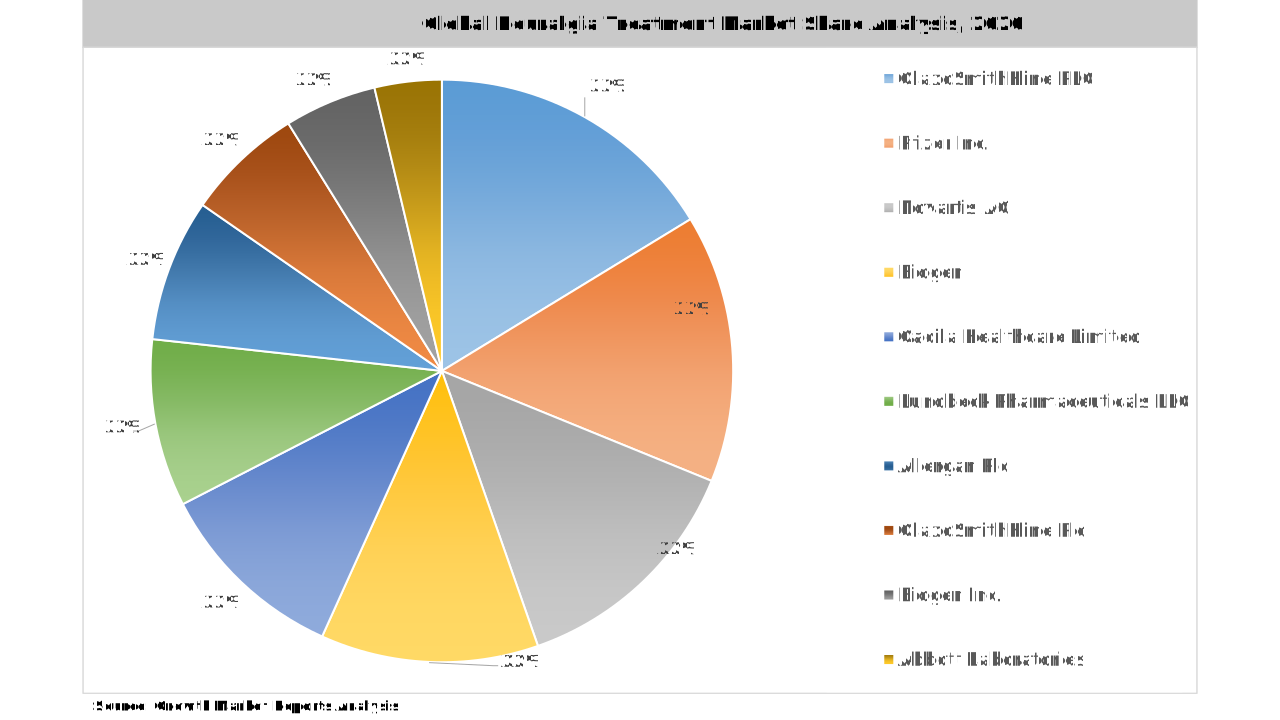

Global Neuralgia Treatment Market By Key Players

Frequently Asked Questions

The neuralgia treatment market is projected to reach USD 6.36 billion by 2033, growing at a CAGR of 7.1% from 2025 to 2033.

Opportunities include drug development, personalized medicine, and digital health integration. Challenges involve high costs, limited accessibility to advanced therapies, and concerns over medication side effects and misuse.

Key companies include Pfizer Inc., GlaxoSmithKline plc, Novartis AG, Teva Pharmaceutical Industries Ltd., AbbVie Inc., Astellas Pharma Inc., Merck & Co., Inc., Biogen Inc., and several others.

Distribution channels include hospital pharmacies, retail pharmacies, online pharmacies, and specialty or compounding pharmacies.

Trends include the adoption of non-pharmacological and multidisciplinary approaches, integration of telemedicine and digital health, and the development of advanced drug delivery systems and novel therapies.

North America holds the largest market share, followed by Europe. The Asia Pacific region is expected to experience the fastest growth through 2033.

The main indications include trigeminal neuralgia, postherpetic neuralgia, occipital neuralgia, and other less common forms such as glossopharyngeal and intercostal neuralgia.

The primary drug classes used are anticonvulsants, antidepressants, topical agents, opioids, and nonsteroidal anti-inflammatory drugs (NSAIDs), with anticonvulsants being the leading segment.

Key growth drivers include the rising prevalence of neuralgic disorders, increasing geriatric population, technological advancements in pain management, and growing awareness among healthcare professionals and patients.

As of 2024, the global neuralgia treatment market is valued at USD 3.42 billion.

Table Of Content

Chapter 1 Executive Summary
Chapter 2 Assumptions and Acronyms Used
Chapter 3 Research Methodology
Chapter 4 Neuralgia Treatment Market Overview
   4.1 Introduction
      4.1.1 Market Taxonomy
      4.1.2 Market Definition
      4.1.3 Macro-Economic Factors Impacting the Market Growth
   4.2 Neuralgia Treatment Market Dynamics
      4.2.1 Market Drivers
      4.2.2 Market Restraints
      4.2.3 Market Opportunity
   4.3 Neuralgia Treatment Market - Supply Chain Analysis
      4.3.1 List of Key Suppliers
      4.3.2 List of Key Distributors
      4.3.3 List of Key Consumers
   4.4 Key Forces Shaping the Neuralgia Treatment Market
      4.4.1 Bargaining Power of Suppliers
      4.4.2 Bargaining Power of Buyers
      4.4.3 Threat of Substitution
      4.4.4 Threat of New Entrants
      4.4.5 Competitive Rivalry
   4.5 Global Neuralgia Treatment Market Size & Forecast, 2023-2032
      4.5.1 Neuralgia Treatment Market Size and Y-o-Y Growth
      4.5.2 Neuralgia Treatment Market Absolute $ Opportunity

Chapter 5 Global Neuralgia Treatment Market Analysis and Forecast By Drug Class
   5.1 Introduction
      5.1.1 Key Market Trends & Growth Opportunities By Drug Class
      5.1.2 Basis Point Share (BPS) Analysis By Drug Class
      5.1.3 Absolute $ Opportunity Assessment By Drug Class
   5.2 Neuralgia Treatment Market Size Forecast By Drug Class
      5.2.1 Anticonvulsants
      5.2.2 Antidepressants
      5.2.3 Topical Agents
      5.2.4 Opioids
      5.2.5 Nonsteroidal Anti-Inflammatory Drugs (NSAIDs)
      5.2.6 Others
   5.3 Market Attractiveness Analysis By Drug Class

Chapter 6 Global Neuralgia Treatment Market Analysis and Forecast By Treatment Type
   6.1 Introduction
      6.1.1 Key Market Trends & Growth Opportunities By Treatment Type
      6.1.2 Basis Point Share (BPS) Analysis By Treatment Type
      6.1.3 Absolute $ Opportunity Assessment By Treatment Type
   6.2 Neuralgia Treatment Market Size Forecast By Treatment Type
      6.2.1 Pharmacological
      6.2.2 Non-Pharmacological
      6.2.3 Surgical
      6.2.4 Others
   6.3 Market Attractiveness Analysis By Treatment Type

Chapter 7 Global Neuralgia Treatment Market Analysis and Forecast By Indication
   7.1 Introduction
      7.1.1 Key Market Trends & Growth Opportunities By Indication
      7.1.2 Basis Point Share (BPS) Analysis By Indication
      7.1.3 Absolute $ Opportunity Assessment By Indication
   7.2 Neuralgia Treatment Market Size Forecast By Indication
      7.2.1 Trigeminal Neuralgia
      7.2.2 Postherpetic Neuralgia
      7.2.3 Occipital Neuralgia
      7.2.4 Others
   7.3 Market Attractiveness Analysis By Indication

Chapter 8 Global Neuralgia Treatment Market Analysis and Forecast By Distribution Channel
   8.1 Introduction
      8.1.1 Key Market Trends & Growth Opportunities By Distribution Channel
      8.1.2 Basis Point Share (BPS) Analysis By Distribution Channel
      8.1.3 Absolute $ Opportunity Assessment By Distribution Channel
   8.2 Neuralgia Treatment Market Size Forecast By Distribution Channel
      8.2.1 Hospital Pharmacies
      8.2.2 Retail Pharmacies
      8.2.3 Online Pharmacies
      8.2.4 Others
   8.3 Market Attractiveness Analysis By Distribution Channel

Chapter 9 Global Neuralgia Treatment Market Analysis and Forecast by Region
   9.1 Introduction
      9.1.1 Key Market Trends & Growth Opportunities By Region
      9.1.2 Basis Point Share (BPS) Analysis By Region
      9.1.3 Absolute $ Opportunity Assessment By Region
   9.2 Neuralgia Treatment Market Size Forecast By Region
      9.2.1 North America
      9.2.2 Europe
      9.2.3 Asia Pacific
      9.2.4 Latin America
      9.2.5 Middle East & Africa (MEA)
   9.3 Market Attractiveness Analysis By Region

Chapter 10 Coronavirus Disease (COVID-19) Impact 
   10.1 Introduction 
   10.2 Current & Future Impact Analysis 
   10.3 Economic Impact Analysis 
   10.4 Government Policies 
   10.5 Investment Scenario

Chapter 11 North America Neuralgia Treatment Analysis and Forecast
   11.1 Introduction
   11.2 North America Neuralgia Treatment Market Size Forecast by Country
      11.2.1 U.S.
      11.2.2 Canada
   11.3 Basis Point Share (BPS) Analysis by Country
   11.4 Absolute $ Opportunity Assessment by Country
   11.5 Market Attractiveness Analysis by Country
   11.6 North America Neuralgia Treatment Market Size Forecast By Drug Class
      11.6.1 Anticonvulsants
      11.6.2 Antidepressants
      11.6.3 Topical Agents
      11.6.4 Opioids
      11.6.5 Nonsteroidal Anti-Inflammatory Drugs (NSAIDs)
      11.6.6 Others
   11.7 Basis Point Share (BPS) Analysis By Drug Class 
   11.8 Absolute $ Opportunity Assessment By Drug Class 
   11.9 Market Attractiveness Analysis By Drug Class
   11.10 North America Neuralgia Treatment Market Size Forecast By Treatment Type
      11.10.1 Pharmacological
      11.10.2 Non-Pharmacological
      11.10.3 Surgical
      11.10.4 Others
   11.11 Basis Point Share (BPS) Analysis By Treatment Type 
   11.12 Absolute $ Opportunity Assessment By Treatment Type 
   11.13 Market Attractiveness Analysis By Treatment Type
   11.14 North America Neuralgia Treatment Market Size Forecast By Indication
      11.14.1 Trigeminal Neuralgia
      11.14.2 Postherpetic Neuralgia
      11.14.3 Occipital Neuralgia
      11.14.4 Others
   11.15 Basis Point Share (BPS) Analysis By Indication 
   11.16 Absolute $ Opportunity Assessment By Indication 
   11.17 Market Attractiveness Analysis By Indication
   11.18 North America Neuralgia Treatment Market Size Forecast By Distribution Channel
      11.18.1 Hospital Pharmacies
      11.18.2 Retail Pharmacies
      11.18.3 Online Pharmacies
      11.18.4 Others
   11.19 Basis Point Share (BPS) Analysis By Distribution Channel 
   11.20 Absolute $ Opportunity Assessment By Distribution Channel 
   11.21 Market Attractiveness Analysis By Distribution Channel

Chapter 12 Europe Neuralgia Treatment Analysis and Forecast
   12.1 Introduction
   12.2 Europe Neuralgia Treatment Market Size Forecast by Country
      12.2.1 Germany
      12.2.2 France
      12.2.3 Italy
      12.2.4 U.K.
      12.2.5 Spain
      12.2.6 Russia
      12.2.7 Rest of Europe
   12.3 Basis Point Share (BPS) Analysis by Country
   12.4 Absolute $ Opportunity Assessment by Country
   12.5 Market Attractiveness Analysis by Country
   12.6 Europe Neuralgia Treatment Market Size Forecast By Drug Class
      12.6.1 Anticonvulsants
      12.6.2 Antidepressants
      12.6.3 Topical Agents
      12.6.4 Opioids
      12.6.5 Nonsteroidal Anti-Inflammatory Drugs (NSAIDs)
      12.6.6 Others
   12.7 Basis Point Share (BPS) Analysis By Drug Class 
   12.8 Absolute $ Opportunity Assessment By Drug Class 
   12.9 Market Attractiveness Analysis By Drug Class
   12.10 Europe Neuralgia Treatment Market Size Forecast By Treatment Type
      12.10.1 Pharmacological
      12.10.2 Non-Pharmacological
      12.10.3 Surgical
      12.10.4 Others
   12.11 Basis Point Share (BPS) Analysis By Treatment Type 
   12.12 Absolute $ Opportunity Assessment By Treatment Type 
   12.13 Market Attractiveness Analysis By Treatment Type
   12.14 Europe Neuralgia Treatment Market Size Forecast By Indication
      12.14.1 Trigeminal Neuralgia
      12.14.2 Postherpetic Neuralgia
      12.14.3 Occipital Neuralgia
      12.14.4 Others
   12.15 Basis Point Share (BPS) Analysis By Indication 
   12.16 Absolute $ Opportunity Assessment By Indication 
   12.17 Market Attractiveness Analysis By Indication
   12.18 Europe Neuralgia Treatment Market Size Forecast By Distribution Channel
      12.18.1 Hospital Pharmacies
      12.18.2 Retail Pharmacies
      12.18.3 Online Pharmacies
      12.18.4 Others
   12.19 Basis Point Share (BPS) Analysis By Distribution Channel 
   12.20 Absolute $ Opportunity Assessment By Distribution Channel 
   12.21 Market Attractiveness Analysis By Distribution Channel

Chapter 13 Asia Pacific Neuralgia Treatment Analysis and Forecast
   13.1 Introduction
   13.2 Asia Pacific Neuralgia Treatment Market Size Forecast by Country
      13.2.1 China
      13.2.2 Japan
      13.2.3 South Korea
      13.2.4 India
      13.2.5 Australia
      13.2.6 South East Asia (SEA)
      13.2.7 Rest of Asia Pacific (APAC)
   13.3 Basis Point Share (BPS) Analysis by Country
   13.4 Absolute $ Opportunity Assessment by Country
   13.5 Market Attractiveness Analysis by Country
   13.6 Asia Pacific Neuralgia Treatment Market Size Forecast By Drug Class
      13.6.1 Anticonvulsants
      13.6.2 Antidepressants
      13.6.3 Topical Agents
      13.6.4 Opioids
      13.6.5 Nonsteroidal Anti-Inflammatory Drugs (NSAIDs)
      13.6.6 Others
   13.7 Basis Point Share (BPS) Analysis By Drug Class 
   13.8 Absolute $ Opportunity Assessment By Drug Class 
   13.9 Market Attractiveness Analysis By Drug Class
   13.10 Asia Pacific Neuralgia Treatment Market Size Forecast By Treatment Type
      13.10.1 Pharmacological
      13.10.2 Non-Pharmacological
      13.10.3 Surgical
      13.10.4 Others
   13.11 Basis Point Share (BPS) Analysis By Treatment Type 
   13.12 Absolute $ Opportunity Assessment By Treatment Type 
   13.13 Market Attractiveness Analysis By Treatment Type
   13.14 Asia Pacific Neuralgia Treatment Market Size Forecast By Indication
      13.14.1 Trigeminal Neuralgia
      13.14.2 Postherpetic Neuralgia
      13.14.3 Occipital Neuralgia
      13.14.4 Others
   13.15 Basis Point Share (BPS) Analysis By Indication 
   13.16 Absolute $ Opportunity Assessment By Indication 
   13.17 Market Attractiveness Analysis By Indication
   13.18 Asia Pacific Neuralgia Treatment Market Size Forecast By Distribution Channel
      13.18.1 Hospital Pharmacies
      13.18.2 Retail Pharmacies
      13.18.3 Online Pharmacies
      13.18.4 Others
   13.19 Basis Point Share (BPS) Analysis By Distribution Channel 
   13.20 Absolute $ Opportunity Assessment By Distribution Channel 
   13.21 Market Attractiveness Analysis By Distribution Channel

Chapter 14 Latin America Neuralgia Treatment Analysis and Forecast
   14.1 Introduction
   14.2 Latin America Neuralgia Treatment Market Size Forecast by Country
      14.2.1 Brazil
      14.2.2 Mexico
      14.2.3 Rest of Latin America (LATAM)
   14.3 Basis Point Share (BPS) Analysis by Country
   14.4 Absolute $ Opportunity Assessment by Country
   14.5 Market Attractiveness Analysis by Country
   14.6 Latin America Neuralgia Treatment Market Size Forecast By Drug Class
      14.6.1 Anticonvulsants
      14.6.2 Antidepressants
      14.6.3 Topical Agents
      14.6.4 Opioids
      14.6.5 Nonsteroidal Anti-Inflammatory Drugs (NSAIDs)
      14.6.6 Others
   14.7 Basis Point Share (BPS) Analysis By Drug Class 
   14.8 Absolute $ Opportunity Assessment By Drug Class 
   14.9 Market Attractiveness Analysis By Drug Class
   14.10 Latin America Neuralgia Treatment Market Size Forecast By Treatment Type
      14.10.1 Pharmacological
      14.10.2 Non-Pharmacological
      14.10.3 Surgical
      14.10.4 Others
   14.11 Basis Point Share (BPS) Analysis By Treatment Type 
   14.12 Absolute $ Opportunity Assessment By Treatment Type 
   14.13 Market Attractiveness Analysis By Treatment Type
   14.14 Latin America Neuralgia Treatment Market Size Forecast By Indication
      14.14.1 Trigeminal Neuralgia
      14.14.2 Postherpetic Neuralgia
      14.14.3 Occipital Neuralgia
      14.14.4 Others
   14.15 Basis Point Share (BPS) Analysis By Indication 
   14.16 Absolute $ Opportunity Assessment By Indication 
   14.17 Market Attractiveness Analysis By Indication
   14.18 Latin America Neuralgia Treatment Market Size Forecast By Distribution Channel
      14.18.1 Hospital Pharmacies
      14.18.2 Retail Pharmacies
      14.18.3 Online Pharmacies
      14.18.4 Others
   14.19 Basis Point Share (BPS) Analysis By Distribution Channel 
   14.20 Absolute $ Opportunity Assessment By Distribution Channel 
   14.21 Market Attractiveness Analysis By Distribution Channel

Chapter 15 Middle East & Africa (MEA) Neuralgia Treatment Analysis and Forecast
   15.1 Introduction
   15.2 Middle East & Africa (MEA) Neuralgia Treatment Market Size Forecast by Country
      15.2.1 Saudi Arabia
      15.2.2 South Africa
      15.2.3 UAE
      15.2.4 Rest of Middle East & Africa (MEA)
   15.3 Basis Point Share (BPS) Analysis by Country
   15.4 Absolute $ Opportunity Assessment by Country
   15.5 Market Attractiveness Analysis by Country
   15.6 Middle East & Africa (MEA) Neuralgia Treatment Market Size Forecast By Drug Class
      15.6.1 Anticonvulsants
      15.6.2 Antidepressants
      15.6.3 Topical Agents
      15.6.4 Opioids
      15.6.5 Nonsteroidal Anti-Inflammatory Drugs (NSAIDs)
      15.6.6 Others
   15.7 Basis Point Share (BPS) Analysis By Drug Class 
   15.8 Absolute $ Opportunity Assessment By Drug Class 
   15.9 Market Attractiveness Analysis By Drug Class
   15.10 Middle East & Africa (MEA) Neuralgia Treatment Market Size Forecast By Treatment Type
      15.10.1 Pharmacological
      15.10.2 Non-Pharmacological
      15.10.3 Surgical
      15.10.4 Others
   15.11 Basis Point Share (BPS) Analysis By Treatment Type 
   15.12 Absolute $ Opportunity Assessment By Treatment Type 
   15.13 Market Attractiveness Analysis By Treatment Type
   15.14 Middle East & Africa (MEA) Neuralgia Treatment Market Size Forecast By Indication
      15.14.1 Trigeminal Neuralgia
      15.14.2 Postherpetic Neuralgia
      15.14.3 Occipital Neuralgia
      15.14.4 Others
   15.15 Basis Point Share (BPS) Analysis By Indication 
   15.16 Absolute $ Opportunity Assessment By Indication 
   15.17 Market Attractiveness Analysis By Indication
   15.18 Middle East & Africa (MEA) Neuralgia Treatment Market Size Forecast By Distribution Channel
      15.18.1 Hospital Pharmacies
      15.18.2 Retail Pharmacies
      15.18.3 Online Pharmacies
      15.18.4 Others
   15.19 Basis Point Share (BPS) Analysis By Distribution Channel 
   15.20 Absolute $ Opportunity Assessment By Distribution Channel 
   15.21 Market Attractiveness Analysis By Distribution Channel

Chapter 16 Competition Landscape 
   16.1 Neuralgia Treatment Market: Competitive Dashboard
   16.2 Global Neuralgia Treatment Market: Market Share Analysis, 2023
   16.3 Company Profiles (Details – Overview, Financials, Developments, Strategy) 
      16.3.1 Pfizer Inc.
GlaxoSmithKline plc
Novartis AG
AstraZeneca plc
Eli Lilly and Company
Johnson & Johnson
Teva Pharmaceutical Industries Ltd.
AbbVie Inc.
Bayer AG
Sanofi S.A.
Merck & Co., Inc.
Boehringer Ingelheim International GmbH
Sun Pharmaceutical Industries Ltd.
Aurobindo Pharma Limited
Mylan N.V.
Endo International plc
Zydus Cadila
Dr. Reddy’s Laboratories Ltd.
Mallinckrodt Pharmaceuticals
Grünenthal GmbH

Methodology

Our Clients

Honda Motor Co. Ltd.
General Electric
Deloitte
Microsoft
Siemens Healthcare
General Mills
FedEx Logistics
Pfizer