Segments - by Neohesperidin DC, And Phloretin Market Product Type (Naringenin, Neohesperidin Dihydrochalcone (DC), Phloretin), by Application (Food & Beverages, Pharmaceuticals, Nutraceuticals, Cosmetics & Personal Care, Others), by Source (Natural, Synthetic), by Distribution Channel (Online Retail, Supermarkets/Hypermarkets, Specialty Stores, Others)
As per our latest research, the global Naringenin, Neohesperidin DC, and Phloretin market size reached USD 1.21 billion in 2024, reflecting robust expansion driven by growing demand across food & beverages, pharmaceuticals, and nutraceutical industries. The market is projected to register a CAGR of 7.4% from 2025 to 2033, with the total market value forecasted to reach USD 2.29 billion by 2033. This impressive growth trajectory is primarily attributed to increasing consumer awareness regarding the health benefits of natural bioflavonoids, ongoing research and development activities, and the rising incorporation of these compounds in functional foods, dietary supplements, and cosmetic formulations.
The primary growth factor for the Naringenin, Neohesperidin DC, and Phloretin market is the escalating demand for natural antioxidants and sweeteners in the global food and beverage industry. With consumers becoming more health-conscious and seeking alternatives to synthetic additives, manufacturers are increasingly turning to bioflavonoids such as naringenin and neohesperidin DC for their potent antioxidant, anti-inflammatory, and flavor-modifying properties. These compounds not only enhance the nutritional profile of products but also extend shelf life and improve sensory attributes. The trend towards clean-label products and the surge in plant-based diets have further propelled the adoption of these natural ingredients, making them integral to product innovation in various segments.
Another significant driver is the expanding application of these compounds in the pharmaceutical and nutraceutical sectors. Naringenin, Neohesperidin DC, and Phloretin are increasingly recognized for their therapeutic potential, including anti-diabetic, anti-cancer, and cardioprotective effects. Clinical studies highlighting their efficacy in managing chronic diseases have spurred investments in the development of new drug formulations and dietary supplements. Regulatory approvals and endorsements from health authorities have also accelerated market penetration, particularly in regions with a high prevalence of lifestyle-related disorders. Furthermore, the growing geriatric population and rising healthcare expenditures are fueling demand for preventive healthcare solutions, thereby boosting the market for bioflavonoid-based products.
The cosmetics and personal care industry presents another lucrative avenue for market growth, driven by the rising consumer preference for natural and functional ingredients in skincare and haircare products. Naringenin, Neohesperidin DC, and Phloretin are valued for their anti-aging, skin-brightening, and UV-protective properties, making them popular choices for inclusion in premium cosmetic formulations. The shift towards sustainable and eco-friendly products has led manufacturers to explore natural bioflavonoids as alternatives to synthetic chemicals. In addition, increasing disposable incomes, urbanization, and the influence of social media have heightened consumer awareness about the benefits of bioactive ingredients, further propelling demand in this segment.
From a regional perspective, Asia Pacific dominates the global market, accounting for the largest revenue share in 2024, followed by North America and Europe. The rapid expansion of the food, pharmaceutical, and cosmetics industries in countries such as China, India, and Japan has significantly contributed to this growth. Favorable government policies, rising investments in research and development, and the presence of a large consumer base have positioned Asia Pacific as a key hub for both production and consumption. Meanwhile, North America and Europe are witnessing increased demand due to a strong focus on health and wellness, regulatory support for natural ingredients, and the presence of leading market players. Latin America and the Middle East & Africa are emerging markets with untapped potential, offering new opportunities for expansion in the coming years.
The product type segment of the Naringenin, Neohesperidin DC, and Phloretin market is divided into Naringenin, Neohesperidin Dihydrochalcone (DC), and Phloretin, each exhibiting unique growth patterns and application profiles. Naringenin, a flavanone predominantly found in citrus fruits, is widely recognized for its antioxidant and anti-inflammatory properties. Its extensive use in dietary supplements and functional foods is driven by an increasing consumer preference for natural health enhancers. The rising prevalence of metabolic disorders and cardiovascular diseases has also heightened demand for naringenin-based products, given their scientifically proven health benefits. Furthermore, ongoing research into the pharmacological activities of naringenin is expected to unlock new therapeutic applications, thereby expanding its market scope.
Neohesperidin DC, a derivative of neohesperidin, is primarily utilized as a high-intensity sweetener in the food and beverage industry. It is approximately 1500 to 1800 times sweeter than sucrose, making it an effective alternative for sugar reduction in a wide array of products, including beverages, confectionery, and dairy items. The increasing incidence of diabetes and obesity worldwide has intensified the search for safe, low-calorie sweeteners, positioning neohesperidin DC as a preferred choice among manufacturers. Regulatory approvals in major markets such as the European Union and the United States have further facilitated its adoption, while ongoing innovations in flavor masking and formulation are broadening its application base.
Phloretin, another key product, is gaining traction in the cosmetics and personal care industry due to its potent antioxidant, anti-aging, and skin-brightening properties. Derived from apples and other fruits, phloretin is incorporated into serums, creams, and sunscreens to protect against oxidative stress and environmental damage. The growing consumer inclination towards natural and multifunctional ingredients has spurred demand for phloretin-based formulations, particularly in premium and organic skincare lines. In addition, research highlighting its role in enhancing skin permeability and synergistic effects with other antioxidants is encouraging its use in advanced cosmetic products.
The competitive landscape within the product type segment is characterized by continuous innovation and product differentiation strategies. Leading manufacturers are investing in advanced extraction and purification technologies to improve the yield, purity, and bioavailability of these compounds. Strategic collaborations with research institutions and universities are also common, aimed at exploring new health benefits and expanding the application spectrum. The integration of these bioflavonoids into novel delivery systems, such as encapsulated and nano-formulated products, is expected to further enhance their efficacy and consumer appeal in the coming years.
| Attributes | Details |
| Report Title | Naringenin, Neohesperidin DC, and Phloretin Market Research Report 2033 |
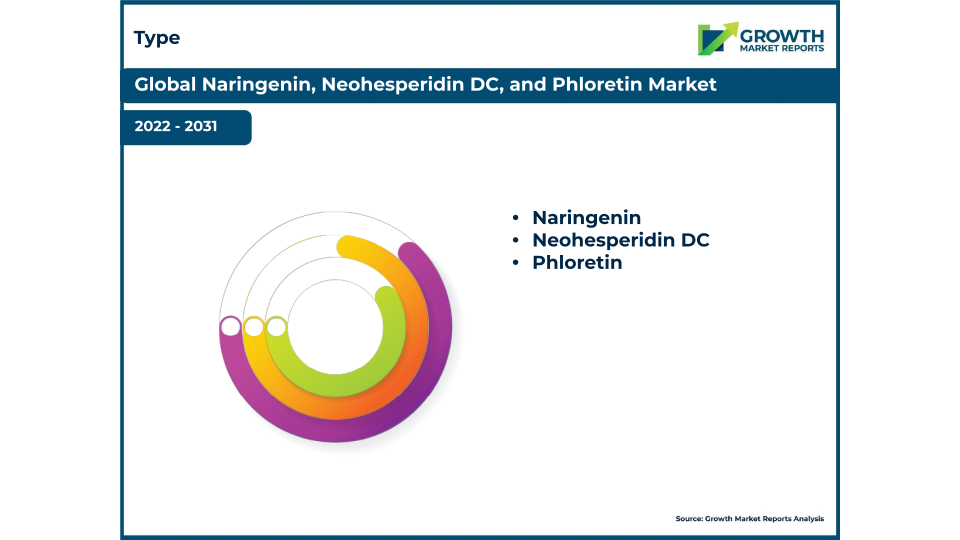
| By Neohesperidin DC, And Phloretin Market Product Type | Naringenin, Neohesperidin Dihydrochalcone (DC), Phloretin |
| By Application | Food & Beverages, Pharmaceuticals, Nutraceuticals, Cosmetics & Personal Care, Others |
| By Source | Natural, Synthetic |
| By Distribution Channel | Online Retail, Supermarkets/Hypermarkets, Specialty Stores, Others |
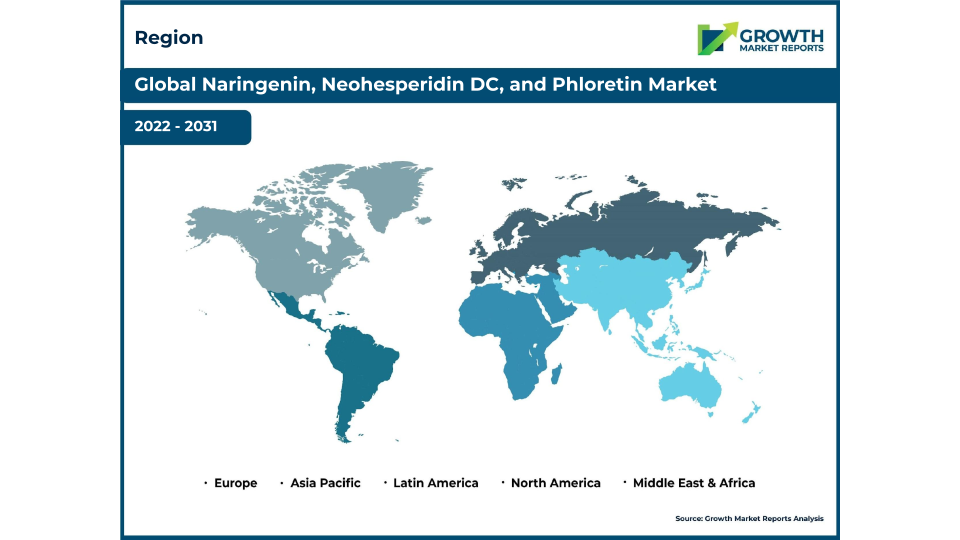
| Regions Covered | North America, Europe, APAC, Latin America, MEA |
| Base Year | 2024 |
| Historic Data | 2018-2023 |
| Forecast Period | 2025-2033 |
| Number of Pages | 288 |
| Number of Tables & Figures | 365 |
| Customization Available | Yes, the report can be customized as per your need. |
The application segment of the Naringenin, Neohesperidin DC, and Phloretin market encompasses food & beverages, pharmaceuticals, nutraceuticals, cosmetics & personal care, and others, each contributing significantly to overall market growth. The food & beverage industry remains the largest consumer of these compounds, leveraging their antioxidant and flavor-modifying properties to develop healthier, more appealing products. The shift towards sugar reduction and clean-label formulations has particularly benefited neohesperidin DC, which is increasingly used in sugar-free and reduced-calorie products. Naringenin and phloretin are also being incorporated into functional beverages and fortified foods, capitalizing on consumer interest in wellness and preventive healthcare.
In the pharmaceutical sector, the therapeutic potential of these bioflavonoids is being harnessed for the development of novel drugs and dietary supplements. Clinical studies have demonstrated their efficacy in managing conditions such as diabetes, cardiovascular diseases, and certain cancers, driving investments in research and product development. The growing acceptance of natural compounds in mainstream medicine, coupled with regulatory support for botanical drugs, is expected to accelerate the integration of naringenin, neohesperidin DC, and phloretin into pharmaceutical formulations. Additionally, the trend towards personalized medicine and targeted therapies is opening new avenues for the application of these bioactive ingredients.
Nutraceuticals represent another high-growth segment, fueled by rising consumer awareness about the importance of preventive healthcare and the benefits of dietary supplementation. The demand for natural and plant-based supplements has surged in recent years, with naringenin, neohesperidin DC, and phloretin being marketed for their antioxidant, anti-inflammatory, and metabolic health benefits. The proliferation of e-commerce platforms and direct-to-consumer brands has further facilitated access to these products, enabling manufacturers to reach a broader audience and tailor offerings to specific health needs.
The cosmetics & personal care industry is witnessing robust demand for these compounds, driven by the growing popularity of natural and functional ingredients in skincare and haircare products. Naringenin and phloretin, in particular, are valued for their anti-aging, skin-brightening, and UV-protective properties, making them ideal for inclusion in a wide range of formulations. The trend towards premium and organic cosmetics has encouraged manufacturers to invest in product innovation and marketing, further boosting market growth. Other applications, such as animal feed and agricultural products, are also emerging, reflecting the versatility and expanding utility of these bioflavonoids.
The source segment of the Naringenin, Neohesperidin DC, and Phloretin market is bifurcated into natural and synthetic sources, each with distinct market dynamics and growth prospects. Natural sources, primarily derived from citrus fruits, apples, and other plant materials, dominate the market due to increasing consumer preference for clean-label and plant-based ingredients. The growing emphasis on sustainability and environmental responsibility has further reinforced the appeal of naturally sourced bioflavonoids. Advances in extraction and purification technologies have enhanced the efficiency and cost-effectiveness of natural production methods, enabling manufacturers to meet rising demand without compromising on quality or purity.
Synthetic sources, while accounting for a smaller share of the market, are gaining traction due to their scalability, consistency, and cost advantages. The ability to produce high-purity compounds at an industrial scale has made synthetic bioflavonoids an attractive option for large-scale food, pharmaceutical, and cosmetic manufacturers. Innovations in chemical synthesis and biotechnological processes are further improving the yield and safety profile of synthetic products, enabling their use in a broader range of applications. However, concerns regarding the safety and environmental impact of synthetic ingredients may pose challenges to market growth, particularly in regions with stringent regulatory frameworks and strong consumer advocacy for natural products.
The competitive landscape within the source segment is shaped by ongoing advancements in extraction, synthesis, and purification technologies. Leading players are investing in research and development to enhance the efficiency, sustainability, and cost-effectiveness of both natural and synthetic production methods. Strategic partnerships with agricultural producers and biotechnology firms are common, aimed at securing a reliable supply of raw materials and developing innovative production processes. The integration of green chemistry and circular economy principles is also gaining momentum, reflecting the industry's commitment to sustainability and responsible sourcing.
Consumer perceptions and regulatory policies play a critical role in shaping the source segment. The growing demand for transparency, traceability, and ethical sourcing has prompted manufacturers to adopt rigorous quality control measures and obtain certifications for their natural products. Regulatory agencies in major markets are increasingly scrutinizing the safety, efficacy, and labeling of both natural and synthetic bioflavonoids, driving compliance and quality assurance initiatives across the industry. The ongoing evolution of consumer preferences and regulatory standards is expected to influence the competitive dynamics and growth prospects of the source segment in the coming years.
The distribution channel segment of the Naringenin, Neohesperidin DC, and Phloretin market comprises online retail, supermarkets/hypermarkets, specialty stores, and others, reflecting the diverse purchasing preferences of consumers and businesses. Online retail has emerged as the fastest-growing channel, driven by the proliferation of e-commerce platforms, increasing internet penetration, and the convenience of home delivery. The ability to access a wide range of products, compare prices, and read customer reviews has made online channels particularly popular for dietary supplements, cosmetics, and specialty food products. Manufacturers are leveraging digital marketing strategies and direct-to-consumer models to enhance brand visibility and engage with tech-savvy consumers.
Supermarkets and hypermarkets continue to play a vital role in the distribution of bioflavonoid-based products, offering consumers the convenience of one-stop shopping and access to a broad assortment of brands. The growing trend towards healthy eating and wellness has prompted retailers to expand their offerings of functional foods, dietary supplements, and natural cosmetics, often featuring dedicated sections for health and wellness products. In-store promotions, product sampling, and educational campaigns are commonly used to drive consumer awareness and trial, supporting market growth through this channel.
Specialty stores, including health food stores, pharmacies, and beauty boutiques, cater to consumers seeking expert advice, personalized recommendations, and premium products. These channels are particularly important for high-value and niche products, such as organic supplements and natural cosmetics, where trust and product knowledge are critical purchase drivers. The rise of boutique and concept stores focusing on natural and sustainable products has further expanded the reach of naringenin, neohesperidin DC, and phloretin-based offerings, attracting health-conscious and environmentally aware consumers.
Other distribution channels, such as direct sales, business-to-business (B2B) platforms, and institutional supply, also contribute to market growth, particularly in the pharmaceutical and nutraceutical sectors. Manufacturers are increasingly adopting omnichannel strategies to maximize market penetration and cater to the evolving needs of diverse customer segments. The integration of advanced logistics, supply chain management, and customer relationship management (CRM) systems is enhancing the efficiency and responsiveness of distribution networks, supporting sustained growth across all channels.
The Naringenin, Neohesperidin DC, and Phloretin market is poised for significant opportunities, primarily driven by the ongoing shift towards natural and functional ingredients in the global food, pharmaceutical, and cosmetics industries. The rising prevalence of lifestyle-related diseases, coupled with increasing consumer awareness about the health benefits of bioflavonoids, is fueling demand for products that promote wellness and preventive healthcare. Advances in extraction, purification, and formulation technologies are enabling manufacturers to develop innovative products with enhanced bioavailability, efficacy, and sensory appeal. The expansion of e-commerce and direct-to-consumer channels is further democratizing access to these products, enabling manufacturers to reach new customer segments and tap into emerging markets.
Emerging applications in personalized nutrition, functional beverages, and advanced skincare present additional growth opportunities for market players. The integration of naringenin, neohesperidin DC, and phloretin into tailored dietary supplements, medical foods, and cosmeceuticals is gaining traction, driven by advances in nutrigenomics, precision medicine, and consumer demand for customized solutions. Strategic partnerships with research institutions, healthcare providers, and technology companies are facilitating the development of innovative products and expanding the application spectrum. The growing emphasis on sustainability, ethical sourcing, and clean-label formulations is also creating new avenues for differentiation and value creation in the market.
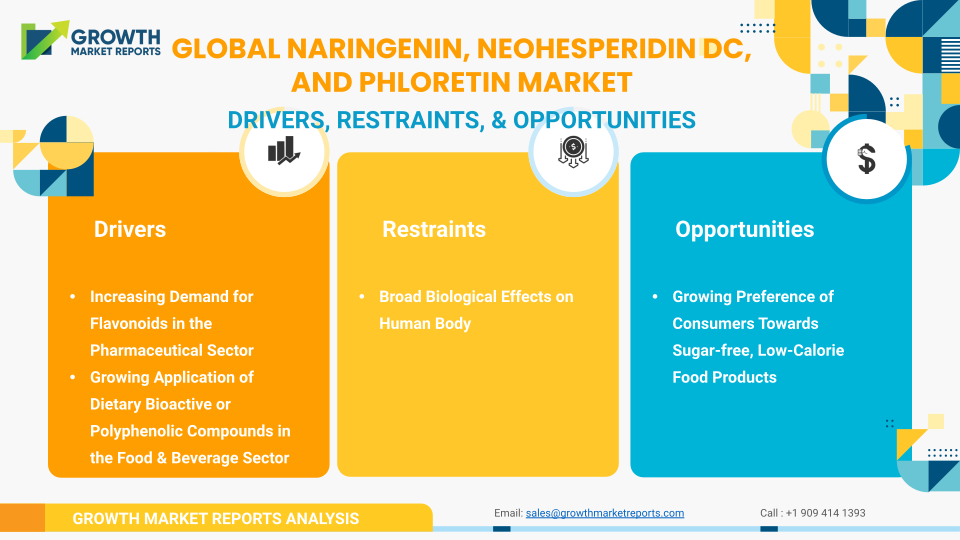
Despite the positive outlook, the market faces several restraining factors, including regulatory challenges, supply chain complexities, and competition from synthetic alternatives and other bioactive compounds. Stringent regulatory requirements regarding the safety, efficacy, and labeling of bioflavonoid-based products can pose barriers to entry and delay product launches, particularly in highly regulated markets such as North America and Europe. Supply chain disruptions, fluctuations in raw material availability, and price volatility can impact production costs and profit margins. In addition, the presence of alternative natural and synthetic ingredients with similar functional properties may intensify competition and limit market growth in certain segments.
Asia Pacific leads the Naringenin, Neohesperidin DC, and Phloretin market, accounting for a revenue share of USD 430 million in 2024, driven by the rapid growth of the food, pharmaceutical, and cosmetics industries in China, India, and Japan. The region benefits from abundant raw material availability, favorable government policies, and a large, health-conscious consumer base. The increasing adoption of Western dietary and lifestyle trends, coupled with rising disposable incomes and urbanization, has further stimulated demand for bioflavonoid-based products. The presence of leading manufacturers and research institutions has positioned Asia Pacific as a hub for innovation and production, supporting sustained market growth.
North America holds the second-largest market share, with revenues reaching USD 330 million in 2024. The region is characterized by a strong focus on health and wellness, high consumer awareness, and a well-established regulatory framework supporting the use of natural ingredients in food, pharmaceuticals, and cosmetics. The United States is the primary market, driven by the growing prevalence of chronic diseases, a robust dietary supplement industry, and the presence of leading market players. The market in North America is expected to grow at a CAGR of 6.8% through 2033, supported by ongoing product innovation, expanding application areas, and increasing investments in research and development.
Europe is another key market, generating revenues of USD 270 million in 2024, with significant demand from the food, nutraceutical, and cosmetic sectors. The region benefits from stringent regulatory standards, strong consumer advocacy for natural and sustainable products, and a mature healthcare infrastructure. Germany, France, and the United Kingdom are the leading markets, supported by high levels of health consciousness and disposable income. Latin America and the Middle East & Africa are emerging markets, contributing a combined revenue of USD 180 million in 2024. These regions offer significant growth potential, driven by urbanization, rising healthcare expenditures, and increasing consumer awareness about the benefits of bioflavonoids.
The competitive landscape of the Naringenin, Neohesperidin DC, and Phloretin market is characterized by the presence of both global and regional players, each vying for market share through product innovation, strategic partnerships, and mergers and acquisitions. Leading companies are focused on expanding their product portfolios, improving production efficiency, and enhancing the bioavailability and efficacy of their offerings. Investments in research and development are aimed at discovering new applications, optimizing extraction and synthesis processes, and ensuring compliance with evolving regulatory standards. The integration of advanced technologies, such as encapsulation and nano-formulation, is enabling manufacturers to differentiate their products and cater to the evolving needs of consumers and businesses.
Strategic collaborations with academic and research institutions are common, aimed at exploring the therapeutic potential of bioflavonoids and developing evidence-based products. Companies are also investing in marketing and branding initiatives to enhance consumer awareness and build brand loyalty, particularly in the highly competitive food, nutraceutical, and cosmetics segments. The adoption of sustainable sourcing practices, eco-friendly packaging, and transparent supply chains is gaining momentum, reflecting the industry's commitment to environmental responsibility and ethical business practices. The competitive dynamics are further shaped by the entry of new players, technological advancements, and shifts in consumer preferences towards natural and functional ingredients.
Major companies operating in the Naringenin, Neohesperidin DC, and Phloretin market include Merck KGaA, Cayman Chemical Company, Xi'an Rainbow Biotech Co., Ltd., Shaanxi Guanjie Technology Co., Ltd., and Foodchem International Corporation. These players are recognized for their extensive product portfolios, strong research and development capabilities, and global distribution networks. Merck KGaA, for example, is a leading provider of high-purity bioflavonoids for research and industrial applications, leveraging its expertise in chemical synthesis and analytical technologies. Cayman Chemical Company specializes in the development and supply of bioactive compounds for pharmaceutical and nutraceutical applications, supported by a robust pipeline of innovative products.
Xi'an Rainbow Biotech Co., Ltd. and Shaanxi Guanjie Technology Co., Ltd. are prominent players in the Asia Pacific region, known for their advanced extraction technologies, high-quality natural products, and competitive pricing strategies. Foodchem International Corporation is a global supplier of food additives and ingredients, offering a comprehensive range of bioflavonoids for the food, beverage, and cosmetic industries. These companies are actively expanding their presence in emerging markets, investing in capacity expansion, and forming strategic alliances to strengthen their market position. The ongoing evolution of consumer preferences, regulatory standards, and technological advancements is expected to drive further consolidation and innovation in the competitive landscape.
The Naringenin, Neohesperidin DC, and Phloretin market has been segmented on the basis of
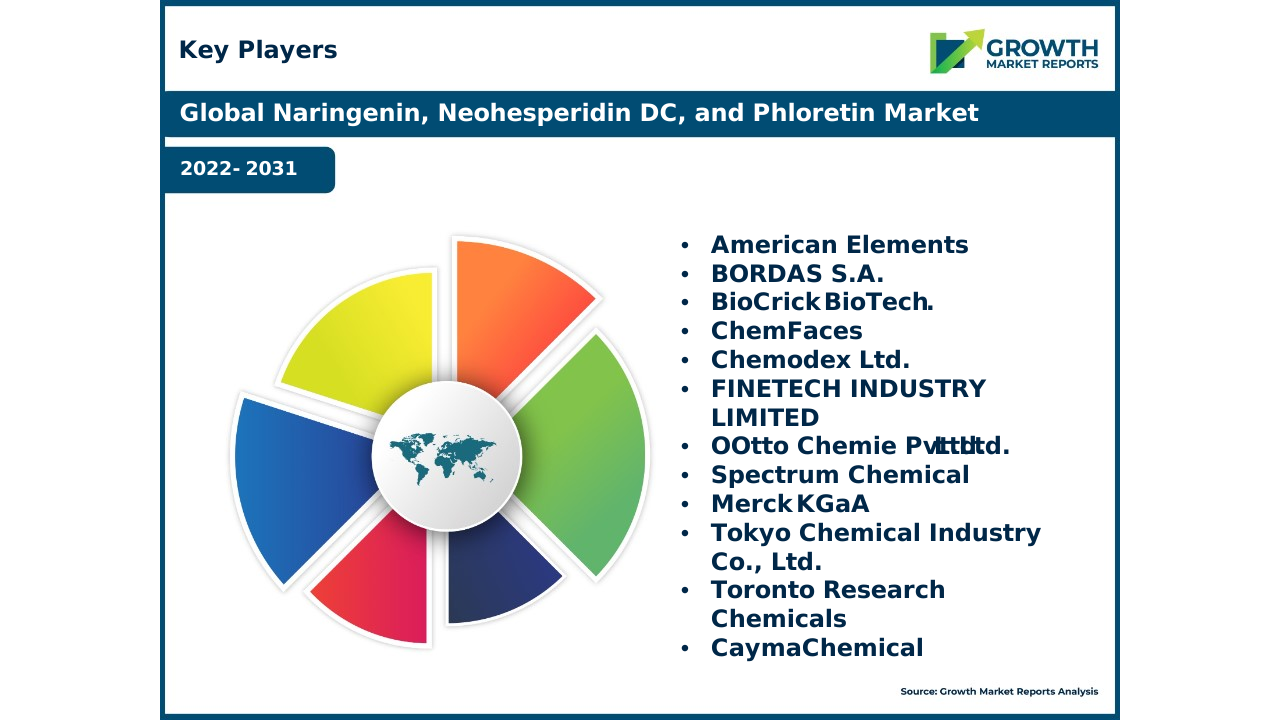
Key players competing the global market are American Elements, BioCrick BioTech, BORDAS S.A., ChemFaces, Chemodex Ltd., FINETECH INDUSTRY LIMITED, Otto Chemie Pvt. Ltd., Spectrum Chemical, Merck KGaA, Tokyo Chemical Industry Co., Ltd., Toronto Research Chemicals, Cayman Chemical, and Biosynth Carbosynth.
North America is likely to dominate the Naringenin, Neohesperidin DC, and Phloretin market during the forecast period.
Growing application of dietary bioactive or polyphenolic compounds in the food & beverage sector and rising utilization of sweeteners in food additives are some factors expected to drive market growth during the forecast period.
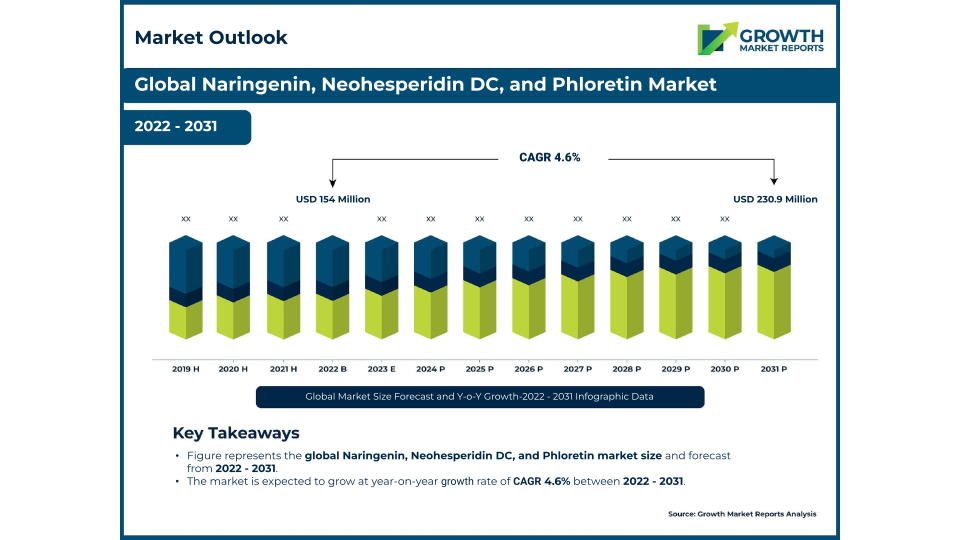
The global Naringenin, Neohesperidin DC, and Phloretin Market size was valued at USD 154 Mn in 2022 and is projected to reach USD 230.9 Mn by 2031, expanding at a CAGR of 4.6 % during the forecast period 2023-2031.