Nanomedical Devices & Therapeutic Market Research Report 2033

Nanomedical Devices & Therapeutic Market Research Report 2033

Segments - by Product Type (Nanodiagnostic Devices, Nanotherapeutic Devices, Nanocarriers, Implantable Devices, Others), by Application (Cancer, Cardiovascular Diseases, Neurological Disorders, Infectious Diseases, Others), by End-User (Hospitals & Clinics, Research Institutes, Diagnostic Centers, Others)

https://growthmarketreports.com/raksha
Author : Raksha Sharma
https://growthmarketreports.com/Vaibhav
Fact-checked by : V. Chandola
https://growthmarketreports.com/Shruti
Editor : Shruti Bhat

Upcoming | Report ID :HC-2511 | 4.5 Rating | 55 Reviews | 266 Pages | Format : Docx PDF

Report Description


Nanomedical Devices & Therapeutic Market Outlook

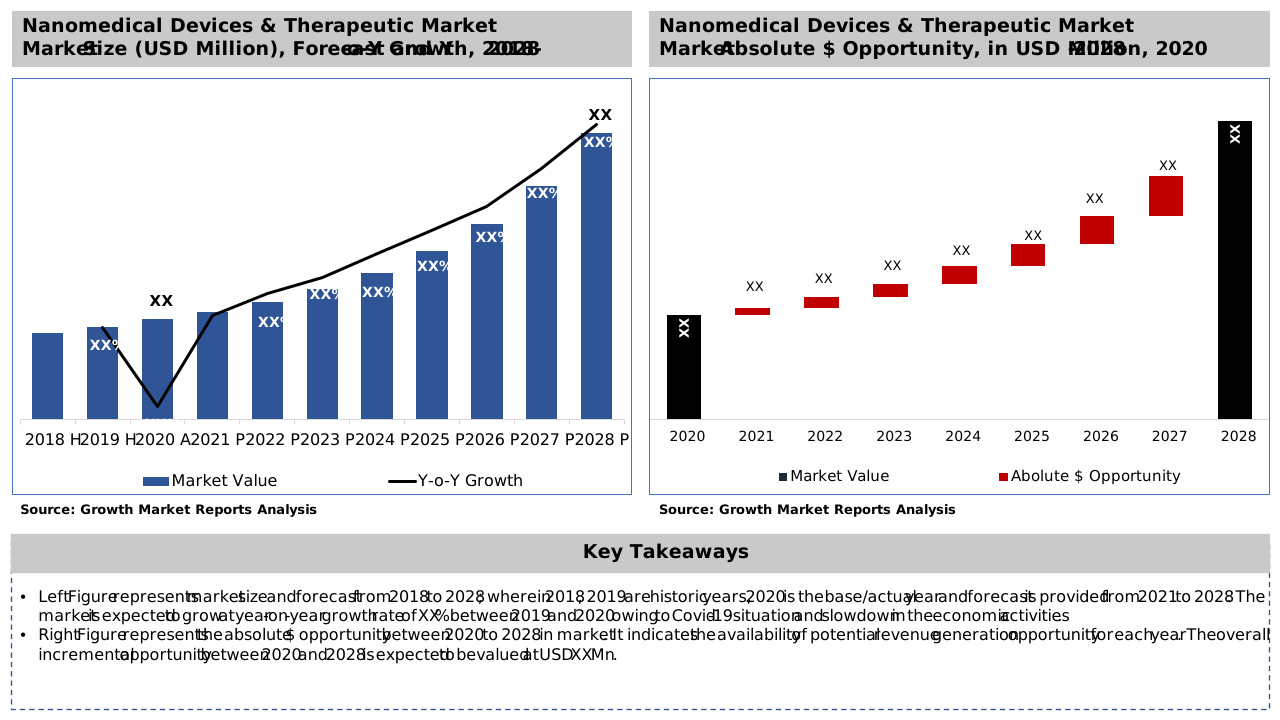
According to our latest research, the global Nanomedical Devices & Therapeutic market size reached USD 14.2 billion in 2024, demonstrating robust expansion driven by accelerating advancements in nanotechnology and its integration into medical applications. The market is set to grow at a CAGR of 12.7% from 2025 to 2033, with the forecasted market size expected to reach USD 42.1 billion by 2033. This growth is primarily attributed to the rising prevalence of chronic diseases, increasing demand for targeted therapies, and the persistent need for innovative diagnostic and therapeutic solutions.

One of the core growth factors propelling the Nanomedical Devices & Therapeutic market is the surging incidence of chronic diseases such as cancer, cardiovascular disorders, and neurological conditions. The ability of nanomedical devices to deliver highly targeted therapies and diagnostics with minimal invasiveness has revolutionized patient care, enabling earlier detection and more effective treatment regimens. Furthermore, the miniaturization of devices and the precision offered by nanotechnology have significantly enhanced the efficacy and safety profiles of medical interventions, reducing side effects and improving patient outcomes. This has led to a marked increase in the adoption of nanomedical solutions across hospitals, clinics, and research institutes worldwide.

Another critical driver for the market is the rapid pace of technological innovation in nanomedicine. Continuous research and development efforts have yielded breakthroughs in nanocarrier systems, implantable devices, and advanced nanotherapeutic agents. These innovations facilitate the delivery of drugs directly to diseased tissues, improving bioavailability and therapeutic index while minimizing systemic toxicity. The convergence of nanotechnology with other cutting-edge fields such as biotechnology, artificial intelligence, and material sciences has further expanded the potential applications of nanomedical devices in both diagnostics and therapeutics. The resulting products are not only more effective but also offer cost efficiencies, which is a significant consideration for healthcare systems globally.

Regulatory support and increasing investments from both public and private sectors have also played a pivotal role in the market’s growth trajectory. Governments across major economies are channeling substantial funds into nanomedicine research, recognizing its potential to address unmet medical needs and reduce the overall burden of disease. Collaborative efforts between academic institutions, research organizations, and industry players have accelerated the translation of laboratory findings into commercially viable products. Moreover, the growing trend of personalized medicine, which relies heavily on precise diagnostics and tailored therapeutics, is further boosting the demand for nanomedical devices and therapies.

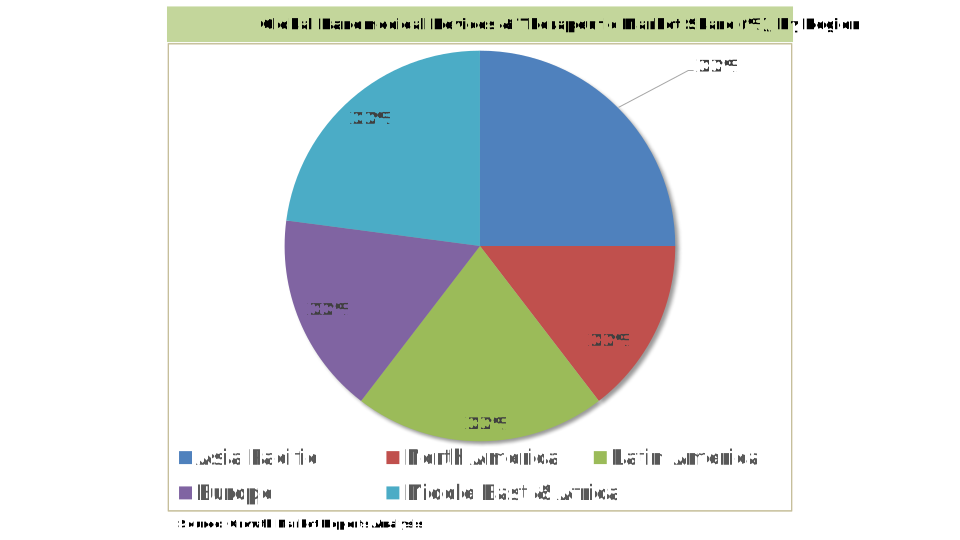
From a regional perspective, North America continues to dominate the Nanomedical Devices & Therapeutic market, owing to its advanced healthcare infrastructure, strong research ecosystem, and high adoption rates of innovative medical technologies. Europe follows closely, supported by favorable government policies and significant investments in healthcare innovation. Meanwhile, the Asia Pacific region is emerging as a lucrative market, driven by rising healthcare expenditures, increasing awareness of nanomedicine, and a burgeoning patient population. Latin America and the Middle East & Africa, though currently holding smaller shares, are expected to witness accelerated growth in the coming years as access to advanced healthcare solutions improves and regulatory frameworks evolve.

Global Nanomedical Devices & Therapeutic Industry Outlook

Product Type Analysis

The Product Type segment in the Nanomedical Devices & Therapeutic market encompasses a diverse array of offerings, including nanodiagnostic devices, nanotherapeutic devices, nanocarriers, implantable devices, and others. Nanodiagnostic devices are at the forefront of early disease detection, leveraging nanoscale materials and biosensors to identify biomarkers with unprecedented sensitivity and specificity. These devices have transformed the diagnostic landscape, enabling rapid and accurate detection of diseases such as cancer and infectious ailments at their nascent stages. The integration of nanodiagnostics into point-of-care settings has further enhanced their utility, reducing diagnostic turnaround times and facilitating timely medical interventions.

Nanotherapeutic devices represent another critical sub-segment, offering innovative solutions for the targeted delivery of therapeutic agents. These devices utilize nanostructures to encapsulate drugs, ensuring their controlled release at specific sites within the body. This targeted approach not only maximizes the therapeutic effect but also minimizes adverse reactions, a key advantage over conventional therapies. The development of smart nanotherapeutic devices capable of responding to physiological cues has opened new avenues for the treatment of complex diseases, including multidrug-resistant infections and metastatic cancers.

Nanocarriers are pivotal in the advancement of nanomedicine, serving as vehicles for the safe and efficient transport of drugs, genes, and imaging agents. Liposomes, dendrimers, and polymeric nanoparticles are among the most widely used nanocarriers, each offering unique advantages in terms of biocompatibility, drug loading capacity, and release kinetics. The customization of nanocarriers to suit specific therapeutic needs has led to the development of personalized treatment regimens, particularly in oncology and rare diseases. Ongoing research is focused on enhancing the stability, targeting efficiency, and scalability of nanocarrier systems to facilitate their widespread clinical adoption.

Implantable devices incorporating nanotechnology have gained significant traction for their ability to provide continuous monitoring and therapeutic intervention. These devices, which include nanosensors and nano-enabled stents, offer real-time data on physiological parameters, enabling proactive disease management. The miniaturization enabled by nanotechnology allows for less invasive implantation procedures and improved patient comfort. Furthermore, the use of biocompatible nanomaterials has reduced the risk of immune reactions and device-related complications, making implantable nanomedical devices a preferred choice in chronic disease management.

The Others category within the product type segment includes emerging nanomedical devices and platforms that do not fit neatly into the aforementioned sub-segments. These innovations are often at the cutting edge of research, exploring new mechanisms of action and expanding the therapeutic horizons of nanomedicine. As the field continues to evolve, it is anticipated that the product landscape will diversify further, with novel devices and applications continuously entering the market. This dynamic environment underscores the importance of ongoing investment in research and development to sustain the momentum of innovation in the Nanomedical Devices & Therapeutic market.

Report Scope

Attributes Details
Report Title Nanomedical Devices & Therapeutic Market Research Report 2033
By Product Type Nanodiagnostic Devices, Nanotherapeutic Devices, Nanocarriers, Implantable Devices, Others
By Application Cancer, Cardiovascular Diseases, Neurological Disorders, Infectious Diseases, Others
By End-User Hospitals & Clinics, Research Institutes, Diagnostic Centers, Others
Regions Covered North America, Europe, APAC, Latin America, MEA
Base Year 2024
Historic Data 2018-2023
Forecast Period 2025-2033
Number of Pages 266
Number of Tables & Figures 260
Customization Available Yes, the report can be customized as per your need.

Application Analysis

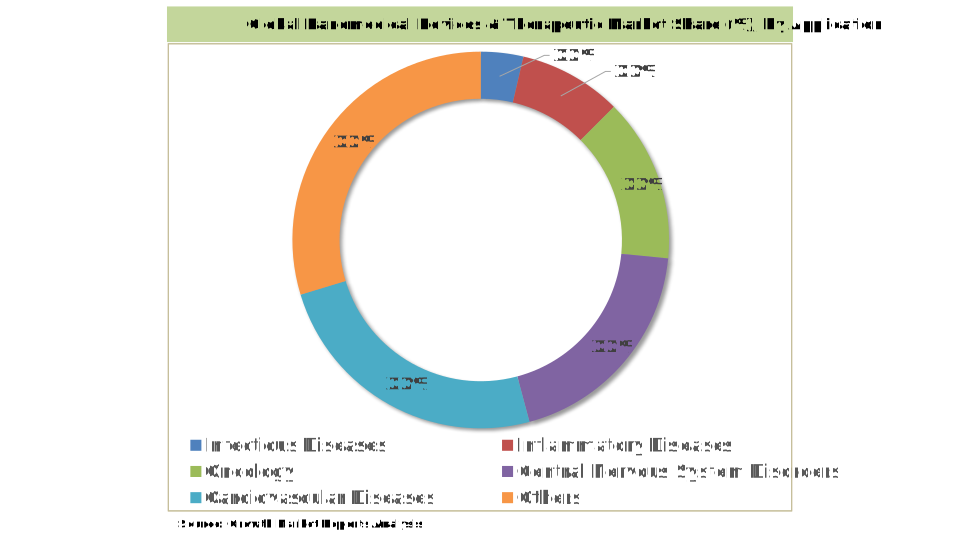
The Application segment of the Nanomedical Devices & Therapeutic market is broad, encompassing critical disease areas such as cancer, cardiovascular diseases, neurological disorders, infectious diseases, and others. Cancer remains the largest application area, accounting for a significant share of the market due to the high prevalence and mortality associated with the disease. Nanomedical devices have revolutionized oncology by enabling early detection, targeted drug delivery, and real-time monitoring of treatment response. Nanoparticle-based therapies, for instance, can selectively accumulate in tumor tissues, enhancing the efficacy of chemotherapeutic agents while minimizing damage to healthy cells. The integration of nanotechnology with immunotherapy and gene therapy is further expanding the therapeutic arsenal available to oncologists.

Cardiovascular diseases represent another major application area, driven by the global burden of heart-related ailments. Nanomedical devices are being employed for the early detection of biomarkers associated with myocardial infarction, atherosclerosis, and heart failure. Nanoparticle-based drug delivery systems are also being developed to target atherosclerotic plaques, offering the potential to prevent heart attacks and strokes. Additionally, nano-enabled stents and implantable sensors are improving patient outcomes by providing continuous monitoring and timely therapeutic intervention. The ability to tailor nanomedical solutions to individual patient profiles is particularly valuable in managing complex cardiovascular conditions.

Neurological disorders such as Alzheimer’s disease, Parkinson’s disease, and multiple sclerosis present unique challenges due to the complexity of the central nervous system and the blood-brain barrier. Nanotechnology offers promising solutions for the diagnosis and treatment of these conditions, with nanoscale carriers capable of crossing biological barriers and delivering drugs directly to affected neurons. Nanomedical devices are also being used to monitor neural activity and deliver electrical or chemical stimuli, opening new avenues for the management of neurodegenerative diseases. The ongoing development of multifunctional nanoplatforms is expected to significantly enhance the diagnosis and treatment of neurological disorders in the coming years.

Infectious diseases have come into sharper focus in the wake of global pandemics, highlighting the need for rapid and accurate diagnostic tools. Nanodiagnostic devices are being deployed to detect pathogens at extremely low concentrations, enabling early intervention and containment of outbreaks. Nanocarriers are also being explored for the targeted delivery of antiviral and antibacterial agents, improving the efficacy of existing treatments and reducing the risk of resistance. The versatility of nanomedical devices in addressing both emerging and established infectious diseases underscores their critical role in global health security.

The Others category within the application segment includes a range of conditions such as autoimmune disorders, metabolic diseases, and rare genetic conditions. The adaptability of nanomedical devices to diverse therapeutic needs is driving their adoption across a wide spectrum of medical specialties. As research continues to uncover new applications for nanotechnology in medicine, it is anticipated that the scope of the Nanomedical Devices & Therapeutic market will expand further, offering innovative solutions for previously intractable health challenges.

End-User Analysis

The End-User segment in the Nanomedical Devices & Therapeutic market is characterized by its diverse customer base, which includes hospitals & clinics, research institutes, diagnostic centers, and others. Hospitals & clinics are the primary end-users, accounting for the largest share of the market. These institutions rely on nanomedical devices for both diagnostic and therapeutic purposes, leveraging their advanced capabilities to improve patient outcomes. The integration of nanodiagnostic devices into routine clinical workflows has enhanced the accuracy and speed of disease detection, while nanotherapeutic devices are being used to deliver personalized treatments with minimal side effects. The growing emphasis on minimally invasive procedures and outpatient care is further boosting the adoption of nanomedical solutions in hospital settings.

Research institutes play a crucial role in the development and validation of nanomedical devices and therapies. These organizations are at the forefront of innovation, conducting preclinical and clinical studies to assess the safety, efficacy, and scalability of new products. Collaborative efforts between research institutes, academic institutions, and industry players have accelerated the translation of nanomedicine from the laboratory to the clinic. The availability of state-of-the-art research infrastructure and access to funding are key factors driving the adoption of nanomedical devices in this segment. Research institutes also contribute to the continuous improvement of existing products, ensuring that the latest scientific advancements are incorporated into clinical practice.

Diagnostic centers are emerging as important end-users of nanomedical devices, particularly in the context of early disease detection and screening programs. The high sensitivity and specificity of nanodiagnostic devices make them ideal for use in diagnostic centers, where rapid and accurate results are essential. The adoption of point-of-care nanodiagnostic tools has enabled diagnostic centers to expand their service offerings and cater to a broader patient population. Additionally, the ability to perform multiplexed assays using nanoscale platforms has improved the efficiency and cost-effectiveness of diagnostic workflows.

The Others category within the end-user segment includes entities such as pharmaceutical companies, contract research organizations, and government agencies. These stakeholders are increasingly leveraging nanomedical devices for drug development, clinical trials, and population health management. The versatility of nanomedical devices in addressing a wide range of medical and research needs is driving their adoption across diverse end-user segments. As the market continues to mature, it is expected that the end-user landscape will become even more diversified, with new stakeholders entering the fray to capitalize on the benefits of nanomedicine.

Opportunities & Threats

The Nanomedical Devices & Therapeutic market is rife with opportunities, particularly in the realm of personalized medicine and precision healthcare. The ability of nanomedical devices to deliver targeted therapies and diagnostics tailored to individual patient profiles is transforming the landscape of disease management. This trend is being driven by advances in genomics, proteomics, and bioinformatics, which are enabling the identification of novel biomarkers and therapeutic targets. The integration of nanotechnology with digital health platforms and artificial intelligence is further expanding the potential applications of nanomedical devices, offering new opportunities for remote monitoring, telemedicine, and data-driven decision-making. As healthcare systems worldwide shift towards value-based care, the demand for cost-effective, high-precision medical solutions is expected to surge, creating a fertile environment for the growth of the Nanomedical Devices & Therapeutic market.

Another significant opportunity lies in the expansion of the market into emerging economies, where rising healthcare expenditures and increasing awareness of advanced medical technologies are driving demand for innovative solutions. Governments in these regions are investing heavily in healthcare infrastructure and research, creating a supportive environment for the adoption of nanomedical devices. The growing burden of chronic and infectious diseases in emerging markets presents a substantial unmet need that nanomedicine is uniquely positioned to address. Furthermore, the development of affordable and scalable nanomedical devices has the potential to democratize access to advanced healthcare, improving outcomes for underserved populations and contributing to global health equity.

Despite the numerous opportunities, the market faces several restraining factors, chief among them being the stringent regulatory environment governing the approval and commercialization of nanomedical devices. The complexity of nanomaterials and their interactions with biological systems pose significant challenges for regulatory agencies, leading to lengthy and costly approval processes. Additionally, concerns regarding the long-term safety and biocompatibility of nanomaterials have prompted calls for more rigorous preclinical and clinical testing. The high cost of research and development, coupled with the uncertainty surrounding reimbursement policies, may also hinder the widespread adoption of nanomedical devices, particularly in cost-sensitive markets. Addressing these challenges will require concerted efforts from industry stakeholders, regulators, and policymakers to establish clear guidelines and streamline the path to market for innovative nanomedical solutions.

Regional Outlook

North America remains the largest regional market for Nanomedical Devices & Therapeutic, accounting for approximately USD 6.1 billion in 2024. The region’s dominance is underpinned by its advanced healthcare infrastructure, high levels of research and development investment, and a strong presence of leading market players. The United States, in particular, is a global hub for nanomedicine innovation, with numerous academic institutions, research organizations, and biotechnology companies driving the development and commercialization of cutting-edge products. The supportive regulatory environment and favorable reimbursement policies further contribute to the region’s leadership in the market.

Europe follows closely, with a market size of around USD 4.2 billion in 2024, supported by robust government initiatives and significant investments in healthcare research. Countries such as Germany, the United Kingdom, and France are leading adopters of nanomedical devices, leveraging their strong research ecosystems and well-established healthcare systems. The European Union’s emphasis on fostering innovation and collaboration between academia and industry has accelerated the translation of research findings into clinical practice. The region is expected to maintain a steady growth trajectory, with a projected CAGR of 12.2% from 2025 to 2033.

The Asia Pacific region is emerging as a high-growth market, with a market size of approximately USD 2.7 billion in 2024. Rapid economic development, increasing healthcare expenditures, and a growing burden of chronic diseases are driving demand for advanced medical technologies in countries such as China, Japan, and India. The region is also witnessing increased investment in research and development, supported by government initiatives aimed at strengthening healthcare infrastructure and fostering innovation. As access to advanced healthcare solutions improves and awareness of nanomedicine grows, the Asia Pacific market is expected to outpace other regions in terms of growth rate over the forecast period. Latin America and the Middle East & Africa, with market sizes of USD 0.7 billion and USD 0.5 billion respectively in 2024, are also poised for growth, albeit from a lower base, as healthcare access and infrastructure continue to improve.

Nanomedical Devices & Therapeutic Market Statistics

Competitor Outlook

The competitive landscape of the Nanomedical Devices & Therapeutic market is characterized by intense innovation, strategic collaborations, and a strong focus on research and development. Leading players in the market are continuously investing in the development of new products and technologies to maintain their competitive edge and address evolving healthcare needs. The market is moderately fragmented, with a mix of established multinational corporations and emerging startups driving innovation across the value chain. Companies are increasingly adopting open innovation models, partnering with academic institutions, research organizations, and other industry players to accelerate product development and commercialization.

Intellectual property and regulatory approvals are key differentiators in the market, with companies seeking to build robust patent portfolios and navigate complex regulatory pathways to secure market access. The ability to demonstrate clinical efficacy and safety, secure reimbursement, and scale manufacturing operations are critical success factors for market participants. Mergers and acquisitions are also common, as companies seek to expand their product portfolios, enter new markets, and gain access to complementary technologies. The competitive dynamics are further shaped by the entry of new players, particularly in high-growth segments such as nanodiagnostics and nanotherapeutics.

Major companies in the Nanomedical Devices & Therapeutic market include Abbott Laboratories, Medtronic plc, Boston Scientific Corporation, Stryker Corporation, and Thermo Fisher Scientific Inc. These companies have established strong market positions through extensive research and development, strategic acquisitions, and a broad portfolio of products spanning diagnostics, therapeutics, and implantable devices. Abbott Laboratories, for example, is a leader in the development of nano-enabled diagnostic platforms, while Medtronic and Boston Scientific are at the forefront of implantable nanomedical devices for cardiovascular and neurological applications. Stryker Corporation has made significant investments in nanotechnology for orthopedic and surgical applications, while Thermo Fisher Scientific is a key player in nanomaterials and laboratory equipment for research and diagnostics.

In addition to these global giants, a number of innovative startups and mid-sized companies are making significant contributions to the market. Companies such as Nanobiotix, Nanosphere Inc., and Arrowhead Pharmaceuticals are pioneering novel approaches to nanotherapeutics and nanodiagnostics, leveraging cutting-edge research to develop next-generation products. These companies are often focused on niche applications or emerging markets, where they can differentiate themselves through specialized expertise and agile business models. The dynamic and competitive nature of the market ensures that innovation remains at the forefront, with new products and technologies continuously entering the market to address unmet medical needs and improve patient outcomes.

Key Players

  • Abbott Laboratories
  • Stryker Corporation
  • Boston Scientific Corporation
  • Medtronic plc
  • Thermo Fisher Scientific Inc.
  • Siemens Healthineers AG
  • GE Healthcare
  • Johnson & Johnson
  • Roche Diagnostics
  • Becton, Dickinson and Company (BD)
  • Philips Healthcare
  • Smith & Nephew plc
  • NanoCarrier Co., Ltd.
  • Celgene Corporation
  • Teva Pharmaceutical Industries Ltd.
  • Pfizer Inc.
  • Sanofi S.A.
  • Merck & Co., Inc.
  • Nanosphere, Inc.
  • Starpharma Holdings Limited
Nanomedical Devices & Therapeutic Market Overview

Segments

The Nanomedical Devices & Therapeutic market has been segmented on the basis of

Product Type

  • Nanodiagnostic Devices
  • Nanotherapeutic Devices
  • Nanocarriers
  • Implantable Devices
  • Others

Application

  • Cancer
  • Cardiovascular Diseases
  • Neurological Disorders
  • Infectious Diseases
  • Others

End-User

  • Hospitals & Clinics
  • Research Institutes
  • Diagnostic Centers
  • Others

Competitive Landscape

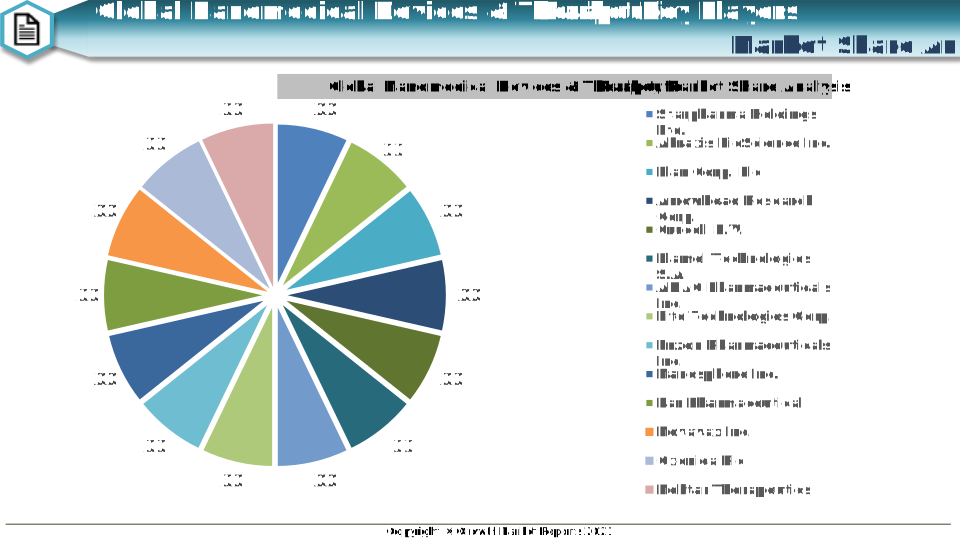
Some of the major players competing in the market are Starpharma Holdings Ltd.; Abraxis BioScience Inc.; Elan Corp. Plc; Arrowhead Research Corp.; Crucell N.V.; Flamel Technologies S.A.; AMAG Pharmaceuticals Inc.; Life Technologies Corp.; Enzon Pharmaceuticals Inc.; Nanosphere Inc.; Par Pharmaceutical; Novavax Inc.; Oxonica Plc; and Nektar Therapeutics.

These companies are implementing various business development strategies such as technological advancements, innovative solution, new developed product launches, research initiatives, merger & acquisitions, and regional expansions to secure their advantageous position in the market competition.

Nanomedical Devices & Therapeutic Market

Frequently Asked Questions

Nanotechnology enables highly sensitive diagnostics, targeted drug delivery, real-time monitoring, and minimally invasive procedures, leading to earlier detection, improved treatment efficacy, and better patient outcomes.

Key players include Abbott Laboratories, Medtronic plc, Boston Scientific Corporation, Stryker Corporation, Thermo Fisher Scientific Inc., Siemens Healthineers AG, GE Healthcare, Johnson & Johnson, Roche Diagnostics, and others.

Challenges include stringent regulatory requirements, concerns about the long-term safety and biocompatibility of nanomaterials, high R&D costs, and uncertainties around reimbursement policies.

Major end-users include hospitals & clinics, research institutes, diagnostic centers, pharmaceutical companies, contract research organizations, and government agencies.

Key applications include cancer, cardiovascular diseases, neurological disorders, infectious diseases, and other conditions such as autoimmune and metabolic diseases.

The main product types include nanodiagnostic devices, nanotherapeutic devices, nanocarriers, implantable devices, and other emerging nanomedical platforms.

North America dominates the market, followed by Europe. The Asia Pacific region is emerging as a high-growth market, while Latin America and the Middle East & Africa are also expected to see accelerated growth.

Key growth drivers include the rising prevalence of chronic diseases, increasing demand for targeted therapies, technological advancements in nanotechnology, and growing investments from public and private sectors.

The market is expected to grow at a CAGR of 12.7% from 2025 to 2033, reaching an estimated USD 42.1 billion by 2033.

As of 2024, the global Nanomedical Devices & Therapeutic market is valued at USD 14.2 billion.

Table Of Content

Chapter 1 Executive Summary
Chapter 2 Assumptions and Acronyms Used
Chapter 3 Research Methodology
Chapter 4 Nanomedical Devices & Therapeutic Market Overview
   4.1 Introduction
      4.1.1 Market Taxonomy
      4.1.2 Market Definition
      4.1.3 Macro-Economic Factors Impacting the Market Growth
   4.2 Nanomedical Devices & Therapeutic Market Dynamics
      4.2.1 Market Drivers
      4.2.2 Market Restraints
      4.2.3 Market Opportunity
   4.3 Nanomedical Devices & Therapeutic Market - Supply Chain Analysis
      4.3.1 List of Key Suppliers
      4.3.2 List of Key Distributors
      4.3.3 List of Key Consumers
   4.4 Key Forces Shaping the Nanomedical Devices & Therapeutic Market
      4.4.1 Bargaining Power of Suppliers
      4.4.2 Bargaining Power of Buyers
      4.4.3 Threat of Substitution
      4.4.4 Threat of New Entrants
      4.4.5 Competitive Rivalry
   4.5 Global Nanomedical Devices & Therapeutic Market Size & Forecast, 2023-2032
      4.5.1 Nanomedical Devices & Therapeutic Market Size and Y-o-Y Growth
      4.5.2 Nanomedical Devices & Therapeutic Market Absolute $ Opportunity

Chapter 5 Global Nanomedical Devices & Therapeutic Market Analysis and Forecast By Product Type
   5.1 Introduction
      5.1.1 Key Market Trends & Growth Opportunities By Product Type
      5.1.2 Basis Point Share (BPS) Analysis By Product Type
      5.1.3 Absolute $ Opportunity Assessment By Product Type
   5.2 Nanomedical Devices & Therapeutic Market Size Forecast By Product Type
      5.2.1 Nanodiagnostic Devices
      5.2.2 Nanotherapeutic Devices
      5.2.3 Nanocarriers
      5.2.4 Implantable Devices
      5.2.5 Others
   5.3 Market Attractiveness Analysis By Product Type

Chapter 6 Global Nanomedical Devices & Therapeutic Market Analysis and Forecast By Application
   6.1 Introduction
      6.1.1 Key Market Trends & Growth Opportunities By Application
      6.1.2 Basis Point Share (BPS) Analysis By Application
      6.1.3 Absolute $ Opportunity Assessment By Application
   6.2 Nanomedical Devices & Therapeutic Market Size Forecast By Application
      6.2.1 Cancer
      6.2.2 Cardiovascular Diseases
      6.2.3 Neurological Disorders
      6.2.4 Infectious Diseases
      6.2.5 Others
   6.3 Market Attractiveness Analysis By Application

Chapter 7 Global Nanomedical Devices & Therapeutic Market Analysis and Forecast By End-User
   7.1 Introduction
      7.1.1 Key Market Trends & Growth Opportunities By End-User
      7.1.2 Basis Point Share (BPS) Analysis By End-User
      7.1.3 Absolute $ Opportunity Assessment By End-User
   7.2 Nanomedical Devices & Therapeutic Market Size Forecast By End-User
      7.2.1 Hospitals & Clinics
      7.2.2 Research Institutes
      7.2.3 Diagnostic Centers
      7.2.4 Others
   7.3 Market Attractiveness Analysis By End-User

Chapter 8 Global Nanomedical Devices & Therapeutic Market Analysis and Forecast by Region
   8.1 Introduction
      8.1.1 Key Market Trends & Growth Opportunities By Region
      8.1.2 Basis Point Share (BPS) Analysis By Region
      8.1.3 Absolute $ Opportunity Assessment By Region
   8.2 Nanomedical Devices & Therapeutic Market Size Forecast By Region
      8.2.1 North America
      8.2.2 Europe
      8.2.3 Asia Pacific
      8.2.4 Latin America
      8.2.5 Middle East & Africa (MEA)
   8.3 Market Attractiveness Analysis By Region

Chapter 9 Coronavirus Disease (COVID-19) Impact 
   9.1 Introduction 
   9.2 Current & Future Impact Analysis 
   9.3 Economic Impact Analysis 
   9.4 Government Policies 
   9.5 Investment Scenario

Chapter 10 North America Nanomedical Devices & Therapeutic Analysis and Forecast
   10.1 Introduction
   10.2 North America Nanomedical Devices & Therapeutic Market Size Forecast by Country
      10.2.1 U.S.
      10.2.2 Canada
   10.3 Basis Point Share (BPS) Analysis by Country
   10.4 Absolute $ Opportunity Assessment by Country
   10.5 Market Attractiveness Analysis by Country
   10.6 North America Nanomedical Devices & Therapeutic Market Size Forecast By Product Type
      10.6.1 Nanodiagnostic Devices
      10.6.2 Nanotherapeutic Devices
      10.6.3 Nanocarriers
      10.6.4 Implantable Devices
      10.6.5 Others
   10.7 Basis Point Share (BPS) Analysis By Product Type 
   10.8 Absolute $ Opportunity Assessment By Product Type 
   10.9 Market Attractiveness Analysis By Product Type
   10.10 North America Nanomedical Devices & Therapeutic Market Size Forecast By Application
      10.10.1 Cancer
      10.10.2 Cardiovascular Diseases
      10.10.3 Neurological Disorders
      10.10.4 Infectious Diseases
      10.10.5 Others
   10.11 Basis Point Share (BPS) Analysis By Application 
   10.12 Absolute $ Opportunity Assessment By Application 
   10.13 Market Attractiveness Analysis By Application
   10.14 North America Nanomedical Devices & Therapeutic Market Size Forecast By End-User
      10.14.1 Hospitals & Clinics
      10.14.2 Research Institutes
      10.14.3 Diagnostic Centers
      10.14.4 Others
   10.15 Basis Point Share (BPS) Analysis By End-User 
   10.16 Absolute $ Opportunity Assessment By End-User 
   10.17 Market Attractiveness Analysis By End-User

Chapter 11 Europe Nanomedical Devices & Therapeutic Analysis and Forecast
   11.1 Introduction
   11.2 Europe Nanomedical Devices & Therapeutic Market Size Forecast by Country
      11.2.1 Germany
      11.2.2 France
      11.2.3 Italy
      11.2.4 U.K.
      11.2.5 Spain
      11.2.6 Russia
      11.2.7 Rest of Europe
   11.3 Basis Point Share (BPS) Analysis by Country
   11.4 Absolute $ Opportunity Assessment by Country
   11.5 Market Attractiveness Analysis by Country
   11.6 Europe Nanomedical Devices & Therapeutic Market Size Forecast By Product Type
      11.6.1 Nanodiagnostic Devices
      11.6.2 Nanotherapeutic Devices
      11.6.3 Nanocarriers
      11.6.4 Implantable Devices
      11.6.5 Others
   11.7 Basis Point Share (BPS) Analysis By Product Type 
   11.8 Absolute $ Opportunity Assessment By Product Type 
   11.9 Market Attractiveness Analysis By Product Type
   11.10 Europe Nanomedical Devices & Therapeutic Market Size Forecast By Application
      11.10.1 Cancer
      11.10.2 Cardiovascular Diseases
      11.10.3 Neurological Disorders
      11.10.4 Infectious Diseases
      11.10.5 Others
   11.11 Basis Point Share (BPS) Analysis By Application 
   11.12 Absolute $ Opportunity Assessment By Application 
   11.13 Market Attractiveness Analysis By Application
   11.14 Europe Nanomedical Devices & Therapeutic Market Size Forecast By End-User
      11.14.1 Hospitals & Clinics
      11.14.2 Research Institutes
      11.14.3 Diagnostic Centers
      11.14.4 Others
   11.15 Basis Point Share (BPS) Analysis By End-User 
   11.16 Absolute $ Opportunity Assessment By End-User 
   11.17 Market Attractiveness Analysis By End-User

Chapter 12 Asia Pacific Nanomedical Devices & Therapeutic Analysis and Forecast
   12.1 Introduction
   12.2 Asia Pacific Nanomedical Devices & Therapeutic Market Size Forecast by Country
      12.2.1 China
      12.2.2 Japan
      12.2.3 South Korea
      12.2.4 India
      12.2.5 Australia
      12.2.6 South East Asia (SEA)
      12.2.7 Rest of Asia Pacific (APAC)
   12.3 Basis Point Share (BPS) Analysis by Country
   12.4 Absolute $ Opportunity Assessment by Country
   12.5 Market Attractiveness Analysis by Country
   12.6 Asia Pacific Nanomedical Devices & Therapeutic Market Size Forecast By Product Type
      12.6.1 Nanodiagnostic Devices
      12.6.2 Nanotherapeutic Devices
      12.6.3 Nanocarriers
      12.6.4 Implantable Devices
      12.6.5 Others
   12.7 Basis Point Share (BPS) Analysis By Product Type 
   12.8 Absolute $ Opportunity Assessment By Product Type 
   12.9 Market Attractiveness Analysis By Product Type
   12.10 Asia Pacific Nanomedical Devices & Therapeutic Market Size Forecast By Application
      12.10.1 Cancer
      12.10.2 Cardiovascular Diseases
      12.10.3 Neurological Disorders
      12.10.4 Infectious Diseases
      12.10.5 Others
   12.11 Basis Point Share (BPS) Analysis By Application 
   12.12 Absolute $ Opportunity Assessment By Application 
   12.13 Market Attractiveness Analysis By Application
   12.14 Asia Pacific Nanomedical Devices & Therapeutic Market Size Forecast By End-User
      12.14.1 Hospitals & Clinics
      12.14.2 Research Institutes
      12.14.3 Diagnostic Centers
      12.14.4 Others
   12.15 Basis Point Share (BPS) Analysis By End-User 
   12.16 Absolute $ Opportunity Assessment By End-User 
   12.17 Market Attractiveness Analysis By End-User

Chapter 13 Latin America Nanomedical Devices & Therapeutic Analysis and Forecast
   13.1 Introduction
   13.2 Latin America Nanomedical Devices & Therapeutic Market Size Forecast by Country
      13.2.1 Brazil
      13.2.2 Mexico
      13.2.3 Rest of Latin America (LATAM)
   13.3 Basis Point Share (BPS) Analysis by Country
   13.4 Absolute $ Opportunity Assessment by Country
   13.5 Market Attractiveness Analysis by Country
   13.6 Latin America Nanomedical Devices & Therapeutic Market Size Forecast By Product Type
      13.6.1 Nanodiagnostic Devices
      13.6.2 Nanotherapeutic Devices
      13.6.3 Nanocarriers
      13.6.4 Implantable Devices
      13.6.5 Others
   13.7 Basis Point Share (BPS) Analysis By Product Type 
   13.8 Absolute $ Opportunity Assessment By Product Type 
   13.9 Market Attractiveness Analysis By Product Type
   13.10 Latin America Nanomedical Devices & Therapeutic Market Size Forecast By Application
      13.10.1 Cancer
      13.10.2 Cardiovascular Diseases
      13.10.3 Neurological Disorders
      13.10.4 Infectious Diseases
      13.10.5 Others
   13.11 Basis Point Share (BPS) Analysis By Application 
   13.12 Absolute $ Opportunity Assessment By Application 
   13.13 Market Attractiveness Analysis By Application
   13.14 Latin America Nanomedical Devices & Therapeutic Market Size Forecast By End-User
      13.14.1 Hospitals & Clinics
      13.14.2 Research Institutes
      13.14.3 Diagnostic Centers
      13.14.4 Others
   13.15 Basis Point Share (BPS) Analysis By End-User 
   13.16 Absolute $ Opportunity Assessment By End-User 
   13.17 Market Attractiveness Analysis By End-User

Chapter 14 Middle East & Africa (MEA) Nanomedical Devices & Therapeutic Analysis and Forecast
   14.1 Introduction
   14.2 Middle East & Africa (MEA) Nanomedical Devices & Therapeutic Market Size Forecast by Country
      14.2.1 Saudi Arabia
      14.2.2 South Africa
      14.2.3 UAE
      14.2.4 Rest of Middle East & Africa (MEA)
   14.3 Basis Point Share (BPS) Analysis by Country
   14.4 Absolute $ Opportunity Assessment by Country
   14.5 Market Attractiveness Analysis by Country
   14.6 Middle East & Africa (MEA) Nanomedical Devices & Therapeutic Market Size Forecast By Product Type
      14.6.1 Nanodiagnostic Devices
      14.6.2 Nanotherapeutic Devices
      14.6.3 Nanocarriers
      14.6.4 Implantable Devices
      14.6.5 Others
   14.7 Basis Point Share (BPS) Analysis By Product Type 
   14.8 Absolute $ Opportunity Assessment By Product Type 
   14.9 Market Attractiveness Analysis By Product Type
   14.10 Middle East & Africa (MEA) Nanomedical Devices & Therapeutic Market Size Forecast By Application
      14.10.1 Cancer
      14.10.2 Cardiovascular Diseases
      14.10.3 Neurological Disorders
      14.10.4 Infectious Diseases
      14.10.5 Others
   14.11 Basis Point Share (BPS) Analysis By Application 
   14.12 Absolute $ Opportunity Assessment By Application 
   14.13 Market Attractiveness Analysis By Application
   14.14 Middle East & Africa (MEA) Nanomedical Devices & Therapeutic Market Size Forecast By End-User
      14.14.1 Hospitals & Clinics
      14.14.2 Research Institutes
      14.14.3 Diagnostic Centers
      14.14.4 Others
   14.15 Basis Point Share (BPS) Analysis By End-User 
   14.16 Absolute $ Opportunity Assessment By End-User 
   14.17 Market Attractiveness Analysis By End-User

Chapter 15 Competition Landscape 
   15.1 Nanomedical Devices & Therapeutic Market: Competitive Dashboard
   15.2 Global Nanomedical Devices & Therapeutic Market: Market Share Analysis, 2023
   15.3 Company Profiles (Details – Overview, Financials, Developments, Strategy) 
      15.3.1 Abbott Laboratories
Stryker Corporation
Boston Scientific Corporation
Medtronic plc
Thermo Fisher Scientific Inc.
Siemens Healthineers AG
GE Healthcare
Johnson & Johnson
Roche Diagnostics
Becton, Dickinson and Company (BD)
Philips Healthcare
Smith & Nephew plc
NanoCarrier Co., Ltd.
Celgene Corporation
Teva Pharmaceutical Industries Ltd.
Pfizer Inc.
Sanofi S.A.
Merck & Co., Inc.
Nanosphere, Inc.
Starpharma Holdings Limited

Methodology

Our Clients

Dassault Aviation
Deloitte
General Mills
Pfizer
Nestle SA
Microsoft
Honda Motor Co. Ltd.
The John Holland Group