Myasthania Gravis Treatment Market Research Report 2033

Myasthania Gravis Treatment Market Research Report 2033

Segments - by Treatment Type (Medication, Surgery, Plasmapheresis and Intravenous Immunoglobulin, Others), by Route Of Administration (Oral, Intravenous, Others), by Distribution Channel (Hospital Pharmacies, Retail Pharmacies, Online Pharmacies, Others), by End-User (Hospitals, Clinics, Homecare, Others)

https://growthmarketreports.com/raksha
Author : Raksha Sharma
https://growthmarketreports.com/Vaibhav
Fact-checked by : V. Chandola
https://growthmarketreports.com/Shruti
Editor : Shruti Bhat

Upcoming | Report ID :HC-186 | 4.8 Rating | 25 Reviews | 279 Pages | Format : Docx PDF

Report Description


Myasthenia Gravis Treatment Market Outlook

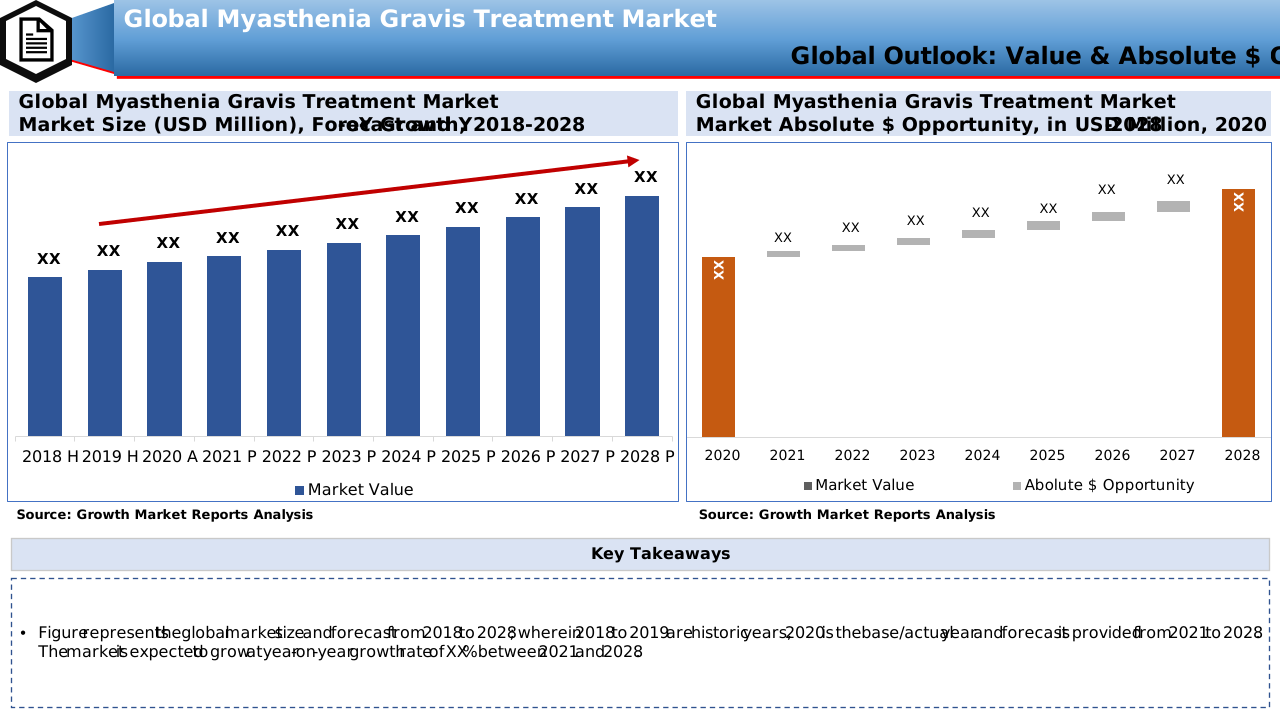
The global Myasthenia Gravis Treatment market size was valued at USD 1.48 billion in 2024, according to our latest research. The market is anticipated to grow at a CAGR of 7.6% during the forecast period, reaching an estimated USD 2.89 billion by 2033. This robust growth is primarily driven by the increasing prevalence of autoimmune neuromuscular disorders, advancements in therapeutic approaches, and heightened awareness among healthcare professionals and patients regarding early diagnosis and effective management of myasthenia gravis.

One of the fundamental growth factors for the Myasthenia Gravis Treatment market is the rising global incidence and prevalence of myasthenia gravis, a chronic autoimmune disorder characterized by weakness and rapid fatigue of voluntary muscles. The increasing burden of autoimmune diseases, particularly in aging populations, has significantly contributed to the demand for advanced treatment modalities. Additionally, improvements in diagnostic techniques have enabled earlier and more accurate detection of myasthenia gravis, further driving the need for effective therapies. The growing patient pool, combined with the chronic nature of the disorder, ensures a sustained demand for medications, surgical interventions, and supportive therapies over the long term.

Another key driver propelling the Myasthenia Gravis Treatment market is the continuous innovation in pharmaceutical research and development. Pharmaceutical companies are intensifying their focus on developing novel biologics, monoclonal antibodies, and targeted immunotherapies that offer improved efficacy and safety profiles compared to traditional therapies. The approval and commercial launch of new drugs, such as complement inhibitors and FcRn antagonists, have broadened the therapeutic landscape, providing patients with more effective and personalized treatment options. These advancements not only improve clinical outcomes but also enhance the quality of life for patients, thereby fueling market expansion.

Moreover, increasing investments in healthcare infrastructure, particularly in emerging economies, have facilitated better access to advanced treatment options for myasthenia gravis. Governments and private organizations are actively promoting awareness campaigns and funding research initiatives aimed at improving disease management and patient outcomes. The expansion of health insurance coverage and reimbursement policies for rare and chronic diseases has also played a crucial role in making treatments more accessible and affordable. Collectively, these factors are expected to drive sustained growth in the Myasthenia Gravis Treatment market over the forecast period.

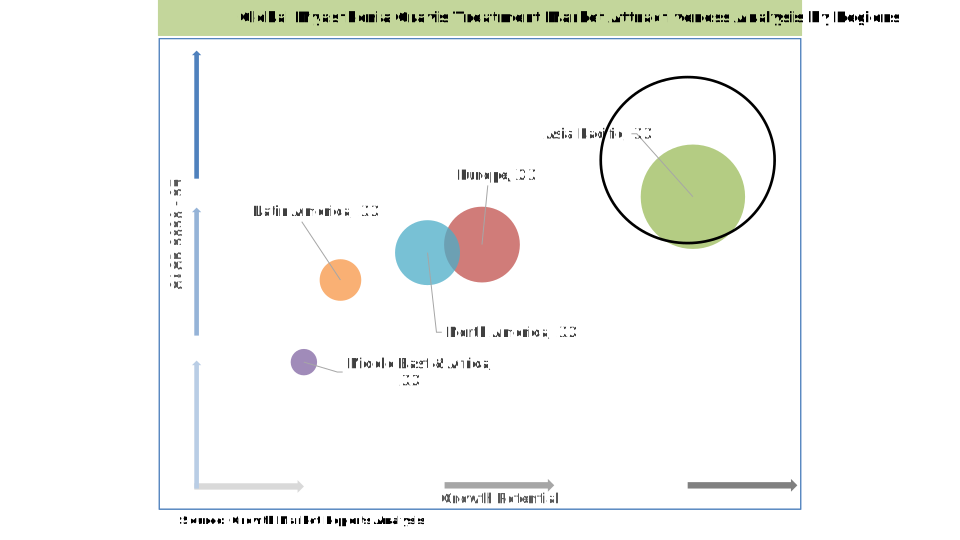
From a regional perspective, North America continues to dominate the Myasthenia Gravis Treatment market due to its well-established healthcare infrastructure, high adoption of advanced therapies, and strong presence of leading pharmaceutical companies. Europe follows closely, supported by robust research activities and favorable reimbursement policies. Meanwhile, the Asia Pacific region is witnessing the fastest growth, attributed to increasing healthcare investments, rising disease awareness, and expanding access to innovative treatments. The market outlook remains optimistic, with all regions expected to contribute to global growth through 2033.

Global Myasthania Gravis Treatment Industry Outlook

Treatment Type Analysis

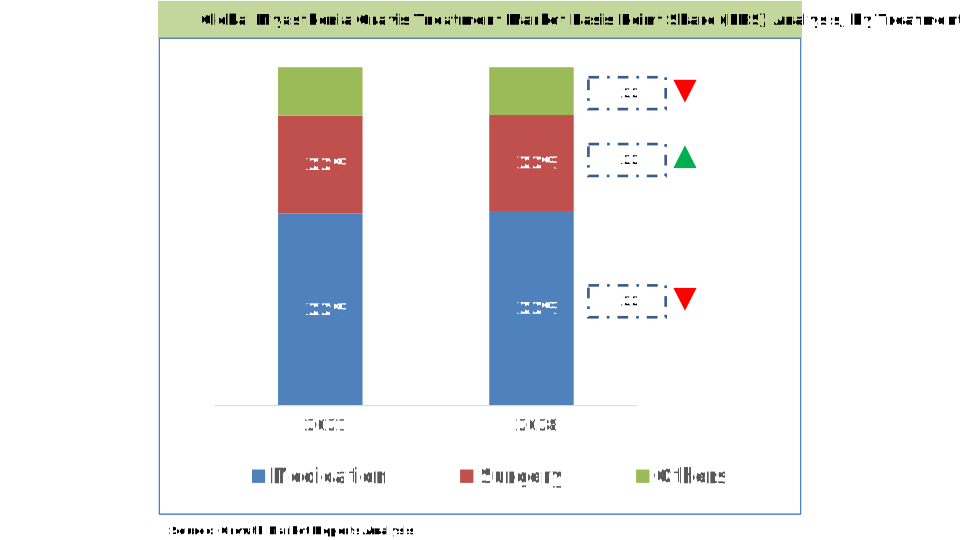
The Treatment Type segment of the Myasthenia Gravis Treatment market encompasses medications, surgery, plasmapheresis and intravenous immunoglobulin (IVIg), and other emerging therapies. Medications, including acetylcholinesterase inhibitors, corticosteroids, and immunosuppressants, remain the cornerstone of myasthenia gravis management. These drugs are widely prescribed as first-line treatments and have demonstrated considerable efficacy in symptom control and disease stabilization. The continuous introduction of innovative drug formulations and combination therapies has further enhanced patient adherence and clinical outcomes, reinforcing the dominance of the medication segment.

Surgical interventions, particularly thymectomy, play a pivotal role in the treatment of specific myasthenia gravis subtypes, such as those associated with thymomas or generalized disease in younger patients. Advances in minimally invasive surgical techniques, such as video-assisted thoracoscopic surgery (VATS), have reduced post-operative complications and shortened recovery times, making surgery a more attractive option for eligible patients. As clinical guidelines increasingly recommend thymectomy for certain patient groups, the demand for surgical procedures is expected to rise steadily over the forecast period.

Plasmapheresis and intravenous immunoglobulin (IVIg) are critical for managing acute exacerbations and myasthenic crises, offering rapid symptomatic relief by modulating the immune response. These therapies are particularly valuable for patients who are refractory to conventional medications or require urgent intervention. The growing adoption of plasmapheresis and IVIg in both hospital and outpatient settings has contributed significantly to the expansion of this segment. Additionally, ongoing research into optimizing dosing regimens and improving safety profiles is likely to support further growth.

The “Others” segment includes emerging therapies such as monoclonal antibodies, complement inhibitors, and FcRn antagonists, which represent the frontier of myasthenia gravis treatment. Recent regulatory approvals and promising clinical trial results have positioned these novel agents as potential game-changers, particularly for patients with refractory or severe disease. As biopharmaceutical innovation continues to accelerate, the pipeline of targeted therapies is expected to expand, driving increased adoption and market share for this segment in the coming years.

Report Scope

Attributes Details
Report Title Myasthania Gravis Treatment Market Research Report 2033
By Treatment Type Medication, Surgery, Plasmapheresis and Intravenous Immunoglobulin, Others
By Route Of Administration Oral, Intravenous, Others
By Distribution Channel Hospital Pharmacies, Retail Pharmacies, Online Pharmacies, Others
By End-User Hospitals, Clinics, Homecare, Others
Regions Covered North America, Europe, APAC, Latin America, MEA
Base Year 2024
Historic Data 2018-2023
Forecast Period 2025-2033
Number of Pages 279
Number of Tables & Figures 370
Customization Available Yes, the report can be customized as per your need.

Route of Administration Analysis

The Route of Administration segment in the Myasthenia Gravis Treatment market includes oral, intravenous, and other delivery methods. Oral administration remains the most prevalent route, primarily due to the convenience, ease of use, and patient preference associated with oral medications. Drugs such as acetylcholinesterase inhibitors and corticosteroids are typically available in oral formulations, enabling long-term disease management in outpatient settings. The widespread availability of oral medications, coupled with ongoing efforts to develop extended-release and combination formulations, continues to support the dominance of this segment.

Intravenous administration is primarily utilized for therapies requiring rapid onset of action or for patients with severe or refractory disease. Treatments such as intravenous immunoglobulin (IVIg), plasmapheresis, and certain biologics necessitate intravenous delivery to achieve optimal therapeutic effects. The increasing adoption of biologic drugs and the growing incidence of myasthenic crises have driven demand for intravenous therapies. Furthermore, advancements in infusion technologies and the expansion of ambulatory infusion centers have improved patient access and convenience, contributing to segment growth.

Other routes of administration, including subcutaneous and intramuscular injections, are gaining traction as new therapies are developed and approved. For example, certain monoclonal antibodies and targeted biologics are being formulated for subcutaneous delivery, offering patients and healthcare providers greater flexibility and reducing the need for frequent hospital visits. These alternative routes can enhance patient adherence and quality of life, especially for those requiring long-term maintenance therapy. As the therapeutic landscape evolves, the “Others” segment is expected to witness increased adoption and market share.

The choice of administration route is often influenced by disease severity, patient comorbidities, and healthcare infrastructure. Personalized treatment approaches that consider patient preferences and clinical circumstances are becoming increasingly important in optimizing outcomes. As pharmaceutical companies continue to innovate and expand their product portfolios, the availability of diverse administration options will play a crucial role in meeting the evolving needs of the myasthenia gravis patient population.

Distribution Channel Analysis

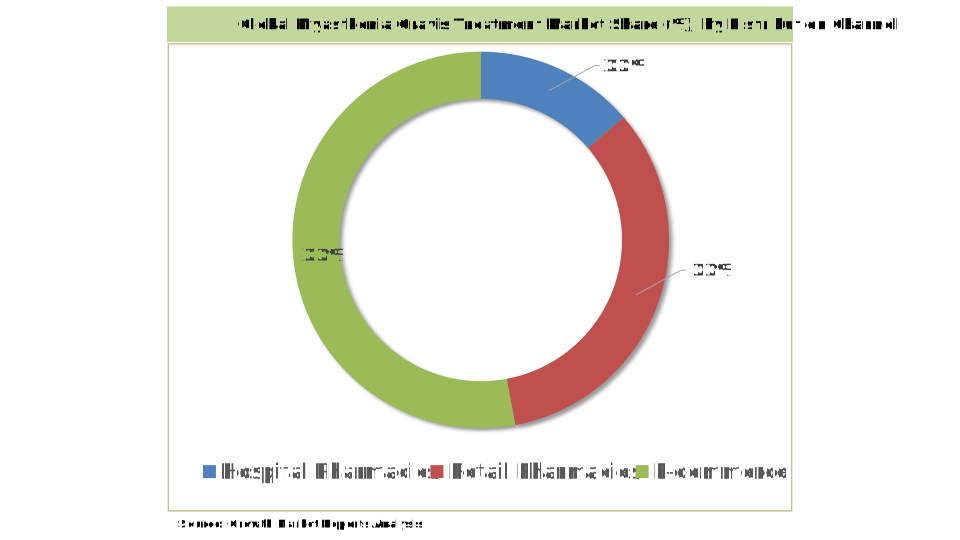
The Distribution Channel segment of the Myasthenia Gravis Treatment market is segmented into hospital pharmacies, retail pharmacies, online pharmacies, and others. Hospital pharmacies account for a significant share of the market due to the high volume of acute care treatments, such as intravenous therapies and surgical interventions, administered in hospital settings. The presence of specialized neurology departments and multidisciplinary care teams in hospitals ensures that patients receive comprehensive and timely treatment, driving demand for hospital pharmacy services.

Retail pharmacies play a vital role in the distribution of oral medications and maintenance therapies for myasthenia gravis. Their widespread presence and accessibility make it convenient for patients to obtain prescription refills and seek pharmacist consultations. Retail pharmacies are particularly important for managing chronic disease, as they enable regular medication adherence and monitoring. The increasing prevalence of myasthenia gravis and the growing number of diagnosed patients have bolstered the importance of retail pharmacies in the overall treatment landscape.

Online pharmacies have emerged as a rapidly growing distribution channel, driven by the increasing adoption of digital health solutions and the convenience of home delivery services. The COVID-19 pandemic accelerated the shift towards online pharmacy platforms, enabling patients to access essential medications without visiting physical stores. Online pharmacies offer a wide range of products, competitive pricing, and value-added services such as medication reminders and virtual consultations. As digital health adoption continues to rise, online pharmacies are expected to capture a larger share of the myasthenia gravis treatment market.

The “Others” segment includes specialty pharmacies and mail-order services, which cater to patients with complex or rare conditions requiring specialized handling and support. These channels often provide personalized care, patient education, and assistance with insurance reimbursement, enhancing the overall treatment experience. The growing complexity of myasthenia gravis therapies and the need for coordinated care are likely to drive further expansion of specialty and mail-order pharmacy services in the coming years.

End-User Analysis

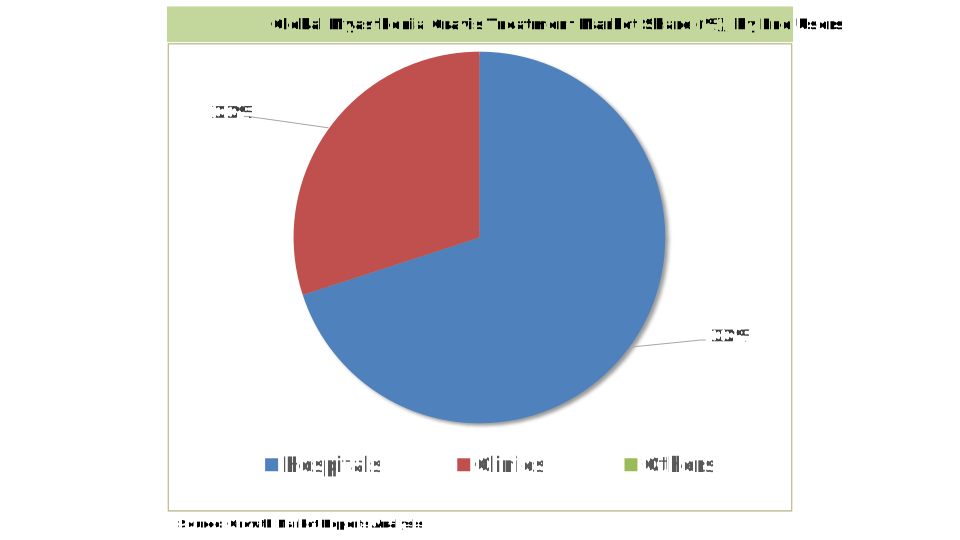
The End-User segment of the Myasthenia Gravis Treatment market comprises hospitals, clinics, homecare, and others. Hospitals remain the primary end-users due to their ability to provide comprehensive care, including acute interventions, surgical procedures, and advanced infusion therapies. The presence of specialized neurology units and multidisciplinary care teams ensures that patients with myasthenia gravis receive timely and coordinated management. Hospitals also play a crucial role in managing severe cases and myasthenic crises, necessitating advanced infrastructure and expertise.

Clinics, particularly neurology and immunology clinics, serve as important centers for the diagnosis, long-term management, and follow-up of myasthenia gravis patients. These settings facilitate regular monitoring, medication adjustments, and patient education, contributing to improved disease control and quality of life. The growing trend towards outpatient care and the expansion of specialized clinics have enhanced patient access to expert care, supporting the growth of this segment.

Homecare has gained prominence as a preferred option for patients requiring long-term maintenance therapy or those with stable disease. Advances in home infusion technologies and telemedicine have enabled patients to receive certain treatments, such as subcutaneous biologics or oral medications, in the comfort of their homes. Homecare services not only improve patient convenience and adherence but also reduce the burden on healthcare facilities. As healthcare systems increasingly emphasize patient-centered care, the homecare segment is expected to witness significant growth.

The “Others” category includes rehabilitation centers, long-term care facilities, and research institutions. These end-users play a supportive role in managing complex cases, conducting clinical trials, and providing rehabilitative services for patients with advanced disease or comorbidities. The integration of multidisciplinary care and ongoing research initiatives in these settings contributes to the overall improvement of patient outcomes and the advancement of myasthenia gravis treatment.

Opportunities & Threats

The Myasthenia Gravis Treatment market presents significant opportunities for growth, primarily driven by the increasing investment in research and development of novel therapies. The emergence of targeted biologics, gene therapies, and personalized medicine approaches offers the potential to revolutionize disease management and improve patient outcomes. Pharmaceutical companies are leveraging advances in immunology and molecular biology to develop innovative treatments that address the underlying pathophysiology of myasthenia gravis. Additionally, expanding clinical trial networks and regulatory incentives for orphan drug development are encouraging the introduction of new and effective therapies, creating lucrative opportunities for market players.

Another major opportunity lies in the expansion of healthcare infrastructure and access to advanced treatments in emerging markets. Countries in Asia Pacific, Latin America, and the Middle East are investing heavily in healthcare modernization, which includes the establishment of specialized neurology centers and the adoption of cutting-edge diagnostic and therapeutic technologies. As awareness of myasthenia gravis increases and diagnostic capabilities improve, previously underserved patient populations are gaining access to effective treatments. Market players that strategically expand their presence in these high-growth regions stand to benefit from the rising demand for myasthenia gravis therapies.

Despite the promising growth prospects, the Myasthenia Gravis Treatment market faces several challenges and restraints. High treatment costs, particularly for novel biologics and advanced therapies, can limit patient access and strain healthcare budgets. In many regions, limited reimbursement coverage and lack of awareness among healthcare providers pose barriers to the adoption of innovative treatments. Additionally, the rarity of myasthenia gravis complicates large-scale clinical research, leading to challenges in generating robust efficacy and safety data. Addressing these barriers will be critical for ensuring equitable access to effective therapies and sustaining market growth.

Regional Outlook

North America accounted for the largest share of the Myasthenia Gravis Treatment market in 2024, with a market value of USD 610 million. The region’s dominance is attributed to its advanced healthcare infrastructure, high disease awareness, and strong presence of leading pharmaceutical companies. The United States, in particular, benefits from extensive research activities, early adoption of innovative therapies, and favorable reimbursement policies for rare diseases. The region is expected to maintain its leadership position, supported by ongoing investments in R&D and the introduction of new treatment options.

Europe follows as the second-largest market, with an estimated value of USD 480 million in 2024. The region’s growth is driven by robust healthcare systems, active patient advocacy groups, and supportive regulatory frameworks that facilitate early diagnosis and treatment access. Countries such as Germany, France, and the United Kingdom are at the forefront of clinical research and therapy adoption. Europe is projected to grow at a CAGR of 7.2% through 2033, propelled by increasing healthcare expenditure and continuous innovation in therapeutic approaches.

The Asia Pacific region is emerging as the fastest-growing market, with a value of USD 260 million in 2024 and an expected CAGR of 8.6% over the forecast period. Rapid improvements in healthcare infrastructure, rising disease awareness, and expanding access to advanced treatments are key growth drivers in countries such as China, Japan, and India. Government initiatives to improve rare disease management and increasing investments by multinational pharmaceutical companies are further accelerating market growth. As a result, Asia Pacific is poised to become a significant contributor to the global myasthenia gravis treatment market by 2033.

Myasthania Gravis Treatment Market Statistics

Competitor Outlook

The Myasthenia Gravis Treatment market is characterized by a competitive landscape featuring both established pharmaceutical giants and emerging biopharmaceutical innovators. The market is marked by intense research and development activity, with companies vying to introduce novel therapies that offer enhanced efficacy, safety, and patient convenience. Strategic collaborations, licensing agreements, and mergers and acquisitions are common as market players seek to expand their product portfolios and strengthen their market presence. The focus on orphan drug development and regulatory incentives has further stimulated competition and innovation in this space.

Leading companies are investing heavily in clinical trials and real-world evidence studies to demonstrate the value of their therapies and secure regulatory approvals. The competitive landscape is also shaped by the introduction of biosimilars and generic versions of established drugs, which enhance market accessibility and affordability. Companies are increasingly adopting patient-centric approaches, offering support programs, educational resources, and adherence solutions to improve treatment outcomes and differentiate their offerings in the marketplace.

The competitive dynamics are further influenced by the rapid adoption of digital health technologies and telemedicine, which enable companies to engage with patients and healthcare providers more effectively. Market leaders are leveraging data analytics, artificial intelligence, and remote monitoring tools to optimize clinical trial design, personalize treatment regimens, and enhance patient engagement. These technological advancements are expected to play a pivotal role in shaping the future of the myasthenia gravis treatment market.

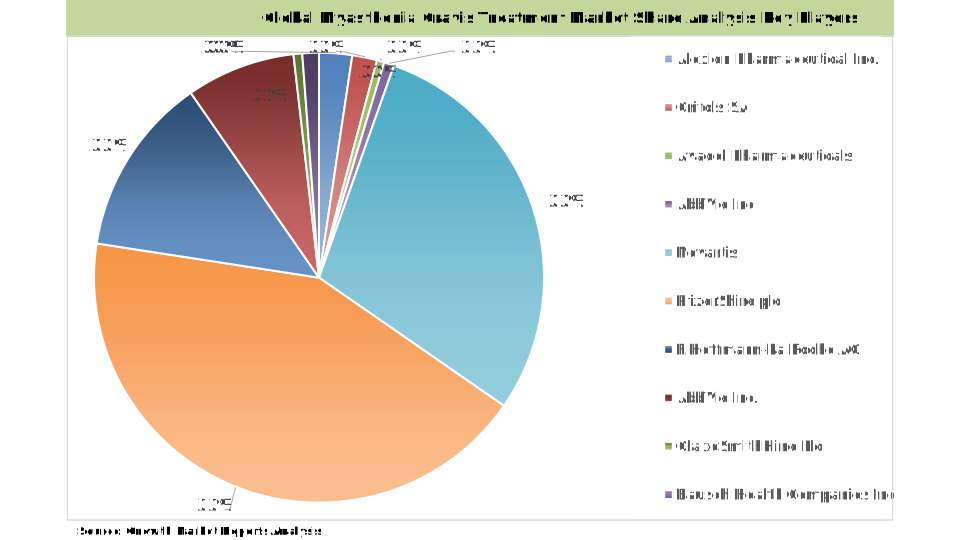
Major companies operating in the Myasthenia Gravis Treatment market include Alexion Pharmaceuticals (AstraZeneca), UCB Pharma, Grifols S.A., CSL Behring, F. Hoffmann-La Roche AG, Novartis AG, Pfizer Inc., GlaxoSmithKline plc, and Argenx SE. Alexion Pharmaceuticals, now part of AstraZeneca, is renowned for its pioneering work in complement inhibition therapies, particularly with its flagship drug Soliris (eculizumab). UCB Pharma has made significant strides with the development of targeted biologics for autoimmune disorders, while Grifols S.A. and CSL Behring are leaders in the plasma therapies segment, offering intravenous immunoglobulin and related products.

F. Hoffmann-La Roche AG and Novartis AG are actively engaged in the development and commercialization of monoclonal antibodies and other innovative biologics targeting myasthenia gravis. Pfizer Inc. and GlaxoSmithKline plc leverage their extensive global reach and R&D capabilities to introduce new therapies and expand access to existing treatments. Argenx SE, a biotechnology company, has gained prominence with its FcRn antagonist efgartigimod, which has demonstrated promising results in clinical trials and received regulatory approval for the treatment of generalized myasthenia gravis.

These companies are distinguished by their commitment to advancing scientific understanding, improving patient outcomes, and addressing unmet medical needs in the myasthenia gravis treatment landscape. Strategic investments in research, partnerships with academic institutions, and engagement with patient advocacy groups are central to their long-term success. As the market continues to evolve, the competitive landscape is expected to remain dynamic, with ongoing innovation and collaboration driving progress in the management of myasthenia gravis.

Key Players

  • Alexion Pharmaceuticals, Inc.
  • Grifols S.A.
  • F. Hoffmann-La Roche Ltd.
  • Novartis AG
  • Pfizer Inc.
  • UCB Pharma S.A.
  • Argenx SE
  • CSL Behring
  • Takeda Pharmaceutical Company Limited
  • Johnson & Johnson (Janssen Pharmaceuticals)
  • Bausch Health Companies Inc.
  • Kezar Life Sciences, Inc.
  • Catalyst Pharmaceuticals, Inc.
  • Immunovant, Inc.
  • Ra Pharmaceuticals, Inc. (acquired by UCB)
  • Octapharma AG
  • Shire (now part of Takeda)
  • Sanofi S.A.
  • Regeneron Pharmaceuticals, Inc.
  • BioMarin Pharmaceutical Inc.
Myasthania Gravis Treatment Market Overview

Segments

The Myasthania Gravis Treatment market has been segmented on the basis of

Treatment Type

  • Medication
  • Surgery
  • Plasmapheresis and Intravenous Immunoglobulin
  • Others

Route Of Administration

  • Oral
  • Intravenous
  • Others

Distribution Channel

  • Hospital Pharmacies
  • Retail Pharmacies
  • Online Pharmacies
  • Others

End-User

  • Hospitals
  • Clinics
  • Homecare
  • Others

Competitive Landscape

Key players in the myasthenia gravis treatment market include Alexion Pharmaceutical Inc., Grifols SA, Avadel Pharmaceuticals, Plc., Novartis, Pfizer, Inc., AbbVie Inc., F.Hoffmann-La Roche AG, GlaxoSmithKline Plc., Bausch Health Companies Inc., Shire plc, UCB Pharma, Mitsubishi Tanabe Pharma, Immunovant, CuraVac, and AstellasPharma. Collaborations, mergers, acquisitions, agreements, and partnerships are some growth strategies adopted by these players to strengthen their geographical presence.

Myasthenia Gravis Treatment Market

Frequently Asked Questions

Yes, the market is projected to grow at a CAGR of 7.6% from 2025 to 2033, driven by ongoing research, new drug approvals, and expanding access to advanced therapies globally.

Recent innovations include the development of novel biologics, monoclonal antibodies, complement inhibitors, FcRn antagonists, and advances in minimally invasive surgical techniques.

Treatments are distributed through hospital pharmacies, retail pharmacies, online pharmacies, and specialty or mail-order pharmacies, each serving different patient needs and care settings.

Challenges include high treatment costs, limited reimbursement coverage, lack of awareness in some regions, and the rarity of the disease, which complicates large-scale clinical research.

Major companies include Alexion Pharmaceuticals (AstraZeneca), UCB Pharma, Grifols S.A., CSL Behring, F. Hoffmann-La Roche AG, Novartis AG, Pfizer Inc., GlaxoSmithKline plc, and Argenx SE.

North America leads the market, followed by Europe. The Asia Pacific region is the fastest-growing due to rising healthcare investments, increasing disease awareness, and expanding access to advanced treatments.

The most common routes are oral and intravenous administration, with emerging options including subcutaneous and intramuscular injections for certain biologics and targeted therapies.

Treatment types include medications (acetylcholinesterase inhibitors, corticosteroids, immunosuppressants), surgery (such as thymectomy), plasmapheresis and intravenous immunoglobulin (IVIg), and emerging therapies like monoclonal antibodies and complement inhibitors.

Key growth drivers include the rising prevalence of autoimmune neuromuscular disorders, advancements in therapeutic approaches, improved diagnostic techniques, and increased awareness among healthcare professionals and patients.

The global Myasthenia Gravis Treatment market was valued at USD 1.48 billion in 2024 and is expected to reach USD 2.89 billion by 2033.

Table Of Content

Chapter 1 Executive Summary
Chapter 2 Assumptions and Acronyms Used
Chapter 3 Research Methodology
Chapter 4 Myasthania Gravis Treatment Market Overview
   4.1 Introduction
      4.1.1 Market Taxonomy
      4.1.2 Market Definition
      4.1.3 Macro-Economic Factors Impacting the Market Growth
   4.2 Myasthania Gravis Treatment Market Dynamics
      4.2.1 Market Drivers
      4.2.2 Market Restraints
      4.2.3 Market Opportunity
   4.3 Myasthania Gravis Treatment Market - Supply Chain Analysis
      4.3.1 List of Key Suppliers
      4.3.2 List of Key Distributors
      4.3.3 List of Key Consumers
   4.4 Key Forces Shaping the Myasthania Gravis Treatment Market
      4.4.1 Bargaining Power of Suppliers
      4.4.2 Bargaining Power of Buyers
      4.4.3 Threat of Substitution
      4.4.4 Threat of New Entrants
      4.4.5 Competitive Rivalry
   4.5 Global Myasthania Gravis Treatment Market Size & Forecast, 2023-2032
      4.5.1 Myasthania Gravis Treatment Market Size and Y-o-Y Growth
      4.5.2 Myasthania Gravis Treatment Market Absolute $ Opportunity

Chapter 5 Global Myasthania Gravis Treatment Market Analysis and Forecast By Treatment Type
   5.1 Introduction
      5.1.1 Key Market Trends & Growth Opportunities By Treatment Type
      5.1.2 Basis Point Share (BPS) Analysis By Treatment Type
      5.1.3 Absolute $ Opportunity Assessment By Treatment Type
   5.2 Myasthania Gravis Treatment Market Size Forecast By Treatment Type
      5.2.1 Medication
      5.2.2 Surgery
      5.2.3 Plasmapheresis and Intravenous Immunoglobulin
      5.2.4 Others
   5.3 Market Attractiveness Analysis By Treatment Type

Chapter 6 Global Myasthania Gravis Treatment Market Analysis and Forecast By Route Of Administration
   6.1 Introduction
      6.1.1 Key Market Trends & Growth Opportunities By Route Of Administration
      6.1.2 Basis Point Share (BPS) Analysis By Route Of Administration
      6.1.3 Absolute $ Opportunity Assessment By Route Of Administration
   6.2 Myasthania Gravis Treatment Market Size Forecast By Route Of Administration
      6.2.1 Oral
      6.2.2 Intravenous
      6.2.3 Others
   6.3 Market Attractiveness Analysis By Route Of Administration

Chapter 7 Global Myasthania Gravis Treatment Market Analysis and Forecast By Distribution Channel
   7.1 Introduction
      7.1.1 Key Market Trends & Growth Opportunities By Distribution Channel
      7.1.2 Basis Point Share (BPS) Analysis By Distribution Channel
      7.1.3 Absolute $ Opportunity Assessment By Distribution Channel
   7.2 Myasthania Gravis Treatment Market Size Forecast By Distribution Channel
      7.2.1 Hospital Pharmacies
      7.2.2 Retail Pharmacies
      7.2.3 Online Pharmacies
      7.2.4 Others
   7.3 Market Attractiveness Analysis By Distribution Channel

Chapter 8 Global Myasthania Gravis Treatment Market Analysis and Forecast By End-User
   8.1 Introduction
      8.1.1 Key Market Trends & Growth Opportunities By End-User
      8.1.2 Basis Point Share (BPS) Analysis By End-User
      8.1.3 Absolute $ Opportunity Assessment By End-User
   8.2 Myasthania Gravis Treatment Market Size Forecast By End-User
      8.2.1 Hospitals
      8.2.2 Clinics
      8.2.3 Homecare
      8.2.4 Others
   8.3 Market Attractiveness Analysis By End-User

Chapter 9 Global Myasthania Gravis Treatment Market Analysis and Forecast by Region
   9.1 Introduction
      9.1.1 Key Market Trends & Growth Opportunities By Region
      9.1.2 Basis Point Share (BPS) Analysis By Region
      9.1.3 Absolute $ Opportunity Assessment By Region
   9.2 Myasthania Gravis Treatment Market Size Forecast By Region
      9.2.1 North America
      9.2.2 Europe
      9.2.3 Asia Pacific
      9.2.4 Latin America
      9.2.5 Middle East & Africa (MEA)
   9.3 Market Attractiveness Analysis By Region

Chapter 10 Coronavirus Disease (COVID-19) Impact 
   10.1 Introduction 
   10.2 Current & Future Impact Analysis 
   10.3 Economic Impact Analysis 
   10.4 Government Policies 
   10.5 Investment Scenario

Chapter 11 North America Myasthania Gravis Treatment Analysis and Forecast
   11.1 Introduction
   11.2 North America Myasthania Gravis Treatment Market Size Forecast by Country
      11.2.1 U.S.
      11.2.2 Canada
   11.3 Basis Point Share (BPS) Analysis by Country
   11.4 Absolute $ Opportunity Assessment by Country
   11.5 Market Attractiveness Analysis by Country
   11.6 North America Myasthania Gravis Treatment Market Size Forecast By Treatment Type
      11.6.1 Medication
      11.6.2 Surgery
      11.6.3 Plasmapheresis and Intravenous Immunoglobulin
      11.6.4 Others
   11.7 Basis Point Share (BPS) Analysis By Treatment Type 
   11.8 Absolute $ Opportunity Assessment By Treatment Type 
   11.9 Market Attractiveness Analysis By Treatment Type
   11.10 North America Myasthania Gravis Treatment Market Size Forecast By Route Of Administration
      11.10.1 Oral
      11.10.2 Intravenous
      11.10.3 Others
   11.11 Basis Point Share (BPS) Analysis By Route Of Administration 
   11.12 Absolute $ Opportunity Assessment By Route Of Administration 
   11.13 Market Attractiveness Analysis By Route Of Administration
   11.14 North America Myasthania Gravis Treatment Market Size Forecast By Distribution Channel
      11.14.1 Hospital Pharmacies
      11.14.2 Retail Pharmacies
      11.14.3 Online Pharmacies
      11.14.4 Others
   11.15 Basis Point Share (BPS) Analysis By Distribution Channel 
   11.16 Absolute $ Opportunity Assessment By Distribution Channel 
   11.17 Market Attractiveness Analysis By Distribution Channel
   11.18 North America Myasthania Gravis Treatment Market Size Forecast By End-User
      11.18.1 Hospitals
      11.18.2 Clinics
      11.18.3 Homecare
      11.18.4 Others
   11.19 Basis Point Share (BPS) Analysis By End-User 
   11.20 Absolute $ Opportunity Assessment By End-User 
   11.21 Market Attractiveness Analysis By End-User

Chapter 12 Europe Myasthania Gravis Treatment Analysis and Forecast
   12.1 Introduction
   12.2 Europe Myasthania Gravis Treatment Market Size Forecast by Country
      12.2.1 Germany
      12.2.2 France
      12.2.3 Italy
      12.2.4 U.K.
      12.2.5 Spain
      12.2.6 Russia
      12.2.7 Rest of Europe
   12.3 Basis Point Share (BPS) Analysis by Country
   12.4 Absolute $ Opportunity Assessment by Country
   12.5 Market Attractiveness Analysis by Country
   12.6 Europe Myasthania Gravis Treatment Market Size Forecast By Treatment Type
      12.6.1 Medication
      12.6.2 Surgery
      12.6.3 Plasmapheresis and Intravenous Immunoglobulin
      12.6.4 Others
   12.7 Basis Point Share (BPS) Analysis By Treatment Type 
   12.8 Absolute $ Opportunity Assessment By Treatment Type 
   12.9 Market Attractiveness Analysis By Treatment Type
   12.10 Europe Myasthania Gravis Treatment Market Size Forecast By Route Of Administration
      12.10.1 Oral
      12.10.2 Intravenous
      12.10.3 Others
   12.11 Basis Point Share (BPS) Analysis By Route Of Administration 
   12.12 Absolute $ Opportunity Assessment By Route Of Administration 
   12.13 Market Attractiveness Analysis By Route Of Administration
   12.14 Europe Myasthania Gravis Treatment Market Size Forecast By Distribution Channel
      12.14.1 Hospital Pharmacies
      12.14.2 Retail Pharmacies
      12.14.3 Online Pharmacies
      12.14.4 Others
   12.15 Basis Point Share (BPS) Analysis By Distribution Channel 
   12.16 Absolute $ Opportunity Assessment By Distribution Channel 
   12.17 Market Attractiveness Analysis By Distribution Channel
   12.18 Europe Myasthania Gravis Treatment Market Size Forecast By End-User
      12.18.1 Hospitals
      12.18.2 Clinics
      12.18.3 Homecare
      12.18.4 Others
   12.19 Basis Point Share (BPS) Analysis By End-User 
   12.20 Absolute $ Opportunity Assessment By End-User 
   12.21 Market Attractiveness Analysis By End-User

Chapter 13 Asia Pacific Myasthania Gravis Treatment Analysis and Forecast
   13.1 Introduction
   13.2 Asia Pacific Myasthania Gravis Treatment Market Size Forecast by Country
      13.2.1 China
      13.2.2 Japan
      13.2.3 South Korea
      13.2.4 India
      13.2.5 Australia
      13.2.6 South East Asia (SEA)
      13.2.7 Rest of Asia Pacific (APAC)
   13.3 Basis Point Share (BPS) Analysis by Country
   13.4 Absolute $ Opportunity Assessment by Country
   13.5 Market Attractiveness Analysis by Country
   13.6 Asia Pacific Myasthania Gravis Treatment Market Size Forecast By Treatment Type
      13.6.1 Medication
      13.6.2 Surgery
      13.6.3 Plasmapheresis and Intravenous Immunoglobulin
      13.6.4 Others
   13.7 Basis Point Share (BPS) Analysis By Treatment Type 
   13.8 Absolute $ Opportunity Assessment By Treatment Type 
   13.9 Market Attractiveness Analysis By Treatment Type
   13.10 Asia Pacific Myasthania Gravis Treatment Market Size Forecast By Route Of Administration
      13.10.1 Oral
      13.10.2 Intravenous
      13.10.3 Others
   13.11 Basis Point Share (BPS) Analysis By Route Of Administration 
   13.12 Absolute $ Opportunity Assessment By Route Of Administration 
   13.13 Market Attractiveness Analysis By Route Of Administration
   13.14 Asia Pacific Myasthania Gravis Treatment Market Size Forecast By Distribution Channel
      13.14.1 Hospital Pharmacies
      13.14.2 Retail Pharmacies
      13.14.3 Online Pharmacies
      13.14.4 Others
   13.15 Basis Point Share (BPS) Analysis By Distribution Channel 
   13.16 Absolute $ Opportunity Assessment By Distribution Channel 
   13.17 Market Attractiveness Analysis By Distribution Channel
   13.18 Asia Pacific Myasthania Gravis Treatment Market Size Forecast By End-User
      13.18.1 Hospitals
      13.18.2 Clinics
      13.18.3 Homecare
      13.18.4 Others
   13.19 Basis Point Share (BPS) Analysis By End-User 
   13.20 Absolute $ Opportunity Assessment By End-User 
   13.21 Market Attractiveness Analysis By End-User

Chapter 14 Latin America Myasthania Gravis Treatment Analysis and Forecast
   14.1 Introduction
   14.2 Latin America Myasthania Gravis Treatment Market Size Forecast by Country
      14.2.1 Brazil
      14.2.2 Mexico
      14.2.3 Rest of Latin America (LATAM)
   14.3 Basis Point Share (BPS) Analysis by Country
   14.4 Absolute $ Opportunity Assessment by Country
   14.5 Market Attractiveness Analysis by Country
   14.6 Latin America Myasthania Gravis Treatment Market Size Forecast By Treatment Type
      14.6.1 Medication
      14.6.2 Surgery
      14.6.3 Plasmapheresis and Intravenous Immunoglobulin
      14.6.4 Others
   14.7 Basis Point Share (BPS) Analysis By Treatment Type 
   14.8 Absolute $ Opportunity Assessment By Treatment Type 
   14.9 Market Attractiveness Analysis By Treatment Type
   14.10 Latin America Myasthania Gravis Treatment Market Size Forecast By Route Of Administration
      14.10.1 Oral
      14.10.2 Intravenous
      14.10.3 Others
   14.11 Basis Point Share (BPS) Analysis By Route Of Administration 
   14.12 Absolute $ Opportunity Assessment By Route Of Administration 
   14.13 Market Attractiveness Analysis By Route Of Administration
   14.14 Latin America Myasthania Gravis Treatment Market Size Forecast By Distribution Channel
      14.14.1 Hospital Pharmacies
      14.14.2 Retail Pharmacies
      14.14.3 Online Pharmacies
      14.14.4 Others
   14.15 Basis Point Share (BPS) Analysis By Distribution Channel 
   14.16 Absolute $ Opportunity Assessment By Distribution Channel 
   14.17 Market Attractiveness Analysis By Distribution Channel
   14.18 Latin America Myasthania Gravis Treatment Market Size Forecast By End-User
      14.18.1 Hospitals
      14.18.2 Clinics
      14.18.3 Homecare
      14.18.4 Others
   14.19 Basis Point Share (BPS) Analysis By End-User 
   14.20 Absolute $ Opportunity Assessment By End-User 
   14.21 Market Attractiveness Analysis By End-User

Chapter 15 Middle East & Africa (MEA) Myasthania Gravis Treatment Analysis and Forecast
   15.1 Introduction
   15.2 Middle East & Africa (MEA) Myasthania Gravis Treatment Market Size Forecast by Country
      15.2.1 Saudi Arabia
      15.2.2 South Africa
      15.2.3 UAE
      15.2.4 Rest of Middle East & Africa (MEA)
   15.3 Basis Point Share (BPS) Analysis by Country
   15.4 Absolute $ Opportunity Assessment by Country
   15.5 Market Attractiveness Analysis by Country
   15.6 Middle East & Africa (MEA) Myasthania Gravis Treatment Market Size Forecast By Treatment Type
      15.6.1 Medication
      15.6.2 Surgery
      15.6.3 Plasmapheresis and Intravenous Immunoglobulin
      15.6.4 Others
   15.7 Basis Point Share (BPS) Analysis By Treatment Type 
   15.8 Absolute $ Opportunity Assessment By Treatment Type 
   15.9 Market Attractiveness Analysis By Treatment Type
   15.10 Middle East & Africa (MEA) Myasthania Gravis Treatment Market Size Forecast By Route Of Administration
      15.10.1 Oral
      15.10.2 Intravenous
      15.10.3 Others
   15.11 Basis Point Share (BPS) Analysis By Route Of Administration 
   15.12 Absolute $ Opportunity Assessment By Route Of Administration 
   15.13 Market Attractiveness Analysis By Route Of Administration
   15.14 Middle East & Africa (MEA) Myasthania Gravis Treatment Market Size Forecast By Distribution Channel
      15.14.1 Hospital Pharmacies
      15.14.2 Retail Pharmacies
      15.14.3 Online Pharmacies
      15.14.4 Others
   15.15 Basis Point Share (BPS) Analysis By Distribution Channel 
   15.16 Absolute $ Opportunity Assessment By Distribution Channel 
   15.17 Market Attractiveness Analysis By Distribution Channel
   15.18 Middle East & Africa (MEA) Myasthania Gravis Treatment Market Size Forecast By End-User
      15.18.1 Hospitals
      15.18.2 Clinics
      15.18.3 Homecare
      15.18.4 Others
   15.19 Basis Point Share (BPS) Analysis By End-User 
   15.20 Absolute $ Opportunity Assessment By End-User 
   15.21 Market Attractiveness Analysis By End-User

Chapter 16 Competition Landscape 
   16.1 Myasthania Gravis Treatment Market: Competitive Dashboard
   16.2 Global Myasthania Gravis Treatment Market: Market Share Analysis, 2023
   16.3 Company Profiles (Details – Overview, Financials, Developments, Strategy) 
      16.3.1 Alexion Pharmaceuticals, Inc.
Grifols S.A.
F. Hoffmann-La Roche Ltd.
Novartis AG
Pfizer Inc.
UCB Pharma S.A.
Argenx SE
CSL Behring
Takeda Pharmaceutical Company Limited
Johnson & Johnson (Janssen Pharmaceuticals)
Bausch Health Companies Inc.
Kezar Life Sciences, Inc.
Catalyst Pharmaceuticals, Inc.
Immunovant, Inc.
Ra Pharmaceuticals, Inc. (acquired by UCB)
Octapharma AG
Shire (now part of Takeda)
Sanofi S.A.
Regeneron Pharmaceuticals, Inc.
BioMarin Pharmaceutical Inc.

Methodology

Our Clients

Deloitte
Honda Motor Co. Ltd.
General Mills
The John Holland Group
Pfizer
Dassault Aviation
Nestle SA
General Electric