Segments - by Product Type (Food Grade, Feed Grade, Industrial Grade), by Application (Food & Beverages, Animal Feed, Pharmaceuticals, Others), by Distribution Channel (Direct Sales, Indirect Sales), by End-User (Household, Commercial, Industrial)
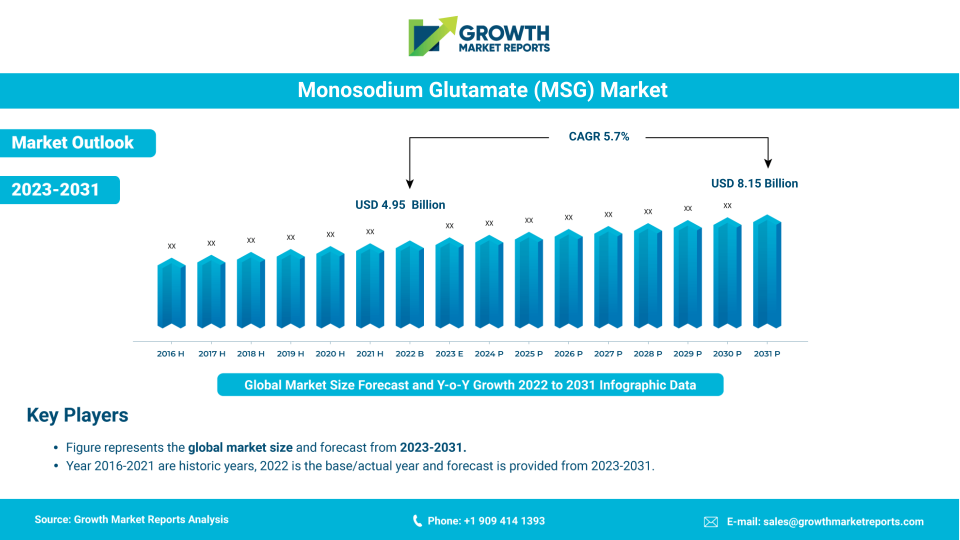
According to our latest research, the global Monosodium Glutamate (MSG) market size reached USD 6.7 billion in 2024, demonstrating robust demand across diverse end-use industries. The market is experiencing a healthy compound annual growth rate (CAGR) of 4.2% from 2025 to 2033, driven by rising consumption in the food and beverage sector, expanding applications in animal feed, and the growing demand for flavor enhancers in emerging economies. By 2033, the Monosodium Glutamate (MSG) market is projected to attain a value of approximately USD 9.7 billion, reflecting the ongoing transformation in global dietary patterns and industrial applications. This comprehensive analysis is based on the most up-to-date industry data and market intelligence as of 2025.
One of the primary growth factors for the Monosodium Glutamate (MSG) market is the escalating demand for processed and convenience foods worldwide. As urbanization accelerates and lifestyles become increasingly fast-paced, consumers are seeking out ready-to-eat meals and packaged food products that offer both taste and convenience. MSG, renowned for its ability to enhance umami flavor, is a critical ingredient in a vast array of savory foods, ranging from instant noodles and soups to snacks and frozen meals. Food manufacturers are leveraging MSG to improve palatability and mask off-flavors, thereby meeting consumer expectations for taste without significantly increasing sodium content. This trend is particularly pronounced in Asia Pacific, where MSG usage in culinary traditions is deeply entrenched, but it is also gaining traction in North America and Europe as global cuisines become more popular and accepted.
Another significant driver for the MSG market is the expanding application scope beyond the traditional food and beverage sector. The use of MSG as a feed additive in animal nutrition is witnessing steady growth, as it improves feed palatability and nutrient absorption, leading to enhanced animal growth and productivity. The pharmaceutical industry is also exploring MSG for its functional properties, particularly in drug formulation and as an excipient. Furthermore, the industrial grade of MSG is finding niche applications in chemical synthesis and other industrial processes. The diversification of end-use applications is not only broadening the market base but also mitigating risks associated with regulatory scrutiny and changing consumer perceptions in any single sector. This multi-faceted demand landscape is expected to sustain the growth momentum of the MSG market throughout the forecast period.
Technological advancements and process innovations in MSG production are further fueling market expansion. Leading manufacturers are investing in fermentation-based production methods that utilize renewable feedstocks, resulting in higher yields, reduced environmental impact, and improved product purity. These innovations are enabling cost efficiencies and supporting the market’s transition towards more sustainable practices. Additionally, companies are focusing on optimizing distribution channels to ensure MSG’s availability across both developed and emerging markets. Direct sales to food manufacturers and strategic partnerships with distributors are enabling broader market penetration, while e-commerce platforms are making MSG accessible to household consumers. The synergy of technological progress and strategic market initiatives is expected to reinforce the competitive position of key players and accelerate global market growth.
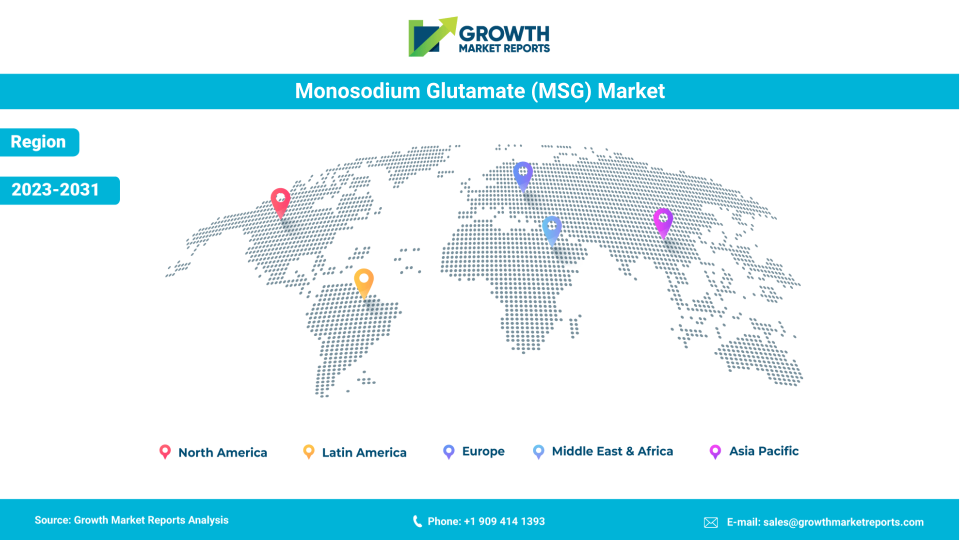
Regionally, Asia Pacific dominates the Monosodium Glutamate (MSG) market, accounting for more than 65% of global consumption in 2024, driven by the region’s large population base, culinary traditions, and strong presence of leading manufacturers. China, in particular, is the world’s largest producer and consumer of MSG, with significant exports to other regions. North America and Europe are witnessing moderate but steady growth, as consumer acceptance of MSG improves and regulatory frameworks become more supportive. Latin America and the Middle East & Africa are emerging as high-potential markets, underpinned by changing dietary patterns and increasing investments in food processing industries. The dynamic interplay of regional demand drivers, regulatory environments, and cultural factors will continue to shape the global MSG market landscape in the coming years.
The Monosodium Glutamate (MSG) market by product type is segmented into food grade, feed grade, and industrial grade. Food grade MSG represents the largest share of the market, accounting for over 80% of total volume in 2024. This dominance is attributed to the widespread use of MSG as a flavor enhancer in processed foods, snacks, soups, sauces, and ready-to-eat meals. Food grade MSG is subject to stringent quality and safety standards, ensuring its suitability for human consumption. Manufacturers are continually innovating to improve the purity and solubility of food grade MSG, making it more appealing to food processors and end consumers alike. The growing demand for umami-rich foods and the increasing popularity of Asian cuisines in Western markets are further propelling the growth of this segment.
Feed grade MSG, while representing a smaller share, is gaining traction as a valuable additive in animal nutrition. Its ability to enhance feed palatability and stimulate appetite in livestock and poultry has made it an attractive option for feed manufacturers. The use of MSG in animal feed is particularly prominent in regions with intensive animal husbandry practices, such as China, Southeast Asia, and parts of Latin America. Feed grade MSG is formulated to meet the specific requirements of animal health and safety, and its adoption is supported by research demonstrating improved feed conversion ratios and animal growth rates. This segment is expected to exhibit a steady CAGR over the forecast period, driven by the expanding global demand for animal protein and the need for efficient feed solutions.
Industrial grade MSG constitutes a niche but important segment of the market. It is used in various industrial applications, including chemical synthesis, fermentation processes, and as a precursor for the production of other compounds. Industrial grade MSG is typically manufactured to less stringent purity standards compared to food and feed grades, which makes it more cost-effective for non-food applications. The growth of this segment is closely linked to developments in the chemical and biotechnology industries, where MSG’s unique properties are leveraged for specialized applications. Although the volume demand is relatively modest, the industrial grade segment contributes to the overall diversification and resilience of the MSG market.
The competitive landscape within the product type segments is characterized by the presence of both multinational corporations and regional players. Leading companies focus on optimizing production processes for each grade, ensuring compliance with regulatory standards, and catering to the specific needs of their target customers. Investments in research and development are aimed at enhancing product quality, reducing production costs, and exploring new applications for MSG. The ability to offer a comprehensive portfolio of MSG grades is a key differentiator for market leaders, enabling them to capture a broad spectrum of demand across various end-use industries.
In summary, the segmentation of the Monosodium Glutamate (MSG) market by product type reflects the diverse and evolving applications of MSG across the global economy. The continued dominance of food grade MSG, coupled with the rising significance of feed and industrial grades, underscores the adaptability of MSG as a versatile ingredient and industrial input. As consumer preferences, regulatory requirements, and technological advancements continue to evolve, the product type segmentation will remain a critical factor in shaping market strategies and driving future growth.
| Attributes | Details |
| Report Title | Monosodium Glutamate (MSG) Market Research Report 2033 |
| By Product Type | Food Grade, Feed Grade, Industrial Grade |
| By Application | Food & Beverages, Animal Feed, Pharmaceuticals, Others |
| By Distribution Channel | Direct Sales, Indirect Sales |
| By End-User | Household, Commercial, Industrial |
| Regions Covered | North America, Europe, APAC, Latin America, MEA |
| Base Year | 2024 |
| Historic Data | 2018-2023 |
| Forecast Period | 2025-2033 |
| Number of Pages | 299 |
| Number of Tables & Figures | 316 |
| Customization Available | Yes, the report can be customized as per your need. |
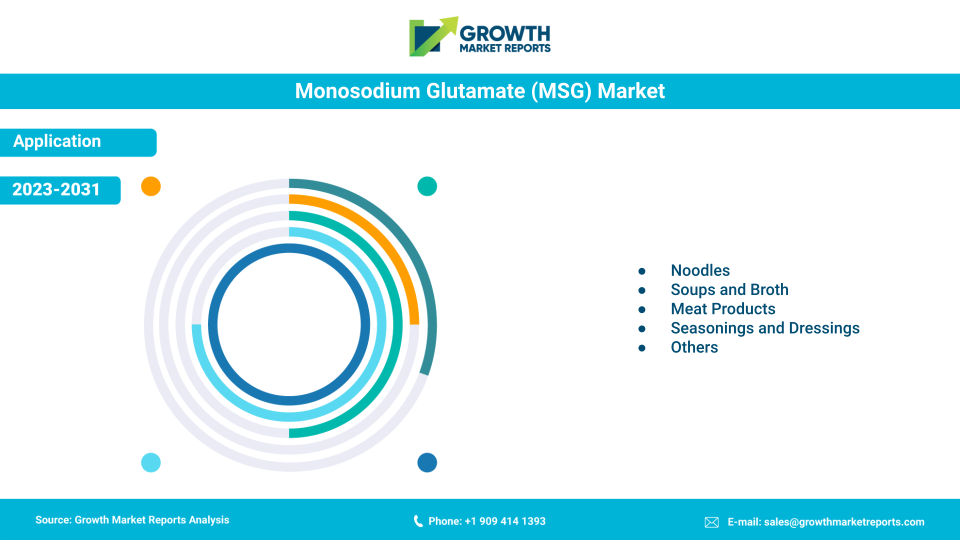
The Monosodium Glutamate (MSG) market is segmented by application into food & beverages, animal feed, pharmaceuticals, and others. The food & beverages segment is by far the largest, accounting for nearly 75% of total market revenue in 2024. MSG’s role as a flavor enhancer is indispensable in the formulation of processed foods, snacks, seasonings, and culinary products. The ongoing expansion of the food processing industry, particularly in emerging markets, is fueling the demand for MSG in this segment. Consumers’ growing preference for savory flavors, combined with the trend towards reducing sodium content in foods without compromising taste, is further strengthening MSG’s position in the food and beverage sector. Major food manufacturers are actively incorporating MSG into their product portfolios to cater to evolving consumer preferences and to gain a competitive edge in crowded marketplaces.
The animal feed segment is witnessing increasing adoption of MSG as a feed additive, especially in regions with intensive livestock production systems. MSG is valued for its ability to improve feed palatability, stimulate feed intake, and enhance nutrient absorption in animals. These benefits translate into improved growth rates, better feed conversion ratios, and overall enhanced productivity in livestock and poultry farming. The rising global demand for animal protein, coupled with the need for cost-effective and efficient feed solutions, is driving the growth of MSG usage in animal feed. Regulatory bodies in key markets have established guidelines for the safe use of MSG in animal nutrition, further supporting the expansion of this application segment.
In the pharmaceutical sector, MSG is utilized for its functional properties as an excipient and stabilizer in drug formulations. Its solubility, stability, and compatibility with other ingredients make it a valuable component in the production of tablets, capsules, and injectable solutions. Pharmaceutical-grade MSG is manufactured to meet stringent purity and safety requirements, ensuring its suitability for medical applications. The growth of the pharmaceutical industry, particularly in developing regions, is expected to create new opportunities for MSG suppliers. Additionally, ongoing research into the potential health benefits and therapeutic applications of MSG may further expand its role in the pharmaceutical sector over the forecast period.
The “others” application segment encompasses a range of industrial uses for MSG, including its role as a precursor in chemical synthesis, fermentation processes, and as a stabilizing agent in various manufacturing operations. While this segment represents a smaller share of the overall market, it is characterized by innovation and the exploration of new functional applications for MSG. The versatility of MSG as a chemical intermediate and process aid is being leveraged in sectors such as biotechnology, agriculture, and specialty chemicals. The continued development of novel applications for MSG is expected to contribute to the long-term growth and diversification of the market.
Overall, the application-based segmentation of the Monosodium Glutamate (MSG) market highlights the ingredient’s versatility and broad utility across multiple industries. The dominant position of the food and beverage segment underscores MSG’s enduring relevance as a flavor enhancer, while the growing significance of animal feed, pharmaceuticals, and industrial applications reflects the market’s adaptability and potential for future expansion. As industry players continue to innovate and explore new uses for MSG, the application landscape is poised to evolve, offering fresh growth opportunities and reinforcing MSG’s status as a key ingredient in the global economy.
The Monosodium Glutamate (MSG) market is distributed through both direct and indirect sales channels, each playing a critical role in ensuring product availability and accessibility across diverse end-user segments. Direct sales, which involve transactions between manufacturers and large-scale buyers such as food processors, animal feed producers, and pharmaceutical companies, account for a significant portion of market revenue. These transactions are often characterized by long-term contracts, bulk purchasing arrangements, and customized product offerings tailored to the specific needs of industrial clients. Direct sales channels enable manufacturers to build strong relationships with key customers, streamline supply chain operations, and ensure consistent product quality and timely delivery. The increasing trend towards vertical integration and strategic partnerships between MSG producers and large end-users is further strengthening the direct sales channel.
Indirect sales channels, which include wholesalers, distributors, retailers, and e-commerce platforms, are essential for reaching a broader customer base, particularly in the household and small-scale commercial segments. Distributors and wholesalers play a vital role in aggregating demand from multiple smaller buyers, managing inventory, and providing value-added services such as packaging, labeling, and logistics support. Retailers, including supermarkets, grocery stores, and specialty food shops, make MSG readily available to household consumers and small food businesses. The rise of e-commerce and online retail platforms has further expanded the reach of MSG, enabling manufacturers to tap into emerging markets and cater to the growing demand for convenience and accessibility.
The choice of distribution channel is influenced by several factors, including product grade, end-user requirements, regulatory considerations, and regional market dynamics. For example, food grade MSG is predominantly distributed through direct sales to large food manufacturers, while retail sales channels are more commonly used for household and small business customers. Feed grade and industrial grade MSG are typically sold through specialized distributors with expertise in animal nutrition and industrial chemicals, respectively. The ability to offer flexible and efficient distribution solutions is a key competitive advantage for market players, enabling them to respond quickly to changing customer needs and market conditions.
The evolution of distribution channels in the MSG market is also being shaped by technological advancements and digitalization. Leading companies are investing in digital supply chain management systems, real-time inventory tracking, and data analytics to optimize distribution efficiency and enhance customer service. The integration of digital platforms with traditional distribution networks is enabling manufacturers to streamline order processing, reduce lead times, and improve supply chain transparency. These innovations are particularly important in a global market where timely delivery and product traceability are critical to maintaining customer trust and regulatory compliance.
In conclusion, the distribution channel segmentation of the Monosodium Glutamate (MSG) market reflects the complexity and diversity of the supply chain ecosystem. The effective integration of direct and indirect sales channels is essential for maximizing market coverage, meeting the unique needs of different customer segments, and sustaining long-term growth. As market dynamics continue to evolve, the ability to adapt distribution strategies and leverage technological innovations will be a key determinant of success for MSG manufacturers and distributors worldwide.
The Monosodium Glutamate (MSG) market serves a diverse array of end-users, including household, commercial, and industrial segments. The household segment, encompassing individual consumers who use MSG as a seasoning and flavor enhancer in home cooking, represents a significant portion of the market, particularly in Asia Pacific and other regions where MSG is a staple ingredient in traditional cuisines. The widespread availability of MSG in retail outlets, combined with increasing consumer awareness of its culinary benefits, is driving steady demand in the household segment. Manufacturers are responding by offering consumer-friendly packaging, convenient product formats, and educational campaigns to address misconceptions about MSG safety and health effects.
The commercial end-user segment includes restaurants, catering services, fast food chains, and institutional food service providers. This segment is characterized by high-volume usage of MSG to enhance the taste and appeal of a wide variety of dishes. The growth of the food service industry, fueled by rising disposable incomes, urbanization, and changing consumer lifestyles, is translating into increased demand for MSG among commercial users. Food service operators value MSG for its cost-effectiveness, versatility, and ability to deliver consistent flavor profiles across large-scale meal preparation. Strategic partnerships between MSG suppliers and food service chains are becoming increasingly common, enabling tailored product offerings and supply chain efficiencies.
Industrial end-users, including food and beverage manufacturers, animal feed producers, pharmaceutical companies, and chemical processors, represent the largest and most diverse segment of the MSG market. Industrial users require high-quality, consistent, and customizable MSG solutions to meet the specific requirements of their production processes. The ability to supply large volumes of MSG with guaranteed purity and performance characteristics is a key differentiator for manufacturers targeting this segment. Industrial end-users are also driving demand for specialized MSG grades, such as pharmaceutical and industrial grades, which are tailored to meet stringent regulatory and technical standards.
The evolving needs of end-users are prompting MSG manufacturers to invest in product innovation, quality assurance, and customer support. For example, food and beverage manufacturers are seeking MSG solutions that enable clean-label formulations, reduced sodium content, and enhanced flavor profiles. Animal feed producers are looking for feed additives that improve animal performance while ensuring safety and regulatory compliance. Pharmaceutical companies require excipients that meet the highest standards of purity and functionality. By addressing the unique requirements of each end-user segment, MSG suppliers are able to build long-term relationships, drive customer loyalty, and capture new growth opportunities.
In summary, the end-user segmentation of the Monosodium Glutamate (MSG) market underscores the ingredient’s versatility and adaptability across a wide range of applications. The ability to serve the distinct needs of household, commercial, and industrial users is a testament to the enduring relevance and value proposition of MSG in the global marketplace. As end-user preferences and expectations continue to evolve, manufacturers that prioritize customer-centric innovation and tailored solutions will be best positioned to succeed in this dynamic and competitive market.
The Monosodium Glutamate (MSG) market is poised for significant opportunities in the coming years, driven by the rising demand for processed and convenience foods worldwide. Urbanization, changing lifestyles, and increasing disposable incomes are fueling the consumption of ready-to-eat meals, snacks, and packaged food products, all of which rely heavily on flavor enhancers like MSG to deliver appealing taste profiles. The growing acceptance of global cuisines, particularly Asian flavors, in Western markets is further expanding the addressable market for MSG suppliers. Additionally, the trend towards sodium reduction in food formulations presents an opportunity for MSG, as it enables food manufacturers to maintain or enhance flavor while reducing overall sodium content. The development of clean-label and natural MSG alternatives, as well as the integration of MSG into plant-based and functional food products, represents a promising avenue for innovation and growth.
Another major opportunity lies in the expansion of MSG applications beyond the traditional food and beverage sector. The increasing use of MSG as a feed additive in animal nutrition, driven by the need for efficient and cost-effective feed solutions, is opening up new growth avenues in the animal feed industry. The pharmaceutical sector also presents untapped potential, as MSG’s functional properties make it a valuable excipient and stabilizer in drug formulations. Furthermore, advancements in fermentation technology and sustainable production processes are enabling manufacturers to reduce costs, improve product quality, and minimize environmental impact, thereby enhancing the competitiveness of MSG in global markets. Strategic investments in research and development, partnerships with end-users, and expansion into emerging markets are expected to drive long-term growth and value creation in the MSG market.
Despite these opportunities, the Monosodium Glutamate (MSG) market faces several restraining factors that could impact its growth trajectory. One of the primary challenges is the persistence of negative consumer perceptions and misconceptions regarding the safety and health effects of MSG, particularly in Western markets. Although scientific evidence supports the safety of MSG when consumed within recommended limits, lingering concerns about potential adverse reactions have led some consumers to seek out MSG-free or “natural” alternatives. Regulatory scrutiny and labeling requirements in certain regions may also pose challenges for market expansion. To overcome these barriers, industry stakeholders must invest in consumer education, transparent labeling, and engagement with regulatory authorities to promote a balanced and evidence-based understanding of MSG’s safety and benefits.
The regional distribution of the Monosodium Glutamate (MSG) market highlights significant disparities in consumption patterns, production capacities, and market dynamics. Asia Pacific is the undisputed leader, accounting for approximately USD 4.4 billion of global MSG demand in 2024, or over 65% of the total market. This dominance is driven by the region’s large population, deeply rooted culinary traditions that embrace umami flavors, and the presence of major MSG manufacturers such as China’s Fufeng Group and Meihua Holdings. China alone accounts for more than half of global MSG production and consumption, with substantial exports to Southeast Asia, Japan, and other international markets. The region’s robust food processing industry, rising disposable incomes, and increasing urbanization are expected to sustain high growth rates, with Asia Pacific projected to register a CAGR of 4.7% through 2033.
North America represents the second-largest regional market, with an estimated market size of USD 900 million in 2024. The region’s growth is supported by the increasing acceptance of Asian cuisines, the expansion of the food service industry, and the adoption of MSG in processed food formulations. Regulatory agencies such as the U.S. Food and Drug Administration (FDA) have affirmed the safety of MSG, which has helped to alleviate some consumer concerns and foster greater market penetration. However, lingering negative perceptions and the preference for “clean-label” products continue to influence purchasing decisions in certain segments. The North American MSG market is expected to grow at a moderate pace, with opportunities for innovation in product formulation and marketing strategies.
Europe, with a market size of USD 750 million in 2024, exhibits a similar pattern to North America, characterized by steady but cautious growth. The region’s diverse culinary traditions and regulatory frameworks shape MSG consumption patterns, with higher acceptance in Southern and Eastern Europe compared to Western and Northern regions. The European Food Safety Authority (EFSA) has established guidelines for the safe use of MSG, supporting its inclusion in a range of food products. Latin America and the Middle East & Africa are emerging as high-potential markets, with combined demand reaching USD 650 million in 2024. These regions are benefiting from rising urbanization, expanding food processing industries, and increasing consumer exposure to global cuisines. As market awareness and acceptance of MSG continue to grow, these regions are expected to offer attractive growth opportunities for manufacturers seeking to diversify their geographic footprint.
The Monosodium Glutamate (MSG) market is characterized by intense competition among a mix of global industry leaders, regional players, and specialized manufacturers. Market participants compete on the basis of product quality, pricing, production capacity, technological innovation, and customer service. The presence of large-scale, vertically integrated manufacturers in Asia Pacific, particularly China, has resulted in significant economies of scale and cost advantages, enabling these players to dominate both domestic and international markets. Leading companies are investing in advanced fermentation technologies, sustainable production processes, and supply chain optimization to maintain their competitive edge and respond to evolving market demands.
In addition to established players, the MSG market is witnessing the entry of new participants, particularly in emerging markets where demand is growing rapidly. These entrants are leveraging local market knowledge, flexible production capabilities, and targeted marketing strategies to capture share in niche segments and underserved regions. The competitive landscape is further shaped by strategic partnerships, mergers and acquisitions, and joint ventures aimed at expanding product portfolios, enhancing distribution networks, and accessing new customer segments. Innovation in product development, such as the introduction of low-sodium or natural MSG alternatives, is also emerging as a key differentiator in the marketplace.
Major companies operating in the global MSG market include Fufeng Group, Meihua Holdings Group, Ajinomoto Co., Inc., Shandong Linghua MSG Co., Ltd., Henan Lotus Flower Gourmet Powder Co., Ltd., COFCO Biochemical (Anhui) Co., Ltd., and PT. Indofood Sukses Makmur Tbk. These companies collectively account for a significant share of global MSG production and supply, with extensive manufacturing facilities, distribution networks, and research and development capabilities. For example, Ajinomoto Co., Inc. is a pioneer in the MSG industry, with a strong focus on innovation, quality assurance, and global market expansion. Fufeng Group and Meihua Holdings are leading Chinese manufacturers with substantial production capacities and export-oriented strategies.
Key competitive strategies employed by market leaders include investment in sustainable production technologies, expansion into high-growth markets, product differentiation, and customer-centric service offerings. Companies are also prioritizing regulatory compliance, environmental stewardship, and corporate social responsibility to enhance their brand reputation and build trust with stakeholders. The ability to anticipate and respond to changing consumer preferences, regulatory requirements, and technological advancements will be critical for sustaining competitive advantage in the dynamic and evolving MSG market. As the industry continues to grow and diversify, collaboration, innovation, and operational excellence will remain the hallmarks of successful market participants.
The Monosodium Glutamate (MSG) market has been segmented on the basis of
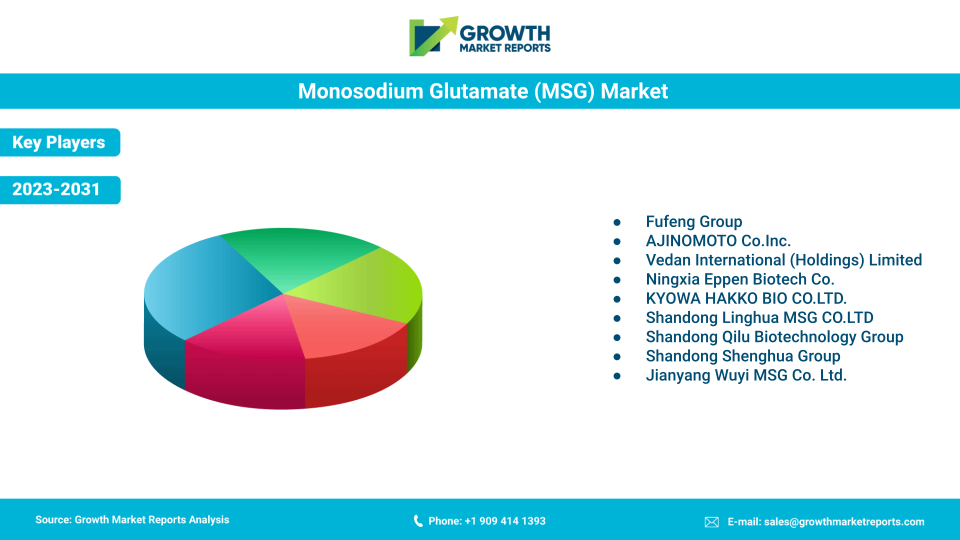
The major players of the market are Fufeng Group, AJINOMOTO Co.Inc., Vedan International (Holdings) Limited, Ningxia Eppen Biotech Co., KYOWA HAKKO BIO CO.LTD., Shandong Linghua MSG Co., Ltd, Shandong Qilu Biotechnology Group, Shandong Shenghua Group, and Jianyang Wuyi MSG Co. Ltd.
Companies are focusing on partnership, acquisitions, and expansions to expand their market share.
Opportunities include expanding into new applications such as animal feed and pharmaceuticals, developing clean-label and natural MSG alternatives, leveraging technological advancements for sustainable production, and targeting emerging markets with rising demand.
Major companies include Ajinomoto Co., Inc., Fufeng Group, Meihua Holdings Group, Shandong Linghua MSG Co., Ltd., Henan Lotus Flower Gourmet Powder Co., Ltd., COFCO Biochemical (Anhui) Co., Ltd., and PT. Indofood Sukses Makmur Tbk.
Yes, challenges include persistent negative consumer perceptions about MSG's safety, regulatory scrutiny, and the demand for clean-label or natural alternatives in certain regions.
Key growth drivers include rising demand for processed and convenience foods, expanding applications in animal feed and pharmaceuticals, technological advancements in production, and increasing acceptance of MSG in emerging markets.
MSG is distributed through both direct sales (to large manufacturers and industrial clients) and indirect sales channels (wholesalers, retailers, and e-commerce platforms) to reach household, commercial, and industrial users.
The MSG market is segmented into food grade, feed grade, and industrial grade. Food grade MSG holds the largest share, while feed and industrial grades are gaining traction for their specialized uses.
MSG is primarily used as a flavor enhancer in food and beverages, but it also has growing applications in animal feed, pharmaceuticals, and various industrial processes.
Asia Pacific dominates the MSG market, accounting for over 65% of global consumption in 2024, driven by a large population, deep-rooted culinary traditions, and the presence of leading manufacturers, especially in China.
The MSG market is expected to grow at a compound annual growth rate (CAGR) of 4.2% from 2025 to 2033, reaching approximately USD 9.7 billion by 2033.
As of 2024, the global Monosodium Glutamate (MSG) market size reached USD 6.7 billion, with strong demand across various end-use industries.