Segments - by Product Type (Protein Markers, DNA Markers, RNA Markers), by Application (Gel Electrophoresis, Western Blotting, PCR, Others), by End-User (Academic and Research Institutes, Pharmaceutical and Biotechnology Companies, Clinical Laboratories, Others)
This report is updated with the latest market data and insights as of June 2026. Base year: 2025 | Forecast period: 2026-2034
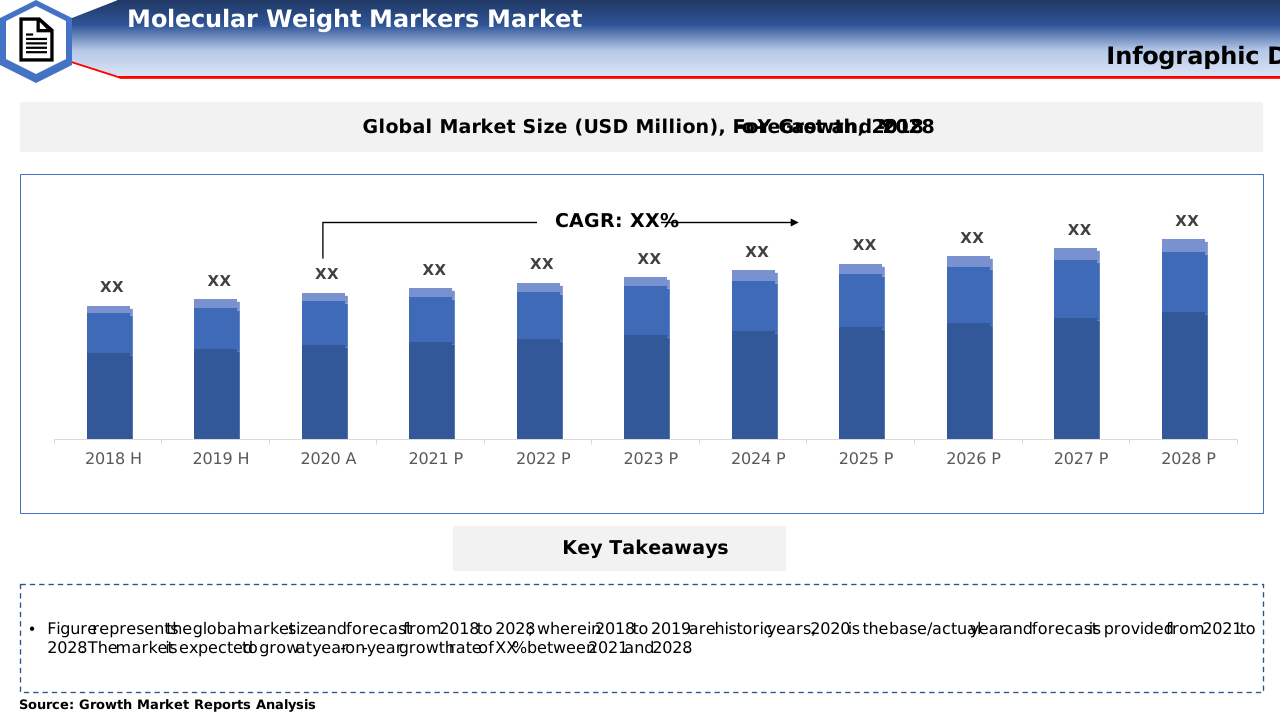
According to our latest research, the global molecular weight markers market size reached USD 653.7 million in 2025, reflecting robust and sustained expansion over the historical period from 2019 to 2024. The market is advancing at a healthy compound annual growth rate (CAGR) of 6.2% and is forecasted to attain a value of USD 1,128.4 million by 2034. This growth is primarily driven by the increasing adoption of advanced molecular biology techniques in research and clinical diagnostics, as well as the rising demand for precise and reliable biomolecular analysis tools across the globe. As per our latest research, the market's upward trajectory is underpinned by technological advancements in marker formulations, rising investments in life sciences, and the expanding applications of molecular weight markers across diverse scientific and healthcare domains.
One of the most significant growth factors for the molecular weight markers market is the rapid expansion of molecular biology and biotechnology research worldwide. The increasing prevalence of genetic disorders, cancer, and infectious diseases has fueled demand for advanced diagnostic and research tools, including molecular weight markers. These markers are essential for accurately determining the size of nucleic acids and proteins during electrophoresis, a foundational step in genomics, proteomics, and cell biology studies. The proliferation of research activities in academic and research institutes, coupled with a surge in funding from both public and private sectors, is further accelerating market growth. Additionally, the integration of automation and digitalization in laboratory workflows has enhanced the efficiency and reproducibility of experiments, thereby increasing adoption of high-quality molecular weight markers across all research tiers.
Another key driver propelling the molecular weight markers market is the growing emphasis on drug discovery and personalized medicine. Pharmaceutical and biotechnology companies are increasingly utilizing molecular weight markers in their research pipelines to identify, characterize, and validate new drug targets. The shift towards precision medicine, which relies on detailed molecular profiling of patients, necessitates the use of accurate and reproducible molecular weight standards. Furthermore, the rise of biopharmaceuticals and biosimilars has intensified the need for stringent quality control and validation processes, where molecular weight markers play a pivotal role. This trend is expected to continue through 2034, as regulatory agencies worldwide demand higher standards of analytical validation in drug development and manufacturing.
Technological advancements in marker formulations and detection methods have also contributed to sustained growth of the molecular weight markers market. The development of pre-stained, multi-colored, and ready-to-use markers has simplified laboratory workflows and reduced the risk of errors, making these products more attractive to end-users. Innovations such as fluorescence-based markers and ladder systems with enhanced resolution have expanded the utility of molecular weight markers in complex applications, including next-generation sequencing and advanced proteomics. For researchers working in nucleic acid analysis, the market for DNA ladders represents a closely related and fast-expanding segment that is benefiting from many of the same tailwinds. The increasing availability of customized and application-specific markers, tailored to the unique requirements of different research and diagnostic settings, is further supporting overall market expansion.
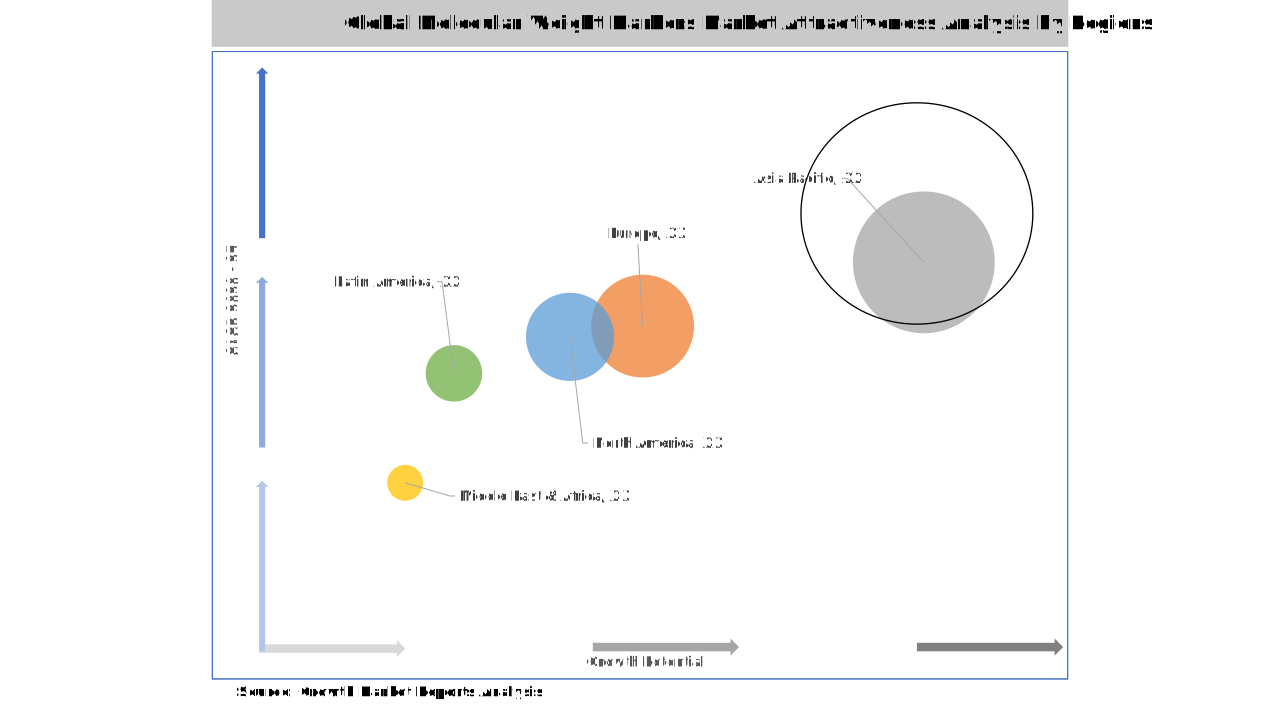
From a regional perspective, North America continues to dominate the molecular weight markers market, driven by the presence of leading biotechnology and pharmaceutical companies, well-established research infrastructure, and significant investments in life sciences. However, Asia Pacific is emerging as the fastest-growing region, fueled by expanding research activities, increasing healthcare expenditure, and favorable government initiatives to promote biotechnology and molecular diagnostics. Europe also holds a substantial share, supported by a strong academic and clinical research landscape. The market is witnessing increased collaboration between industry and academia, fostering innovation and driving the adoption of advanced molecular weight marker products across diverse geographies through the forecast period to 2034.
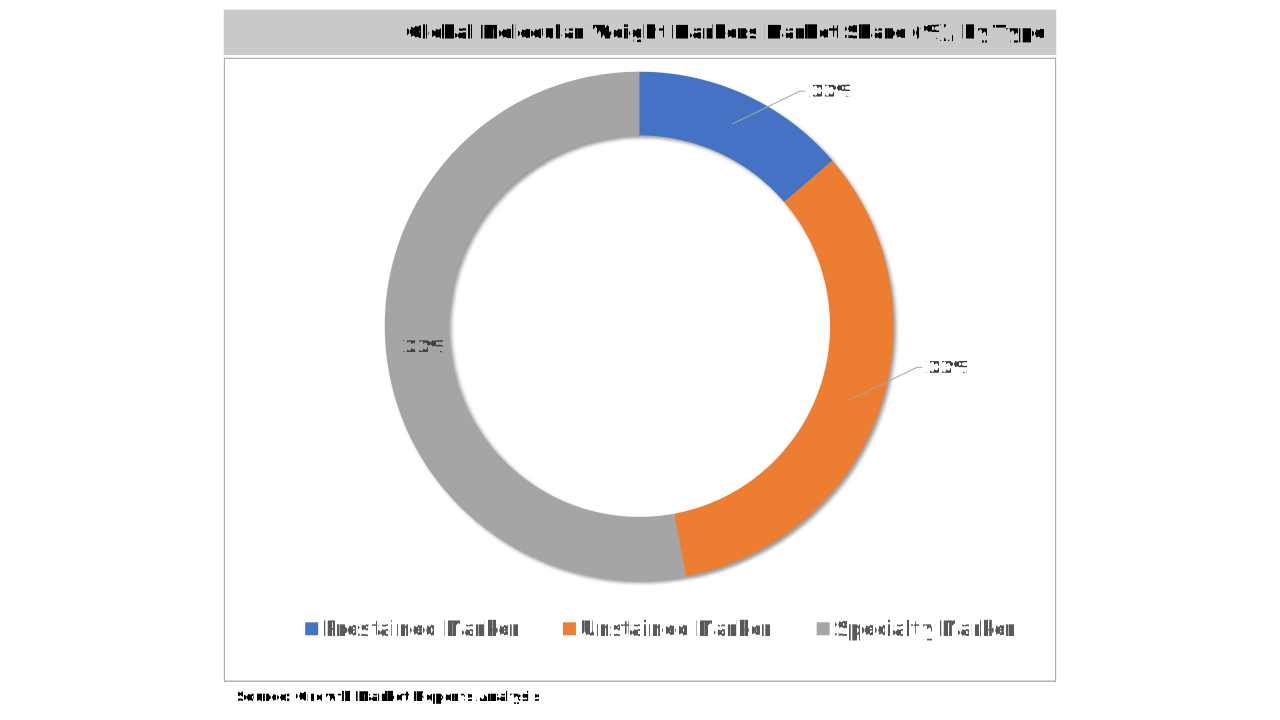
The product type segment of the molecular weight markers market is categorized into protein markers, DNA markers, and RNA markers, each serving distinct applications within molecular biology workflows. Protein markers, also known as protein ladders, are widely utilized in protein electrophoresis to estimate the molecular weight of proteins. They are indispensable in Western blotting, SDS-PAGE, and other protein separation techniques, offering researchers a reliable reference for analyzing unknown protein samples. DNA markers are essential for nucleic acid electrophoresis, enabling accurate sizing of DNA fragments in applications such as restriction enzyme analysis, PCR product verification, and genotyping. The expanding use of standardized nucleic acid sizing references across genomics workflows underscores the strategic importance of this sub-segment. RNA markers, though representing a smaller share, are critical for RNA-based studies including transcriptome analysis and Northern blotting.
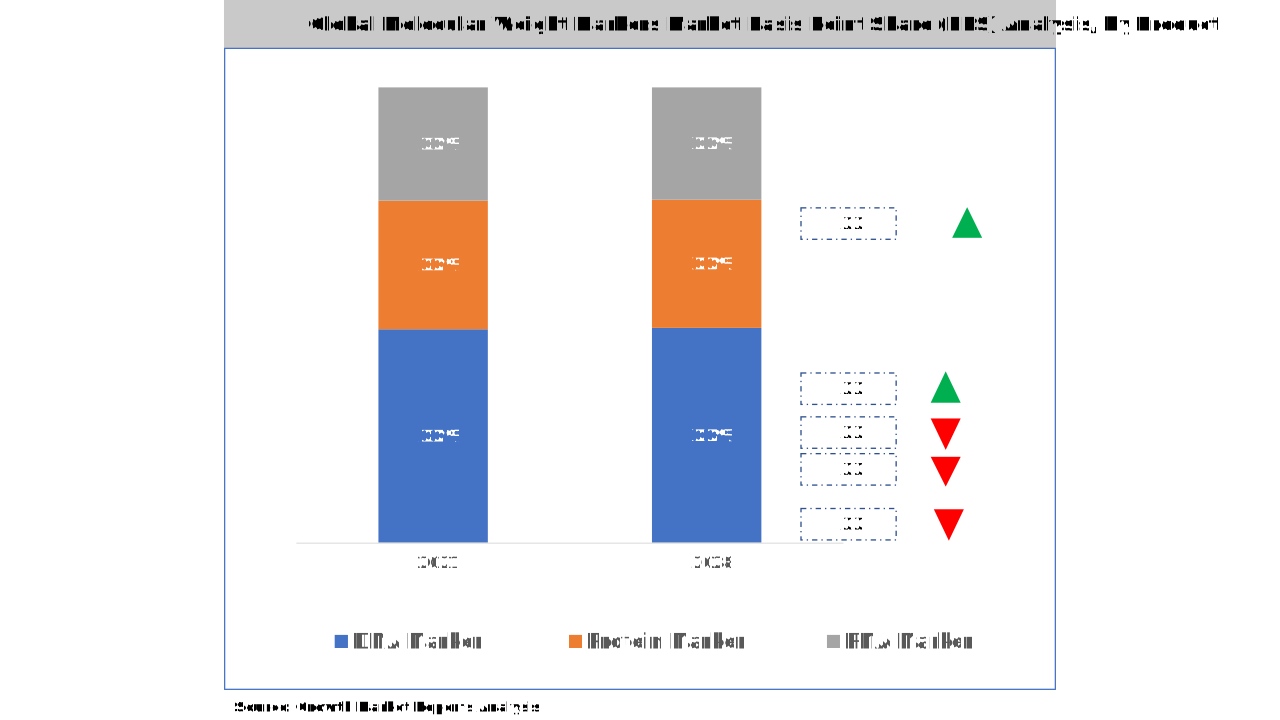
Protein markers currently account for the largest share of the molecular weight markers market at approximately 48.5% of total revenue in 2025, owing to their widespread use in proteomics research and clinical diagnostics. The growing prevalence of protein-related disorders and the expansion of biopharmaceutical research have significantly boosted demand for high-quality protein markers. Technological advancements, such as the development of pre-stained and multi-colored protein ladders, have enhanced the convenience and efficiency of protein analysis. DNA markers are also experiencing robust demand, particularly in genomics and molecular diagnostics, where precise DNA sizing is critical for accurate data interpretation. The increasing adoption of next-generation sequencing and CRISPR-based gene editing technologies is expected to drive further growth in the DNA markers segment through 2034.
RNA markers, while representing approximately 13.3% of total market revenue in 2025, are gaining traction with the rising interest in RNA biology, transcriptomics, and RNA-based therapeutics. Advances in RNA sequencing and the study of non-coding RNAs have highlighted the importance of accurate RNA sizing and quantification, creating new opportunities for RNA marker products. Manufacturers are responding by developing specialized RNA ladders with improved stability and compatibility with various electrophoresis platforms. The growing adoption of mRNA-based therapeutics and RNA interference technologies is also expected to contribute meaningfully to the expansion of the RNA markers segment in the coming years.
The competitive landscape within the product type segment is characterized by a focus on innovation, quality, and customization. Leading market players are investing in research and development to introduce markers with enhanced performance characteristics, such as higher resolution, broader size ranges, and improved compatibility with automated systems. The availability of ready-to-use and application-specific markers is gaining popularity among end-users seeking to streamline their workflows and reduce hands-on time. As demand for precision and reproducibility in molecular biology experiments continues to grow, the product type segment is expected to witness sustained innovation and diversification across the 2026-2034 forecast window.
In summary, the product type segment of the molecular weight markers market is evolving rapidly, driven by technological advancements, expanding research applications, and the increasing need for reliable and easy-to-use marker solutions. The continued growth of protein, DNA, and RNA markers, coupled with ongoing innovation by leading and emerging manufacturers, is expected to sustain the market's upward trajectory through 2034.
| Attributes | Details |
| Report Title | Molecular Weight Markers Market Research Report 2034 |
| By Product Type | Protein Markers, DNA Markers, RNA Markers |
| By Application | Gel Electrophoresis, Western Blotting, PCR, Others |
| By End-User | Academic and Research Institutes, Pharmaceutical and Biotechnology Companies, Clinical Laboratories, Others |
| Regions Covered | North America, Europe, APAC, Latin America, MEA |
| Base Year | 2025 |
| Historic Data | 2019-2024 |
| Forecast Period | 2026-2034 |
| Number of Pages | 285 |
| Number of Tables & Figures | 391 |
| Customization Available | Yes, the report can be customized as per your need. |
The application segment of the molecular weight markers market encompasses gel electrophoresis, Western blotting, PCR, and other related techniques. Gel electrophoresis remains the most widely used application, accounting for a significant share of the market in 2025. This technique is fundamental to molecular biology research, enabling the separation and analysis of proteins, DNA, and RNA based on their size and charge. Molecular weight markers are indispensable in gel electrophoresis, providing a reference for estimating the size of biomolecules and ensuring the accuracy and reliability of experimental results. The increasing adoption of high-throughput and automated electrophoresis systems in research and clinical laboratories is further driving demand for high-quality molecular weight markers across this application.
Western blotting is another key application area, particularly in proteomics and clinical diagnostics. This technique relies on molecular weight markers to verify the identity and size of target proteins, ensuring the specificity and accuracy of antibody-based detection. The growing prevalence of protein-related diseases, such as cancer and neurodegenerative disorders, has heightened demand for Western blotting in both research and diagnostic settings. Advances in blotting techniques, including the use of fluorescent and chemiluminescent detection systems, have increased the complexity and sensitivity of Western blotting, necessitating the use of highly reliable and well-characterized molecular weight markers.
PCR (polymerase chain reaction) and its numerous variations, including qPCR and digital PCR, represent a rapidly expanding application segment within the molecular weight markers market. While PCR itself does not require molecular weight markers directly, the analysis and verification of PCR products through gel electrophoresis depend heavily on these markers. The exponential growth of PCR-based diagnostics, particularly in infectious disease testing and genetic screening, has significantly boosted demand for DNA markers. The continued investment in PCR infrastructure globally, particularly in developing healthcare markets, is expected to drive sustained growth in this application segment through 2034.
Other applications, such as restriction enzyme analysis, genotyping, and next-generation sequencing, also contribute to growing demand for molecular weight markers. These applications often require specialized markers with unique size ranges and detection capabilities, driving innovation and product diversification in the market. The increasing complexity of molecular biology workflows and the need for precise and reproducible results are prompting laboratories to invest in high-quality, application-specific marker products. As new techniques and technologies emerge over the 2026-2034 forecast period, the application segment is expected to continue expanding, offering new opportunities for market growth.
In conclusion, the application segment of the molecular weight markers market is characterized by a broad and evolving range of uses, from traditional gel electrophoresis to advanced molecular diagnostics and sequencing. The growing adoption of molecular biology techniques in research, clinical, and industrial settings is driving sustained demand for reliable and innovative marker solutions, positioning this segment for continued expansion through 2034.
The end-user segment of the molecular weight markers market includes academic and research institutes, pharmaceutical and biotechnology companies, clinical laboratories, and other sectors such as contract research organizations and forensic labs. Academic and research institutes represent the largest end-user group, owing to their extensive involvement in basic and applied research across genomics, proteomics, and cell biology. These institutions rely heavily on molecular weight markers for teaching, training, and research purposes, driving consistent demand for a wide range of marker products. The increasing emphasis on STEM education, coupled with rising research funding from governments and private foundations, is further fueling market growth in this segment through the forecast period.
Pharmaceutical and biotechnology companies constitute another major end-user segment, driven by the expanding focus on drug discovery, development, and manufacturing. These companies utilize molecular weight markers in various stages of the drug development pipeline, including target identification, validation, and quality control. The rise of biopharmaceuticals and biosimilars has intensified the need for precise and reproducible analytical tools, making molecular weight markers indispensable in ensuring product quality and regulatory compliance. The growing trend towards personalized medicine and the increasing complexity of therapeutic molecules are expected to sustain strong demand for molecular weight markers in the pharmaceutical and biotechnology sector across the 2026-2034 forecast window.
Clinical laboratories are also significant end-users of molecular weight markers, particularly in molecular diagnostics and disease monitoring. The increasing prevalence of genetic and infectious diseases has driven adoption of advanced diagnostic techniques, such as PCR and next-generation sequencing, which rely on molecular weight markers for accurate result interpretation. The integration of molecular diagnostics into routine clinical practice, along with growing demand for rapid and reliable testing solutions, is expected to boost market growth in the clinical laboratory segment. The ongoing expansion of molecular pathology and personalized healthcare is also likely to create new opportunities for marker products tailored to clinical applications.
Other end-users, including contract research organizations (CROs), forensic laboratories, and food and environmental testing labs, also contribute to overall demand for molecular weight markers. These organizations often require specialized marker products for niche applications, such as forensic DNA analysis, environmental monitoring, and food safety testing. The increasing outsourcing of research and testing activities to CROs, coupled with growing emphasis on quality assurance and regulatory compliance, is expected to drive further growth in this segment. As the range of end-users continues to expand, manufacturers are focusing on developing versatile and customizable marker solutions to meet the diverse needs of different customer groups.
Overall, the end-user segment of the molecular weight markers market is characterized by a broad and diverse customer base, each with unique requirements and preferences. The ongoing expansion of research, clinical, and industrial applications is driving sustained demand for high-quality marker products, positioning this segment for continued growth and innovation through 2034.
The molecular weight markers market presents significant opportunities for growth, largely driven by the ongoing expansion of molecular biology research and clinical diagnostics. The increasing adoption of advanced technologies, such as next-generation sequencing, CRISPR-based gene editing, and high-throughput screening, is creating new avenues for the application of molecular weight markers. Manufacturers have the opportunity to develop innovative products tailored to emerging research needs, such as fluorescent and multiplexed markers for complex analyses. The growing emphasis on personalized medicine and precision diagnostics is also expected to drive demand for specialized marker products, particularly in cancer genomics, rare disease research, and biomarker discovery. Additionally, the expansion of research and healthcare infrastructure in emerging markets offers substantial growth potential, as governments and private investors strengthen their capabilities in life sciences and biotechnology across Asia Pacific, Latin America, and the Middle East and Africa.
Another major opportunity lies in the integration of digitalization and automation in laboratory workflows. The increasing adoption of automated electrophoresis systems, laboratory information management systems (LIMS), and digital imaging technologies is transforming how molecular weight markers are used and analyzed. Manufacturers can capitalize on this trend by developing markers compatible with automated platforms and offering enhanced traceability, reproducibility, and data integration. The growing demand for ready-to-use and application-specific marker products also presents opportunities for product differentiation and value-added services. By partnering with research institutions and industry stakeholders, companies can drive innovation and expand their market reach, positioning themselves as leaders in the rapidly evolving molecular weight markers market through 2034.
Despite these opportunities, the market faces certain threats and restraining factors that could impact its growth trajectory. One of the primary challenges is the high cost associated with advanced marker products and electrophoresis systems, which may limit adoption in resource-constrained settings. Additionally, the availability of alternative analytical techniques, such as mass spectrometry and capillary electrophoresis, could pose a competitive threat to the traditional use of molecular weight markers in some workflows. Regulatory hurdles and quality assurance requirements also present challenges, particularly for manufacturers seeking to enter new markets or develop novel products. Ensuring product consistency, reliability, and compliance with international standards is essential to maintaining customer trust and sustaining market growth in the face of these evolving challenges.
North America remains the dominant region in the molecular weight markers market, with a market size of approximately USD 237.9 million in 2025. The region benefits from a well-established research infrastructure, significant investments in biotechnology and life sciences, and the presence of leading market players. The United States, in particular, is home to numerous academic and research institutions, pharmaceutical companies, and clinical laboratories that drive demand for advanced molecular biology tools. The region's strong focus on innovation and collaboration between industry and academia has fostered the development of cutting-edge marker products and technologies. The market in North America is expected to maintain steady growth through 2034, supported by ongoing advancements in molecular diagnostics, drug discovery, and personalized medicine.
Europe holds the second-largest share of the global molecular weight markers market, with a market value of approximately USD 183.7 million in 2025. The region is characterized by a robust academic and clinical research landscape, as well as a strong regulatory framework that promotes quality and innovation. Countries such as Germany, the United Kingdom, and France are at the forefront of molecular biology research, driving demand for high-quality marker products. The European market is also witnessing increased investment in biotechnology startups and research collaborations, further supporting market growth. The region is expected to achieve a CAGR of approximately 5.8% over the forecast period, driven by the expansion of molecular diagnostics and the adoption of advanced research technologies.
Asia Pacific is emerging as the fastest-growing region in the molecular weight markers market, with a market size of approximately USD 155.6 million in 2025. The region's rapid growth is fueled by increasing research activities, rising healthcare expenditure, and supportive government initiatives to promote biotechnology and life sciences. Countries such as China, Japan, and India are investing heavily in research infrastructure and talent development, creating a favorable environment for market expansion. The growing prevalence of genetic and infectious diseases in the region is also driving demand for advanced diagnostic and research tools, including molecular weight markers. With a projected CAGR of approximately 7.5%, Asia Pacific is expected to play an increasingly important role in the global market through 2034, offering significant opportunities for manufacturers and investors alike.
The molecular weight markers market is characterized by intense competition and a dynamic landscape, with numerous global and regional players vying for market share. The competitive environment is shaped by a strong focus on product innovation, quality assurance, and customer support. Leading companies are investing heavily in research and development to introduce new and improved marker products that offer enhanced performance, convenience, and compatibility with advanced laboratory systems. The market is also witnessing increased collaboration between industry and academia, as well as strategic partnerships and acquisitions aimed at expanding product portfolios and strengthening market presence. Companies are differentiating themselves through the development of application-specific and ready-to-use markers, as well as value-added services such as technical support, training, and customized solutions.
The competitive landscape is further influenced by the emergence of new entrants and the increasing presence of regional players, particularly in fast-growing markets such as Asia Pacific and Latin America. These companies are leveraging local expertise and customer relationships to gain a foothold in the market, often focusing on cost-effective and customized solutions tailored to the needs of specific customer segments. The growing importance of regulatory compliance and quality assurance is also shaping competition, as manufacturers strive to meet international standards and obtain necessary certifications to access global markets. The ability to offer reliable, high-quality, and innovative marker products is critical to maintaining a competitive edge in this rapidly evolving market through 2034.
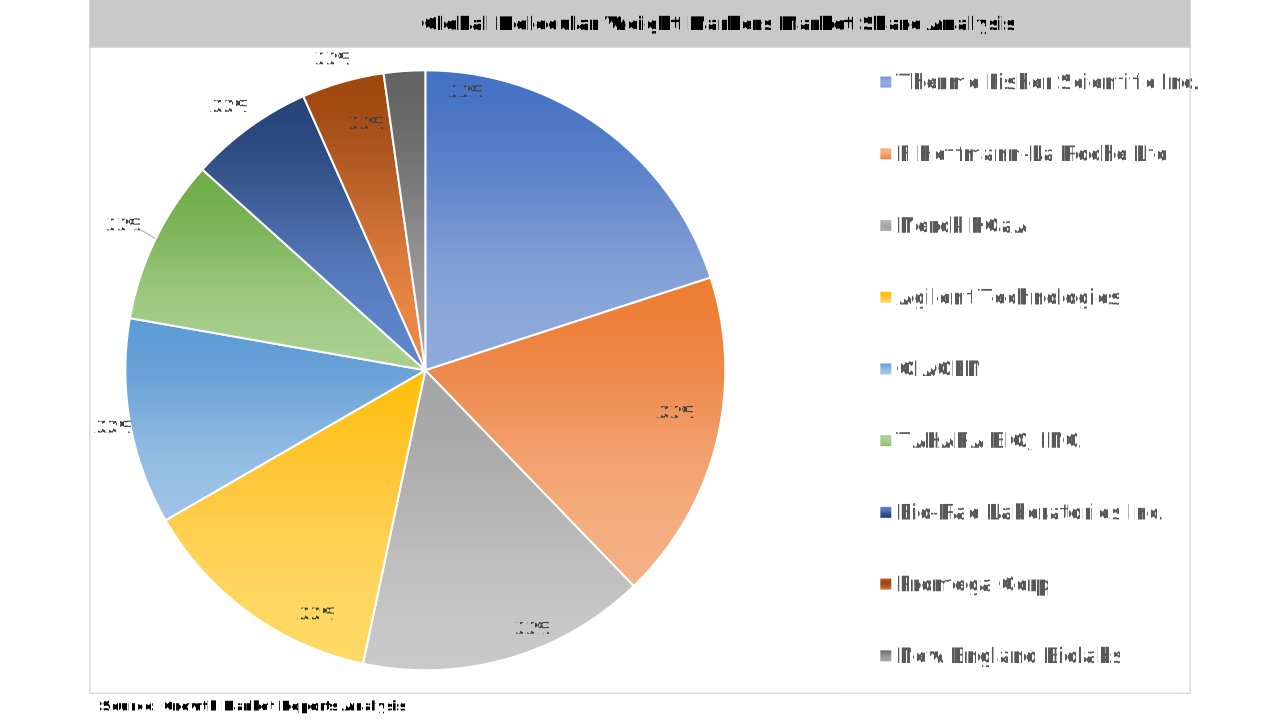
Key players in the molecular weight markers market include Thermo Fisher Scientific, Merck KGaA, Bio-Rad Laboratories, New England Biolabs, Takara Bio, Promega Corporation, and Cytiva, among others. Thermo Fisher Scientific is recognized for its extensive portfolio of molecular biology reagents and instruments, including a wide range of protein, DNA, and RNA markers. The company's focus on innovation and customer-centric solutions has helped it maintain a leading position in the market. Merck KGaA (MilliporeSigma) is another major player, offering a comprehensive range of molecular weight markers and related products for research and clinical applications. The company's strong emphasis on quality and regulatory compliance has contributed to its reputation as a trusted supplier in the life sciences industry.
Bio-Rad Laboratories is renowned for its expertise in electrophoresis and Western blotting technologies, providing researchers with high-quality marker products and advanced laboratory systems. New England Biolabs is a leading provider of molecular biology reagents, including DNA and RNA markers, with a strong focus on research and development. Takara Bio and Promega Corporation are also prominent players, known for their innovative marker products and commitment to supporting scientific discovery. Cytiva offers a wide range of protein and nucleic acid markers, leveraging its global reach and technical expertise to serve customers across diverse markets. These companies, along with numerous regional and niche players including GeneDireX, SMOBIO Technology, Jena Bioscience, NIPPON Genetics, Elabscience Biotechnology, and Avantor, are driving the ongoing evolution of the molecular weight markers market through continuous innovation, strategic partnerships, and a relentless focus on customer needs.
The Molecular Weight Markers market has been segmented on the basis of
Yes, the report can be customized to meet specific research and business requirements. Customization options include additional country-level or company-level analysis, segment-specific deep dives, competitive benchmarking, and tailored data cuts by application, end-user, or region. Please contact our research team to discuss your specific needs and obtain a customized version of the report.
The leading players in the molecular weight markers market include Thermo Fisher Scientific, Merck KGaA (MilliporeSigma), Bio-Rad Laboratories, New England Biolabs, Takara Bio Inc., Promega Corporation, Cytiva (formerly GE Healthcare Life Sciences), Agilent Technologies, QIAGEN N.V., Lonza Group, Abcam plc (acquired by Danaher), GeneDireX Inc., SMOBIO Technology, Jena Bioscience GmbH, NIPPON Genetics Co. Ltd., Elabscience Biotechnology Inc., and VWR International (Avantor).
Major opportunities include the expansion of personalized medicine and precision diagnostics, increasing research infrastructure investment in emerging markets, growing demand for RNA-based therapeutics and diagnostics, and the integration of digital and automated laboratory systems. Key threats include high costs of advanced marker products that may limit adoption in resource-constrained settings, competition from alternative analytical methods such as mass spectrometry and capillary electrophoresis, and stringent regulatory and quality assurance requirements that can raise barriers for new market entrants.
Key technological developments include the introduction of pre-stained, multi-colored, and fluorescent marker systems that simplify workflows and improve visualization. Innovations in ready-to-use ladder formulations, enhanced resolution across broader size ranges, and compatibility with automated and high-throughput electrophoresis platforms are also shaping the market. Advances in RNA marker stability and the development of markers optimized for next-generation sequencing and digital PCR applications represent additional areas of progress.
North America dominates the global molecular weight markers market, accounting for approximately 36.4% of total revenue in 2025, driven by leading research infrastructure and major life sciences companies. Europe holds the second-largest share at around 28.1%. Asia Pacific is the fastest-growing region, projected to expand at a CAGR of approximately 7.5% through 2034, fueled by rising research investments in China, Japan, and India.
The primary end-users are academic and research institutes, pharmaceutical and biotechnology companies, and clinical laboratories. Additional end-users include contract research organizations (CROs), forensic laboratories, food and environmental testing facilities, and government research agencies. Academic and research institutes represent the largest end-user segment, while pharmaceutical and biotechnology companies are the fastest growing.
Molecular weight markers are used across a range of applications including gel electrophoresis (the largest application segment), Western blotting, PCR and PCR product analysis, restriction enzyme analysis, genotyping, next-generation sequencing workflows, and RNA sequencing. The growing adoption of high-throughput and automated platforms is expanding the breadth of these applications significantly.
The molecular weight markers market is segmented into three primary product types: protein markers (protein ladders used in SDS-PAGE and Western blotting), DNA markers (used for nucleic acid electrophoresis and PCR product verification), and RNA markers (used in RNA-based studies such as transcriptome analysis and Northern blotting). Protein markers hold the largest share at approximately 48.5% of the market in 2025.
Key growth drivers include the rapid expansion of molecular biology and biotechnology research, rising prevalence of genetic and infectious diseases, growing demand for biopharmaceuticals and biosimilars, and the increasing adoption of next-generation sequencing and gene editing technologies. Greater public and private investment in life sciences, coupled with the integration of automation in laboratory workflows, is also accelerating market growth through 2034.
The global molecular weight markers market reached USD 653.7 million in 2025, based on our latest research. The market is projected to grow at a CAGR of 6.2% over the forecast period, reaching approximately USD 1,128.4 million by 2034.