Segments - by Product Type (Minoxidil API, Finasteride API, Combination API), by Application (Pharmaceutical Formulations, Research and Development, Others), by End-User (Pharmaceutical Companies, Contract Manufacturing Organizations, Research Institutes, Others)
According to our latest research, the global minoxidil and finasteride API market size reached USD 1.28 billion in 2024, driven by the rising prevalence of androgenetic alopecia and increasing demand for effective hair loss treatments. The market is expected to grow at a CAGR of 5.7% from 2025 to 2033, reaching a projected value of USD 2.12 billion by 2033. This robust growth is attributed to continuous innovation in pharmaceutical formulations, expanding applications in research and development, and the growing footprint of contract manufacturing organizations worldwide.
One of the primary growth factors for the minoxidil and finasteride API market is the surging incidence of hair loss disorders globally, particularly androgenetic alopecia, which affects both men and women. As awareness about available treatment options increases, there is a corresponding rise in the demand for effective therapies, with minoxidil and finasteride APIs being the most prescribed active pharmaceutical ingredients. The growing aging population, coupled with lifestyle changes and stress, further exacerbates hair loss problems, fueling the adoption of these APIs in pharmaceutical formulations. Additionally, the expansion of telemedicine and online consultation platforms has made it easier for consumers to access prescription hair loss treatments, thereby boosting market growth.
Another significant driver is the advancement in pharmaceutical technologies and the increasing focus on combination therapies. Pharmaceutical companies are investing heavily in research and development to improve the efficacy and safety profile of minoxidil and finasteride formulations. This has led to the introduction of novel combination APIs, offering enhanced patient outcomes and greater convenience. The regulatory landscape is also evolving, with streamlined approval processes for generic formulations, encouraging both established and emerging players to invest in this lucrative market. Moreover, the trend toward personalized medicine and targeted therapies is expected to open new avenues for the application of these APIs in the coming years.
The global market is also witnessing substantial growth due to the rise of contract manufacturing organizations (CMOs). These entities are playing a pivotal role in the large-scale production and supply of minoxidil and finasteride APIs, particularly to meet the needs of pharmaceutical companies with limited manufacturing capacities. The shift towards outsourcing API production is driven by the need to reduce operational costs, comply with stringent regulatory requirements, and ensure consistent product quality. This trend is especially prominent in emerging markets, where CMOs are rapidly expanding their capabilities to cater to both domestic and international clients, thus propelling the overall market growth for minoxidil and finasteride APIs.
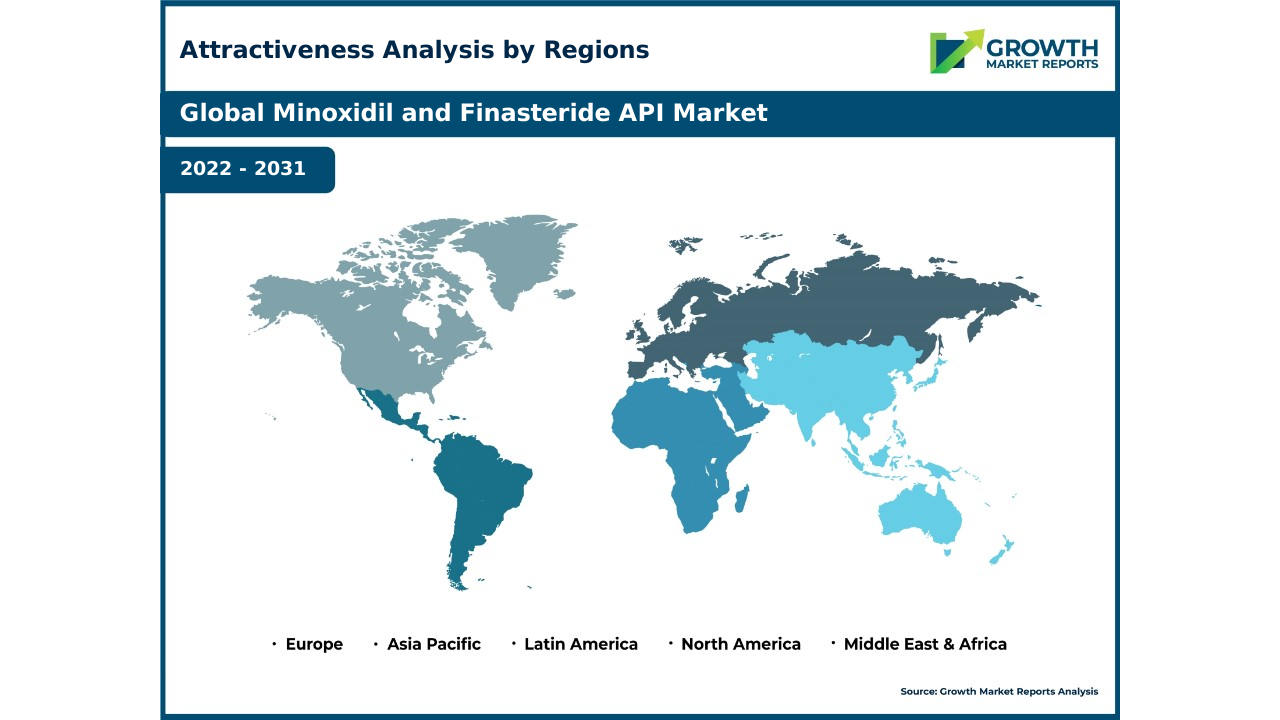
From a regional perspective, Asia Pacific is emerging as a dominant force in the minoxidil and finasteride API market, owing to its robust pharmaceutical manufacturing infrastructure and cost-effective production capabilities. North America and Europe continue to represent significant market shares due to high healthcare expenditure, increasing awareness, and the presence of key industry players. Meanwhile, Latin America and the Middle East & Africa are witnessing gradual growth, supported by improving healthcare infrastructure and rising disposable incomes. The global landscape is characterized by strategic collaborations, mergers, and acquisitions, as companies strive to expand their market presence and tap into new growth opportunities.
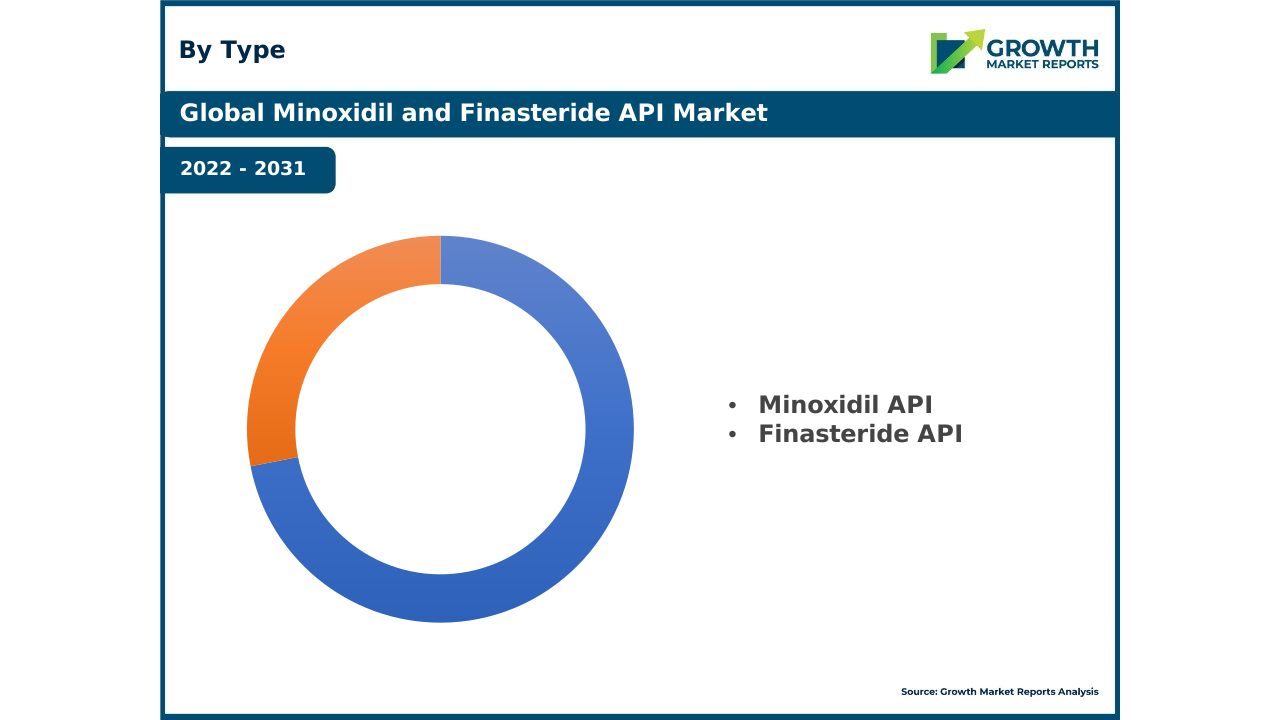
The product type segment of the minoxidil and finasteride API market is broadly classified into minoxidil API, finasteride API, and combination API. Among these, minoxidil API holds a significant share, primarily due to its long-standing approval as a topical treatment for hair loss and its widespread use in over-the-counter and prescription formulations. The demand for minoxidil API remains robust, driven by its proven efficacy, safety profile, and continued consumer preference for non-invasive hair restoration solutions. Pharmaceutical companies are increasingly focusing on enhancing the stability and bioavailability of minoxidil API, further solidifying its position in the market.
Finasteride API is another crucial product type, with its application primarily in oral formulations for the treatment of male pattern baldness and benign prostatic hyperplasia. The market for finasteride API is experiencing steady growth, supported by increasing physician recommendations and patient acceptance of oral therapies. The development of generic versions of finasteride has made the treatment more accessible, particularly in emerging economies where cost considerations play a pivotal role. Regulatory agencies have also facilitated the entry of new players by streamlining approval processes, thus intensifying competition and driving innovation in the finasteride API segment.
The combination API segment, which includes formulations that blend minoxidil and finasteride, is witnessing rapid growth as pharmaceutical companies seek to offer more comprehensive treatment options. These combination APIs are designed to address multiple pathways involved in hair loss, resulting in improved therapeutic outcomes and higher patient satisfaction. Research and development activities are focused on optimizing the ratio and delivery mechanisms of these APIs to maximize efficacy while minimizing side effects. The growing acceptance of combination therapies among healthcare providers and patients is expected to propel this segment's expansion in the foreseeable future.
Furthermore, the product type landscape is being shaped by ongoing innovation in formulation technologies. Companies are exploring novel delivery systems, such as liposomal and nanoparticle-based APIs, to enhance the penetration and efficacy of minoxidil and finasteride. Such advancements are not only improving patient compliance but also creating new opportunities for differentiation in a competitive market. As regulatory requirements evolve and consumer preferences shift towards more convenient and effective solutions, the product type segment is poised for continuous transformation and growth.
| Attributes | Details |
| Report Title | Minoxidil and Finasteride API Market Research Report 2033 |
| By Product Type | Minoxidil API, Finasteride API, Combination API |
| By Application | Pharmaceutical Formulations, Research and Development, Others |
| By End-User | Pharmaceutical Companies, Contract Manufacturing Organizations, Research Institutes, Others |
| Regions Covered | North America, Europe, APAC, Latin America, MEA |
| Base Year | 2024 |
| Historic Data | 2018-2023 |
| Forecast Period | 2025-2033 |
| Number of Pages | 265 |
| Number of Tables & Figures | 358 |
| Customization Available | Yes, the report can be customized as per your need. |
The application segment of the minoxidil and finasteride API market encompasses pharmaceutical formulations, research and development, and other applications. Pharmaceutical formulations represent the largest application area, accounting for the majority of API consumption. This is driven by the high demand for finished dosage forms such as topical solutions, oral tablets, and combination products targeting hair loss and related conditions. Pharmaceutical companies are increasingly investing in the development of novel formulations, including sustained-release and transdermal systems, to enhance the therapeutic profile of minoxidil and finasteride APIs. The growing trend towards self-medication and over-the-counter availability of hair loss treatments further boosts the application of these APIs in pharmaceutical formulations.
Research and development is another critical application area, with pharmaceutical companies and research institutes focusing on discovering new indications and improving existing therapies. The rising prevalence of hair loss disorders and the unmet needs of specific patient populations have spurred innovation in this segment. Researchers are exploring the mechanisms of action, pharmacokinetics, and pharmacodynamics of minoxidil and finasteride to develop more targeted and personalized treatments. Collaborative efforts between academic institutions and industry players are accelerating the translation of scientific discoveries into commercial products, thereby expanding the application scope of these APIs.
Other applications of minoxidil and finasteride APIs include their use in compounded medications, veterinary formulations, and cosmetic products. Compounded medications are gaining popularity among patients with specific needs or sensitivities to standard formulations, offering customized dosage forms and combinations. The use of these APIs in veterinary medicine, particularly for the treatment of alopecia in animals, represents a niche but growing market segment. Additionally, the incorporation of minoxidil and finasteride APIs in cosmetic products aimed at promoting hair growth and scalp health is opening new avenues for market expansion, driven by the increasing consumer focus on aesthetics and personal care.
The application landscape is further influenced by regulatory trends and market dynamics. Stringent quality standards and pharmacovigilance requirements are prompting manufacturers to invest in advanced analytical and quality control technologies. The shift towards evidence-based medicine and real-world data is also shaping the development and positioning of minoxidil and finasteride APIs across various applications. As the healthcare ecosystem evolves, the application segment is expected to witness continued diversification and growth, supported by technological advancements and changing consumer preferences.
The end-user segment of the minoxidil and finasteride API market is segmented into pharmaceutical companies, contract manufacturing organizations (CMOs), research institutes, and others. Pharmaceutical companies constitute the primary end-users, accounting for a substantial share of API consumption. These companies are at the forefront of developing, manufacturing, and marketing finished dosage forms containing minoxidil and finasteride APIs. The increasing focus on expanding product portfolios, coupled with the need to address diverse patient needs, is driving pharmaceutical companies to invest in API procurement and formulation development. Strategic partnerships and licensing agreements with API manufacturers are common practices, enabling companies to enhance their competitive edge and market reach.
Contract manufacturing organizations (CMOs) play a pivotal role in the minoxidil and finasteride API market, offering specialized manufacturing services to pharmaceutical companies and other stakeholders. The growing trend towards outsourcing API production is driven by the need to optimize operational efficiency, reduce costs, and ensure compliance with regulatory standards. CMOs possess advanced manufacturing capabilities, quality control systems, and regulatory expertise, making them preferred partners for both established and emerging pharmaceutical companies. The expansion of CMO services into value-added activities such as formulation development, packaging, and distribution is further strengthening their position in the market.
Research institutes represent another key end-user segment, contributing to the advancement of scientific knowledge and the development of innovative therapies. These institutes engage in preclinical and clinical research to explore new indications, optimize dosing regimens, and assess the safety and efficacy of minoxidil and finasteride APIs. Collaborative research initiatives involving academia, industry, and government agencies are accelerating the pace of discovery and translation into commercial products. The increasing availability of research funding and grants is supporting the growth of this segment, enabling institutes to pursue ambitious research agendas and contribute to the overall expansion of the API market.
Other end-users include compounding pharmacies, veterinary clinics, and cosmetic companies, each with unique requirements and market dynamics. Compounding pharmacies cater to patients with specific therapeutic needs, offering customized formulations that incorporate minoxidil and finasteride APIs. Veterinary clinics utilize these APIs for the treatment of alopecia and related conditions in animals, while cosmetic companies leverage their hair growth-promoting properties in personal care products. The diversification of end-user segments is creating new growth opportunities and driving innovation in product development, manufacturing, and distribution across the minoxidil and finasteride API market.
The minoxidil and finasteride API market presents significant opportunities for growth, particularly in emerging economies where the prevalence of hair loss disorders is rising, and access to advanced healthcare solutions is improving. The increasing penetration of generic formulations, coupled with favorable regulatory policies, is enabling more pharmaceutical companies to enter the market and expand their product offerings. Technological advancements in API synthesis, purification, and formulation are enhancing product quality, safety, and efficacy, creating new opportunities for differentiation and competitive advantage. The growing trend towards personalized medicine and targeted therapies is also opening up new avenues for research, development, and commercialization of innovative API-based treatments.
Partnerships, collaborations, and mergers and acquisitions are providing companies with opportunities to strengthen their market presence, expand their geographical reach, and access new technologies and expertise. The rise of digital health platforms and telemedicine is facilitating greater access to hair loss treatments, driving demand for minoxidil and finasteride APIs. Furthermore, the increasing focus on patient-centric care, real-world evidence, and outcome-based reimbursement models is encouraging the development of more effective and patient-friendly therapies. The expansion of the cosmetic and personal care industry, with a growing emphasis on hair wellness and aesthetics, is also creating new growth opportunities for API manufacturers and suppliers.
Despite these opportunities, the market faces certain restraining factors, such as stringent regulatory requirements, high development and manufacturing costs, and potential side effects associated with long-term use of minoxidil and finasteride. Regulatory agencies mandate rigorous quality control, safety, and efficacy assessments, which can delay product approvals and increase compliance costs. Intellectual property challenges, such as patent expirations and generic competition, may impact the profitability of established players. Additionally, concerns about adverse effects, drug interactions, and patient adherence may limit the adoption of these APIs, particularly in sensitive patient populations. Addressing these challenges will require continued investment in research, innovation, and regulatory compliance to ensure sustained market growth.
The regional landscape of the minoxidil and finasteride API market is characterized by varying levels of market maturity, regulatory environments, and growth opportunities. Asia Pacific leads the global market, accounting for approximately 38% of the total market value in 2024, or about USD 486 million. The region's dominance is attributed to its large population base, rising prevalence of hair loss disorders, and robust pharmaceutical manufacturing infrastructure. Countries such as China and India have emerged as major API production hubs, offering cost-effective manufacturing capabilities, skilled workforce, and favorable regulatory policies. The presence of numerous domestic and international pharmaceutical companies, coupled with increasing investments in research and development, is driving continuous innovation and market expansion in Asia Pacific.
North America represents the second-largest market, with a value of approximately USD 364 million in 2024, driven by high healthcare expenditure, advanced healthcare infrastructure, and strong demand for hair loss treatments. The United States is the primary contributor, owing to its large patient population, widespread awareness, and the presence of key industry players. The region is characterized by a high adoption of novel therapies, rapid uptake of generic formulations, and a favorable regulatory environment that supports the entry of new products. North America is expected to grow at a CAGR of 5.2% from 2025 to 2033, supported by ongoing innovation, strategic partnerships, and increasing consumer focus on aesthetics and personal care.
Europe accounts for a significant share of the global market, valued at around USD 268 million in 2024. The region benefits from a well-established pharmaceutical industry, stringent quality standards, and a growing emphasis on research and development. Key markets such as Germany, the United Kingdom, and France are at the forefront of API production and innovation, supported by strong regulatory frameworks and increasing investments in healthcare infrastructure. The market in Latin America and the Middle East & Africa is gradually expanding, with a combined value of USD 162 million in 2024, driven by improving healthcare access, rising disposable incomes, and increasing consumer awareness. These regions present untapped growth potential, particularly as multinational companies expand their footprint and invest in local manufacturing capabilities.
The minoxidil and finasteride API market is highly competitive, with a diverse mix of global and regional players vying for market share. The competitive landscape is shaped by factors such as product quality, pricing strategies, manufacturing capabilities, regulatory compliance, and innovation. Leading companies are investing heavily in research and development to introduce novel formulations, improve synthesis processes, and enhance the safety and efficacy of their APIs. Strategic collaborations, mergers, and acquisitions are common, as companies seek to expand their product portfolios, enter new markets, and access advanced technologies and expertise. The increasing prevalence of generic formulations has intensified competition, prompting established players to differentiate themselves through value-added services, superior quality, and robust supply chain management.
Quality assurance and regulatory compliance are critical differentiators in the market, as companies must adhere to stringent standards set by regulatory agencies such as the US FDA, EMA, and national authorities in key markets. Manufacturers are investing in advanced analytical technologies, quality control systems, and continuous process improvement to ensure consistent product quality and regulatory compliance. The ability to offer customized solutions, such as tailored APIs for specific formulations or delivery systems, is emerging as a key competitive advantage. Companies are also focusing on sustainability and environmental stewardship, adopting green chemistry principles and eco-friendly manufacturing practices to meet the evolving expectations of regulators and consumers.
The rise of contract manufacturing organizations (CMOs) has added a new dimension to the competitive landscape, with these entities offering specialized manufacturing, formulation, and packaging services to pharmaceutical companies. CMOs are leveraging their expertise, scalability, and cost-efficiency to attract clients from both established and emerging markets. The trend towards outsourcing API production is expected to continue, as pharmaceutical companies seek to optimize their operations and focus on core competencies such as research, marketing, and distribution. The ability to offer end-to-end solutions, from API synthesis to finished dosage form manufacturing, is positioning CMOs as strategic partners in the global supply chain.
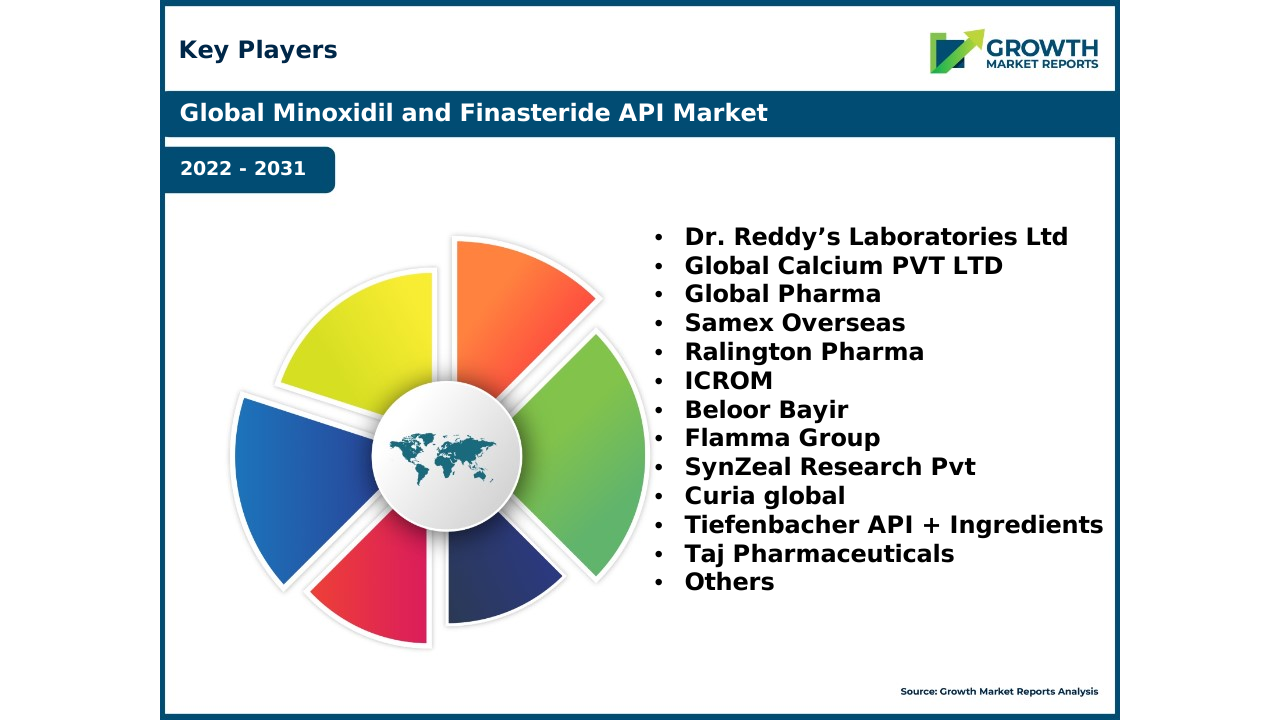
Major companies operating in the minoxidil and finasteride API market include Dr. Reddy’s Laboratories, Teva Pharmaceutical Industries, Cipla Ltd., Sun Pharmaceutical Industries, Aurobindo Pharma, Mylan N.V., TAPI (Teva Active Pharmaceutical Ingredients), Zhejiang Xianju Pharmaceutical Co., Ltd., and Cadila Healthcare, among others. These companies are recognized for their strong manufacturing capabilities, extensive product portfolios, and global distribution networks. For example, Dr. Reddy’s Laboratories and Teva Pharmaceutical Industries are known for their leadership in generic API production and commitment to quality and innovation. Cipla Ltd. and Sun Pharmaceutical Industries have established themselves as key players in both domestic and international markets, leveraging their expertise in formulation development and regulatory compliance. Aurobindo Pharma and Mylan N.V. are expanding their presence through strategic partnerships, acquisitions, and investments in advanced manufacturing technologies. Zhejiang Xianju Pharmaceutical Co., Ltd. is a prominent player in the Asia Pacific region, known for its cost-effective production and strong export capabilities. Cadila Healthcare is focusing on innovation and sustainability, investing in green chemistry and eco-friendly manufacturing practices to differentiate itself in a competitive market.
The Minoxidil and Finasteride API market has been segmented on the basis of
Major manufacturers include Tiefenbacher API + Ingredients; Taj Pharmaceuticals; Dr. Reddy’s Laboratories Ltd; Curia Global, Inc.; and Global Calcium PVT LTD.
Factors such as increased growing demand for alopecia treatment, growing demand for alopecia treatment, rising benign prostate hyperplasia and hypertension cases, and government regulations are analyzed in the final report.
The base year considered for the Global Minoxidil and Finasteride API Market report is 2022. The complete analysis period is 2020 to 2031, wherein, 2020 to 2021 are the historic years, and the forecast is provided from 2023 to 2031.
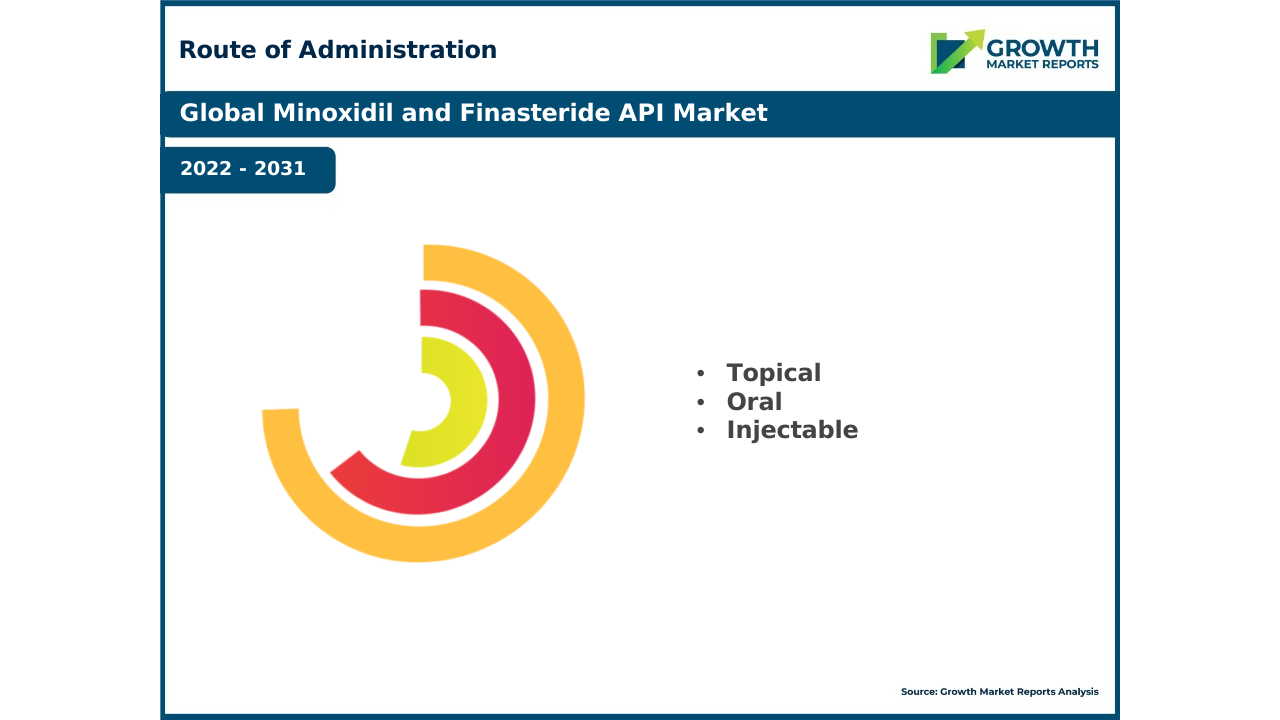
Topical and oral is the major Route of Administration of the global Minoxidil and Finasteride API market.
The global Minoxidil and Finasteride API market were slightly impacted by the COVID-19 outbreak, owing to the disruption in the supply chain, with production facilities closing and many projects canceled as a result of the outbreak. However, following the COVID-19 impact, the minoxidil market is growing due to hair loss, and many hair problems that arise as a result of stress and other conditions, are expected the market is growing in the future.
Growing demand for alopecia treatments, increasing prevalence of hypertension, growing prevalence of BPH (benign prostatic hyperplasia), and growing emphasis on enhancing physical appearance are the factors expected to drive the market growth during the forecast period.
Factors such as competitive strength and market positioning are key areas considered while selecting top companies to be profiled.
In addition to market size (in US$ Million), Company Market Share (in % for the base year 2022), macroeconomic factors, and supply chain analysis.
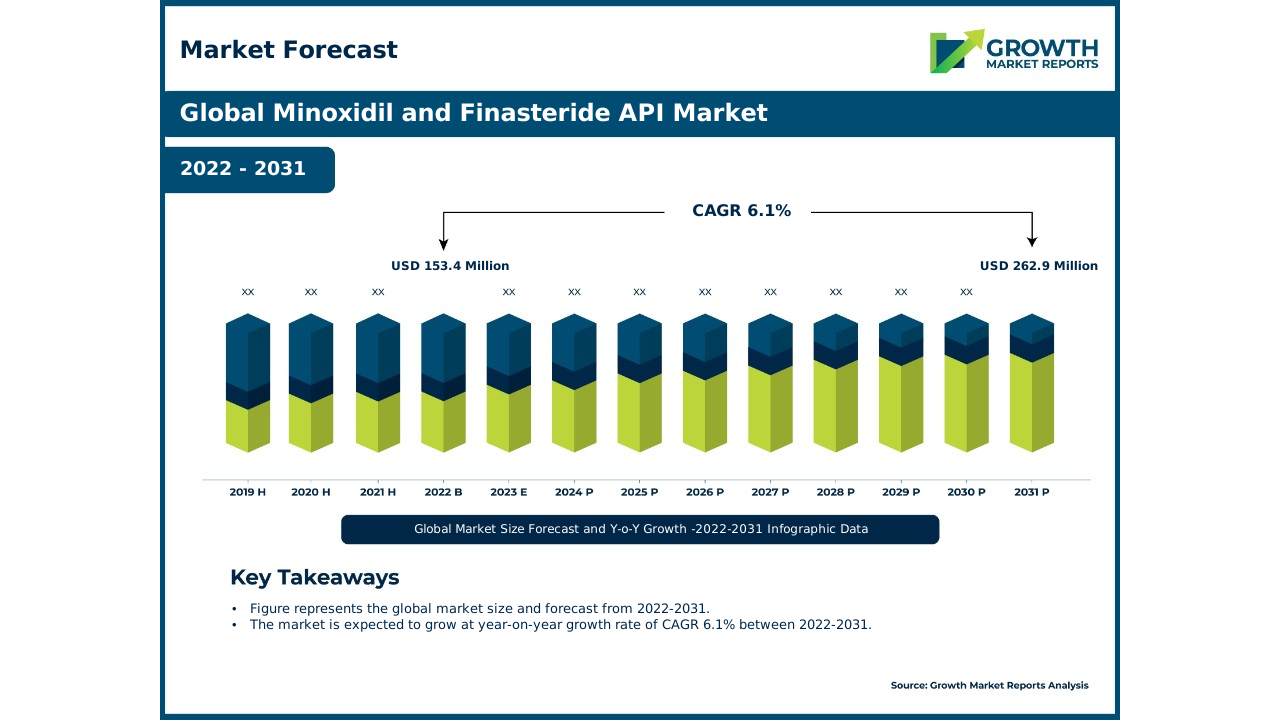
The Global Minoxidil and Finasteride API Market size is likely to reach USD 262.9 Mn by 2031, expanding at a CAGR of 6.1% during 2023-2031.
Additional company profiles can be provided on request