Segments - by Product Type (Probiotics, Prebiotics, Synbiotics, Postbiotics, Others), by Application (Gastrointestinal Disorders, Metabolic Disorders, Infectious Diseases, Oncology, Others), by Route Of Administration (Oral, Topical, Others), by End-User (Hospitals, Clinics, Research Institutes, Others)
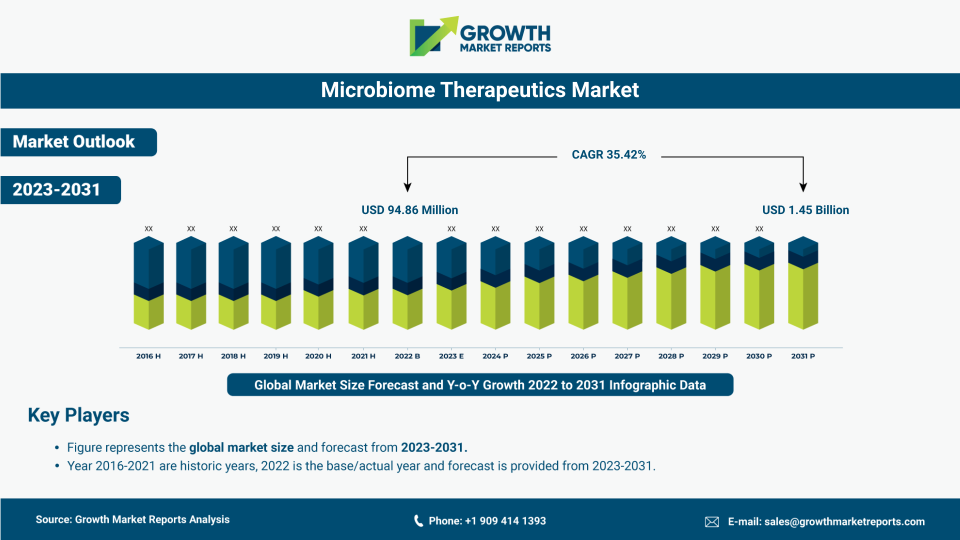
According to our latest research, the global microbiome therapeutics market size reached USD 440 million in 2024, demonstrating robust expansion driven by escalating scientific advancements and clinical trials. The market is anticipated to grow at a CAGR of 22.6% during the forecast period, projecting a value of approximately USD 3.38 billion by 2033. This impressive growth trajectory is underpinned by increasing recognition of the microbiomeÂ’s role in human health, surging investments in biotechnological research, and a rising incidence of chronic diseases that are linked to gut health and immune modulation.
The primary growth factor propelling the microbiome therapeutics market is the deepening understanding of the gut microbiomeÂ’s influence on a spectrum of diseases, ranging from gastrointestinal disorders to metabolic and autoimmune conditions. Recent breakthroughs in next-generation sequencing and metagenomics have enabled researchers to decode the complex interplay between human hosts and their microbial communities, leading to the development of targeted therapies. These scientific advances are encouraging pharmaceutical and biotechnology companies to invest heavily in microbiome-based drug discovery and clinical trials, accelerating the pipeline of novel therapeutics. Furthermore, the regulatory landscape is gradually evolving to support the commercialization of these products, with agencies like the FDA and EMA providing clearer guidance, which is expected to streamline product approvals and market entry.
Another significant driver is the growing consumer demand for personalized medicine and wellness solutions. As awareness about the health benefits of probiotics, prebiotics, and synbiotics increases, patients and consumers are seeking out microbiome-based interventions not only for disease management but also for preventive healthcare. This shift is further fueled by the increasing prevalence of lifestyle-related disorders such as obesity, diabetes, and irritable bowel syndrome, where traditional pharmacological approaches often fall short. Microbiome therapeutics offer a novel mechanism of action by modulating the gut flora, thus presenting a compelling alternative or adjunct to existing treatments. The rising adoption of these products across hospitals, clinics, and even over-the-counter segments is expected to further expand the marketÂ’s reach.
In addition, strategic collaborations between academic institutions, biotechnology startups, and established pharmaceutical companies are fostering innovation and facilitating the translation of microbiome science into clinically viable products. These partnerships are enabling access to cutting-edge research, advanced manufacturing technologies, and expansive distribution networks, which are critical for scaling up microbiome therapeutics. The influx of venture capital and government funding into microbiome research is also catalyzing the development of novel product types, including postbiotics and next-generation probiotics, broadening the therapeutic landscape. As the industry matures, the focus is shifting from proof-of-concept studies to large-scale clinical trials, commercialization, and patient access, all of which are expected to sustain high growth rates over the coming years.
Microbial Gene Therapy is emerging as a transformative approach within the microbiome therapeutics landscape. This innovative therapy involves the use of genetically modified microorganisms to deliver therapeutic genes directly to target sites within the human body. By harnessing the natural capabilities of microbes, researchers are developing novel strategies to treat a variety of diseases, including genetic disorders and cancers. The potential of microbial gene therapy lies in its ability to provide highly specific and localized treatment, minimizing off-target effects and enhancing patient outcomes. As the field progresses, collaborations between geneticists, microbiologists, and clinicians are crucial to overcoming technical challenges and advancing this promising therapeutic modality.
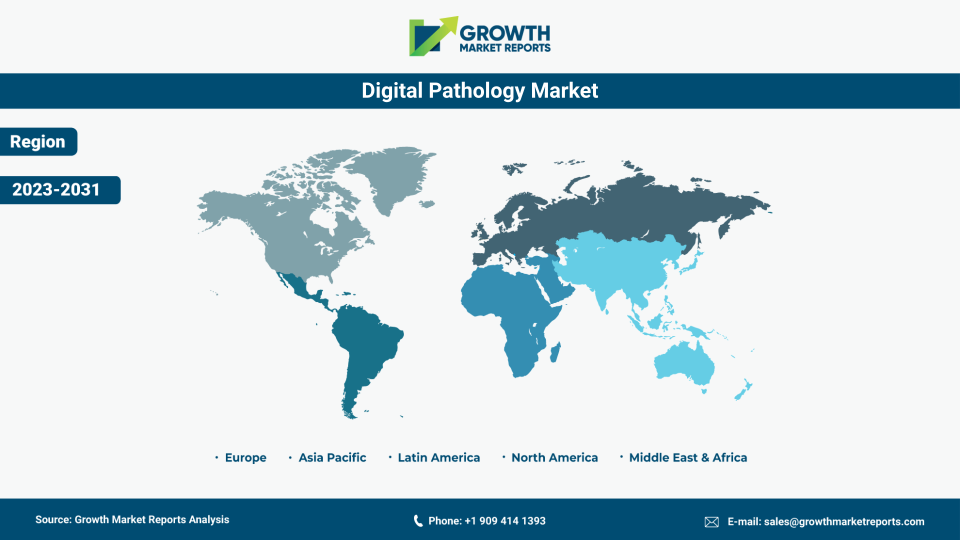
Regionally, North America dominates the microbiome therapeutics market, accounting for the largest revenue share in 2024, followed closely by Europe. The United States, in particular, benefits from a robust biotechnology sector, significant R&D investments, and a favorable regulatory environment. EuropeÂ’s growth is driven by strong academic research and supportive healthcare policies. Meanwhile, the Asia Pacific region is emerging as a high-growth market, propelled by increasing healthcare expenditure, rising awareness, and expanding clinical research activities. Latin America and the Middle East & Africa, though currently smaller contributors, are expected to witness steady growth as healthcare infrastructure improves and regulatory frameworks evolve to support innovative therapies.
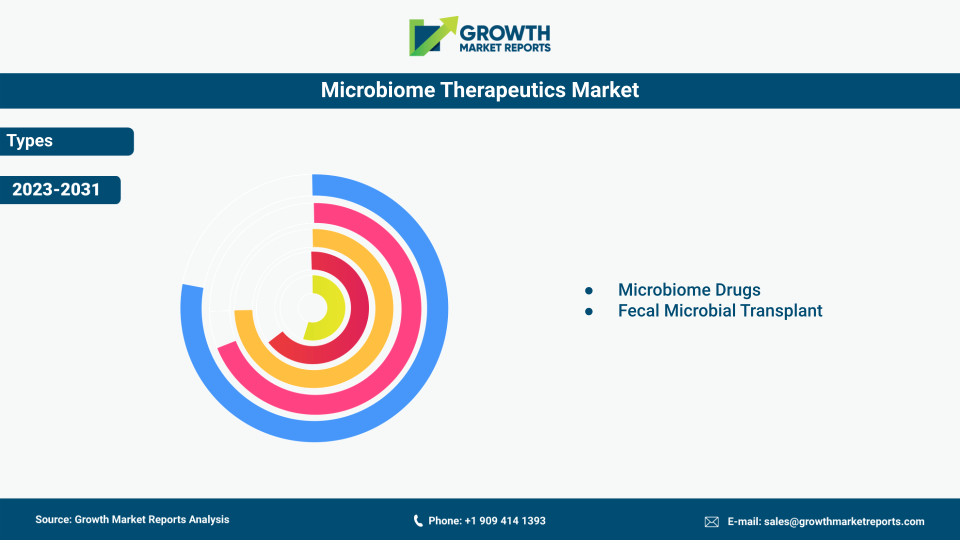
The product type segment of the microbiome therapeutics market is highly diverse, encompassing probiotics, prebiotics, synbiotics, postbiotics, and other novel formulations. Probiotics currently hold the largest market share, primarily due to their widespread acceptance, established safety profile, and extensive use in both therapeutic and preventive healthcare. These live microorganisms, when administered in adequate amounts, confer health benefits to the host by restoring or maintaining a healthy gut microbiota. The demand for probiotics has surged not only in traditional gastrointestinal indications but also in emerging areas such as mental health and immune modulation, reflecting the broadening scope of microbiome science. Continuous innovation is leading to the development of next-generation probiotics that target specific strains and functionalities, further enhancing their therapeutic potential.
Prebiotics, which are non-digestible food ingredients that promote the growth of beneficial bacteria, are gaining traction as adjuncts or standalone interventions in microbiome therapeutics. The growing body of evidence supporting the role of prebiotics in modulating gut health, improving metabolic parameters, and enhancing immune function is driving their adoption. Manufacturers are investing in the development of novel prebiotic compounds with targeted effects, such as oligosaccharides and resistant starches, to address specific health conditions. The integration of prebiotics into functional foods, dietary supplements, and pharmaceutical formulations is expanding their market reach, particularly in preventive healthcare and wellness segments.
Synbiotics, which combine both probiotics and prebiotics, represent an innovative approach to maximizing the synergistic effects of these components. By simultaneously introducing beneficial microorganisms and the substrates they require for growth, synbiotics offer enhanced efficacy in restoring and maintaining a balanced microbiome. This segment is witnessing rapid growth, particularly in the management of complex conditions such as inflammatory bowel disease, metabolic syndrome, and antibiotic-associated dysbiosis. Clinical trials are increasingly demonstrating the superior outcomes of synbiotic therapies compared to single-agent interventions, which is expected to drive their adoption across multiple therapeutic areas.
Postbiotics, the latest entrants in the microbiome therapeutics landscape, refer to non-viable bacterial products or metabolic byproducts that exert beneficial effects on the host. Unlike probiotics, postbiotics do not contain live microorganisms, offering advantages in terms of stability, safety, and ease of formulation. The market for postbiotics is expanding rapidly as research uncovers their potential in modulating immune responses, reducing inflammation, and improving gut barrier function. Pharmaceutical and nutraceutical companies are actively exploring postbiotic formulations for a range of indications, including allergies, infections, and chronic inflammatory conditions. Other product types, such as fecal microbiota transplantation (FMT) and engineered microbial consortia, are also gaining attention as advanced therapeutic modalities, though their adoption is currently limited by regulatory and logistical challenges.
Microbiome Fecal-Transplant Capsules represent a significant advancement in the delivery of microbiome therapeutics. These capsules are designed to encapsulate fecal microbiota, offering a non-invasive and patient-friendly alternative to traditional fecal microbiota transplantation (FMT) methods. By restoring healthy gut flora, these capsules have shown efficacy in treating recurrent Clostridioides difficile infections and other gastrointestinal disorders. The development of standardized, shelf-stable capsules addresses many logistical and safety concerns associated with FMT, making this approach more accessible to a broader patient population. As research continues to validate their effectiveness, fecal-transplant capsules are poised to become a cornerstone in the management of microbiome-related conditions.
| Attributes | Details |
| Report Title | Microbiome Therapeutics Market Research Report 2033 |
| By Product Type | Probiotics, Prebiotics, Synbiotics, Postbiotics, Others |
| By Application | Gastrointestinal Disorders, Metabolic Disorders, Infectious Diseases, Oncology, Others |
| By Route Of Administration | Oral, Topical, Others |
| By End-User | Hospitals, Clinics, Research Institutes, Others |
| Regions Covered | North America, Europe, APAC, Latin America, MEA |
| Base Year | 2024 |
| Historic Data | 2018-2023 |
| Forecast Period | 2025-2033 |
| Number of Pages | 298 |
| Number of Tables & Figures | 277 |
| Customization Available | Yes, the report can be customized as per your need. |
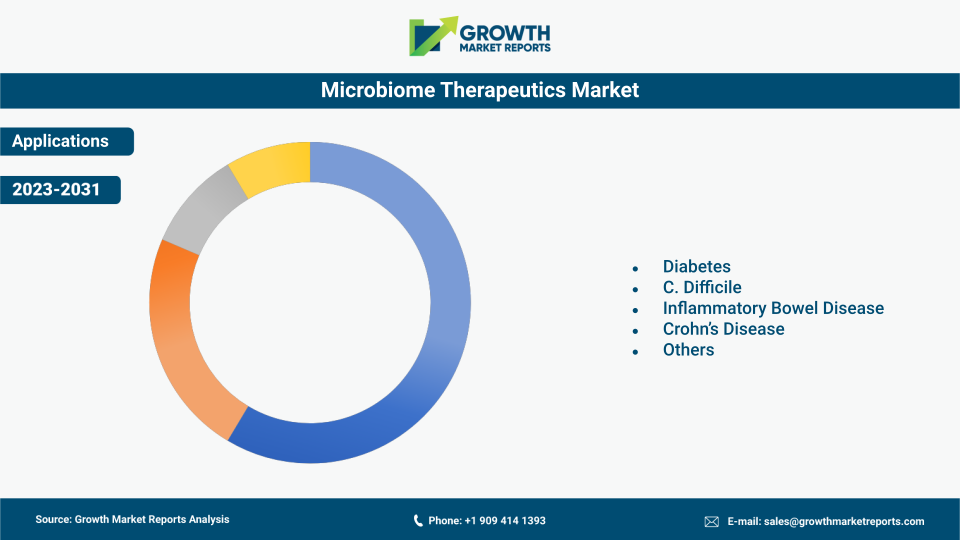
The application segment of the microbiome therapeutics market is characterized by a broad spectrum of disease targets, reflecting the pervasive influence of the microbiome on human health. Gastrointestinal disorders remain the primary application area, accounting for the largest share of market revenue. Conditions such as Clostridioides difficile infection, irritable bowel syndrome, inflammatory bowel disease, and ulcerative colitis are being increasingly managed with microbiome-based therapies, owing to their ability to restore healthy gut flora and mitigate dysbiosis. Clinical guidelines are evolving to incorporate probiotics, synbiotics, and even fecal microbiota transplantation as adjuncts or alternatives to conventional treatments, further boosting market growth in this segment.
Metabolic disorders, including obesity, type 2 diabetes, and non-alcoholic fatty liver disease, represent a rapidly expanding application area for microbiome therapeutics. Scientific research has established strong links between gut microbiota composition and metabolic homeostasis, paving the way for innovative interventions that target the microbiome to modulate energy balance, glucose metabolism, and lipid profiles. Clinical trials are underway to evaluate the efficacy of various probiotics, prebiotics, and synbiotics in improving metabolic outcomes, with promising preliminary results. The rising global burden of metabolic diseases, coupled with the limitations of existing pharmacological therapies, is expected to drive significant demand for microbiome-based solutions in this segment.
The use of microbiome therapeutics in infectious diseases is gaining momentum, particularly in the context of antibiotic resistance and recurrent infections. Probiotic and synbiotic formulations are being explored as adjuncts to antibiotics, with the aim of reducing side effects, preventing opportunistic infections, and restoring healthy microbial balance. The growing incidence of multidrug-resistant infections and the urgent need for alternative therapeutic strategies are prompting increased investment in this application area. In addition, microbiome-based approaches are being investigated for the prevention and management of viral infections, including respiratory and gastrointestinal viruses, further broadening the scope of infectious disease management.
Oncology represents an emerging frontier in the application of microbiome therapeutics. Recent studies have highlighted the role of the gut microbiome in modulating immune responses and influencing the efficacy of cancer immunotherapies. As a result, there is growing interest in leveraging microbiome modulation to enhance treatment outcomes, reduce adverse effects, and improve the quality of life for cancer patients. Pharmaceutical companies are collaborating with academic institutions to develop microbiome-targeted adjuncts for chemotherapy, immunotherapy, and radiation therapy. Other application areas, such as autoimmune diseases, allergies, and neurological disorders, are also being actively explored as research uncovers new links between the microbiome and systemic health.
The route of administration is a critical consideration in the development and delivery of microbiome therapeutics, influencing efficacy, patient compliance, and market adoption. Oral administration is by far the most prevalent route, owing to its convenience, non-invasiveness, and suitability for delivering probiotics, prebiotics, synbiotics, and postbiotics. Oral formulations, including capsules, tablets, powders, and functional foods, dominate the market, particularly in the management of gastrointestinal and metabolic disorders. Advances in formulation technology are enabling the development of targeted delivery systems that protect active ingredients from gastric degradation and ensure their release in specific regions of the gut, thereby enhancing therapeutic outcomes.
Topical administration is gaining prominence in the treatment of dermatological conditions, such as atopic dermatitis, eczema, and acne, where the skin microbiome plays a pivotal role. Topical probiotics and postbiotics offer localized effects, modulating the skinÂ’s microbial ecosystem and reducing inflammation without systemic side effects. The increasing prevalence of chronic skin disorders, coupled with growing consumer interest in microbiome-friendly skincare products, is driving market growth in this segment. Pharmaceutical and cosmetic companies are investing in research to identify novel strains and metabolites with targeted dermatological benefits, expanding the portfolio of topical microbiome therapeutics.
Clostridioides difficile Therapeutics are at the forefront of addressing one of the most challenging infectious diseases linked to gut microbiota imbalance. With rising incidences of C. difficile infections, particularly in healthcare settings, there is an urgent need for effective treatment options. Therapeutics targeting C. difficile aim to restore a healthy microbial balance and prevent recurrence, which is a common issue with traditional antibiotic treatments. Innovative approaches, including the use of probiotics, fecal microbiota transplantation, and novel antimicrobial agents, are being explored to combat this persistent pathogen. As the understanding of microbial interactions deepens, these therapeutics hold promise for significantly reducing the burden of C. difficile infections.
Other routes of administration, such as rectal, nasal, and intravenous delivery, are being explored for specific indications where traditional oral or topical routes may not be effective. For instance, fecal microbiota transplantation (FMT) is primarily administered via colonoscopy, enema, or oral capsules in the treatment of recurrent Clostridioides difficile infection and other severe gastrointestinal disorders. Intravenous and nasal routes are being investigated for the delivery of engineered microbial consortia and metabolites in systemic diseases and neurological conditions. While these alternative routes currently represent a smaller share of the market, ongoing research and clinical innovation are expected to expand their role in the coming years.
The choice of administration route is also influenced by patient demographics, disease severity, and healthcare infrastructure. Pediatric and geriatric populations, for instance, may require tailored formulations and delivery systems to ensure safety, palatability, and adherence. As the microbiome therapeutics market matures, manufacturers are focusing on optimizing delivery technologies, enhancing product stability, and improving patient experience to maximize therapeutic benefits and drive adoption across diverse patient populations.
The end-user segment of the microbiome therapeutics market is comprised of hospitals, clinics, research institutes, and other healthcare settings. Hospitals represent the largest end-user group, accounting for a significant share of market revenue due to their central role in the diagnosis, treatment, and management of complex diseases. Hospitals are at the forefront of adopting advanced microbiome therapeutics, particularly for indications such as severe gastrointestinal infections, metabolic disorders, and oncology, where multidisciplinary care and access to cutting-edge treatments are critical. The integration of microbiome-based interventions into hospital formularies and clinical guidelines is expected to further drive market growth in this segment.
Clinics, including specialty and outpatient centers, are emerging as important end-users of microbiome therapeutics, particularly for the management of chronic and lifestyle-related conditions. Clinics offer accessible and patient-friendly environments for the administration of probiotics, prebiotics, and synbiotics, as well as for conducting clinical trials and patient education programs. The growing trend towards preventive healthcare and personalized medicine is driving the adoption of microbiome-based interventions in clinic settings, where patients seek tailored solutions for digestive health, metabolic balance, and immune support.
Research institutes play a pivotal role in the microbiome therapeutics market, serving as hubs for basic and translational research, clinical trials, and product development. Academic and research institutions are at the forefront of discovering novel microbial strains, elucidating mechanisms of action, and generating clinical evidence to support the efficacy and safety of microbiome-based therapies. Collaborations between research institutes, biotechnology companies, and healthcare providers are accelerating the translation of scientific discoveries into commercially viable products, fostering innovation and expanding the therapeutic landscape.
Other end-users, such as homecare settings, pharmacies, and wellness centers, are also contributing to market growth, particularly in the context of over-the-counter probiotics and dietary supplements. The increasing availability of microbiome therapeutics through retail channels and online platforms is enhancing patient access and driving consumer adoption. As regulatory frameworks evolve and product awareness increases, the role of diverse end-users in the microbiome therapeutics market is expected to expand, supporting the widespread integration of these innovative therapies into mainstream healthcare.
The microbiome therapeutics market is brimming with opportunities for growth and innovation, particularly as scientific understanding of the human microbiome continues to evolve. One of the most promising opportunities lies in the development of personalized microbiome-based therapies tailored to individual patient profiles. Advances in genomics, metabolomics, and artificial intelligence are enabling the identification of unique microbial signatures associated with specific diseases, paving the way for targeted interventions that maximize efficacy and minimize side effects. Companies that invest in personalized medicine platforms, companion diagnostics, and data-driven product development are well-positioned to capture significant market share and drive the next wave of innovation in microbiome therapeutics.
Another major opportunity is the expansion of microbiome therapeutics into new therapeutic areas beyond gastrointestinal and metabolic disorders. Emerging research is uncovering links between the microbiome and a wide range of conditions, including autoimmune diseases, neurological disorders, allergies, and even mental health. The potential to develop novel interventions that address unmet medical needs in these areas is attracting significant interest from pharmaceutical companies, investors, and healthcare providers. Strategic partnerships, licensing agreements, and mergers and acquisitions are expected to accelerate the development and commercialization of new microbiome-based products, creating a dynamic and competitive market landscape.
Despite the immense potential, the microbiome therapeutics market faces several restraining factors that could hinder its growth. Regulatory uncertainty remains a significant challenge, as existing frameworks for drug approval and quality control are not always well-suited to the unique characteristics of microbiome-based products. Variability in clinical outcomes, limited standardization of manufacturing processes, and concerns about long-term safety and efficacy also pose barriers to widespread adoption. Addressing these challenges will require ongoing collaboration between industry stakeholders, regulatory agencies, and academic researchers to establish clear guidelines, robust quality standards, and comprehensive clinical evidence to support the safe and effective use of microbiome therapeutics.
North America remains the dominant force in the global microbiome therapeutics market, accounting for USD 195 million in revenue in 2024. The regionÂ’s leadership is underpinned by a strong biotechnology sector, high healthcare expenditure, and a favorable regulatory environment that supports innovation and commercialization. The United States, in particular, is home to numerous pioneering companies, world-class research institutions, and a large patient population seeking advanced therapies. The North American market is projected to grow at a CAGR of 21.8% through 2033, driven by ongoing R&D investments, expanding clinical trials, and increasing adoption of microbiome-based products in mainstream healthcare.
Europe is the second-largest market, with revenues reaching USD 130 million in 2024, fueled by robust academic research, supportive healthcare policies, and a growing focus on preventive medicine. Countries such as Germany, the United Kingdom, and France are leading the charge in microbiome research and product development, benefiting from strong public-private partnerships and government funding. The European market is characterized by a high level of patient awareness, well-established regulatory frameworks, and a collaborative ecosystem that fosters innovation. The region is expected to maintain steady growth over the forecast period, with increasing integration of microbiome therapeutics into clinical practice and expanding access to new product types.
The Asia Pacific region is emerging as a high-growth market, with revenues estimated at USD 80 million in 2024. Rising healthcare expenditure, a growing middle class, and increasing awareness of gut health are driving demand for microbiome-based interventions across countries such as China, Japan, South Korea, and India. The region is also witnessing a surge in clinical research activities and the establishment of local manufacturing capabilities, which are expected to enhance product availability and affordability. While Latin America and the Middle East & Africa currently represent smaller shares of the global market, ongoing improvements in healthcare infrastructure and regulatory environments are expected to support steady growth in these regions, further expanding the global footprint of microbiome therapeutics.
The competitive landscape of the microbiome therapeutics market is characterized by intense innovation, strategic collaborations, and a growing pipeline of novel products. Established pharmaceutical companies, biotechnology startups, and academic research institutions are all vying for leadership in this rapidly evolving field. The market is marked by a high degree of dynamism, with frequent partnerships, licensing agreements, and mergers and acquisitions aimed at accelerating product development and commercialization. Companies are investing heavily in R&D to identify novel microbial strains, optimize manufacturing processes, and generate robust clinical evidence to support regulatory approvals and market access.
Key players in the microbiome therapeutics market are focusing on expanding their product portfolios to address a broad spectrum of indications, from gastrointestinal and metabolic disorders to oncology and infectious diseases. The competitive environment is further intensified by the entry of new players, particularly in the areas of next-generation probiotics, postbiotics, and engineered microbial consortia. Intellectual property protection, regulatory compliance, and manufacturing scalability are critical success factors, as companies seek to differentiate their offerings and establish a strong market presence. Strategic alliances with academic institutions, contract research organizations, and healthcare providers are enabling companies to leverage external expertise, access cutting-edge technologies, and accelerate the translation of scientific discoveries into clinically viable products.
The market is also witnessing the emergence of specialized companies focused on companion diagnostics, personalized medicine, and digital health platforms that support the development and delivery of microbiome-based therapies. These companies are leveraging advances in genomics, artificial intelligence, and big data analytics to develop targeted interventions and optimize patient outcomes. As the regulatory landscape evolves and market access barriers are addressed, competition is expected to intensify, driving further innovation and expanding the range of available microbiome therapeutics.
Major companies operating in the microbiome therapeutics market include Seres Therapeutics, Vedanta Biosciences, Finch Therapeutics, 4D Pharma, and Rebiotix (a Ferring Pharmaceuticals company). Seres Therapeutics is a pioneer in the development of microbiome therapeutics for infectious diseases, with its lead product SER-109 receiving FDA approval for the treatment of recurrent Clostridioides difficile infection. Vedanta Biosciences is focused on developing defined bacterial consortia for the treatment of autoimmune and inflammatory diseases, leveraging its proprietary platform for strain selection and manufacturing. Finch Therapeutics is advancing a pipeline of microbiome-based therapies for gastrointestinal and neurological disorders, with a strong emphasis on clinical research and patient access.
4D Pharma is a leader in the development of live biotherapeutic products, with a diverse pipeline targeting oncology, gastrointestinal, and respiratory diseases. The company is distinguished by its robust intellectual property portfolio and strategic collaborations with leading academic institutions and pharmaceutical companies. Rebiotix, a Ferring Pharmaceuticals company, is at the forefront of fecal microbiota transplantation (FMT) and microbiota-based therapeutics, with a focus on infectious and gastrointestinal diseases. These companies, along with a growing number of innovative startups and established pharmaceutical players, are shaping the future of the microbiome therapeutics market, driving advancements in science, technology, and patient care.
The Microbiome Therapeutics market has been segmented on the basis of
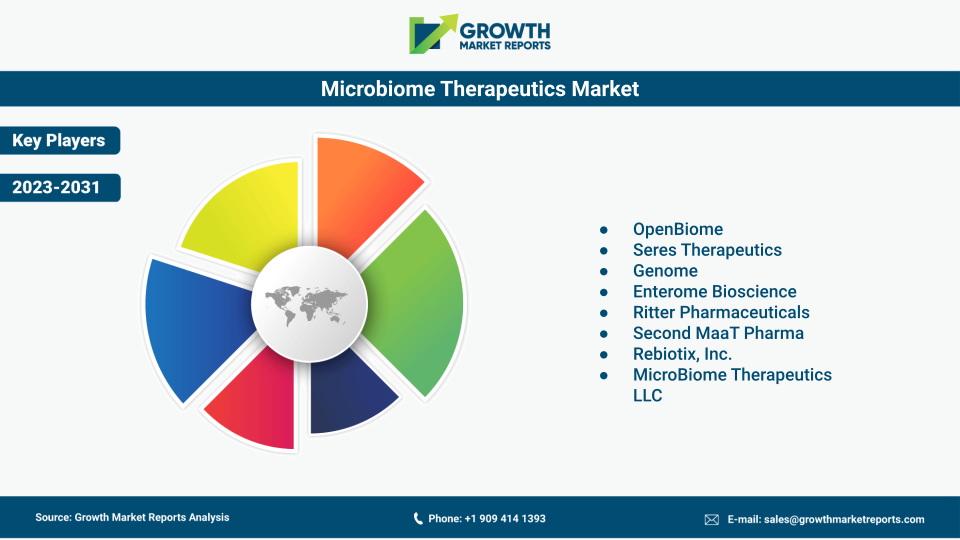
Key players competing in the global microbiome therapeutics market are OpenBiome; Seres Therapeutics; Genome; Enterome Bioscience; Ritter Pharmaceuticals; Second MaaT Pharma; Rebiotix, Inc.; and MicroBiome Therapeutics LLC. Many of these players have adopted business strategies such as the launch of new products, the advancement of technologies, mergers, partnerships, and production capacity expansion to increase their market position and expand their consumer base globally.
Some of the key players have received high funding for the development of pipelines for microbiome therapeutics. For example, nearly USD 160 million was invested by Seventure Partners for research in this field.
Innovation is driven by strategic collaborations, advances in genomics and AI, development of next-generation probiotics and postbiotics, and the emergence of personalized and companion diagnostic solutions.
Major players include Seres Therapeutics, Vedanta Biosciences, Finch Therapeutics, 4D Pharma, Rebiotix (Ferring Pharmaceuticals), Second Genome, Enterome Bioscience, Synlogic, Evelo Biosciences, and others.
Opportunities include personalized medicine, expansion into new therapeutic areas, and technological innovation. Challenges involve regulatory uncertainty, variability in clinical outcomes, and manufacturing standardization.
Hospitals are the largest end-users, followed by clinics, research institutes, and other settings such as homecare, pharmacies, and wellness centers.
Oral administration is the most common, with topical, rectal, nasal, and intravenous routes also being explored for specific indications such as dermatological and severe gastrointestinal conditions.
North America leads the market, followed by Europe. The Asia Pacific region is rapidly growing, while Latin America and the Middle East & Africa are expected to see steady growth as infrastructure and regulations improve.
Microbiome therapeutics are primarily used for gastrointestinal disorders, metabolic disorders, infectious diseases, oncology, and other emerging areas such as autoimmune and neurological conditions.
Probiotics currently hold the largest market share, followed by prebiotics, synbiotics, postbiotics, and other novel formulations such as fecal microbiota transplantation (FMT) and engineered microbial consortia.
Key growth drivers include advancements in microbiome science, increased investment in biotechnology research, rising incidence of chronic diseases, greater awareness of gut health, and evolving regulatory support.
The global microbiome therapeutics market reached USD 440 million in 2024 and is expected to grow at a CAGR of 22.6%, reaching approximately USD 3.38 billion by 2033.