Segments - by Product Type (Reusable Menstrual Cups, Disposable Menstrual Cups), by Material (Silicone, Rubber, Thermoplastic Elastomer, Others), by Distribution Channel (Online Stores, Pharmacies, Supermarkets/Hypermarkets, Others), by End-User (Women, Transgender, Non-binary)
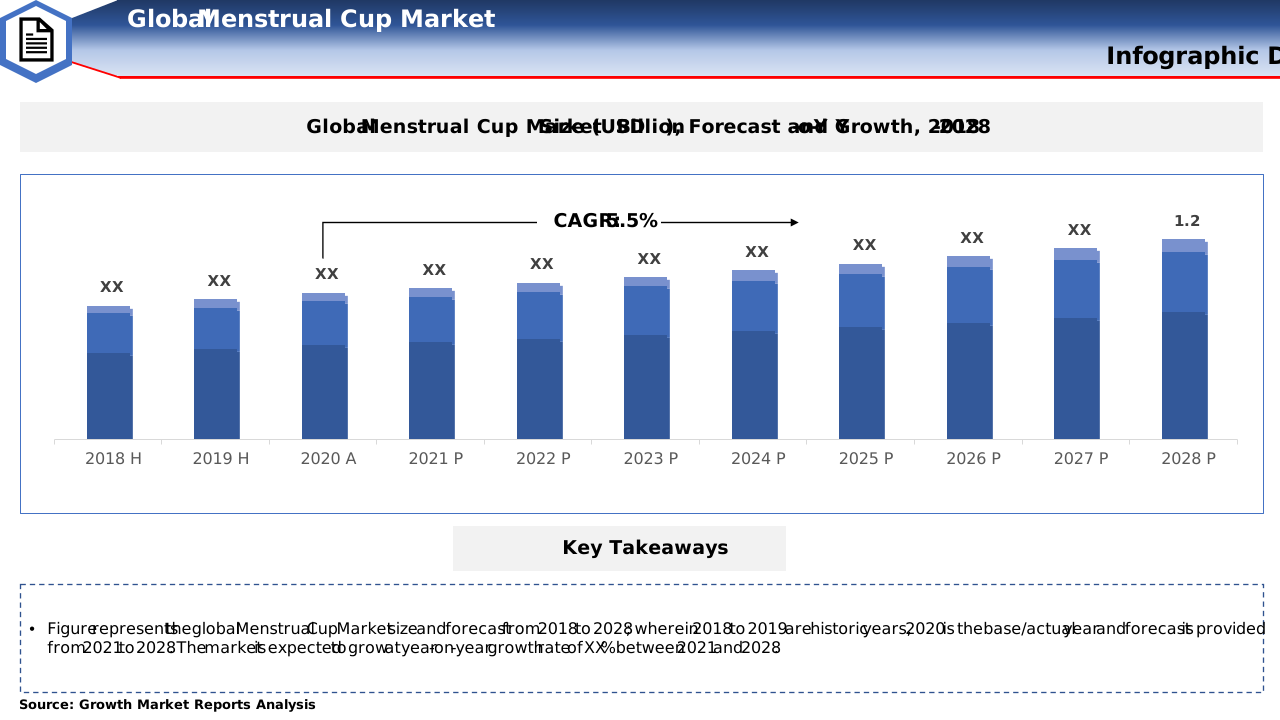
According to our latest research, the global menstrual cup market size reached USD 1.45 billion in 2024, reflecting the rapid adoption of sustainable feminine hygiene solutions worldwide. The market is projected to grow at a robust CAGR of 5.8% between 2025 and 2033, with the forecasted market size expected to reach USD 2.42 billion by 2033. This growth is primarily driven by increasing awareness of eco-friendly menstrual products, a rising global female population, and shifting consumer preferences toward cost-effective and reusable hygiene options.
One of the most significant growth factors fueling the menstrual cup market is the rising environmental consciousness among consumers. With millions of disposable sanitary pads and tampons ending up in landfills every year, the environmental impact of traditional menstrual products has become a pressing concern. Menstrual cups, particularly reusable variants, offer a sustainable alternative by significantly reducing menstrual waste. Additionally, governments and non-profit organizations have been actively promoting menstrual hygiene management and encouraging the adoption of reusable products. These initiatives, combined with widespread social media campaigns and educational programs, have played a crucial role in destigmatizing menstruation and increasing the acceptance of menstrual cups across diverse demographics.
Another key driver for the menstrual cup market is the long-term cost efficiency associated with reusable products. While the upfront cost of a menstrual cup may be higher than that of disposable pads or tampons, its durability—often lasting up to 10 years—translates into substantial savings over time. This economic advantage is particularly appealing in emerging economies, where affordability remains a critical factor in product selection. The growing presence of online stores and e-commerce platforms has further democratized access to menstrual cups, enabling consumers in remote or underserved areas to purchase high-quality products conveniently. As a result, the menstrual cup market is witnessing increased penetration in both developed and developing regions.
Technological advancements and product innovation have also contributed significantly to market growth. Manufacturers are investing in research and development to introduce menstrual cups made from hypoallergenic, medical-grade materials such as silicone, rubber, and thermoplastic elastomers. These innovations have led to the creation of products that are more comfortable, easier to use, and suitable for a broader range of users, including women, transgender, and non-binary individuals. The inclusion of diverse end-user segments reflects a growing recognition of gender diversity and inclusivity in the menstrual hygiene industry, further expanding the marketÂ’s reach and relevance.
In addition to menstrual cups, another eco-friendly option gaining traction is Period Panties. These specially designed undergarments offer a comfortable and sustainable alternative for menstrual protection. Period Panties are made with multiple layers of absorbent fabric, providing leak-proof protection without the need for disposable products. This innovation aligns with the growing consumer demand for sustainable and reusable menstrual solutions. As awareness of these products increases, they are becoming a popular choice among environmentally conscious consumers who seek convenience and comfort during their menstrual cycle.
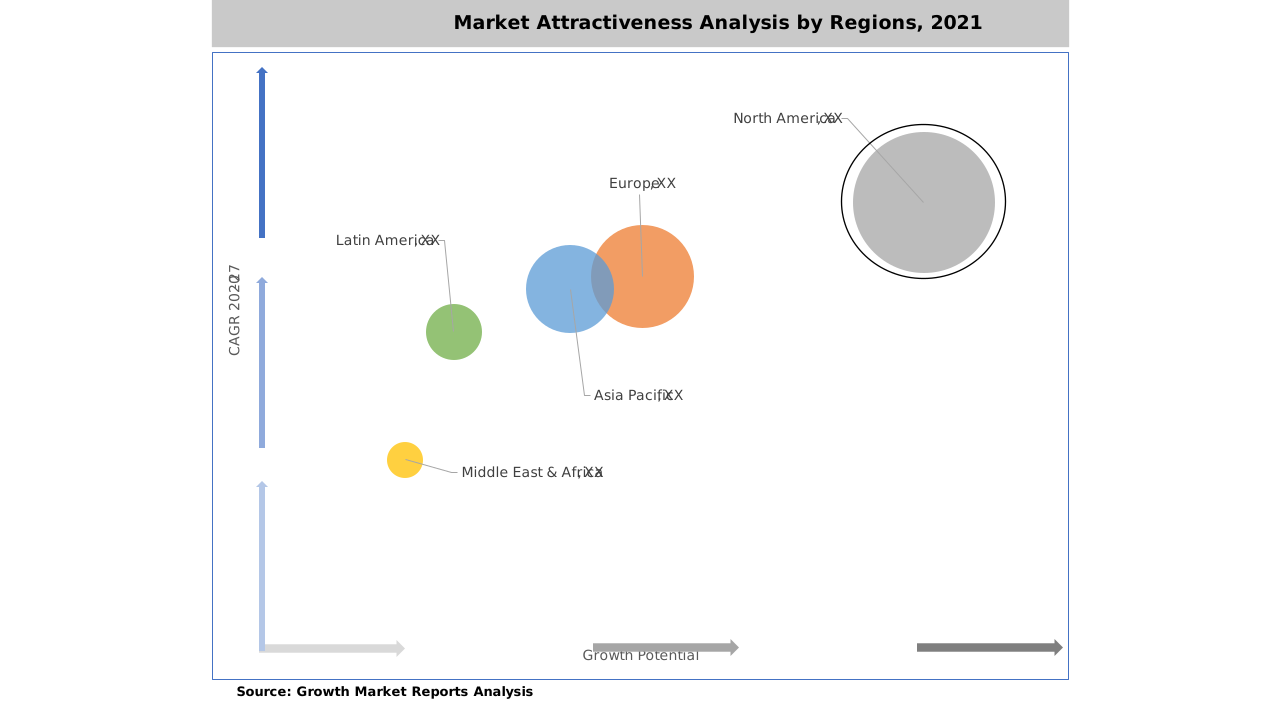
Regionally, North America and Europe continue to dominate the menstrual cup market, owing to high awareness levels, advanced healthcare infrastructure, and supportive regulatory frameworks. However, the Asia Pacific region is emerging as the fastest-growing market, driven by large population bases, increasing female workforce participation, and progressive social attitudes toward menstrual health. Latin America and the Middle East & Africa are also witnessing steady growth, supported by government-led initiatives to improve menstrual hygiene and access to affordable products. Each region presents unique opportunities and challenges, shaping the global menstrual cup marketÂ’s trajectory over the coming years.
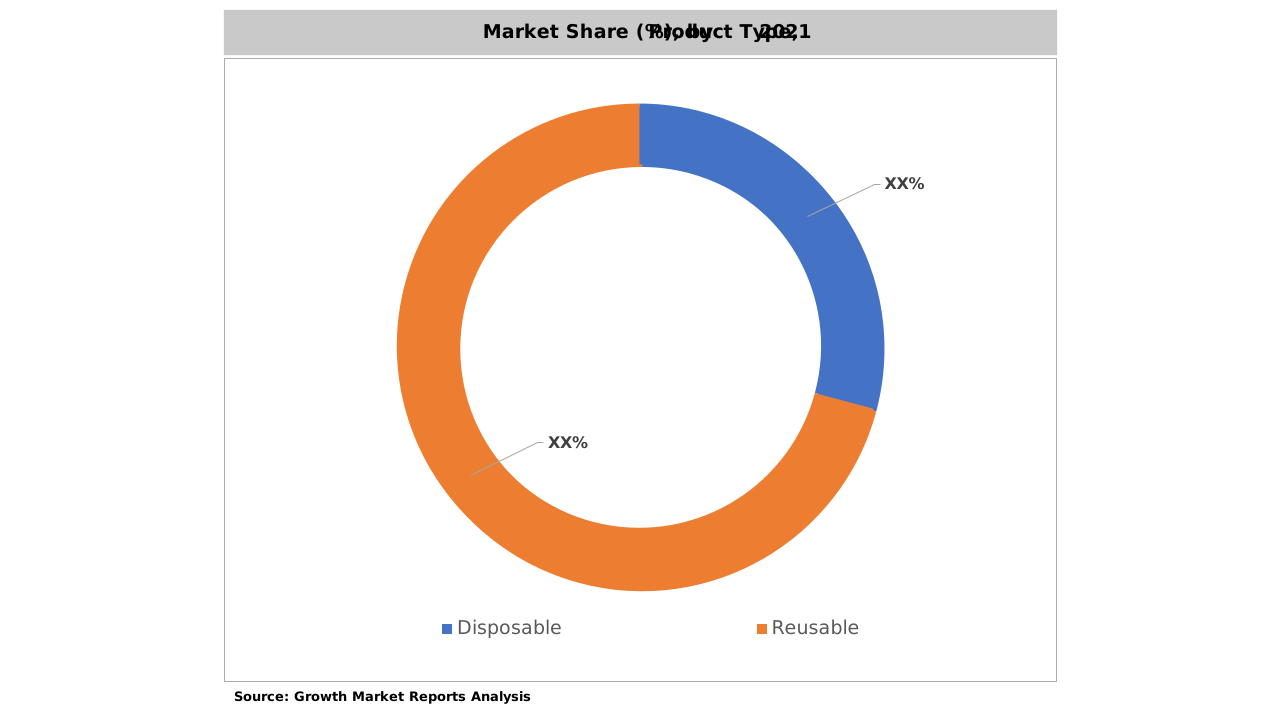
The menstrual cup market is broadly categorized by product type into reusable menstrual cups and disposable menstrual cups. Reusable menstrual cups currently account for the largest share of the market, primarily due to their cost-effectiveness and environmental benefits. These cups, typically made from medical-grade silicone or rubber, can be used for several years with proper care, making them a preferred choice among environmentally conscious consumers. The growing emphasis on sustainability and waste reduction has led to an increase in demand for reusable products, especially in markets where eco-friendly lifestyles are gaining traction. Educational initiatives and influencer-led campaigns have further enhanced consumer confidence in the safety and reliability of reusable menstrual cups, driving their widespread adoption.
Disposable menstrual cups, on the other hand, cater to a niche segment of users who prioritize convenience and hygiene. These cups are designed for single-use and are typically made from biodegradable materials, appealing to consumers who seek both ease of use and environmental responsibility. Although disposable cups command a smaller market share compared to their reusable counterparts, their popularity is growing among travelers, first-time users, and individuals with limited access to sterilization facilities. Manufacturers are continually innovating to improve the comfort and safety of disposable menstrual cups, introducing features such as leak-proof designs and hypoallergenic materials.
The emergence of Period Panty options in the market is also contributing to the diversification of menstrual hygiene products. These garments are designed to be worn just like regular underwear, but with the added benefit of built-in absorbency to handle menstrual flow. Period Panties are particularly appealing to those who prefer a more natural approach to menstrual care, as they eliminate the need for additional products such as pads or tampons. This innovation not only offers a discreet and comfortable solution but also supports the broader movement towards sustainable and zero-waste lifestyles.
The preference for reusable or disposable menstrual cups often varies by region, influenced by cultural norms, economic factors, and access to sanitation infrastructure. In developed markets such as North America and Europe, reusable cups dominate due to higher awareness levels and greater environmental consciousness. In contrast, disposable cups are gaining momentum in regions where water scarcity or inadequate sanitation facilities make the reuse of menstrual products challenging. Market players are strategically expanding their product portfolios to cater to these diverse consumer needs, ensuring that both reusable and disposable options are readily available across multiple sales channels.
Product innovation remains a critical differentiator in the menstrual cup market. Leading brands are investing in ergonomic designs, flexible stems, and varied sizing options to enhance user comfort and address individual anatomical differences. The introduction of collapsible menstrual cups and those equipped with antimicrobial properties is further expanding the marketÂ’s appeal. These advancements not only improve the user experience but also address common concerns related to insertion, removal, and cleaning, thereby reducing barriers to adoption. As competition intensifies, companies are leveraging product differentiation to capture a larger share of the growing menstrual cup market.
| Attributes | Details |
| Report Title | Menstrual Cup Market Research Report 2033 |
| By Product Type | Reusable Menstrual Cups, Disposable Menstrual Cups |
| By Material | Silicone, Rubber, Thermoplastic Elastomer, Others |
| By Distribution Channel | Online Stores, Pharmacies, Supermarkets/Hypermarkets, Others |
| By End-User | Women, Transgender, Non-binary |
| Regions Covered | North America, Europe, APAC, Latin America, MEA |
| Base Year | 2024 |
| Historic Data | 2018-2023 |
| Forecast Period | 2025-2033 |
| Number of Pages | 262 |
| Number of Tables & Figures | 330 |
| Customization Available | Yes, the report can be customized as per your need. |
Material composition is a pivotal factor influencing the performance, safety, and user acceptance of menstrual cups. The most commonly used materials in menstrual cup manufacturing include silicone, rubber, and thermoplastic elastomer (TPE), each offering distinct advantages and limitations. Silicone is the preferred material for most leading brands due to its hypoallergenic properties, flexibility, and durability. Medical-grade silicone is non-reactive, easy to sterilize, and resistant to bacterial growth, making it an ideal choice for users with sensitive skin or allergies. The widespread adoption of silicone-based menstrual cups can be attributed to their comfort, longevity, and minimal risk of adverse reactions.
Rubber, another popular material, is valued for its elasticity and affordability. However, natural rubber latex may cause allergic reactions in some individuals, limiting its suitability for sensitive users. Despite this, rubber-based menstrual cups remain prevalent in certain markets where cost considerations outweigh potential allergy risks. Manufacturers are addressing these concerns by offering latex-free alternatives and clearly labeling product materials to ensure consumer safety. Innovations in rubber processing techniques have also improved the comfort and resilience of these products, contributing to their sustained demand.
Thermoplastic elastomer (TPE) is gaining traction as a versatile and eco-friendly material for menstrual cup production. TPE offers a balance of flexibility, softness, and biocompatibility, making it suitable for a wide range of users. Its ability to be molded into various shapes and sizes allows manufacturers to create customized products that cater to individual preferences. Additionally, TPE is free from harmful chemicals and can be recycled, aligning with the growing demand for sustainable menstrual hygiene solutions. The increasing use of TPE reflects a broader trend toward innovation and environmental stewardship in the menstrual cup market.
Other materials, such as biodegradable polymers and plant-based compounds, are also being explored to further enhance the sustainability profile of menstrual cups. While these alternatives are still in the early stages of commercialization, they hold significant promise for the future. As consumers become more discerning about product ingredients and their environmental impact, material innovation will remain a key driver of market growth. Regulatory compliance and rigorous quality standards are essential to ensure the safety and efficacy of menstrual cups, regardless of the material used.
The availability and accessibility of menstrual cups are largely determined by the distribution channels through which they are marketed and sold. The primary channels include online stores, pharmacies, supermarkets/hypermarkets, and other specialty outlets. Online stores have emerged as the dominant distribution channel, accounting for the largest share of global sales. The convenience of online shopping, coupled with discreet delivery and a wide selection of brands, has made it easier for consumers to access menstrual cups, especially in regions where traditional retail infrastructure is lacking. E-commerce platforms also facilitate direct-to-consumer sales, enabling brands to offer competitive pricing and personalized customer support.
Pharmacies remain a critical distribution channel, particularly in developed markets where consumers prioritize product safety and expert guidance. The presence of menstrual cups in pharmacies enhances their credibility and ensures compliance with regulatory standards. Pharmacists play a pivotal role in educating consumers about the benefits and proper use of menstrual cups, addressing concerns related to insertion, cleaning, and maintenance. The expansion of pharmacy chains and the integration of menstrual hygiene products into mainstream healthcare offerings have contributed to the steady growth of this channel.
Supermarkets and hypermarkets provide another important avenue for menstrual cup distribution, especially in urban centers with high foot traffic. The visibility of menstrual cups alongside other feminine hygiene products encourages impulse purchases and increases consumer awareness. Retailers are increasingly dedicating shelf space to sustainable alternatives, responding to growing demand for eco-friendly options. Strategic partnerships between menstrual cup brands and major retail chains have further expanded market reach, ensuring that products are readily available to a broad consumer base.
Other distribution channels, such as specialty health stores, community health centers, and non-profit organizations, play a complementary role in market expansion. These outlets often target specific demographic groups, such as adolescents, low-income populations, or individuals in remote areas. Outreach programs and educational workshops conducted through these channels help overcome cultural taboos and misinformation, fostering greater acceptance of menstrual cups. As competition intensifies, brands are adopting omnichannel strategies to maximize visibility and capture a larger share of the growing menstrual cup market.
The menstrual cup market is evolving to address the diverse needs of its end-user segments, which include women, transgender individuals, and non-binary people. Traditionally, menstrual hygiene products were designed exclusively for cisgender women, but the growing recognition of gender diversity has prompted manufacturers to develop inclusive solutions. Women continue to represent the largest end-user group, with increasing adoption driven by rising awareness, improved product availability, and changing cultural attitudes toward menstruation. Educational initiatives targeting girls and women of reproductive age have played a crucial role in normalizing menstrual cup usage and dispelling myths about safety and efficacy.
Transgender men and non-binary individuals who menstruate often face unique challenges related to stigma, discrimination, and lack of suitable product options. The menstrual cup market is responding to these needs by offering gender-neutral packaging, inclusive marketing campaigns, and products designed for comfort and discretion. Leading brands are collaborating with LGBTQ+ organizations to raise awareness and ensure that menstrual cups are accessible to all individuals, regardless of gender identity. These efforts reflect a broader commitment to social responsibility and inclusivity within the menstrual hygiene industry.
Product customization is another key trend shaping the end-user landscape. Menstrual cups are now available in a variety of sizes, shapes, and firmness levels to accommodate different anatomical needs and preferences. This level of personalization enhances user comfort and satisfaction, reducing the risk of leakage and other common concerns. Manufacturers are leveraging feedback from diverse user groups to refine product designs and improve accessibility, further expanding the marketÂ’s reach.
The inclusion of transgender and non-binary individuals as key end-users not only broadens the market but also aligns with global efforts to promote menstrual equity and gender inclusivity. As advocacy for menstrual health continues to gain momentum, the demand for products that cater to all menstruating individuals is expected to rise. Brands that prioritize inclusivity and actively engage with marginalized communities are likely to gain a competitive edge in the evolving menstrual cup market.
The menstrual cup market presents significant opportunities for growth, driven by increasing consumer awareness and the global shift toward sustainable living. Government-led initiatives and NGO interventions aimed at improving menstrual hygiene in schools and rural areas have the potential to unlock new markets and boost product adoption. The expansion of e-commerce platforms offers an unparalleled opportunity for brands to reach underserved populations and educate consumers about the benefits of menstrual cups. Innovative marketing strategies, such as influencer partnerships and social media campaigns, are further amplifying the visibility of menstrual cups and encouraging trial among first-time users. Additionally, advancements in material science and product design are opening new avenues for differentiation and value creation, enabling brands to cater to evolving consumer preferences.
Another major opportunity lies in the integration of menstrual cups into public health programs and corporate wellness initiatives. As organizations recognize the importance of menstrual health in promoting workforce productivity and gender equality, there is a growing demand for affordable and accessible menstrual products. Collaborations between manufacturers, healthcare providers, and advocacy groups can facilitate large-scale distribution and education, particularly in low- and middle-income countries. The development of biodegradable and plant-based menstrual cups also presents a promising opportunity to address environmental concerns and appeal to eco-conscious consumers. As regulatory frameworks evolve to support the adoption of sustainable menstrual products, the market is poised for sustained growth and innovation.
Despite these opportunities, the menstrual cup market faces several restraining factors. Cultural taboos, misinformation, and lack of awareness remain significant barriers to adoption, particularly in conservative societies. Many potential users are hesitant to switch from traditional products due to concerns about insertion, discomfort, or perceived hygiene risks. Limited access to clean water and sanitation facilities in certain regions further complicates the use and maintenance of menstrual cups. To overcome these challenges, market players must invest in targeted education campaigns, community outreach programs, and product demonstrations. Building trust and dispelling myths through credible sources is essential to drive broader acceptance and unlock the full potential of the menstrual cup market.
North America continues to lead the global menstrual cup market, accounting for approximately 35% of the total market size in 2024, or around USD 507 million. The regionÂ’s dominance can be attributed to high awareness levels, advanced healthcare infrastructure, and supportive regulatory environments. The United States remains the largest market within North America, driven by widespread adoption of sustainable products and the presence of established brands. Canada is also witnessing steady growth, supported by government initiatives to promote menstrual equity and access to affordable hygiene solutions. The proliferation of online stores and retail partnerships has further expanded product availability, making menstrual cups accessible to a broad consumer base.
Europe holds the second-largest share of the menstrual cup market, with a market value of approximately USD 406 million in 2024. The regionÂ’s growth is fueled by progressive social attitudes, strong advocacy for environmental sustainability, and comprehensive menstrual health education programs. Countries such as the United Kingdom, Germany, and France are at the forefront of market expansion, supported by favorable policies and robust distribution networks. The European menstrual cup market is expected to grow at a CAGR of 5.3% from 2025 to 2033, driven by increasing demand for reusable products and rising female workforce participation.
The Asia Pacific region is emerging as the fastest-growing market, with a current market size of USD 348 million and projected double-digit growth rates over the next decade. The regionÂ’s expansion is underpinned by large population bases, improving economic conditions, and growing awareness of menstrual hygiene. India, China, and Southeast Asian countries are key contributors to market growth, supported by government-led initiatives and NGO interventions. However, challenges related to cultural taboos and limited access to sanitation facilities persist, necessitating targeted education and outreach efforts. Latin America and the Middle East & Africa together account for the remaining market share, with steady growth driven by increasing advocacy for menstrual health and expanding retail networks.
The menstrual cup market is characterized by intense competition, with both established players and new entrants vying for market share. The competitive landscape is shaped by factors such as product innovation, brand reputation, pricing strategies, and distribution reach. Leading companies are investing heavily in research and development to introduce advanced materials, ergonomic designs, and customizable options that cater to diverse consumer needs. The ability to differentiate products through unique features, such as collapsible cups or antimicrobial coatings, is becoming increasingly important as consumers seek enhanced comfort and convenience. Marketing and educational initiatives play a pivotal role in building brand loyalty and driving adoption, particularly among first-time users.
Strategic partnerships and collaborations are emerging as key growth strategies in the menstrual cup market. Companies are joining forces with healthcare providers, non-profit organizations, and government agencies to expand their reach and promote menstrual hygiene education. These partnerships facilitate large-scale distribution, particularly in underserved regions, and help overcome barriers related to awareness and accessibility. The rise of e-commerce has also leveled the playing field, enabling smaller brands to compete with established players by offering niche products and personalized customer experiences. As competition intensifies, companies are increasingly focusing on sustainability, inclusivity, and social responsibility to differentiate themselves and build lasting relationships with consumers.
Regulatory compliance and quality assurance are critical considerations for market participants, given the intimate nature of menstrual cup products. Leading brands adhere to stringent safety standards and obtain certifications from reputable organizations to ensure consumer trust. The market is also witnessing increased scrutiny from regulatory authorities, prompting companies to invest in transparent labeling, rigorous testing, and continuous product improvement. As consumer expectations evolve, brands that prioritize safety, transparency, and innovation are likely to maintain a competitive edge in the dynamic menstrual cup market.
Among the major players in the menstrual cup market are Diva International Inc., The Keeper, Inc., Lunette, Mooncup Ltd, and Saalt LLC. Diva International Inc. is known for its flagship product, the DivaCup, which has become synonymous with menstrual cups in many markets. The Keeper, Inc. offers both latex and silicone options, catering to a wide range of consumer preferences. Lunette is recognized for its focus on sustainability and education, while Mooncup Ltd is celebrated for its commitment to ethical manufacturing and gender inclusivity. Saalt LLC has gained popularity for its innovative designs and strong social impact initiatives, including partnerships to improve menstrual health in underserved communities.
Other notable companies include Me Luna, FemmyCycle, Intimina, and Ruby Cup. Me Luna specializes in customizable menstrual cups made from thermoplastic elastomer, offering a variety of sizes and colors to suit individual needs. FemmyCycle is distinguished by its patented no-spill design, addressing common concerns related to leakage and ease of use. Intimina offers a comprehensive range of menstrual health products, including collapsible cups for on-the-go convenience. Ruby Cup stands out for its buy-one-give-one model, donating menstrual cups to girls and women in need with every purchase. These companies are continuously innovating to enhance user experience, expand market reach, and promote menstrual equity on a global scale.
The competitive landscape is expected to evolve further as new entrants introduce disruptive technologies and business models. Companies that prioritize consumer education, inclusivity, and environmental stewardship are well-positioned to capitalize on emerging opportunities and drive sustainable growth in the menstrual cup market. As the market matures, collaboration and innovation will remain key pillars of success, ensuring that menstrual cups continue to gain traction as a viable and empowering solution for menstrual health management worldwide.
The Menstrual Cup market has been segmented on the basis of
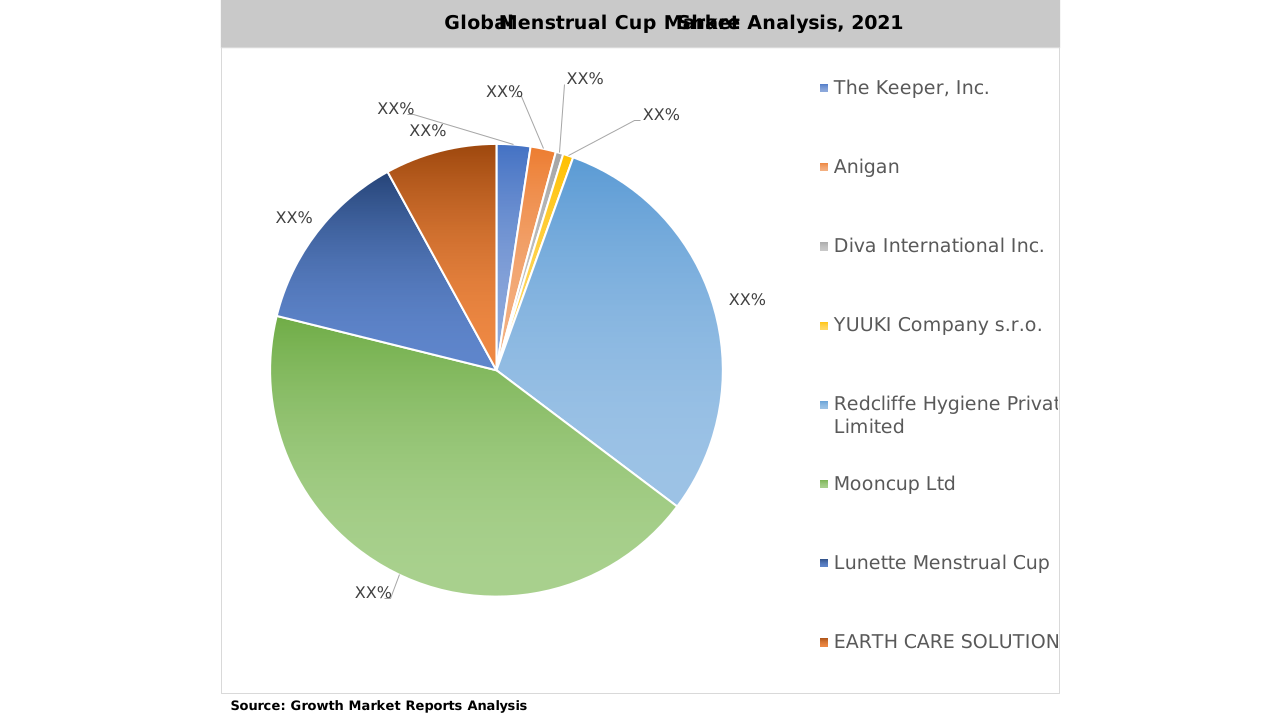
Key players in the menstrual cup market include The Keeper, Inc., Anigan, Diva International Inc., YUUKI Company s.r.o., Redcliffe Hygiene Private Limited, Mooncup Ltd, Lunette Menstrual Cup, and EARTH CARE SOLUTION. These players engage in mergers & acquisitions, collaborations, agreements, and partnerships to strengthen their geographical presence.
Major players include Diva International Inc., The Flex Company, Lunette, Mooncup Ltd., Saalt LLC, Me Luna, FemmyCycle, Intimina, Ruby Cup, and several others.
Innovations include ergonomic designs, collapsible and antimicrobial cups, hypoallergenic materials, and customizable sizes to enhance comfort and address diverse user needs.
Opportunities include growing consumer awareness, e-commerce expansion, and integration into public health programs. Challenges involve cultural taboos, misinformation, and limited access to sanitation in some regions.
Menstrual cups are used by women, transgender men, and non-binary individuals. The market is increasingly inclusive, with products and marketing tailored to diverse gender identities.
North America and Europe lead the market due to high awareness and advanced healthcare infrastructure. The Asia Pacific region is the fastest-growing market, driven by large populations and increasing awareness.
Menstrual cups are sold through online stores, pharmacies, supermarkets/hypermarkets, and specialty outlets. Online stores dominate due to convenience and wide product selection, while pharmacies and supermarkets provide credibility and visibility.
Menstrual cups are typically made from medical-grade silicone, rubber, and thermoplastic elastomer (TPE). Some brands are also exploring biodegradable and plant-based materials for enhanced sustainability.
The market is broadly categorized into reusable menstrual cups and disposable menstrual cups, with reusable cups accounting for the largest market share due to their sustainability and long-term cost savings.
Key growth drivers include increasing awareness of eco-friendly menstrual products, rising global female population, cost-effectiveness of reusable options, and supportive government and NGO initiatives promoting menstrual hygiene.
The global menstrual cup market is expected to reach USD 2.42 billion by 2033, growing at a CAGR of 5.8% from 2025 to 2033.