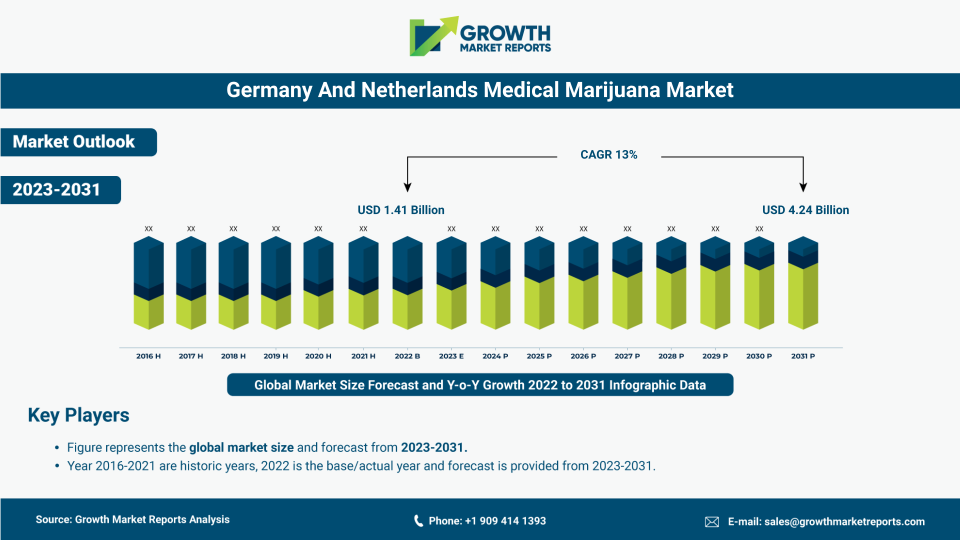
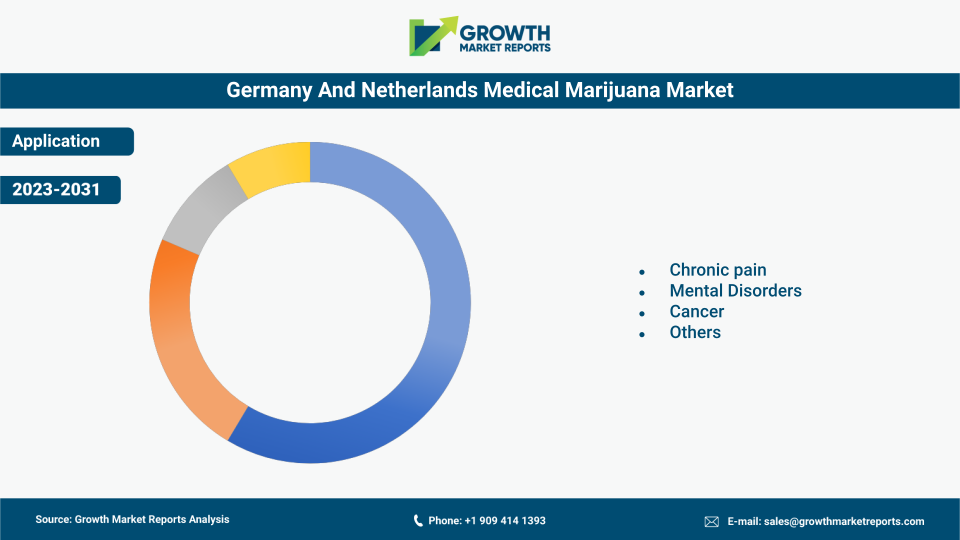
Segments - by Product Type (Dried Flower, Cannabis Oil, Tinctures, Edibles, Topicals, Others), by Application (Chronic Pain, Cancer, Mental Disorders, Neurological Disorders, Others), by Route Of Administration (Oral, Inhalation, Topical), by Distribution Channel (Dispensaries, Online Platforms, Pharmacies, Others)
As per our latest research, the global medical marijuana market size stood at USD 23.4 billion in 2024, with a robust CAGR of 18.7% anticipated from 2025 to 2033. By the end of 2033, the market is forecasted to reach a value of approximately USD 83.1 billion. This remarkable growth trajectory is primarily driven by increasing legalization, expanding therapeutic applications, and a growing body of clinical evidence supporting the efficacy of medical cannabis in the treatment of various chronic and neurological conditions.
One of the most significant growth factors propelling the medical marijuana market is the evolving regulatory landscape across major regions. Governments in North America, Europe, and parts of Latin America have progressively enacted legislation to legalize and regulate medical cannabis, thereby increasing patient access and encouraging investment in research and development. This regulatory acceptance has not only legitimized the use of cannabis for medical purposes but has also spurred pharmaceutical and biotechnology companies to explore new formulations and delivery methods, further expanding the market. The increasing acceptance among healthcare professionals and patients, coupled with the destigmatization of cannabis use for medical purposes, continues to enhance market penetration and fuel demand.
Another crucial driver is the rising prevalence of chronic diseases such as cancer, chronic pain, epilepsy, and mental health disorders. Medical marijuana has demonstrated significant efficacy in alleviating symptoms associated with these conditions, including pain management, nausea, muscle spasms, and anxiety. As the global population ages and the burden of chronic illnesses increases, the need for alternative therapies that offer both efficacy and safety becomes more pronounced. The growing body of clinical studies and real-world evidence supporting the therapeutic benefits of cannabinoids, particularly cannabidiol (CBD) and tetrahydrocannabinol (THC), is encouraging physicians to prescribe medical marijuana as an adjunct or alternative to traditional pharmaceuticals, further boosting market growth.
Technological advancements and innovation in product development represent another pivotal growth factor for the medical marijuana market. Companies are investing heavily in research to develop novel products such as edibles, tinctures, topicals, and vaporized formulations that cater to diverse patient preferences and medical needs. The integration of advanced extraction techniques, standardized dosing, and enhanced bioavailability has improved the safety and efficacy profiles of medical cannabis products. Furthermore, the expansion of distribution channels, including online platforms and specialized dispensaries, has made medical marijuana more accessible to patients, particularly in regions with restrictive healthcare infrastructure. This multifaceted approach to product innovation and distribution is expected to sustain the marketÂ’s upward trajectory in the coming years.
From a regional perspective, North America continues to dominate the global medical marijuana market, accounting for the largest share in 2024. The regionÂ’s leadership is attributed to widespread legalization, a well-established healthcare infrastructure, and a high level of patient awareness. Europe is also witnessing rapid growth, particularly in countries such as Germany, Italy, and the United Kingdom, where regulatory frameworks are becoming more favorable. Meanwhile, the Asia Pacific region is emerging as a promising market, driven by increasing investments in research and a gradual shift in regulatory policies. Latin America and the Middle East & Africa, though comparatively nascent, are showing signs of steady progress as governments recognize the therapeutic potential of medical cannabis and begin to implement pilot programs and clinical trials.
Cannabis Pharmaceuticals are increasingly becoming a focal point in the medical marijuana market, as pharmaceutical companies seek to harness the therapeutic potential of cannabinoids in a more controlled and standardized manner. These companies are investing in rigorous clinical trials to develop cannabis-based medications that meet the stringent requirements of regulatory bodies. By focusing on pharmaceutical-grade formulations, they aim to provide consistent dosing and reliable efficacy, which are crucial for gaining the trust of healthcare providers and patients alike. The development of cannabis pharmaceuticals is not only expanding treatment options for patients with chronic and debilitating conditions but also paving the way for the integration of medical marijuana into mainstream healthcare systems. As research continues to validate the benefits of cannabinoids, the role of cannabis pharmaceuticals is expected to grow, offering new avenues for innovation and market expansion.
The medical marijuana market is segmented by product type into dried flower, cannabis oil, tinctures, edibles, topicals, and others. Dried flower remains the most traditional and widely consumed form, particularly in regions where patients and physicians are most familiar with inhalation as a route of administration. Its popularity is underpinned by its rapid onset of action and the ease with which dosages can be adjusted to suit individual patient needs. However, the market for dried flower is gradually being complemented by a surge in demand for more discreet, convenient, and controlled alternatives, reflecting evolving patient preferences and advances in product innovation.
Cannabis oil has emerged as a pivotal segment within the medical marijuana market, driven by its versatility and ease of use. Oils can be ingested orally, added to food, or used in vaporization devices, providing patients with multiple administration options. The ability to standardize dosing and the higher bioavailability of active compounds in oil-based formulations have made this product type especially attractive for patients with chronic conditions requiring consistent symptom management. Pharmaceutical companies are increasingly focusing on developing high-purity, pharmaceutical-grade oils that comply with stringent quality standards, further solidifying this segmentÂ’s position in the market.
Tinctures and edibles represent another rapidly growing segment, particularly among patients seeking non-inhalation alternatives. Tinctures offer precise dosing and are typically administered sublingually, allowing for rapid absorption and onset of effects. Edibles, including gummies, baked goods, and beverages, appeal to patients who prefer a more palatable and discreet method of consumption. The growing popularity of these products is also attributed to advancements in flavor masking, improved shelf stability, and the ability to cater to dietary restrictions, making them suitable for a broader patient base.
Topicals and other innovative product types, such as transdermal patches and suppositories, are gaining traction for their targeted therapeutic effects. Topicals are particularly effective for localized pain, inflammation, and dermatological conditions, offering patients relief without systemic side effects. The ongoing development of novel delivery systems and the incorporation of synergistic ingredients, such as essential oils and herbal extracts, are expanding the scope of medical marijuana applications. As research continues to uncover new therapeutic potentials, the product type segment is expected to diversify further, accommodating the unique needs of different patient populations.
| Attributes | Details |
| Report Title | Medical Marijuana Market Research Report 2033 |
| By Product Type | Dried Flower, Cannabis Oil, Tinctures, Edibles, Topicals, Others |
| By Application | Chronic Pain, Cancer, Mental Disorders, Neurological Disorders, Others |
| By Route Of Administration | Oral, Inhalation, Topical |
| By Distribution Channel | Dispensaries, Online Platforms, Pharmacies, Others |
| Regions Covered | North America, Europe, APAC, Latin America, MEA |
| Base Year | 2024 |
| Historic Data | 2018-2023 |
| Forecast Period | 2025-2033 |
| Number of Pages | 275 |
| Number of Tables & Figures | 301 |
| Customization Available | Yes, the report can be customized as per your need. |
The application segment of the medical marijuana market is broadly categorized into chronic pain, cancer, mental disorders, neurological disorders, and others. Chronic pain management remains the largest application area, accounting for a substantial share of the market. The opioid crisis, particularly in North America, has prompted healthcare providers to seek safer alternatives for pain relief, and medical marijuana has emerged as a viable option. Its ability to alleviate neuropathic pain, reduce inflammation, and improve quality of life for patients with conditions such as arthritis, fibromyalgia, and back pain has driven widespread adoption.
Cancer is another major application area for medical marijuana, particularly in the management of chemotherapy-induced nausea, vomiting, and pain. The use of cannabinoids as adjunct therapy for cancer patients has gained significant attention, with clinical studies demonstrating their efficacy in improving appetite, reducing anxiety, and enhancing overall well-being. As cancer incidence continues to rise globally, the demand for supportive care options like medical marijuana is expected to increase, further fueling market expansion in this segment.
Mental disorders, including anxiety, depression, and post-traumatic stress disorder (PTSD), represent a growing area of interest for medical marijuana applications. Emerging research suggests that certain cannabinoids, particularly CBD, have anxiolytic and antidepressant properties, making them attractive alternatives to conventional psychiatric medications. The stigma surrounding mental health is gradually diminishing, and patients are increasingly open to exploring cannabis-based therapies, especially in regions where access to mental health services is limited. This trend is expected to drive steady growth in the mental disorders segment.
Neurological disorders such as epilepsy, multiple sclerosis, and Parkinson’s disease have also seen increased utilization of medical marijuana. The FDA approval of CBD-based medications for rare forms of epilepsy has set a precedent for the development of cannabinoid-based therapies for other neurological conditions. Patients with spasticity, seizures, and movement disorders are benefiting from the neuroprotective and anti-inflammatory properties of cannabinoids, further validating the therapeutic potential of medical marijuana. The “others” category encompasses a range of emerging applications, including autoimmune diseases, gastrointestinal disorders, and sleep disturbances, which are expected to contribute to market growth as research progresses.
The route of administration is a critical determinant of the efficacy and patient acceptance of medical marijuana products. Oral administration, which includes capsules, oils, tinctures, and edibles, is one of the most common routes due to its convenience and non-invasiveness. Oral products offer consistent dosing and are easy to integrate into daily routines, making them particularly suitable for patients with chronic conditions requiring long-term management. However, the onset of action is generally slower compared to inhalation, as cannabinoids must pass through the digestive system before entering the bloodstream.
Inhalation, which encompasses smoking and vaporization of dried flower or oils, is preferred by patients seeking rapid relief from acute symptoms such as pain or nausea. This route allows for quick absorption of cannabinoids through the lungs, resulting in almost immediate effects. While inhalation remains popular, especially in North America, concerns about respiratory health and the long-term effects of smoking have led to a shift towards vaporization and other less harmful alternatives. The development of advanced vaporization devices and pre-measured cartridges has improved the safety and convenience of this route, broadening its appeal among patients and healthcare providers.
Topical administration is gaining momentum, particularly for localized conditions such as joint pain, muscle soreness, and dermatological issues. Topicals, including creams, balms, and transdermal patches, deliver cannabinoids directly to the affected area, minimizing systemic exposure and the risk of psychoactive effects. This route is especially attractive for elderly patients and those who are sensitive to the psychoactive properties of THC. The ongoing development of innovative formulations, such as nanoemulsions and liposomal carriers, is enhancing the bioavailability and therapeutic potential of topical products.
Each route of administration offers distinct advantages and challenges, and the choice often depends on the patientÂ’s medical condition, preferences, and lifestyle. The availability of multiple administration options has contributed to the widespread adoption of medical marijuana and has enabled healthcare providers to tailor treatment regimens to individual patient needs. As research continues to elucidate the pharmacokinetics and pharmacodynamics of cannabinoids, the route of administration segment is expected to evolve, with new delivery systems emerging to address unmet medical needs.
Distribution channels play a pivotal role in the accessibility and availability of medical marijuana products. Dispensaries remain the primary distribution channel, particularly in regions with well-established regulatory frameworks. These specialized outlets offer a wide range of products, knowledgeable staff, and a controlled environment for patient education and support. Dispensaries often collaborate with licensed producers and healthcare professionals to ensure product quality and compliance with local regulations, making them a trusted source for patients seeking medical cannabis.
Online platforms have emerged as a significant distribution channel, driven by the increasing digitization of healthcare and the growing demand for convenience. E-commerce platforms allow patients to browse product catalogs, access educational resources, and place orders from the comfort of their homes. The COVID-19 pandemic accelerated the adoption of online channels, as lockdowns and social distancing measures limited access to physical dispensaries. Regulatory authorities in several regions have responded by relaxing restrictions on online sales, further legitimizing this channel and expanding its reach.
Pharmacies are also playing an increasingly important role in the distribution of medical marijuana, particularly in countries where cannabis-based medications are regulated as prescription drugs. The integration of medical marijuana into mainstream pharmacy channels enhances patient access, ensures product quality, and facilitates collaboration between pharmacists and physicians. Pharmacies offer the added benefit of professional guidance on dosing, drug interactions, and potential side effects, improving the overall safety and efficacy of medical cannabis therapy.
Other distribution channels, such as hospital-based programs and community health centers, are emerging in regions where access to medical marijuana is still limited. These channels often focus on specific patient populations, such as those with severe or refractory conditions, and may be supported by government or non-profit organizations. The diversification of distribution channels is critical to ensuring equitable access to medical marijuana and to addressing the unique needs of different patient groups. As the market continues to mature, the role of each distribution channel is expected to evolve, with increased emphasis on quality assurance, patient education, and regulatory compliance.
The medical marijuana market presents a plethora of opportunities for stakeholders across the value chain. One of the most promising opportunities lies in the ongoing expansion of legal frameworks and the increasing acceptance of medical cannabis worldwide. As more countries and states move towards legalization, the addressable patient population is expected to grow exponentially. This expansion creates opportunities for pharmaceutical companies, cultivators, and technology providers to enter new markets, establish partnerships, and develop innovative products tailored to local regulatory requirements and patient preferences. The growing acceptance of medical marijuana in mainstream medicine, coupled with increasing investment in clinical research, is expected to drive the development of novel therapies and delivery systems, further enhancing market growth.
Another significant opportunity is the integration of advanced technologies into the cultivation, processing, and distribution of medical marijuana. The adoption of precision agriculture, biotechnology, and data analytics is enabling producers to optimize yield, potency, and quality, while minimizing environmental impact and production costs. The development of standardized, pharmaceutical-grade products is attracting the attention of healthcare professionals and regulatory authorities, paving the way for broader acceptance and reimbursement. Additionally, the rise of telemedicine and digital health platforms is facilitating remote consultations, patient monitoring, and personalized treatment regimens, further expanding access to medical marijuana and improving patient outcomes.
Despite the myriad opportunities, the medical marijuana market is not without its challenges. One of the most significant restraining factors is the complex and often fragmented regulatory landscape, which varies widely across regions and even within countries. Inconsistent regulations regarding cultivation, processing, distribution, and prescription create barriers to market entry and hinder the development of a cohesive global market. The lack of standardized quality control measures and the persistence of stigma associated with cannabis use also pose challenges to market growth. These regulatory and social barriers can limit patient access, deter investment, and impede the pace of innovation, underscoring the need for harmonized policies and continued education efforts.
North America remains the dominant force in the global medical marijuana market, accounting for over 55% of the total market value in 2024, or approximately USD 12.9 billion. The United States and Canada are the primary contributors, driven by comprehensive legalization, advanced healthcare infrastructure, and a high level of patient awareness. The US market is characterized by a patchwork of state-level regulations, with over 35 states having legalized medical marijuana as of 2024. Canada, on the other hand, boasts a unified federal framework that has facilitated the growth of a robust and highly regulated industry. The regionÂ’s leadership is further reinforced by significant investment in research, product innovation, and the integration of medical marijuana into mainstream healthcare.
Europe is emerging as a key growth market, with a projected CAGR of 21.3% from 2025 to 2033, outpacing other regions. The market size in Europe reached approximately USD 4.7 billion in 2024, fueled by the increasing adoption of medical cannabis in countries such as Germany, Italy, and the United Kingdom. The European market is characterized by a strong emphasis on pharmaceutical-grade products, stringent quality standards, and a growing body of clinical evidence supporting the efficacy of medical marijuana. The expansion of reimbursement policies and the integration of cannabis-based therapies into national healthcare systems are expected to drive further growth, making Europe a focal point for investment and innovation in the coming years.
The Asia Pacific region, while still in the early stages of market development, is showing significant potential for growth. The market size in Asia Pacific was estimated at USD 2.3 billion in 2024, with countries such as Australia, Thailand, and South Korea leading the way in regulatory reform and research initiatives. The regionÂ’s growth is supported by increasing awareness of the therapeutic benefits of medical marijuana, rising healthcare expenditure, and a growing burden of chronic diseases. Latin America and the Middle East & Africa, with market sizes of USD 2.1 billion and USD 1.4 billion respectively in 2024, are also making strides, albeit at a slower pace, as governments begin to recognize the potential of medical cannabis and implement pilot programs to assess its safety and efficacy.
The competitive landscape of the medical marijuana market is characterized by a diverse mix of established pharmaceutical companies, specialized cannabis producers, biotechnology firms, and emerging startups. Intense competition is driving innovation in product development, cultivation techniques, and delivery systems, as companies strive to differentiate themselves and capture a larger share of the rapidly expanding market. Strategic partnerships, mergers and acquisitions, and collaborations with research institutions are common strategies employed by market players to enhance their product portfolios, access new markets, and leverage synergies in research and distribution.
Leading companies are investing heavily in research and development to create high-quality, standardized, and pharmaceutical-grade products that meet the stringent requirements of regulatory authorities and healthcare providers. The focus on clinical trials, real-world evidence, and patient outcomes is enabling companies to build trust among physicians and patients, paving the way for broader acceptance and integration of medical marijuana into mainstream medicine. Companies are also exploring novel delivery methods, such as transdermal patches, inhalers, and nanoemulsions, to improve the bioavailability, safety, and efficacy of their products.
The market is also witnessing the entry of multinational pharmaceutical companies, attracted by the growing body of clinical evidence supporting the therapeutic potential of cannabinoids and the expanding addressable patient population. These companies bring significant resources, expertise, and distribution networks, enabling them to scale operations and accelerate the commercialization of new therapies. However, the presence of a large number of small and medium-sized enterprises, particularly in regions with less stringent regulatory frameworks, adds to the complexity and dynamism of the competitive landscape.
Some of the major companies operating in the global medical marijuana market include Canopy Growth Corporation, Aurora Cannabis Inc., GW Pharmaceuticals plc (now part of Jazz Pharmaceuticals), Aphria Inc. (now part of Tilray Brands, Inc.), Tilray Brands, Inc., MedReleaf Corp. (now part of Aurora Cannabis), Medical Marijuana, Inc., Cresco Labs, Curaleaf Holdings, Inc., and Green Thumb Industries. These companies are at the forefront of product innovation, clinical research, and market expansion, with a strong focus on quality, safety, and patient outcomes. For instance, GW Pharmaceuticals pioneered the development of Epidiolex, the first FDA-approved CBD-based medication for rare forms of epilepsy, setting a benchmark for the industry.
Canopy Growth and Aurora Cannabis are leading players in the cultivation and distribution of medical marijuana, with extensive product portfolios covering dried flower, oils, tinctures, and edibles. Tilray Brands has established a strong presence in both North America and Europe, leveraging its expertise in pharmaceutical-grade production and regulatory compliance. Cresco Labs, Curaleaf, and Green Thumb Industries are prominent in the US market, operating extensive networks of dispensaries and focusing on patient education and community engagement. These companies are also actively pursuing international expansion, strategic acquisitions, and partnerships with healthcare providers to strengthen their market position and capitalize on emerging opportunities in the global medical marijuana market.
The Medical Marijuana market has been segmented on the basis of
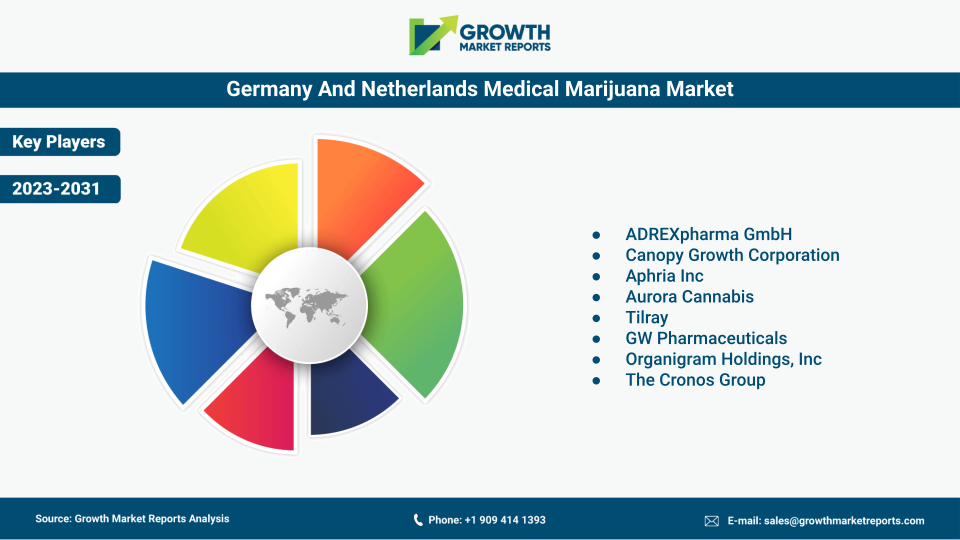
Key players competing in the Germany and Netherlands medical marijuana market are ADREXpharma GmbH; Canopy Growth Corporation; Aphria Inc; Aurora Cannabis; Tilray; GW Pharmaceuticals; Organigram Holdings, Inc; The Cronos Group; Demecan GmbH; Cannamedical Pharma GmbH.
Companies' strategic expansions in the form of mergers and acquisitions are predicted to increase competition and promote market growth. for example, in August 2019, Tilray entered into an arrangement with Cannamedical Pharma GmbH, a German company, to export USD 3.3 million worth of medical cannabis from Portugal to Germany through its German subsidiary, Tilray Portugal. Tilray's foothold in Germany will be strengthened as a result of this agreement.
Major challenges include complex and fragmented regulatory landscapes, lack of standardized quality control, and persistent social stigma associated with cannabis use.
Key players include Canopy Growth Corporation, Aurora Cannabis Inc., GW Pharmaceuticals plc (Jazz Pharmaceuticals), Tilray Brands, Cresco Labs, Curaleaf Holdings, Green Thumb Industries, and others.
Distribution channels include dispensaries, online platforms, pharmacies, and hospital-based programs or community health centers.
Medical marijuana can be administered orally (capsules, oils, edibles), by inhalation (smoking, vaporization), or topically (creams, balms, patches).
Medical marijuana is primarily used for chronic pain, cancer, mental disorders (such as anxiety and depression), neurological disorders (like epilepsy and multiple sclerosis), and other conditions including autoimmune and gastrointestinal disorders.
The main product types are dried flower, cannabis oil, tinctures, edibles, topicals, and other innovative forms like transdermal patches and suppositories.
North America dominates the market, followed by Europe. The Asia Pacific region is emerging as a promising market, while Latin America and the Middle East & Africa are showing steady progress.
Key growth drivers include increasing legalization, expanding therapeutic applications, growing clinical evidence supporting efficacy, and rising prevalence of chronic diseases.
The medical marijuana market is expected to grow at a CAGR of 18.7% from 2025 to 2033, reaching approximately USD 83.1 billion by 2033.
As of 2024, the global medical marijuana market size is valued at USD 23.4 billion.