Segments - by Product Type (Compression Therapy, Surgical Treatment, Drug Therapy, Laser Therapy, Others), by Condition Type (Primary Lymphedema, Secondary Lymphedema), by End-User (Hospitals, Clinics, Home Care Settings, Others), by Distribution Channel (Online Pharmacies, Retail Pharmacies, Hospital Pharmacies, Others)
According to our latest research, the global lymphedema treatment market size reached USD 1.32 billion in 2024, reflecting robust growth driven by increasing awareness and improved diagnosis rates. The market is projected to expand at a CAGR of 7.1% from 2025 to 2033, reaching an estimated USD 2.45 billion by 2033. This growth trajectory is underpinned by rising incidences of lymphedema, particularly among cancer survivors, and the ongoing advancements in treatment modalities. The lymphedema treatment market is witnessing significant momentum due to the convergence of technological innovation, patient-centric care models, and the rising prevalence of chronic diseases necessitating effective lymphatic management.
One of the primary growth factors for the lymphedema treatment market is the escalating prevalence of cancer, especially breast cancer, which frequently leads to secondary lymphedema as a complication post-surgery or radiation therapy. The increasing adoption of advanced diagnostic techniques has led to higher detection rates, further fueling demand for effective lymphedema management solutions. Furthermore, heightened patient awareness, coupled with educational initiatives by healthcare organizations and advocacy groups, has contributed to early intervention and improved outcomes. The integration of digital health solutions, such as telemedicine and wearable monitoring devices, is also enhancing patient engagement and compliance, which are critical for successful lymphedema management.
Another significant driver is the technological innovation in compression therapy and surgical techniques. The introduction of next-generation compression garments, pneumatic devices, and minimally invasive surgical procedures has expanded the arsenal of treatment options available to clinicians and patients alike. These advancements are not only improving the efficacy of lymphedema management but are also reducing the risk of complications and enhancing patient quality of life. Additionally, the growing emphasis on personalized medicine and tailored treatment regimens is enabling healthcare providers to offer more precise and effective interventions, further propelling market growth. Investments in research and development by both established players and startups are expected to yield novel therapies and devices, thereby widening the scope of the lymphedema treatment market.
The rising geriatric population and the increasing incidence of chronic venous diseases are also contributing to the expanding lymphedema treatment market. Older adults are more susceptible to lymphatic dysfunction due to age-related physiological changes and comorbidities, necessitating long-term management strategies. Governments and healthcare systems across the globe are prioritizing chronic disease management, which includes lymphedema, as part of their public health agendas. This has led to increased funding for screening programs, improved reimbursement policies, and greater access to specialized care. As a result, the market is witnessing a steady influx of new patients seeking both traditional and innovative lymphedema treatments, further bolstering overall market growth.
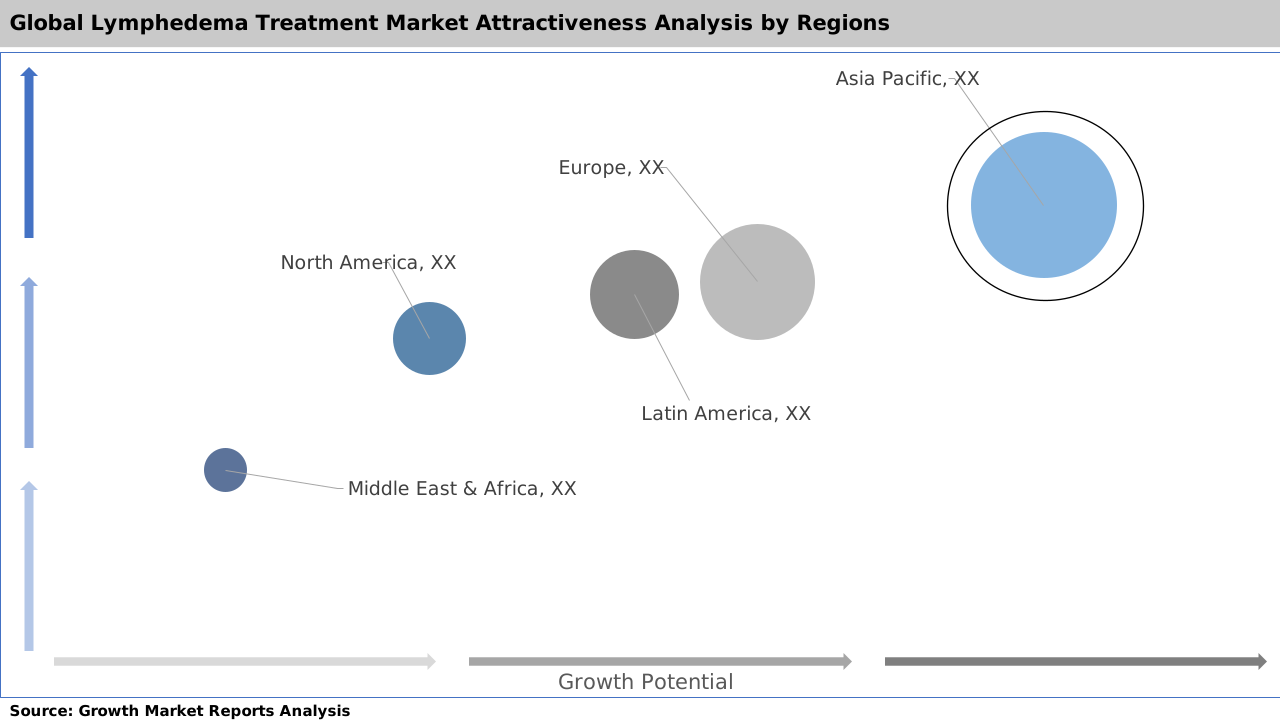
From a regional perspective, North America remains the dominant market for lymphedema treatment, driven by high healthcare expenditure, advanced medical infrastructure, and widespread adoption of innovative therapies. Europe follows closely, benefiting from strong government support and active patient advocacy networks. The Asia Pacific region, however, is emerging as a high-growth market due to increasing healthcare investments, rising awareness, and a rapidly aging population. Latin America and the Middle East & Africa, while representing smaller shares, are experiencing gradual market expansion as access to healthcare improves and awareness initiatives gain traction. Overall, the global lymphedema treatment market is poised for sustained growth across all major regions, with significant opportunities for both established and emerging players.
The lymphedema treatment market is segmented by product type into compression therapy, surgical treatment, drug therapy, laser therapy, and others. Compression therapy remains the cornerstone of lymphedema management, accounting for the largest share of the market in 2024. This segment encompasses a wide range of products, including compression garments, bandages, and pneumatic compression devices, all of which are designed to facilitate lymphatic drainage and minimize swelling. The increasing availability of customized and technologically advanced compression products has significantly improved patient adherence and outcomes. Furthermore, the growing endorsement of compression therapy by clinical guidelines and professional societies continues to drive its widespread adoption.
Surgical treatment represents a rapidly evolving segment within the lymphedema treatment market, propelled by advances in microsurgical techniques and imaging modalities. Procedures such as lymphovenous anastomosis, vascularized lymph node transfer, and liposuction are gaining traction as effective options for patients with moderate to severe lymphedema who do not respond adequately to conservative measures. The expansion of specialized surgical centers and the growing expertise of surgeons in this field are contributing to the rising number of procedures performed globally. Although surgical interventions typically involve higher costs and longer recovery times, their potential to provide lasting relief and improve quality of life is driving increased patient interest and payer support.
Drug therapy is another important product type in the lymphedema treatment market, though it currently occupies a smaller share compared to compression and surgical modalities. Pharmaceutical interventions, including anti-inflammatory agents, diuretics, and novel biologics, are being explored to address the underlying pathophysiology of lymphedema. Ongoing research into targeted therapies and the development of new drug formulations is expected to enhance the efficacy and safety profiles of available treatments. As the understanding of lymphedema’s molecular mechanisms deepens, the drug therapy segment is anticipated to witness steady growth, particularly in combination with other treatment modalities.
Laser therapy and other emerging modalities are also contributing to the diversification of the lymphedema treatment landscape. Low-level laser therapy (LLLT) has demonstrated promising results in reducing swelling and improving lymphatic function, particularly in early-stage disease. The non-invasive nature of laser therapy, coupled with minimal side effects, makes it an attractive option for both patients and clinicians. Ongoing clinical trials and technological refinements are likely to further validate and expand the use of laser therapy in lymphedema management. The "others" category includes adjunctive therapies and alternative treatments that are being integrated into comprehensive care plans to optimize patient outcomes.
Overall, the product type segment in the lymphedema treatment market is characterized by continuous innovation and a strong focus on improving patient-centered care. The interplay between established modalities and emerging technologies is shaping a dynamic market landscape, offering a broad spectrum of options tailored to the diverse needs of lymphedema patients worldwide. As research and development efforts intensify, the market is expected to witness the introduction of more effective, convenient, and accessible treatment solutions across all product categories.
| Attributes | Details |
| Report Title | Lymphedema Treatment Market Research Report 2033 |
| By Product Type | Compression Therapy, Surgical Treatment, Drug Therapy, Laser Therapy, Others |
| By Condition Type | Primary Lymphedema, Secondary Lymphedema |
| By End-User | Hospitals, Clinics, Home Care Settings, Others |
| By Distribution Channel | Online Pharmacies, Retail Pharmacies, Hospital Pharmacies, Others |
| Regions Covered | North America, Europe, APAC, Latin America, MEA |
| Base Year | 2024 |
| Historic Data | 2018-2023 |
| Forecast Period | 2025-2033 |
| Number of Pages | 280 |
| Number of Tables & Figures | 324 |
| Customization Available | Yes, the report can be customized as per your need. |
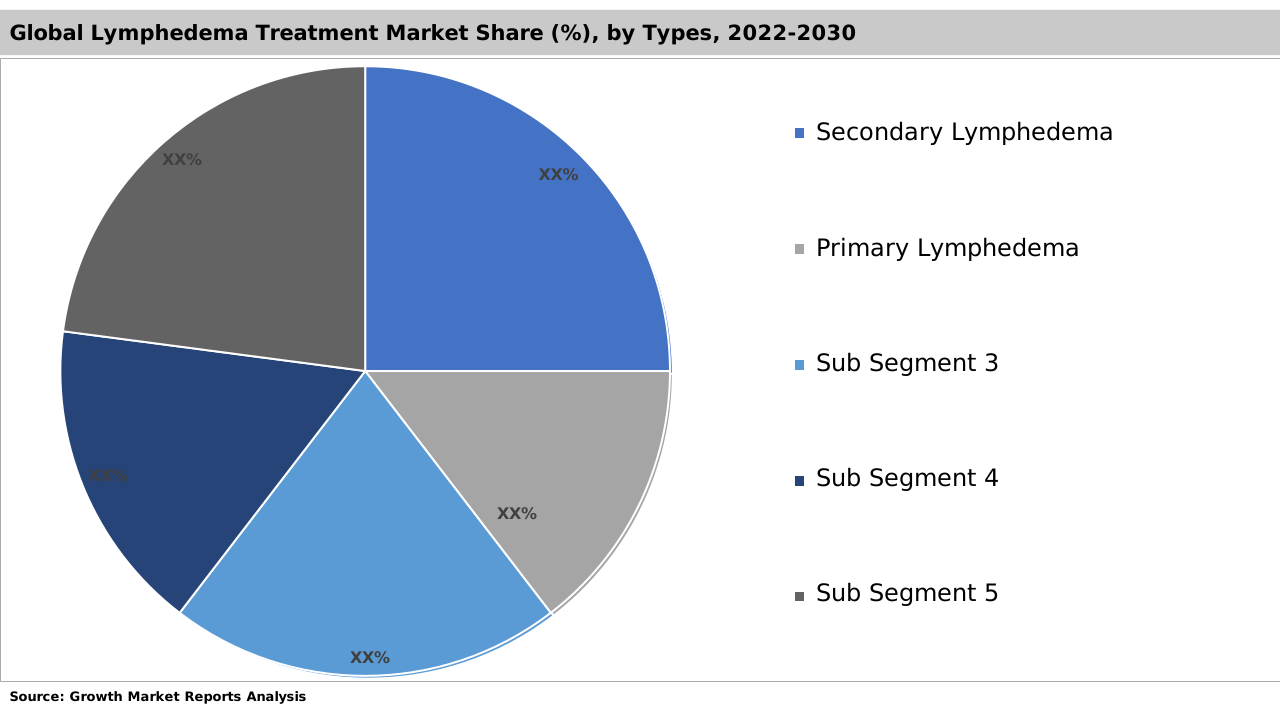
The lymphedema treatment market is further segmented by condition type into primary lymphedema and secondary lymphedema. Primary lymphedema is a rare, inherited condition caused by congenital abnormalities in the lymphatic system, whereas secondary lymphedema arises as a consequence of damage to the lymphatic vessels, most commonly due to cancer treatments, infections, or trauma. In 2024, secondary lymphedema accounted for the majority of cases, reflecting the high incidence of cancer-related lymphedema, particularly among breast, gynecological, and prostate cancer survivors. The increasing global cancer burden and improved survival rates are key factors driving the demand for effective secondary lymphedema management.
Primary lymphedema, while less prevalent, presents unique challenges for diagnosis and treatment due to its heterogeneous clinical presentation and potential for early onset. Advances in genetic testing and molecular diagnostics have improved the identification of primary lymphedema, enabling earlier intervention and more targeted therapeutic strategies. The growing awareness of primary lymphedema among healthcare professionals and patients is contributing to increased demand for specialized care and support services. Research into the underlying genetic and molecular mechanisms of primary lymphedema is also paving the way for the development of novel therapies aimed at addressing the root causes of the condition.
Secondary lymphedema continues to dominate the lymphedema treatment market, with a significant proportion of cases attributed to cancer therapies such as lymph node dissection and radiation. The implementation of standardized screening protocols and risk assessment tools in oncology settings has led to earlier detection and intervention, thereby improving patient outcomes and reducing the risk of complications. Multidisciplinary care models, involving oncologists, surgeons, physiotherapists, and lymphedema specialists, are becoming increasingly prevalent, offering comprehensive support to individuals at risk of or living with secondary lymphedema.
The management of both primary and secondary lymphedema necessitates a personalized approach, taking into account the underlying etiology, disease severity, and patient-specific factors. The availability of a broad range of treatment modalities, from conservative measures to advanced surgical interventions, enables clinicians to tailor care plans to individual needs. Ongoing education and training initiatives aimed at healthcare providers are essential for ensuring optimal diagnosis, treatment, and long-term management of both primary and secondary lymphedema.
In summary, the condition type segment of the lymphedema treatment market reflects the complex and multifaceted nature of the disease. Continued investment in research, education, and patient support is critical for advancing the understanding and management of both primary and secondary lymphedema, ultimately improving quality of life for affected individuals worldwide. As the market evolves, greater emphasis on early detection, personalized care, and multidisciplinary collaboration will be key drivers of growth and innovation in this segment.
The lymphedema treatment market is segmented by end-user into hospitals, clinics, home care settings, and others. Hospitals remain the largest end-user segment, driven by the availability of advanced diagnostic and therapeutic technologies, as well as the presence of multidisciplinary care teams. Hospitals are often the first point of contact for patients with moderate to severe lymphedema, particularly those with cancer-related complications. The integration of lymphedema management into oncology and surgical departments has enhanced the ability of hospitals to provide comprehensive care, including early diagnosis, advanced surgical interventions, and coordinated rehabilitation services.
Clinics, including specialized lymphedema centers and outpatient rehabilitation facilities, play a crucial role in the ongoing management of lymphedema. These settings offer a range of services, from manual lymphatic drainage and compression therapy to patient education and psychosocial support. The growing recognition of the importance of multidisciplinary care has led to the establishment of dedicated lymphedema clinics staffed by trained therapists, nurses, and allied health professionals. Clinics are particularly well-suited to providing individualized care plans and ongoing monitoring, which are essential for achieving optimal long-term outcomes.
Home care settings are emerging as a significant end-user segment, reflecting the shift towards patient-centered care and the increasing emphasis on self-management. Advances in telehealth, remote monitoring, and portable therapeutic devices have enabled patients to receive high-quality lymphedema care in the comfort of their own homes. Home-based care is particularly beneficial for individuals with mobility limitations, those living in remote or underserved areas, and patients requiring long-term maintenance therapy. The growing adoption of home care solutions is supported by favorable reimbursement policies and the rising demand for cost-effective, convenient treatment options.
Other end-users in the lymphedema treatment market include academic medical centers, research institutions, and community health organizations. These entities play a vital role in advancing research, education, and public awareness of lymphedema. Collaborative initiatives between healthcare providers, patient advocacy groups, and industry stakeholders are driving innovation and improving access to care. The increasing involvement of non-traditional end-users, such as wellness centers and alternative medicine practitioners, is also contributing to the diversification of the lymphedema treatment landscape.
Overall, the end-user segment of the lymphedema treatment market is characterized by a strong focus on multidisciplinary collaboration, patient empowerment, and the integration of innovative care models. The ongoing evolution of healthcare delivery, coupled with advances in technology and patient engagement, is expected to further expand the range of end-users and enhance the quality and accessibility of lymphedema treatment worldwide.
The distribution channel segment of the lymphedema treatment market comprises online pharmacies, retail pharmacies, hospital pharmacies, and others. Online pharmacies have witnessed significant growth in recent years, driven by the increasing adoption of e-commerce platforms, expanding internet penetration, and the convenience of home delivery. The ability to access a wide range of lymphedema treatment products, including compression garments, medications, and therapeutic devices, has made online pharmacies an attractive option for patients and caregivers. The COVID-19 pandemic further accelerated the shift towards digital health and online purchasing, a trend that is expected to persist in the coming years.
Retail pharmacies continue to play a vital role in the distribution of lymphedema treatment products, particularly in urban and suburban areas. These outlets offer easy access to over-the-counter compression products, prescription medications, and patient education materials. The presence of trained pharmacists and the availability of in-person consultations contribute to the popularity of retail pharmacies among patients seeking guidance on product selection and proper usage. Retail pharmacies are also increasingly collaborating with healthcare providers and manufacturers to expand their product offerings and enhance the quality of care provided to lymphedema patients.
Hospital pharmacies are integral to the supply chain for lymphedema treatment, particularly for patients receiving care in inpatient or outpatient hospital settings. These pharmacies ensure the timely availability of specialized medications, surgical supplies, and therapeutic devices required for comprehensive lymphedema management. Hospital pharmacies also play a key role in supporting the implementation of standardized treatment protocols, medication safety initiatives, and patient education programs. The close integration of hospital pharmacies with clinical care teams enhances the coordination and continuity of care for lymphedema patients.
Other distribution channels include specialty medical supply stores, rehabilitation centers, and direct-to-consumer sales by manufacturers. These channels are particularly important for patients requiring customized or hard-to-find products, as well as those seeking specialized support and training. The increasing emphasis on personalized care and the growing availability of innovative distribution models are contributing to the diversification of the lymphedema treatment supply chain.
In summary, the distribution channel segment of the lymphedema treatment market is characterized by a dynamic interplay between traditional and digital channels, each offering unique advantages and addressing specific patient needs. As consumer preferences continue to evolve and technology advances, the market is expected to witness further innovation in distribution strategies, ultimately enhancing access, convenience, and patient satisfaction.
The lymphedema treatment market presents a wealth of opportunities for stakeholders across the value chain. One of the most promising avenues is the development of novel therapies and devices that address the unmet needs of lymphedema patients. Advances in biotechnology, biomaterials, and digital health are paving the way for the introduction of next-generation products with improved efficacy, safety, and user-friendliness. The growing emphasis on personalized medicine, driven by advances in genomics and molecular diagnostics, offers the potential to tailor interventions to individual patient profiles, thereby optimizing outcomes. Strategic collaborations between industry players, academic institutions, and patient advocacy groups are fostering innovation and accelerating the translation of research into clinical practice. As awareness of lymphedema continues to rise, there is also significant potential for market expansion in emerging economies, where access to care and treatment options are currently limited.
Another key opportunity lies in the integration of digital health solutions and remote monitoring technologies into lymphedema management. The increasing adoption of telemedicine, wearable devices, and mobile health applications is transforming the way patients and clinicians interact, enabling real-time monitoring, early detection of complications, and more proactive disease management. These technologies are particularly valuable for improving access to care in remote or underserved areas, reducing the burden on healthcare systems, and empowering patients to take a more active role in their own care. The ongoing digital transformation of healthcare is expected to drive further innovation and create new business models in the lymphedema treatment market.
Despite the numerous opportunities, the lymphedema treatment market faces several restraining factors that may hinder its growth. One of the primary challenges is the lack of standardized treatment protocols and limited awareness among healthcare professionals, particularly in low- and middle-income countries. Delayed diagnosis, inadequate training, and insufficient access to specialized care can result in suboptimal outcomes and increased disease burden. Reimbursement challenges and high out-of-pocket costs for advanced therapies and devices also pose significant barriers to market growth. Addressing these challenges will require concerted efforts from policymakers, healthcare providers, and industry stakeholders to improve education, streamline reimbursement processes, and enhance access to high-quality lymphedema care.
North America led the lymphedema treatment market in 2024, accounting for USD 460 million of the global market size. This dominance is attributed to advanced healthcare infrastructure, strong reimbursement frameworks, and a high prevalence of cancer-related lymphedema. The United States, in particular, is at the forefront of market growth, driven by significant investments in research and development, widespread adoption of innovative therapies, and active patient advocacy networks. Canada also contributes to regional growth through robust public health initiatives and increasing awareness of lymphedema management.
Europe is the second-largest regional market, with a value of USD 370 million in 2024, and is projected to grow at a CAGR of 6.8% through 2033. Key countries driving growth include Germany, the United Kingdom, France, and Italy, all of which have well-established healthcare systems and strong government support for chronic disease management. The European market benefits from active research collaborations, cross-border healthcare initiatives, and a growing emphasis on personalized and multidisciplinary care. Patient advocacy organizations and professional societies play a vital role in raising awareness, promoting best practices, and supporting patients across the region.
The Asia Pacific region is emerging as a high-growth market, with a current market size of USD 300 million in 2024. Rapid urbanization, increasing healthcare investments, and a rising geriatric population are key factors driving market expansion in countries such as China, Japan, India, and Australia. The region is witnessing improvements in healthcare access, the adoption of advanced treatment modalities, and the implementation of public health campaigns aimed at early detection and intervention. Latin America and the Middle East & Africa, while representing smaller shares of the global market, are experiencing gradual growth as healthcare infrastructure improves and awareness initiatives gain momentum. The combined market size for these regions is estimated at USD 190 million in 2024, with significant potential for future expansion as access to care and treatment options continue to improve.
The competitive landscape of the lymphedema treatment market is characterized by the presence of both established multinational corporations and innovative startups. The market is highly dynamic, with companies competing on the basis of product innovation, clinical efficacy, pricing, and customer support. Leading players are investing heavily in research and development to introduce next-generation products, expand their portfolios, and address emerging patient needs. Strategic partnerships, mergers, and acquisitions are common strategies employed to strengthen market presence, enhance distribution capabilities, and accelerate the commercialization of new technologies.
Product differentiation is a key focus area for market participants, with companies striving to develop solutions that offer superior comfort, convenience, and therapeutic outcomes. The introduction of smart compression garments, portable pneumatic devices, and advanced surgical instruments has set new benchmarks for quality and performance in lymphedema management. In addition, companies are leveraging digital health platforms and data analytics to enhance patient monitoring, improve adherence, and facilitate personalized care. The emphasis on patient-centric design and user experience is driving the adoption of innovative products and services across all segments of the market.
Regulatory compliance and quality assurance are critical considerations for companies operating in the lymphedema treatment market. Adherence to international standards and guidelines is essential for ensuring product safety, efficacy, and market access. Companies are actively engaged in clinical trials, post-market surveillance, and continuous improvement initiatives to maintain their competitive edge and build trust with healthcare providers and patients. The ability to navigate complex regulatory environments, secure timely approvals, and demonstrate value to payers and providers is a key determinant of success in this market.
Major companies operating in the global lymphedema treatment market include 3M Health Care, Bio Compression Systems, Inc., BSN Medical GmbH (Essity AB), Tactile Medical, Sigvaris Group, Smith & Nephew plc, and Medi GmbH & Co. KG. These companies are recognized for their extensive product portfolios, strong distribution networks, and commitment to innovation. For instance, 3M Health Care is renowned for its advanced compression therapy solutions and wound care products, while Tactile Medical specializes in pneumatic compression devices and digital health platforms. BSN Medical, a subsidiary of Essity AB, offers a comprehensive range of compression garments and bandages, catering to diverse patient needs. Bio Compression Systems is known for its state-of-the-art pneumatic compression devices, which are widely used in both clinical and home care settings.
The competitive landscape is further enriched by the presence of regional players and emerging startups focused on niche segments and innovative technologies. These companies are driving market growth through agile business models, targeted product development, and close collaboration with healthcare providers and patient communities. As the lymphedema treatment market continues to evolve, competition is expected to intensify, leading to the introduction of new products, improved patient outcomes, and expanded access to high-quality care worldwide.
The Lymphedema Treatment market has been segmented on the basis of
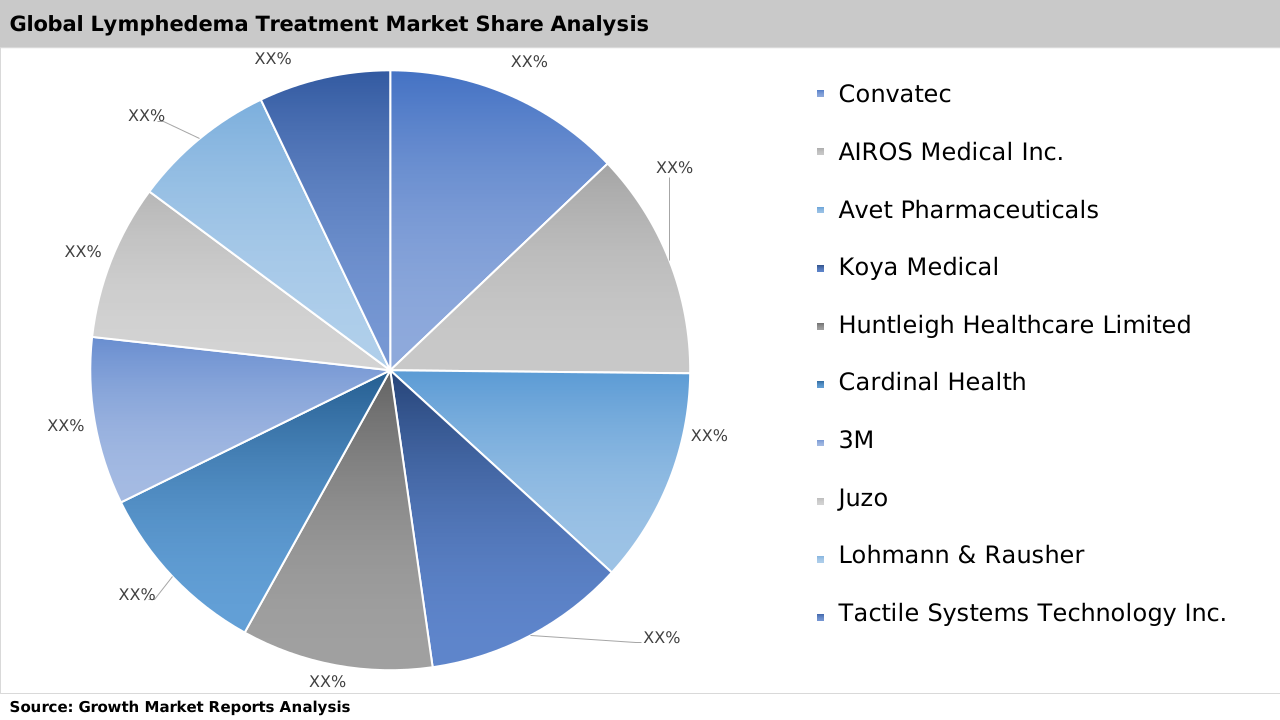
Key players competing in the lymphedema treatment market include Convatec; AIROS Medical Inc.; Avet Pharmaceuticals; Koya Medical; Huntleigh Healthcare Limited; Cardinal Health; 3M; Juzo; Lohmann & Rausher; Tactile Systems Technology Inc.; Wright Therapy Products; 3A Health Care; Herantis Pharma PLC; SIGVARIS; Bio Compression Systems Inc.; Mego Afek Ltd.; medi GmbH & Co. KG; KOYA MEDICAL; Avet Pharmaceuticals Inc.; and Tactile Medical. Some of these players are using several market strategies such as acquisitions, mergers, collaborations, partnerships, capacity expansion, and product launches to enhance their market share. For instance,
Juzo; Lohmann & Rausher; Tactile Systems Technology Inc.; Wright Therapy Products; 3A Health Care are some of the leading players in the lymphedema treatment market.
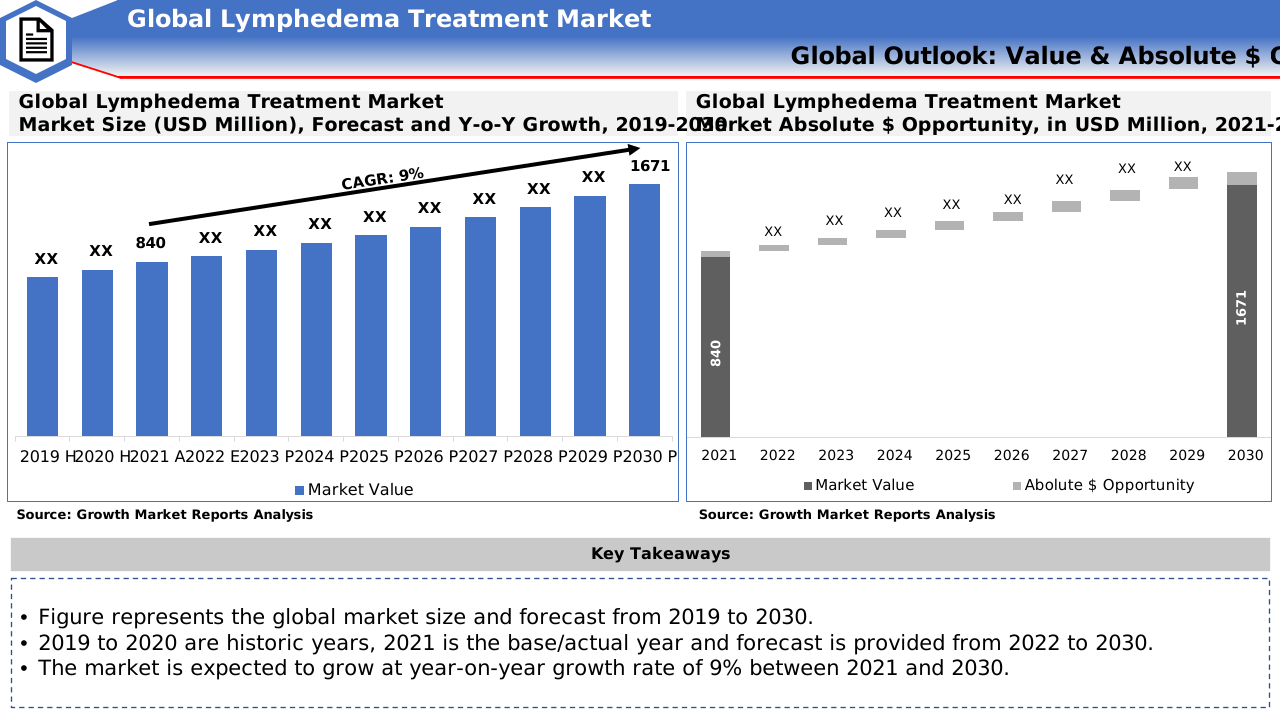
The lymphedema treatment market size was valued at USD 840 million in 2021.
The lymphedema treatment market is projected to reach USD 1671 million by 2030.
The lymphedema treatment market is projected to expand at a CAGR of around 9% during the forecast period, 2022 – 2030.
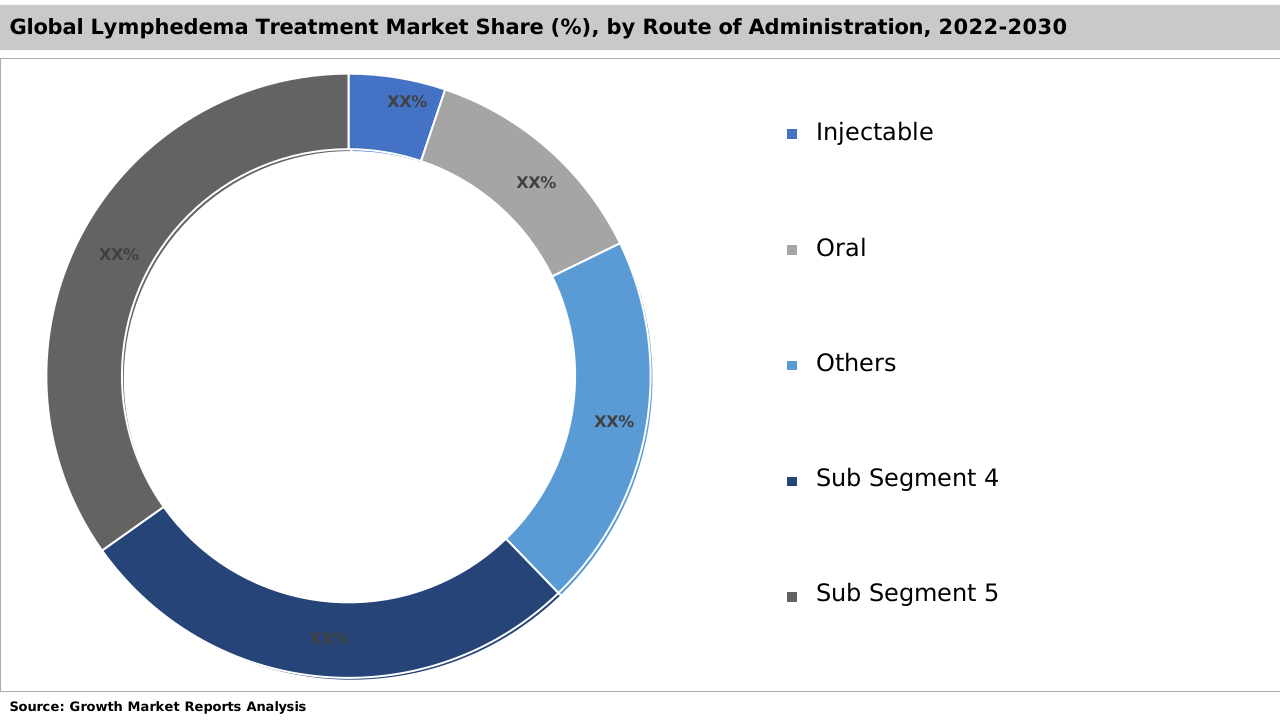
The segments provided in the lymphedema treatment market are Types, Treatment Types, Affected Areas, Route of administration, End-users.