Segments - by Product Type (Mechanical Watches, Quartz Watches, Smart Luxury Watches), by Material (Gold, Platinum, Stainless Steel, Titanium, Ceramic, Others), by End User (Men, Women, Unisex), by Distribution Channel (Online Retail, Offline Retail, Specialty Stores, Department Stores, Others), by Price Range (Entry-level Luxury, Mid-tier Luxury, High-end Luxury, Ultra-luxury)
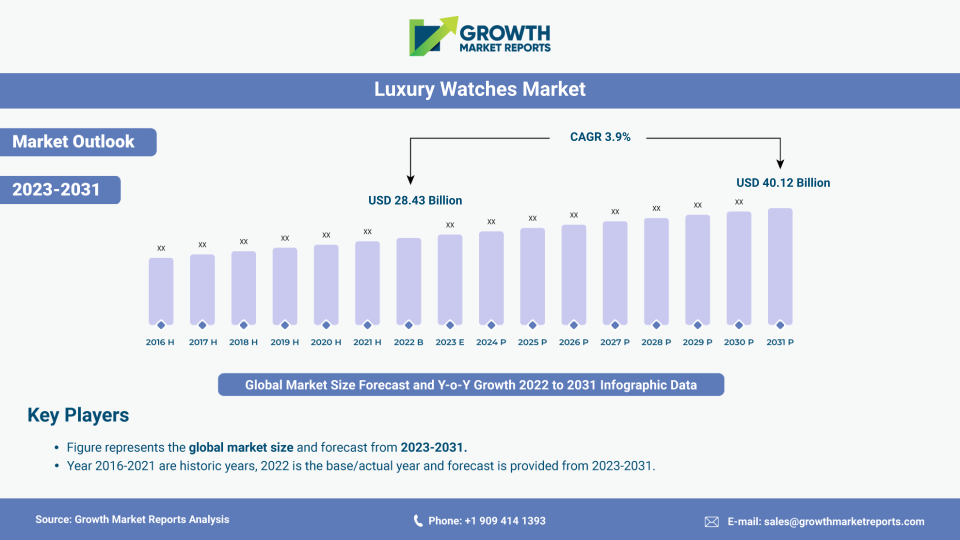
According to our latest research, the global luxury watches market size reached USD 47.2 billion in 2024, reflecting robust consumer demand and resilient brand equity across key markets. The industry is expected to expand at a CAGR of 5.7% during the forecast period, with the market projected to attain a value of USD 77.2 billion by 2033. This growth is primarily driven by increasing disposable incomes, evolving consumer preferences towards luxury and status-driven products, and the continued expansion of the affluent population worldwide. As per our comprehensive analysis, the luxury watches market is benefitting from a blend of heritage craftsmanship and innovation, positioning it for sustained growth over the next decade.
One of the core growth factors propelling the luxury watches market is the enduring appeal of mechanical and artisanal timepieces, which continue to symbolize prestige, tradition, and sophistication. Consumers, particularly in emerging economies, are exhibiting a heightened appreciation for luxury goods that offer exclusivity and heritage value. The resurgence of interest in mechanical watches, often handcrafted and limited in production, is fueling demand among collectors and enthusiasts. Furthermore, the proliferation of digital media and social platforms has amplified brand storytelling, allowing luxury watchmakers to reach new audiences and cultivate aspirational brand images. This blend of tradition and modern outreach is ensuring that luxury watches remain coveted symbols of status and achievement.
Another significant driver is the increasing penetration of e-commerce and digital retail channels, which are transforming the way luxury watches are marketed and sold. Online platforms are enabling brands to extend their global reach, provide immersive shopping experiences, and offer personalized services that cater to the discerning tastes of luxury consumers. The integration of augmented reality and virtual try-on technologies is further enhancing consumer engagement and reducing purchase hesitancy. Moreover, the rise of millennial and Gen Z consumers, who are more digitally savvy and value transparency, is prompting brands to innovate in their digital strategies while maintaining exclusivity and authenticity. This digital transformation is not only expanding the addressable market but also fostering deeper brand-consumer relationships.
Sustainability and ethical sourcing have emerged as pivotal factors influencing purchasing decisions in the luxury watches market. TodayÂ’s consumers are increasingly conscious of the environmental and social impact of their luxury purchases, prompting brands to adopt responsible sourcing of materials such as gold, platinum, and diamonds. Initiatives like traceable supply chains, recycled metals, and eco-friendly packaging are gaining traction, with brands leveraging these practices as unique selling propositions. The alignment of sustainability with luxury values is enabling watchmakers to attract environmentally aware consumers without compromising on quality or exclusivity. As regulatory frameworks evolve and consumer expectations rise, sustainability will continue to shape product development and marketing strategies within the luxury watches sector.
As the luxury watch market continues to evolve, the importance of Luxury Timepiece Authentication has become increasingly significant. With the rise of counterfeit products and the growing demand for pre-owned luxury watches, ensuring the authenticity of a timepiece is crucial for both buyers and sellers. Authentication services provide peace of mind by verifying the provenance, condition, and originality of a watch, thereby protecting consumers from fraudulent transactions. This process not only enhances consumer trust but also preserves the integrity and value of luxury brands. As digital platforms expand, integrating robust authentication measures will be essential in maintaining consumer confidence and fostering a secure marketplace for luxury timepieces.
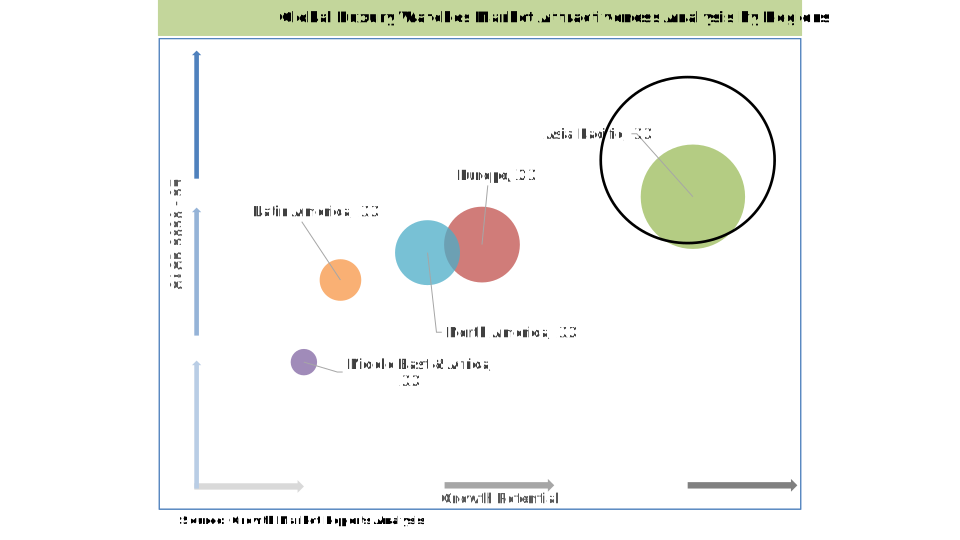
From a regional perspective, the Asia Pacific region stands out as the fastest-growing market for luxury watches, driven by rising affluence, urbanization, and a burgeoning middle class in countries like China and India. Europe, with its rich watchmaking heritage, remains a dominant market, especially in Switzerland, which is home to many iconic luxury watch brands. North America is witnessing steady growth, fueled by strong demand in the United States and Canada, while the Middle East is emerging as a lucrative market due to high disposable incomes and a culture of luxury consumption. Latin America and Africa, though smaller in market size, present untapped potential as economic conditions improve and luxury brands expand their presence. Overall, regional dynamics are shaping the competitive landscape and influencing strategic decisions in the global luxury watches market.
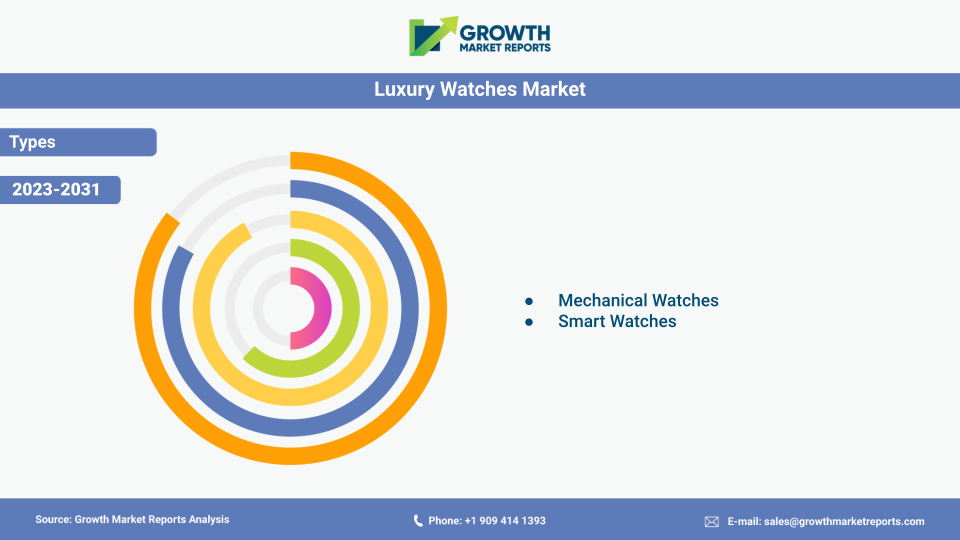
The luxury watches market is segmented by product type into mechanical watches, quartz watches, and smart luxury watches, each catering to distinct consumer preferences and lifestyle aspirations. Mechanical watches, renowned for their intricate craftsmanship and heritage value, remain the cornerstone of the luxury segment. These timepieces often feature complex movements, hand-finished details, and limited-edition releases, making them highly desirable among collectors and connoisseurs. The enduring appeal of mechanical watches is closely tied to the prestige of Swiss watchmaking, with leading brands investing heavily in innovation while preserving traditional techniques. As a result, mechanical watches command premium prices and are frequently positioned as heirloom pieces that transcend generations.
Quartz watches, characterized by their precision and affordability relative to mechanical counterparts, continue to occupy a significant share of the luxury watches market. These watches appeal to consumers seeking reliable timekeeping, low maintenance, and contemporary aesthetics. Luxury brands have successfully elevated quartz models by incorporating high-end materials, exclusive designs, and advanced functionalities. The segment is also witnessing innovation in terms of energy efficiency and sustainability, with solar-powered and eco-friendly quartz watches gaining traction. Despite the dominance of mechanical watches in the ultra-luxury category, quartz watches remain popular among younger consumers and those looking for accessible entry points into the luxury segment.
Smart luxury watches represent a dynamic and rapidly evolving segment, blending traditional luxury with cutting-edge technology. These watches offer connectivity features such as fitness tracking, notifications, and app integration, appealing to tech-savvy consumers who value both style and functionality. Leading luxury brands have entered this space through collaborations with technology firms or by developing proprietary smartwatches that reflect their brand identity. The convergence of luxury and technology is attracting a new generation of buyers, particularly in urban markets, and is reshaping the competitive landscape. While still a smaller segment compared to mechanical and quartz watches, smart luxury watches are expected to witness robust growth as digital lifestyles become increasingly prevalent.
The Luxury Watch Resale market is experiencing a notable surge, driven by consumers' growing interest in sustainable consumption and the allure of owning a piece of horological history. Resale platforms offer enthusiasts the opportunity to acquire rare and vintage watches that may no longer be available in retail stores. This segment is particularly appealing to collectors and investors who seek unique timepieces with potential for appreciation in value. As the stigma around pre-owned luxury goods diminishes, more consumers are embracing the resale market as a viable option for acquiring high-quality watches at competitive prices. Brands are increasingly recognizing this trend, with some launching certified pre-owned programs to ensure authenticity and quality.
The interplay between these product types is driving innovation and diversification within the luxury watches market. Brands are strategically expanding their portfolios to address evolving consumer preferences, offering a mix of traditional and modern timepieces. Limited editions, bespoke customization, and collaboration models are further enriching the product landscape, enabling brands to differentiate themselves and foster brand loyalty. As consumers seek unique expressions of personal style, the segmentation by product type is expected to remain a key determinant of market dynamics and growth opportunities.
| Attributes | Details |
| Report Title | Luxury Watches Market Research Report 2033 |
| By Product Type | Mechanical Watches, Quartz Watches, Smart Luxury Watches |
| By Material | Gold, Platinum, Stainless Steel, Titanium, Ceramic, Others |
| By End User | Men, Women, Unisex |
| By Distribution Channel | Online Retail, Offline Retail, Specialty Stores, Department Stores, Others |
| By Price Range | Entry-level Luxury, Mid-tier Luxury, High-end Luxury, Ultra-luxury |
| Regions Covered | North America, Europe, APAC, Latin America, MEA |
| Base Year | 2024 |
| Historic Data | 2018-2023 |
| Forecast Period | 2025-2033 |
| Number of Pages | 255 |
| Number of Tables & Figures | 282 |
| Customization Available | Yes, the report can be customized as per your need. |
Material selection plays a critical role in defining the value, aesthetics, and durability of luxury watches. The market is segmented by material into gold, platinum, stainless steel, titanium, ceramic, and others, each offering unique attributes and catering to diverse consumer preferences. Gold remains a classic choice, symbolizing opulence and tradition, and is often used in high-end and limited-edition watches. The allure of gold watches is enhanced by intricate engravings, gemstone embellishments, and exclusive finishes, making them highly sought after by collectors and affluent consumers. However, fluctuations in gold prices and growing environmental concerns are prompting brands to explore sustainable sourcing and recycled gold alternatives.
Platinum, known for its rarity and exceptional durability, is another premium material favored in the ultra-luxury segment. Platinum watches are prized for their understated elegance, hypoallergenic properties, and resistance to tarnishing. These timepieces often feature minimalist designs and are produced in limited quantities, reinforcing their exclusivity. The high cost of platinum, coupled with the complexity of working with the metal, positions these watches at the apex of luxury, appealing to discerning buyers who value rarity and craftsmanship.
Stainless steel has emerged as a versatile and popular material in the luxury watches market, offering a balance of durability, affordability, and contemporary style. Advances in metallurgy and finishing techniques have enabled brands to create stainless steel watches with exceptional polish, scratch resistance, and corrosion protection. The materialÂ’s adaptability allows for a wide range of designs, from sporty to elegant, making it a favorite among both men and women. Stainless steel watches are often positioned as accessible luxury, attracting a broader consumer base and driving volume growth in the market.
The market for Pre-Owned Luxury Watch is gaining traction, reflecting a shift in consumer behavior towards more sustainable and value-conscious purchasing decisions. Pre-owned watches offer a unique blend of affordability and exclusivity, allowing consumers to own luxury timepieces without paying the full retail price. This segment is buoyed by the increasing availability of online platforms that facilitate secure transactions and provide detailed information about the watch's history and condition. For many buyers, the appeal lies in the opportunity to own a timepiece with a story, adding a layer of personal connection and historical significance. As the pre-owned market expands, it is expected to play a pivotal role in the broader luxury watch industry, offering new growth avenues for brands and retailers alike.
Titanium and ceramic are gaining prominence as innovative materials that offer unique benefits. Titanium is valued for its lightweight strength, hypoallergenic properties, and modern aesthetics, making it ideal for sports and adventure watches. Ceramic, on the other hand, is celebrated for its scratch resistance, smooth finish, and ability to retain color over time. Both materials are being leveraged by luxury brands to create distinctive, contemporary timepieces that appeal to trend-conscious consumers. The use of alternative materials, such as carbon fiber and sapphire, is further expanding the creative possibilities in luxury watchmaking, enabling brands to push the boundaries of design and performance.
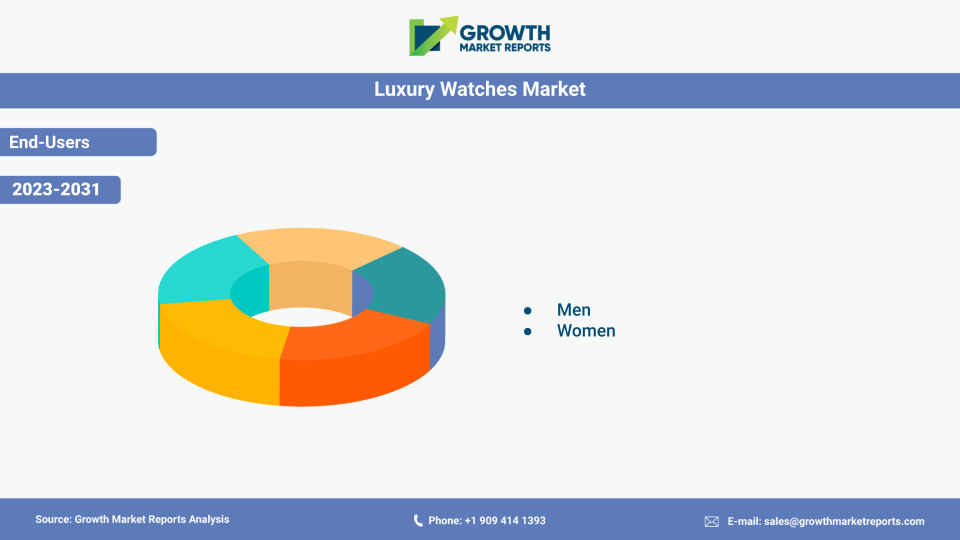
The luxury watches market is segmented by end user into men, women, and unisex categories, reflecting the diverse tastes and style preferences of global consumers. Historically, menÂ’s luxury watches have dominated the market, driven by a strong association with status, achievement, and personal expression. MenÂ’s watches often feature larger cases, bold designs, and complex functionalities such as chronographs and tourbillons. The segment continues to innovate with new materials, limited editions, and collaborations, catering to both traditionalists and modern enthusiasts. The gifting culture, especially for milestones and achievements, further bolsters demand for menÂ’s luxury watches.
WomenÂ’s luxury watches are experiencing significant growth, fueled by changing societal norms, increasing financial independence, and evolving fashion sensibilities. Brands are expanding their offerings to include a wide range of designs, from classic and understated to bold and contemporary. WomenÂ’s watches often incorporate precious stones, intricate detailing, and smaller case sizes, aligning with feminine aesthetics. The rise of unisex and gender-neutral designs is also blurring traditional boundaries, with many brands introducing versatile collections that appeal to all genders. This inclusivity is enabling brands to tap into new market segments and foster brand loyalty among younger, progressive consumers.
The unisex segment is gaining momentum as consumers increasingly seek versatile and timeless designs that transcend gender norms. Unisex watches are characterized by minimalist aesthetics, medium case sizes, and adaptable color palettes, making them suitable for a wide range of personal styles. The growing popularity of unisex timepieces reflects broader cultural shifts towards inclusivity and diversity in fashion. Brands are responding by launching collections that emphasize individuality and self-expression, rather than adhering to traditional gender distinctions. This trend is expected to accelerate as consumer attitudes continue to evolve, presenting new opportunities for market expansion.
Overall, the segmentation by end user underscores the importance of personalization and diversity in the luxury watches market. Brands are leveraging market insights to develop targeted marketing campaigns, product innovations, and retail experiences that resonate with specific consumer segments. As the market becomes increasingly global and heterogeneous, understanding the nuanced preferences of men, women, and unisex consumers will be crucial for sustained growth and competitive differentiation.
Distribution channels play a pivotal role in shaping the consumer experience and accessibility of luxury watches. The market is segmented into online retail, offline retail, specialty stores, department stores, and others, each offering distinct advantages and challenges. Traditionally, offline retail channels, particularly specialty stores and authorized boutiques, have dominated luxury watch sales, providing personalized service, brand immersion, and after-sales support. These channels are integral to building brand trust, showcasing craftsmanship, and offering exclusive experiences that reinforce the luxury positioning of the product.
Specialty stores, including mono-brand boutiques and multi-brand retailers, are central to the luxury watch ecosystem. They offer curated selections, knowledgeable staff, and bespoke services such as customization and maintenance. Department stores, especially those located in premium shopping districts, provide access to a wide array of luxury brands, attracting high-footfall and affluent clientele. The physical retail environment allows consumers to experience the tactile and visual appeal of luxury watches, which is a critical factor in the purchasing decision for high-value items.
The rise of online retail is transforming the luxury watches market, offering convenience, accessibility, and a broader reach. E-commerce platforms, both brand-owned and third-party, are enabling consumers to browse extensive collections, access product information, and make purchases from anywhere in the world. The integration of digital technologies such as virtual try-ons, 3D product visualization, and live consultations is enhancing the online shopping experience, reducing barriers to purchase, and increasing consumer confidence. Luxury brands are investing in robust digital infrastructures, secure payment systems, and exclusive online launches to attract digitally native consumers and drive online sales.
Hybrid and omnichannel strategies are becoming increasingly prevalent, as brands seek to offer seamless and integrated shopping experiences across physical and digital touchpoints. Initiatives such as click-and-collect, virtual appointments, and personalized online content are bridging the gap between offline and online retail. This approach not only enhances customer engagement but also allows brands to capture valuable data and insights, enabling more targeted marketing and personalized service. As consumer expectations evolve, the ability to deliver a cohesive and differentiated retail experience across channels will be a key determinant of success in the luxury watches market.
The luxury watches market is segmented by price range into entry-level luxury, mid-tier luxury, high-end luxury, and ultra-luxury, each catering to different consumer segments and value propositions. Entry-level luxury watches, typically priced between USD 1,000 and USD 5,000, serve as accessible entry points for aspirational buyers and first-time luxury watch owners. These watches often feature reputable brand names, quality materials, and reliable movements, making them attractive to younger consumers and those seeking to upgrade from fashion watches. The segment is witnessing robust growth as rising incomes and aspirational lifestyles drive demand for affordable luxury.
Mid-tier luxury watches, priced between USD 5,000 and USD 20,000, offer a blend of craftsmanship, innovation, and brand prestige. These timepieces often incorporate advanced complications, limited editions, and premium materials, appealing to enthusiasts and collectors who value both performance and exclusivity. Brands are leveraging storytelling, heritage, and collaborations to differentiate their mid-tier offerings and justify premium pricing. The segment is also benefiting from increased interest in pre-owned and vintage watches, which offer unique value propositions and investment potential.
High-end luxury watches, typically priced above USD 20,000, represent the pinnacle of horological artistry and exclusivity. These watches are characterized by intricate complications, handcrafted details, and the use of rare materials such as platinum, diamonds, and exotic leathers. High-end luxury watches are often produced in limited quantities or as bespoke pieces, catering to ultra-high-net-worth individuals and collectors. The segment is closely associated with brand heritage, craftsmanship, and legacy, with many buyers viewing these timepieces as investments or status symbols.
Ultra-luxury watches, which can command prices well above USD 100,000, occupy a niche segment reserved for the most discerning and affluent clientele. These watches are often custom-made, featuring unique designs, precious gemstones, and groundbreaking innovations. Brands operating in the ultra-luxury segment focus on exclusivity, personalization, and unparalleled craftsmanship, offering experiences that go beyond the product itself. The segment is driven by a small but highly influential consumer base, with demand often fueled by auctions, private sales, and bespoke commissions. As wealth distribution continues to evolve globally, the ultra-luxury segment is expected to maintain its allure and exclusivity.
The luxury watches market is brimming with opportunities driven by technological advancements, evolving consumer demographics, and the growing influence of emerging markets. One significant opportunity lies in the integration of smart technologies with traditional luxury watchmaking, creating hybrid timepieces that cater to tech-savvy consumers without compromising on craftsmanship or brand heritage. Brands that successfully blend innovation with tradition are well-positioned to capture new market segments and differentiate themselves in a competitive landscape. Additionally, the expansion of digital retail and omnichannel strategies presents opportunities for brands to reach a global audience, personalize customer experiences, and leverage data-driven insights for targeted marketing. The increasing demand for sustainable and ethically sourced materials also offers brands the chance to align with consumer values and enhance their brand reputation.
Another promising opportunity stems from the rising affluence and urbanization in emerging markets, particularly in Asia Pacific, the Middle East, and parts of Latin America. As disposable incomes rise and consumer preferences shift towards luxury and experiential purchases, brands have the potential to tap into new customer bases and drive incremental growth. The growing popularity of pre-owned and vintage luxury watches presents additional opportunities, as consumers seek unique, investment-worthy timepieces with historical significance. Brands that invest in authentication, certification, and after-sales services for pre-owned watches can capture value from this expanding segment. Furthermore, collaborations with artists, designers, and celebrities are enabling brands to create limited-edition collections that generate buzz and command premium pricing.
Despite these opportunities, the luxury watches market faces several restraining factors that could impact growth. Counterfeiting and grey market sales remain significant challenges, undermining brand equity, eroding consumer trust, and impacting profitability. The proliferation of counterfeit luxury watches, facilitated by online marketplaces and social media, poses risks to both consumers and legitimate brands. Additionally, economic uncertainties, geopolitical tensions, and fluctuating currency exchange rates can affect consumer confidence and discretionary spending, particularly in key luxury markets. Brands must also navigate evolving regulatory environments related to sustainability, ethical sourcing, and taxation. Addressing these threats will require concerted efforts in brand protection, supply chain transparency, and consumer education.
The Asia Pacific region has emerged as the fastest-growing and most dynamic market for luxury watches, accounting for approximately USD 17.4 billion in 2024 of the global market. This growth is driven by rising disposable incomes, urbanization, and a rapidly expanding middle and upper class in countries such as China, India, Japan, and South Korea. China, in particular, has become a critical market for luxury watch brands, with a growing number of affluent consumers seeking high-end timepieces as status symbols and investment assets. The region is also witnessing increased brand presence, flagship store openings, and targeted marketing campaigns tailored to local preferences. The Asia Pacific luxury watches market is expected to grow at a CAGR of 7.2% through 2033, outpacing other regions and reinforcing its strategic importance for global brands.
Europe remains a dominant force in the luxury watches market, contributing around USD 14.6 billion in 2024, with Switzerland continuing to serve as the epicenter of high-end watchmaking. The region benefits from a rich heritage of craftsmanship, a well-established retail network, and a steady influx of international tourists. Key markets such as the United Kingdom, France, Germany, and Italy drive demand, supported by a culture of luxury consumption and appreciation for horological artistry. European consumers tend to prioritize heritage, exclusivity, and quality, making the region a stronghold for established brands. While growth rates are more moderate compared to Asia Pacific, EuropeÂ’s stable demand and reputation for excellence ensure its continued relevance in the global market.
North America is a significant market, valued at approximately USD 9.8 billion in 2024, with the United States accounting for the majority of regional sales. The market is characterized by a diverse consumer base, ranging from affluent collectors to aspirational buyers seeking entry-level luxury watches. The rise of digital retail, influencer marketing, and experiential retail formats is reshaping the competitive landscape, enabling brands to engage with consumers in innovative ways. The Middle East & Africa and Latin America, though smaller in market size, are exhibiting steady growth, driven by rising wealth, a culture of luxury gifting, and increasing brand penetration. As economic conditions improve and consumer preferences evolve, these regions are expected to contribute incrementally to global market expansion, creating new opportunities for luxury watch brands.
The luxury watches market is characterized by intense competition, with a mix of established heritage brands, innovative newcomers, and diversified luxury conglomerates vying for market share. The competitive landscape is shaped by factors such as brand legacy, product innovation, distribution networks, and marketing prowess. Leading brands leverage their rich histories and artisanal craftsmanship to command premium pricing and foster deep emotional connections with consumers. At the same time, the entry of new players and the rise of independent watchmakers are injecting fresh creativity and diversity into the market. The ability to balance tradition with innovation, exclusivity with accessibility, and global reach with local relevance is critical for sustained competitive advantage.
Strategic partnerships, collaborations, and limited-edition releases are common tactics employed by luxury watch brands to differentiate themselves and create buzz in the market. Brands are increasingly collaborating with artists, designers, athletes, and celebrities to launch unique collections that resonate with specific consumer segments. Digital transformation is another key area of competition, with brands investing in e-commerce, social media engagement, and immersive digital experiences to capture the attention of digitally native consumers. The pre-owned and vintage watch segment is also becoming a battleground, with brands launching certified pre-owned programs and partnering with specialized retailers to capture value from the secondary market.
Sustainability and ethical practices are emerging as important differentiators in the luxury watches market. Brands that demonstrate a commitment to responsible sourcing, environmental stewardship, and social responsibility are gaining favor among increasingly conscious consumers. Transparent supply chains, recycled materials, and eco-friendly packaging are becoming standard practices, with brands integrating sustainability into their core value propositions. The ability to communicate these initiatives authentically and effectively is influencing brand perception and purchase decisions, particularly among younger consumers.
Among the major players in the luxury watches market are Rolex SA, Patek Philippe SA, Audemars Piguet, Omega SA (Swatch Group), Cartier (Richemont Group), TAG Heuer (LVMH), Breitling SA, Hublot (LVMH), and Vacheron Constantin (Richemont Group). Rolex is renowned for its iconic designs, precision engineering, and strong brand equity, consistently ranking as one of the most valuable luxury brands globally. Patek Philippe is celebrated for its heritage, limited production, and investment-grade timepieces that command high auction prices. Audemars Piguet is known for its avant-garde designs and technical mastery, particularly in the high-complication segment. Omega, part of the Swatch Group, combines innovation with heritage, offering a wide range of models catering to diverse consumer preferences.
Cartier, under the Richemont Group, is distinguished by its elegant designs and strong presence in both menÂ’s and womenÂ’s segments. TAG Heuer, part of LVMH, is recognized for its sporty aesthetics and pioneering spirit, particularly in chronographs and connected watches. Breitling and Hublot are known for their bold designs and focus on innovation, appealing to adventurous and fashion-forward consumers. Vacheron Constantin, another Richemont brand, is revered for its tradition of excellence and exquisite craftsmanship. These companies are continuously investing in product development, marketing, and retail expansion to maintain their competitive edge in a rapidly evolving market.
In summary, the luxury watches market is poised for continued growth, driven by a blend of tradition, innovation, and evolving consumer values. Brands that can navigate the complexities of the global market, embrace digital transformation, and align with emerging trends in sustainability and personalization will be best positioned to capitalize on future opportunities and reinforce their leadership in the industry.
The Luxury Watches market has been segmented on the basis of
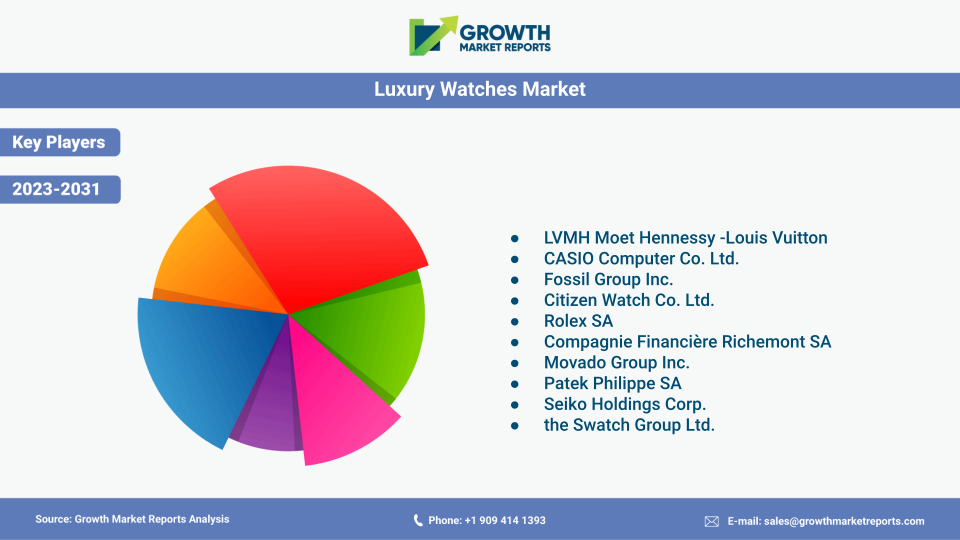
Key players in the global luxury watches market include LVMH Moet Hennessy -Louis Vuitton, CASIO Computer Co. Ltd., Fossil Group Inc., Citizen Watch Co. Ltd., Rolex SA, Compagnie Financière Richemont SA, Movado Group Inc., Patek Philippe SA, Seiko Holdings Corp., and the Swatch Group Ltd.
These players are widely engaged in various business development strategies including mergers & acquisitions, collaborations, agreements, and partnerships to strengthen their geographical presence and expand their consumer base globally.
In June 2021, a Switzerland-based watchmaker company, Tudor introduced the “mid-sized” Black Bay 58 collection, including the Black Bay Fifty-Eight Bronze. The 200-meter water-resistant watch is secured to the wrist by a matching bronze bracelet fitted with the Tudor “T-fit” rapid adjustment system, which allows the wearer to adjust the clasp in five positions, across 8 mm, with no additional tools necessary.
In April 2021, Hermes launched a new men's watch collection called Hermes H08. The collection has five distinct 39 mm references, with four in titanium and one piece with a graphene-filled composite case. The cushion-shaped collection has a sporting-inspired design that mingles taut and flowing lines, while a case with softened edges frames the circular dials.
Consumers are increasingly seeking personalized, sustainable, and technologically advanced timepieces. There is also a growing demand for unisex designs and limited-edition collaborations, reflecting broader shifts towards inclusivity and individuality.
Key trends include the integration of smart technology, increased focus on sustainability, the rise of digital retail, growing demand in emerging markets, and the popularity of pre-owned and vintage luxury watches.
Major brands include Rolex, Patek Philippe, Audemars Piguet, Omega, Cartier, TAG Heuer, Breitling, Hublot, and Vacheron Constantin, among others. These companies are known for their heritage, innovation, and strong brand equity.
The market is segmented by price into entry-level luxury (USD 1,000–5,000), mid-tier luxury (USD 5,000–20,000), high-end luxury (above USD 20,000), and ultra-luxury (often above USD 100,000), catering to different consumer segments.
Luxury watches are sold through online retail, offline retail, specialty stores, department stores, and hybrid omnichannel strategies. E-commerce and digital technologies like virtual try-ons are transforming the buying experience.
Luxury watches are crafted from materials such as gold, platinum, stainless steel, titanium, ceramic, and others. Each material offers unique benefits in terms of aesthetics, durability, and exclusivity.
Sustainability and ethical sourcing are increasingly important, with brands adopting traceable supply chains, recycled metals, and eco-friendly packaging to attract environmentally conscious consumers and meet evolving regulatory requirements.
Asia Pacific is the fastest-growing region, led by China and India, while Europe (especially Switzerland) remains a dominant market. North America, the Middle East, Latin America, and Africa also show steady or emerging growth.
The luxury watches market is segmented into mechanical watches, quartz watches, and smart luxury watches. Mechanical watches are valued for craftsmanship and heritage, quartz watches for precision and affordability, and smart luxury watches for blending technology with luxury.
The global luxury watches market reached USD 47.2 billion in 2024 and is projected to grow at a CAGR of 5.7%, reaching USD 77.2 billion by 2033, driven by rising disposable incomes, evolving consumer preferences, and expanding affluent populations.