Segments - by Product Type (Road Bikes, Mountain Bikes, Hybrid Bikes, Electric Bikes, Others), by Material (Carbon Fiber, Titanium, Aluminum, Steel, Others), by Price Range (Mid-Range, Premium, Ultra-Premium), by Distribution Channel (Specialty Stores, Online Retail, Company Outlets, Others), by End-User (Men, Women, Children)
According to our latest research, the global luxury bicycles market size reached USD 7.8 billion in 2024, exhibiting a robust growth trajectory with a CAGR of 7.2% during the review period. The market is projected to expand further and attain a value of USD 14.7 billion by 2033, driven by increasing consumer interest in health, wellness, and sustainable mobility solutions. The upward momentum is primarily fueled by rising disposable incomes, urbanization, and a growing affinity for premium lifestyle products among consumers worldwide.
A key growth factor driving the luxury bicycles market is the marked shift in consumer preferences towards high-performance and aesthetically superior bicycles. Enthusiasts and professionals alike are seeking bicycles that offer advanced engineering, state-of-the-art materials, and exclusive designs, contributing significantly to the demand for luxury models. The proliferation of cycling as both a recreational activity and a competitive sport has further propelled the adoption of luxury bicycles. Additionally, the emergence of cycling clubs, urban cycling events, and high-profile international races has elevated the status of luxury bicycles from mere transportation tools to symbols of prestige and personal achievement, thereby incentivizing manufacturers to innovate and diversify their product portfolios.
Another influential factor is the integration of advanced technologies in luxury bicycles, including lightweight carbon fiber frames, electronic shifting systems, and smart connectivity features. Manufacturers are investing heavily in research and development to introduce innovations such as integrated navigation, performance tracking, and electric assist systems, enhancing the overall riding experience for consumers. The rise in e-bike adoption, especially in urban areas, has created new avenues for growth within the luxury segment, as consumers seek both performance and convenience. Moreover, the trend towards customization and personalization in luxury goods is increasingly reflected in the bicycle market, with brands offering bespoke design options, exclusive colorways, and tailored fittings to cater to individual preferences.
Sustainability and environmental consciousness are also playing a pivotal role in shaping the luxury bicycles market landscape. As eco-friendly transportation gains traction, luxury bicycles are being positioned as a sustainable alternative to traditional vehicles, appealing to environmentally conscious consumers who value both style and substance. The adoption of recyclable and ethically sourced materials, coupled with energy-efficient manufacturing processes, is resonating strongly with the target demographic. Additionally, government initiatives promoting cycling infrastructure, green mobility, and healthy living are further supporting market expansion, particularly in developed regions where consumers are more inclined to invest in premium products.
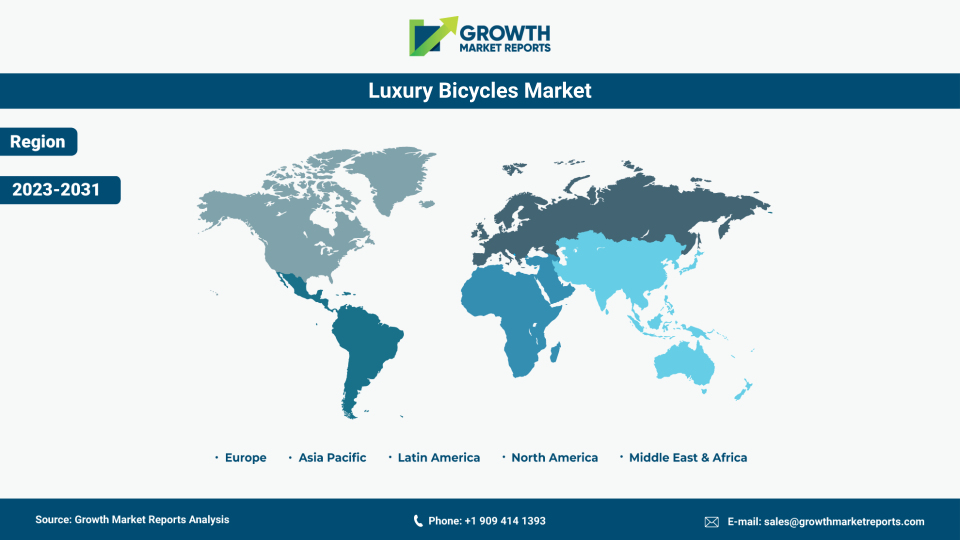
From a regional perspective, Europe continues to dominate the luxury bicycles market, accounting for a significant share of global revenues. The region's well-established cycling culture, extensive infrastructure, and strong emphasis on sustainability have created a conducive environment for luxury bicycle adoption. North America follows closely, driven by increasing participation in cycling sports and a growing community of cycling enthusiasts. Meanwhile, the Asia Pacific region is witnessing rapid growth, underpinned by rising disposable incomes, urbanization, and government-led initiatives to promote cycling as a mode of transportation. Latin America and the Middle East & Africa, while smaller in terms of market size, are emerging as promising markets due to evolving consumer preferences and infrastructural developments.
The luxury bicycles market is segmented by product type into road bikes, mountain bikes, hybrid bikes, electric bikes, and others. Road bikes represent a significant portion of the market, favored by professional cyclists and urban commuters for their lightweight frames, aerodynamic designs, and superior speed capabilities. The demand for high-end road bikes is particularly strong in regions with established cycling cultures, where enthusiasts seek the latest innovations in frame geometry, drivetrain technology, and braking systems. Luxury road bikes often feature premium materials such as carbon fiber and titanium, offering an optimal balance of performance and comfort for long-distance rides. As competitive cycling events gain popularity, the market for luxury road bikes is expected to witness sustained growth, with manufacturers focusing on enhancing ride quality and customization options.
Mountain bikes occupy another prominent segment, catering to adventure seekers and off-road enthusiasts. Luxury mountain bikes are engineered for rugged terrains, featuring advanced suspension systems, robust frames, and high-traction tires. The integration of cutting-edge technologies, such as electronic shifting and dropper seat posts, has elevated the appeal of luxury mountain bikes among consumers who prioritize durability and versatility. As outdoor recreational activities gain momentum, especially post-pandemic, the demand for premium mountain bikes is set to rise, with manufacturers introducing models that combine performance, safety, and aesthetic appeal. The segment's growth is further fueled by the increasing number of mountain biking trails and adventure tourism destinations worldwide.
Hybrid bikes, which blend the characteristics of road and mountain bikes, are gaining traction in the luxury segment due to their versatility and adaptability to diverse riding conditions. These bikes are designed for urban commuters who value comfort, efficiency, and style. Luxury hybrid bikes often come equipped with features such as ergonomic handlebars, adjustable saddles, and integrated lighting systems, making them ideal for city riding and longer commutes. The segment's growth is supported by the rising trend of urban cycling and the increasing popularity of bike-sharing programs in metropolitan areas. Manufacturers are responding to consumer demand by offering hybrid models with customizable components and premium finishes, further enhancing their appeal in the luxury market.
The electric bikes (e-bikes) segment is witnessing exponential growth in the luxury bicycles market, driven by advancements in battery technology, motor efficiency, and smart features. Luxury e-bikes are designed for tech-savvy consumers who seek convenience, performance, and sustainability. These bikes offer pedal-assist and throttle modes, enabling riders to cover longer distances with minimal effort. The integration of smart connectivity features, such as GPS navigation, fitness tracking, and theft protection, has made luxury e-bikes highly desirable among urban professionals and commuters. As cities worldwide invest in cycling infrastructure and promote green mobility, the demand for luxury e-bikes is expected to surge, with manufacturers focusing on lightweight materials and sleek designs to differentiate their offerings.
Other product types in the luxury bicycles market include specialty bikes such as folding bikes, tandem bikes, and track bikes, which cater to niche segments and specific use cases. These bikes often feature unique engineering solutions, limited-edition designs, and exclusive collaborations with renowned designers or brands. Although their market share is relatively small compared to mainstream categories, specialty luxury bikes command premium prices and attract collectors, enthusiasts, and trendsetters. The segment's growth is driven by a desire for exclusivity and individuality, with manufacturers leveraging limited production runs and bespoke design services to create a sense of rarity and prestige.
| Attributes | Details |
| Report Title | Luxury Bicycles Market Research Report 2033 |
| By Product Type | Road Bikes, Mountain Bikes, Hybrid Bikes, Electric Bikes, Others |
| By Material | Carbon Fiber, Titanium, Aluminum, Steel, Others |
| By Price Range | Mid-Range, Premium, Ultra-Premium |
| By Distribution Channel | Specialty Stores, Online Retail, Company Outlets, Others |
| By End-User | Men, Women, Children |
| Regions Covered | North America, Europe, APAC, Latin America, MEA |
| Base Year | 2024 |
| Historic Data | 2018-2023 |
| Forecast Period | 2025-2033 |
| Number of Pages | 298 |
| Number of Tables & Figures | 257 |
| Customization Available | Yes, the report can be customized as per your need. |
Material selection plays a crucial role in the luxury bicycles market, with carbon fiber, titanium, aluminum, steel, and other advanced materials offering distinct advantages in terms of weight, strength, and performance. Carbon fiber is the material of choice for high-end luxury bicycles, prized for its exceptional strength-to-weight ratio, vibration dampening properties, and design flexibility. Manufacturers utilize advanced molding techniques to create aerodynamic frames that maximize speed and efficiency, making carbon fiber bikes highly sought after by professional cyclists and enthusiasts alike. The premium nature of carbon fiber, coupled with ongoing innovations in material science, ensures that this segment remains at the forefront of luxury bicycle development.
Titanium is another popular material in the luxury bicycles market, known for its durability, corrosion resistance, and unique ride quality. Titanium frames offer a perfect blend of strength and flexibility, providing a smooth and responsive riding experience. While titanium bikes are typically more expensive due to the complexity of manufacturing and material costs, they are favored by discerning consumers who prioritize longevity and performance. The segment is characterized by bespoke frame builders and boutique brands that cater to a niche clientele, offering custom geometry, finishes, and component choices to create truly one-of-a-kind bicycles.
Aluminum remains a widely used material in the luxury segment, particularly for mid-range and premium models. Advances in alloy technology and frame construction techniques have enabled manufacturers to produce lightweight, stiff, and affordable aluminum frames that deliver impressive performance. Luxury aluminum bikes often feature hydroformed tubes, internal cable routing, and high-quality finishes, appealing to consumers who seek a balance between performance and value. The segment's growth is supported by the increasing popularity of road and hybrid bikes, where aluminum's versatility and cost-effectiveness make it an attractive option for both manufacturers and consumers.
Steel, once the dominant material in bicycle manufacturing, continues to hold a niche position in the luxury market, particularly among enthusiasts who appreciate its classic aesthetics and comfortable ride characteristics. Luxury steel bikes are often handcrafted by skilled artisans, featuring intricate lugwork, custom paint schemes, and vintage-inspired designs. While heavier than carbon fiber or aluminum, steel frames offer superior shock absorption and resilience, making them ideal for long-distance touring and urban commuting. The segment appeals to consumers who value craftsmanship, heritage, and timeless style, with manufacturers leveraging limited-edition releases and collaborations to create a sense of exclusivity.
Other materials, such as magnesium alloys, bamboo, and composite blends, are emerging in the luxury bicycles market as manufacturers experiment with new technologies and sustainable alternatives. These materials offer unique properties in terms of weight, strength, and environmental impact, catering to consumers who seek innovation and differentiation. The adoption of alternative materials is driven by a desire to reduce the carbon footprint of bicycle production and meet the evolving expectations of environmentally conscious consumers. As material science continues to advance, the luxury bicycles market is poised to benefit from a broader range of options, enabling manufacturers to push the boundaries of design and performance.
The luxury bicycles market is segmented by price range into mid-range, premium, and ultra-premium categories. Mid-range luxury bicycles occupy a significant share of the market, offering a blend of high-quality materials, advanced features, and accessible pricing. These bikes are targeted at enthusiasts and recreational riders who seek superior performance and aesthetics without the prohibitive cost of ultra-premium models. Manufacturers in this segment focus on delivering value through innovative designs, reliable components, and attractive warranties, making mid-range luxury bikes an appealing option for a broad consumer base. The segment's growth is supported by rising disposable incomes and a growing interest in cycling as a lifestyle activity.
Premium luxury bicycles represent the core of the market, characterized by cutting-edge technology, bespoke design options, and exclusive branding. These bikes are designed for discerning consumers who demand the highest standards of performance, comfort, and style. Premium models often feature carbon fiber or titanium frames, electronic shifting systems, integrated power meters, and custom paint schemes, setting them apart from mass-market offerings. The segment is highly competitive, with leading brands constantly innovating to maintain their market position and attract new customers. The willingness of consumers to invest in premium products is driven by a desire for exclusivity, status, and a superior riding experience.
The ultra-premium segment is the pinnacle of the luxury bicycles market, catering to a select clientele of collectors, professional athletes, and high-net-worth individuals. Ultra-premium bikes are often produced in limited quantities, featuring handcrafted frames, rare materials, and personalized fittings. These models command prices that can exceed tens of thousands of dollars, reflecting the craftsmanship, innovation, and exclusivity associated with the brand. The segment is characterized by collaborations with renowned designers, artists, and luxury brands, resulting in unique creations that blur the line between functional sports equipment and collectible works of art. The growth of the ultra-premium segment is driven by a global trend towards experiential luxury and the increasing importance of personalization in high-end consumer goods.
Price sensitivity varies across regions and consumer segments, influencing purchasing decisions and market dynamics. In mature markets such as Europe and North America, consumers are more inclined to invest in premium and ultra-premium bicycles, driven by established cycling cultures and higher disposable incomes. In contrast, emerging markets in Asia Pacific and Latin America are witnessing growing demand for mid-range luxury bicycles, as rising affluence and urbanization fuel interest in cycling as both a recreational activity and a status symbol. Manufacturers are responding to these trends by diversifying their product portfolios and offering flexible financing options to make luxury bicycles more accessible to a wider audience.
The segmentation by price range also reflects broader trends in consumer behavior, including the increasing importance of brand reputation, after-sales service, and resale value. Consumers in the luxury bicycles market are willing to pay a premium for products that offer superior quality, innovative features, and a strong brand heritage. As competition intensifies, manufacturers are investing in marketing, customer engagement, and loyalty programs to differentiate their offerings and build long-term relationships with their customers. The evolving landscape of the price range segment underscores the dynamic nature of the luxury bicycles market and the need for brands to adapt to changing consumer expectations.
The distribution landscape in the luxury bicycles market is diverse, encompassing specialty stores, online retail, company outlets, and other channels. Specialty stores continue to dominate the market, offering a curated selection of high-end bicycles, expert advice, and personalized fitting services. These stores play a crucial role in educating consumers about the technical features and benefits of luxury bicycles, facilitating informed purchasing decisions. The in-store experience is a key differentiator in the luxury segment, with retailers investing in immersive showrooms, test rides, and exclusive events to engage customers and foster brand loyalty. The growth of specialty stores is further supported by partnerships with leading brands, which provide access to limited-edition models and exclusive product launches.
Online retail is rapidly gaining traction in the luxury bicycles market, driven by the convenience of e-commerce platforms and the increasing digitalization of consumer behavior. Leading brands and third-party retailers are leveraging online channels to reach a broader audience, offering detailed product information, virtual consultations, and home delivery services. The integration of augmented reality, 3D configurators, and virtual bike fitting tools has enhanced the online shopping experience, enabling consumers to customize their bicycles and make confident purchasing decisions. The growth of online retail is particularly pronounced in regions with high internet penetration and a tech-savvy consumer base, such as North America and Europe.
Company outlets, including flagship stores and brand-owned boutiques, play a strategic role in the luxury bicycles market by providing a direct channel for customer engagement and brand building. These outlets offer an immersive brand experience, showcasing the latest models, technologies, and design collaborations. Company outlets also serve as hubs for community events, product launches, and after-sales support, strengthening the relationship between brands and their customers. The expansion of company-owned retail networks is a key strategy for leading manufacturers seeking to enhance brand visibility, control the customer experience, and capture higher margins.
Other distribution channels, such as premium department stores, sports clubs, and exclusive partnerships with luxury hotels or resorts, are emerging as innovative avenues for market expansion. These channels provide access to affluent consumers who may not frequent traditional bicycle retailers but are interested in luxury lifestyle products. Collaborations with hospitality and tourism partners enable brands to offer unique experiences, such as guided cycling tours, test rides, and concierge services, further elevating the perceived value of luxury bicycles. The diversification of distribution channels reflects the evolving preferences of luxury consumers and the need for brands to adopt an omnichannel approach to reach and engage their target audience.
The rise of direct-to-consumer (DTC) models is reshaping the distribution landscape, enabling manufacturers to bypass intermediaries and establish a closer connection with customers. DTC brands leverage digital platforms, social media, and data analytics to personalize marketing, streamline logistics, and deliver a seamless purchasing experience. This approach not only enhances brand loyalty but also provides valuable insights into consumer preferences and market trends. As competition intensifies, the ability to offer a differentiated and convenient buying experience will be a key determinant of success in the luxury bicycles market.
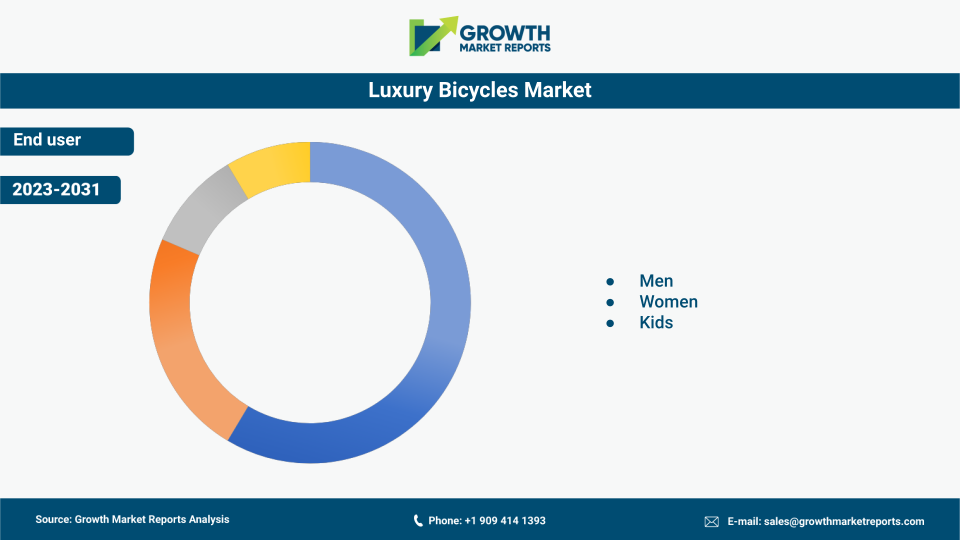
The luxury bicycles market caters to a diverse range of end-users, segmented into men, women, and children. Men constitute the largest end-user segment, driven by a strong interest in performance cycling, adventure sports, and competitive events. Male consumers are typically more inclined to invest in high-end bicycles that offer advanced features, superior materials, and cutting-edge technology. The segment is characterized by a preference for road and mountain bikes, with a growing interest in electric and hybrid models. Manufacturers targeting the men's segment focus on delivering products that combine speed, durability, and style, often collaborating with professional athletes and cycling teams to enhance brand credibility.
Women represent a rapidly growing segment in the luxury bicycles market, as increasing participation in cycling sports and recreational activities drives demand for high-quality, female-specific bicycles. Luxury brands are responding by designing bikes that cater to the unique anatomical and ergonomic needs of women, incorporating features such as adjustable components, lighter frames, and aesthetically appealing designs. The segment's growth is supported by targeted marketing campaigns, women-centric cycling events, and community initiatives that encourage female participation in cycling. As gender inclusivity becomes a priority for brands, the women's segment is expected to witness sustained growth, with a focus on innovation, comfort, and style.
The children's segment, while smaller in terms of market share, is gaining traction as affluent parents seek premium bicycles for their children. Luxury children's bikes are designed with safety, durability, and ease of use in mind, featuring lightweight frames, adjustable components, and vibrant designs. The segment is characterized by collaborations with popular brands, limited-edition releases, and customizable options that appeal to both children and parents. As cycling is increasingly promoted as a healthy and eco-friendly activity for children, the demand for luxury bikes in this segment is expected to grow, particularly in urban areas and among high-income households.
The segmentation by end-user also reflects broader trends in consumer behavior, including the increasing importance of family-oriented cycling activities and the rising popularity of cycling as a social and recreational pursuit. Manufacturers are responding by offering a wide range of models and sizes, as well as accessories and apparel tailored to different age groups and preferences. The focus on inclusivity and diversity is driving innovation in product design, marketing, and community engagement, ensuring that the luxury bicycles market remains accessible and appealing to a broad spectrum of consumers.
As the luxury bicycles market continues to evolve, the ability to understand and address the unique needs of different end-user segments will be critical for brands seeking to capture market share and build long-term customer loyalty. The emphasis on personalized experiences, gender-specific designs, and family-friendly products underscores the dynamic and customer-centric nature of the luxury bicycles market.
The luxury bicycles market presents significant opportunities for growth, particularly through the integration of advanced technologies and innovative materials. The adoption of smart features such as GPS navigation, fitness tracking, and mobile connectivity is transforming the riding experience and attracting tech-savvy consumers. Manufacturers have the opportunity to differentiate their offerings by investing in research and development, collaborating with technology partners, and leveraging data analytics to personalize products and services. The growing trend towards sustainability and eco-friendly transportation also presents a major opportunity, as consumers increasingly seek products that align with their values and contribute to a greener future. By adopting sustainable materials, energy-efficient manufacturing processes, and circular economy principles, brands can enhance their appeal to environmentally conscious consumers and gain a competitive edge in the market.
Expansion into emerging markets represents another significant opportunity for luxury bicycle manufacturers. Rising disposable incomes, urbanization, and government initiatives to promote cycling infrastructure are creating favorable conditions for market growth in regions such as Asia Pacific, Latin America, and the Middle East. Brands that can adapt their product offerings to local preferences, price sensitivities, and cultural nuances will be well positioned to capture new customer segments and drive market expansion. Partnerships with local distributors, retailers, and cycling organizations can facilitate market entry and enhance brand visibility, while targeted marketing campaigns and community engagement initiatives can build brand loyalty and foster a culture of cycling in these regions.
Despite the positive outlook, the luxury bicycles market faces certain restraining factors, including high price sensitivity and the threat of economic downturns. Luxury bicycles are inherently expensive, making them less accessible to a broad segment of the population, particularly in price-sensitive markets. Economic uncertainties, fluctuations in consumer confidence, and changes in discretionary spending patterns can impact demand for high-end products, leading to market volatility. Additionally, the presence of counterfeit products and the proliferation of low-cost alternatives pose a threat to brand reputation and market integrity. Manufacturers must address these challenges by offering flexible financing options, enhancing after-sales service, and investing in brand protection measures to safeguard their market position and ensure sustained growth.
Europe remains the leading region in the luxury bicycles market, with a market size of USD 2.9 billion in 2024 and a projected CAGR of 6.8% through 2033. The region's dominance is attributed to its well-established cycling culture, extensive infrastructure, and strong emphasis on sustainability and healthy living. Countries such as Germany, the Netherlands, France, and Italy are at the forefront of luxury bicycle adoption, supported by government initiatives, cycling events, and a vibrant community of enthusiasts. The presence of leading manufacturers and a mature retail ecosystem further contribute to the region's growth, with consumers showing a strong willingness to invest in premium and ultra-premium bicycles.
North America follows closely, with a market size of USD 2.1 billion in 2024 and a robust CAGR of 7.5% over the forecast period. The region's growth is driven by increasing participation in cycling sports, rising health consciousness, and the proliferation of cycling clubs and events. The United States and Canada are key markets, characterized by a high level of consumer awareness, advanced retail infrastructure, and a growing community of cycling enthusiasts. The adoption of electric and hybrid luxury bikes is particularly strong in urban centers, where consumers seek sustainable and convenient mobility solutions. Manufacturers are leveraging digital channels, experiential retail, and targeted marketing to capture market share and engage with a diverse customer base.
The Asia Pacific region is emerging as a high-growth market, with a current market size of USD 1.7 billion and a projected CAGR of 8.4% through 2033. The region's expansion is fueled by rising disposable incomes, urbanization, and government-led initiatives to promote cycling as a mode of transportation. China, Japan, South Korea, and Australia are leading the charge, supported by investments in cycling infrastructure, public awareness campaigns, and a growing interest in health and wellness. The luxury segment is gaining traction among affluent consumers, with brands adapting their offerings to local preferences and cultural trends. The region's dynamic market environment presents significant opportunities for manufacturers to innovate, collaborate, and expand their footprint.
The competitive landscape of the luxury bicycles market is characterized by a mix of established global brands, niche boutique manufacturers, and emerging players. Leading companies are focusing on innovation, quality, and brand differentiation to maintain their market position and capture new customer segments. The market is highly competitive, with frequent product launches, technological advancements, and collaborations with designers, athletes, and other luxury brands. Manufacturers are investing in research and development to introduce new materials, smart features, and customization options, catering to the evolving preferences of discerning consumers. The emphasis on sustainability, personalization, and experiential retail is driving competition and shaping the future of the market.
Brand reputation and heritage play a crucial role in the luxury bicycles market, with consumers placing a premium on craftsmanship, exclusivity, and after-sales service. Leading brands are leveraging their legacy, craftsmanship, and technical expertise to create unique value propositions and foster customer loyalty. The ability to offer bespoke design services, limited-edition models, and exclusive collaborations is a key differentiator in the market, enabling brands to command premium prices and attract high-net-worth individuals and collectors. The rise of direct-to-consumer models and digital engagement is further intensifying competition, as brands seek to build closer relationships with their customers and deliver a seamless buying experience.
Emerging players and boutique manufacturers are challenging established brands by offering innovative designs, sustainable materials, and personalized experiences. These companies are leveraging digital platforms, social media, and influencer marketing to reach niche customer segments and build brand awareness. The focus on craftsmanship, authenticity, and community engagement is resonating with a new generation of consumers who value uniqueness and individuality. As the market continues to evolve, the ability to adapt to changing consumer expectations, embrace new technologies, and foster a culture of innovation will be critical for success.
Major companies operating in the luxury bicycles market include Specialized Bicycle Components, Trek Bicycle Corporation, Giant Manufacturing Co. Ltd., Colnago, Pinarello, BMC Switzerland, Cervélo, Cannondale, Scott Sports, and Merida Bikes. Specialized Bicycle Components is renowned for its high-performance road and mountain bikes, innovative technologies, and strong brand heritage. Trek Bicycle Corporation is a global leader, offering a wide range of luxury bicycles and investing heavily in research and development to maintain its competitive edge. Giant Manufacturing Co. Ltd. is one of the world's largest bicycle manufacturers, known for its advanced manufacturing capabilities and diverse product portfolio. Colnago and Pinarello are iconic Italian brands, celebrated for their craftsmanship, design excellence, and association with professional cycling. BMC Switzerland, Cervélo, Cannondale, Scott Sports, and Merida Bikes are also prominent players, each with a unique approach to innovation, quality, and customer engagement.
These companies are continuously expanding their product offerings, investing in marketing and brand building, and exploring new distribution channels to strengthen their market position. Strategic partnerships, mergers and acquisitions, and collaborations with technology providers are common strategies employed to enhance capabilities and accelerate growth. As the luxury bicycles market continues to expand, the competitive landscape is expected to become even more dynamic, with new entrants, disruptive technologies, and evolving consumer preferences shaping the future of the industry.
The Luxury Bicycles market has been segmented on the basis of
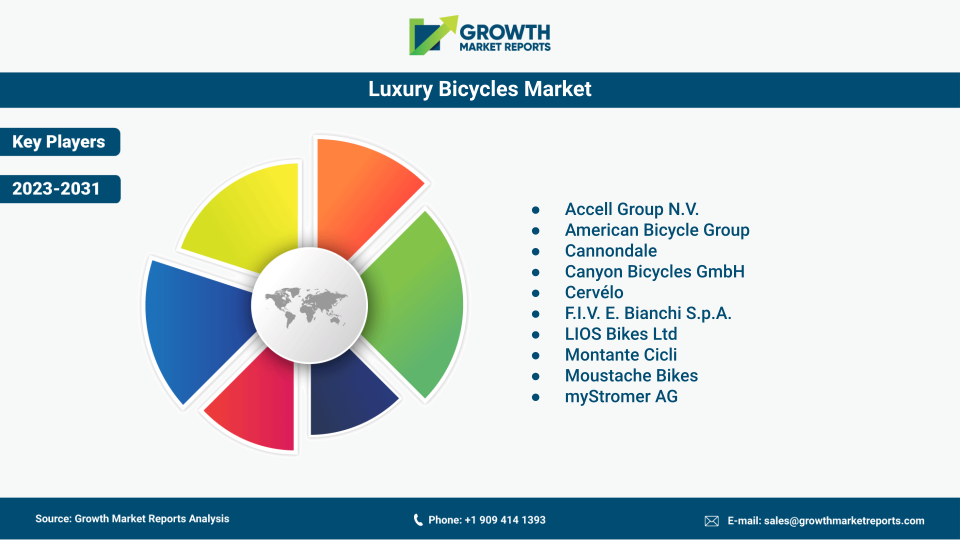
Major Manufactures include Accell Group N.V., American Bicycle Group, Cannondale, Canyon Bicycles GmbH, Cervélo, F.I.V. E. Bianchi S.p.A., LIOS Bikes Ltd, Montante Cicli, Moustache Bikes, myStromer AG. Specialized Bicycle Components, Inc., The Moulton Bicycle Company, Trek Bicycle Corporation.
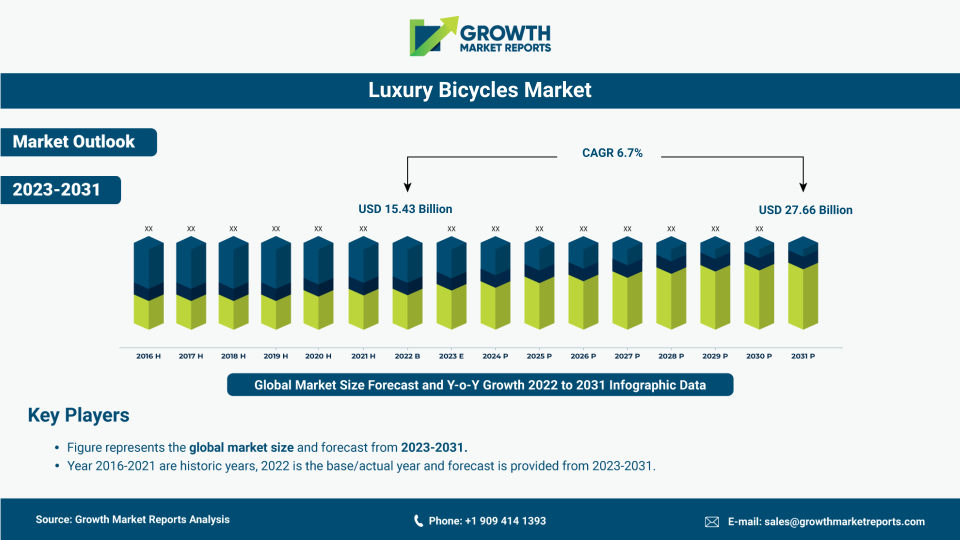
The base year considered for the global luxury bicycles market report is 2022. The complete analysis period is 2022 to 2031, wherein, 2016 to 2021 are the historic years and the forecast is provided from 2023 to 2031.
The market is expected to witness growth with slight increase in terms of demand during 2019-2020 owing to the positive impact of COVID-19 pandemic on the luxury bicycles market.
Factors such as competitive strength and market positioning are key areas considered while selecting top companies to be profiled.
Racing, transportation and others analysis are the key applications driving the market growth.
The luxury bicycles market is anticipated to grow significantly during forecast period due to rising awareness about healthy lifestyle. Moreover, due to increasing disposable income of people.
In addition to market size (in USD Million) and Company Market Share (in % for base year 2019), other data such Macro-economic factors, COVID-19 Impact on the luxury bicycles market is available in final report.
According to this Growth Market Reports report, the market from luxury bicycles is likely to register a CAGR of 6.7% during forecast period 2023-2031, with an anticipated valuation of USD 27.66 Billion by the end of the 2031.
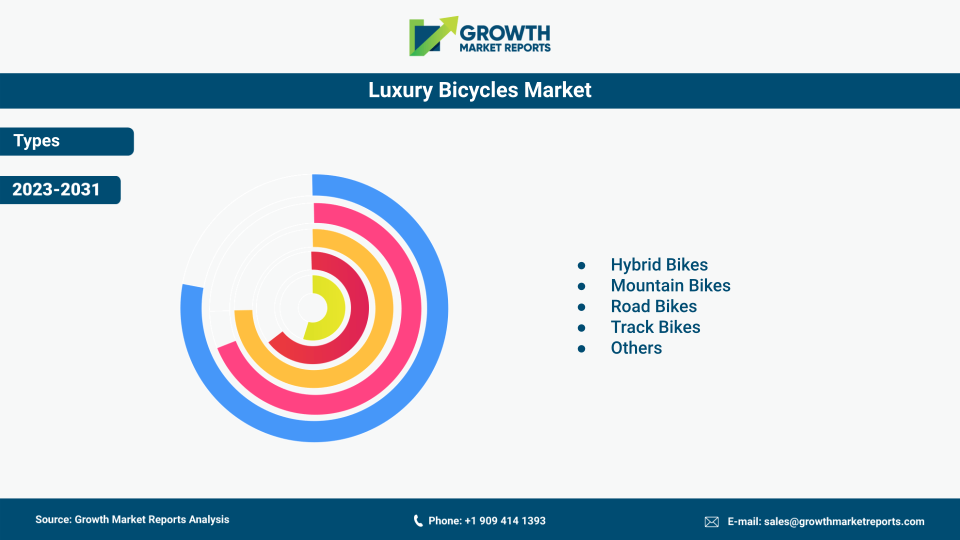
Yes, the report covers types of luxury bicycles such as hybrid bikes, mountain bikes, road bikes, track bikes, and others.
Additional company profiles can be provided on request.