Segments - by Product Type (Herbal Supplements, Vitamins & Minerals, Amino Acids, Others), by Form (Tablets & Capsules, Powders, Liquids, Others), by Application (Detoxification, Liver Protection, Digestive Health, Others), by Distribution Channel (Online Stores, Pharmacies/Drug Stores, Supermarkets/Hypermarkets, Others), by End-User (Adults, Geriatric, Pediatric)
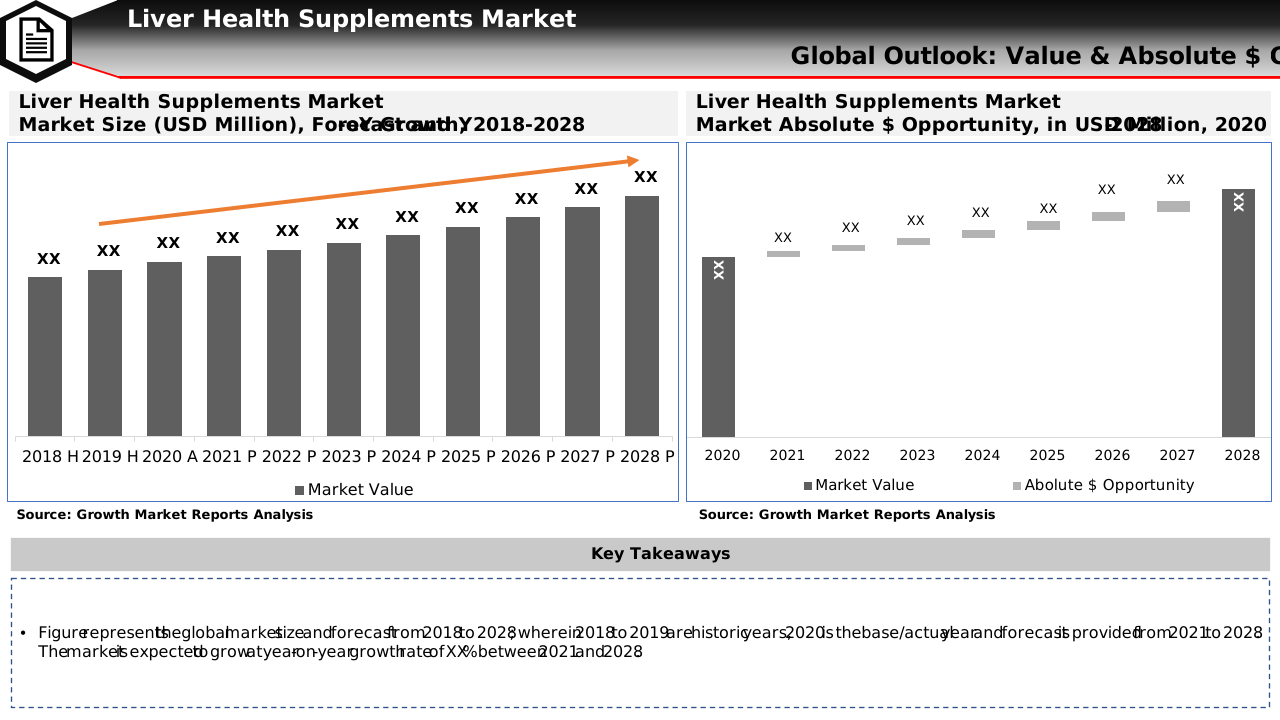
According to our latest research, the global liver health supplements market size reached USD 10.8 billion in 2024, reflecting a robust demand for products supporting liver function and overall wellness. The market is expected to expand at a CAGR of 7.2% from 2025 to 2033, reaching an estimated USD 20.7 billion by 2033. This growth is primarily driven by rising health awareness, increasing prevalence of liver-related disorders, and the surging popularity of preventive healthcare solutions worldwide.
One of the primary growth factors propelling the liver health supplements market is the escalating incidence of liver diseases, such as fatty liver disease, hepatitis, and cirrhosis, which are increasingly linked to modern lifestyle choices including poor diet, alcohol consumption, and sedentary habits. The World Health Organization reports a significant rise in non-alcoholic fatty liver disease (NAFLD) cases globally, particularly in urban populations. As individuals become more conscious of the risks associated with liver dysfunction, there has been a marked shift towards adopting liver health supplements as a preventive measure. This trend is further reinforced by growing awareness campaigns led by healthcare organizations, which emphasize the importance of liver health in overall well-being.
Another significant driver for the liver health supplements market is the expansion of the nutraceuticals sector and the increasing consumer preference for natural and herbal remedies. Consumers are demonstrating a strong inclination towards supplements that contain herbal extracts, vitamins, minerals, and amino acids, which are perceived as safer alternatives to pharmaceutical drugs. The proliferation of digital health information and the influence of social media have also played a pivotal role in educating consumers about the benefits of liver health supplements. Additionally, the rise in disposable income, especially in emerging economies, has enabled a larger segment of the population to invest in premium health supplements, further fueling market growth.
Technological advancements in supplement formulation and delivery systems are also contributing substantially to market expansion. Manufacturers are innovating with new product formats, such as effervescent tablets, gummies, and liquid shots, which enhance consumer convenience and compliance. Furthermore, the integration of personalized nutrition, where supplements are tailored based on individual genetic and metabolic profiles, is gaining traction and is expected to revolutionize the liver health supplements market in the coming years. The growing presence of e-commerce platforms has made these products more accessible, allowing consumers to compare brands, ingredients, and prices with ease, which is accelerating the adoption of liver health supplements across diverse demographic segments.
Choline Liver Support is increasingly gaining attention as a vital component in liver health supplements. Choline is an essential nutrient that plays a crucial role in liver function, particularly in the metabolism of fats and the prevention of fatty liver disease. It aids in the transportation of lipids from the liver, thereby reducing the risk of liver damage and promoting overall liver health. As awareness of choline's benefits grows, more consumers are seeking supplements that include this nutrient to enhance liver function and support metabolic health. The inclusion of choline in liver health formulations is becoming a key differentiator for manufacturers aiming to offer comprehensive liver support solutions. This trend is expected to continue as scientific research further highlights the importance of choline in maintaining liver health and preventing liver-related disorders.
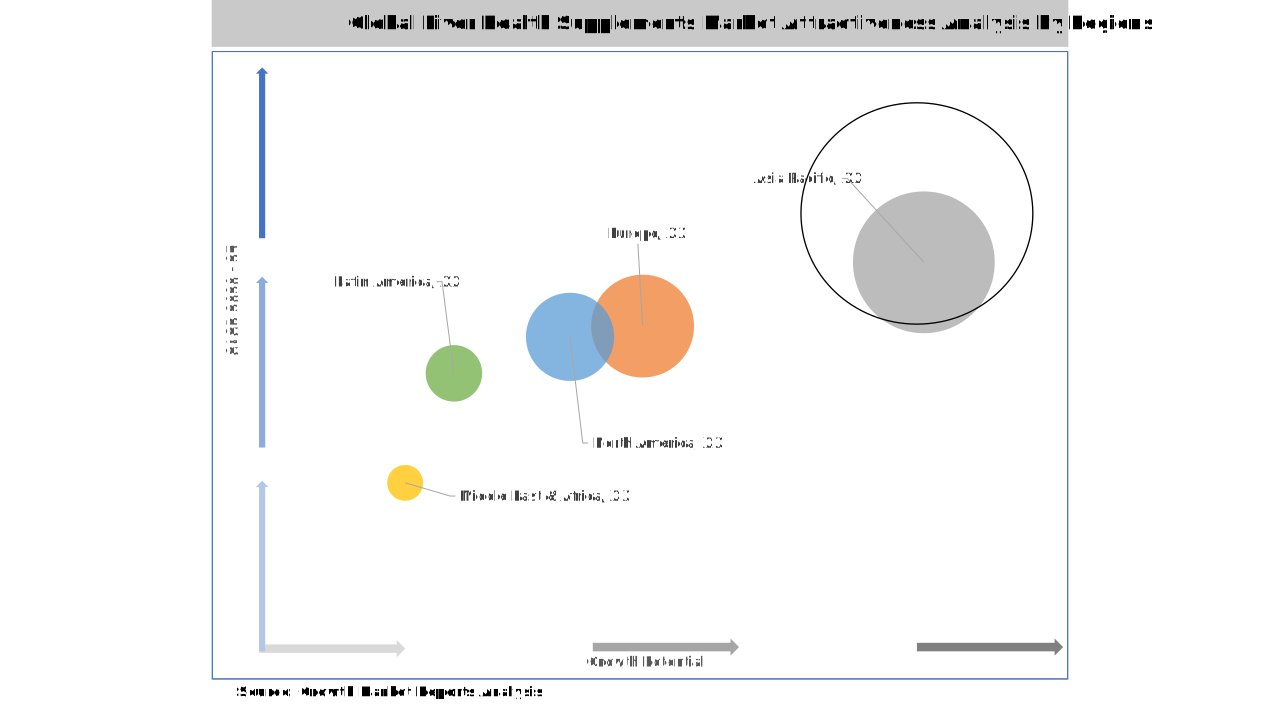
From a regional perspective, North America currently dominates the liver health supplements market, accounting for the largest revenue share in 2024, followed closely by Europe and the Asia Pacific. The high prevalence of lifestyle-related liver diseases, coupled with advanced healthcare infrastructure and a strong focus on preventive care, underpins North America's leadership in the market. Meanwhile, the Asia Pacific region is witnessing the fastest growth, driven by rising health consciousness, a burgeoning middle-class population, and increasing investments in the nutraceuticals industry. Latin America and the Middle East & Africa are also emerging as promising markets, albeit at a relatively nascent stage, with growing awareness and improving access to health supplements.
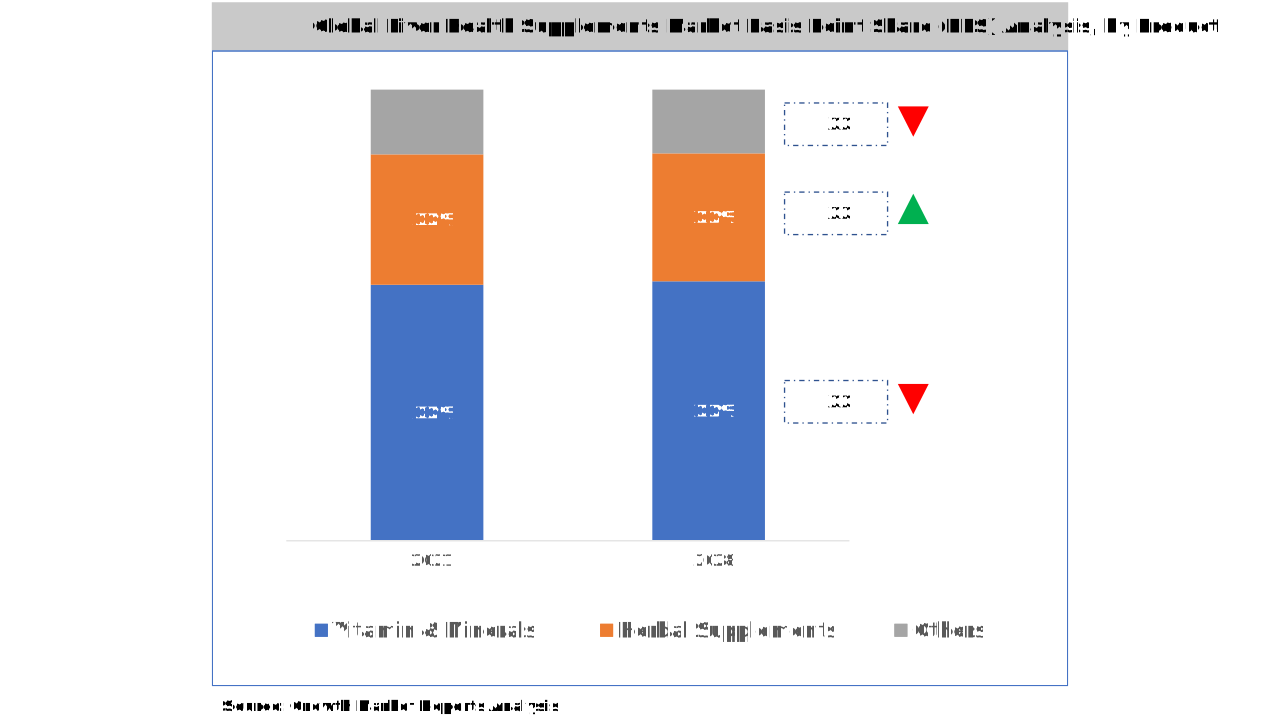
The liver health supplements market is segmented by product type into herbal supplements, vitamins & minerals, amino acids, and others. Among these, herbal supplements hold the largest market share, as consumers increasingly gravitate towards plant-based solutions, perceiving them as safer and more effective in supporting liver function. Herbal ingredients such as milk thistle, dandelion, turmeric, and artichoke have been extensively researched for their hepatoprotective properties, making them popular choices in liver health formulations. The growing body of scientific evidence supporting the efficacy of these herbs, coupled with their long-standing use in traditional medicine systems, has further boosted their acceptance in both developed and developing markets.
Vitamins and minerals represent another significant segment within the liver health supplements market. Essential nutrients such as vitamin E, vitamin C, selenium, and zinc play crucial roles in combating oxidative stress and supporting liver detoxification processes. With an increasing number of consumers seeking comprehensive nutritional support, manufacturers are formulating multi-ingredient supplements that combine vitamins, minerals, and herbal extracts for synergistic benefits. The demand for such combinations is particularly strong among aging populations and individuals with pre-existing liver conditions, who require targeted nutritional interventions to maintain optimal liver function.
Amino acids, particularly those involved in protein synthesis and detoxification pathways, are gaining prominence as key ingredients in liver health supplements. Amino acids such as L-ornithine, L-carnitine, and methionine are recognized for their roles in supporting liver regeneration and metabolic processes. The inclusion of amino acids in liver health formulations is driven by growing awareness of their therapeutic potential, especially among athletes, fitness enthusiasts, and patients recovering from liver injuries. As research continues to elucidate the mechanisms by which amino acids benefit liver health, their adoption in supplement products is expected to rise steadily over the forecast period.
The "others" category encompasses a range of emerging ingredients, including antioxidants, probiotics, and specialized bioactive compounds that offer liver-supportive benefits. As scientific understanding of liver health evolves, manufacturers are exploring novel ingredients and proprietary blends to differentiate their offerings in a competitive market. The ongoing innovation in ingredient sourcing and formulation is expected to broaden the product landscape, catering to diverse consumer preferences and health needs.
| Attributes | Details |
| Report Title | Liver Health Supplements Market Research Report 2033 |
| By Product Type | Herbal Supplements, Vitamins & Minerals, Amino Acids, Others |
| By Form | Tablets & Capsules, Powders, Liquids, Others |
| By Application | Detoxification, Liver Protection, Digestive Health, Others |
| By Distribution Channel | Online Stores, Pharmacies/Drug Stores, Supermarkets/Hypermarkets, Others |
| By End-User | Adults, Geriatric, Pediatric |
| Regions Covered | North America, Europe, APAC, Latin America, MEA |
| Base Year | 2024 |
| Historic Data | 2018-2023 |
| Forecast Period | 2025-2033 |
| Number of Pages | 252 |
| Number of Tables & Figures | 282 |
| Customization Available | Yes, the report can be customized as per your need. |
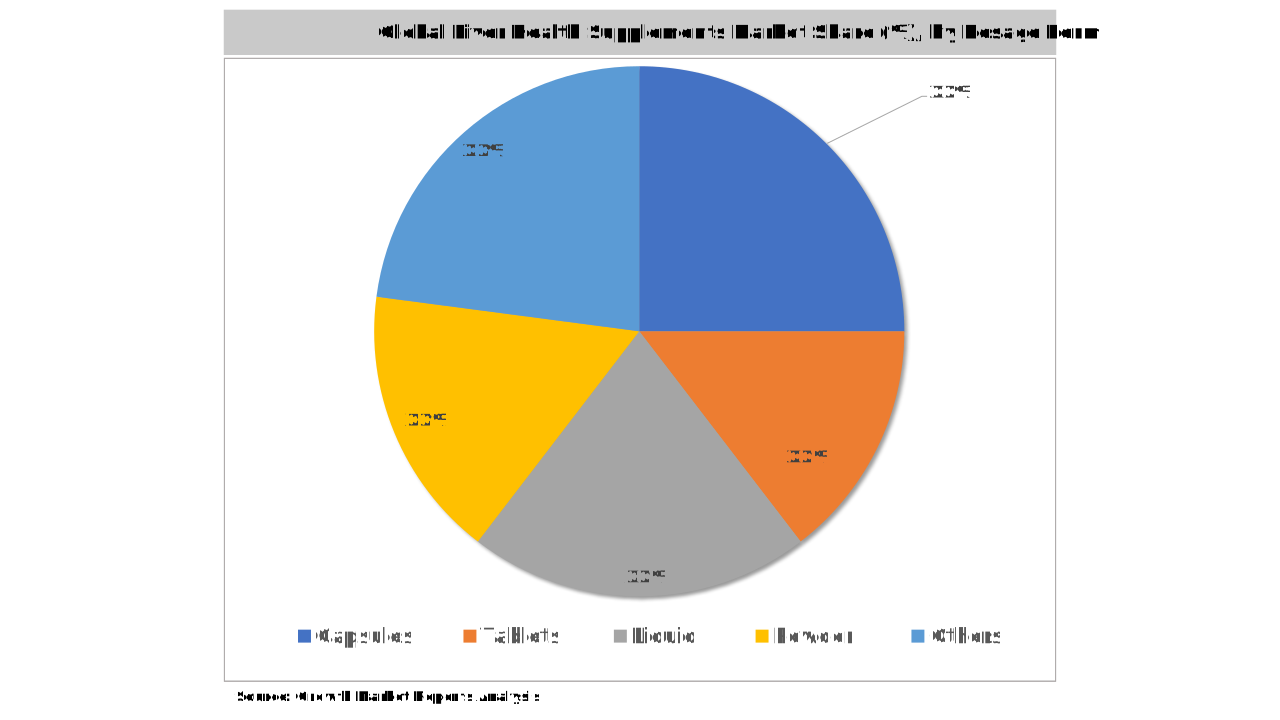
The liver health supplements market is segmented by form into tablets & capsules, powders, liquids, and others. Tablets and capsules dominate the market, accounting for the majority of sales due to their convenience, precise dosing, and extended shelf life. These forms are favored by both manufacturers and consumers for their ease of production, portability, and compatibility with a wide range of ingredients. The popularity of tablets and capsules is further reinforced by advancements in encapsulation technologies, which enhance the bioavailability and stability of active ingredients, ensuring maximum efficacy for end-users.
Powdered liver health supplements are gaining traction, particularly among fitness-conscious consumers and those seeking customizable dosing options. Powders can be easily mixed into beverages or foods, offering flexibility and convenience for individuals with varying dietary preferences. This format is especially popular in sports nutrition and wellness circles, where consumers often integrate multiple supplements into their daily routines. The growing trend towards personalized nutrition and the increasing demand for clean-label products are expected to drive further innovation in the powdered supplements segment.
Liquid liver health supplements are emerging as a preferred choice for certain consumer segments, such as the elderly and pediatric populations, who may experience difficulty swallowing pills. Liquid formulations offer rapid absorption and are often perceived as more palatable, making them suitable for individuals with specific health needs or dietary restrictions. Manufacturers are responding to this demand by developing flavored liquid supplements and ready-to-drink shots that combine efficacy with sensory appeal. The expansion of liquid supplement offerings is also supported by advancements in packaging technologies that enhance product stability and shelf life.
The "others" form segment includes gummies, effervescent tablets, and novel delivery systems designed to improve user experience and compliance. Gummies, in particular, are gaining popularity among younger consumers and those seeking a more enjoyable supplement experience. Effervescent tablets offer rapid dissolution and are convenient for on-the-go use. As consumer preferences continue to evolve, manufacturers are likely to invest in research and development to introduce innovative forms that cater to diverse lifestyles and consumption habits.
The application segment of the liver health supplements market is categorized into detoxification, liver protection, digestive health, and others. Detoxification remains the leading application, as consumers increasingly seek supplements that help eliminate toxins, support metabolic processes, and promote overall vitality. The prevalence of environmental pollutants, processed foods, and lifestyle-induced liver stress has heightened the demand for detox-focused supplements. Brands are capitalizing on this trend by formulating products with ingredients known for their detoxifying properties, such as milk thistle, dandelion root, and antioxidants.
Liver protection is another critical application, particularly among individuals at risk of liver damage due to alcohol consumption, medication use, or chronic health conditions. Supplements designed for liver protection often contain a combination of herbal extracts, vitamins, and amino acids that work synergistically to enhance liver resilience and repair cellular damage. The growing body of clinical research supporting the hepatoprotective effects of certain ingredients has bolstered consumer confidence in these products, driving sustained market growth in this segment.
Digestive health is an emerging application area within the liver health supplements market, reflecting the interconnectedness of liver function and gastrointestinal well-being. The liver plays a pivotal role in bile production, fat metabolism, and nutrient absorption, making it integral to digestive health. Supplements targeting this application often include ingredients that support both liver and gut health, such as probiotics, fiber, and digestive enzymes. The rising incidence of digestive disorders and the growing emphasis on holistic wellness are expected to propel demand for liver health supplements formulated for digestive support.
The "others" application segment encompasses a variety of emerging uses, including immune support, energy enhancement, and metabolic regulation. As scientific understanding of liver function expands, manufacturers are exploring new applications for liver health supplements, tailoring products to address specific health concerns and lifestyle needs. The ongoing innovation in this segment is expected to create new growth opportunities and broaden the appeal of liver health supplements across diverse consumer demographics.
The distribution channel segment of the liver health supplements market includes online stores, pharmacies/drug stores, supermarkets/hypermarkets, and others. Online stores have emerged as the fastest-growing channel, driven by the convenience of home delivery, wide product selection, and the ability to access detailed product information and customer reviews. The rapid expansion of e-commerce platforms has democratized access to liver health supplements, enabling consumers in both urban and rural areas to purchase products with ease. The COVID-19 pandemic further accelerated the shift towards online shopping, with many consumers opting for contactless purchasing options.
Pharmacies and drug stores remain a significant distribution channel, particularly in developed markets where consumers value the assurance of purchasing from reputable sources. These outlets offer the added benefit of professional guidance from pharmacists, which is especially important for individuals with specific health concerns or those seeking advice on supplement interactions. The presence of liver health supplements in pharmacies also enhances product credibility and trust, contributing to sustained demand in this channel.
Supermarkets and hypermarkets are popular distribution channels for liver health supplements, offering consumers the convenience of one-stop shopping and competitive pricing. The visibility of supplements in these retail environments increases product awareness and encourages impulse purchases. Many leading retailers have expanded their health and wellness sections to accommodate the growing demand for dietary supplements, including liver health products. The strategic placement of supplements in high-traffic areas further boosts sales and brand exposure.
The "others" distribution channel segment includes specialty health stores, direct sales, and healthcare practitioner offices. Specialty stores cater to health-conscious consumers seeking premium or niche products, while direct sales and practitioner-recommended supplements are gaining traction among individuals seeking personalized guidance and high-quality formulations. As consumer preferences evolve, manufacturers are likely to adopt omnichannel strategies to maximize reach and engagement across multiple touchpoints.
The end-user segment of the liver health supplements market is divided into adults, geriatric, and pediatric populations. Adults represent the largest end-user group, accounting for a significant share of market demand due to the high prevalence of lifestyle-related liver disorders and the widespread adoption of preventive health measures. Working professionals, fitness enthusiasts, and individuals with busy lifestyles are increasingly turning to liver health supplements to counteract the effects of stress, poor diet, and environmental toxins. The growing awareness of the importance of liver health in maintaining overall vitality is expected to sustain demand among adult consumers.
The geriatric population is a rapidly growing end-user segment, driven by the global trend of population aging and the increased susceptibility of older adults to liver dysfunction and chronic diseases. Age-related changes in liver metabolism, coupled with the higher incidence of comorbidities and medication use, make liver health supplements particularly relevant for this demographic. Manufacturers are responding by developing formulations tailored to the unique needs of elderly consumers, including easy-to-swallow forms and products with enhanced bioavailability. The emphasis on healthy aging and quality of life is expected to drive continued growth in this segment.
Pediatric end-users constitute a niche but important segment of the liver health supplements market. While liver-related disorders are less common in children, there is a growing demand for supplements that support overall liver function, particularly in cases of pediatric liver disease, medication use, or specific dietary needs. Pediatric formulations prioritize safety, palatability, and appropriate dosing, with a focus on natural ingredients and minimal additives. As pediatric liver health awareness increases among parents and healthcare providers, the market for child-friendly liver supplements is expected to expand gradually.
The evolving needs of each end-user segment are shaping product development and marketing strategies within the liver health supplements market. Manufacturers are increasingly adopting a targeted approach, offering age-specific formulations and personalized recommendations to address the unique health concerns of different demographic groups. This trend towards segmentation is expected to enhance consumer engagement and drive sustained market growth.
The liver health supplements market presents a host of promising opportunities for industry participants. One of the most significant opportunities lies in the development of innovative, science-backed formulations that address emerging health concerns and unmet consumer needs. The integration of advanced technologies, such as artificial intelligence and big data analytics, can enable manufacturers to identify consumer trends, optimize product formulations, and deliver personalized supplement solutions. Additionally, the growing popularity of clean-label, organic, and non-GMO supplements offers manufacturers a chance to differentiate their products and capture the attention of discerning consumers. Expanding into untapped markets, particularly in Asia Pacific, Latin America, and the Middle East & Africa, presents further growth potential, as rising health awareness and improving access to healthcare drive demand for liver health supplements.
Another key opportunity for market players is the expansion of distribution channels and the adoption of omnichannel strategies. The proliferation of e-commerce platforms and the increasing use of digital marketing enable manufacturers to reach a broader audience and engage with consumers more effectively. Collaborations with healthcare professionals, wellness influencers, and fitness experts can enhance brand credibility and foster consumer trust. Furthermore, investment in consumer education and transparent labeling can help address concerns related to product efficacy and safety, thereby boosting adoption rates. As regulatory frameworks evolve to ensure product quality and safety, companies that prioritize compliance and invest in clinical research are likely to gain a competitive edge and build long-term brand loyalty.
Despite the abundant opportunities, the liver health supplements market faces certain restraining factors. Chief among these is the lack of standardized regulations and quality control across different regions, which can lead to variability in product efficacy and safety. The proliferation of unverified claims and counterfeit products in the market undermines consumer confidence and poses a challenge for reputable manufacturers. Additionally, the high cost of premium supplements and limited insurance coverage may restrict access for price-sensitive consumers, particularly in developing markets. Addressing these challenges will require concerted efforts from industry stakeholders, regulatory authorities, and healthcare professionals to establish robust standards and promote responsible marketing practices.
North America remains the largest regional market for liver health supplements, accounting for approximately USD 4.3 billion in revenue in 2024. The region's dominance is attributed to the high prevalence of lifestyle-related liver disorders, advanced healthcare infrastructure, and strong consumer awareness of preventive health measures. The United States, in particular, is a major contributor to market growth, driven by a well-established nutraceuticals industry and a proactive approach to health and wellness. The presence of leading market players and ongoing investment in research and development further bolster North America's position as a key hub for liver health supplements.
Europe holds the second-largest share of the global liver health supplements market, with a market size of around USD 2.9 billion in 2024. The region benefits from a health-conscious population, supportive regulatory frameworks, and a growing emphasis on natural and organic supplements. Countries such as Germany, the United Kingdom, and France are at the forefront of market growth, driven by increasing consumer demand for high-quality, science-backed products. The European market is characterized by strong competition among both multinational and local brands, fostering innovation and product differentiation.
The Asia Pacific region is experiencing the fastest growth in the liver health supplements market, with a projected CAGR of 9.1% from 2025 to 2033. The market size in Asia Pacific reached approximately USD 2.1 billion in 2024 and is expected to witness significant expansion over the forecast period. Rapid urbanization, rising disposable income, and increasing health awareness are key drivers of growth in countries such as China, India, Japan, and South Korea. The expanding middle-class population and the influence of traditional medicine systems, such as Ayurveda and Traditional Chinese Medicine, are also contributing to the rising demand for liver health supplements in the region. Latin America and the Middle East & Africa are emerging markets, with growing awareness and improving access to health supplements, though their market sizes remain smaller compared to North America, Europe, and Asia Pacific.
The liver health supplements market is characterized by intense competition, with a diverse array of players ranging from multinational corporations to regional and local manufacturers. The competitive landscape is shaped by factors such as product innovation, brand reputation, pricing strategies, and distribution reach. Leading companies are investing heavily in research and development to formulate science-backed products that offer superior efficacy and safety. The emphasis on clean-label ingredients, transparent sourcing, and third-party certifications has become a key differentiator in a crowded marketplace. Additionally, companies are leveraging digital marketing and e-commerce platforms to enhance brand visibility and engage directly with consumers.
Strategic collaborations, mergers, and acquisitions are common strategies employed by major players to expand their product portfolios, access new markets, and strengthen their competitive positions. Partnerships with healthcare professionals, wellness influencers, and research institutions are increasingly being pursued to enhance product credibility and foster consumer trust. Companies are also focusing on developing age-specific and condition-specific formulations to cater to the diverse needs of different consumer segments. The integration of advanced technologies, such as artificial intelligence and big data analytics, is enabling manufacturers to gain insights into consumer preferences and optimize product development.
Despite the competitive intensity, barriers to entry remain relatively low, particularly in emerging markets, where regulatory oversight may be less stringent. This has led to the proliferation of new entrants and private-label brands, intensifying price competition and challenging established players to continuously innovate and differentiate their offerings. The growing importance of sustainability and ethical sourcing is also influencing competitive dynamics, with companies increasingly adopting environmentally responsible practices to appeal to socially conscious consumers. As the market continues to evolve, agility and responsiveness to changing consumer trends will be critical for sustained success.
Some of the major companies operating in the global liver health supplements market include NOW Foods, Himalaya Herbal Healthcare, Jarrow Formulas, Swisse Wellness, NatureÂ’s Bounty, Nutrigold, Gaia Herbs, Amway, GNC Holdings, and Herbalife Nutrition. NOW Foods is renowned for its extensive range of high-quality, science-backed supplements, including liver support formulas featuring milk thistle and other herbal extracts. Himalaya Herbal Healthcare leverages its expertise in Ayurvedic medicine to offer a variety of natural liver health supplements that are popular in both domestic and international markets. Jarrow Formulas and NatureÂ’s Bounty are recognized for their commitment to research-driven product development and stringent quality standards, catering to health-conscious consumers worldwide.
Swisse Wellness and GNC Holdings have established strong brand recognition through their comprehensive product portfolios and widespread retail presence. Gaia Herbs and Nutrigold are distinguished by their focus on organic and sustainably sourced ingredients, appealing to environmentally conscious consumers. Amway and Herbalife Nutrition leverage their global distribution networks and direct-selling models to reach a broad customer base, particularly in emerging markets. These companies are continuously investing in marketing, product innovation, and consumer education to maintain their competitive edge and capitalize on emerging opportunities in the liver health supplements market.
The Liver Health Supplements market has been segmented on the basis of
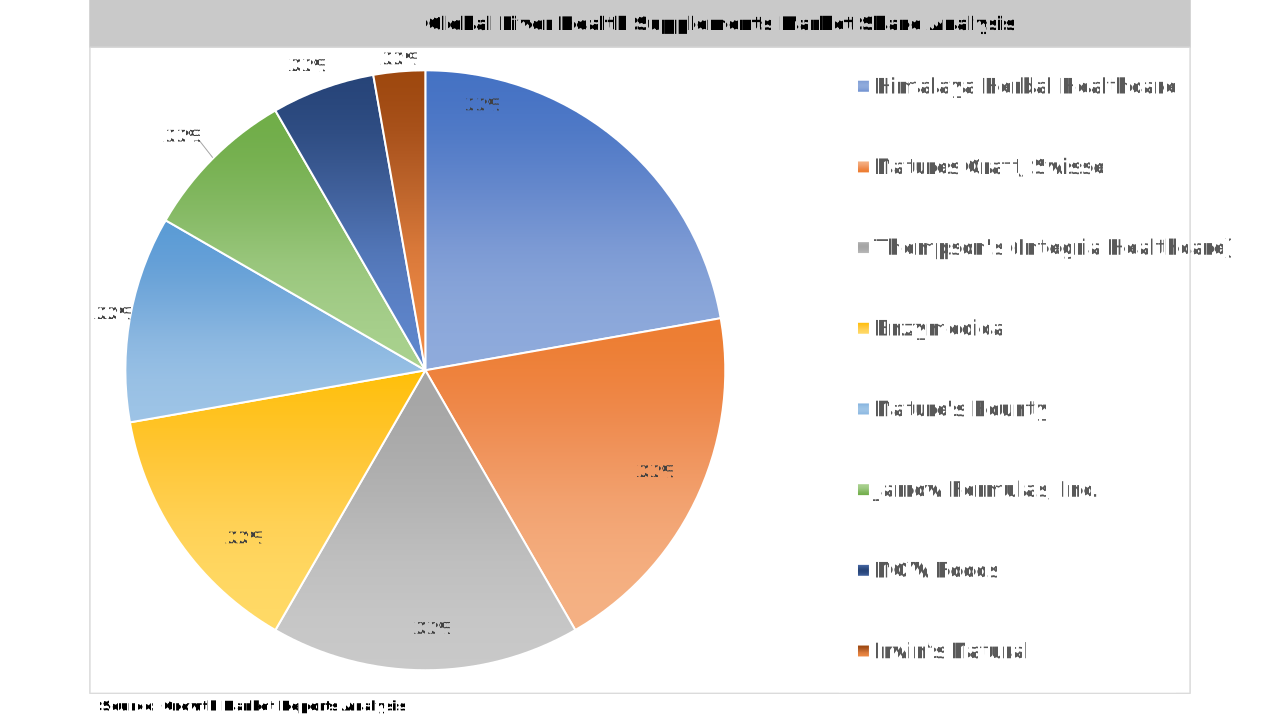
Key players competing in the liver health supplements market are Himalaya Herbal Healthcare; Natures Craft, Swisse; Thompson's (Integria Healthcare); Enzymedica; Nature's Bounty; Jarrow Formulas, Inc.; NOW Foods; and Irwin’s Natural.
Some of key business strategies for companies are mergers, acquisitions, partnerships, collaborations, capacity expansion, and product launches to enhance their market shares.
Key companies include NOW Foods, Himalaya Herbal Healthcare, Jarrow Formulas, Swisse Wellness, Nature’s Bounty, Nutrigold, Gaia Herbs, Amway, GNC Holdings, and Herbalife Nutrition.
Opportunities include innovative, science-backed formulations, expansion into emerging markets, and omnichannel distribution. Challenges include lack of standardized regulations, counterfeit products, and high costs of premium supplements.
Adults are the largest end-user group, followed by the geriatric population and pediatric segment. Each group has unique needs and product preferences.
Online stores are the fastest-growing channel, but pharmacies/drug stores and supermarkets/hypermarkets remain significant for their convenience and credibility.
The main applications include detoxification, liver protection, digestive health, and other uses such as immune support and energy enhancement.
Liver health supplements are available in tablets & capsules, powders, liquids, gummies, effervescent tablets, and other novel delivery systems. Tablets and capsules are the most widely used forms.
Herbal supplements hold the largest market share, with ingredients like milk thistle, dandelion, turmeric, and artichoke being especially popular for their hepatoprotective properties.
North America currently dominates the market, followed by Europe and the Asia Pacific. The Asia Pacific region is experiencing the fastest growth due to rising health consciousness and a growing middle-class population.
Key growth drivers include rising health awareness, increasing prevalence of liver-related disorders, popularity of preventive healthcare, and consumer preference for natural and herbal remedies.
As of 2024, the global liver health supplements market size reached USD 10.8 billion, with strong demand for products supporting liver function and overall wellness.