Segments - by Product Type (Lithium Carbonate, Lithium Hydroxide, Lithium Chloride, Others), by Application (Batteries, Glass & Ceramics, Lubricants, Air Treatment, Polymers, Pharmaceuticals, Others), by End-Use Industry (Automotive, Consumer Electronics, Industrial, Energy Storage, Others)
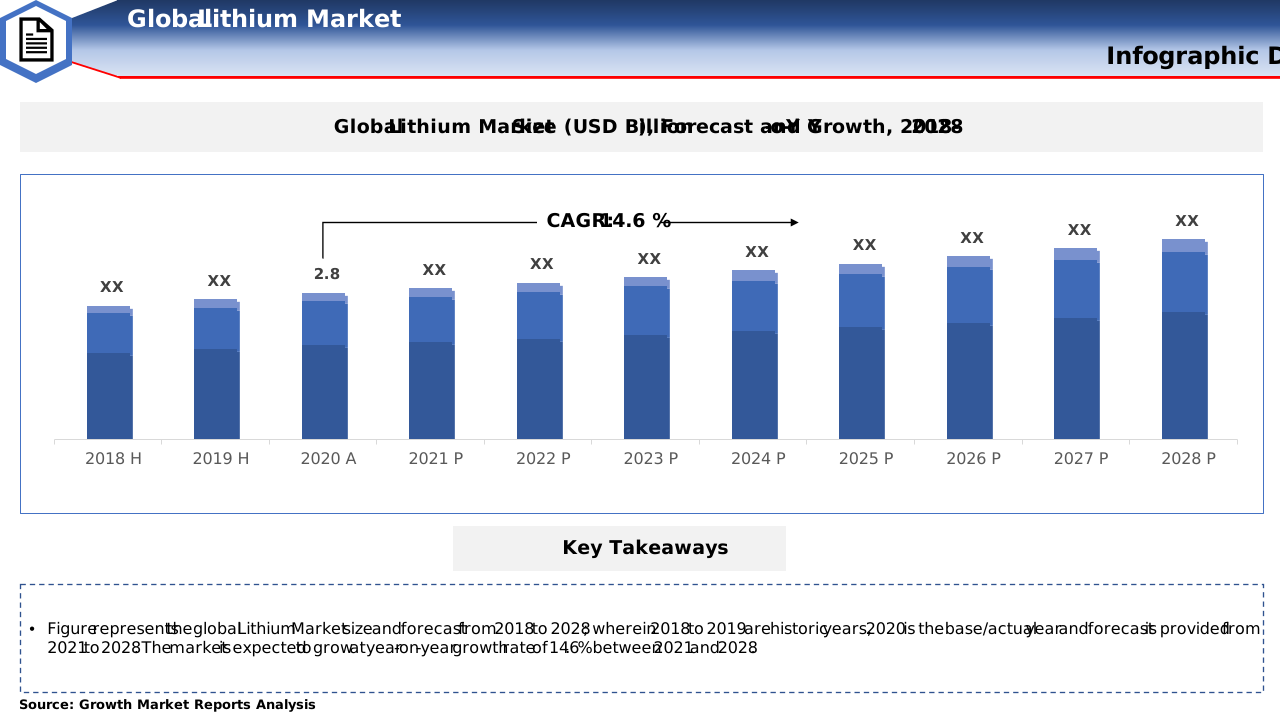
According to our latest research, the global lithium market size reached USD 8.4 billion in 2024, reflecting robust demand across energy storage, automotive, and consumer electronics sectors. The market is demonstrating a strong growth trajectory with a CAGR of 13.5% from 2025 to 2033. By 2033, the lithium market is forecasted to reach approximately USD 25.3 billion, driven by the accelerating adoption of electric vehicles (EVs), expansion of renewable energy storage solutions, and technological advancements in battery chemistry. This surge is underpinned by increasing investments in clean energy infrastructure and a global push towards carbon neutrality.
The primary growth driver for the lithium market is the exponential rise in electric vehicle production worldwide. As governments enforce stricter emission regulations and consumers shift preferences towards sustainable mobility, automakers are ramping up EV manufacturing. This, in turn, is fueling demand for lithium-ion batteries, which are the heart of EV powertrains. Furthermore, leading automotive manufacturers are forging strategic alliances and long-term supply agreements with lithium producers to secure raw material access, ensuring supply chain stability and price predictability. The integration of lithium batteries in hybrid vehicles and plug-in hybrids further expands the addressable market, making lithium indispensable for the future of mobility.
Another significant growth factor is the rapid expansion of renewable energy storage systems. With the proliferation of solar and wind installations, the need for efficient, high-capacity energy storage has become paramount. Lithium-ion batteries have emerged as the preferred solution due to their high energy density, long cycle life, and declining cost curve. Governments and private enterprises are investing heavily in grid-scale battery storage projects, which not only stabilize energy supply but also enable greater penetration of renewables. This trend is particularly pronounced in regions with ambitious decarbonization targets, such as Europe, North America, and parts of Asia Pacific, where lithium-based solutions are critical for balancing intermittent renewable output.
Technological advancements and ongoing research in lithium extraction and battery chemistry are also propelling the market forward. Innovations such as direct lithium extraction (DLE) technologies are improving yield efficiencies and reducing environmental impact, making lithium production more sustainable and cost-effective. Furthermore, advancements in battery design—such as solid-state lithium batteries—promise higher performance, greater safety, and longer lifespan, broadening lithium’s application scope beyond automotive and energy storage to include consumer electronics, aerospace, and medical devices. These technological leaps are attracting significant venture capital and government funding, further accelerating market growth.
The process of Spodumene Conversion is pivotal in the lithium supply chain, particularly in the context of meeting the burgeoning demand for lithium-ion batteries. Spodumene, a lithium-rich mineral, undergoes a conversion process to extract lithium carbonate or lithium hydroxide, which are essential for battery production. This conversion process involves roasting the spodumene ore at high temperatures, followed by leaching and purification steps to obtain the desired lithium compounds. As the demand for electric vehicles and renewable energy storage systems continues to rise, the efficiency and scalability of spodumene conversion technologies are becoming increasingly important. Innovations in this area are focused on reducing energy consumption and environmental impact, making the extraction process more sustainable and cost-effective. These advancements are crucial for ensuring a stable and reliable supply of lithium to meet the growing needs of the global market.
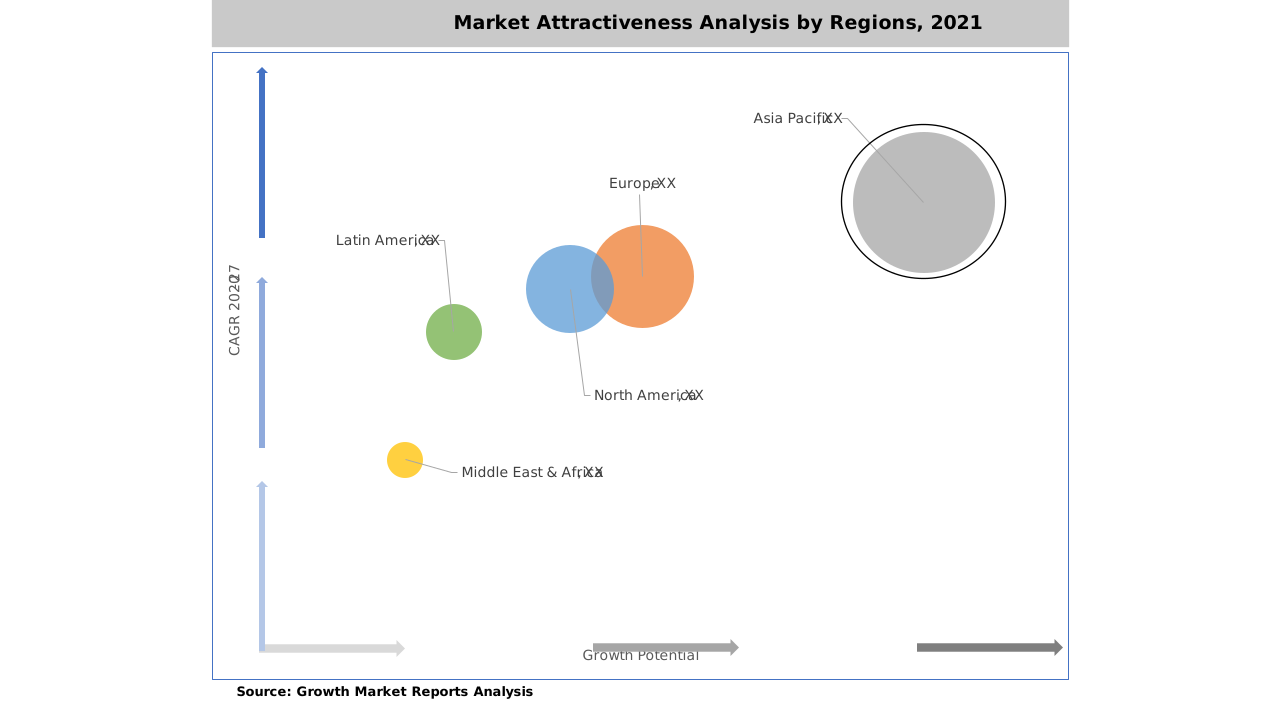
Regionally, Asia Pacific dominates the global lithium market, accounting for the largest share in both production and consumption. This leadership is driven by the presence of major battery manufacturers, rapid industrialization, and a burgeoning EV market in countries like China, Japan, and South Korea. North America and Europe are also witnessing substantial growth, propelled by policy support for EV adoption and energy storage deployment. Latin America, particularly Chile and Argentina, plays a pivotal role as a primary source of lithium raw materials, while the Middle East & Africa is gradually emerging as a strategic market for downstream applications. Each region presents unique growth opportunities and challenges, shaping the global lithium supply chain.
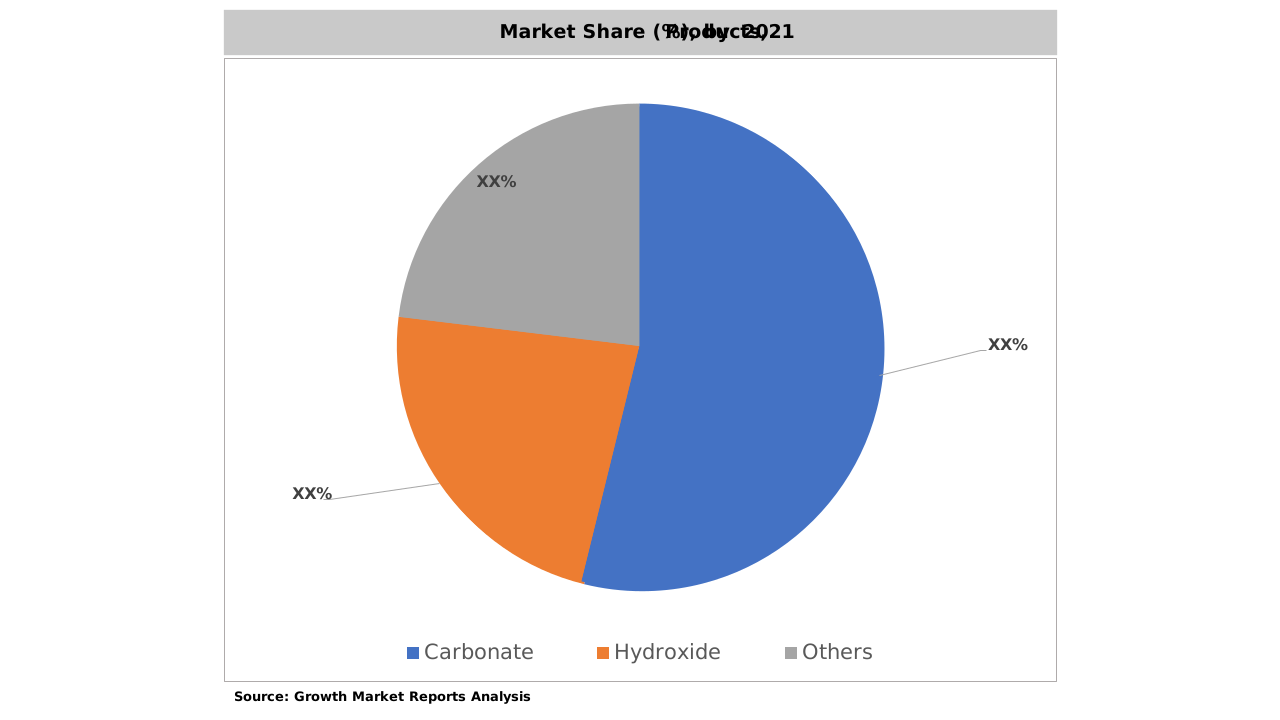
The lithium market is segmented by product type into lithium carbonate, lithium hydroxide, lithium chloride, and others. Among these, lithium carbonate holds the largest market share, primarily due to its widespread use in lithium-ion battery production. Lithium carbonate is the preferred raw material for cathode manufacturing in batteries, which are extensively used in electric vehicles, energy storage systems, and portable electronics. The increasing demand for high-performance batteries has resulted in a surge in lithium carbonate consumption, prompting producers to expand capacity and invest in new extraction technologies. Additionally, lithium carbonate finds applications in glass and ceramics, where it enhances strength and thermal resistance, further supporting its dominance in the market.
Lithium hydroxide is experiencing the fastest growth rate within the product type segment, fueled by its suitability for high-nickel cathode chemistries that deliver superior energy density and longevity. As automotive OEMs shift towards longer-range electric vehicles, the demand for lithium hydroxide is expected to outpace other lithium compounds. This shift is prompting several producers to transition from lithium carbonate to lithium hydroxide production, especially in regions with advanced battery manufacturing capabilities. Furthermore, lithium hydroxide is increasingly being adopted in specialty lubricants and air treatment applications, expanding its utility beyond the battery sector.
Lithium chloride, though representing a smaller share of the market, remains integral to several industrial processes. It is widely used in the manufacture of lithium metal, which is essential for primary batteries and certain aerospace applications. Additionally, lithium chlorideÂ’s hygroscopic properties make it valuable in air conditioning and dehumidification systems, especially in industrial and commercial settings. The market for lithium chloride is expected to grow steadily, supported by its niche applications and the overall expansion of the lithium chemicals industry.
The "others" category encompasses emerging lithium compounds such as lithium bromide and lithium titanate, which are gaining traction in specialized applications. Lithium bromide is used in absorption chillers and as a desiccant, while lithium titanate is gaining attention for its use in advanced battery technologies that require rapid charging and long cycle life. As research and development efforts continue to yield new lithium-based materials, the product type landscape is expected to diversify, offering new growth avenues for market participants.
| Attributes | Details |
| Report Title | Lithium Market Research Report 2033 |
| By Product Type | Lithium Carbonate, Lithium Hydroxide, Lithium Chloride, Others |
| By Application | Batteries, Glass & Ceramics, Lubricants, Air Treatment, Polymers, Pharmaceuticals, Others |
| By End-Use Industry | Automotive, Consumer Electronics, Industrial, Energy Storage, Others |
| Regions Covered | North America, Europe, APAC, Latin America, MEA |
| Base Year | 2024 |
| Historic Data | 2018-2023 |
| Forecast Period | 2025-2033 |
| Number of Pages | 258 |
| Number of Tables & Figures | 292 |
| Customization Available | Yes, the report can be customized as per your need. |
The application segment of the lithium market is dominated by batteries, which account for the largest share of global lithium consumption. Lithium-ion batteries are the gold standard for powering electric vehicles, consumer electronics, and renewable energy storage systems due to their high energy density, light weight, and long cycle life. The relentless growth of the EV market, coupled with increasing investments in grid-scale energy storage, is driving unprecedented demand for lithium in battery manufacturing. As battery technologies evolve, incorporating higher nickel content and solid-state designs, the reliance on lithium as a core input is set to intensify, further cementing batteries as the primary application segment.
Beyond batteries, the glass and ceramics segment represents a significant portion of lithium demand. Lithium compounds are utilized to improve the strength, durability, and thermal properties of glass and ceramics, making them essential in the production of specialty glass for electronics, automotive, and construction industries. The increasing adoption of smart devices and the rising demand for lightweight, high-performance materials in automotive and aerospace sectors are boosting lithium consumption in this segment. Additionally, the growth of the construction industry in emerging markets is providing further impetus to the glass and ceramics application.
The lubricants segment leverages lithiumÂ’s unique properties to produce high-performance greases and lubricants used in automotive, industrial, and aerospace applications. Lithium-based greases offer superior water resistance, thermal stability, and load-carrying capacity, making them indispensable in demanding operational environments. As industrial automation and mechanization expand globally, the demand for lithium lubricants is expected to grow in tandem, supporting market growth in this application segment.
Other notable applications include air treatment, polymers, and pharmaceuticals. In air treatment systems, lithium compounds are used for moisture absorption and air purification, contributing to improved indoor air quality in commercial and residential buildings. In the polymers segment, lithium serves as a catalyst in the production of synthetic rubbers and plastics, which are widely used in automotive, packaging, and consumer goods industries. The pharmaceutical sector utilizes lithium salts for the treatment of bipolar disorder and other mental health conditions, although this represents a smaller share of overall lithium demand. Collectively, these diverse applications underscore lithiumÂ’s versatility and its critical role in modern industrial and consumer products.
The automotive industry stands as the largest end-user of lithium, driven by the rapid adoption of electric vehicles worldwide. Automakers are increasingly relying on lithium-ion batteries to power new generations of vehicles, from passenger cars to commercial fleets. The push towards electrification is being supported by government incentives, stricter emission standards, and growing consumer awareness of environmental sustainability. As a result, automotive manufacturers are investing heavily in battery technology, supply chain integration, and strategic partnerships with lithium producers to secure long-term raw material supply. The anticipated surge in EV adoption over the next decade is expected to solidify the automotive sectorÂ’s dominance in lithium consumption.
The consumer electronics industry is another major end-user, leveraging lithium-ion batteries to power a wide array of devices, including smartphones, laptops, tablets, and wearable technology. The proliferation of connected devices and the Internet of Things (IoT) is driving continuous innovation in battery performance, energy density, and miniaturization. As consumers demand longer battery life and faster charging capabilities, manufacturers are turning to advanced lithium chemistries to meet these expectations. The integration of lithium batteries in emerging technologies such as augmented reality (AR), virtual reality (VR), and smart home devices further expands the market potential within this segment.
In the industrial sector, lithium is used in a variety of applications including backup power systems, robotics, and automation equipment. The growing trend towards industrial automation, coupled with the need for reliable, high-capacity energy storage, is fueling demand for lithium-based solutions. Additionally, lithium compounds are used in specialty lubricants and greases that enhance the performance and longevity of industrial machinery. The expansion of manufacturing activities in emerging economies is expected to drive sustained growth in industrial lithium consumption.
Energy storage is emerging as a critical end-use industry for lithium, particularly in the context of renewable energy integration. Grid-scale lithium-ion battery installations are being deployed to store excess energy generated from solar and wind sources, enabling greater grid stability and reliability. As utilities and independent power producers invest in large-scale energy storage projects, the demand for lithium is set to rise significantly. This trend is particularly pronounced in regions with ambitious renewable energy targets, such as Europe, North America, and parts of Asia Pacific. The energy storage segment represents a high-growth opportunity for lithium market participants, driven by the global shift towards clean energy solutions.
The lithium market presents numerous opportunities for growth and innovation, particularly in the context of the global transition towards sustainable energy and mobility. The rapid adoption of electric vehicles and the expansion of renewable energy storage systems create a robust demand outlook for lithium producers and technology developers. Advancements in extraction technologies, such as direct lithium extraction (DLE), offer the potential to increase yield efficiencies, reduce environmental impact, and lower production costs, making lithium more accessible and sustainable. Additionally, the development of next-generation battery chemistries, including solid-state and lithium-sulfur batteries, promises to unlock new application areas and drive further market expansion. Strategic partnerships, vertical integration, and investment in recycling infrastructure are also emerging as key opportunities for market participants seeking to secure supply chains and enhance value creation.
Another significant opportunity lies in the diversification of lithium applications beyond traditional batteries. The growing use of lithium compounds in glass and ceramics, lubricants, air treatment, polymers, and pharmaceuticals provides a stable demand base and reduces reliance on any single end-use sector. As industries seek to enhance the performance and sustainability of their products, lithiumÂ’s unique properties are being leveraged in innovative ways across a wide range of applications. Furthermore, the emergence of new markets, such as grid-scale energy storage and smart infrastructure, is creating additional avenues for growth. Governments and private investors are increasingly recognizing the strategic importance of lithium, leading to increased funding for research, development, and capacity expansion.
Despite these opportunities, the lithium market faces several restraining factors that could impact growth prospects. Chief among these is the risk of supply chain disruptions and resource concentration, as a significant portion of global lithium reserves is concentrated in a few countries, notably Australia, Chile, and Argentina. Geopolitical tensions, regulatory changes, and environmental concerns related to lithium extraction and processing can pose challenges to market stability and long-term supply security. Additionally, price volatility and the potential for oversupply, particularly as new projects come online, may impact profitability for producers and create uncertainty for downstream industries. Addressing these challenges will require coordinated efforts across the value chain, including investment in sustainable mining practices, recycling, and alternative battery technologies.
The Asia Pacific region dominates the global lithium market, accounting for approximately 55% of total market revenue in 2024, or about USD 4.6 billion. This leadership is primarily driven by China, which is the worldÂ’s largest producer and consumer of lithium and lithium-ion batteries. The regionÂ’s robust manufacturing ecosystem, coupled with significant investments in electric vehicle production and renewable energy infrastructure, underpins its dominant position. Japan and South Korea also play pivotal roles as leading battery technology innovators and exporters, further bolstering Asia PacificÂ’s market share. The region is expected to maintain a strong growth trajectory, with a projected CAGR of 14.2% through 2033, supported by continued policy support and technological advancements.
North America represents the second-largest regional market, with a market size of approximately USD 1.7 billion in 2024. The United States leads the region, driven by the rapid expansion of electric vehicle manufacturing, increasing deployment of energy storage systems, and strong government incentives for clean energy technologies. The presence of leading automotive and battery manufacturers, coupled with significant investments in domestic lithium extraction and processing, is enhancing North AmericaÂ’s self-sufficiency and reducing reliance on imports. Canada is also emerging as a key player, with substantial lithium reserves and a supportive regulatory environment for mining and battery manufacturing.
Europe is another important region, with a market size of around USD 1.3 billion in 2024. The European UnionÂ’s ambitious climate goals, including the Green Deal and Fit for 55 package, are driving substantial investments in electric mobility and renewable energy storage. Countries such as Germany, France, and the United Kingdom are leading the charge, with significant funding allocated to battery manufacturing, recycling, and supply chain integration. The region is also witnessing the emergence of new lithium mining and processing projects, aimed at reducing dependence on external suppliers and enhancing supply chain resilience. Latin America, particularly Chile and Argentina, remains a vital source of lithium raw materials, while the Middle East & Africa is gradually increasing its presence in downstream applications and emerging as a strategic market for future growth.
The global lithium market is characterized by intense competition and a dynamic landscape shaped by rapid technological advancements, evolving consumer preferences, and shifting regulatory frameworks. The market is dominated by a mix of established mining giants, integrated chemical producers, and emerging technology-driven startups. Companies are increasingly focusing on vertical integration, spanning from raw material extraction to battery manufacturing, to enhance supply chain resilience and capture greater value across the lithium ecosystem. Strategic alliances, mergers and acquisitions, and long-term supply agreements with automotive and electronics manufacturers are common strategies employed to secure market share and ensure long-term growth.
Innovation is a key differentiator in the lithium market, with leading players investing heavily in research and development to improve extraction efficiencies, reduce environmental impact, and develop next-generation battery technologies. The adoption of sustainable mining practices, such as direct lithium extraction (DLE) and closed-loop recycling, is gaining traction as companies seek to address environmental concerns and meet increasingly stringent regulatory requirements. Furthermore, the expansion of production capacity and the development of new lithium reserves are critical to meeting the growing demand from the automotive, energy storage, and electronics sectors.
Price volatility and supply chain risks have prompted companies to diversify their sourcing strategies and invest in new projects across different geographies. The emergence of new lithium producers in Africa, Europe, and North America is gradually reshaping the competitive landscape, reducing the historical dominance of traditional suppliers in Australia, Chile, and Argentina. Additionally, the rise of recycling and circular economy initiatives is creating new opportunities for companies to recover and reuse lithium from end-of-life batteries, further enhancing sustainability and supply security.
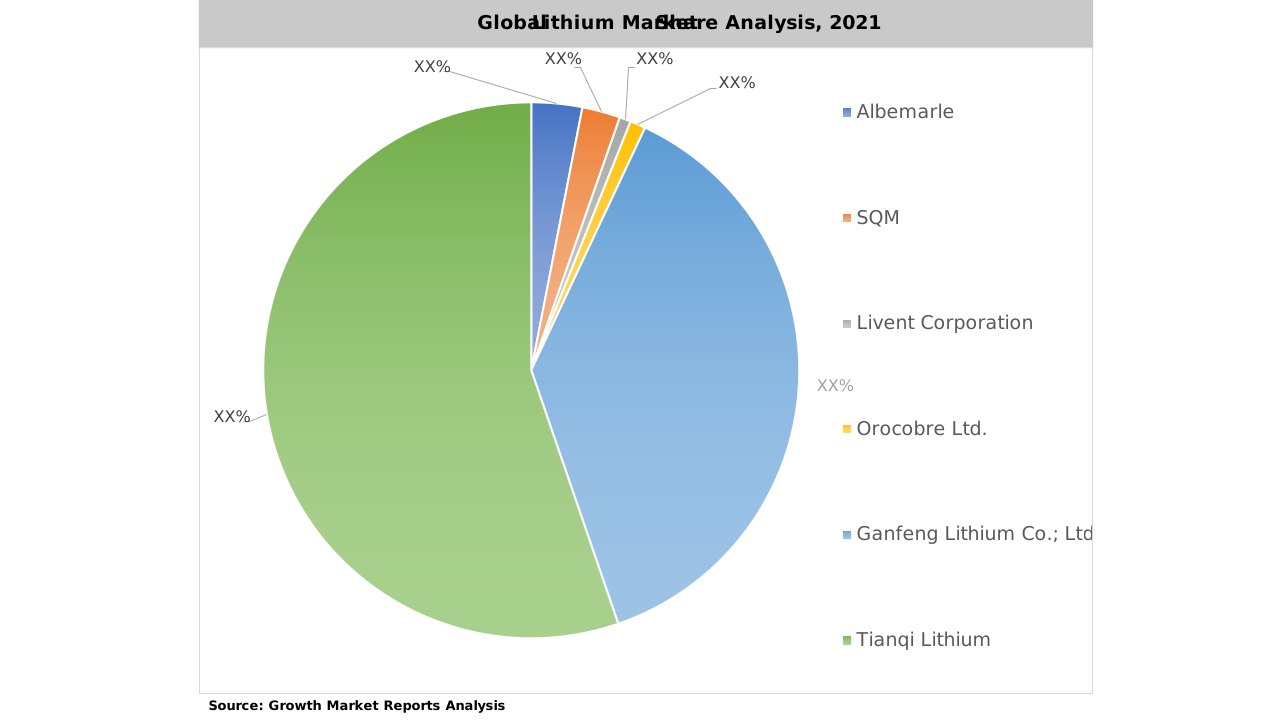
Some of the major companies operating in the global lithium market include Albemarle Corporation, SQM (Sociedad QuÃmica y Minera de Chile), Ganfeng Lithium Co., Ltd., Tianqi Lithium Corporation, Livent Corporation, Mineral Resources Limited, and Orocobre Limited. Albemarle is a leading integrated lithium producer with a global footprint spanning mining, processing, and specialty chemicals. SQM is renowned for its extensive lithium reserves in Chile and its diversified portfolio of lithium, potassium, and iodine products. Ganfeng Lithium and Tianqi Lithium are major Chinese players with significant investments in both upstream extraction and downstream battery manufacturing. Livent Corporation specializes in high-purity lithium compounds for batteries and industrial applications, while Mineral Resources Limited and Orocobre Limited are prominent Australian and Argentine producers, respectively.
These companies are actively expanding their production capacities, investing in new technologies, and forging strategic partnerships with key stakeholders across the value chain. For instance, Albemarle has announced major capacity expansions in both the United States and Australia to meet rising global demand, while SQM is investing in sustainable extraction technologies to minimize environmental impact. Ganfeng Lithium and Tianqi Lithium are leveraging their technological expertise and strong government support to enhance their positions as global leaders in lithium supply and battery manufacturing. Livent is focusing on high-purity lithium products for advanced battery applications, targeting the fast-growing EV and energy storage markets.
In summary, the competitive landscape of the lithium market is evolving rapidly, driven by technological innovation, supply chain integration, and a relentless focus on sustainability. Major players are positioning themselves to capitalize on the unprecedented growth opportunities presented by the global transition to electric mobility and renewable energy, while new entrants and technological disruptors are challenging the status quo and reshaping the future of the industry.
The Lithium market has been segmented on the basis of
The key players in the global lithium market include Albemarle; SQM; Livent Corporation; Orocobre Ltd.; Ganfeng Lithium Co.; Ltd.; and Tianqi Lithium. These players engage in mergers & acquisitions, collaborations, agreements, and partnerships to strengthen their geographical presence and expand their market share globally.
Demand for lithium is expected to surge due to EVs and energy storage, potentially outpacing supply if new projects and sustainable extraction methods are not developed. Supply chain diversification and recycling will be crucial for market stability.
Technological advancements such as direct lithium extraction (DLE) and solid-state batteries are improving efficiency, reducing environmental impact, and expanding lithium’s application scope, attracting significant investment and driving market growth.
Major players include Albemarle Corporation, SQM, Ganfeng Lithium, Tianqi Lithium, Livent Corporation, Mineral Resources Limited, Pilbara Minerals, Orocobre (Allkem), Lithium Americas, Piedmont Lithium, Nemaska Lithium, and others.
Opportunities include growth in EVs, renewable energy storage, advancements in extraction and battery technologies, and diversification of applications. Challenges involve supply chain risks, resource concentration, price volatility, and environmental concerns.
The automotive industry is the largest end-user, driven by EV adoption. Other significant end-use industries include consumer electronics, industrial sectors, and energy storage for renewable energy integration.
Lithium is primarily used in batteries for electric vehicles, consumer electronics, and energy storage systems. Other applications include glass and ceramics, lubricants, air treatment, polymers, and pharmaceuticals.
The lithium market is segmented into lithium carbonate, lithium hydroxide, lithium chloride, and others. Lithium carbonate holds the largest share, while lithium hydroxide is experiencing the fastest growth due to its use in high-nickel cathode batteries.
Asia Pacific leads the global lithium market, accounting for about 55% of total revenue in 2024, mainly due to China, Japan, and South Korea. North America and Europe are also significant markets, while Latin America is a major source of lithium raw materials.
Key drivers include the rapid adoption of electric vehicles (EVs), expansion of renewable energy storage solutions, technological advancements in battery chemistry, and increasing investments in clean energy infrastructure.
The global lithium market reached USD 8.4 billion in 2024 and is projected to grow at a CAGR of 13.5% from 2025 to 2033, reaching approximately USD 25.3 billion by 2033. This growth is driven by rising demand in electric vehicles, energy storage, and consumer electronics.