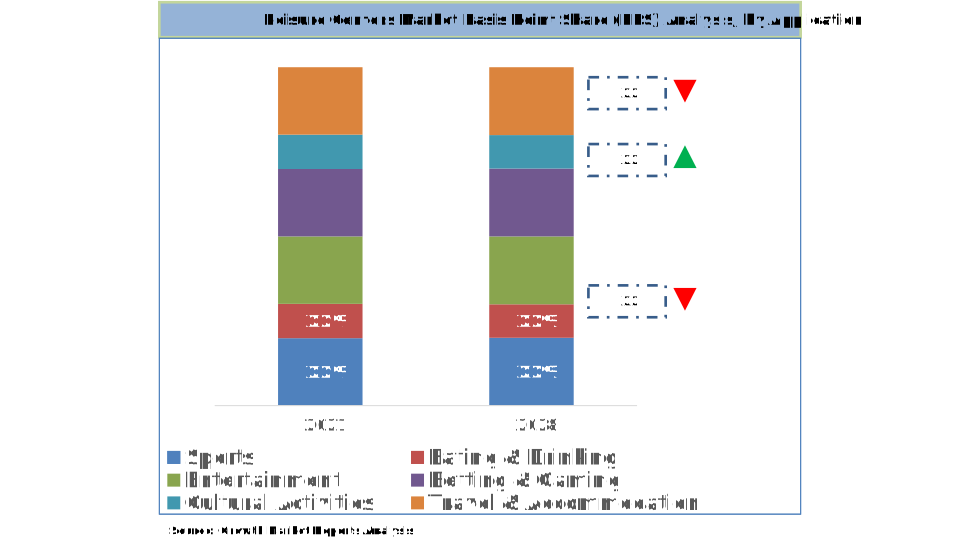
Segments - by Service Type (Fitness and Wellness, Sports Facilities, Swimming Pools, Children’s Activities, Others), by Ownership (Public, Private, Public-Private Partnership), by Age Group (Children, Adults, Seniors), by Revenue Source (Membership Fees, Pay-Per-Use, Events & Rentals, Others)
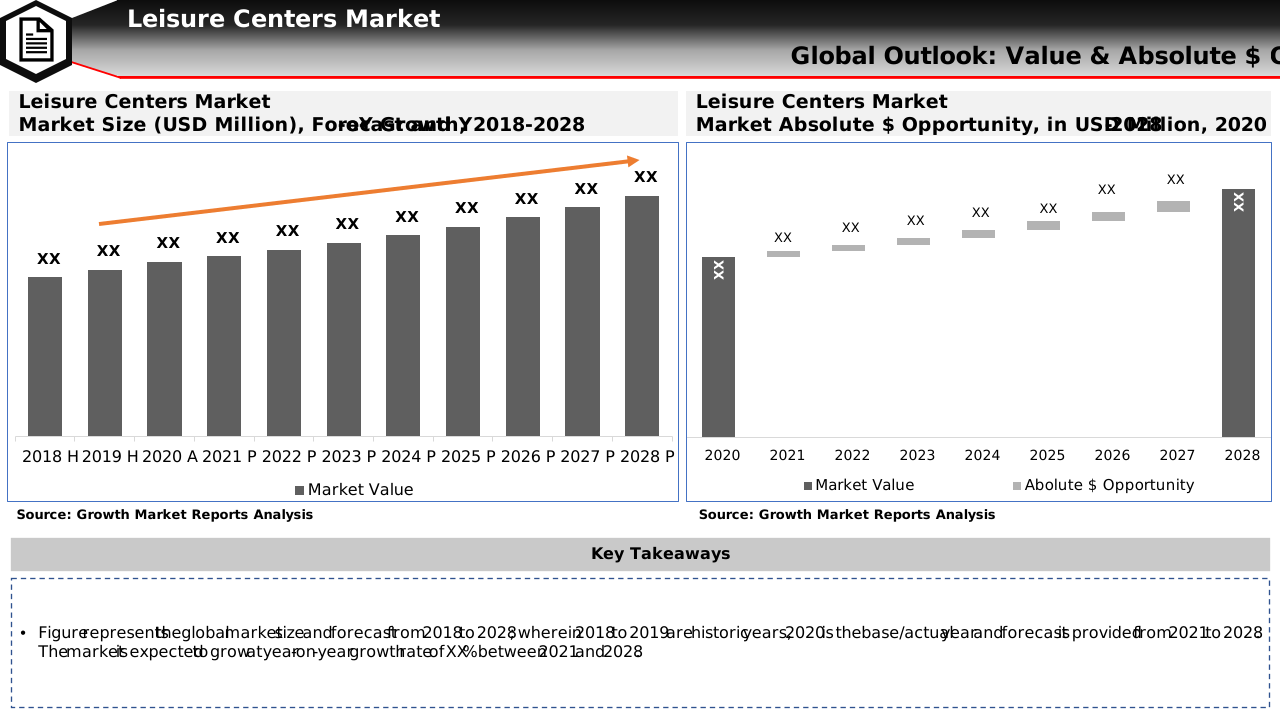
According to our latest research, the global leisure centers market size reached USD 67.8 billion in 2024, reflecting a robust growth trajectory driven by rising health awareness and evolving consumer lifestyles. The market is projected to expand at a CAGR of 6.1% from 2025 to 2033, reaching an estimated USD 115.6 billion by the end of the forecast period. Key growth factors include increased focus on wellness, urbanization, and the expansion of multi-service leisure facilities that cater to diverse demographics. As per our latest research, the leisure centers industry is witnessing a transformative phase, marked by digital integration, innovative service offerings, and strategic public-private partnerships.
One of the pivotal growth drivers for the leisure centers market is the rising global emphasis on health and wellness. With sedentary lifestyles and the prevalence of lifestyle-related diseases such as obesity and diabetes on the rise, consumers are increasingly seeking accessible avenues for physical activity and wellness programs. Leisure centers, offering a blend of fitness, sports, swimming, and recreational activities, have become central to this shift. Their ability to provide holistic wellness experiences, including group fitness classes, personal training, and spa services, has significantly broadened their appeal across various age groups. Furthermore, the integration of technology, such as fitness tracking apps and virtual classes, enhances user engagement, making leisure centers more attractive in an era where convenience and personalization are highly valued.
Another significant growth factor is the expansion of urban infrastructure and the increasing prevalence of community-centric living. Urbanization has led to higher population densities in cities, where access to open spaces is often limited. Leisure centers fill this gap by offering structured environments for physical activity, social interaction, and community engagement. Municipalities and private developers are investing in state-of-the-art leisure facilities as part of broader urban development initiatives, recognizing their role in enhancing the quality of life for residents. This trend is particularly pronounced in emerging economies in Asia Pacific and the Middle East, where rapid urban growth is creating new opportunities for leisure center operators to tap into previously underserved markets.
The evolving consumer preference for experiential and family-oriented activities is also driving the growth of the leisure centers market. Modern consumers, especially millennials and Gen Z, prioritize experiences over material possessions, seeking venues that offer a variety of recreational options under one roof. Leisure centers have adapted by diversifying their service portfolios to include not only fitness and sports but also childrenÂ’s activities, wellness retreats, and event hosting. This diversification not only increases footfall but also boosts ancillary revenue streams such as pay-per-use services, events, and rentals. Additionally, the growing trend of corporate wellness programs and school partnerships is further expanding the customer base for leisure centers, underpinning sustained market growth.
In addition to urban infrastructure, the role of a College Recreation Center is becoming increasingly significant in the leisure centers market. These centers serve as vital hubs for student engagement, promoting physical activity, wellness, and social interaction within college communities. With a focus on providing diverse recreational opportunities, college recreation centers offer facilities such as gyms, sports courts, swimming pools, and fitness classes tailored to the needs of students. The integration of state-of-the-art technology and innovative programming enhances the overall experience, making these centers attractive to the younger demographic. As colleges and universities prioritize student well-being, the demand for modern and well-equipped recreation centers is expected to grow, contributing to the broader expansion of the leisure centers market.
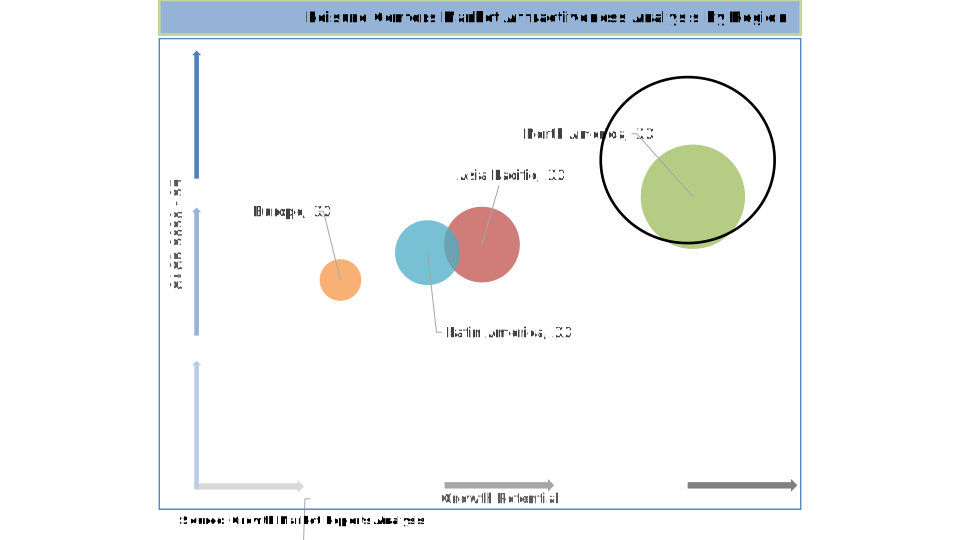
From a regional perspective, North America and Europe continue to dominate the leisure centers market, driven by high disposable incomes, established fitness cultures, and proactive government initiatives promoting public health. However, the Asia Pacific region is emerging as the fastest-growing market, supported by rapid urbanization, rising middle-class populations, and increasing investments in recreational infrastructure. Middle East & Africa and Latin America are also witnessing steady growth, fueled by government-backed wellness campaigns and expanding urban populations. The regional outlook highlights the global nature of the leisure centers market, with each region contributing unique growth dynamics and opportunities for market players.
The service type segment in the leisure centers market encompasses a diverse array of offerings, including fitness and wellness, sports facilities, swimming pools, childrenÂ’s activities, and other specialized services. Fitness and wellness services remain the cornerstone of most leisure centers, accounting for the largest share of market revenue in 2024. These services include gym facilities, group exercise classes, yoga, pilates, and wellness therapies such as massage and spa treatments. The growing consumer focus on preventive healthcare and holistic well-being has spurred the adoption of integrated wellness solutions, prompting leisure centers to continuously innovate their fitness and wellness offerings. This segment has also benefited from the adoption of digital solutions, such as virtual fitness classes and personalized workout plans, which enhance user engagement and retention.
Sports facilities represent another critical segment, providing structured environments for activities such as basketball, tennis, badminton, squash, and indoor soccer. These facilities cater to both recreational users and amateur athletes, often serving as venues for community leagues and tournaments. The demand for multi-sport complexes is on the rise, particularly in urban areas where access to outdoor sports infrastructure is limited. Leisure centers are increasingly investing in versatile sports facilities that can accommodate a wide range of activities, thereby maximizing space utilization and revenue generation. Partnerships with local sports clubs and schools further drive participation and foster community engagement.
Swimming pools are a prominent feature of modern leisure centers, offering year-round access to aquatic activities for all age groups. The popularity of swimming as a low-impact exercise, coupled with its appeal for families and seniors, has made pools a key differentiator for leisure centers. Many facilities now offer specialized aquatic programs, such as swim lessons, water aerobics, and therapeutic hydrotherapy, catering to diverse customer needs. The integration of advanced water treatment technologies and sustainable pool management practices has also enhanced the safety and appeal of swimming pools, contributing to their growing importance within the leisure centers market.
ChildrenÂ’s activities are an increasingly vital component of the service mix, as leisure centers seek to attract families and create inclusive environments for all age groups. These activities range from play zones and adventure parks to structured programs such as martial arts, dance, and educational workshops. The emphasis on child development, physical fitness, and socialization has driven demand for age-appropriate recreational offerings. By providing dedicated spaces and programs for children, leisure centers not only increase their customer base but also encourage repeat visits from families, boosting overall profitability.
The others category includes a wide range of specialized services, such as wellness retreats, rehabilitation programs, and event hosting. These offerings enable leisure centers to differentiate themselves in a competitive market and tap into niche customer segments. As consumer preferences continue to evolve, the ability to provide unique and customizable experiences will be a key success factor for leisure centers aiming to capture a larger share of the market.
| Attributes | Details |
| Report Title | leisure centers Market Research Report 2033 |
| By Service Type | Fitness and Wellness, Sports Facilities, Swimming Pools, ChildrenÂ’s Activities, Others |
| By Ownership | Public, Private, Public-Private Partnership |
| By Age Group | Children, Adults, Seniors |
| By Revenue Source | Membership Fees, Pay-Per-Use, Events & Rentals, Others |
| Regions Covered | North America, Europe, APAC, Latin America, MEA |
| Base Year | 2024 |
| Historic Data | 2018-2023 |
| Forecast Period | 2025-2033 |
| Number of Pages | 286 |
| Number of Tables & Figures | 325 |
| Customization Available | Yes, the report can be customized as per your need. |
The ownership structure of leisure centers plays a crucial role in shaping market dynamics, investment strategies, and service delivery models. Public leisure centers, typically operated by municipal governments or local authorities, have long been the backbone of community recreation infrastructure. These centers prioritize accessibility and inclusivity, offering subsidized memberships and a wide range of programs for residents. Public ownership ensures that leisure centers remain affordable and accessible to all segments of the population, particularly in underserved areas. However, budget constraints and bureaucratic processes can sometimes limit the ability of public centers to innovate or expand their service offerings.
Private leisure centers have gained significant traction in recent years, driven by rising consumer demand for premium services and personalized experiences. Private operators are often more agile in responding to market trends, investing in state-of-the-art facilities, cutting-edge technology, and specialized staff. These centers typically target middle- and upper-income demographics, offering exclusive amenities such as boutique fitness studios, luxury spas, and high-end sports facilities. The private sectorÂ’s focus on customer experience and operational efficiency has set new benchmarks for service quality in the leisure centers market, prompting public operators to adopt best practices and upgrade their facilities.
The public-private partnership (PPP) model is emerging as a strategic solution to address funding gaps and enhance service delivery in the leisure centers market. PPPs combine the strengths of both sectors, leveraging public funding and oversight with private sector expertise and innovation. This model enables the development of large-scale, multi-use leisure complexes that serve diverse community needs while maintaining financial sustainability. PPPs have been particularly successful in regions where government resources are limited, enabling the expansion of recreational infrastructure without placing undue strain on public budgets. The growing adoption of PPPs is expected to drive further investment and innovation in the leisure centers market over the forecast period.
Ownership structure also influences the revenue generation strategies and operational models of leisure centers. Public centers often rely on government funding and subsidized memberships, while private operators focus on maximizing profitability through premium memberships, ancillary services, and targeted marketing. PPPs, on the other hand, strive to balance social objectives with financial viability, often implementing tiered pricing structures and diversified revenue streams. The interplay between different ownership models fosters healthy competition and drives continuous improvement in service quality, ultimately benefiting consumers and supporting the long-term growth of the leisure centers market.
Looking ahead, the trend towards hybrid ownership models and collaborative ventures is expected to accelerate, as stakeholders seek to optimize resource allocation and enhance the overall value proposition of leisure centers. The ability to adapt ownership structures to local market conditions and evolving consumer preferences will be a key determinant of success in this dynamic and rapidly evolving industry.
The leisure centers market is characterized by a diverse customer base, segmented by age group into children, adults, and seniors. Each segment has unique needs, preferences, and participation patterns, shaping the design and delivery of leisure center services. Children represent a significant growth segment, as parents increasingly prioritize physical activity and social development for their offspring. Leisure centers cater to this demographic through dedicated play areas, sports programs, swimming lessons, and educational workshops. The inclusion of child-friendly amenities not only attracts families but also fosters long-term brand loyalty, as children who grow up attending leisure centers are more likely to continue using such facilities into adulthood.
Adults constitute the largest age group in the leisure centers market, driving demand for a wide range of fitness, sports, and wellness services. This segment includes young professionals, parents, and middle-aged individuals seeking to maintain an active lifestyle, manage stress, and achieve personal health goals. Leisure centers offer tailored programs such as group exercise classes, personal training, and wellness therapies to meet the diverse needs of adult users. The growing popularity of flexible membership options and digital fitness solutions has further enhanced the appeal of leisure centers among adults, enabling them to integrate physical activity into their busy schedules.
Seniors are an increasingly important demographic for the leisure centers market, reflecting global trends of aging populations and rising life expectancy. Leisure centers are adapting to this shift by offering age-appropriate programs, such as gentle fitness classes, aqua aerobics, and therapeutic wellness services. These initiatives support healthy aging, social engagement, and the prevention of chronic diseases among older adults. The creation of inclusive and accessible environments, with features such as wheelchair ramps, accessible pools, and specialized staff, is critical to attracting and retaining senior members. As the senior population continues to grow, leisure centers that cater to their unique needs will be well-positioned to capture a larger share of this expanding market segment.
The segmentation by age group underscores the importance of offering a diverse and inclusive service portfolio. Leisure centers that successfully address the needs of all age groups not only maximize their customer base but also enhance community engagement and social cohesion. By fostering intergenerational participation and creating spaces where individuals of all ages can thrive, leisure centers play a vital role in promoting public health and well-being.
Furthermore, age-specific marketing strategies and targeted program development are essential for driving participation and maximizing revenue. Understanding the motivations and barriers for each age group enables leisure centers to design effective outreach campaigns, develop relevant services, and create personalized experiences that resonate with their target audiences.
The revenue generation model of leisure centers is multifaceted, with membership fees constituting the primary source of income for most operators. Memberships provide a stable and predictable revenue stream, enabling leisure centers to plan investments, manage operating costs, and offer value-added services. The growing popularity of flexible membership options, such as monthly subscriptions, family packages, and corporate plans, has increased accessibility and broadened the customer base. Additionally, the integration of digital platforms for membership management and payment processing has streamlined operations and enhanced the customer experience.
Pay-per-use services represent a significant supplementary revenue source, catering to users who prefer flexibility or are unable to commit to long-term memberships. This model is particularly popular for specialized facilities, such as swimming pools, sports courts, and group classes, where users can access services on an as-needed basis. Pay-per-use options also appeal to tourists, occasional visitors, and individuals exploring leisure center offerings before committing to a membership. By offering a mix of membership and pay-per-use options, leisure centers can maximize utilization rates and optimize revenue generation.
Events and rentals have emerged as lucrative revenue streams for leisure centers, leveraging their versatile spaces to host a wide range of activities, including birthday parties, corporate events, sports tournaments, and community gatherings. These services not only generate additional income but also increase brand visibility and community engagement. Many leisure centers have invested in dedicated event spaces, catering services, and event management teams to capitalize on this growing opportunity. The ability to host events and rentals enhances the value proposition of leisure centers, positioning them as multifunctional community hubs.
The others category encompasses a variety of ancillary revenue sources, such as retail sales, wellness treatments, and partnership programs. Retail outlets within leisure centers offer sports apparel, equipment, and health supplements, providing convenient shopping options for members. Wellness treatments, including massage therapy, physiotherapy, and nutrition counseling, cater to the growing demand for holistic health services. Strategic partnerships with local businesses, schools, and healthcare providers further diversify revenue streams and create new avenues for growth.
A well-balanced revenue model is essential for the long-term sustainability and profitability of leisure centers. Operators must continuously evaluate and optimize their revenue strategies to adapt to changing market conditions, consumer preferences, and competitive pressures. The ability to diversify income sources and create value-added services will be a key differentiator for successful leisure centers in the years ahead.
The leisure centers market is ripe with opportunities, driven by evolving consumer preferences, technological advancements, and increasing public awareness of health and wellness. One major opportunity lies in the integration of digital technologies, such as mobile apps, wearable fitness devices, and virtual training platforms. These innovations enable leisure centers to offer personalized experiences, track user progress, and enhance engagement through gamification and social connectivity. The adoption of data analytics and artificial intelligence further allows operators to optimize facility utilization, tailor marketing campaigns, and develop targeted programs that resonate with specific customer segments. By embracing digital transformation, leisure centers can differentiate themselves in a competitive market and unlock new growth avenues.
Another significant opportunity is the expansion of wellness and lifestyle services beyond traditional fitness and sports offerings. As consumers increasingly seek holistic well-being, leisure centers can diversify their portfolios to include mental health programs, nutrition counseling, relaxation therapies, and community-building activities. The growing trend of corporate wellness initiatives presents additional opportunities for leisure centers to partner with businesses and offer customized programs that support employee health and productivity. Furthermore, the rise of experiential and family-oriented leisure activities creates opportunities for centers to attract new customer segments and increase retention through innovative programming and inclusive environments.
Despite the positive outlook, the leisure centers market faces several restraining factors, with economic volatility and fluctuating consumer spending being key concerns. Economic downturns can lead to reduced discretionary income, prompting consumers to cut back on non-essential expenditures such as leisure center memberships and services. Additionally, the high capital and operational costs associated with developing and maintaining state-of-the-art facilities can pose challenges for operators, particularly in regions with limited access to funding or unstable regulatory environments. Intense competition from alternative fitness and recreation options, such as boutique studios, home fitness solutions, and outdoor activities, also threatens market growth. To mitigate these threats, leisure centers must focus on delivering exceptional value, maintaining operational efficiency, and continuously innovating their service offerings.
The North America region remains the largest market for leisure centers, accounting for approximately USD 22.7 billion in revenue in 2024. This dominance is underpinned by high consumer awareness, established fitness cultures, and significant investments in recreational infrastructure. The United States and Canada are leading contributors, with a dense network of public and private leisure centers catering to diverse demographics. The region is also at the forefront of digital integration, with many operators leveraging technology to enhance the customer experience and drive operational efficiency. The North American market is expected to grow at a steady pace, supported by ongoing health and wellness initiatives and the expansion of premium service offerings.
Europe follows closely, with a market size of USD 19.3 billion in 2024. The region is characterized by a strong tradition of community-based recreation and proactive government support for public health programs. Countries such as the United Kingdom, Germany, and France have well-established leisure center networks, offering a wide range of services to residents. The European market is witnessing a shift towards sustainable and inclusive leisure center models, with a focus on energy efficiency, accessibility, and social impact. The region is projected to grow at a CAGR of 5.7% through 2033, driven by demographic shifts, urbanization, and the increasing adoption of digital and wellness-oriented services.
The Asia Pacific region is emerging as the fastest-growing market, with revenues reaching USD 13.5 billion in 2024 and a projected CAGR of 8.4% over the forecast period. Rapid urbanization, rising disposable incomes, and a growing middle class are fueling demand for modern leisure centers in countries such as China, India, Japan, and Australia. Government initiatives to promote physical activity and public health, coupled with significant investments in urban infrastructure, are creating new opportunities for market players. The regionÂ’s diverse cultural landscape and evolving consumer preferences necessitate tailored service offerings and innovative business models, making Asia Pacific a dynamic and attractive market for leisure center operators.
The leisure centers market is highly competitive, with a mix of global, regional, and local players vying for market share. The competitive landscape is characterized by continuous innovation, strategic partnerships, and a focus on customer experience. Leading operators invest heavily in facility upgrades, digital integration, and staff training to differentiate themselves and attract a loyal customer base. The ability to offer a diverse and customizable service portfolio is a key success factor, as consumers increasingly seek personalized and holistic wellness experiences. Market leaders are also expanding their footprints through mergers, acquisitions, and franchise models, enabling them to tap into new markets and achieve economies of scale.
Private operators, in particular, are setting new benchmarks for service quality and innovation, leveraging advanced technologies and data-driven insights to optimize operations and enhance user engagement. Many private leisure centers have adopted boutique concepts, offering specialized fitness classes, luxury amenities, and exclusive memberships to cater to premium segments. Public operators, on the other hand, focus on accessibility and community engagement, often collaborating with local governments and non-profit organizations to deliver inclusive programs and services. The rise of public-private partnerships is fostering greater collaboration and resource sharing, enabling the development of state-of-the-art leisure complexes that serve diverse community needs.
The competitive intensity in the leisure centers market is further heightened by the entry of new players and the proliferation of alternative fitness and recreation options. Boutique studios, home fitness solutions, and digital wellness platforms are challenging traditional leisure centers, prompting operators to continuously innovate and expand their service offerings. The ability to adapt to changing market dynamics, invest in technology, and deliver exceptional customer experiences will be critical for maintaining a competitive edge in this rapidly evolving industry.
Some of the major companies operating in the global leisure centers market include Life Time Inc., David Lloyd Leisure, Virgin Active, YMCA, LA Fitness, Fitness First, PureGym, and Anytime Fitness. Life Time Inc. is renowned for its luxury health clubs and integrated wellness services, targeting affluent urban professionals. David Lloyd Leisure is a leading operator in Europe, known for its family-friendly facilities and comprehensive service offerings. Virgin Active has a strong presence in multiple regions, focusing on innovative fitness solutions and digital engagement. YMCA, with its extensive network of community centers, emphasizes inclusivity and social impact, offering affordable programs for all age groups. LA Fitness and Fitness First are prominent players in North America and Europe, respectively, offering a wide range of fitness and wellness services. PureGym and Anytime Fitness have adopted flexible, low-cost membership models, appealing to budget-conscious consumers and expanding rapidly through franchise networks.
These companies are continuously investing in facility upgrades, technology adoption, and staff training to maintain their competitive positions. Strategic partnerships with technology providers, healthcare organizations, and local governments are enabling them to expand their service portfolios and reach new customer segments. The focus on sustainability, inclusivity, and digital transformation is expected to shape the future competitive landscape of the leisure centers market, with leading operators setting new standards for service quality and innovation.
The leisure centers market has been segmented on the basis of
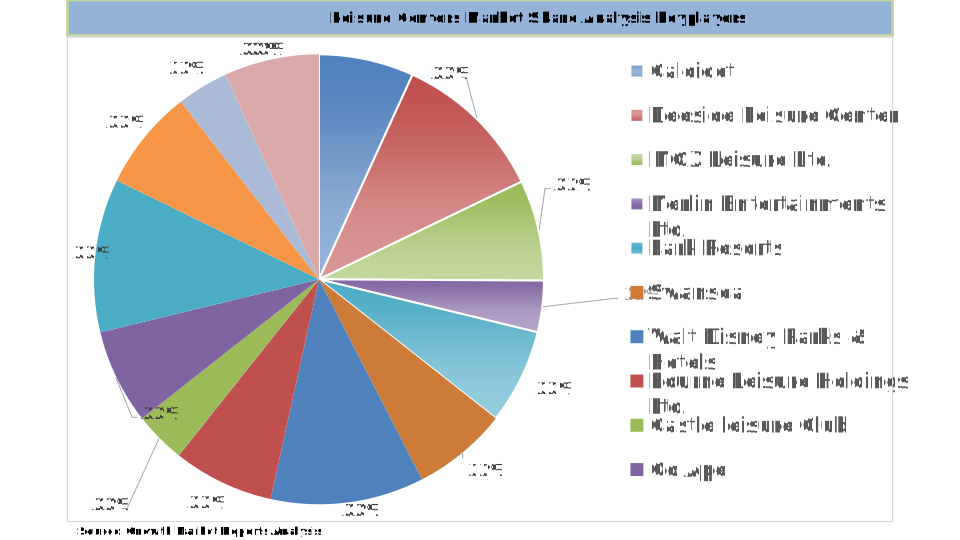
Key players competing in the global leisure centers market are Caldicot; Deeside Leisure Center; INOX Leisure Ltd.; Merlin Entertainments Ltd.; Park Resorts; Swansea; Walt Disney Parks & Hotels; Bourne Leisure Holdings Ltd.; Castle leisure Club; Go Ape; Lakeside Leisure Center; Olympiad leisure centers; SeaWorld Parks & Entertainment Inc.; and Swansea. Companies are focusing on investments in R&D sector for advancements in leisure centers market to maintain their competitive position in the market. Companies have been widely engaged in strategic partnership, merger & acquisition, new product launch, and collaborations to boost their market share and acquiring new buyers.
Technology is driving innovation through fitness tracking apps, virtual classes, digital membership management, data analytics, and AI-powered personalized experiences, enhancing user engagement and operational efficiency.
Major players include Life Time Inc., David Lloyd Leisure, Virgin Active, YMCA, LA Fitness, Fitness First, PureGym, Anytime Fitness, and others.
Opportunities include digital transformation, expanding wellness services, and corporate wellness partnerships. Threats involve economic volatility, high operational costs, and competition from boutique studios and home fitness solutions.
Leisure centers provide age-specific programs: play zones and workshops for children, fitness and wellness services for adults, and gentle exercise and therapeutic services for seniors, ensuring inclusivity for all age groups.
Primary revenue sources include membership fees, pay-per-use services, events and rentals, as well as ancillary streams like retail sales, wellness treatments, and partnerships.
Public centers focus on accessibility and inclusivity, private centers emphasize premium services and innovation, and public-private partnerships combine strengths of both to develop large-scale, sustainable facilities.
Leisure centers offer a range of services including fitness and wellness programs, sports facilities, swimming pools, children’s activities, wellness retreats, rehabilitation programs, and event hosting.
North America and Europe currently dominate the market due to high disposable incomes and established fitness cultures, while Asia Pacific is the fastest-growing region, driven by rapid urbanization and rising middle-class populations.
Key growth drivers include rising health and wellness awareness, urbanization, digital integration, innovative service offerings, and strategic public-private partnerships.
The global leisure centers market reached USD 67.8 billion in 2024 and is projected to grow at a CAGR of 6.1% from 2025 to 2033, reaching an estimated USD 115.6 billion by 2033.