Segments - by Product Type (Ankle-Length Leggings, Knee-Length Leggings, Capri Leggings, Stirrup Leggings, Others), by Material (Cotton, Nylon, Polyester, Spandex, Blended, Others), by End-User (Women, Men, Children), by Distribution Channel (Online Stores, Supermarkets/Hypermarkets, Specialty Stores, Others)
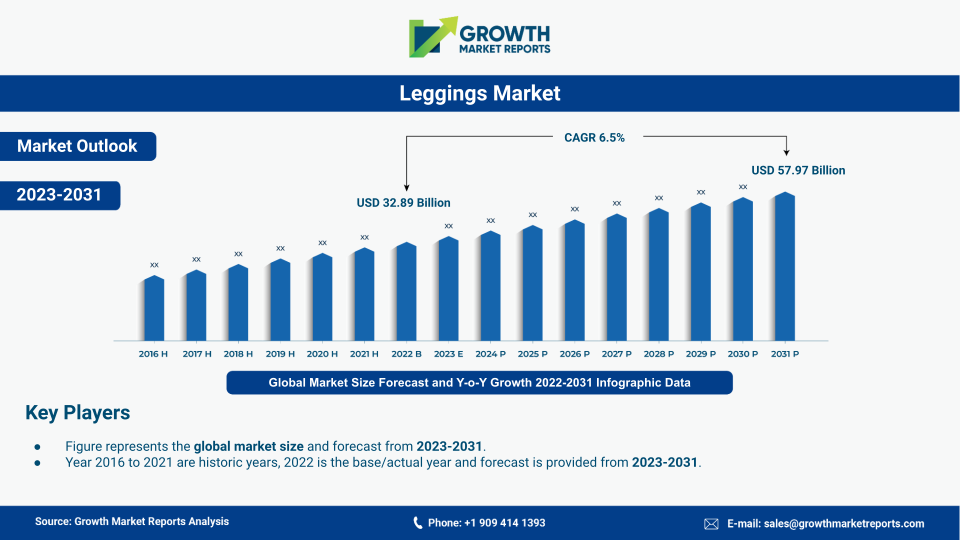
According to our latest research, the global leggings market size in 2024 stands at USD 42.7 billion, reflecting robust consumer demand and evolving fashion trends. The market is experiencing a steady upward trajectory, registering a CAGR of 6.2% from 2025 to 2033. By the end of 2033, the leggings market is forecasted to reach an impressive USD 73.2 billion. This strong growth is primarily driven by the increasing adoption of athleisure wear, the integration of innovative materials, and the expanding influence of e-commerce platforms worldwide, as per our most recent analysis.
The growth of the leggings market is underpinned by several key factors, with the athleisure trend at the forefront. Over the past decade, the boundaries between athletic and casual wear have blurred, leading to a surge in demand for versatile and comfortable clothing such as leggings. Consumers are increasingly prioritizing comfort and functionality in their daily wardrobes, making leggings a staple for various activities, from workouts to casual outings. Furthermore, the rise of health and wellness consciousness has encouraged more individuals to engage in fitness routines, thereby fueling the need for high-performance activewear, including leggings. Major brands have responded by introducing technologically advanced materials with moisture-wicking, antimicrobial, and stretchable properties, enhancing the overall appeal of leggings across diverse demographics.
Another significant growth driver for the leggings market is the rapid expansion of digital retail channels. The proliferation of online stores and mobile shopping apps has made it easier for consumers to access a wide range of leggings, compare prices, and explore new styles. Social media influencers and digital marketing campaigns have further amplified the visibility of leggings, particularly among younger generations. The convenience of home delivery, coupled with frequent promotional offers and easy return policies, has contributed to the exponential growth of online sales in this segment. Moreover, brands are leveraging data analytics and customer feedback to tailor their product offerings, ensuring that they cater to the evolving preferences of global consumers.
Sustainability has also emerged as a pivotal factor shaping the leggings market landscape. With growing awareness of environmental issues, consumers are increasingly seeking products made from eco-friendly and recycled materials. Leading manufacturers are investing in research and development to create leggings using organic cotton, recycled polyester, and biodegradable fabrics. This shift towards sustainable production not only aligns with consumer values but also enhances brand reputation and customer loyalty. In addition, certifications and transparent supply chain practices are becoming important differentiators in a highly competitive market, driving further innovation and growth.
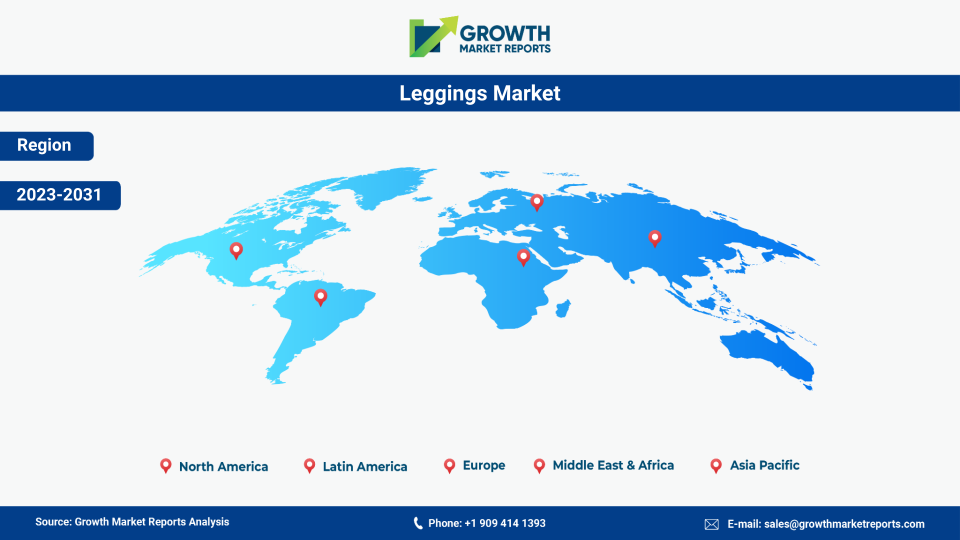
From a regional perspective, Asia Pacific continues to dominate the global leggings market, accounting for the largest share in 2024, followed closely by North America and Europe. The Asia Pacific region benefits from a burgeoning middle class, rapid urbanization, and a youthful population with a keen interest in fashion and fitness. North America remains a key market due to high disposable incomes and a well-established athleisure culture. Meanwhile, Europe is witnessing steady growth, driven by increasing health awareness and the popularity of sustainable fashion. Latin America and the Middle East & Africa are also emerging as promising regions, supported by rising consumer spending and the growing penetration of international brands.
The leggings market is characterized by a diverse range of product types, each catering to specific consumer needs and preferences. Ankle-length leggings dominate the market, accounting for the largest share due to their versatility and suitability for various occasions, from fitness workouts to casual wear. Consumers value ankle-length leggings for their ability to provide full coverage and support, making them ideal for both athletic activities and everyday use. The popularity of yoga and Pilates has further boosted demand for this segment, as these activities often require flexible, comfortable attire. Brands are continuously innovating within this category, offering features such as high-waist designs, seamless construction, and compression fabrics to enhance performance and comfort.
Knee-length leggings have carved out a significant niche, particularly among athletes and fitness enthusiasts who prefer shorter lengths for activities such as running, cycling, or gym workouts. These leggings offer enhanced breathability and freedom of movement, making them a popular choice during warmer months or high-intensity exercise. The knee-length segment is also witnessing increased demand among younger consumers, who appreciate the trendy and sporty aesthetic. Manufacturers are responding by offering a variety of colors, patterns, and functional features, such as pockets and reflective elements, to appeal to this style-conscious demographic.
Capri leggings represent another important product segment, striking a balance between ankle-length and knee-length options. Capris are favored for their lightweight feel and suitability for transitional weather conditions. They are especially popular among women seeking comfortable and fashionable attire for both fitness and leisure activities. The versatility of capri leggings has led to their widespread adoption in various settings, including gyms, yoga studios, and even casual workplaces. Brands are focusing on enhancing the design and performance of capris by incorporating breathable fabrics, antimicrobial treatments, and ergonomic stitching to improve fit and durability.
Stirrup leggings and other specialty styles cater to niche markets, such as dance, equestrian sports, and fashion-forward consumers. Stirrup leggings are distinguished by their unique design, which includes a strap that wraps around the foot, ensuring the leggings stay in place during movement. This feature makes them particularly popular among dancers and athletes who require stability and support. While the stirrup segment represents a smaller share of the overall market, it is witnessing steady growth due to rising interest in specialized athletic wear and retro-inspired fashion trends. Other emerging styles, such as printed, textured, and embellished leggings, are gaining traction as consumers seek to express their individuality through their clothing choices.
The "Others" category encompasses a wide array of innovative and experimental designs that cater to evolving consumer tastes. This includes maternity leggings, thermal leggings for cold climates, and leggings with integrated shapewear features. As fashion cycles continue to evolve, manufacturers are exploring new materials, construction techniques, and design elements to differentiate their products in a crowded market. The ongoing emphasis on comfort, performance, and style ensures that the product type segment remains dynamic and responsive to shifting consumer demands.
| Attributes | Details |
| Report Title | Leggings Market Research Report 2033 |
| By Product Type | Ankle-Length Leggings, Knee-Length Leggings, Capri Leggings, Stirrup Leggings, Others |
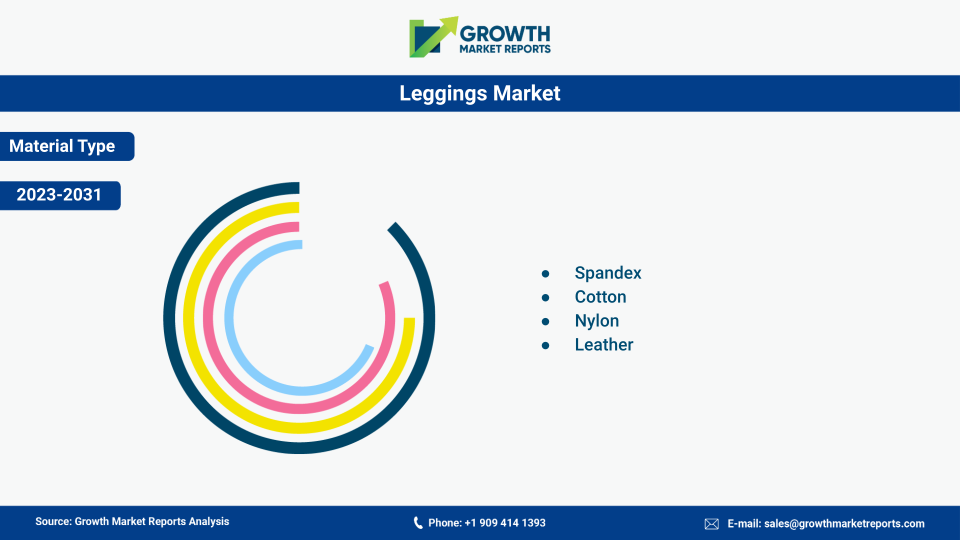
| By Material | Cotton, Nylon, Polyester, Spandex, Blended, Others |
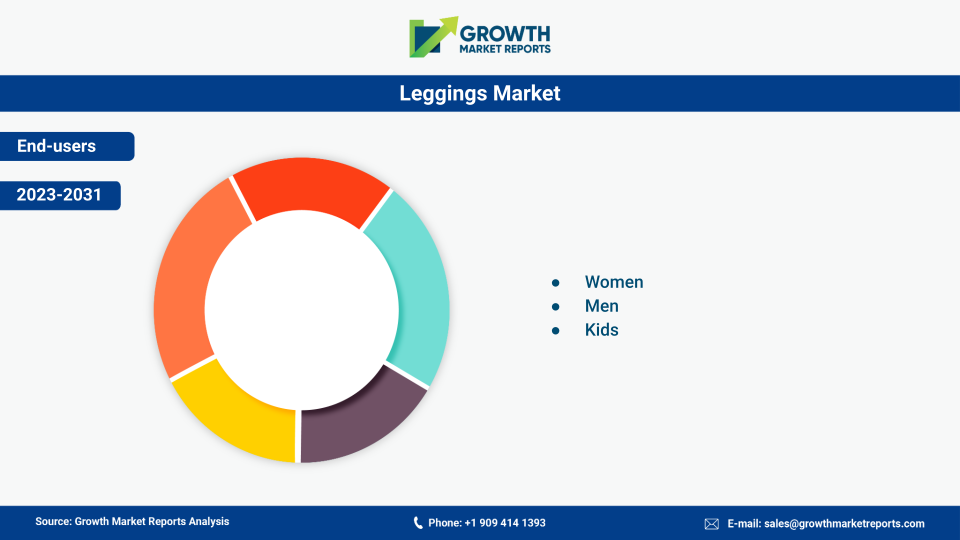
| By End-User | Women, Men, Children |
| By Distribution Channel | Online Stores, Supermarkets/Hypermarkets, Specialty Stores, Others |
| Regions Covered | North America, Europe, APAC, Latin America, MEA |
| Base Year | 2024 |
| Historic Data | 2018-2023 |
| Forecast Period | 2025-2033 |
| Number of Pages | 293 |
| Number of Tables & Figures | 355 |
| Customization Available | Yes, the report can be customized as per your need. |
Material selection plays a critical role in the performance, comfort, and durability of leggings, making it a key factor in consumer purchasing decisions. Cotton leggings remain a popular choice due to their natural softness, breathability, and hypoallergenic properties. Consumers who prioritize comfort and everyday wear often gravitate towards cotton-based options, especially for activities that do not require high levels of stretch or moisture management. However, pure cotton leggings can sometimes lack the elasticity and moisture-wicking capabilities needed for intense workouts, prompting manufacturers to blend cotton with other fibers to enhance performance.
Nylon and polyester are widely used synthetic materials in the leggings market, prized for their strength, durability, and moisture-wicking properties. Nylon leggings are particularly favored for athletic and performance wear, as they offer excellent stretch, abrasion resistance, and quick-drying capabilities. Polyester, on the other hand, is valued for its lightweight feel, color retention, and resistance to shrinking and wrinkling. Both materials are often combined with spandex to create high-performance leggings that meet the demands of active lifestyles. The versatility of nylon and polyester has enabled brands to develop a wide range of products, from basic essentials to premium, technologically advanced offerings.
Spandex (also known as Lycra or elastane) is a crucial component in most modern leggings, providing the stretch and flexibility that consumers expect from this category. Spandex-infused leggings are highly sought after for their ability to retain shape, offer compression, and support a wide range of motion. This makes them ideal for high-intensity workouts, yoga, dance, and other activities that require unrestricted movement. The proportion of spandex in leggings can vary, with higher percentages delivering greater stretch and support. Innovations in spandex technology, such as improved breathability and enhanced recovery, continue to drive growth in this segment.
Blended materials have gained significant traction in recent years, as manufacturers seek to combine the best attributes of natural and synthetic fibers. Blends of cotton, polyester, nylon, and spandex are commonly used to create leggings that balance comfort, durability, moisture management, and style. These hybrid fabrics allow brands to tailor their products to specific consumer needs, such as enhanced breathability for summer wear or thermal insulation for colder climates. The use of blended materials also supports sustainability initiatives, as recycled fibers and eco-friendly dyes are increasingly incorporated into production processes.
The "Others" category includes a variety of innovative materials, such as bamboo, modal, and recycled polyester, which are gaining popularity among environmentally conscious consumers. Bamboo leggings, for example, offer natural antibacterial properties and a silky-smooth texture, while modal provides exceptional softness and moisture absorption. As the market continues to evolve, material innovation remains a key differentiator, with brands investing in research and development to create leggings that meet the highest standards of performance, sustainability, and comfort.
The women’s segment overwhelmingly dominates the leggings market, accounting for the majority of global sales in 2024. Leggings have become a wardrobe essential for women of all ages, offering a blend of comfort, style, and versatility. The popularity of yoga, Pilates, and other fitness activities has further cemented leggings as a go-to choice for activewear. Fashion trends such as athleisure, which emphasize the integration of athletic and casual wear, have also contributed to the sustained demand for women’s leggings. Brands continuously introduce new designs, colors, and patterns to appeal to a broad spectrum of female consumers, from teenagers to working professionals and mothers.
The men’s segment is experiencing notable growth, driven by shifting attitudes towards fashion and fitness. Traditionally, leggings were considered predominantly female attire; however, the rise of men’s athleisure and activewear has led to increased acceptance and adoption of leggings among male consumers. Men’s leggings, often referred to as “meggings,” are designed for activities such as running, cycling, and gym workouts, offering benefits such as compression, support, and moisture management. Leading brands are expanding their product lines to include men’s-specific features, such as reinforced seams, ergonomic panels, and masculine color palettes, to cater to this growing market.
The children’s segment represents another important end-user group, with leggings favored by parents for their comfort, ease of movement, and practicality. Children’s leggings are popular for everyday wear, school activities, and sports, offering a flexible alternative to traditional pants and jeans. Brands prioritize safety and comfort in their designs, using soft, non-irritating fabrics and ensuring a secure fit. The children’s market is also influenced by trends in adult fashion, with mini-me collections and matching parent-child outfits gaining popularity. As awareness of health and fitness increases among younger generations, the demand for high-quality, performance-oriented leggings for children is expected to grow.
The evolving needs and preferences of different end-user groups are driving innovation in the leggings market. Brands are increasingly segmenting their product offerings to address the unique requirements of women, men, and children, from sizing and fit to design and functionality. Customization and personalization are emerging as key trends, with consumers seeking products that reflect their individual style and lifestyle. The growing diversity of end-users underscores the importance of inclusive sizing, adaptive features, and accessible price points, ensuring that leggings remain a versatile and appealing choice for all demographics.
The online stores segment has witnessed explosive growth in the leggings market, fueled by the convenience, variety, and accessibility offered by digital retail platforms. Consumers can browse an extensive range of products, compare prices, read reviews, and make purchases from the comfort of their homes. The rise of social media marketing, influencer collaborations, and targeted advertising has further amplified the visibility of leggings online. E-commerce giants and brand-owned websites are leveraging advanced technologies, such as virtual fitting rooms and AI-driven recommendations, to enhance the shopping experience and drive sales. The shift towards online shopping is particularly pronounced among younger consumers and urban populations, who value speed, flexibility, and personalized service.
Supermarkets and hypermarkets remain important distribution channels, especially in regions where traditional retail formats dominate. These large-format stores offer consumers the opportunity to physically inspect products, try on different sizes, and benefit from in-store promotions and discounts. Supermarkets and hypermarkets often stock a wide range of leggings, from basic essentials to branded options, catering to diverse consumer preferences and budgets. The convenience of one-stop shopping, combined with the assurance of product quality and authenticity, continues to attract a significant segment of the market to these retail outlets.
Specialty stores, including sportswear boutiques, fitness centers, and fashion retailers, play a crucial role in shaping consumer perceptions and preferences in the leggings market. These stores offer curated selections of high-quality leggings, often featuring the latest designs, materials, and technologies. Knowledgeable staff provide personalized recommendations and expert advice, helping consumers make informed purchasing decisions. Specialty stores also serve as important touchpoints for brand engagement and loyalty, offering exclusive products, events, and loyalty programs. The experiential aspect of shopping in specialty stores, combined with the assurance of expert guidance, makes this channel particularly appealing to discerning consumers.
The "Others" category encompasses a variety of alternative distribution channels, such as department stores, pop-up shops, direct sales, and subscription services. Department stores offer a blend of convenience and variety, while pop-up shops and events provide opportunities for brands to showcase new collections and engage directly with consumers. Direct sales and subscription models are gaining traction, offering consumers the convenience of regular deliveries and curated selections based on their preferences. As the retail landscape continues to evolve, brands are adopting omnichannel strategies to integrate online and offline experiences, ensuring seamless access to their products across multiple touchpoints.
The dynamic interplay between different distribution channels is reshaping the leggings market, with brands increasingly focusing on creating cohesive and engaging customer journeys. The rise of click-and-collect services, same-day delivery, and personalized marketing is enhancing the overall shopping experience, driving higher conversion rates and customer satisfaction. As consumer expectations continue to evolve, the ability to offer a seamless, omnichannel experience will be a key differentiator for brands seeking to capture and retain market share in the highly competitive leggings market.
The leggings market presents a wealth of opportunities for brands and manufacturers willing to innovate and adapt to changing consumer preferences. One of the most significant opportunities lies in the growing demand for sustainable and eco-friendly products. As environmental awareness increases, consumers are actively seeking leggings made from organic, recycled, or biodegradable materials. Brands that invest in sustainable sourcing, transparent supply chains, and eco-conscious production processes are well-positioned to capture this emerging market segment. Additionally, the integration of smart textiles and wearable technology, such as leggings with embedded sensors for fitness tracking, represents a promising avenue for differentiation and value creation.
Another major opportunity in the leggings market is the expansion into emerging markets, particularly in Asia Pacific, Latin America, and the Middle East & Africa. Rising disposable incomes, urbanization, and changing lifestyles are driving increased demand for fashionable and functional apparel in these regions. Brands that tailor their product offerings to local preferences, cultural norms, and climate conditions can unlock significant growth potential. Furthermore, the increasing popularity of fitness and wellness activities, coupled with the influence of social media and celebrity endorsements, is fueling demand for stylish and performance-oriented leggings across diverse consumer segments. The adoption of digital technologies and data analytics enables brands to better understand and anticipate market trends, ensuring they remain agile and responsive to evolving consumer needs.
Despite the numerous opportunities, the leggings market faces several restraining factors that could hinder growth. Intense competition and market saturation, particularly in developed regions, pose significant challenges for both established brands and new entrants. Price wars and discounting strategies can erode profit margins, while the proliferation of counterfeit and low-quality products may undermine consumer trust and brand reputation. Additionally, fluctuations in raw material prices and supply chain disruptions can impact production costs and lead times. Brands must continuously innovate, maintain quality standards, and differentiate their offerings to navigate these challenges and sustain long-term growth in the competitive leggings market.
Asia Pacific is the largest and fastest-growing region in the global leggings market, accounting for USD 17.8 billion in sales in 2024. The region’s dominance is driven by a burgeoning middle class, rapid urbanization, and a youthful population with a strong affinity for fashion and fitness. China and India are the primary growth engines, supported by increasing disposable incomes, expanding retail infrastructure, and the influence of Western fashion trends. The Asia Pacific market is projected to register a CAGR of 7.1% through 2033, outpacing other regions and offering significant opportunities for both local and international brands.
North America holds the second-largest share of the global leggings market, with sales totaling USD 12.3 billion in 2024. The region benefits from a well-established athleisure culture, high consumer spending power, and a strong focus on health and wellness. The United States is the primary market, characterized by a high penetration of premium and performance-oriented leggings. E-commerce continues to drive growth, with online sales accounting for a significant portion of total revenue. The North American market is expected to maintain steady growth, supported by ongoing innovation, brand collaborations, and the adoption of sustainable materials.
Europe is another key region, with the leggings market valued at USD 8.6 billion in 2024. The region is witnessing steady growth, driven by increasing health consciousness, the popularity of sustainable fashion, and the influence of athleisure trends. Major markets include the United Kingdom, Germany, and France, where consumers are increasingly seeking high-quality, eco-friendly, and stylish leggings. Latin America and the Middle East & Africa are emerging markets, with combined sales of USD 4.0 billion in 2024. These regions are experiencing rising demand for leggings, supported by urbanization, increasing fitness awareness, and the growing presence of international brands. As consumer preferences continue to evolve, regional markets are expected to play an increasingly important role in the global leggings landscape.
The global leggings market is highly competitive, with a diverse mix of established brands, emerging players, and private labels vying for market share. The competitive landscape is characterized by rapid innovation, frequent product launches, and aggressive marketing strategies. Leading companies invest heavily in research and development to create leggings with advanced features, such as moisture-wicking fabrics, seamless construction, and smart textiles. Brand differentiation is achieved through unique designs, limited-edition collections, and collaborations with celebrities, influencers, and fashion designers. The ability to anticipate and respond to changing consumer trends is a key success factor in this dynamic market.
E-commerce has transformed the competitive dynamics of the leggings market, enabling both large and small brands to reach a global audience with minimal barriers to entry. Direct-to-consumer (DTC) brands have emerged as significant disruptors, leveraging digital platforms, social media, and data analytics to build loyal customer bases and offer personalized products. Traditional retailers are responding by enhancing their online presence, investing in omnichannel capabilities, and offering exclusive online collections. Private labels and fast-fashion retailers are also gaining traction, providing affordable and trendy options that appeal to price-sensitive consumers.
Sustainability and ethical production practices are increasingly influencing competitive strategies in the leggings market. Brands that prioritize eco-friendly materials, transparent supply chains, and fair labor practices are gaining favor among environmentally conscious consumers. Certifications, such as Global Organic Textile Standard (GOTS) and OEKO-TEX, are becoming important differentiators, as consumers seek assurance of product quality and safety. The integration of sustainable practices not only enhances brand reputation but also supports long-term growth in a market where consumer values are rapidly evolving.
Some of the major companies operating in the global leggings market include Nike, Adidas, Under Armour, Lululemon Athletica, Puma, Uniqlo, H&M, Zara, and Alo Yoga. Nike and Adidas are global leaders, known for their extensive product portfolios, innovative technologies, and strong brand equity. Lululemon Athletica has carved out a niche in the premium segment, offering high-performance and stylish leggings that command a loyal following. Under Armour and Puma are recognized for their focus on athletic and performance wear, while Uniqlo, H&M, and Zara offer fashionable and affordable options for a broad consumer base. Alo Yoga is a prominent player in the luxury athleisure segment, known for its trendy designs and influencer collaborations.
These companies are continually expanding their product lines, investing in sustainable materials, and enhancing their digital capabilities to stay competitive in the evolving leggings market. Strategic partnerships, acquisitions, and global expansion are common strategies employed to strengthen market presence and tap into new growth opportunities. As consumer preferences continue to shift towards comfort, sustainability, and digital convenience, the competitive landscape of the leggings market is expected to remain dynamic and fiercely contested in the years ahead.
The Leggings market has been segmented on the basis of
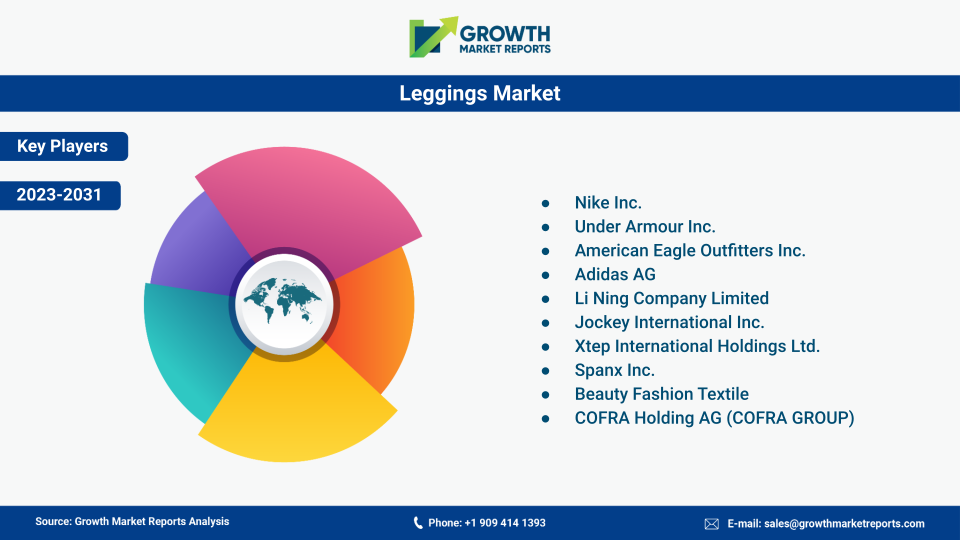
The key market players competing in the global leggings market are Nike Inc., Under Armour Inc., American Eagle Outfitters Inc., Adidas AG, Li Ning Company Limited, Jockey International Inc.; Xtep International Holdings Ltd.; Spanx Inc.; Beauty Fashion Textile; and COFRA Holding AG (COFRA GROUP). Several measures are taken by key players in developing product variants to increase their market share and gain traction within the market. Other strategic adopted by players include acquisitions, product launches, R&D programs, agreements, and collaborations to expand their market share. For example, Jockey International, as a major player, has been offering a collection of premium clothing products as well as presently has a widespread variety of in-stores and access to online platforms.
Major players include Nike, Adidas, Under Armour, Lululemon Athletica, Puma, Uniqlo, H&M, Zara, Alo Yoga, and others.
Sustainability is a major trend, with consumers seeking leggings made from organic, recycled, and biodegradable materials. Brands are investing in eco-friendly production and transparent supply chains.
Asia Pacific leads the market, followed by North America and Europe. Latin America and the Middle East & Africa are emerging as promising regions.
Leggings are sold through online stores, supermarkets/hypermarkets, specialty stores, and other channels like department stores and subscription services.
Women are the largest end-user segment, but demand among men and children is growing due to shifting fashion trends and increased fitness participation.
Common materials include cotton, nylon, polyester, spandex, and blended fabrics. Eco-friendly options like bamboo and recycled polyester are also gaining traction.
Ankle-length leggings are the most popular, followed by knee-length, capri, stirrup, and specialty styles like maternity and thermal leggings.
Key growth drivers include the rising popularity of athleisure wear, innovative materials, expanding e-commerce, and increasing health and wellness awareness.
The leggings market is expected to grow at a CAGR of 6.2% from 2025 to 2033.
The global leggings market size in 2024 is valued at USD 42.7 billion, according to the latest research.