Segments - by Product Type (Standard Incubators, Refrigerated Incubators, Shaking Incubators, CO2 Incubators, Others), by Application (Clinical Diagnostics, Research Laboratories, Pharmaceutical & Biotechnology, Food & Beverage Testing, Others), by End User (Hospitals & Diagnostic Centers, Academic & Research Institutes, Pharmaceutical & Biotechnology Companies, Others), by Distribution Channel (Direct Sales, Distributors, Online Sales, Others)
This report is updated with the latest market data and insights as of June 2026. Base year: 2025 | Forecast period: 2026-2034
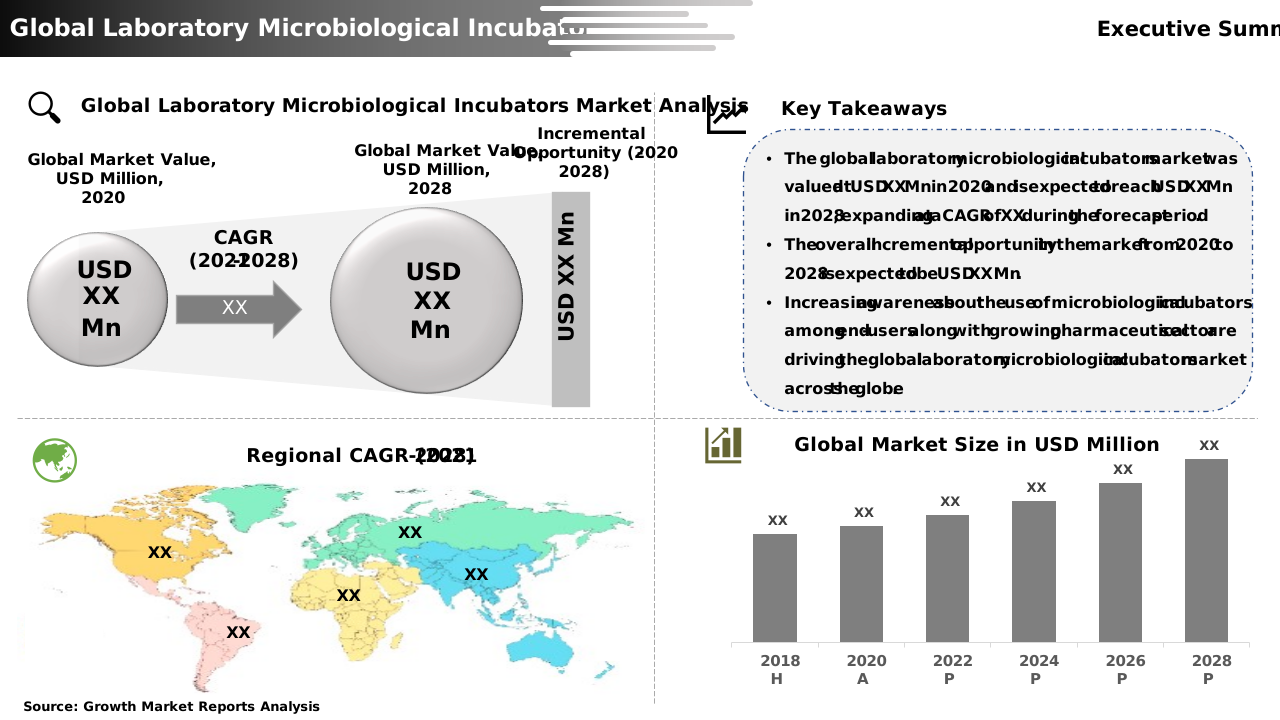
As per our latest research, the global laboratory microbiological incubators market size reached USD 2.26 billion in 2025, reflecting robust demand across clinical, research, and industrial settings. The market is projected to expand at a CAGR of 6.8% during the forecast period, reaching an estimated USD 4.20 billion by 2034. This growth is driven by escalating investments in life science research, expanding clinical diagnostics, and the increasing need for quality assurance in pharmaceuticals and food industries. The surge in infectious disease testing and the rise of biotechnology innovations further underpin the market's momentum, positioning laboratory microbiological incubators as a critical component in modern laboratory equipment infrastructure worldwide.
One of the primary growth factors for the laboratory microbiological incubators market is the rapid expansion of research and development activities in the life sciences sector. The proliferation of genomic and proteomic studies, coupled with advanced cell culture techniques, has necessitated the use of sophisticated incubators to maintain precise environmental conditions. These incubators enable controlled temperature, humidity, and CO2 levels, which are essential for reliable experimental outcomes. Moreover, the increasing prevalence of chronic diseases and emerging infectious threats has led to a surge in demand for diagnostic laboratories, further fueling the adoption of microbiological incubators. Governments and private organizations worldwide are investing heavily in healthcare infrastructure through 2025 and beyond, which directly translates to higher procurement of laboratory incubation equipment.

Another significant driver is the stringent regulatory framework governing clinical diagnostics, pharmaceutical manufacturing, and food safety testing. Regulatory bodies such as the FDA, EMA, and WHO emphasize the importance of standardized laboratory environments to ensure the accuracy and reproducibility of results. This has compelled laboratories to upgrade their equipment, opting for technologically advanced incubators with enhanced monitoring and control features. The integration of IoT and digital interfaces in modern incubators has further improved their efficiency, allowing for remote monitoring and data logging. These advancements not only streamline laboratory workflows but also ensure compliance with quality standards, thereby propelling market growth well into the 2026-2034 forecast horizon.
The increasing trend toward automation and digitalization in laboratories is also catalyzing market expansion. Automated incubators equipped with real-time monitoring, alarm systems, and connectivity features are gaining traction among end users seeking to minimize human intervention and reduce the risk of contamination. Additionally, the rising focus on personalized medicine and biopharmaceutical research has created new avenues for incubator applications, particularly in cell culture and regenerative medicine. The growing relevance of live-cell incubation systems in translational research further illustrates how modern laboratory needs are reshaping product development priorities. The convergence of these factors is expected to sustain the market's upward trajectory over the coming years.
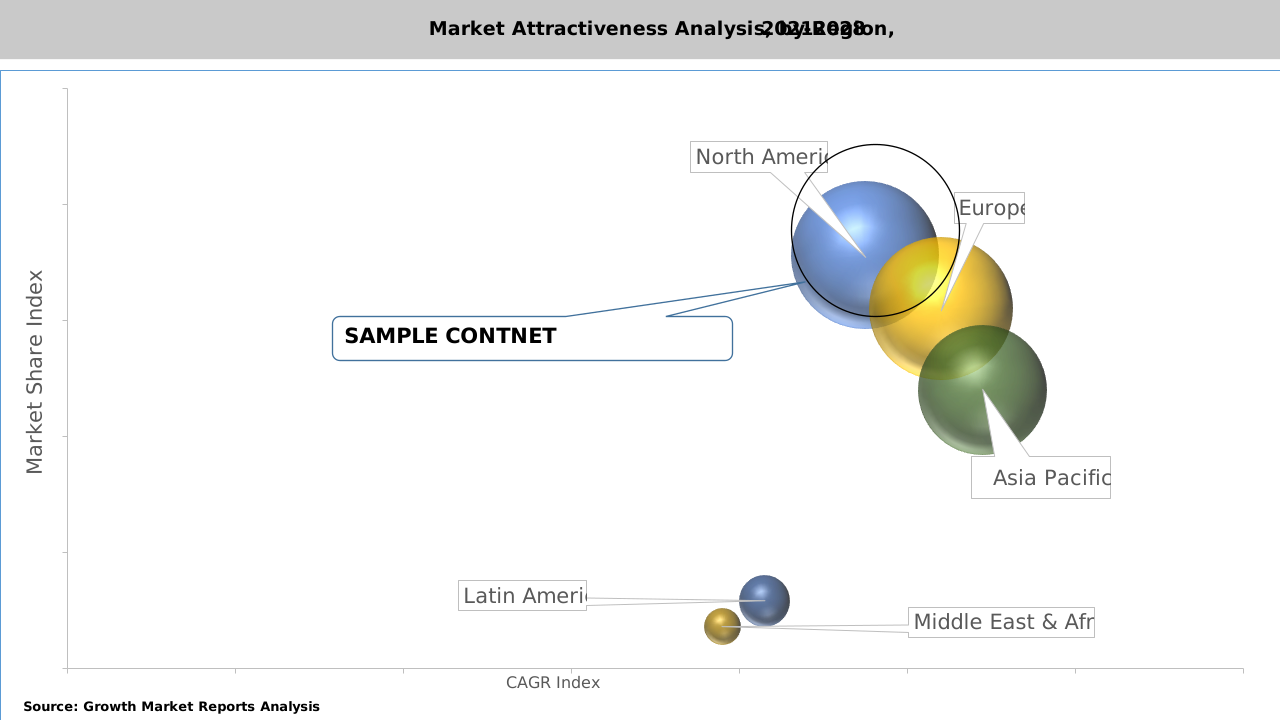
Regionally, North America continues to dominate the laboratory microbiological incubators market, driven by a well-established healthcare infrastructure, robust funding for research, and the presence of leading pharmaceutical and biotechnology companies. Europe follows closely, benefiting from strong regulatory oversight and a vibrant academic research community. The Asia Pacific region is emerging as a lucrative market, propelled by increasing investments in healthcare and life sciences, expanding laboratory networks, and growing awareness regarding quality control in food and pharmaceutical industries. Latin America and the Middle East & Africa are also witnessing steady growth, albeit at a slower pace, due to improving healthcare access and rising government initiatives to bolster laboratory capabilities.
The laboratory microbiological incubators market is segmented by product type into standard incubators, refrigerated incubators, shaking incubators, CO2 incubators, and others. Standard incubators represent the most widely used category, accounting for approximately 32.5% of global market share in 2025, catering to routine microbiological and cell culture applications across clinical and research laboratories. These incubators are valued for their reliability, ease of use, and cost-effectiveness, making them a staple in settings where precise temperature control is required but advanced features are not essential. The demand for standard incubators remains strong, particularly in emerging economies where budget constraints often dictate procurement decisions. However, as laboratory requirements evolve, there is a noticeable shift towards more specialized incubators with enhanced functionalities.
Refrigerated incubators are gaining traction, holding roughly 18.5% of the market in 2025, especially in applications that require low-temperature incubation such as environmental monitoring, food and beverage testing, and certain pharmaceutical processes. These incubators offer precise temperature regulation below ambient levels, making them indispensable for the cultivation of psychrophilic organisms and the storage of temperature-sensitive samples. The growing emphasis on food safety and environmental protection has spurred the adoption of cooled incubation technology in quality control laboratories worldwide. Furthermore, advancements in energy-efficient cooling technologies are making these incubators more attractive to laboratories seeking to reduce operational costs and environmental impact.
Shaking incubators are engineered to provide both temperature control and orbital shaking, which is essential for applications such as cell culture, microbial fermentation, and solubility studies. This segment represents around 16.0% of market share in 2025. The ability to maintain uniform mixing and aeration within the chamber makes shaking incubators vital for processes that involve suspension cultures or require enhanced oxygen transfer. The pharmaceutical and biotechnology industries, in particular, are driving demand due to their extensive use in drug discovery and bioprocess development. In the realm of high-throughput workflows, the Microplate Incubator Shaker has become a pivotal innovation for applications requiring precise temperature control combined with agitation, especially in drug screening and molecular biology research.
CO2 incubators are witnessing robust growth, commanding approximately 26.0% of the global market in 2025, propelled by the increasing adoption of cell-based assays, tissue engineering, and regenerative medicine. These incubators maintain precise CO2 levels, humidity, and temperature, creating optimal conditions for mammalian cell culture. The surge in stem cell research, cancer biology, and vaccine development has further elevated the importance of CO2 incubators in modern laboratories. Manufacturers are responding by introducing models with improved contamination control, faster recovery times, and enhanced user interfaces. As laboratories strive for higher throughput and reproducibility, the demand for advanced CO2 incubators is poised to rise significantly through 2034.
The "others" category encompasses specialized incubators such as anaerobic, egg, and hybrid models, accounting for approximately 7.0% of the market in 2025. These incubators cater to niche applications in clinical, veterinary, and agricultural research. While their market share remains relatively modest, these incubators play a crucial role in supporting unique research protocols that cannot be accommodated by standard models. The expanding scope of veterinary incubator applications and the emergence of new testing requirements are expected to drive incremental growth in this segment, offering manufacturers opportunities to diversify their product portfolios.
| Attributes | Details |
| Report Title | Laboratory Microbiological Incubators Market Research Report 2034 |
| By Product Type | Standard Incubators, Refrigerated Incubators, Shaking Incubators, CO2 Incubators, Others |
| By Application | Clinical Diagnostics, Research Laboratories, Pharmaceutical & Biotechnology, Food & Beverage Testing, Others |
| By End User | Hospitals & Diagnostic Centers, Academic & Research Institutes, Pharmaceutical & Biotechnology Companies, Others |
| By Distribution Channel | Direct Sales, Distributors, Online Sales, Others |
| Regions Covered | North America, Europe, APAC, Latin America, MEA |
| Base Year | 2025 |
| Historic Data | 2019-2024 |
| Forecast Period | 2026-2034 |
| Number of Pages | 291 |
| Number of Tables & Figures | 372 |
| Customization Available | Yes, the report can be customized as per your need. |
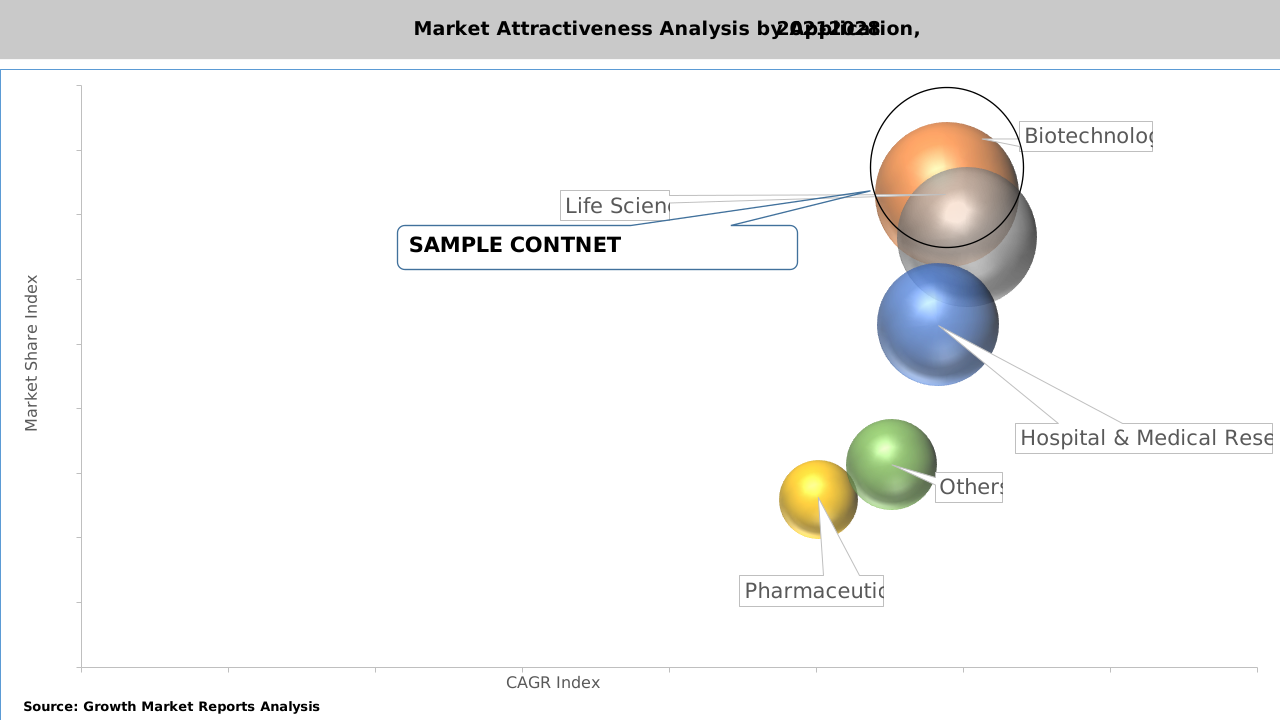
The clinical diagnostics segment dominates the laboratory microbiological incubators market, accounting for the largest share due to the high volume of diagnostic tests conducted across hospitals, reference laboratories, and public health institutions. The rise in infectious disease screening, antimicrobial susceptibility testing, and routine bacteriological analysis has fueled demand for reliable incubators capable of maintaining stringent environmental conditions. The COVID-19 pandemic underscored the importance of robust diagnostic infrastructure, prompting laboratories to invest in advanced incubators to enhance throughput and accuracy. As the global burden of communicable diseases persists into 2025 and beyond, the clinical diagnostics segment is expected to maintain its leadership position through 2034.
Research laboratories represent another significant application area, encompassing academic institutions, government research centers, and private R&D organizations. The increasing focus on fundamental and translational research in microbiology, molecular biology, and biotechnology has created sustained demand for high-performance incubators. Research laboratories often require incubators with customizable settings, data logging capabilities, and compatibility with various experimental protocols. The broader category of laboratory incubators used in these settings continues to evolve rapidly, with manufacturers developing versatile and user-friendly models tailored to diverse research needs across interdisciplinary programs.
Pharmaceutical and biotechnology applications are witnessing rapid growth in 2025, driven by the escalating pace of drug discovery, vaccine development, and biomanufacturing. Incubators play a pivotal role in cell culture, microbial fermentation, and quality control processes, ensuring the consistency and safety of pharmaceutical products. The increasing adoption of biopharmaceuticals and personalized medicine has heightened the demand for incubators that support complex cell-based assays and large-scale production. Regulatory requirements for Good Manufacturing Practice (GMP) compliance further reinforce the need for reliable and validated incubator systems in these sectors.
The food and beverage testing segment is experiencing robust expansion, propelled by stringent food safety regulations and growing consumer awareness regarding product quality. Incubators are essential for microbial enumeration, pathogen detection, and shelf-life studies in food testing laboratories. The globalization of food supply chains and the increasing incidence of foodborne illnesses have intensified the focus on laboratory-based quality assurance, driving investments in advanced incubator technologies. As the food and beverage industry continues to evolve through 2034, the demand for specialized incubators designed for rapid and accurate testing is expected to rise considerably.
The "others" application segment includes environmental monitoring, veterinary diagnostics, and industrial microbiology, among others. While these applications account for a smaller share of the market, they are gaining importance as regulatory scrutiny intensifies and new testing requirements emerge. Environmental laboratories rely on incubators for water and soil microbiology studies, while veterinary clinics utilize them for animal health diagnostics. The diversification of application areas underscores the versatility of microbiological incubators and highlights their indispensable role across a broad spectrum of scientific and industrial domains.
Hospitals and diagnostic centers constitute the largest end-user segment in the laboratory microbiological incubators market as of 2025. The growing incidence of infectious diseases, coupled with the rising demand for rapid and accurate diagnostic services, has led to increased procurement of incubators in these settings. Hospitals and diagnostic centers require incubators that offer precise temperature and humidity control to ensure the reliability of culture-based tests. The trend toward centralized laboratory services and the adoption of automated diagnostic platforms are further driving the demand for advanced incubator systems. As healthcare providers strive to enhance patient outcomes and operational efficiency, the importance of robust laboratory infrastructure continues to grow.
Academic and research institutes represent a vital end-user group, encompassing universities, colleges, and dedicated research organizations. These institutions are at the forefront of scientific discovery, conducting a wide range of experiments that require controlled incubation environments. The increasing emphasis on STEM education, coupled with government funding for research initiatives in 2025 and beyond, has spurred investments in laboratory equipment across academic settings. Incubators in these environments must be versatile, user-friendly, and capable of supporting multiple research projects simultaneously. The collaborative nature of academic research also drives demand for incubators with advanced data management and sharing capabilities.
Pharmaceutical and biotechnology companies are major consumers of laboratory microbiological incubators, given their extensive involvement in drug development, quality control, and biomanufacturing processes. These companies require incubators that meet stringent regulatory standards and support high-throughput workflows. The shift toward biologics and cell-based therapies has amplified the need for specialized incubators capable of maintaining optimal conditions for sensitive cell cultures. Pharmaceutical and biotechnology firms are also investing in automated and connected incubator systems to streamline operations, reduce contamination risks, and ensure data integrity. As the industry continues to innovate through 2034, the demand for cutting-edge incubator technologies is expected to escalate accordingly.
The "others" end-user segment includes contract research organizations (CROs), environmental testing labs, and industrial microbiology facilities. These entities play a crucial role in supporting research, quality assurance, and regulatory compliance across various sectors. CROs, in particular, are expanding their service offerings to include advanced microbiological testing, driving demand for versatile and scalable incubator solutions. Environmental and industrial laboratories rely on incubators for routine monitoring and compliance testing, highlighting the broad applicability of these instruments beyond traditional healthcare and academic settings.
Direct sales remain the dominant distribution channel in the laboratory microbiological incubators market, particularly for high-value and customized equipment. Manufacturers often engage directly with large healthcare institutions, research organizations, and pharmaceutical companies to provide tailored solutions and comprehensive after-sales support. Direct sales channels facilitate close collaboration between suppliers and end users, enabling the customization of incubator features to meet specific laboratory requirements. This approach also allows for the seamless integration of incubators into existing laboratory workflows, ensuring optimal performance and user satisfaction. As laboratories increasingly demand specialized and high-performance equipment in 2025, the importance of direct sales channels is expected to persist throughout the forecast period.
Distributors play a pivotal role in expanding market reach, particularly in regions where manufacturers have limited direct presence. Distributors offer a wide range of laboratory equipment, including incubators, and provide value-added services such as installation, training, and maintenance. Their extensive network and local market knowledge enable them to cater to diverse customer needs, from small clinics to large research institutions. Distributors also facilitate access to emerging markets, where demand for laboratory equipment is on the rise due to improving healthcare infrastructure and increasing research activities. The partnership between manufacturers and distributors is critical for ensuring timely delivery, technical support, and customer satisfaction.
The online sales channel is experiencing rapid growth, driven by the increasing digitization of procurement processes and the rising preference for e-commerce platforms among laboratory professionals. Online sales offer the convenience of product comparison, transparent pricing, and direct access to technical specifications, enabling customers to make informed purchasing decisions. The acceleration of digital adoption across procurement departments post-pandemic has made online channels an increasingly important avenue for laboratory equipment sales. Manufacturers and distributors are investing in user-friendly online portals and digital marketing strategies to capture a larger share of this growing channel. As digital literacy improves and internet penetration increases globally, online sales are expected to account for a progressively larger proportion of total market revenues through 2034.
The "others" distribution channel includes catalog sales, third-party resellers, and government procurement programs. While these channels account for a smaller proportion of the market, they play a significant role in reaching niche customer segments and fulfilling bulk orders for public health initiatives. Government procurement, in particular, is critical during public health emergencies and large-scale research projects, where rapid deployment of laboratory equipment is required. The diversification of distribution channels ensures that laboratory microbiological incubators are accessible to a wide range of end users, regardless of geographic location or purchasing capacity.
The laboratory microbiological incubators market is poised for significant opportunities, particularly in the realm of technological innovation. The integration of IoT, artificial intelligence, and cloud connectivity into incubator systems is transforming laboratory operations as of 2025, enabling real-time monitoring, predictive maintenance, and data-driven decision-making. These advancements not only enhance the efficiency and reliability of laboratory processes but also open new avenues for remote diagnostics and connected laboratory applications. As laboratories increasingly prioritize automation and digital transformation, manufacturers have the opportunity to differentiate their offerings through smart incubator solutions that deliver superior performance, user experience, and regulatory compliance. The growing emphasis on sustainability and energy efficiency also presents opportunities for the development of eco-friendly incubators that reduce operational costs and environmental impact over the 2026-2034 period.
Emerging markets represent another significant opportunity for growth in the laboratory microbiological incubators market. Rapid urbanization, expanding healthcare infrastructure, and increasing investments in research and development are driving demand for laboratory equipment in regions such as Asia Pacific, Latin America, and the Middle East & Africa. Governments in these regions are prioritizing healthcare modernization and quality assurance, creating a favorable environment for market expansion. Manufacturers can capitalize on these opportunities by establishing local partnerships, expanding distribution networks, and offering cost-effective solutions tailored to the unique needs of emerging markets. The rising prevalence of infectious diseases and the growing focus on food safety and environmental monitoring further underscore the untapped potential in these regions.
Despite the promising outlook, the laboratory microbiological incubators market faces certain restraints, most notably the high cost of advanced incubator systems. The adoption of state-of-the-art incubators with sophisticated features such as automated controls, digital interfaces, and contamination prevention mechanisms often entails significant capital investment. This can pose a challenge for smaller laboratories, academic institutions, and healthcare facilities with limited budgets. Additionally, the complexity of regulatory compliance and the need for regular maintenance and calibration can increase the total cost of ownership, potentially hindering market growth. Manufacturers must address these challenges by offering flexible financing options, modular product designs, and comprehensive support services to ensure broader accessibility and adoption across diverse end-user groups.
North America remains the largest regional market for laboratory microbiological incubators, accounting for approximately 37.5% of the global market share in 2025, with a market size of around USD 847 million. The region's dominance is attributed to its advanced healthcare infrastructure, substantial investments in biomedical research, and the presence of leading pharmaceutical and biotechnology companies. The United States, in particular, is a major contributor, driven by robust funding from government agencies such as the NIH and CDC, as well as a thriving academic research ecosystem. The adoption of cutting-edge laboratory technologies and the emphasis on regulatory compliance further reinforce North America's leadership position. The region is projected to maintain a CAGR of approximately 6.3% through 2034.
Europe holds the second-largest share, representing about 27.5% of the global market, with a market value of approximately USD 622 million in 2025. The region benefits from a strong regulatory framework, extensive research collaborations, and a well-established network of academic and clinical laboratories. Countries such as Germany, the United Kingdom, and France are at the forefront of scientific innovation, driving demand for advanced incubator systems. The European market is characterized by a high degree of product standardization and a growing focus on sustainability, with increasing adoption of energy-efficient laboratory equipment. The region is expected to register a steady CAGR of 6.1% through 2034.
The Asia Pacific region is emerging as the fastest-growing market, with a current market size of approximately USD 531 million in 2025 and a projected CAGR of 8.3% over the 2026-2034 forecast period. Rapid economic development, expanding healthcare infrastructure, and increasing investments in research and development are driving market growth in countries such as China, India, Japan, and South Korea. The rising prevalence of infectious diseases, coupled with government initiatives to enhance laboratory capabilities, is fueling demand for microbiological incubators across clinical, research, and industrial settings. The growth of the broader shaking incubator segment in the region reflects strong bioprocessing and fermentation activity driven by expanding pharmaceutical manufacturing capacity. As local manufacturers enter the market and international players expand their footprint, Asia Pacific is poised to become a key growth engine for the global market.
Latin America and the Middle East & Africa collectively account for approximately 11.5% of the global market in 2025, with market sizes of around USD 147 million and USD 113 million, respectively. Both regions are witnessing steady growth driven by improving healthcare access, expanding laboratory networks, and rising government programs focused on food safety and infectious disease management. While infrastructure gaps and budget constraints remain challenges, international aid programs and regional healthcare investments are gradually opening new opportunities for laboratory equipment suppliers. Both regions are expected to see above-average CAGRs of approximately 7.2% and 6.9%, respectively, through 2034 as these structural improvements continue to materialize.
The laboratory microbiological incubators market is characterized by intense competition, with a mix of established multinational corporations and emerging regional players vying for market share. The competitive landscape is shaped by continuous innovation, product differentiation, and strategic partnerships aimed at expanding geographic reach and enhancing customer value. Leading companies are investing heavily in research and development to introduce incubators with advanced features such as automated controls, remote monitoring, and contamination prevention systems. The integration of digital technologies and IoT connectivity is becoming a key differentiator as of 2025, enabling manufacturers to offer smart incubator solutions that cater to the evolving needs of modern laboratories.
Mergers, acquisitions, and collaborations are common strategies adopted by major players to strengthen their market position and diversify their product portfolios. Companies are also focusing on expanding their distribution networks, particularly in emerging markets, to capitalize on growing demand for laboratory equipment. The emphasis on after-sales service, technical support, and training has become increasingly important, as customers seek comprehensive solutions that ensure optimal performance and regulatory compliance. Price competitiveness and the ability to offer customized solutions are critical factors influencing purchasing decisions, especially among budget-conscious end users in academic and public health settings.
The market is witnessing the entry of new players, particularly in the Asia Pacific region, where local manufacturers are leveraging cost advantages and proximity to customers to gain a foothold. These companies are introducing affordable incubator models tailored to the specific needs of regional markets, intensifying competition and driving innovation. At the same time, established players are responding by enhancing their value proposition through product upgrades, sustainability initiatives, and customer-centric service offerings. The dynamic nature of the competitive landscape underscores the need for continuous innovation and agility to maintain a competitive edge through the 2026-2034 forecast period.
Major companies operating in the laboratory microbiological incubators market include Thermo Fisher Scientific Inc., Eppendorf AG, PHCbi (PHC Holdings Corporation), BINDER GmbH, Sheldon Manufacturing Inc. (SHEL LAB), Memmert GmbH + Co. KG, NuAire Inc., and Esco Micro Pte. Ltd. Thermo Fisher Scientific is renowned for its comprehensive range of laboratory incubators, offering advanced features such as microprocessor controls and energy-efficient designs. Eppendorf AG is a leading provider of high-quality incubators for cell culture and microbiology applications, with a strong focus on innovation and user experience. PHCbi (PHC Holdings Corporation) offers reliable and environmentally responsible incubators widely used in clinical and research laboratories worldwide.
BINDER GmbH is recognized for its robust and versatile incubator solutions, catering to a diverse range of laboratory applications across pharmaceuticals, food testing, and environmental monitoring. Sheldon Manufacturing Inc. specializes in temperature-controlled equipment, including incubators designed for demanding research and industrial environments. Memmert GmbH + Co. KG is known for its precision-engineered incubators with advanced control systems. NuAire Inc. and Esco Micro Pte. Ltd. continue to strengthen their positions through targeted product innovation and expansion into high-growth regional markets. Additional notable players including MMM Group, JEIO TECH Co. Ltd., Yamato Scientific Co. Ltd., Carbolite Gero Ltd., LEEC Limited, BMT Medical Technology s.r.o., and Hettich Instruments LP contribute to a competitive and innovation-driven market landscape through 2034.
The Laboratory Microbiological Incubators market has been segmented on the basis of
Major players in the global laboratory microbiological incubators market as of 2025 include Thermo Fisher Scientific Inc., Eppendorf AG, BINDER GmbH, Memmert GmbH + Co. KG, PHCbi (PHC Holdings Corporation), Sheldon Manufacturing Inc. (SHEL LAB), NuAire Inc., Esco Micro Pte. Ltd., Yamato Scientific Co. Ltd., MMM Group, JEIO TECH Co. Ltd., Carbolite Gero Ltd., LEEC Limited, Tritec GmbH, Hettich Instruments LP, and BMT Medical Technology s.r.o. These companies compete on technology, product range, regulatory compliance, and global distribution capabilities.
The base year for this report is 2025, with the market size estimated at USD 2.26 billion. The historical analysis covers the period from 2019 to 2024, capturing market dynamics through economic shifts, the pandemic recovery, and evolving laboratory infrastructure demands. The forecast period spans 2026 to 2034, providing a comprehensive nine-year outlook for stakeholders planning strategic investments.
The COVID-19 pandemic had a dual impact on the laboratory microbiological incubators market during 2019-2020. While supply chain disruptions and manufacturing slowdowns created short-term headwinds in early 2020, the surge in diagnostic testing, vaccine research, and virology studies dramatically accelerated procurement of laboratory equipment including incubators. Public health laboratories, pharmaceutical companies, and academic research centers all significantly increased their incubator investments, resulting in an overall net positive effect on market growth during this period.
Companies are selected based on their global or regional market presence, annual revenue attributable to laboratory incubator products, product portfolio breadth, R&D investment levels, geographic reach, and strategic activities such as mergers, acquisitions, and partnerships. Both established multinational manufacturers and relevant regional players are included to provide a comprehensive view of the competitive landscape as of the 2025 base year.
Clinical diagnostics leads market demand due to high volumes of microbiological culture testing in hospitals and reference laboratories. Pharmaceutical and biotechnology applications follow closely, fueled by biopharmaceutical development and GMP compliance requirements. Research laboratories represent a sustained demand base, while food and beverage testing is among the fastest-growing segments due to stricter food safety regulations and pathogen detection requirements globally.
Key growth drivers include rising investments in life sciences R&D, expanding clinical diagnostics infrastructure, stringent food safety and pharmaceutical quality regulations, the accelerating pace of drug discovery, and growing adoption of IoT-enabled and automated incubator systems. The increasing prevalence of infectious diseases, the surge in cell-based therapies, and government healthcare modernization programs in emerging economies are also major contributors to market expansion through 2034.
In addition to market sizing and forecasting, the report offers Porter's Five Forces analysis, value chain assessment, patent trend evaluation, pricing analysis by product type, import/export trade flow data, and regulatory landscape mapping across key geographies. Technology benchmarking and competitive positioning matrices are also included to help stakeholders evaluate strategic opportunities in the 2025-2034 period.
Based on the 2025 base market size of USD 2.26 billion and a projected CAGR of 6.8%, the global laboratory microbiological incubators market is estimated to reach approximately USD 2.58 billion by 2027. Growth will be driven by expanding clinical diagnostics, rising investments in pharmaceutical R&D, and the increasing adoption of CO2 and shaking incubators across research and biomanufacturing settings.
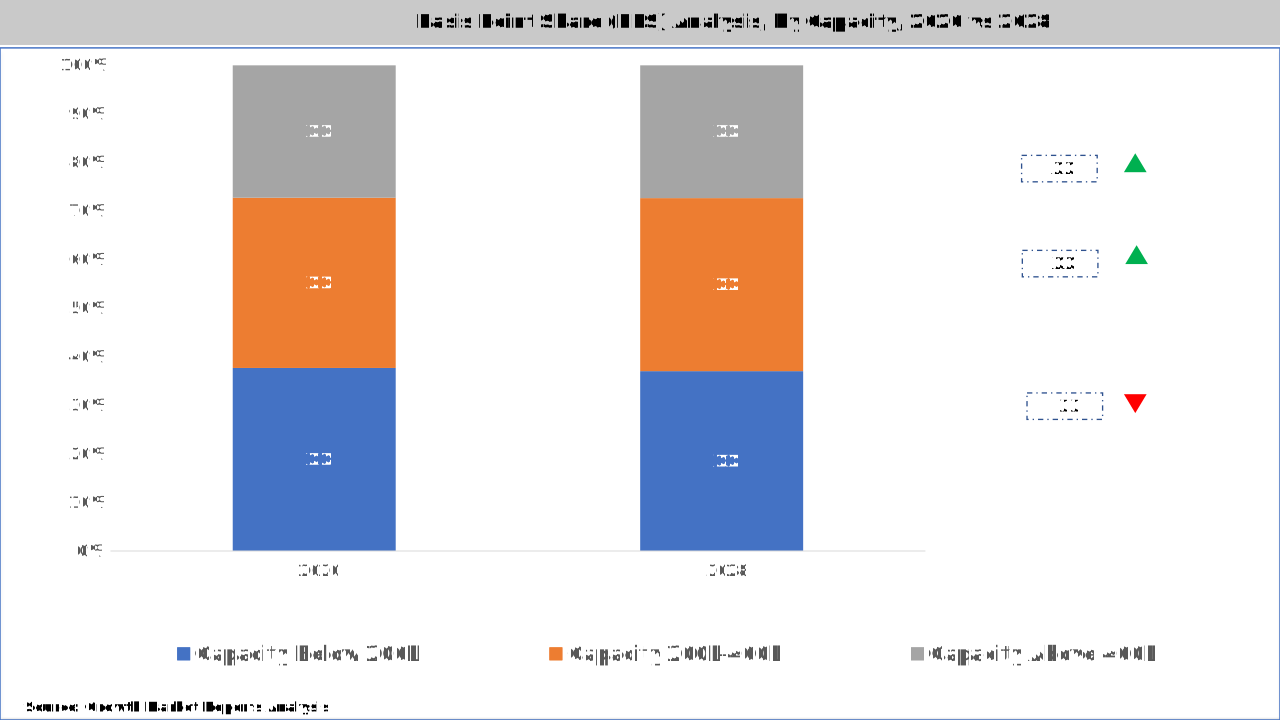
Yes, the report includes analysis of incubator capacities across product types, covering benchtop, mid-size, and large-capacity floor-standing models. Capacity-related data is discussed in the context of end-user requirements, particularly for pharmaceutical manufacturing and high-throughput research laboratories that demand scalable incubation solutions suited to their workflow volume.
Yes, the report can be customized to include different or additional company profiles beyond the standard list. If you require profiles of specific regional players, niche manufacturers, or emerging competitors in the laboratory microbiological incubators market, our research team can accommodate those requests as part of the report customization options. Please contact us with your preferred list of companies prior to purchase.