Segments - by Test Type (Fecal Occult Blood Test (FOBT), Fecal Immunochemical Test (FIT), Stool DNA Test, Others), by Application (Hospitals, Diagnostic Laboratories, Research Institutes, Others), by End-User (Hospitals, Clinics, Diagnostic Centers, Others)
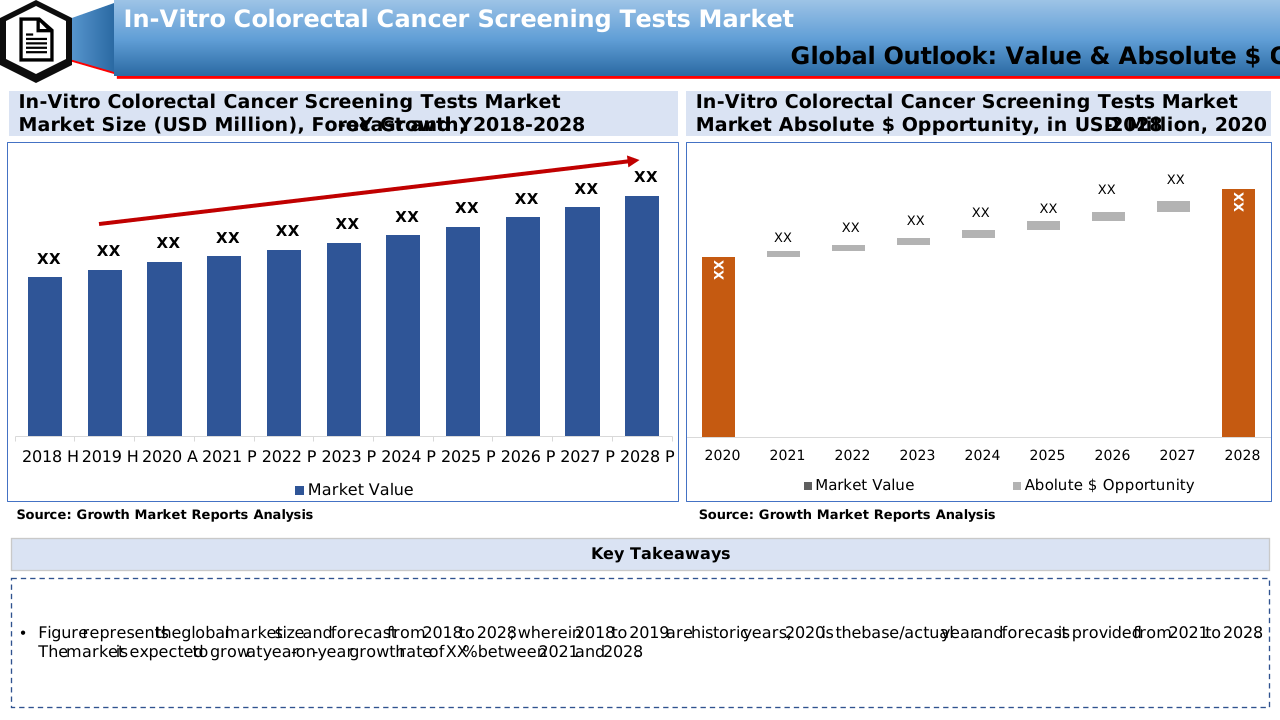
According to our latest research, the global in-vitro colorectal cancer screening tests market size reached USD 1.76 billion in 2024, reflecting robust demand driven by rising colorectal cancer incidence and technological advancements in non-invasive diagnostics. The market is expected to grow at a CAGR of 7.2% during the forecast period, reaching an estimated USD 3.30 billion by 2033. This strong growth trajectory is underpinned by heightened awareness of early screening benefits, expanding government initiatives, and a shift towards less invasive, more accurate testing modalities.
A primary growth factor propelling the in-vitro colorectal cancer screening tests market is the increasing global burden of colorectal cancer, which is now the third most commonly diagnosed cancer worldwide. As populations age and lifestyles become more sedentary, the prevalence of risk factors such as obesity, poor diet, and smoking continues to rise, leading to higher rates of colorectal malignancies. This epidemiological trend underscores the urgent need for early detection, which significantly improves survival rates and reduces treatment costs. Consequently, both public and private healthcare systems are prioritizing screening programs, thereby fueling demand for in-vitro diagnostic solutions. The adoption of screening guidelines by major health organizations and the integration of these protocols into routine check-ups are further accelerating market expansion.
Another significant driver is the rapid technological innovation in diagnostic methodologies, particularly the development of highly sensitive and specific tests such as fecal immunochemical tests (FIT) and stool DNA assays. These advancements have enhanced the accuracy, convenience, and patient compliance of colorectal cancer screening. Unlike traditional fecal occult blood tests (FOBT), newer modalities offer improved detection rates for both cancerous and precancerous lesions, often with the added benefit of being non-invasive and suitable for at-home use. The ongoing investment in research and development by leading diagnostics companies has resulted in a steady pipeline of next-generation screening products, which is expected to further stimulate market growth over the coming decade.
In addition, the growing emphasis on preventive healthcare and the increasing involvement of governments and non-profit organizations in cancer awareness campaigns are playing a pivotal role in expanding the market. Subsidized screening programs, insurance coverage for diagnostic tests, and the implementation of national screening guidelines have significantly boosted test uptake, particularly in developed economies. The proliferation of diagnostic laboratories and the integration of digital health technologies for remote sample collection and result dissemination are also contributing to greater accessibility and convenience for patients. This holistic approach to cancer prevention and early detection is expected to sustain high growth rates in the in-vitro colorectal cancer screening tests market throughout the forecast period.
In the realm of preventive healthcare, Cellular Health Screening is gaining traction as a pivotal tool for early detection of various diseases, including cancer. This innovative approach focuses on assessing the health of cells, which are the fundamental building blocks of the body. By analyzing cellular health, it is possible to identify potential abnormalities or risks before they manifest into full-blown diseases. The integration of cellular health assessments into routine check-ups can enhance the early detection capabilities of healthcare systems, complementing existing cancer screening programs. As awareness of cellular health screening grows, it is expected to become an integral part of comprehensive health monitoring, offering individuals a proactive approach to maintaining their well-being.
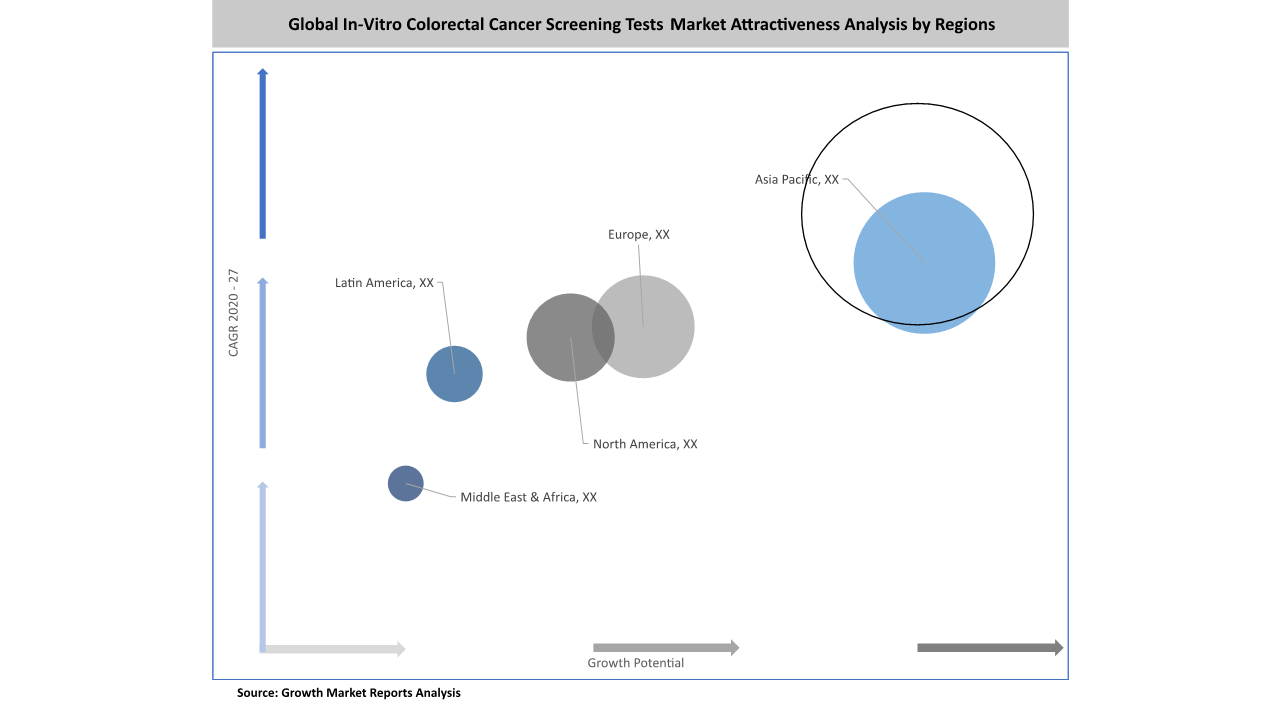
From a regional perspective, North America currently dominates the global in-vitro colorectal cancer screening tests market, accounting for the largest revenue share in 2024, followed closely by Europe. This leadership position is attributed to well-established healthcare infrastructure, high levels of public awareness, and comprehensive reimbursement policies. However, the Asia Pacific region is poised for the fastest growth, driven by increasing healthcare investments, rising cancer incidence, and expanding access to diagnostic services. Emerging markets in Latin America and the Middle East & Africa are also witnessing gradual uptake, supported by government-led screening initiatives and rising healthcare expenditure. As global health systems continue to prioritize early cancer detection, the regional landscape of the in-vitro colorectal cancer screening tests market is expected to evolve dynamically over the next decade.
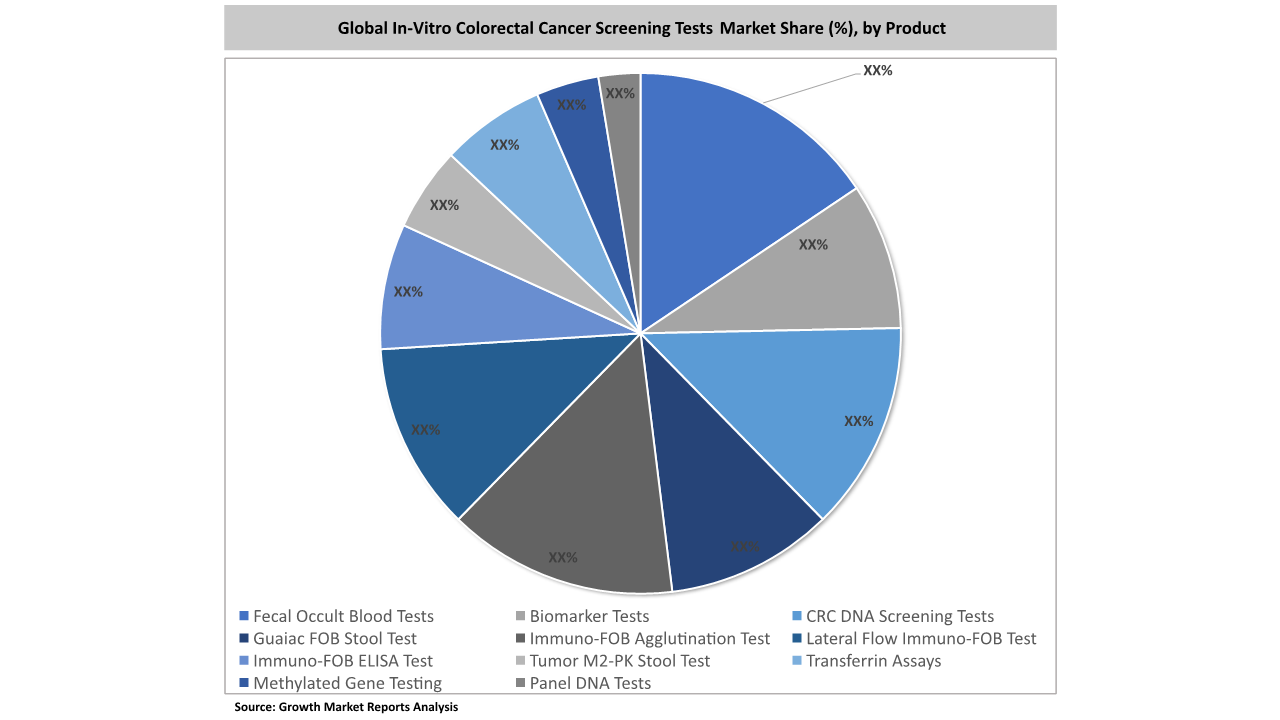
The in-vitro colorectal cancer screening tests market by test type is segmented into fecal occult blood test (FOBT), fecal immunochemical test (FIT), stool DNA test, and others. Among these, the fecal immunochemical test (FIT) segment has emerged as the leading contributor in 2024, capturing a significant share of the global market. FIT is favored for its superior sensitivity and specificity compared to traditional FOBT, as well as its convenience and patient-friendly, non-invasive sample collection process. The growing preference for FIT is also driven by its ability to detect lower gastrointestinal bleeding more accurately, which is crucial for early-stage colorectal cancer identification. Many national screening programs in developed countries have adopted FIT as the primary screening modality, further boosting its market penetration. The ongoing development of automated FIT analyzers and the integration of digital reporting systems are expected to sustain strong demand for this segment throughout the forecast period.
The stool DNA test segment is witnessing rapid growth, owing to its advanced molecular diagnostic capabilities that allow for the detection of multiple genetic and epigenetic markers associated with colorectal cancer and precancerous lesions. Stool DNA tests offer higher sensitivity for detecting both cancerous and advanced adenomatous polyps compared to FIT and FOBT alone. This technological edge has led to increasing adoption in both clinical and at-home screening settings, especially among individuals at higher risk or with a family history of colorectal cancer. The introduction of user-friendly sample collection kits and the expansion of telehealth services are further facilitating the uptake of stool DNA tests. However, higher cost and limited reimbursement in some regions remain challenges that may impact the pace of adoption.
The fecal occult blood test (FOBT) segment, while historically the cornerstone of colorectal cancer screening, is experiencing a gradual decline in market share due to the emergence of more accurate and less cumbersome alternatives. Nonetheless, FOBT remains relevant in resource-constrained settings and among populations with limited access to advanced diagnostics. Its low cost, simplicity, and widespread availability continue to support its use in certain public health screening programs, particularly in low- and middle-income countries. As efforts to expand global screening coverage intensify, FOBT is expected to maintain a presence in the market, albeit with reduced prominence compared to FIT and stool DNA tests.
The advent of the Self-Collect Endometrial Cancer Methylation Test marks a significant advancement in women's health diagnostics. This innovative test empowers women to collect samples in the privacy of their own homes, thereby increasing accessibility and convenience. By analyzing specific methylation patterns in DNA, the test can detect early signs of endometrial cancer, which is crucial for timely intervention and treatment. The self-collection aspect not only enhances patient comfort but also addresses barriers related to clinical visits, such as scheduling and transportation. As healthcare systems strive to improve cancer detection rates, the adoption of self-collect tests is poised to play a transformative role in personalized medicine, enabling more women to participate in regular screening.
The "others" segment encompasses emerging test types, including molecular biomarkers, protein-based assays, and next-generation sequencing approaches. These innovative solutions are at various stages of clinical validation and commercialization, with the potential to further enhance the sensitivity and specificity of colorectal cancer screening. As research progresses and regulatory approvals are secured, these novel test types could offer additional options for personalized and risk-adapted screening strategies. The continued evolution of the test type landscape is indicative of the dynamic nature of the in-vitro colorectal cancer screening tests market, with ongoing innovation expected to drive future growth and improve patient outcomes.
| Attributes | Details |
| Report Title | In-Vitro Colorectal Cancer Screening Tests Market Research Report 2033 |
| By Test Type | Fecal Occult Blood Test (FOBT), Fecal Immunochemical Test (FIT), Stool DNA Test, Others |
| By Application | Hospitals, Diagnostic Laboratories, Research Institutes, Others |
| By End-User | Hospitals, Clinics, Diagnostic Centers, Others |
| Regions Covered | North America, Europe, APAC, Latin America, MEA |
| Base Year | 2024 |
| Historic Data | 2018-2023 |
| Forecast Period | 2025-2033 |
| Number of Pages | 297 |
| Number of Tables & Figures | 285 |
| Customization Available | Yes, the report can be customized as per your need. |
The application segment of the in-vitro colorectal cancer screening tests market is broadly categorized into hospitals, diagnostic laboratories, research institutes, and others. Hospitals represent the largest application segment in 2024, leveraging their comprehensive diagnostic infrastructure, multidisciplinary expertise, and ability to manage large patient volumes. Hospitals play a central role in both opportunistic and organized screening programs, offering a wide range of in-vitro diagnostic tests as part of routine health check-ups and cancer prevention initiatives. The integration of advanced laboratory information systems and electronic health records further enhances the efficiency and accuracy of test administration and result reporting within hospital settings. As healthcare systems continue to prioritize early cancer detection, hospitals are expected to maintain their leading position in the application landscape.
Diagnostic laboratories constitute the second-largest application segment, driven by their specialization in high-throughput sample processing, advanced analytical capabilities, and cost-effective service delivery. Many diagnostic laboratories have established partnerships with hospitals, clinics, and government agencies to support large-scale screening campaigns and population health management programs. The proliferation of independent and chain diagnostic laboratories, particularly in urban centers, has significantly expanded access to in-vitro colorectal cancer screening tests. The adoption of automation, robotics, and artificial intelligence in laboratory workflows is further improving test turnaround times, accuracy, and scalability, making diagnostic laboratories a critical component of the market's growth.
Research institutes play a vital role in advancing the science of colorectal cancer screening by conducting clinical trials, validating new biomarkers, and developing innovative diagnostic technologies. These organizations often collaborate with academic medical centers, industry partners, and government agencies to translate scientific discoveries into clinically actionable screening tools. The research institute segment, while smaller in terms of market revenue, is essential for driving innovation and shaping future trends in the in-vitro colorectal cancer screening tests market. Increased funding for cancer research and the establishment of translational research centers are expected to accelerate the development and commercialization of next-generation screening assays.
Cervical Cancer Screening Tests have undergone significant evolution, offering more accurate and less invasive options for women worldwide. The transition from traditional Pap smears to advanced HPV testing and molecular diagnostics has improved the sensitivity and specificity of screenings. These tests are critical in identifying high-risk individuals and enabling early intervention, which can prevent the progression to cervical cancer. The integration of cervical cancer screening into routine healthcare services is a testament to the global commitment to reducing cancer incidence and mortality. As technology continues to advance, the future of cervical cancer screening looks promising, with potential developments in at-home testing and digital health platforms further enhancing accessibility and patient engagement.
The "others" application segment includes community health centers, non-profit organizations, and mobile screening units that deliver diagnostic services to underserved and remote populations. These entities are instrumental in bridging healthcare access gaps, particularly in low- and middle-income countries where healthcare infrastructure may be limited. Mobile screening programs and community-based initiatives are increasingly leveraging in-vitro diagnostic tests to enhance early detection and reduce disparities in colorectal cancer outcomes. The expansion of public-private partnerships and the deployment of innovative service delivery models are expected to further strengthen the role of these alternative application segments in the coming years.
The end-user landscape of the in-vitro colorectal cancer screening tests market is segmented into hospitals, clinics, diagnostic centers, and others. Hospitals dominate the end-user segment, accounting for the largest share of global test volumes and revenues in 2024. Hospitals are uniquely positioned to offer comprehensive cancer screening services, supported by multidisciplinary teams, advanced laboratory facilities, and integrated care pathways. The increasing adoption of value-based healthcare models and the emphasis on preventive care are driving hospitals to expand their screening programs and invest in state-of-the-art diagnostic technologies. As a result, hospitals are expected to remain the primary end-users of in-vitro colorectal cancer screening tests throughout the forecast period.
Clinics, including primary care and specialty practices, represent a significant and growing end-user segment. Clinics serve as the first point of contact for many patients and play a crucial role in raising awareness, recommending appropriate screening tests, and facilitating follow-up care. The expansion of outpatient services and the integration of point-of-care diagnostics are enabling clinics to offer convenient and timely colorectal cancer screening, particularly in urban and suburban settings. The increasing focus on personalized medicine and risk-based screening strategies is also encouraging clinics to adopt advanced in-vitro diagnostic solutions tailored to individual patient profiles.
Diagnostic centers are emerging as key players in the end-user landscape, driven by their specialization in laboratory-based testing and their ability to deliver high-quality, cost-effective diagnostic services. Many diagnostic centers operate as independent entities or as part of larger healthcare networks, offering a broad portfolio of screening tests, including FIT, stool DNA, and molecular assays. The adoption of digital platforms for appointment scheduling, sample tracking, and result dissemination is enhancing the patient experience and improving operational efficiency. Diagnostic centers are particularly well-positioned to support large-scale screening initiatives and population health management programs, contributing to the overall growth of the market.
The "others" end-user segment encompasses a diverse range of entities, including government health agencies, corporate wellness programs, and non-profit organizations involved in community-based screening efforts. These stakeholders are instrumental in expanding access to in-vitro colorectal cancer screening tests, particularly among underserved and high-risk populations. The implementation of workplace screening programs, public health campaigns, and mobile testing units is broadening the reach of diagnostic services and supporting early detection efforts. As collaboration between public and private sector stakeholders intensifies, the contribution of these alternative end-users is expected to grow, further enhancing the overall impact of the in-vitro colorectal cancer screening tests market.
One of the most significant opportunities in the in-vitro colorectal cancer screening tests market lies in the ongoing expansion of population-based screening programs, particularly in emerging economies. Governments and health organizations are increasingly recognizing the cost-effectiveness and public health benefits of early cancer detection, leading to the implementation of national and regional screening initiatives. The integration of advanced in-vitro diagnostic technologies into these programs has the potential to dramatically improve participation rates, diagnostic accuracy, and patient outcomes. Furthermore, the growing adoption of digital health platforms and telemedicine is enabling remote sample collection, result reporting, and patient engagement, thereby overcoming traditional barriers to access and compliance. These trends are expected to create substantial new market opportunities for diagnostic companies, healthcare providers, and technology innovators over the next decade.
Another key opportunity is the development and commercialization of next-generation screening tests that leverage molecular biomarkers, artificial intelligence, and multi-omics approaches. These cutting-edge technologies offer the promise of earlier, more precise detection of colorectal cancer and its precursors, as well as the ability to stratify patients based on individual risk profiles. The ongoing investment in research and development, coupled with favorable regulatory environments and increasing venture capital funding, is fostering a vibrant ecosystem of innovation in the in-vitro colorectal cancer screening tests market. Strategic partnerships between diagnostics companies, academic institutions, and healthcare providers are further accelerating the translation of scientific discoveries into clinically actionable products. As the demand for personalized and risk-adapted screening solutions grows, the market is poised for significant transformation and value creation.
Despite these opportunities, the market faces several restraining factors, most notably the high cost and limited reimbursement of advanced screening tests in certain regions. While next-generation assays such as stool DNA tests offer superior sensitivity and specificity, their higher price points can limit adoption, particularly in low- and middle-income countries with constrained healthcare budgets. Inadequate insurance coverage and fragmented reimbursement policies may also deter patients and providers from utilizing these innovative diagnostics. Additionally, logistical challenges related to sample collection, processing, and result dissemination can hinder the scalability of screening programs, especially in remote or underserved areas. Addressing these barriers will require concerted efforts from policymakers, industry stakeholders, and healthcare payers to ensure equitable access to life-saving colorectal cancer screening technologies.
North America continues to lead the global in-vitro colorectal cancer screening tests market, accounting for approximately USD 710 million in revenue in 2024. The region's dominance is attributed to well-established healthcare infrastructure, high awareness of colorectal cancer risks, and robust government and private sector initiatives promoting early screening. Comprehensive insurance coverage and favorable reimbursement policies have facilitated widespread adoption of advanced screening tests such as FIT and stool DNA assays. The United States, in particular, has implemented nationwide screening guidelines and public health campaigns that have significantly increased test uptake and early cancer detection rates. As a result, North America is expected to maintain its leadership position, with steady growth anticipated over the forecast period.
Europe is the second-largest regional market, generating approximately USD 550 million in revenue in 2024. The region benefits from strong public health systems, organized population-based screening programs, and high levels of government investment in cancer prevention. Countries such as Germany, France, and the United Kingdom have established national guidelines that recommend regular in-vitro screening for at-risk populations, contributing to high participation rates and improved outcomes. The European market is characterized by a diverse mix of public and private healthcare providers, with increasing adoption of digital health solutions and remote diagnostic services. With a projected CAGR of 6.8% through 2033, Europe is expected to remain a key growth engine for the global market, particularly as emerging Eastern European countries expand their screening efforts.
The Asia Pacific region is poised for the fastest growth, with market revenue reaching approximately USD 350 million in 2024 and a projected CAGR of 9.1% through 2033. Rapid urbanization, rising incidence of colorectal cancer, and increasing healthcare investments are driving demand for in-vitro screening tests across major economies such as China, Japan, India, and South Korea. Governments in the region are launching awareness campaigns, expanding insurance coverage, and investing in diagnostic infrastructure to improve early cancer detection. The growing middle class, increasing health consciousness, and the expansion of private healthcare providers are further supporting market growth. Latin America and the Middle East & Africa, while currently smaller in terms of market size, are witnessing gradual uptake of in-vitro colorectal cancer screening tests, supported by government-led initiatives and rising healthcare expenditure. These regions collectively contributed approximately USD 150 million in revenue in 2024, with significant growth potential as access to diagnostic services improves.
The competitive landscape of the in-vitro colorectal cancer screening tests market is characterized by intense innovation, strategic collaborations, and a focus on expanding product portfolios to address evolving clinical needs. Leading diagnostics companies are investing heavily in research and development to enhance the sensitivity, specificity, and user-friendliness of their screening tests. The market is witnessing a shift towards molecular and genetic-based assays, with companies vying to develop proprietary biomarkers and next-generation sequencing technologies. Strategic partnerships between diagnostics firms, academic institutions, and healthcare providers are facilitating the translation of scientific discoveries into commercially viable products. Mergers and acquisitions are also a common strategy, enabling companies to broaden their geographic reach, diversify their offerings, and strengthen their competitive positions.
Key players in the market are increasingly focusing on regulatory approvals and reimbursement coverage to accelerate the adoption of their products. Obtaining clearance from agencies such as the US Food and Drug Administration (FDA) and the European Medicines Agency (EMA) is critical for market entry and credibility. Companies are also working closely with payers and policymakers to secure favorable reimbursement terms, which are essential for driving widespread uptake of advanced screening tests. The integration of digital health solutions, including telemedicine platforms and electronic health records, is enabling companies to offer more comprehensive and patient-centric diagnostic services. These initiatives are enhancing patient engagement, improving compliance, and expanding access to early detection tools.
The competitive environment is further shaped by the entry of new players and startups specializing in molecular diagnostics, artificial intelligence, and digital health. These companies are leveraging cutting-edge technologies to develop innovative screening solutions that offer improved accuracy, convenience, and cost-effectiveness. The influx of venture capital and private equity investment is fueling the growth of these emerging players, fostering a dynamic and competitive market ecosystem. Established companies are responding by accelerating their own innovation pipelines, forming strategic alliances, and exploring new business models such as direct-to-consumer testing and subscription-based services.
Some of the major companies operating in the in-vitro colorectal cancer screening tests market include Exact Sciences Corporation, Epigenomics AG, Quest Diagnostics Incorporated, Abbott Laboratories, Sysmex Corporation, Bio-Rad Laboratories, Inc., Clinical Genomics Technologies Pty Ltd, Siemens Healthineers AG, and Beckman Coulter, Inc. Exact Sciences Corporation is a pioneer in the stool DNA test segment with its flagship product, Cologuard, which has achieved widespread adoption in the United States and other developed markets. Epigenomics AG is known for its blood-based molecular diagnostic assays, while Quest Diagnostics and Abbott Laboratories offer a broad range of fecal immunochemical and occult blood tests. Sysmex Corporation and Siemens Healthineers are leaders in laboratory automation and digital diagnostics, supporting high-throughput screening in hospital and laboratory settings.
Bio-Rad Laboratories and Clinical Genomics Technologies are at the forefront of molecular and genetic-based screening solutions, leveraging proprietary biomarkers and next-generation sequencing technologies. Beckman Coulter is recognized for its robust laboratory instrumentation and reagents, enabling efficient sample processing and analysis. These companies are continuously expanding their product offerings through internal development, acquisitions, and partnerships, aiming to address the full spectrum of clinical needs in colorectal cancer screening. The competitive landscape is expected to remain dynamic and innovative, with ongoing advancements in diagnostic technologies, regulatory pathways, and healthcare delivery models shaping the future of the in-vitro colorectal cancer screening tests market.
The In-Vitro Colorectal Cancer Screening Tests market has been segmented on the basis of
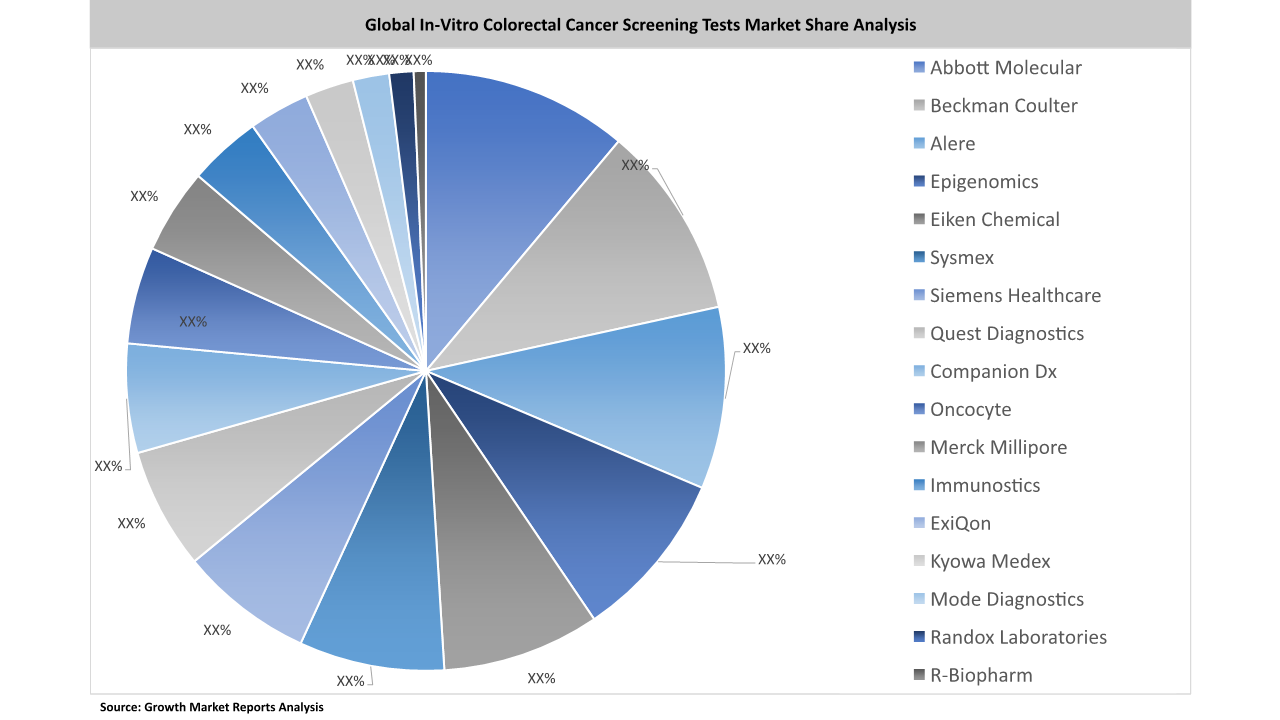
Key players competing in the in-vitro colorectal cancer screening tests market include Abbott Molecular, Beckman Coulter, Alere, Epigenomics, Eiken Chemical, Sysmex, Siemens Healthcare, Quest Diagnostics, Companion Dx, Oncocyte, Merck Millipore, Immunostics, ExiQon, Kyowa Medex, Mode Diagnostics, Randox Laboratories, and R-Biopharm.
Some of these key players are majorly focusing on collaboration strategy to increase product portfolio. Moreover, they are actively investing on R&D for the development of CRC DNA and biomarker screening tests along with other business strategies such as mergers, acquisitions, partnerships, and capacity expansion to increase their market shares.
Government initiatives such as subsidized screening programs, insurance coverage, and national guidelines are significantly boosting test uptake and expanding access, especially in developed economies.
Key players include Exact Sciences Corporation, Epigenomics AG, Quest Diagnostics, Abbott Laboratories, Sysmex Corporation, Siemens Healthineers, Bio-Rad Laboratories, and Clinical Genomics Technologies.
Recent trends include the adoption of molecular and genetic-based assays, integration of digital health and telemedicine, and the development of next-generation screening tests using AI and multi-omics approaches.
Challenges include high costs and limited reimbursement for advanced tests, logistical issues in sample collection and processing, and disparities in access in low- and middle-income regions.
Major end-users include hospitals, clinics, diagnostic centers, and organizations such as government health agencies and non-profits.
North America currently leads the market, followed by Europe. The Asia Pacific region is expected to experience the fastest growth through 2033.
Key growth drivers include rising incidence of colorectal cancer, technological advancements in non-invasive diagnostics, increased government initiatives, and heightened awareness of early screening benefits.
The fecal immunochemical test (FIT) is the leading test type in 2024 due to its superior sensitivity, specificity, and non-invasive sample collection process.
The main types include fecal occult blood test (FOBT), fecal immunochemical test (FIT), stool DNA test, and emerging tests such as molecular biomarkers and next-generation sequencing assays.
As of 2024, the global in-vitro colorectal cancer screening tests market is valued at USD 1.76 billion, with expectations to reach USD 3.30 billion by 2033.