Segments - by Product Type (Liquid Hypochlorite Bleaches, Solid Hypochlorite Bleaches), by Application (Household Cleaning, Industrial Cleaning, Water Treatment, Healthcare, Others), by End-User (Residential, Commercial, Industrial, Institutional), by Distribution Channel (Supermarkets/Hypermarkets, Online Stores, Specialty Stores, Others)
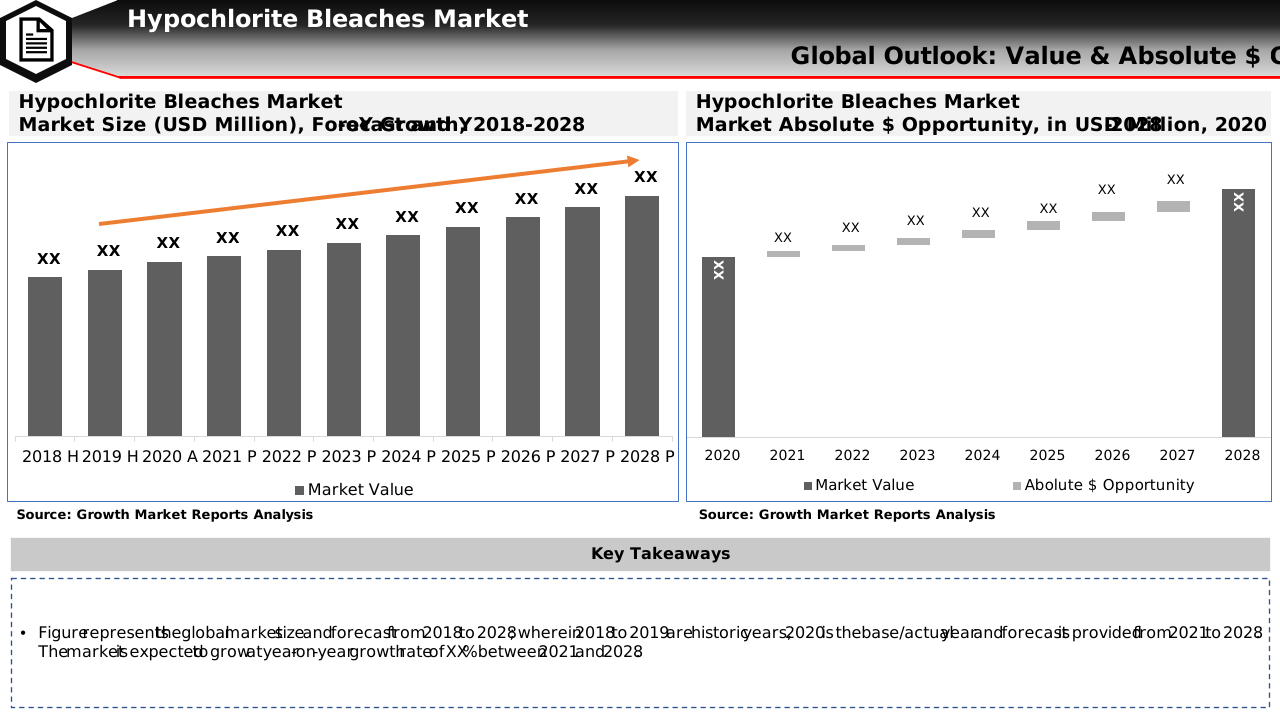
According to our latest research, the global hypochlorite bleaches market size reached USD 7.84 billion in 2024, reflecting robust demand across both industrial and residential sectors. The market is expected to grow at a CAGR of 5.2% from 2025 to 2033, reaching a forecasted value of USD 12.93 billion by 2033. This growth is primarily driven by increasing hygiene awareness, stringent sanitation regulations, and expanding applications in water treatment and healthcare. The hypochlorite bleaches market continues to evolve, responding to shifting consumer preferences and regulatory landscapes worldwide.
One of the most significant growth factors for the hypochlorite bleaches market is the rising emphasis on hygiene and sanitation, particularly in the wake of global health crises. The COVID-19 pandemic has fundamentally altered cleaning habits, spurring heightened demand for effective disinfectants and cleaning agents. Hypochlorite bleaches, known for their potent antimicrobial properties, have become a preferred choice in both households and public facilities. This increased focus on cleanliness is not a transient trend but has become ingrained in consumer behavior, leading to sustained demand for hypochlorite-based cleaning products. Furthermore, public health authorities and governments across the globe continue to endorse the use of hypochlorite bleaches in disinfection protocols, further reinforcing their market position.
Another major driver is the expansion of water treatment infrastructure, especially in developing regions. Hypochlorite bleaches play a crucial role in water purification and wastewater treatment, where they are used to neutralize pathogens and contaminants. As urbanization accelerates and populations grow, the need for safe drinking water and effective sanitation systems becomes more pressing. Governments and private sector players are investing heavily in upgrading and expanding water treatment facilities, which directly boosts the consumption of hypochlorite bleaches. Additionally, regulatory mandates regarding water quality and environmental safety are compelling industries and municipalities to adopt advanced disinfection solutions, further propelling market growth.
The industrial and institutional cleaning segments also contribute substantially to the hypochlorite bleaches market's expansion. Industries such as food processing, hospitality, and healthcare rely heavily on hypochlorite bleaches for surface disinfection and equipment sterilization. The stringent regulatory environment in these sectors, coupled with the need to minimize the risk of contamination, drives consistent demand. Moreover, the increasing adoption of hypochlorite bleaches in commercial spaces, educational institutions, and transportation hubs reflects a broader trend toward proactive hygiene management. As businesses prioritize health and safety, the market for hypochlorite bleaches is expected to witness continued growth, supported by innovation in product formulations and delivery systems.
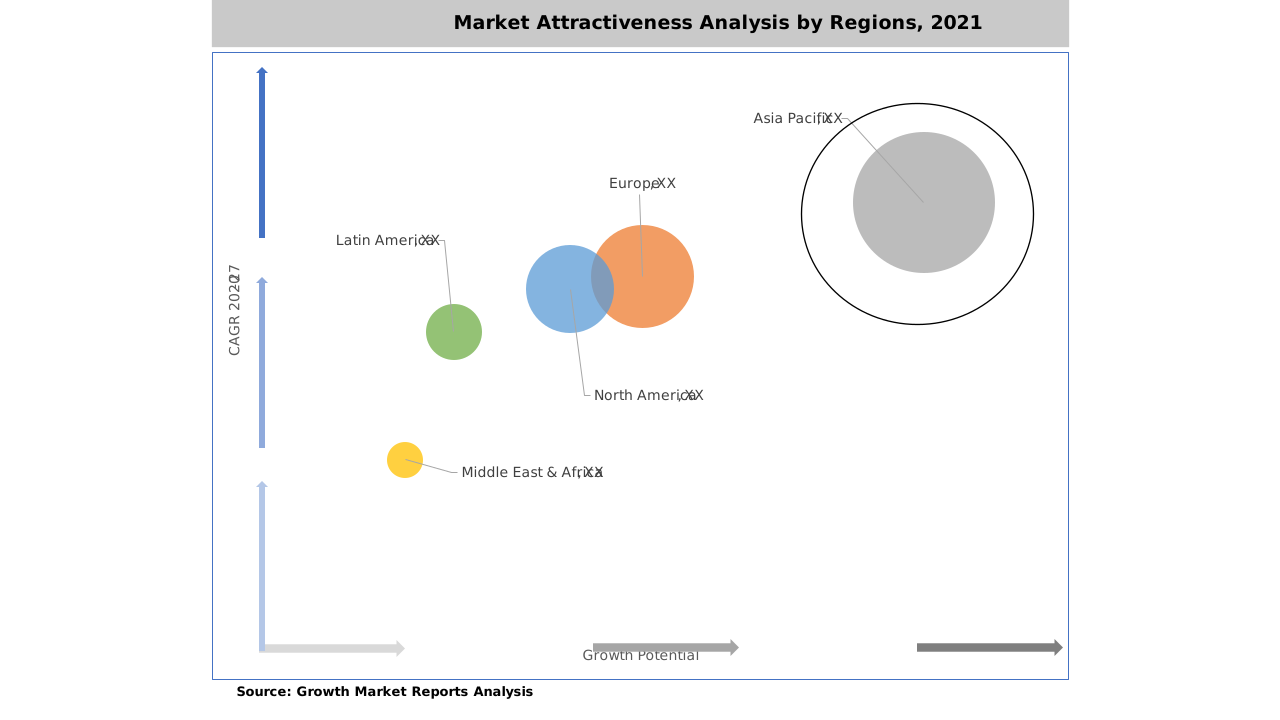
From a regional perspective, Asia Pacific remains the largest and fastest-growing market for hypochlorite bleaches, accounting for over 37% of global revenue in 2024. Rapid urbanization, rising disposable incomes, and growing awareness of hygiene are key factors driving demand in countries such as China, India, and Southeast Asian nations. North America and Europe also maintain significant market shares, supported by established water treatment infrastructure and high consumer awareness. Meanwhile, Latin America and the Middle East & Africa are witnessing steady growth, fueled by investments in public health and sanitation projects. The regional dynamics of the hypochlorite bleaches market reflect a complex interplay of socioeconomic factors, regulatory frameworks, and evolving consumer preferences.
The hypochlorite bleaches market is segmented by product type into liquid and solid hypochlorite bleaches, each catering to distinct end-user needs and application environments. Liquid hypochlorite bleaches dominate the market, primarily due to their ease of application, rapid solubility, and versatility. These products are widely used in both household and industrial settings for surface disinfection, laundry, and water treatment. Liquid formulations allow for precise dosing and are often preferred in institutional and healthcare environments where stringent hygiene standards are mandated. The convenience of ready-to-use liquid bleaches, coupled with their effectiveness against a broad spectrum of pathogens, continues to drive their adoption across diverse sectors.
On the other hand, solid hypochlorite bleaches, typically available as tablets or granules, are gaining traction, particularly in water treatment and industrial applications. Solid forms offer advantages such as longer shelf life, ease of transportation, and reduced risk of spillage or leakage. These attributes make them ideal for remote or large-scale operations where logistics and storage are critical considerations. Moreover, solid hypochlorite bleaches are increasingly being integrated into automated dosing systems in municipal water treatment plants, enabling consistent and controlled disinfection. The growing demand for sustainable and cost-effective disinfection solutions further supports the expansion of the solid hypochlorite segment.
The product innovation landscape within the hypochlorite bleaches market is vibrant, with manufacturers focusing on enhancing safety, stability, and user-friendliness. Efforts are underway to develop low-odor, splash-resistant, and color-safe formulations that address common consumer concerns. In addition, advancements in packaging technology, such as child-resistant caps and single-use sachets, are improving the usability and safety of both liquid and solid bleaches. These innovations are not only expanding the appeal of hypochlorite bleaches among residential users but also strengthening their presence in commercial and institutional markets.
The competitive dynamics between liquid and solid hypochlorite bleaches are shaped by regional preferences, regulatory standards, and application-specific requirements. In developed markets like North America and Europe, liquid bleaches remain the product of choice for household cleaning, while solid forms are preferred in industrial and municipal settings. In contrast, emerging economies are witnessing a gradual shift toward solid bleaches, driven by infrastructure development and cost considerations. This evolving product landscape underscores the need for manufacturers to maintain a diverse portfolio and adapt to changing market demands.
| Attributes | Details |
| Report Title | Hypochlorite Bleaches Market Research Report 2033 |
| By Product Type | Liquid Hypochlorite Bleaches, Solid Hypochlorite Bleaches |
| By Application | Household Cleaning, Industrial Cleaning, Water Treatment, Healthcare, Others |
| By End-User | Residential, Commercial, Industrial, Institutional |
| By Distribution Channel | Supermarkets/Hypermarkets, Online Stores, Specialty Stores, Others |
| Regions Covered | North America, Europe, APAC, Latin America, MEA |
| Base Year | 2024 |
| Historic Data | 2018-2023 |
| Forecast Period | 2025-2033 |
| Number of Pages | 254 |
| Number of Tables & Figures | 366 |
| Customization Available | Yes, the report can be customized as per your need. |
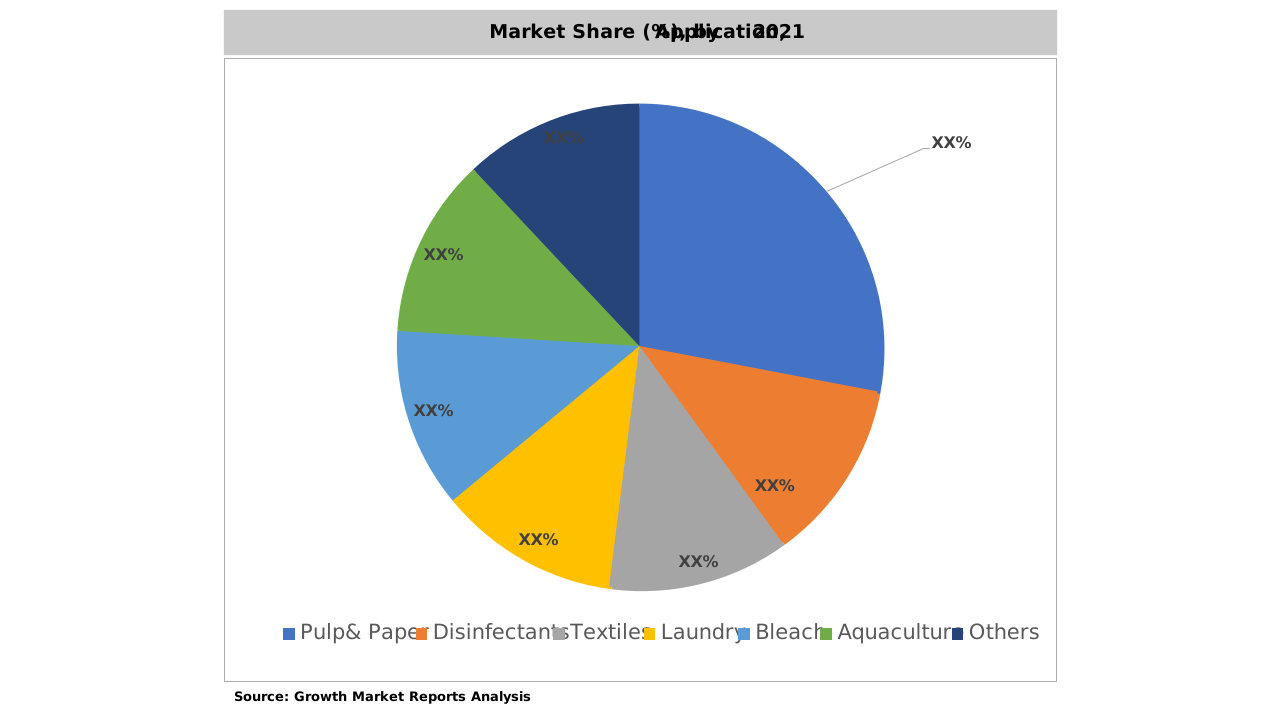
The application landscape of the hypochlorite bleaches market is broad, encompassing household cleaning, industrial cleaning, water treatment, healthcare, and other specialized uses. Household cleaning remains the largest application segment, accounting for a substantial share of the market. The widespread use of hypochlorite bleaches in laundry, bathroom, and kitchen cleaning reflects their efficacy in removing stains, disinfecting surfaces, and eliminating odors. The ongoing emphasis on hygiene in homes, especially post-pandemic, continues to drive robust demand for these products. Manufacturers are responding by introducing convenient, multi-purpose formulations that cater to the evolving needs of modern households.
Industrial cleaning represents another significant application area, where hypochlorite bleaches are employed to maintain sanitary conditions in manufacturing facilities, food processing plants, and commercial kitchens. The ability of hypochlorite bleaches to neutralize a wide range of pathogens and contaminants makes them indispensable in environments where hygiene is critical. Regulatory agencies such as the Food and Drug Administration (FDA) and the Occupational Safety and Health Administration (OSHA) mandate the use of approved disinfectants in these sectors, further bolstering demand. In addition, the trend toward automation and mechanized cleaning in industrial settings is driving the adoption of concentrated and bulk bleach formulations.
The water treatment segment is experiencing rapid growth, fueled by rising concerns over waterborne diseases and the need for safe drinking water. Hypochlorite bleaches are widely used for disinfecting municipal water supplies, swimming pools, and wastewater treatment facilities. Their effectiveness in controlling microbial contamination and ensuring compliance with water quality standards is well-recognized. As governments worldwide invest in upgrading water infrastructure and expanding access to clean water, the demand for hypochlorite bleaches in this segment is expected to surge. Technological advancements in dosing and monitoring systems are further enhancing the efficiency and safety of hypochlorite-based water treatment processes.
In the healthcare sector, hypochlorite bleaches are critical for infection control and surface disinfection in hospitals, clinics, and laboratories. Their broad-spectrum antimicrobial activity and rapid action make them a preferred choice for decontaminating medical equipment, patient rooms, and high-touch surfaces. The heightened focus on hospital-acquired infection prevention and the implementation of stringent hygiene protocols are driving consistent demand for hypochlorite bleaches in healthcare settings. Additionally, specialized formulations with reduced corrosivity and improved material compatibility are being developed to meet the unique requirements of the healthcare industry.
The hypochlorite bleaches market serves a diverse range of end-users, including residential, commercial, industrial, and institutional sectors. The residential segment forms the backbone of the market, driven by widespread use in household cleaning and laundry applications. Increased consumer awareness about hygiene and the proliferation of branded cleaning products have elevated the role of hypochlorite bleaches in daily routines. Marketing campaigns emphasizing the efficacy and safety of these products, coupled with innovative packaging and fragrance options, are further boosting their appeal among home users. The residential segment is expected to maintain steady growth, supported by urbanization and rising disposable incomes.
The commercial end-user segment encompasses businesses such as hotels, restaurants, shopping malls, and office complexes, where maintaining a clean and hygienic environment is paramount. The adoption of hypochlorite bleaches in these settings is driven by regulatory compliance requirements and the need to safeguard public health. Commercial establishments are increasingly investing in professional cleaning services and high-performance disinfectants to enhance customer satisfaction and minimize the risk of disease transmission. The integration of smart cleaning technologies and automated dosing systems is also gaining traction, enabling more efficient and consistent application of hypochlorite bleaches.
In the industrial sector, hypochlorite bleaches are used for equipment sterilization, process water treatment, and facility sanitation. Industries such as food and beverage processing, pharmaceuticals, and textiles rely on hypochlorite bleaches to meet stringent quality and safety standards. The demand in this segment is characterized by large-volume purchases and the need for bulk packaging solutions. Industrial users prioritize product stability, ease of handling, and cost-effectiveness, prompting manufacturers to develop tailored formulations and logistics solutions. The industrial segment is poised for steady growth, driven by ongoing investments in manufacturing capacity and process optimization.
The institutional end-user segment includes educational institutions, healthcare facilities, government buildings, and transportation hubs. These environments require rigorous disinfection protocols to prevent the spread of infectious diseases and ensure occupant safety. Hypochlorite bleaches are widely used for surface cleaning, restroom sanitation, and emergency decontamination in institutional settings. The increasing focus on public health and safety, coupled with government initiatives to improve sanitation infrastructure, is expected to drive sustained demand in this segment. Institutional buyers often seek value-added services such as training, compliance support, and customized supply contracts, creating opportunities for market differentiation.
The distribution landscape of the hypochlorite bleaches market is evolving rapidly, with supermarkets/hypermarkets, online stores, specialty stores, and other channels playing pivotal roles. Supermarkets and hypermarkets remain the dominant distribution channels, offering consumers convenient access to a wide range of hypochlorite bleach products. These retail outlets leverage their extensive networks and brand partnerships to ensure product availability and competitive pricing. Promotional campaigns, in-store demonstrations, and loyalty programs are commonly used to drive sales and enhance customer engagement. The prominence of supermarkets and hypermarkets is particularly notable in urban areas, where consumers prioritize convenience and variety.
Online stores are experiencing exponential growth, fueled by the digitalization of retail and changing consumer shopping habits. E-commerce platforms offer a vast selection of hypochlorite bleach products, often at discounted prices and with the added convenience of home delivery. The ability to compare brands, read reviews, and access detailed product information empowers consumers to make informed purchasing decisions. Online channels are especially popular among younger demographics and in regions with limited physical retail infrastructure. The COVID-19 pandemic has further accelerated the shift toward online shopping, prompting manufacturers and retailers to invest in digital marketing, logistics, and customer service capabilities.
Specialty stores, including cleaning supply outlets and pharmacy chains, cater to niche markets and professional users. These channels offer expert advice, product demonstrations, and tailored solutions for specific cleaning and disinfection needs. Specialty stores are valued for their knowledgeable staff, personalized service, and ability to source hard-to-find or specialized products. In the commercial and industrial segments, direct sales and business-to-business (B2B) channels are also prevalent, enabling bulk purchasing and customized supply arrangements. Manufacturers often collaborate closely with specialty retailers to launch new products, conduct training sessions, and gather customer feedback.
The distribution strategy for hypochlorite bleaches is increasingly focused on omni-channel integration, blending physical and digital touchpoints to create a seamless customer experience. Manufacturers are leveraging data analytics and customer relationship management (CRM) tools to optimize inventory, forecast demand, and personalize marketing efforts. Partnerships with logistics providers and last-mile delivery services are enhancing supply chain efficiency and reducing lead times. As consumer expectations evolve, the ability to offer flexible, convenient, and reliable distribution options will be a key differentiator in the competitive hypochlorite bleaches market.
The hypochlorite bleaches market is replete with opportunities, particularly in the areas of product innovation and sustainability. Growing consumer awareness of environmental issues is prompting manufacturers to develop eco-friendly formulations with reduced chemical residues and improved biodegradability. The integration of smart packaging, such as refillable containers and dose-control mechanisms, is gaining traction among environmentally conscious consumers. Additionally, the expansion of product portfolios to include multi-functional and specialty bleaches, such as color-safe or low-odor variants, presents significant growth prospects. Manufacturers who invest in research and development, sustainability initiatives, and consumer education are well-positioned to capture emerging opportunities and differentiate themselves in a crowded marketplace.
Another promising opportunity lies in the expansion of hypochlorite bleaches into untapped markets, particularly in developing regions. Rapid urbanization, rising incomes, and government initiatives to improve public health and sanitation are creating fertile ground for market growth. Strategic partnerships with local distributors, investments in supply chain infrastructure, and targeted marketing campaigns can help manufacturers penetrate new markets and build brand loyalty. The increasing adoption of digital technologies, such as e-commerce platforms and mobile apps, also offers avenues for reaching underserved customer segments and streamlining distribution. As the global demand for effective cleaning and disinfection solutions continues to rise, the hypochlorite bleaches market is poised for sustained expansion.
Despite these opportunities, the market faces certain restraining factors, chief among them being concerns over the environmental and health impacts of hypochlorite bleaches. Improper use or disposal of these products can lead to the release of harmful byproducts, such as chlorinated compounds, which pose risks to aquatic ecosystems and human health. Regulatory agencies are increasingly scrutinizing the safety and environmental footprint of cleaning chemicals, leading to stricter labeling, usage, and disposal requirements. Manufacturers must invest in compliance, safety education, and the development of greener alternatives to address these concerns and maintain consumer trust. Balancing efficacy, safety, and sustainability will be a key challenge for the industry moving forward.
Regionally, the Asia Pacific market leads the global hypochlorite bleaches industry, accounting for approximately USD 2.90 billion in revenue in 2024. This dominance is attributed to rapid urbanization, population growth, and rising awareness of hygiene and sanitation in countries like China, India, and Indonesia. The region is witnessing robust investments in water treatment infrastructure and public health initiatives, further boosting demand for hypochlorite bleaches. The Asia Pacific market is projected to grow at a CAGR of 6.1% through 2033, outpacing other regions due to expanding middle-class populations and increasing government focus on sanitation.
In North America, the hypochlorite bleaches market is characterized by mature demand and a strong emphasis on regulatory compliance. The region generated approximately USD 2.10 billion in revenue in 2024, driven by established water treatment infrastructure, high consumer awareness, and stringent hygiene standards in commercial and institutional settings. The United States remains the largest market within the region, supported by widespread use in household, healthcare, and industrial applications. While growth is moderate compared to emerging markets, ongoing innovation and the adoption of sustainable products are expected to sustain demand.
Europe represents another significant market, with revenues reaching USD 1.80 billion in 2024. The region is distinguished by its advanced regulatory landscape, which prioritizes environmental safety and product efficacy. European consumers are increasingly seeking eco-friendly and low-odor bleach formulations, prompting manufacturers to invest in green chemistry and sustainable packaging. Meanwhile, Latin America and Middle East & Africa together account for approximately USD 1.04 billion in revenue, with growth driven by investments in public health, urbanization, and efforts to improve access to clean water. Regional dynamics are shaped by socioeconomic factors, government policies, and evolving consumer preferences, creating a diverse and competitive market landscape.
The competitive landscape of the hypochlorite bleaches market is characterized by the presence of both multinational corporations and regional players, each vying for market share through product innovation, brand differentiation, and strategic partnerships. Leading companies are investing heavily in research and development to enhance product efficacy, safety, and sustainability. The focus on developing low-odor, color-safe, and environmentally friendly formulations is particularly pronounced, as consumers and regulators demand safer alternatives. In addition, manufacturers are leveraging advanced packaging solutions, such as child-resistant caps and single-use sachets, to improve user safety and convenience. The integration of digital marketing, e-commerce platforms, and customer engagement strategies is further intensifying competition and reshaping the market dynamics.
Strategic collaborations, mergers, and acquisitions are common in the hypochlorite bleaches market, as companies seek to expand their geographical footprint, diversify product portfolios, and access new customer segments. Partnerships with retailers, distributors, and logistics providers are enabling manufacturers to optimize supply chains, reduce costs, and enhance market reach. The growing emphasis on sustainability and corporate social responsibility is also prompting companies to invest in green chemistry, circular economy initiatives, and community engagement programs. As competition intensifies, the ability to innovate, adapt to regulatory changes, and deliver value-added services will be critical for long-term success.
Regional players play a vital role in the hypochlorite bleaches market, particularly in emerging economies where local knowledge, distribution networks, and price sensitivity are key differentiators. These companies often focus on cost-effective formulations, tailored packaging, and localized marketing to meet the unique needs of their target markets. While multinational corporations dominate the premium and branded segments, regional players excel in the value and private label categories. The dynamic interplay between global and local competitors creates a vibrant and diverse market ecosystem, fostering continuous innovation and improvement.
Some of the major companies operating in the hypochlorite bleaches market include The Clorox Company, Reckitt Benckiser Group plc, Procter & Gamble, Olin Corporation, BASF SE, Occidental Petroleum Corporation, and Arkema Group. The Clorox Company is renowned for its extensive portfolio of household and institutional bleach products, leveraging strong brand equity and innovative marketing strategies. Reckitt Benckiser and Procter & Gamble are global leaders in consumer cleaning products, offering a wide range of hypochlorite-based formulations under popular brands. Olin Corporation and Occidental Petroleum are key suppliers of industrial-grade sodium hypochlorite, serving water treatment and industrial cleaning markets. BASF SE and Arkema Group are prominent players in the specialty chemicals segment, focusing on sustainable and high-performance bleach solutions. These companies are at the forefront of product development, regulatory compliance, and market expansion, shaping the future trajectory of the hypochlorite bleaches industry.
The Hypochlorite Bleaches market has been segmented on the basis of
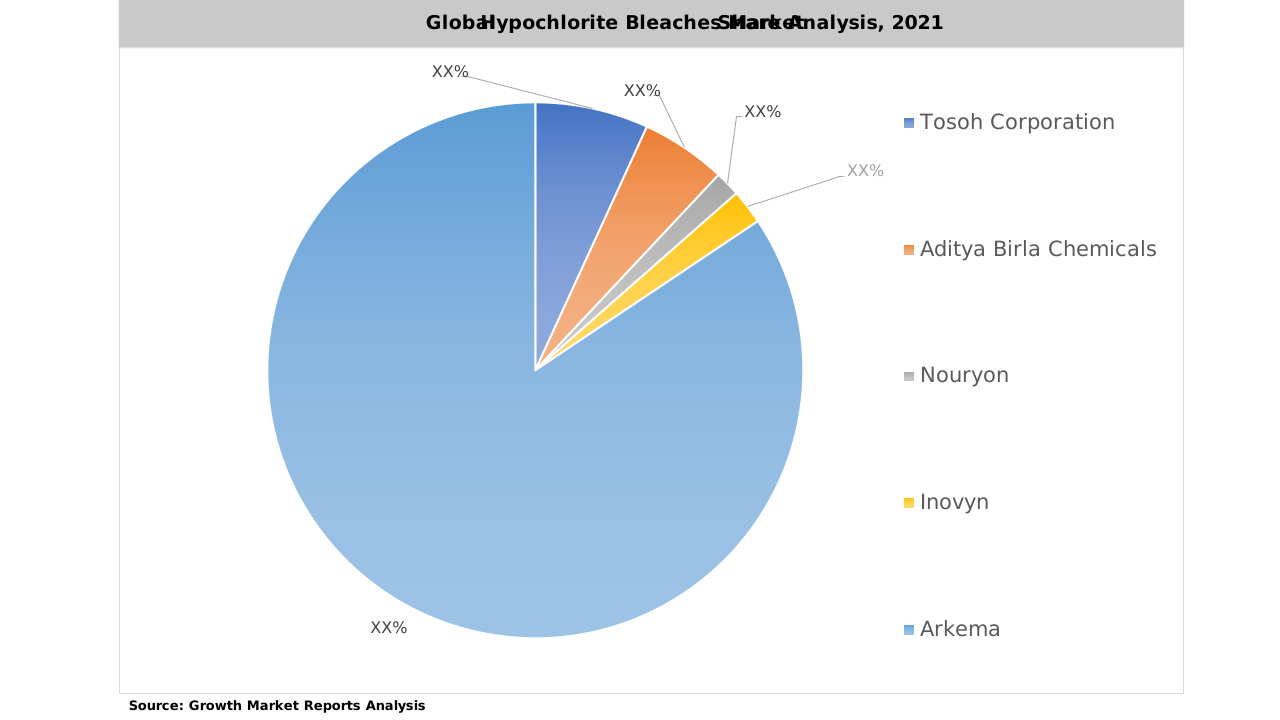
Key players competing in the hypochlorite bleaches market include Tosoh Corporation, Aditya Birla Chemicals, Nouryon, Inovyn, and Arkema.
Some of these players are using several market strategies such as mergers, acquisitions, partnerships, collaborations, capacity expansion, and product launches to increase their market shares.
Trends include the development of low-odor and color-safe formulations, sustainable packaging, omni-channel distribution strategies, and increased adoption in water treatment and healthcare sectors.
The hypochlorite bleaches market is projected to grow at a CAGR of 5.2% from 2025 to 2033, reaching a value of USD 12.93 billion by 2033.
Major players include The Clorox Company, Olin Corporation, Arkema Group, Aditya Birla Chemicals, Solvay S.A., Tosoh Corporation, Nouryon, Occidental Petroleum Corporation, Vynova Group, INEOS Group, BASF SE, and others.
Opportunities include product innovation, eco-friendly formulations, and expansion into developing markets. Threats involve environmental and health concerns, stricter regulations, and the need for sustainable alternatives.
Supermarkets/hypermarkets remain the dominant distribution channel, followed by online stores, specialty stores, and direct B2B sales for commercial and industrial users.
Hypochlorite bleaches are widely used in household cleaning, industrial cleaning, water treatment, and healthcare for disinfection, sterilization, and sanitation purposes.
Asia Pacific is the largest and fastest-growing region, accounting for over 37% of global revenue in 2024. North America and Europe also hold significant market shares, while Latin America and Middle East & Africa are experiencing steady growth.
The market is segmented into liquid and solid hypochlorite bleaches. Liquid bleaches dominate due to their ease of use and rapid solubility, while solid bleaches are gaining traction in water treatment and industrial applications.
Key growth drivers include increased hygiene awareness, stringent sanitation regulations, expanding applications in water treatment and healthcare, and ongoing product innovation.
As of 2024, the global hypochlorite bleaches market size reached USD 7.84 billion, with strong demand from both industrial and residential sectors.