Segments - by Product Type (Hip Replacement Implants, Knee Replacement Implants, Accessories), by Procedure (Total Replacement, Partial Replacement, Revision Replacement), by Material (Metal-on-Polyethylene, Ceramic-on-Polyethylene, Ceramic-on-Ceramic, Metal-on-Metal, Others), by End-User (Hospitals, Ambulatory Surgical Centers, Orthopedic Clinics, Others)
According to our latest research, the global hip and knee replacement market size reached USD 20.8 billion in 2024, demonstrating robust growth driven by technological advancements, rising prevalence of osteoarthritis, and increasing geriatric population. The market is expected to grow at a CAGR of 5.4% during the forecast period, reaching a projected value of USD 33.1 billion by 2033. The expanding base of patients requiring joint replacement surgeries, coupled with continuous innovations in implant materials and surgical techniques, are some of the primary factors fueling this market’s expansion as per our latest research.
One of the most significant growth drivers for the hip and knee replacement market is the dramatic rise in the global elderly population. As individuals age, the risk of developing degenerative joint diseases such as osteoarthritis and rheumatoid arthritis increases substantially. The World Health Organization estimates that by 2030, one in six people in the world will be aged 60 years or older, further amplifying the demand for joint replacement procedures. This demographic shift, combined with greater awareness about the benefits of early surgical intervention and improved postoperative outcomes, is leading to a higher volume of elective hip and knee replacement surgeries globally. Additionally, the increasing prevalence of obesity, sedentary lifestyles, and sports-related injuries are contributing to a surge in musculoskeletal disorders, which in turn is boosting the market growth.
Technological advancements remain at the forefront of market expansion. The introduction of minimally invasive surgical techniques, computer-assisted navigation systems, and robotics-assisted surgeries have significantly enhanced the precision and efficacy of hip and knee replacement procedures. These innovations have led to reduced hospital stays, quicker recovery times, and improved patient satisfaction, thereby encouraging more individuals to opt for joint replacement surgeries. Furthermore, the development of next-generation implant materials such as highly cross-linked polyethylene, ceramic composites, and advanced metal alloys has resulted in longer-lasting prosthetics with reduced risk of wear and complications. Such advancements are not only improving clinical outcomes but are also expanding the eligible patient pool for these surgeries.
Healthcare infrastructure improvements and increased healthcare spending, especially in emerging economies, are also propelling the hip and knee replacement market forward. Governments and private healthcare providers are investing in state-of-the-art orthopedic centers and ambulatory surgical facilities, making these procedures more accessible to a broader population. The growing penetration of health insurance and favorable reimbursement policies in several countries are further supporting market growth. However, high costs associated with implants and surgeries, particularly in low- and middle-income countries, remain a challenge. Nevertheless, ongoing efforts to develop cost-effective implants and promote local manufacturing are expected to mitigate these barriers over the forecast period.
Regionally, North America continues to dominate the hip and knee replacement market, accounting for the largest revenue share in 2024. This is attributed to the presence of leading implant manufacturers, high adoption rates of advanced surgical techniques, and a well-established healthcare infrastructure. Europe follows closely, driven by a rapidly aging population and strong government support for orthopedic research and innovation. The Asia Pacific region is anticipated to witness the fastest growth during the forecast period, propelled by rising healthcare investments, increasing awareness, and expanding access to quality orthopedic care in countries such as China, India, and Japan. Latin America and the Middle East & Africa are also experiencing steady growth, supported by improving healthcare systems and rising medical tourism.
The hip and knee replacement market is segmented by product type into hip replacement implants, knee replacement implants, and accessories. Hip replacement implants continue to hold a substantial share of the market, driven by the high prevalence of hip osteoarthritis and femoral neck fractures among the elderly. These implants are available in various designs such as cemented, cementless, and hybrid, catering to diverse patient needs and surgeon preferences. Technological advancements, including modular implant systems and enhanced bearing surfaces, have significantly improved the longevity and performance of hip prostheses, making them an attractive option for both primary and revision surgeries.
Knee replacement implants represent the largest segment within the product type category, reflecting the higher incidence of knee-related degenerative conditions and sports injuries. The growing demand for total knee replacement (TKR) and partial knee replacement (PKR) procedures has spurred continuous innovation in implant design, material composition, and fixation methods. Companies are focusing on developing gender-specific and patient-matched implants that offer better anatomical fit and function, thereby improving surgical outcomes and patient satisfaction. The increasing adoption of minimally invasive techniques and computer-assisted navigation in knee replacement surgeries is also contributing to the segment’s robust growth.
Accessories, including surgical instruments, spacers, and fixation devices, play a crucial role in the success of hip and knee replacement procedures. This segment is witnessing steady growth due to the rising number of joint replacement surgeries and the need for specialized tools to enhance surgical precision and efficiency. The development of single-use and sterilizable instruments, as well as customized accessory kits tailored to specific implant systems, is further supporting market expansion. Moreover, the growing focus on infection prevention and improved surgical workflows is driving demand for innovative accessory solutions.
The competitive landscape within the product type segment is characterized by the presence of several global and regional players offering a wide range of implants and accessories. Leading manufacturers are investing heavily in research and development to introduce next-generation products with enhanced biomechanical properties, improved wear resistance, and better patient compatibility. Strategic collaborations, acquisitions, and product launches are common strategies employed by key players to strengthen their market position and expand their product portfolios. As the demand for hip and knee replacement procedures continues to rise, the product type segment is expected to witness sustained growth and innovation throughout the forecast period.
| Attributes | Details |
| Report Title | Hip and Knee Replacement Market Research Report 2033 |
| By Product Type | Hip Replacement Implants, Knee Replacement Implants, Accessories |
| By Procedure | Total Replacement, Partial Replacement, Revision Replacement |
| By Material | Metal-on-Polyethylene, Ceramic-on-Polyethylene, Ceramic-on-Ceramic, Metal-on-Metal, Others |
| By End-User | Hospitals, Ambulatory Surgical Centers, Orthopedic Clinics, Others |
| Regions Covered | North America, Europe, APAC, Latin America, MEA |
| Base Year | 2024 |
| Historic Data | 2018-2023 |
| Forecast Period | 2025-2033 |
| Number of Pages | 300 |
| Number of Tables & Figures | 391 |
| Customization Available | Yes, the report can be customized as per your need. |
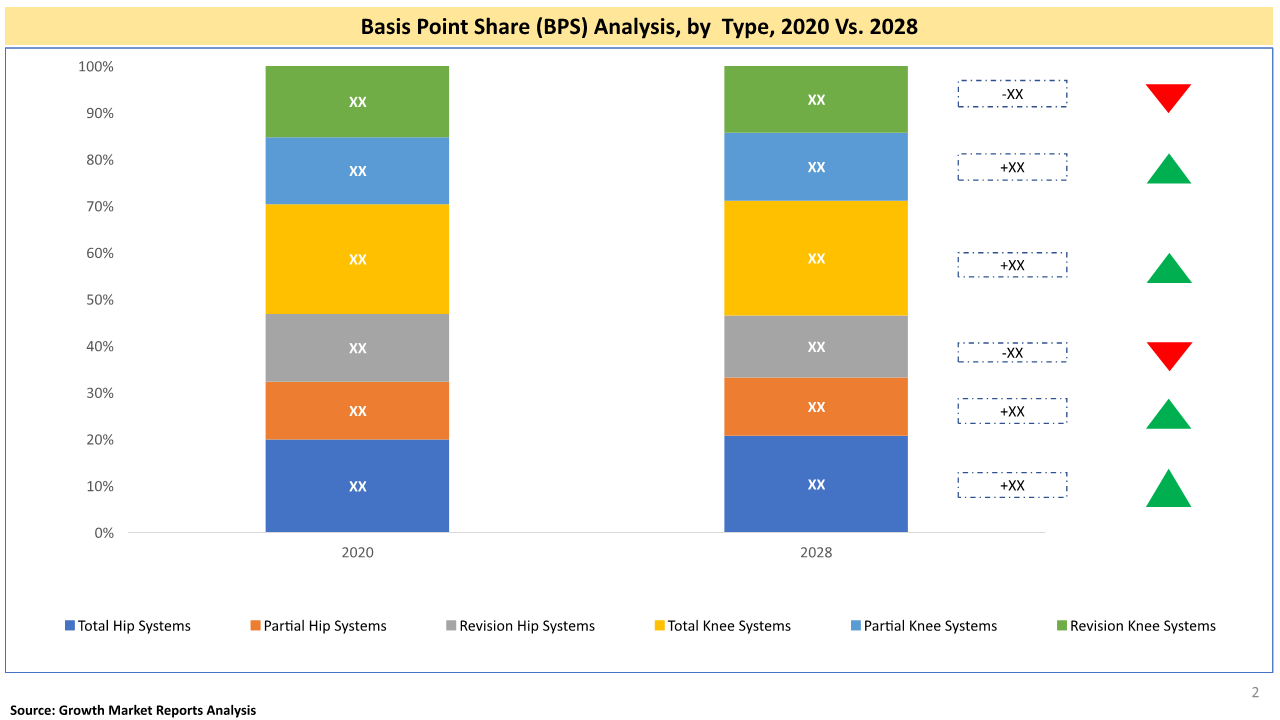
The hip and knee replacement market is segmented by procedure into total replacement, partial replacement, and revision replacement. Total replacement procedures, encompassing total hip replacement (THR) and total knee replacement (TKR), dominate the market owing to their proven efficacy in relieving pain, restoring mobility, and improving quality of life for patients with end-stage joint disease. These procedures involve the complete removal and replacement of damaged joint surfaces with artificial implants, offering long-term durability and functional improvement. The growing prevalence of osteoarthritis and advancements in surgical techniques are driving the increasing adoption of total replacement procedures worldwide.
Partial replacement procedures, including unicompartmental knee replacement and hemiarthroplasty of the hip, are gaining traction as less invasive alternatives to total joint replacement. These procedures are particularly suitable for younger patients or those with localized joint damage, as they preserve more of the natural bone and soft tissue. The benefits of partial replacement include shorter recovery times, reduced risk of complications, and improved joint function. The rising demand for personalized and tissue-sparing surgical options, coupled with advancements in imaging and navigation technologies, is supporting the growth of this segment.
Revision replacement procedures are performed when an existing joint implant fails due to wear, infection, dislocation, or other complications. Although these procedures are more complex and technically demanding than primary replacements, they are becoming increasingly common as the number of joint replacement surgeries rises and patients live longer with their implants. The development of specialized revision implants, enhanced fixation techniques, and improved infection management protocols are contributing to better outcomes in revision surgeries. The growing awareness about the importance of timely revision and the availability of advanced surgical solutions are expected to drive segment growth over the forecast period.
The procedural landscape is evolving rapidly, with a strong emphasis on minimally invasive approaches, patient-specific instrumentation, and enhanced perioperative care. Surgeons are increasingly adopting evidence-based protocols and leveraging digital technologies to optimize preoperative planning, intraoperative guidance, and postoperative rehabilitation. These advancements are leading to improved surgical accuracy, reduced complication rates, and higher patient satisfaction. As the demand for joint replacement procedures continues to grow, the procedure segment is poised for significant expansion and innovation.
Material selection is a critical factor influencing the performance, longevity, and safety of hip and knee implants. The market is segmented by material into metal-on-polyethylene, ceramic-on-polyethylene, ceramic-on-ceramic, metal-on-metal, and others. Metal-on-polyethylene implants, comprising a metal femoral component articulating with a polyethylene liner, remain the most widely used material combination due to their proven track record, cost-effectiveness, and favorable wear characteristics. Ongoing improvements in polyethylene processing, such as cross-linking and antioxidant stabilization, have further enhanced the durability and performance of these implants.
Ceramic-on-polyethylene and ceramic-on-ceramic implants are gaining popularity, particularly among younger and more active patients seeking long-lasting solutions. Ceramic materials offer excellent biocompatibility, low wear rates, and reduced risk of osteolysis compared to traditional metal implants. Advances in ceramic manufacturing, including the development of highly durable alumina and zirconia composites, have addressed previous concerns related to brittleness and fracture risk. These material innovations are contributing to the growing adoption of ceramic-based implants in both hip and knee replacement surgeries.
Metal-on-metal implants, once popular for their superior strength and wear resistance, have seen a decline in usage due to concerns about metal ion release, adverse local tissue reactions, and regulatory scrutiny. However, ongoing research and development efforts are focused on improving the safety profile of metal-on-metal implants through surface modifications, advanced coatings, and alternative alloy compositions. Other material options, such as highly cross-linked polyethylene, vitamin E-infused liners, and hybrid composites, are also being explored to address specific clinical needs and enhance implant longevity.
The choice of implant material is influenced by various factors, including patient age, activity level, anatomical considerations, and surgeon preference. Manufacturers are continuously investing in material science research to develop next-generation implants that offer optimal wear resistance, mechanical strength, and biological compatibility. Regulatory approvals, clinical evidence, and post-market surveillance data play a crucial role in shaping material selection trends and ensuring patient safety. As the market evolves, material innovation will remain a key driver of growth and differentiation in the hip and knee replacement segment.
The hip and knee replacement market is segmented by end-user into hospitals, ambulatory surgical centers (ASCs), orthopedic clinics, and others. Hospitals continue to be the primary end-users, accounting for the largest share of the market in 2024. This dominance is attributed to the availability of advanced surgical infrastructure, multidisciplinary care teams, and comprehensive postoperative rehabilitation services in hospital settings. Hospitals are the preferred choice for complex and high-risk joint replacement procedures, as they offer access to intensive care units, infection control protocols, and specialized orthopedic surgeons.
Ambulatory surgical centers (ASCs) are emerging as a fast-growing segment within the hip and knee replacement market, driven by the increasing adoption of minimally invasive techniques and enhanced recovery protocols. ASCs offer several advantages, including lower costs, shorter hospital stays, and reduced risk of hospital-acquired infections. The shift towards outpatient joint replacement surgeries is being facilitated by improvements in anesthesia, pain management, and perioperative care. As a result, more patients and surgeons are opting for ASCs for primary joint replacement procedures, particularly in developed markets with well-established regulatory frameworks.
Orthopedic clinics play a vital role in the diagnosis, preoperative assessment, and postoperative follow-up of hip and knee replacement patients. These specialized clinics often collaborate with hospitals and ASCs to provide comprehensive care throughout the patient journey. The growing emphasis on patient education, shared decision-making, and personalized treatment planning is driving the demand for orthopedic clinic services. In addition, the increasing availability of advanced diagnostic imaging, gait analysis, and rehabilitation technologies in clinic settings is enhancing the quality of care and patient outcomes.
Other end-users, such as specialty rehabilitation centers and academic medical institutions, contribute to the overall market by offering specialized services and conducting clinical research. The end-user landscape is evolving in response to changing patient preferences, technological advancements, and healthcare policy reforms. Collaboration among hospitals, ASCs, clinics, and other providers is essential to ensuring seamless care transitions, optimizing resource utilization, and improving long-term outcomes for hip and knee replacement patients. As the market continues to grow, end-user segmentation will remain a key factor in shaping service delivery models and competitive strategies.
The hip and knee replacement market presents significant opportunities for growth and innovation, particularly in the areas of personalized medicine, digital health integration, and emerging markets. The adoption of patient-specific implants, 3D-printed prosthetics, and artificial intelligence-driven surgical planning tools is revolutionizing the field of joint replacement. These technologies enable surgeons to tailor procedures to individual patient anatomy, optimize implant positioning, and enhance surgical precision. The integration of digital health solutions, such as remote monitoring, tele-rehabilitation, and mobile health applications, is further improving patient engagement, adherence, and long-term outcomes. As healthcare systems worldwide continue to prioritize value-based care and population health management, companies that invest in these transformative technologies are well-positioned to capture new market opportunities.
Emerging markets in Asia Pacific, Latin America, and the Middle East & Africa offer substantial growth potential for the hip and knee replacement market. Rapid urbanization, rising disposable incomes, and increasing access to quality healthcare are driving demand for joint replacement surgeries in these regions. Governments and private sector stakeholders are investing in healthcare infrastructure, training programs, and public awareness campaigns to address the growing burden of musculoskeletal disorders. Strategic partnerships, local manufacturing, and tailored product offerings are key strategies for companies seeking to expand their presence in these high-growth markets. Furthermore, the rising trend of medical tourism, particularly in countries such as India, Thailand, and Mexico, is attracting international patients seeking affordable and high-quality joint replacement procedures.
Despite the promising outlook, the hip and knee replacement market faces several challenges and restrainers. High costs associated with implants, surgical procedures, and postoperative care remain a significant barrier to adoption, especially in low- and middle-income countries. Limited reimbursement coverage, regulatory hurdles, and concerns about implant safety and longevity can also impede market growth. The COVID-19 pandemic has highlighted the vulnerability of elective surgical volumes to external shocks, underscoring the need for resilient supply chains and flexible care delivery models. Addressing these challenges requires concerted efforts from industry stakeholders, policymakers, and healthcare providers to ensure equitable access, affordability, and quality of care for all patients.
North America remains the largest regional market for hip and knee replacement, accounting for approximately 40% of global revenues in 2024, or around USD 8.3 billion. The region’s leadership is underpinned by the presence of major implant manufacturers, advanced healthcare facilities, and a high prevalence of osteoarthritis and obesity. The United States, in particular, is a key driver of market growth, with a well-established reimbursement system and a strong focus on research and innovation. Canada also contributes significantly, benefiting from universal healthcare coverage and increasing investments in orthopedic care. The North American market is expected to maintain steady growth, supported by ongoing technological advancements and rising demand for minimally invasive surgeries.
Europe holds the second-largest share of the hip and knee replacement market, with revenues reaching USD 6.7 billion in 2024. The region is characterized by a rapidly aging population, high standards of medical care, and robust government support for orthopedic research. Countries such as Germany, the United Kingdom, France, and Italy are leading contributors, driven by well-developed healthcare systems and strong adoption of advanced surgical technologies. The European market is projected to grow at a CAGR of 5.1% through 2033, fueled by increasing patient awareness, favorable reimbursement policies, and the expansion of ambulatory surgical centers.
The Asia Pacific region is emerging as the fastest-growing market for hip and knee replacement, with revenues estimated at USD 4.1 billion in 2024. Rapid urbanization, rising healthcare spending, and growing awareness about joint health are driving demand for orthopedic procedures in countries such as China, India, Japan, and South Korea. The region offers significant untapped potential, particularly in rural and underserved areas where access to specialized care is limited. Strategic investments in healthcare infrastructure, training, and local manufacturing are expected to accelerate market growth in Asia Pacific over the forecast period. Latin America and the Middle East & Africa are also witnessing steady growth, supported by improving healthcare systems, rising disposable incomes, and an increasing focus on medical tourism.
The hip and knee replacement market is highly competitive, with a diverse mix of global and regional players vying for market share. The competitive landscape is shaped by continuous innovation, strategic partnerships, mergers and acquisitions, and a strong focus on research and development. Leading companies are investing heavily in the development of next-generation implants, advanced surgical instruments, and digital health solutions to differentiate their offerings and meet evolving patient and surgeon needs. The adoption of minimally invasive techniques, patient-specific implants, and robotics-assisted surgeries is driving a wave of product launches and technology collaborations across the industry.
Market leaders are also expanding their footprints through strategic acquisitions and partnerships, enabling them to access new markets, enhance their product portfolios, and leverage complementary strengths. The growing emphasis on value-based care, patient outcomes, and cost-effectiveness is prompting companies to offer comprehensive solutions that encompass implant design, surgical planning, perioperative support, and postoperative rehabilitation. Regulatory compliance, quality assurance, and robust clinical evidence are critical factors influencing competitive positioning and customer trust in this market.
Regional and local players are increasingly focusing on developing cost-effective implants and accessories tailored to the specific needs of emerging markets. These companies are leveraging local manufacturing capabilities, distribution networks, and pricing strategies to compete effectively with global giants. The rise of medical tourism, particularly in Asia Pacific and Latin America, is creating new opportunities for both established and emerging players to attract international patients seeking affordable and high-quality joint replacement procedures. As the market continues to evolve, collaboration among industry stakeholders, healthcare providers, and policymakers will be essential to drive innovation, improve access, and enhance patient outcomes.
Major companies operating in the hip and knee replacement market include Stryker Corporation, Zimmer Biomet Holdings, Inc., DePuy Synthes (Johnson & Johnson), Smith & Nephew plc, and Exactech, Inc.. Stryker Corporation is renowned for its extensive portfolio of hip and knee implants, robotics-assisted surgical systems, and commitment to clinical research. Zimmer Biomet Holdings, Inc. is a global leader in musculoskeletal healthcare, offering a comprehensive range of joint replacement solutions and digital health technologies. DePuy Synthes, a subsidiary of Johnson & Johnson, is known for its innovative implant designs, minimally invasive surgical techniques, and strong focus on patient outcomes. Smith & Nephew plc specializes in advanced orthopedic technologies, including patient-specific implants, navigation systems, and biologics. Exactech, Inc. is recognized for its expertise in implant design, surgical instrumentation, and personalized care solutions.
These companies are continuously investing in research and development to introduce new products, enhance implant performance, and address unmet clinical needs. Strategic collaborations with academic institutions, research organizations, and healthcare providers are enabling them to accelerate innovation and expand their global reach. The competitive landscape is expected to remain dynamic, with ongoing advancements in material science, digital health integration, and personalized medicine shaping the future of the hip and knee replacement market. As the demand for joint replacement procedures continues to rise, companies that prioritize innovation, quality, and patient-centric care will be well-positioned to succeed in this evolving market.
The Hip and Knee Replacement market has been segmented on the basis of
Major manufacturers include Stryker, Zimmer Biomet, Johnson & Johnson Services, Inc., Smith+Nephew, Exactech, Inc.
Factors such as disposable income, economic impact, technological innovations, healthcare infrastructure, government & regulatory policies, and medical device industry are analyzed in the final report.
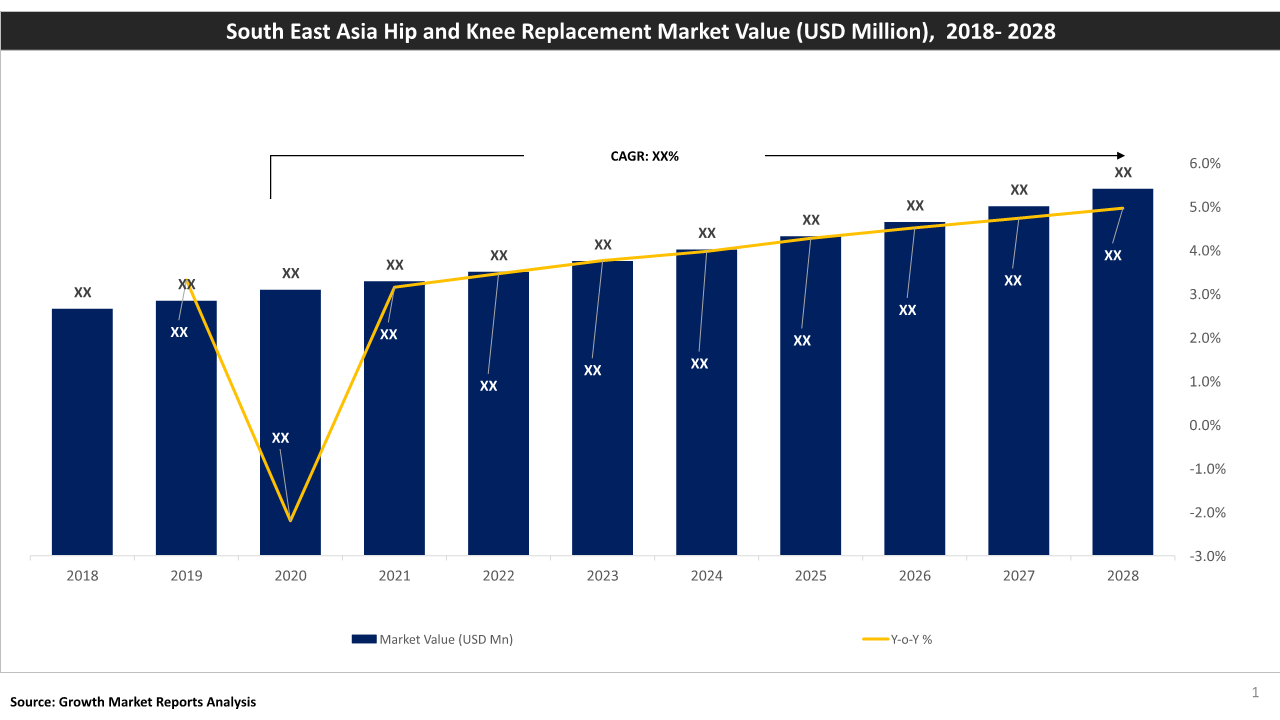
The base year considered for the South East Asia Hip and Knee Replacement Market report is 2020. The complete analysis period is 2018 to 2028, wherein, 2018, and 2019 are the historic years, and the forecast is provided from 2021 to 2028.
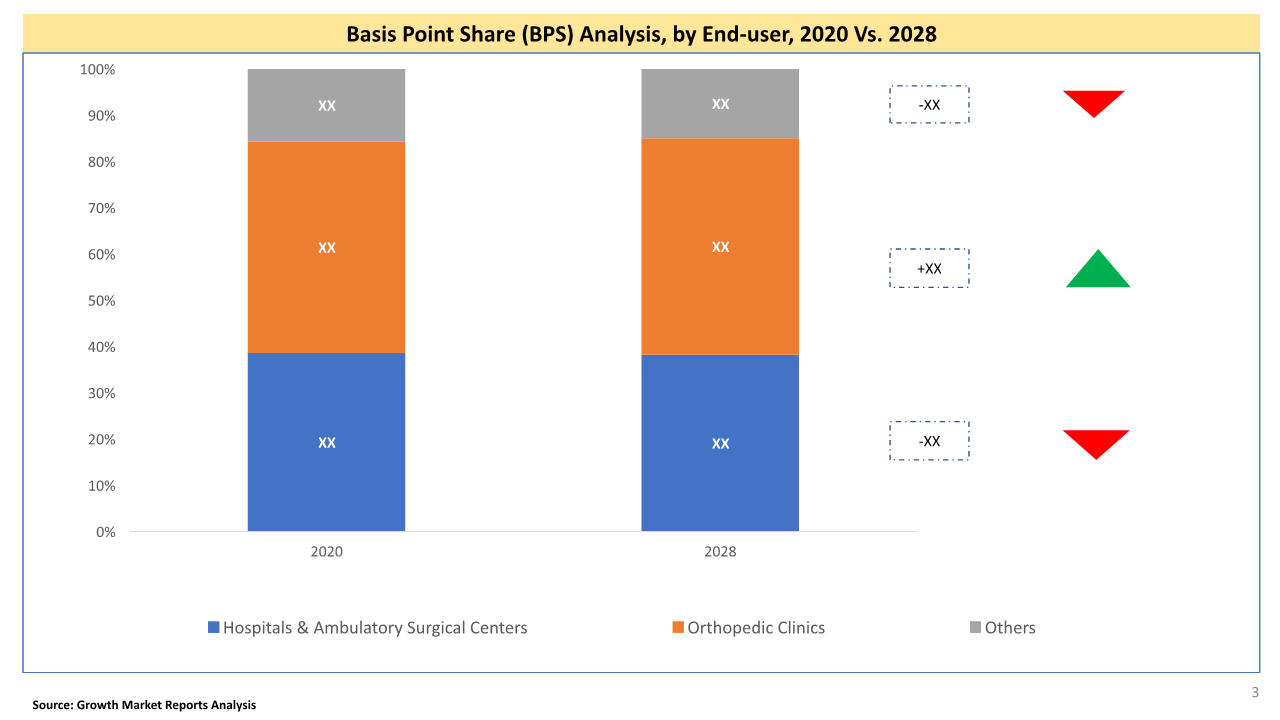
Hospitals & Ambulatory Surgical Centers, and Orthopedic Clinics are the major end-users of Hip and Knee Replacement market.

The global Hip and Knee Replacement Market was negatively impacted by the covid-19, owing to the disruption in the supply chain and a large number of cases of hip & knee replacement were canceled due to the COVID-19 outbreak, which results in economic losses for healthcare organizations and had a substantial impact on patients.
Increased prevalence of partial replacement surgeries, growing elderly population, rising prevalence of osteoarthritis & growing cases of orthopedic injury, and increased occurrence of obesity rates are the factors anticipated to drive the market growth during the forecast period.
Factors such as competitive strength and market positioning are key areas considered while selecting top companies to be profiled.
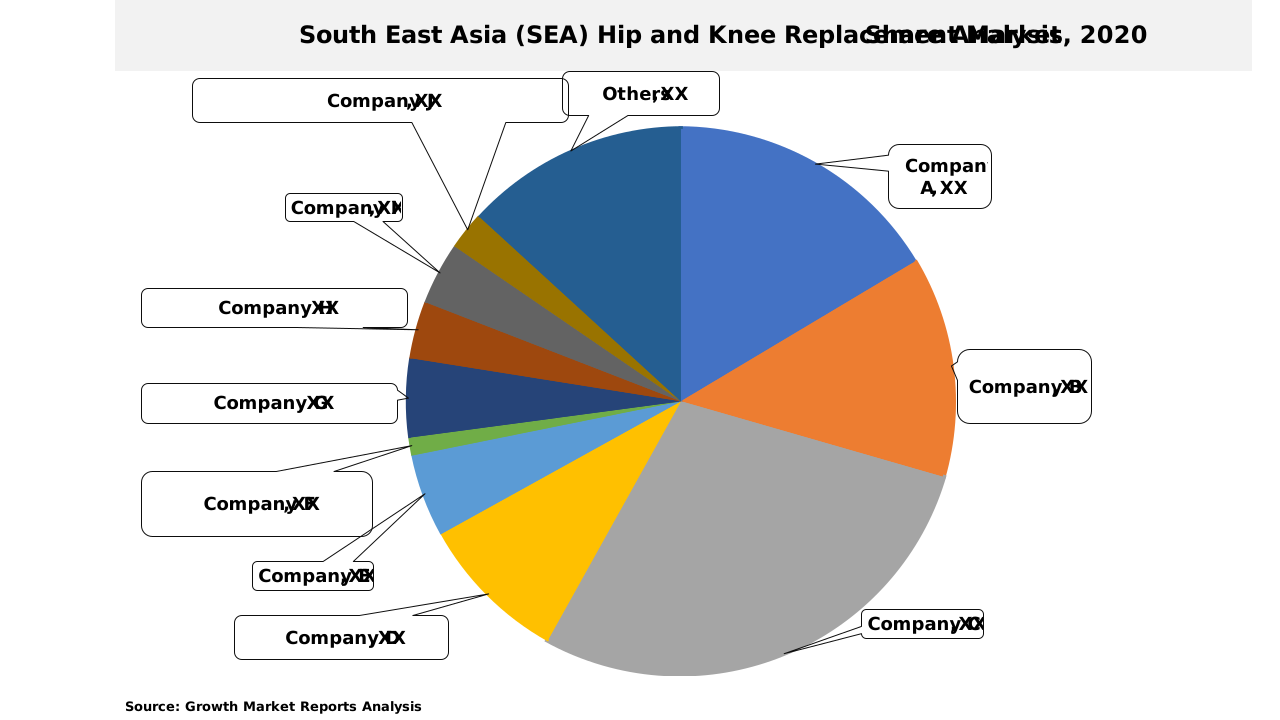
In addition to market size (in US$ Million), Company Market Share (in % for the base year 2020), pricing analysis, the impact of key regulations, reimbursement outlook, pipeline analysis, competitor activity, and value chain analysis.
According to this Growth Market Reports report, the Hip and Knee Replacement Market is likely to register a CAGR of 4.2% during the forecast period 2020-2028, with a projected valuation of USD 466.8 million by the end of 2028.
Additional company profiles can be provided on request