Segments - by Product Type (Oils, Tinctures, Capsules, Topicals, Edibles, Others), by Application (Pharmaceuticals, Personal Care & Cosmetics, Food & Beverages, Nutraceuticals, Others), by Distribution Channel (Online Stores, Retail Pharmacies, Health & Wellness Stores, Others), by Source (Organic, Conventional)
According to our latest research, the global hemp cannabidiol (CBD) market size was valued at USD 7.6 billion in 2024, demonstrating robust growth momentum. The market is set to expand at a remarkable CAGR of 22.8% from 2025 to 2033, reaching an estimated value of USD 60.7 billion by 2033. This exceptional growth trajectory is primarily driven by increasing consumer acceptance of CBD-based products, expanding legalization across various countries, and a surge in demand for natural wellness solutions. As per our latest research, the marketÂ’s rapid expansion is underpinned by the convergence of evolving regulatory landscapes, rising awareness about the therapeutic benefits of CBD, and the proliferation of innovative product offerings targeting diverse end-use segments.
A significant growth factor for the hemp cannabidiol (CBD) market is the broadening scope of its applications in the healthcare and wellness sectors. The growing body of clinical evidence supporting the efficacy of CBD in managing conditions such as chronic pain, anxiety, epilepsy, and inflammation has led to greater acceptance among healthcare practitioners and consumers alike. Pharmaceutical companies are increasingly incorporating CBD into drug formulations, while nutraceutical manufacturers are leveraging its purported health benefits to develop supplements and functional foods. Furthermore, the shift toward preventive healthcare and the preference for plant-based, holistic remedies have catalyzed the adoption of CBD-infused products, thereby fueling market expansion.
Another pivotal factor propelling market growth is the dynamic evolution of the regulatory framework governing hemp-derived CBD. In North America and Europe, progressive policy reforms have led to the legalization of hemp cultivation and the commercialization of CBD products, fostering a conducive environment for investment and innovation. The relaxation of stringent regulations has facilitated the entry of new market players, driving competition and encouraging the development of a wide array of product formats, including oils, tinctures, edibles, and topicals. As regulatory clarity continues to improve in emerging markets, such as Asia Pacific and Latin America, the global footprint of the hemp CBD industry is poised to expand further.
Innovations in product development and distribution channels are also instrumental in shaping the future of the hemp cannabidiol (CBD) market. Companies are investing heavily in research and development to create novel formulations with enhanced bioavailability, targeted efficacy, and improved sensory profiles. The integration of CBD into mainstream consumer products, such as beverages, cosmetics, and personal care items, has broadened its appeal to a wider demographic. Simultaneously, the rise of e-commerce and direct-to-consumer sales platforms has made CBD products more accessible, enabling brands to reach new customer segments and build lasting relationships through digital engagement strategies.
Cannabidiol, commonly known as CBD, has garnered significant attention for its potential therapeutic benefits, which extend beyond the traditional applications in healthcare and wellness. As scientific research continues to uncover the diverse pharmacological properties of Cannabidiol, it is increasingly being explored for its role in neuroprotection, anti-inflammatory effects, and even as an adjunct in cancer treatment. This expanding body of evidence is not only enhancing the credibility of CBD among medical professionals but also driving consumer interest in exploring its benefits for a variety of health conditions. The integration of Cannabidiol into mainstream medicine and wellness practices is expected to further accelerate as regulatory frameworks become more accommodating and public awareness grows.
From a regional perspective, North America currently dominates the global hemp CBD market, accounting for the largest revenue share in 2024, followed closely by Europe. The Asia Pacific region is witnessing the fastest growth, driven by rising consumer awareness, increasing disposable incomes, and gradual regulatory liberalization. Latin America and the Middle East & Africa are also emerging as promising markets, albeit at a slower pace, as governments and regulatory bodies begin to recognize the economic and therapeutic potential of hemp-derived CBD. The interplay of these regional dynamics is expected to shape the competitive landscape and growth trajectory of the market over the forecast period.
The hemp cannabidiol (CBD) market is segmented by product type into oils, tinctures, capsules, topicals, edibles, and others. Among these, CBD oils continue to hold the largest market share due to their versatility, ease of use, and rapid absorption characteristics. Oils are widely used in both therapeutic and wellness applications, ranging from sublingual administration to incorporation into food and beverages. The demand for CBD oils is further supported by their adaptability for custom dosing, making them a preferred choice for individuals seeking precise control over their CBD intake. Additionally, the growing trend of self-care and holistic health has led to increased consumer interest in high-quality, full-spectrum and broad-spectrum CBD oils, which are perceived as more effective due to the entourage effect.
Tinctures represent another significant segment within the product landscape, offering a convenient and discreet method of consumption. Unlike oils, tinctures are alcohol-based extracts that can be easily added to foods or beverages, appealing to consumers who prefer a milder taste profile. The rising popularity of flavored and fortified tinctures has broadened their appeal, particularly among younger demographics and first-time users. Manufacturers are innovating with novel delivery systems, such as nanoemulsions and water-soluble formulations, to enhance the bioavailability and onset of action of CBD tinctures, further driving their adoption in both health and wellness markets.
Capsules are gaining traction as a preferred format for consumers seeking standardized dosing and ease of use. The pharmaceutical-like presentation of CBD capsules caters to individuals who prioritize convenience and discretion, especially for daily supplementation or therapeutic regimens. Capsules are also favored for their portability and lack of taste, addressing the needs of consumers who may be sensitive to the natural flavor of hemp extracts. The segment is witnessing robust growth as manufacturers introduce advanced formulations, such as time-release and targeted delivery capsules, to address specific health concerns and enhance the overall user experience.
Topicals and edibles are rapidly emerging as high-growth segments within the hemp cannabidiol (CBD) market. Topical products, including creams, balms, salves, and transdermal patches, are increasingly used for localized relief of pain, inflammation, and skin conditions. The integration of CBD into personal care and cosmetic products has opened new avenues for market expansion, with consumers seeking natural alternatives for skincare and wellness. Edibles, such as gummies, chocolates, beverages, and baked goods, have gained immense popularity due to their palatable flavors and convenient consumption formats. The edibles segment is particularly attractive to new users and those seeking a discreet and enjoyable way to incorporate CBD into their daily routines.
Other product types, including vape products, pet care items, and specialty formulations, contribute to the diversification of the market. The ongoing innovation in product development, coupled with strategic marketing and branding initiatives, is expected to further drive the growth and segmentation of the hemp CBD product landscape over the forecast period.
The CBD Pet segment is emerging as a noteworthy area of growth within the hemp cannabidiol market, driven by pet owners seeking natural and holistic solutions for their animals' health and wellness. CBD products for pets, such as tinctures, treats, and topical applications, are gaining popularity for their potential to alleviate anxiety, pain, and inflammation in animals. As more pet owners become aware of the benefits of CBD for their furry companions, the demand for high-quality, veterinarian-approved CBD Pet products is on the rise. This trend is further supported by ongoing research and anecdotal evidence highlighting the positive impacts of CBD on pet health, positioning the segment for robust growth in the coming years.
| Attributes | Details |
| Report Title | Hemp Cannabidiol Market Research Report 2033 |
| By Product Type | Oils, Tinctures, Capsules, Topicals, Edibles, Others |
| By Application | Pharmaceuticals, Personal Care & Cosmetics, Food & Beverages, Nutraceuticals, Others |
| By Distribution Channel | Online Stores, Retail Pharmacies, Health & Wellness Stores, Others |
| By Source | Organic, Conventional |
| Regions Covered | North America, Europe, APAC, Latin America, MEA |
| Base Year | 2024 |
| Historic Data | 2018-2023 |
| Forecast Period | 2025-2033 |
| Number of Pages | 279 |
| Number of Tables & Figures | 255 |
| Customization Available | Yes, the report can be customized as per your need. |
The application spectrum of the hemp cannabidiol (CBD) market is broad, encompassing pharmaceuticals, personal care & cosmetics, food & beverages, nutraceuticals, and other emerging uses. Pharmaceuticals represent a key application area, driven by the increasing incorporation of CBD into prescription and over-the-counter medications for conditions such as epilepsy, chronic pain, anxiety, and sleep disorders. The approval of CBD-based drugs by regulatory authorities, such as the US FDAÂ’s approval of Epidiolex for epilepsy, has legitimized the therapeutic potential of CBD and encouraged further research and development in this domain. Pharmaceutical applications are expected to witness sustained growth as clinical evidence continues to mount and regulatory pathways become more defined.
The personal care and cosmetics segment is experiencing exponential growth as consumers seek natural, plant-based ingredients for skincare, haircare, and wellness products. CBDÂ’s anti-inflammatory, antioxidant, and soothing properties make it an attractive ingredient for addressing a range of skin concerns, from acne and eczema to aging and sensitivity. Major cosmetic brands are launching CBD-infused product lines, leveraging the ingredientÂ’s wellness appeal and aligning with the clean beauty movement. The segment is further buoyed by the rising popularity of self-care rituals and the growing demand for premium, functional beauty products that deliver both cosmetic and therapeutic benefits.
In the food and beverages sector, the integration of CBD is revolutionizing product innovation and consumer experiences. CBD-infused beverages, snacks, and functional foods are gaining traction among health-conscious consumers seeking relaxation, stress relief, and overall well-being. The segment is characterized by a proliferation of product launches, ranging from sparkling waters and teas to protein bars and gourmet chocolates. Regulatory developments play a crucial role in shaping the growth of this segment, with varying levels of acceptance and oversight across different markets. As regulations evolve and consumer education improves, the food and beverages application is expected to become a major driver of market expansion.
Nutraceuticals represent another high-growth application area, with CBD being incorporated into dietary supplements, wellness capsules, and functional blends targeting specific health outcomes. The demand for preventive healthcare solutions and the preference for natural, non-pharmaceutical interventions are fueling the adoption of CBD-based nutraceuticals. Companies are investing in clinical research to substantiate health claims and differentiate their offerings, while consumers increasingly seek transparency and quality assurance in product sourcing and formulation. The nutraceutical segment is poised for continued growth as scientific understanding of CBDÂ’s health benefits deepens and consumer trust in the category strengthens.
Other applications, including pet care, sports recovery, and wellness tourism, are emerging as niche but promising segments within the hemp cannabidiol (CBD) market. The versatility of CBD and its ability to address a wide array of health and wellness needs position it as a transformative ingredient across diverse industries and consumer demographics.
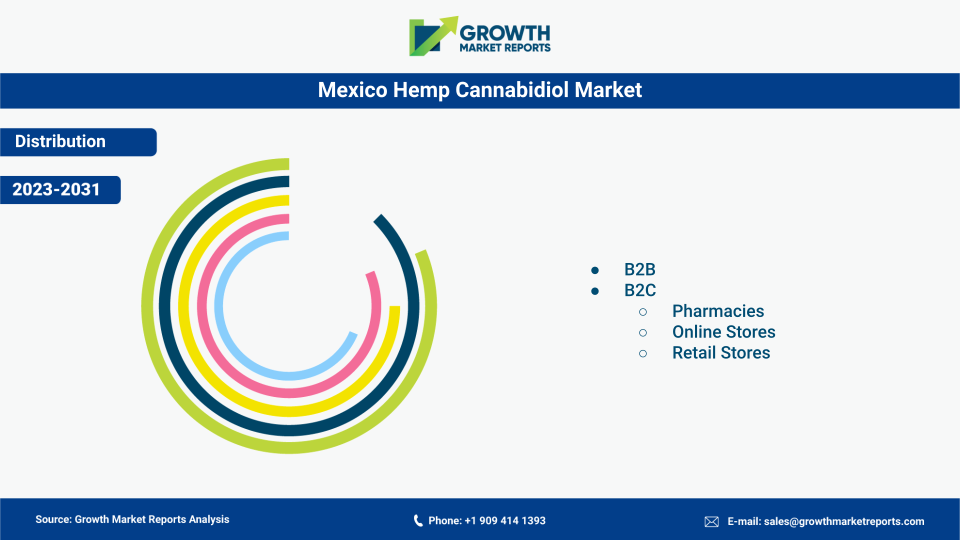
The distribution landscape for the hemp cannabidiol (CBD) market is evolving rapidly, with online stores, retail pharmacies, health & wellness stores, and other channels playing pivotal roles in product accessibility and consumer engagement. Online stores have emerged as the dominant distribution channel, accounting for the largest share of global sales in 2024. The convenience, privacy, and extensive product selection offered by e-commerce platforms have made them the preferred choice for consumers seeking CBD products. Digital marketplaces enable brands to reach a broader audience, provide detailed product information, and facilitate direct-to-consumer sales, which are critical for building brand loyalty and trust in a competitive market.
Retail pharmacies represent a significant distribution channel, particularly in regions where CBD products are regulated as over-the-counter or prescription medications. Pharmacies offer a trusted environment for consumers to access high-quality, lab-tested CBD products, often with the guidance of healthcare professionals. The integration of CBD products into mainstream pharmacy chains has helped normalize their use and expand their reach to a wider demographic. As regulatory frameworks continue to evolve, the role of pharmacies in the distribution of CBD products is expected to grow, particularly for pharmaceutical and therapeutic applications.
Health & wellness stores, including specialty retailers and natural food outlets, are key players in the distribution of CBD products for wellness and lifestyle applications. These stores cater to health-conscious consumers seeking natural, organic, and premium products, and often provide personalized recommendations and educational resources. The in-store experience, combined with knowledgeable staff and curated product assortments, enhances consumer confidence and drives repeat purchases. The expansion of health & wellness retail chains, both brick-and-mortar and online, is contributing to the growth of this distribution channel.
Other distribution channels, such as convenience stores, supermarkets, and specialty boutiques, are gradually incorporating CBD products into their offerings as consumer demand increases. These channels provide additional touchpoints for product discovery and impulse purchases, particularly for edibles, beverages, and personal care items. The diversification of distribution channels is enabling brands to reach new consumer segments and adapt to evolving shopping behaviors, thereby driving overall market growth.
The interplay between digital and physical retail strategies is shaping the future of the hemp cannabidiol (CBD) market distribution landscape. Companies are leveraging omnichannel approaches to enhance customer engagement, streamline supply chains, and ensure consistent product quality across all touchpoints. As consumer preferences and regulatory environments continue to evolve, the optimization of distribution strategies will be critical for sustained market success.
The hemp cannabidiol (CBD) market is segmented by source into organic and conventional CBD, each with distinct production methods, quality attributes, and consumer appeal. Organic CBD, derived from hemp cultivated without synthetic pesticides, herbicides, or genetically modified organisms, is gaining traction among environmentally conscious consumers and those seeking clean-label products. The demand for organic CBD is driven by growing awareness of the potential health and environmental impacts of conventional agriculture, as well as the premium positioning of organic products in the wellness market. Certification by recognized organic standards bodies enhances consumer trust and enables brands to command higher price points.
Conventional CBD, produced from hemp grown using standard agricultural practices, remains the dominant source in terms of volume and accessibility. Conventional cultivation methods enable large-scale production and cost efficiencies, making CBD products more affordable and widely available. The segment is characterized by a diverse range of product offerings, from entry-level to premium formulations, catering to a broad spectrum of consumer needs and preferences. Advances in cultivation, extraction, and quality control technologies are enabling conventional CBD producers to improve product consistency, safety, and efficacy, thereby maintaining their competitive edge in the market.
The choice between organic and conventional CBD is influenced by factors such as price sensitivity, product positioning, regulatory requirements, and target consumer segments. While organic CBD appeals to health-conscious and environmentally aware consumers willing to pay a premium for perceived purity and sustainability, conventional CBD offers greater accessibility and value for money. The coexistence of both segments provides consumers with a wide range of options, supporting the overall growth and diversification of the hemp cannabidiol (CBD) market.
The ongoing trend toward transparency, traceability, and sustainability is expected to drive further growth in the organic CBD segment. Brands are investing in certifications, third-party testing, and supply chain transparency to differentiate their offerings and build consumer trust. As consumer education and awareness continue to improve, the demand for high-quality, ethically sourced CBD products is likely to rise, benefiting both organic and conventional producers who prioritize quality and integrity.
The interplay between organic and conventional sourcing strategies is shaping the competitive dynamics and growth opportunities within the hemp cannabidiol (CBD) market. Companies that can effectively balance cost, quality, and sustainability considerations are well-positioned to capture market share and drive long-term success in this rapidly evolving industry.
The hemp cannabidiol (CBD) market presents significant opportunities for innovation and expansion, particularly as regulatory frameworks evolve and consumer awareness grows. One of the most promising opportunities lies in the development of novel product formulations and delivery systems that enhance the bioavailability, efficacy, and sensory appeal of CBD products. Companies are investing in research and development to create water-soluble, nanoemulsified, and targeted delivery formats that address specific health and wellness needs. The integration of CBD into mainstream consumer products, such as functional foods, beverages, and cosmetics, offers brands the chance to tap into new market segments and drive incremental growth. Additionally, the expansion of CBD applications into emerging areas such as sports recovery, pet care, and wellness tourism presents untapped potential for market diversification and revenue generation.
Another key opportunity is the globalization of the hemp cannabidiol (CBD) market, as regulatory barriers continue to fall and international trade in hemp-derived products expands. Companies that can navigate complex regulatory environments, establish robust supply chains, and build strong brand equity in new markets are well-positioned to capitalize on the growing demand for CBD worldwide. Strategic partnerships, mergers and acquisitions, and cross-border collaborations are facilitating market entry and expansion, enabling brands to leverage local expertise and distribution networks. The rise of e-commerce and digital marketing is further accelerating the globalization of the CBD industry, allowing brands to reach consumers in regions where traditional retail channels may be underdeveloped or restricted.
Despite the numerous opportunities, the hemp cannabidiol (CBD) market faces several restraining factors, chief among them being the ongoing regulatory uncertainty and variability across different jurisdictions. The lack of harmonized standards for product quality, safety, labeling, and marketing creates challenges for manufacturers, distributors, and consumers alike. Regulatory ambiguity can lead to market fragmentation, supply chain disruptions, and increased compliance costs, hindering the pace of market growth. Additionally, concerns about product mislabeling, contamination, and inconsistent potency have prompted calls for stricter oversight and enforcement, which could impact market dynamics and consumer confidence. Companies operating in the CBD space must remain agile and proactive in navigating these regulatory challenges to ensure sustained growth and market leadership.
North America commands the largest share of the hemp cannabidiol (CBD) market, with a market value of USD 3.8 billion in 2024, accounting for nearly half of global revenues. The regionÂ’s dominance is underpinned by progressive regulatory reforms, high consumer awareness, and the presence of leading market players. The United States, in particular, has emerged as a hub for CBD innovation, with a vibrant ecosystem of startups, established brands, and research institutions driving product development and commercialization. CanadaÂ’s federal legalization of cannabis has further bolstered market growth, enabling the development of a robust supply chain and export opportunities. The North American market is expected to maintain its leadership position over the forecast period, supported by ongoing regulatory advancements and expanding consumer acceptance.
Europe represents the second-largest regional market, with a value of USD 2.1 billion in 2024 and a projected CAGR of 21.2% through 2033. The regionÂ’s growth is driven by increasing legalization of hemp cultivation, rising demand for natural health and wellness products, and supportive regulatory frameworks in key markets such as the UK, Germany, and Switzerland. The European market is characterized by a strong emphasis on product quality, safety, and transparency, with stringent regulations governing labeling, claims, and marketing. The emergence of novel food regulations and the approval of CBD as a novel ingredient in certain countries are expected to further stimulate market expansion and innovation in the coming years.
The Asia Pacific region is poised for the fastest growth, with a market value of USD 1.1 billion in 2024 and a projected CAGR exceeding 27% through 2033. The regionÂ’s rapid expansion is fueled by rising consumer awareness, increasing disposable incomes, and gradual regulatory liberalization in countries such as China, Japan, South Korea, and Australia. The adoption of CBD products in traditional medicine, wellness, and personal care applications is gaining momentum, supported by a growing body of scientific research and government initiatives to promote the hemp industry. Latin America and the Middle East & Africa are also emerging as promising markets, with a combined value of USD 0.6 billion in 2024, as governments and regulatory bodies begin to recognize the economic and therapeutic potential of hemp-derived CBD. The interplay of these regional dynamics is expected to shape the competitive landscape and growth trajectory of the market over the forecast period.
The hemp cannabidiol (CBD) market is characterized by intense competition, with a diverse mix of established players, emerging startups, and multinational corporations vying for market share. The competitive landscape is shaped by factors such as product innovation, quality assurance, branding, distribution reach, and regulatory compliance. Leading companies are investing heavily in research and development to create differentiated products with enhanced efficacy, safety, and consumer appeal. Strategic partnerships, mergers and acquisitions, and vertical integration are common strategies employed to strengthen market positioning, expand product portfolios, and access new markets. The ability to navigate complex regulatory environments and build strong relationships with stakeholders across the value chain is critical for sustained competitive advantage.
Branding and consumer engagement are key differentiators in the hemp cannabidiol (CBD) market, with companies leveraging digital marketing, influencer partnerships, and educational initiatives to build trust and loyalty among consumers. Transparency, traceability, and third-party testing are increasingly important as consumers demand assurance of product quality, safety, and ethical sourcing. Companies that prioritize sustainability, corporate social responsibility, and community engagement are well-positioned to capture the loyalty of values-driven consumers and differentiate themselves in a crowded marketplace. The rise of private label and white-label manufacturing has also enabled retailers and new entrants to quickly establish a presence in the market, intensifying competition and driving innovation.
The competitive landscape is further shaped by the entry of multinational corporations from the pharmaceutical, food and beverage, and personal care industries, who bring significant resources, expertise, and distribution capabilities to the market. These players are leveraging their global reach and brand equity to accelerate the commercialization of CBD products and drive industry consolidation. The influx of investment from venture capital, private equity, and institutional investors is fueling growth and innovation, enabling companies to scale operations, expand product lines, and enter new markets. The ongoing evolution of the competitive landscape is expected to drive further consolidation, innovation, and value creation in the hemp cannabidiol (CBD) market.
Some of the major companies operating in the hemp cannabidiol (CBD) market include CharlotteÂ’s Web Holdings, Inc., CV Sciences, Inc., Medical Marijuana, Inc., Elixinol Global Limited, Canopy Growth Corporation, Aurora Cannabis Inc., Endoca, Green Roads, and Medterra. CharlotteÂ’s Web Holdings is renowned for its high-quality, full-spectrum CBD products and strong presence in the North American market. CV Sciences has established itself as a leader in both consumer and pharmaceutical CBD segments, leveraging robust research and development capabilities. Canopy Growth and Aurora Cannabis are major players with diversified portfolios spanning medical, wellness, and recreational cannabis products, supported by extensive distribution networks and strategic partnerships.
Elixinol Global and Endoca are recognized for their commitment to organic, sustainably sourced CBD products and rigorous quality assurance standards. Green Roads and Medterra have built strong brand equity through innovative product offerings, transparent labeling, and consumer education initiatives. Medical Marijuana, Inc. is a pioneer in the industry, with a broad portfolio of CBD and hemp-derived products targeting health, wellness, and nutraceutical markets. These companies, along with a growing number of regional and niche players, are driving the evolution of the hemp cannabidiol (CBD) market through continuous innovation, investment, and strategic expansion.
The Hemp Cannabidiol market has been segmented on the basis of
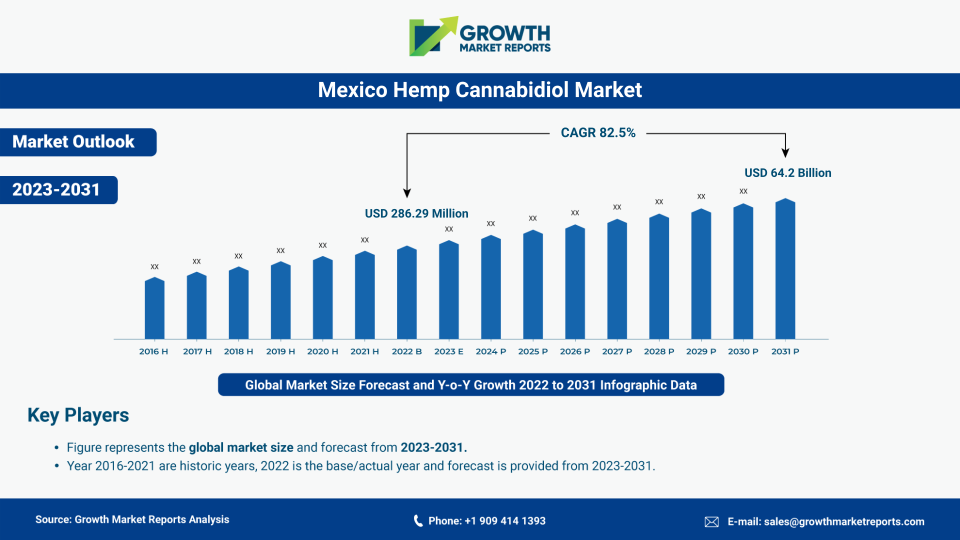
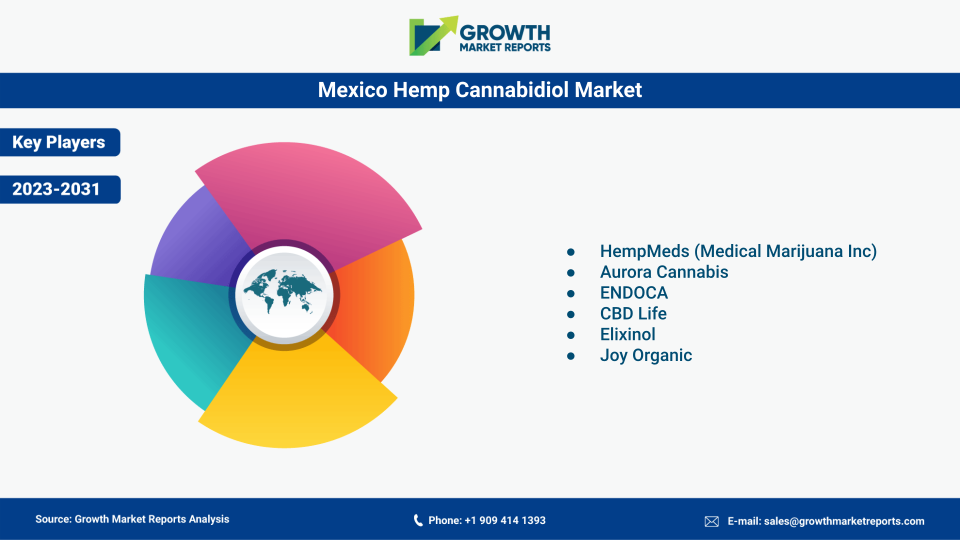
Major players competing in the Mexico hemp cannabidiol market are HempMeds (Medical Marijuana Inc); Aurora Cannabis; ENDOCA; CBD Life; Elixinol; and Joy Organics. These market players are involved in several business strategies such as mergers, acquisitions partnerships, collaborations, capacity expansion, and product launches to enhance their market shares.
For Instance, ENDOCA signed a partnership with Tough Mudder Inc in 2019. Tough Mudder is a lifestyle, media and events company serving sports events for obstacle courses providing in countries including Canada, Germany, United Kingdom, and the United States of America. Through this deal, Tough Mudder becomes ENDOCA’s CBD sponsor and partner for CBD products.
Opportunities include developing innovative product formulations, expanding into new applications like sports recovery and pet care, global market expansion as regulations evolve, and leveraging e-commerce and digital marketing for broader reach.
Major challenges include regulatory uncertainty and variability, lack of harmonized quality standards, concerns about product mislabeling and contamination, and the need for stricter oversight.
Key companies include Charlotte’s Web Holdings, CV Sciences, Medical Marijuana, Inc., Elixinol Global, Canopy Growth Corporation, Aurora Cannabis, Endoca, Green Roads, Medterra, and others.
North America is the largest market, followed by Europe. Asia Pacific is the fastest-growing region, with Latin America and the Middle East & Africa also emerging as promising markets.
Organic CBD is derived from hemp grown without synthetic pesticides or GMOs and appeals to health-conscious consumers, while conventional CBD is produced using standard agricultural methods, offering greater affordability and accessibility.
Online stores are the leading distribution channel, followed by retail pharmacies, health & wellness stores, and other outlets like supermarkets and specialty boutiques.
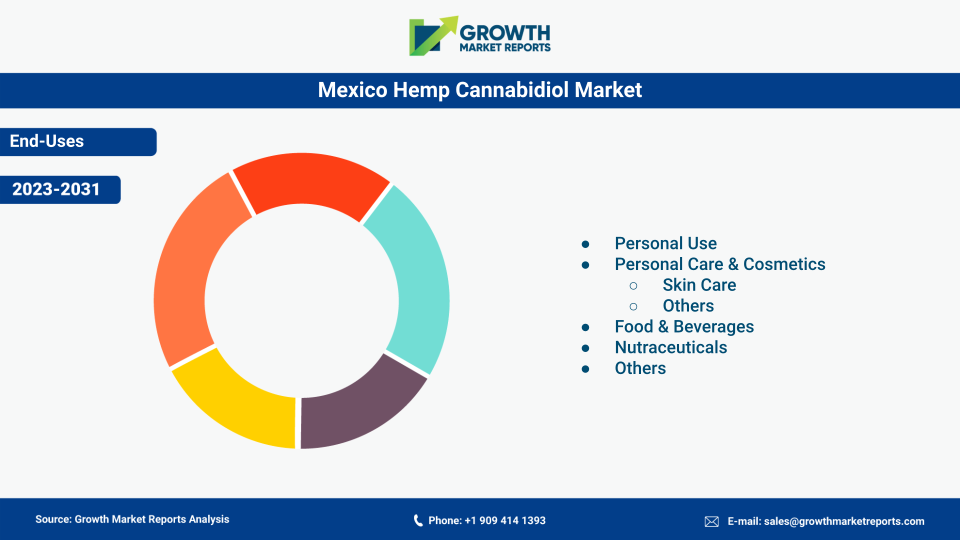
Hemp CBD is used in pharmaceuticals, personal care & cosmetics, food & beverages, nutraceuticals, and emerging areas such as pet care and sports recovery.
CBD oils hold the largest market share due to their versatility and ease of use, followed by tinctures, capsules, topicals, edibles, and other specialty products such as vape items and pet care products.
Key growth drivers include increasing consumer acceptance of CBD products, expanding legalization across various countries, rising awareness of CBD’s therapeutic benefits, and ongoing innovation in product offerings and distribution channels.
The global hemp cannabidiol (CBD) market was valued at USD 7.6 billion in 2024 and is expected to grow at a CAGR of 22.8% from 2025 to 2033, reaching an estimated USD 60.7 billion by 2033.