Segments - by Product Type (Shampoo, Conditioner, Hair Oil, Hair Colorants, Hair Styling Products, Others), by Distribution Channel (Supermarkets/Hypermarkets, Specialty Stores, Online Stores, Pharmacies/Drug Stores, Others), by End User (Men, Women, Children)
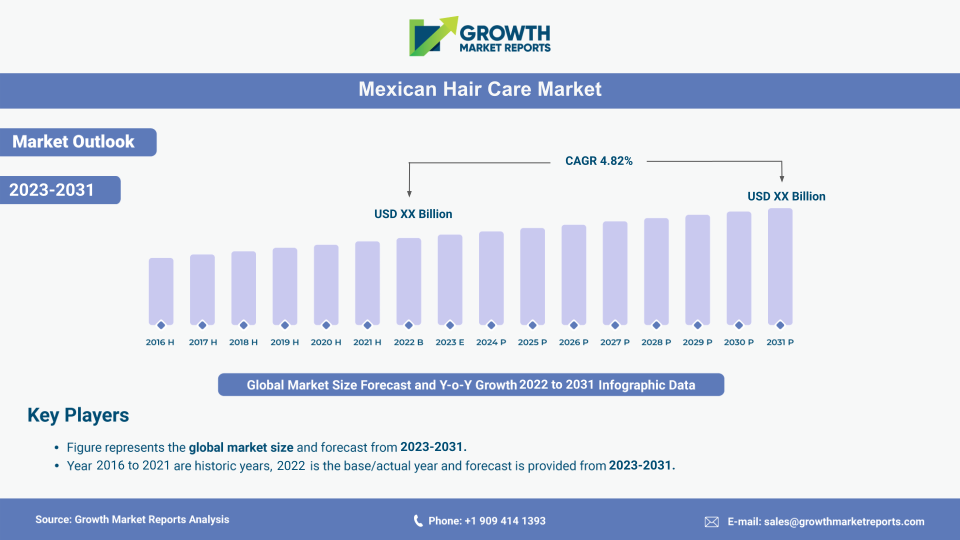
According to our latest research, the global hair care market size reached USD 91.8 billion in 2024, reflecting robust demand across diverse consumer segments. The market is expected to expand at a CAGR of 6.2% from 2025 to 2033, with the forecasted market value projected to reach USD 157.8 billion by 2033. This impressive growth trajectory is driven by factors such as rising consumer awareness regarding hair health, increasing urbanization, and a surge in product innovation tailored to specific hair types and concerns.
One of the primary growth drivers for the hair care market is the rising emphasis on personal grooming and appearance among consumers globally. With the proliferation of social media and the influence of beauty bloggers and celebrities, consumers are increasingly seeking advanced hair care solutions that address issues like hair fall, dandruff, greying, and scalp health. This heightened awareness has propelled demand for both basic and specialized hair care products, including shampoos, conditioners, hair oils, and styling products. Furthermore, the growing trend of premiumization, where consumers are willing to pay more for high-quality, natural, and organic ingredients, has spurred innovation and competition among brands, leading to a broader array of product offerings.
Additionally, demographic shifts are contributing significantly to market expansion. The increasing working population, particularly women, has led to greater disposable income and a higher propensity to spend on personal care products. Urbanization, coupled with changing lifestyles, has resulted in increased exposure to pollution and environmental stressors, which, in turn, has fueled demand for hair care solutions that offer repair, protection, and nourishment. Moreover, the aging population in developed regions is driving demand for products targeting hair thinning and greying, while younger consumers are increasingly experimenting with hair colorants and styling products, further diversifying the market landscape.
Another notable growth factor is the rapid advancement in product formulation and technology. Manufacturers are investing heavily in research and development to introduce innovative ingredients, such as plant-based extracts, vitamins, and proteins, that address specific hair concerns. The integration of advanced technologies, such as nanotechnology and microencapsulation, has enhanced product efficacy and consumer satisfaction. Furthermore, the rise of e-commerce and digital marketing has made it easier for brands to reach a wider audience, personalize recommendations, and respond swiftly to evolving consumer preferences. These advancements have collectively contributed to the sustained growth and dynamism of the global hair care market.
As the hair care industry continues to grow, manufacturers are increasingly aware of the importance of protecting their businesses from potential liabilities. Haircare Products Manufacturer Liability Insurance has become a crucial consideration for companies in this sector. This type of insurance provides coverage against claims related to product defects, which can lead to consumer injuries or damages. With the rise in consumer awareness and the demand for safe and effective hair care products, manufacturers are under pressure to ensure their products meet high safety standards. Liability insurance not only offers financial protection but also helps maintain a company's reputation by demonstrating a commitment to consumer safety and quality assurance.
From a regional perspective, Asia Pacific continues to dominate the global hair care market, accounting for the largest share in 2024. This dominance is attributed to the regionÂ’s large population base, increasing disposable incomes, and deep-rooted cultural emphasis on hair care. North America and Europe follow closely, driven by high product innovation, premiumization, and an established retail infrastructure. Meanwhile, emerging markets in Latin America and the Middle East & Africa are witnessing significant growth, propelled by rising urbanization, changing lifestyles, and increasing awareness of personal care. Regional trends are further shaped by local preferences, hair types, and cultural practices, making the global hair care market highly diverse and dynamic.
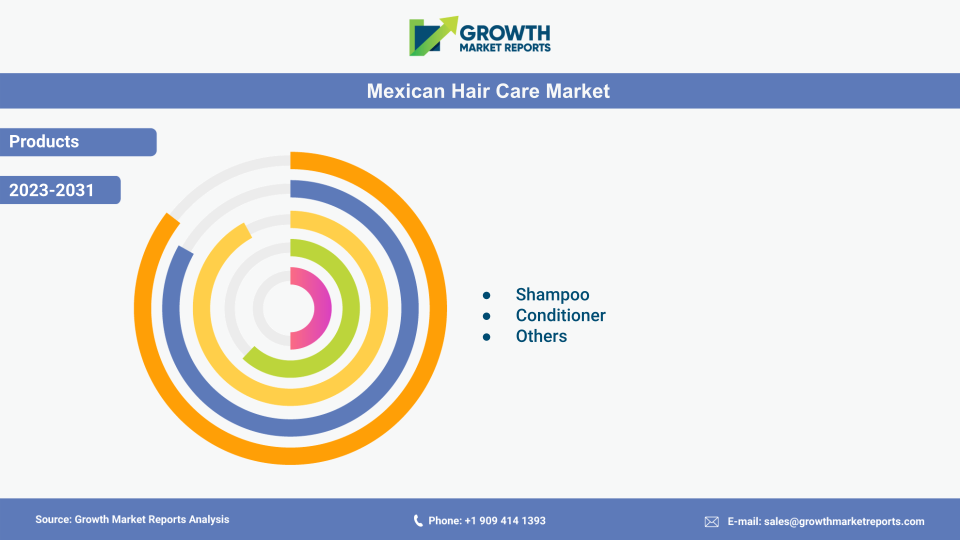
The hair care market is segmented by product type into shampoo, conditioner, hair oil, hair colorants, hair styling products, and others. Shampoo remains the most widely used hair care product worldwide, accounting for a significant portion of market revenue in 2024. The consistent demand for shampoos is driven by their essential role in maintaining scalp hygiene and addressing concerns such as dandruff, hair fall, and dryness. Innovations such as sulfate-free, anti-hair fall, and medicated shampoos have further expanded the segment, catering to diverse consumer needs. Additionally, the introduction of organic and herbal shampoos has attracted health-conscious consumers seeking safer and more sustainable alternatives.
Conditioners have witnessed robust growth, particularly among consumers seeking enhanced hair manageability, moisture, and protection against environmental damage. The rising trend of multi-step hair care routines, inspired by K-beauty and other global beauty movements, has contributed to the increased adoption of conditioners as an integral part of daily hair care. Product differentiation through targeted formulations for color-treated, curly, or damaged hair has also played a pivotal role in segment expansion. Furthermore, leave-in and deep-conditioning treatments are gaining traction as consumers seek salon-like results at home.
Hair oils remain a staple in many cultures, particularly in Asia Pacific and the Middle East, where traditional oiling practices are deeply entrenched. The segment is experiencing renewed interest due to the growing popularity of natural and organic oils, such as argan, coconut, and jojoba oil, which are perceived as effective solutions for nourishing and strengthening hair. Manufacturers are leveraging this trend by introducing innovative blends and lightweight formulations that cater to modern lifestyles, thus expanding the appeal of hair oils beyond traditional markets.
Hair colorants and hair styling products are witnessing significant growth, driven by increasing experimentation among younger consumers and the influence of fashion trends. Hair colorants are no longer limited to covering grey hair but are now used for self-expression, with vibrant and unconventional shades gaining popularity. The rise of temporary and semi-permanent color products has further democratized hair coloring, making it accessible to a broader audience. Similarly, hair styling products, including gels, sprays, and creams, are seeing increased demand as consumers seek to achieve diverse looks, from sleek and polished to voluminous and textured. The "others" category, encompassing specialized treatments and serums, is also growing, reflecting the evolving needs of a sophisticated consumer base.
| Attributes | Details |
| Report Title | Hair Care Market Market Research Report 2033 |
| By Product Type | Shampoo, Conditioner, Hair Oil, Hair Colorants, Hair Styling Products, Others |
| By Distribution Channel | Supermarkets/Hypermarkets, Specialty Stores, Online Stores, Pharmacies/Drug Stores, Others |
| By End User | Men, Women, Children |
| Regions Covered | North America, Europe, APAC, Latin America, MEA |
| Base Year | 2024 |
| Historic Data | 2018-2023 |
| Forecast Period | 2025-2033 |
| Number of Pages | 265 |
| Number of Tables & Figures | 332 |
| Customization Available | Yes, the report can be customized as per your need. |
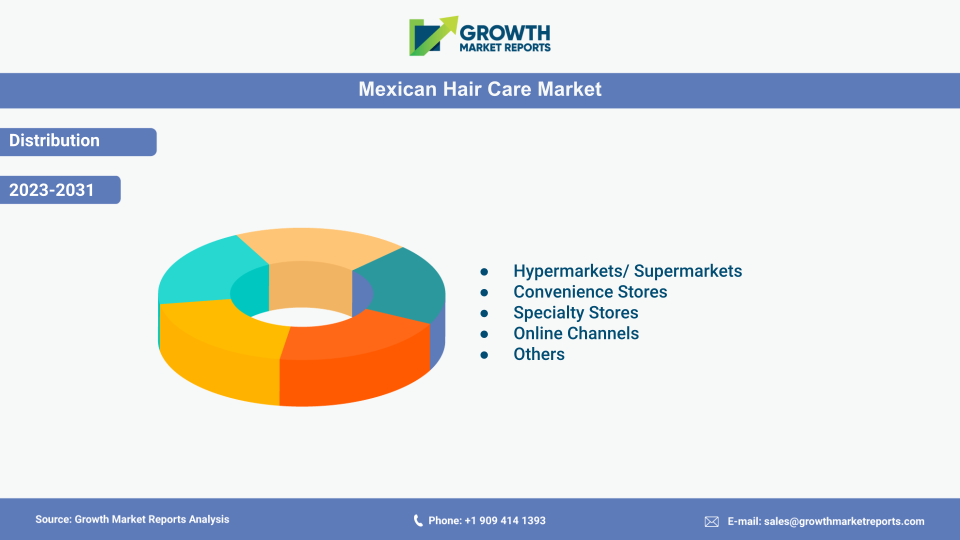
The distribution channel landscape of the hair care market is highly diversified, with supermarkets/hypermarkets leading the way in terms of market share in 2024. These retail formats are favored for their wide product selection, competitive pricing, and convenience, making them a preferred choice for consumers seeking both mass-market and premium hair care products. The strategic placement of hair care brands in high-traffic locations within these stores, coupled with promotional offers and discounts, has further bolstered sales through this channel.
Specialty stores have carved out a significant niche by offering expert advice, personalized recommendations, and exclusive brands not readily available in mainstream retail outlets. These stores cater to discerning consumers who prioritize quality and are willing to invest in premium or professional-grade hair care solutions. The experiential aspect of specialty stores, including in-store consultations and product sampling, has enhanced consumer engagement and loyalty, driving sustained growth in this segment.
Online stores have emerged as a dynamic growth driver, especially in the wake of the COVID-19 pandemic, which accelerated the shift to digital shopping. E-commerce platforms offer unparalleled convenience, a vast product assortment, and the ability to compare prices and read reviews. The rise of direct-to-consumer brands, influencer-driven marketing, and subscription services has further fueled the growth of online sales. Personalization technologies, such as AI-driven recommendations and virtual try-on tools, are enhancing the online shopping experience, making it easier for consumers to find products tailored to their specific hair needs.
Pharmacies and drug stores remain important distribution channels, particularly for medicated and therapeutic hair care products. These outlets are trusted by consumers for their focus on health and wellness, and they often carry dermatologist-recommended or clinically tested brands. The integration of health and beauty sections within pharmacies has expanded their role in the hair care market, bridging the gap between personal care and healthcare. Other channels, including salons and direct selling, continue to play a role, particularly in emerging markets and for professional-grade products.
The hair care market serves a diverse range of end users, segmented into men, women, and children. Women represent the largest consumer group, accounting for the majority of market revenue in 2024. This dominance is attributed to the wide array of products tailored to womenÂ’s hair care needs, including solutions for color-treated, chemically processed, and textured hair. The influence of beauty trends, social media, and celebrity endorsements has heightened awareness and demand for advanced hair care routines among women, driving innovation and product diversification within this segment.
The menÂ’s hair care segment is experiencing rapid growth, fueled by changing perceptions of masculinity and an increasing focus on grooming and self-care. Men are seeking specialized products that address issues such as hair thinning, dandruff, and scalp health, while also embracing styling products that allow for versatility in appearance. The rise of male-focused brands and targeted marketing campaigns has expanded the market, encouraging men to invest in comprehensive hair care regimens beyond basic cleansing.
The childrenÂ’s hair care segment, while smaller in comparison, is gaining momentum as parents become more conscious of the ingredients and safety of products used on their children. Brands are responding by developing gentle, hypoallergenic, and tear-free formulations that cater to the unique needs of young consumers. The segment is further supported by the trend of family-oriented marketing and the introduction of fun, appealing packaging that encourages regular use among children.
Overall, the end user landscape is evolving, with brands increasingly adopting inclusive marketing strategies that recognize the diverse needs of different consumer groups. The growing demand for unisex and gender-neutral products reflects changing societal attitudes and the desire for simplicity and convenience. Additionally, the customization of hair care solutions based on age, hair type, and specific concerns is enhancing consumer satisfaction and loyalty, driving sustained growth across all end user segments.
The hair care market presents substantial opportunities for growth, particularly through innovation and the adoption of sustainable practices. The increasing consumer preference for natural, organic, and eco-friendly products has opened new avenues for brands to differentiate themselves and capture market share. Companies investing in green chemistry, biodegradable packaging, and cruelty-free formulations are well-positioned to attract environmentally conscious consumers. Additionally, the integration of technology, such as AI-driven diagnostics and personalized product recommendations, offers the potential to revolutionize the consumer experience and foster deeper brand loyalty. Emerging markets, with their expanding middle class and rising disposable incomes, represent another significant growth opportunity, as consumers in these regions seek to upgrade from basic to premium hair care solutions.
Digital transformation is another key opportunity area, with e-commerce, social media, and influencer marketing reshaping the way consumers discover, evaluate, and purchase hair care products. Brands that leverage data analytics, customer insights, and digital storytelling can create highly targeted and engaging campaigns that resonate with specific demographics. The rise of subscription models and direct-to-consumer sales channels allows companies to build recurring revenue streams and foster long-term relationships with their customers. Furthermore, collaborations with dermatologists, trichologists, and other experts can enhance product credibility and appeal, particularly in the therapeutic and medicated hair care segments.
Despite these opportunities, the hair care market faces certain restraining factors, including intense competition and price sensitivity. The proliferation of brands and products has made it challenging for companies to achieve differentiation and maintain customer loyalty. Price wars, particularly in mass-market segments, can erode profit margins and limit investment in research and development. Additionally, regulatory challenges related to ingredient safety, labeling, and advertising claims can pose compliance risks and increase operational costs. Economic uncertainties, such as inflation and fluctuating raw material prices, may also impact consumer spending and supply chain stability, posing further challenges to market growth.
The Asia Pacific region leads the global hair care market, with a market size of USD 34.7 billion in 2024. This dominance is driven by the regionÂ’s vast population, rapid urbanization, and deep-rooted cultural practices related to hair care. Countries such as China, India, and Japan are at the forefront, with consumers exhibiting a strong preference for both traditional and modern hair care solutions. The rising middle class, increasing disposable incomes, and growing awareness of personal grooming are fueling demand for a wide range of products, from herbal oils to advanced treatments. The region is projected to maintain a healthy CAGR of 7.1% through 2033, outpacing other regions in terms of growth.
North America follows as the second-largest market, valued at USD 23.5 billion in 2024. The region benefits from high consumer awareness, strong retail infrastructure, and a culture of innovation. Premiumization and the demand for clean, sustainable hair care products are prominent trends, with consumers seeking transparency and efficacy in their purchases. The market is also characterized by a high degree of brand loyalty and the presence of leading multinational companies. The growing popularity of multicultural hair care products, catering to diverse hair types and textures, is further expanding the market landscape in North America.
Europe accounts for a market size of USD 20.1 billion in 2024, with steady growth driven by the adoption of premium and organic hair care products. The regionÂ’s stringent regulatory environment has fostered a focus on product safety and quality, while the influence of fashion and beauty trends continues to shape consumer preferences. Latin America and the Middle East & Africa regions, with market sizes of USD 8.2 billion and USD 5.3 billion respectively in 2024, are emerging as promising markets due to rising urbanization, expanding retail networks, and increasing consumer awareness. These regions present significant growth potential as brands tailor their offerings to local preferences and cultural practices.
The global hair care market is highly competitive, characterized by the presence of both established multinational corporations and a growing number of niche, indie brands. Leading players are continuously investing in research and development to introduce innovative products that cater to evolving consumer needs, such as natural ingredients, advanced formulations, and sustainable packaging. The competitive landscape is further intensified by aggressive marketing strategies, celebrity endorsements, and collaborations with influencers, all aimed at capturing consumer attention and loyalty in an increasingly crowded marketplace. Companies are also leveraging digital platforms to enhance their brand presence and engage directly with consumers, offering personalized recommendations and exclusive online offerings.
In response to changing consumer preferences, many companies are expanding their product portfolios to include organic, vegan, and cruelty-free options. The shift towards clean beauty has prompted established brands to reformulate existing products and launch new lines that address concerns related to ingredient safety and environmental impact. Additionally, the rise of direct-to-consumer brands and subscription-based models is disrupting traditional distribution channels, enabling new entrants to compete effectively with legacy players. These developments have fostered a dynamic and rapidly evolving competitive environment, where innovation and agility are key to sustained success.
Strategic mergers and acquisitions are also shaping the competitive landscape, as companies seek to expand their market reach, diversify their product offerings, and access new consumer segments. Acquisitions of niche brands with strong digital followings or unique formulations have become a common strategy for large multinationals looking to stay ahead of emerging trends. Partnerships with salons, dermatologists, and other experts are enhancing product credibility and enabling companies to tap into the growing demand for professional-grade hair care solutions.
Major companies in the hair care market include L'Oréal S.A., Unilever PLC, Procter & Gamble Co., Kao Corporation, Henkel AG & Co. KGaA, Johnson & Johnson Services, Inc., and Shiseido Company, Limited. L'Oréal leads the market with its extensive portfolio of brands catering to diverse consumer needs, ranging from mass-market to luxury segments. Unilever and Procter & Gamble are known for their strong global presence and continuous innovation in product development. Kao Corporation and Shiseido have a significant footprint in the Asia Pacific region, leveraging local insights to drive product relevance and appeal. Henkel and Johnson & Johnson focus on both consumer and professional hair care segments, offering a wide range of solutions that address specific hair concerns. These companies are at the forefront of shaping industry trends through their commitment to quality, innovation, and sustainability.
In addition to these global giants, a host of regional and emerging brands are making their mark by focusing on unique value propositions, such as Ayurvedic formulations, eco-friendly packaging, or products tailored to specific hair types. The proliferation of digital-first brands, particularly in the online and direct-to-consumer space, is intensifying competition and driving further innovation. As consumer preferences continue to evolve, the ability to anticipate trends, invest in research and development, and maintain a strong brand identity will be critical for success in the dynamic and rapidly growing global hair care market.
The Hair Care market has been segmented on the basis of
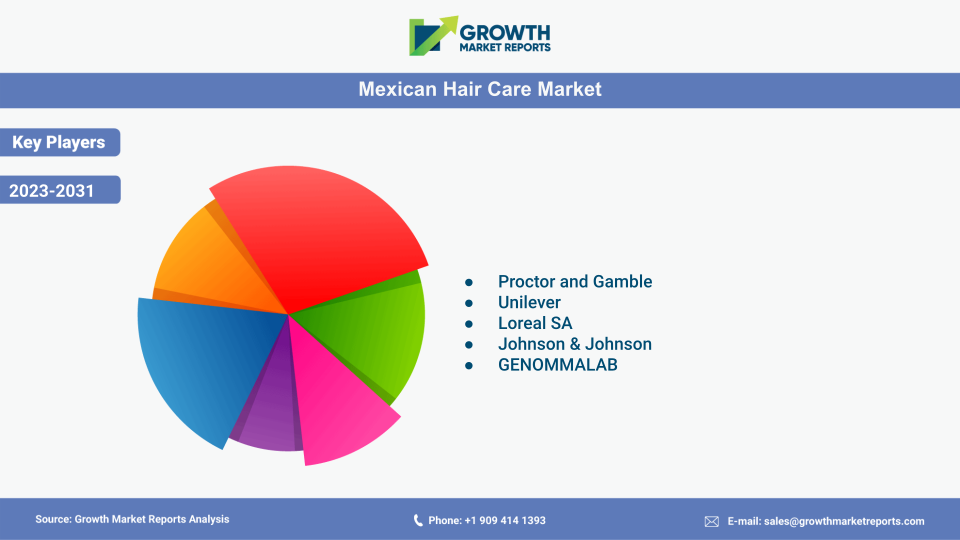
Some of the major players in the market are Proctor and Gamble, Unilever, Loreal SA, Johnson & Johnson, and GENOMMALAB.
The haircare market in Mexico is highly competitive with a major share being held by Procter & Gamble. Key players are focusing on online distribution channels to enhance their product visibility and consumer base.
The market leader Procter & Gamble has been doing several developments in the market, primarily focusing on packaging innovation, in order to provide customers with convenient size variants of the desired product.
Companies are focusing on developing natural products to gain huge traction among customer base. Moreover, they’re engaging in partnerships with major e-commerce stores and are collaborating with local manufacturers to leverage their market position.
Challenges include intense competition, price sensitivity, regulatory compliance, and economic uncertainties affecting supply chains and consumer spending.
E-commerce is a major growth driver, offering convenience, a wide product range, and personalized recommendations through AI and digital marketing.
The demand for natural, organic, and eco-friendly hair care products is growing, prompting brands to innovate with clean ingredients and sustainable packaging.
Major players include L'Oréal S.A., Unilever, Procter & Gamble, Kao Corporation, Henkel AG & Co. KGaA, Johnson & Johnson, and Shiseido Company, Limited.
Key growth drivers include rising consumer awareness of hair health, urbanization, product innovation, premiumization, and increased disposable incomes.
Supermarkets/hypermarkets, specialty stores, online stores, and pharmacies/drug stores are the primary distribution channels for hair care products.
The main product types include shampoo, conditioner, hair oil, hair colorants, hair styling products, and specialized treatments.
Asia Pacific leads the global hair care market, driven by a large population, rising disposable incomes, and strong cultural emphasis on hair care.
The hair care market is expected to expand at a CAGR of 6.2% from 2025 to 2033.
The global hair care market reached USD 91.8 billion in 2024 and is projected to grow significantly in the coming years.