Segments - by Product Type (Laser Rangefinders, GPS Rangefinders, Hybrid Rangefinders), by Application (Professional Golf, Amateur Golf, Golf Training Academies, Others), by Distribution Channel (Online Stores, Specialty Stores, Sports Retailers, Others), by End-User (Individual, Commercial)
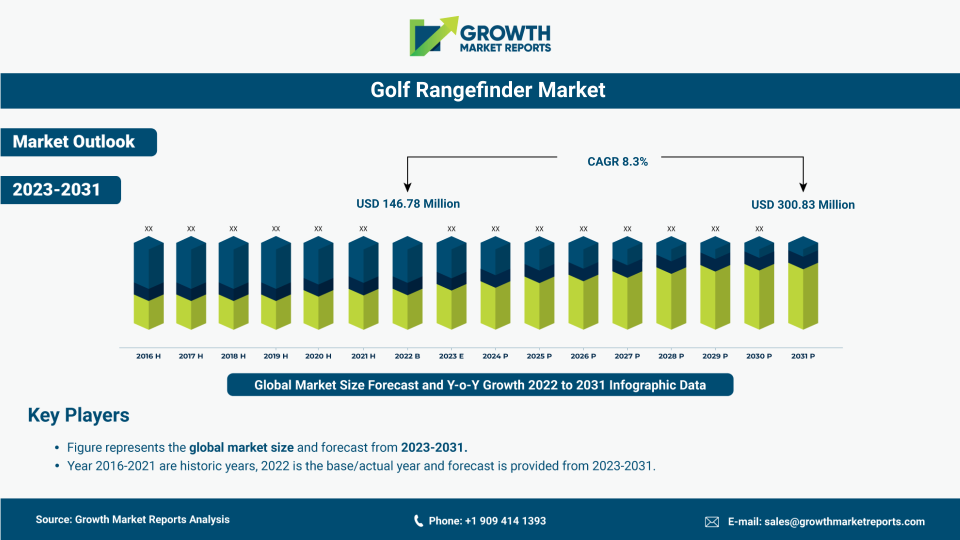
According to our latest research, the global golf rangefinder market size reached USD 475.2 million in 2024, reflecting robust demand across both professional and amateur golfing segments. The market is projected to expand at a CAGR of 7.1% from 2025 to 2033, culminating in a forecasted value of USD 887.3 million by 2033. This growth trajectory is driven by technological advancements in rangefinder devices, rising participation in golf worldwide, and increasing adoption among both individuals and commercial entities. The expanding base of golf enthusiasts combined with the integration of smart technologies continues to shape the competitive landscape and fuel market expansion.
One of the primary growth factors for the golf rangefinder market is the significant evolution in product technology. Manufacturers are increasingly focusing on integrating features such as Bluetooth connectivity, real-time data analytics, and enhanced accuracy through laser and GPS technologies. These innovations are not only improving the user experience but also broadening the appeal of rangefinders beyond professional golfers to include amateurs and hobbyists. With the proliferation of smart devices and the growing preference for data-driven performance improvement, golf rangefinders have become essential tools for players seeking to enhance their game. Additionally, the trend towards miniaturization and ergonomic design has made these devices more user-friendly and portable, further accelerating their adoption.
Another key driver for the golf rangefinder market is the rising popularity of golf in emerging markets, particularly in Asia Pacific and Latin America. As disposable incomes increase and golf courses proliferate in these regions, more individuals are taking up the sport, thereby creating a larger addressable market for rangefinder manufacturers. The establishment of golf training academies and the hosting of international tournaments in these regions are also contributing to market growth. Furthermore, the increasing awareness about the benefits of using rangefinders for skill improvement and shot accuracy is prompting both amateur and professional players to invest in these devices. This trend is further supported by aggressive marketing campaigns and endorsements by professional golfers, which are helping to drive consumer interest and adoption.
The market is also benefiting from a shift in distribution strategies, with a growing emphasis on online retail channels. The convenience of e-commerce platforms, coupled with the availability of a wide range of products and competitive pricing, has made it easier for consumers to purchase golf rangefinders. Online stores are offering detailed product information, customer reviews, and after-sales support, which are critical factors influencing buying decisions. Additionally, specialty sports retailers are enhancing their in-store experiences by providing product demonstrations and expert advice, thereby attracting more customers. This multi-channel approach is enabling manufacturers to reach a broader audience and cater to diverse customer preferences.
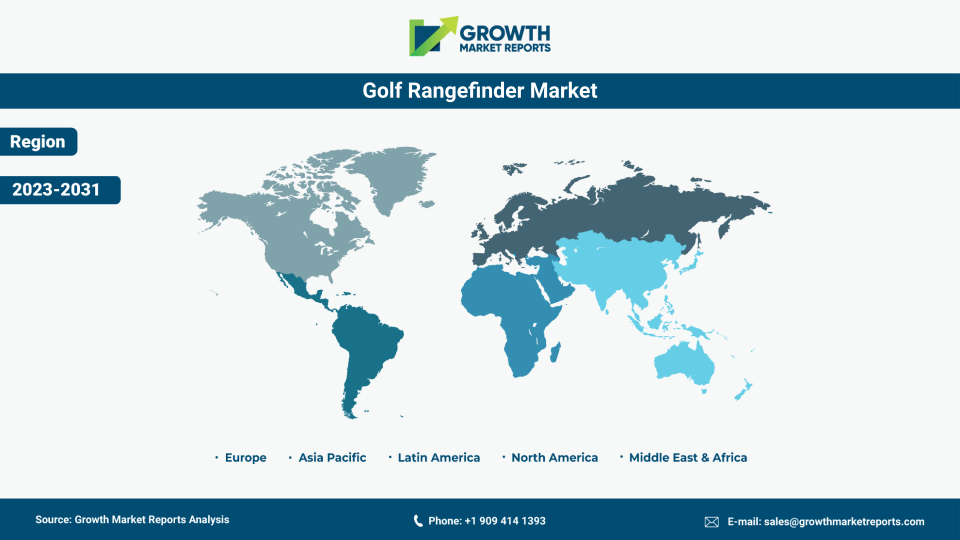
Regionally, North America continues to dominate the golf rangefinder market, accounting for the largest share in 2024 due to the high concentration of golf courses and a mature golfing culture. However, Asia Pacific is expected to witness the fastest growth during the forecast period, driven by increasing investments in sports infrastructure and a burgeoning middle-class population with a growing interest in golf. Europe also remains a significant market, supported by a strong golfing tradition and the presence of prominent golf tournaments. The Middle East & Africa and Latin America are emerging as promising markets, with rising disposable incomes and government initiatives to promote sports tourism. This regional diversification is expected to sustain the overall growth momentum of the market in the coming years.
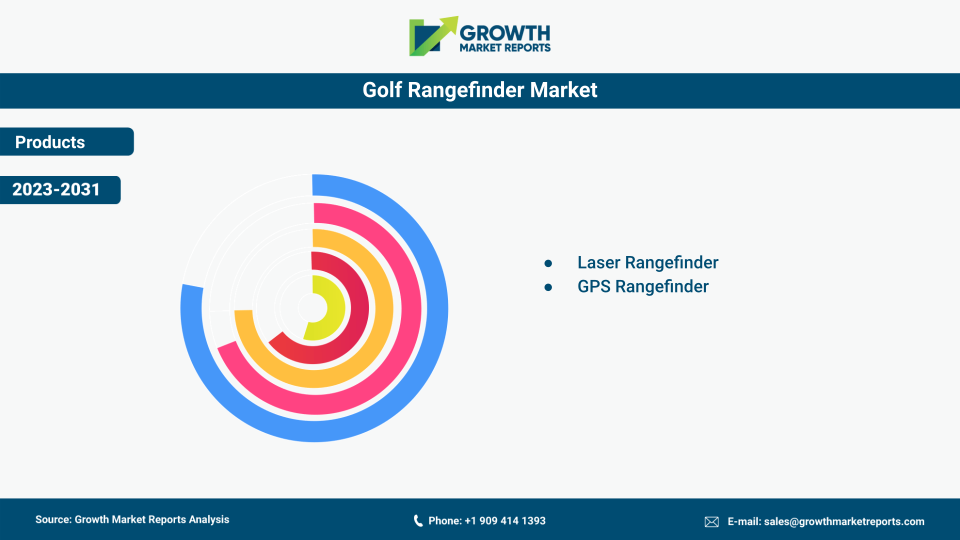
The product type segment of the golf rangefinder market is categorized into laser rangefinders, GPS rangefinders, and hybrid rangefinders. Laser rangefinders currently hold the largest market share, owing to their superior accuracy and reliability in measuring distances on the golf course. These devices use advanced laser technology to provide precise distance readings, making them highly preferred by professional golfers and serious amateurs alike. The demand for laser rangefinders is further fueled by continuous innovations such as slope measurement, pin-seeking technology, and improved battery life. Manufacturers are also focusing on enhancing the durability and weather resistance of these devices to cater to the needs of golfers who play in diverse environmental conditions.
GPS rangefinders are gaining traction, particularly among amateur golfers and beginners, due to their user-friendly interface and ease of use. These devices leverage satellite technology to provide comprehensive course mapping and distance information, often displaying hazards and green layouts. The integration of smartphone connectivity and mobile applications has further enhanced the functionality of GPS rangefinders, allowing users to access real-time updates and personalized data. The affordability of GPS devices compared to their laser counterparts is another factor driving their adoption, especially in price-sensitive markets. As technology continues to evolve, GPS rangefinders are expected to see increased adoption among a broader segment of golfers.
Hybrid rangefinders, which combine the features of both laser and GPS technologies, represent a growing segment within the market. These devices offer the best of both worlds by providing precise distance measurements along with detailed course mapping and hazard information. Hybrid rangefinders are particularly appealing to golf training academies and commercial golf facilities that require versatile tools for coaching and player development. The ability to switch between laser and GPS modes offers flexibility and convenience, making these devices suitable for various playing conditions and user preferences. As manufacturers continue to innovate and reduce the cost of hybrid rangefinders, this segment is expected to witness significant growth during the forecast period.
The competitive landscape within the product type segment is characterized by intense rivalry among leading brands, each striving to differentiate their offerings through technological innovation and value-added features. Companies are investing heavily in research and development to introduce next-generation rangefinders with enhanced functionality, improved battery performance, and seamless integration with other golf technologies. The focus on product differentiation and brand loyalty is driving manufacturers to offer extended warranties, customer support, and bundled accessories, further enhancing the overall value proposition for consumers. As a result, the product type segment is expected to remain dynamic and highly competitive in the coming years.
| Attributes | Details |
| Report Title | Golf Rangefinder Market Research Report 2033 |
| By Product Type | Laser Rangefinders, GPS Rangefinders, Hybrid Rangefinders |
| By Application | Professional Golf, Amateur Golf, Golf Training Academies, Others |
| By Distribution Channel | Online Stores, Specialty Stores, Sports Retailers, Others |
| By End-User | Individual, Commercial |
| Regions Covered | North America, Europe, APAC, Latin America, MEA |
| Base Year | 2024 |
| Historic Data | 2018-2023 |
| Forecast Period | 2025-2033 |
| Number of Pages | 263 |
| Number of Tables & Figures | 266 |
| Customization Available | Yes, the report can be customized as per your need. |
The application segment of the golf rangefinder market encompasses professional golf, amateur golf, golf training academies, and others. Professional golf represents a significant portion of the market, with rangefinders being widely used by tour players, coaches, and caddies to gain a competitive edge. The emphasis on precision and data-driven decision-making in professional tournaments has made rangefinders indispensable tools for shot planning and course management. Leading golf associations and tournament organizers are increasingly permitting the use of rangefinders during practice rounds, further boosting their adoption among professional players. The demand for high-end, feature-rich devices is particularly strong in this segment, as professionals seek to leverage every available advantage to improve their performance.
Amateur golf constitutes a rapidly growing segment, driven by the increasing number of recreational players and the rising popularity of the sport among younger demographics. Amateur golfers are increasingly recognizing the benefits of using rangefinders to enhance their skills and enjoy a more engaging playing experience. The availability of affordable and easy-to-use devices has made rangefinders accessible to a broader audience, contributing to the overall expansion of the market. Manufacturers are targeting this segment with entry-level products that offer essential features such as distance measurement, course mapping, and user-friendly interfaces, catering to the needs of beginners and casual players.
Golf training academies represent an important application area for rangefinders, as these institutions focus on player development and skill enhancement. Rangefinders are used extensively during coaching sessions to provide real-time feedback and data-driven insights, helping players refine their techniques and improve their shot accuracy. The integration of rangefinders with other training technologies, such as swing analyzers and video analysis tools, is enabling coaches to offer comprehensive training programs tailored to individual needs. The growing emphasis on sports analytics and performance measurement within training academies is expected to drive continued demand for advanced rangefinder solutions.
Other applications of golf rangefinders include use in golf resorts, corporate golf events, and charity tournaments, where accurate distance measurement and course navigation are essential for organizing successful events. These settings often require rangefinders with robust features and reliable performance, as they cater to a diverse group of participants with varying skill levels. The adoption of rangefinders in such applications is supported by the increasing focus on enhancing the overall golfing experience and ensuring fair play. As the popularity of golf continues to rise globally, the application segment is expected to witness sustained growth across all categories.
The distribution channel segment of the golf rangefinder market includes online stores, specialty stores, sports retailers, and others. Online stores have emerged as a dominant distribution channel, driven by the convenience, accessibility, and wide product selection they offer. E-commerce platforms provide detailed product descriptions, customer reviews, and competitive pricing, enabling consumers to make informed purchasing decisions. The increasing penetration of smartphones and internet connectivity has further accelerated the shift towards online shopping, especially among younger consumers who prefer digital transactions. Manufacturers are also leveraging online channels to reach a global audience and offer direct-to-consumer sales, bypassing traditional retail intermediaries.
Specialty stores continue to play a crucial role in the distribution of golf rangefinders, particularly among serious golfers who seek expert advice and personalized service. These stores offer in-depth product knowledge, hands-on demonstrations, and after-sales support, which are highly valued by customers looking for premium and high-performance devices. The ability to interact with knowledgeable staff and test products before purchase enhances the overall shopping experience and builds customer loyalty. Specialty stores are also expanding their product offerings to include complementary golf accessories and training aids, further strengthening their position in the market.
Sports retailers represent another important distribution channel, catering to a broad customer base that includes both amateur and professional golfers. These retailers typically stock a wide range of sports equipment and accessories, making them a one-stop shop for golf enthusiasts. The presence of established sports retail chains and department stores in major markets such as North America and Europe has contributed to the widespread availability of golf rangefinders. Sports retailers are increasingly investing in in-store technology and customer engagement initiatives to differentiate themselves from online competitors and enhance the overall shopping experience.
Other distribution channels, such as golf course pro shops and event-based sales, also contribute to the market, particularly in regions with a strong golfing culture. Pro shops located within golf courses offer the advantage of convenience and immediate access to rangefinders, allowing players to purchase or rent devices as needed. Event-based sales, such as those conducted during tournaments and exhibitions, provide manufacturers with opportunities to showcase their latest products and engage directly with potential customers. The diverse distribution landscape ensures that golf rangefinders are accessible to a wide range of consumers, supporting the continued growth of the market.
The end-user segment of the golf rangefinder market is bifurcated into individual and commercial users. Individual users constitute the largest share of the market, driven by the widespread adoption of rangefinders among amateur and recreational golfers. These users are primarily motivated by the desire to improve their game, enhance accuracy, and enjoy a more immersive golfing experience. The availability of affordable and easy-to-use devices has made rangefinders accessible to a broad spectrum of individual golfers, from beginners to seasoned players. Manufacturers are focusing on developing user-friendly products with intuitive interfaces, compact designs, and customizable features to cater to the diverse needs of individual users.
Commercial users, including golf courses, training academies, and event organizers, represent a significant and growing segment within the market. These entities require rangefinders for a variety of purposes, such as course maintenance, player coaching, and tournament management. Golf courses and resorts often provide rangefinders as part of their service offerings to enhance the customer experience and differentiate themselves from competitors. Training academies rely on advanced rangefinder technologies to deliver data-driven coaching and performance analysis, while event organizers use these devices to ensure fair play and accurate scoring during tournaments. The commercial segment is characterized by demand for high-performance, durable, and multi-functional devices that can withstand frequent use and varying environmental conditions.
The needs and preferences of individual and commercial end-users differ significantly, influencing product development and marketing strategies within the golf rangefinder market. Individual users prioritize ease of use, portability, and affordability, while commercial users place greater emphasis on advanced features, durability, and scalability. Manufacturers are responding to these divergent requirements by offering a range of products tailored to specific end-user segments, with options ranging from basic entry-level models to premium, feature-rich devices. The growing adoption of rangefinders across both individual and commercial segments is expected to drive sustained market growth and innovation.
The end-user landscape is also evolving in response to changing consumer behavior and technological advancements. The increasing use of mobile applications and cloud-based data analytics is enabling users to track their performance over time and share insights with coaches and peers. This trend is particularly pronounced among younger golfers, who are more likely to embrace digital technologies and seek connected, data-driven solutions. As the market continues to mature, the end-user segment is expected to witness further diversification, with new applications and use cases emerging in response to evolving customer needs and preferences.
The golf rangefinder market presents several compelling opportunities for growth and innovation. One of the most significant opportunities lies in the integration of artificial intelligence and machine learning technologies into rangefinder devices. By leveraging AI-driven analytics, manufacturers can offer personalized recommendations, real-time performance tracking, and advanced shot analysis, enhancing the value proposition for both individual and commercial users. The development of smart rangefinders that seamlessly connect with other golf technologies, such as swing analyzers and mobile applications, is expected to drive increased adoption and customer engagement. Additionally, the expansion of golf tourism and the proliferation of golf courses in emerging markets present untapped opportunities for market players to expand their footprint and capture new customer segments.
Another area of opportunity is the growing demand for eco-friendly and sustainable products within the sports equipment industry. Manufacturers are increasingly focusing on developing rangefinders with energy-efficient components, recyclable materials, and environmentally friendly packaging to appeal to environmentally conscious consumers. The adoption of green manufacturing practices and the implementation of sustainability initiatives can help companies differentiate themselves in a competitive market and attract a broader customer base. Furthermore, the increasing popularity of women's golf and the emergence of new golfing demographics present opportunities for manufacturers to develop tailored products and marketing campaigns that cater to diverse customer needs.
Despite the numerous opportunities, the golf rangefinder market faces certain restraining factors that could impact its growth trajectory. One of the primary challenges is the high cost of advanced rangefinder devices, which may limit adoption among price-sensitive consumers and in developing markets. Additionally, the presence of regulatory restrictions and varying rules regarding the use of rangefinders in official tournaments can hinder market expansion. Manufacturers must also contend with the risk of technological obsolescence, as rapid advancements in sensor and connectivity technologies could render existing products outdated. Addressing these challenges will require ongoing investment in research and development, as well as strategic partnerships and collaborations to stay ahead of the competition.
North America remains the dominant region in the golf rangefinder market, accounting for approximately USD 190.1 million of the global market size in 2024. The region's leadership is attributed to its mature golfing culture, the high concentration of golf courses, and the presence of a large base of professional and amateur golfers. The United States, in particular, is a key market, with a well-established infrastructure for golf training, tournaments, and equipment sales. The adoption of advanced technologies and the willingness of consumers to invest in premium golf equipment further support the region's strong market position. North America is expected to maintain steady growth, driven by ongoing innovation and sustained interest in the sport.
The Asia Pacific region is poised for the fastest growth, with a projected CAGR of 9.2% from 2025 to 2033. The market size in Asia Pacific reached USD 78.7 million in 2024 and is expected to witness robust expansion, fueled by rising disposable incomes, increasing participation in golf, and significant investments in sports infrastructure. Countries such as China, Japan, South Korea, and Australia are emerging as key markets, supported by government initiatives to promote sports tourism and the establishment of new golf courses and training academies. The growing popularity of golf among younger demographics and the influence of international tournaments are further contributing to the region's rapid market growth.
Europe also represents a significant market for golf rangefinders, with a market size of USD 110.6 million in 2024. The region benefits from a strong tradition of golf, a large number of established courses, and a vibrant community of professional and amateur players. The United Kingdom, Germany, and France are among the leading markets, supported by active golf associations and a robust ecosystem of sports retailers and specialty stores. The region is characterized by a high level of product awareness and a preference for technologically advanced devices, driving demand for premium rangefinders. As the popularity of golf continues to rise and new markets emerge in Eastern Europe, the region is expected to maintain a healthy growth trajectory.
The golf rangefinder market is characterized by intense competition, with a diverse array of players ranging from established multinational corporations to innovative startups. The competitive landscape is shaped by ongoing technological advancements, product differentiation strategies, and a relentless focus on enhancing the user experience. Leading companies are investing heavily in research and development to introduce next-generation rangefinders with advanced features such as AI-driven analytics, real-time connectivity, and enhanced durability. The emphasis on continuous innovation and customer-centric design is driving manufacturers to offer a broad portfolio of products catering to different segments of the market, from entry-level devices for beginners to high-end models for professionals.
Strategic partnerships and collaborations are becoming increasingly important as companies seek to expand their market reach and leverage complementary strengths. Collaborations with golf associations, professional players, and training academies are helping manufacturers to build brand credibility and gain valuable insights into evolving customer needs. Mergers and acquisitions are also playing a key role in shaping the competitive landscape, as companies look to consolidate their market position and access new technologies and distribution channels. The focus on building strong distribution networks, both online and offline, is enabling companies to reach a wider audience and enhance their competitive advantage.
The competitive intensity is further heightened by the entry of new players, particularly in the online retail space, who are leveraging digital marketing and e-commerce platforms to disrupt traditional sales channels. These new entrants are often able to offer competitive pricing and innovative features, challenging established brands to continuously raise the bar in terms of product quality and customer service. The growing importance of customer reviews, social media influence, and online communities is reshaping the way companies engage with consumers and build brand loyalty. As the market continues to evolve, the ability to adapt to changing consumer preferences and technological trends will be critical for sustained success.
Major companies operating in the golf rangefinder market include Bushnell Golf, Nikon Corporation, Garmin Ltd., Callaway Golf Company, Leupold & Stevens, Inc., TecTecTec, Precision Pro Golf, SkyGolf, and GolfBuddy. Bushnell Golf is widely recognized for its innovative laser rangefinders and strong brand presence in the professional segment. Nikon Corporation leverages its expertise in optics and imaging to offer high-precision rangefinders with advanced features. Garmin Ltd. is a leader in GPS rangefinders, known for its integration of wearable technology and mobile applications. Callaway Golf Company offers a diverse range of rangefinders catering to both amateur and professional golfers, while Leupold & Stevens, Inc. is renowned for its durable and high-performance devices.
TecTecTec and Precision Pro Golf have gained popularity among price-sensitive consumers by offering affordable yet reliable rangefinders with essential features. SkyGolf and GolfBuddy focus on GPS-based solutions, providing comprehensive course mapping and real-time data analytics. These companies are continuously expanding their product portfolios and investing in marketing initiatives to strengthen their market position. The competitive landscape is expected to remain dynamic, with ongoing innovation, strategic partnerships, and a relentless focus on customer satisfaction driving the future growth of the golf rangefinder market.
The Golf Rangefinder market has been segmented on the basis of
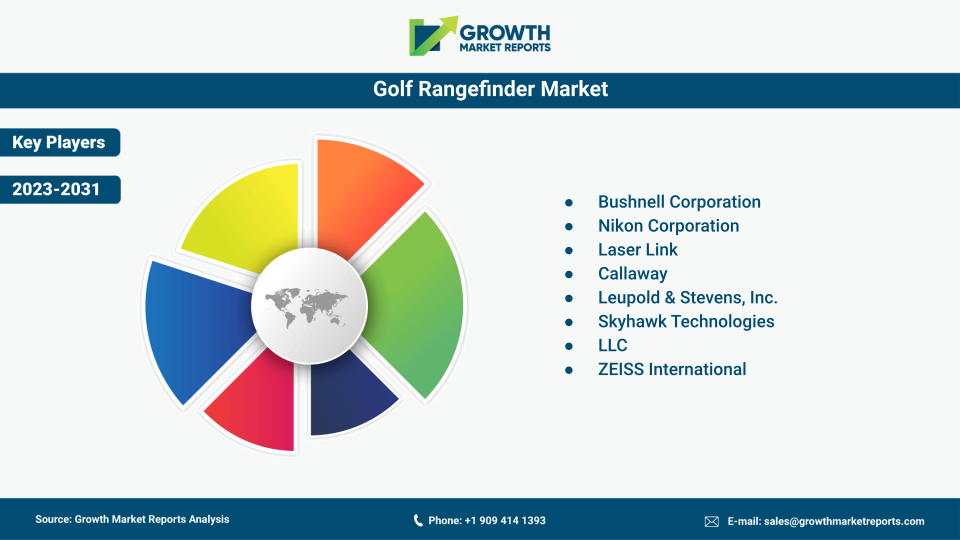
Some of the leading manufacturers in the global golf rangefinder market are Bushnell Corporation, Nikon Corporation, Laser Link, Callaway, Leupold & Stevens, Inc., Skyhawk Technologies, LLC and ZEISS International.
Companies are focusing on adoption of various business strategies such as brand alliance formation and new product launches to acquire a large consumer base. For instance, in March 2019, Nikon Corporation launched a portable laser rangefinder under the brand name ‘COOLSHOT 20 GII’. The product is furnished with 6x multicoated lenses along with a measurement in a range of between 5 meters and 730 meters that is claimed to offer full accuracy.
Individual users (amateur and recreational golfers) make up the largest segment, while commercial users such as golf courses, training academies, and event organizers also represent a significant and growing market.
Challenges include the high cost of advanced devices, regulatory restrictions on rangefinder use in tournaments, and the risk of technological obsolescence due to rapid innovation.
Key trends include the integration of AI and machine learning, development of eco-friendly products, expansion into emerging markets, and the growing popularity of women’s and youth golf. Opportunities also exist in smart device connectivity and sustainable manufacturing.
Golf rangefinders are distributed through online stores, specialty stores, sports retailers, golf course pro shops, and event-based sales, with online channels seeing significant growth due to convenience and product variety.
Golf rangefinders are used in professional golf, amateur golf, golf training academies, golf resorts, corporate golf events, and charity tournaments for shot planning, skill improvement, and course navigation.
Technological advancements such as Bluetooth connectivity, real-time data analytics, laser and GPS integration, AI-driven analytics, and ergonomic designs are significantly enhancing golf rangefinder functionality and user experience.
Major companies in the golf rangefinder market include Bushnell Golf, Garmin Ltd., Nikon Corporation, Leupold & Stevens, Inc., Callaway Golf Company, Precision Pro Golf, TecTecTec, SkyGolf, GolfBuddy, and others.
North America currently dominates the golf rangefinder market, but Asia Pacific is expected to witness the fastest growth, driven by rising disposable incomes and increasing golf participation.
The main types of golf rangefinders are laser rangefinders, GPS rangefinders, and hybrid rangefinders that combine both laser and GPS technologies.
The global golf rangefinder market reached USD 475.2 million in 2024 and is projected to grow at a CAGR of 7.1% from 2025 to 2033, reaching approximately USD 887.3 million by 2033.