Segments - by Purity (≥99%, <99%), by Application (Pharmaceutical Intermediates, Surfactants, Epoxy Resin, Food Additives, Others), by End-Use Industry (Pharmaceuticals, Chemicals, Food & Beverage, Personal Care, Others)
According to our latest research, the global glycidol market size was valued at USD 210 million in 2024, and it is experiencing a steady expansion with a compound annual growth rate (CAGR) of 5.7% from 2025 to 2033. This robust growth is projected to elevate the market to approximately USD 350 million by 2033. The primary growth drivers include the rising demand for glycidol as a critical intermediate in pharmaceuticals, increasing utilization in the synthesis of surfactants and epoxy resins, and expanding applications across the food and personal care industries. As per our latest research, the marketÂ’s trajectory is shaped by technological advancements, regulatory developments, and a growing emphasis on sustainable chemical processes.
One of the most significant growth factors for the global glycidol market is the escalating demand for pharmaceutical intermediates. Glycidol serves as a vital building block in the synthesis of various active pharmaceutical ingredients (APIs) and specialty chemicals. With the pharmaceutical industry experiencing rapid innovation and a rising prevalence of chronic diseases, the need for efficient and high-purity intermediates like glycidol is increasing. Additionally, the expansion of contract manufacturing organizations (CMOs) and the growing trend of outsourcing pharmaceutical production to emerging markets have further bolstered the consumption of glycidol worldwide. Stringent quality standards and regulatory compliance requirements are driving manufacturers to invest in advanced purification technologies, ensuring the consistent supply of high-purity glycidol for pharmaceutical applications.
Another key driver fueling the glycidol market is its widespread application in the production of surfactants and epoxy resins. Surfactants derived from glycidol are crucial in the formulation of detergents, emulsifiers, and personal care products, owing to their excellent solubility and emulsifying properties. The growing consumer preference for environmentally friendly and biodegradable surfactants has led to increased research and development activities focused on glycidol-based alternatives. In the epoxy resin segment, glycidol is used to enhance the performance characteristics of coatings, adhesives, and composites, particularly in the automotive, construction, and electronics industries. The ongoing shift towards lightweight and durable materials in these sectors is expected to sustain the demand for glycidol-based epoxy resins.
The food and beverage industry also represents a significant avenue for glycidol market growth. As a food additive, glycidol is utilized in the synthesis of emulsifiers and stabilizers, which are essential for maintaining product consistency and extending shelf life. The increasing global population, coupled with changing dietary habits and a surge in processed food consumption, has amplified the need for safe and effective food additives. Regulatory authorities are closely monitoring the use of glycidol in food applications, leading to the adoption of stringent safety standards and quality control measures. This regulatory oversight is encouraging manufacturers to develop innovative production processes that minimize impurities and ensure compliance with international food safety regulations.
Glycidyl Methacrylate is gaining attention in the glycidol market due to its versatile applications in the production of high-performance polymers and coatings. As a reactive monomer, Glycidyl Methacrylate is used to enhance the properties of various polymer matrices, providing improved adhesion, chemical resistance, and durability. This makes it particularly valuable in industries such as automotive, construction, and electronics, where performance and longevity are critical. The growing demand for advanced materials that can withstand harsh environmental conditions is driving research and development efforts focused on Glycidyl Methacrylate-based formulations. Its compatibility with a wide range of co-monomers and ability to undergo copolymerization further expand its utility across diverse industrial applications.
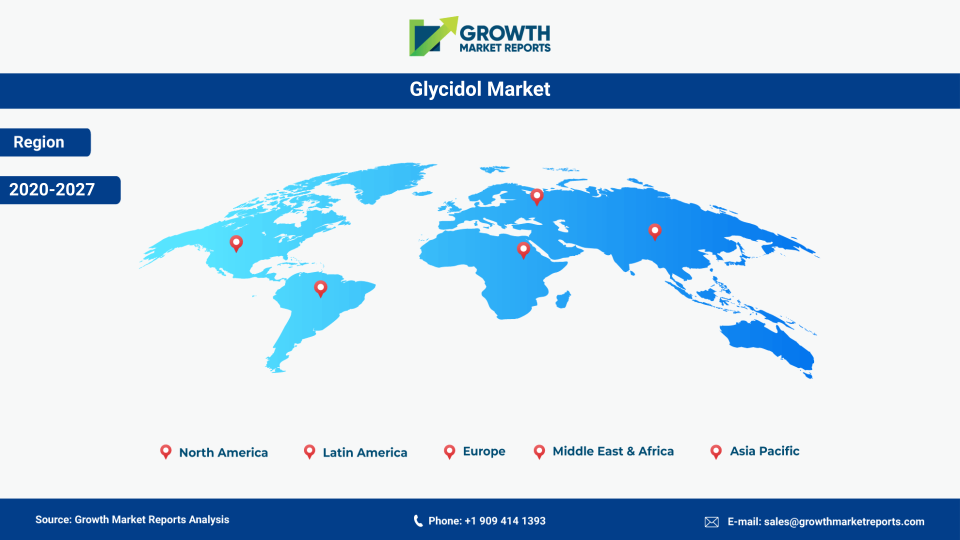
From a regional perspective, the Asia Pacific region dominates the global glycidol market, accounting for the largest share in 2024. This dominance is attributed to the presence of a robust chemical manufacturing base, rapid industrialization, and a burgeoning pharmaceutical sector in countries such as China, India, and Japan. North America and Europe follow closely, driven by advanced research and development capabilities, high regulatory standards, and strong demand from end-use industries. The Middle East & Africa and Latin America are emerging as promising markets, supported by increasing investments in chemical and pharmaceutical infrastructure. The regional dynamics are further influenced by trade policies, raw material availability, and the presence of major glycidol producers, shaping the competitive landscape and market growth trajectory.
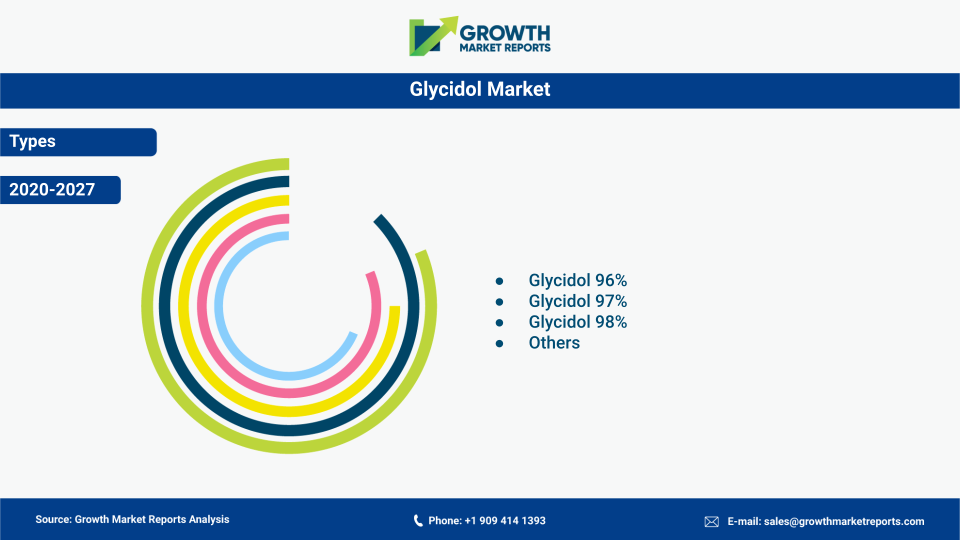
Purity is a critical segment in the glycidol market, as the quality and application of glycidol are highly dependent on its purity levels. The market is primarily divided into two categories: glycidol with purity of ?99% and glycidol with purity of <99%. Glycidol with a purity of ?99% is predominantly used in high-end applications, particularly in pharmaceuticals and advanced chemical synthesis, where stringent quality standards are mandatory. The demand for high-purity glycidol is rising due to the increasing focus on product safety, efficacy, and regulatory compliance within the pharmaceutical and food industries. Manufacturers are investing in state-of-the-art purification technologies to meet the growing need for ultra-pure glycidol, which is essential for synthesizing sensitive compounds and ensuring the absence of harmful impurities.
On the other hand, glycidol with a purity of <99% finds its primary applications in industrial and bulk chemical processes, where ultra-high purity is not a strict requirement. This segment caters to the production of surfactants, epoxy resins, and other specialty chemicals used in construction, automotive, and personal care products. The lower production costs associated with <99% purity glycidol make it an attractive option for manufacturers seeking cost-effective solutions for large-scale industrial applications. However, the segment faces challenges related to fluctuating raw material prices and the need for improved process efficiencies to enhance product quality while maintaining competitive pricing.
The market dynamics between these two purity segments are influenced by end-user requirements, regulatory standards, and technological advancements. The pharmaceutical and food industries are increasingly shifting towards high-purity glycidol, driven by regulatory mandates for product safety and traceability. In contrast, the chemical and industrial sectors continue to rely on <99% purity glycidol for non-critical applications, where cost optimization takes precedence over purity. This divergence in demand is prompting manufacturers to diversify their product portfolios and invest in flexible production capabilities to cater to both high-purity and standard-grade markets.
Innovation in purification and analytical technologies is playing a pivotal role in shaping the purity segment of the glycidol market. The adoption of advanced chromatographic and distillation techniques is enabling manufacturers to achieve higher purity levels and minimize the presence of contaminants. This, in turn, is opening new avenues for glycidol applications in high-value industries such as biotechnology, specialty chemicals, and advanced materials. As the market continues to evolve, the ability to deliver consistent and high-quality glycidol across different purity grades will be a key differentiator for leading manufacturers, driving long-term growth and competitiveness in the global glycidol market.
| Attributes | Details |
| Report Title | Global Glycidol Market Market Research Report 2033 |
| By Purity | ?99%, <99% |
| By Application | Pharmaceutical Intermediates, Surfactants, Epoxy Resin, Food Additives, Others |
| By End-Use Industry | Pharmaceuticals, Chemicals, Food & Beverage, Personal Care, Others |
| Regions Covered | North America, Europe, APAC, Latin America, MEA |
| Base Year | 2024 |
| Historic Data | 2018-2023 |
| Forecast Period | 2025-2033 |
| Number of Pages | 259 |
| Number of Tables & Figures | 361 |
| Customization Available | Yes, the report can be customized as per your need. |
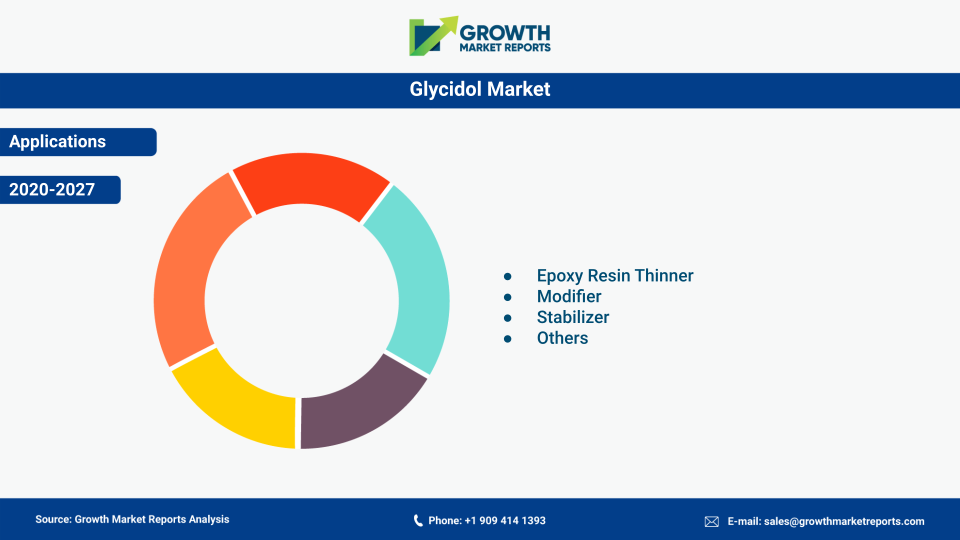
The application segment of the glycidol market is diverse, encompassing pharmaceuticals intermediates, surfactants, epoxy resin, food additives, and other specialized uses. Among these, the pharmaceutical intermediates segment holds a substantial share, driven by the critical role of glycidol in synthesizing active pharmaceutical ingredients and other medicinal compounds. Its unique chemical structure allows for versatile modifications, making it indispensable for the development of new drugs and therapeutic agents. The ongoing expansion of the global pharmaceutical industry, coupled with increased investment in drug discovery and development, is fueling the demand for glycidol as a reliable and high-quality intermediate. Regulatory compliance and the need for traceable supply chains are further reinforcing the importance of glycidol in this segment.
Surfactants represent another major application area for glycidol, particularly in the formulation of detergents, emulsifiers, and personal care products. The growing consumer awareness regarding environmental sustainability and the shift towards green chemistry are driving the adoption of glycidol-based surfactants. These surfactants offer excellent solubility, emulsification, and foaming properties, making them suitable for a wide range of industrial and household applications. The increasing demand for biodegradable and non-toxic surfactants in cleaning products, cosmetics, and agrochemicals is expected to boost the consumption of glycidol in this segment. Manufacturers are focusing on developing innovative glycidol derivatives to cater to evolving market requirements and regulatory standards.
The epoxy resin segment is witnessing significant growth, supported by the expanding use of glycidol in the production of high-performance coatings, adhesives, and composites. Epoxy resins derived from glycidol exhibit superior mechanical strength, chemical resistance, and thermal stability, making them ideal for applications in automotive, construction, electronics, and aerospace industries. The trend towards lightweight and durable materials, coupled with advancements in composite manufacturing technologies, is propelling the demand for glycidol-based epoxy resins. Market players are investing in research and development to enhance the properties of glycidol-derived resins and explore new application areas, further driving market expansion.
In the food additives segment, glycidol is used in the synthesis of emulsifiers and stabilizers that are essential for maintaining the texture, consistency, and shelf life of processed foods. The rising global population, urbanization, and changing dietary preferences are increasing the demand for processed and convenience foods, thereby boosting the need for effective food additives. Regulatory authorities are closely monitoring the use of glycidol in food applications to ensure consumer safety, leading to the implementation of stringent quality control measures. Manufacturers are responding by adopting advanced production processes and rigorous testing protocols to meet regulatory requirements and consumer expectations.
Other applications of glycidol include its use in specialty chemicals, polymers, and research laboratories. The versatility of glycidol as a chemical intermediate allows for its integration into various niche applications, ranging from biomedical research to advanced material synthesis. The continuous evolution of industrial processes and the emergence of new technologies are expected to create additional opportunities for glycidol utilization in the coming years. As the market matures, the ability to innovate and diversify application portfolios will be crucial for sustaining growth and maintaining a competitive edge in the global glycidol market.
The end-use industry segment of the glycidol market is segmented into pharmaceuticals, chemicals, food & beverage, personal care, and others. The pharmaceutical industry remains the largest consumer of glycidol, driven by its indispensable role in the synthesis of active pharmaceutical ingredients and other medicinal compounds. The increasing prevalence of chronic diseases, rising healthcare expenditure, and growing demand for innovative therapies are fueling the expansion of the pharmaceutical sector, thereby boosting the consumption of glycidol. Regulatory compliance, quality assurance, and the need for traceable supply chains are critical factors influencing the adoption of glycidol in this industry. Manufacturers are focusing on developing high-purity glycidol to meet the stringent requirements of pharmaceutical applications and maintain a competitive advantage.
The chemicals industry is another major end-user of glycidol, utilizing it as a key intermediate in the production of surfactants, epoxy resins, and specialty chemicals. The rapid industrialization and urbanization in emerging economies are driving the demand for chemicals used in construction, automotive, and electronics sectors. GlycidolÂ’s unique chemical properties make it suitable for a wide range of industrial applications, including the synthesis of polymers, adhesives, and coatings. The trend towards sustainable and environmentally friendly chemical processes is encouraging manufacturers to explore glycidol-based alternatives, further expanding its use in the chemicals industry.
In the food & beverage industry, glycidol is primarily used in the formulation of food additives, such as emulsifiers and stabilizers, which are essential for ensuring product quality and safety. The growing global population, urbanization, and changing dietary habits are increasing the demand for processed and convenience foods, thereby driving the need for effective food additives. Regulatory authorities are implementing stringent safety standards and quality control measures to ensure the safe use of glycidol in food applications. Manufacturers are responding by adopting advanced production technologies and rigorous testing protocols to meet regulatory requirements and consumer expectations.
The personal care industry is also emerging as a significant end-user of glycidol, particularly in the formulation of surfactants and emulsifiers used in cosmetics, skincare, and hair care products. The rising consumer awareness regarding personal hygiene, the growing demand for premium and natural personal care products, and the increasing focus on sustainability are driving the adoption of glycidol-based ingredients in this sector. Manufacturers are investing in research and development to create innovative glycidol derivatives that offer enhanced performance and safety profiles, catering to the evolving preferences of consumers and regulatory authorities.
Other end-use industries, such as biotechnology, research laboratories, and specialty chemicals, also contribute to the demand for glycidol. The versatility of glycidol as a chemical intermediate allows for its integration into various niche applications, ranging from biomedical research to advanced material synthesis. The continuous evolution of industrial processes and the emergence of new technologies are expected to create additional opportunities for glycidol utilization in the coming years. As the market matures, the ability to innovate and diversify end-use portfolios will be crucial for sustaining growth and maintaining a competitive edge in the global glycidol market.
The global glycidol market presents significant opportunities for growth, particularly in the development of high-purity glycidol for pharmaceutical and food applications. As regulatory authorities tighten quality and safety standards, there is a growing need for advanced purification technologies and analytical methods to ensure the consistent supply of ultra-pure glycidol. Manufacturers that invest in research and development to enhance product quality, reduce impurities, and improve process efficiencies are well-positioned to capitalize on emerging opportunities. Additionally, the increasing focus on sustainable and environmentally friendly chemical processes is driving the adoption of green chemistry principles, creating new avenues for glycidol-based products in surfactants, epoxy resins, and specialty chemicals.
Another promising opportunity lies in the expansion of glycidol applications across emerging industries, such as biotechnology, advanced materials, and nanotechnology. The unique chemical properties of glycidol make it suitable for integration into innovative solutions, ranging from biomedical research to high-performance polymers and composites. The ongoing evolution of industrial processes, coupled with the emergence of new technologies, is expected to create additional demand for glycidol in niche applications. Strategic collaborations, partnerships, and investments in cutting-edge research will be critical for market players seeking to diversify their product portfolios and tap into high-growth segments.
However, the glycidol market also faces several challenges and restraining factors that could impact its growth trajectory. One of the primary threats is the stringent regulatory environment governing the production, handling, and use of glycidol, particularly in pharmaceutical and food applications. Compliance with international safety standards, quality control measures, and environmental regulations requires significant investments in infrastructure, technology, and workforce training. Additionally, fluctuations in raw material prices, supply chain disruptions, and the presence of alternative chemical intermediates pose challenges to market stability and profitability. Manufacturers must continuously innovate and adapt to evolving regulatory and market dynamics to mitigate risks and sustain long-term growth.
The Asia Pacific region continues to dominate the global glycidol market, accounting for the largest share with a market value of USD 95 million in 2024. This dominance is primarily driven by the presence of a robust chemical manufacturing base, rapid industrialization, and a burgeoning pharmaceutical sector in countries such as China, India, and Japan. The regionÂ’s strong growth trajectory is supported by favorable government policies, increasing investments in research and development, and the availability of skilled labor and raw materials. The Asia Pacific market is expected to maintain a healthy CAGR of 6.2% over the forecast period, driven by expanding end-use industries and rising demand for high-quality glycidol in pharmaceuticals, chemicals, and personal care products.
North America is the second-largest market for glycidol, with a market value of USD 55 million in 2024. The regionÂ’s growth is fueled by advanced research and development capabilities, high regulatory standards, and strong demand from the pharmaceutical, chemical, and food industries. The presence of major glycidol manufacturers, strategic collaborations, and a focus on innovation are key factors supporting market expansion in North America. The region is also witnessing increased adoption of sustainable and environmentally friendly chemical processes, driving the demand for glycidol-based products in surfactants, epoxy resins, and specialty chemicals.
Europe holds a significant share of the global glycidol market, valued at USD 45 million in 2024, driven by stringent regulatory frameworks, a well-established pharmaceutical industry, and strong demand for specialty chemicals and food additives. The regionÂ’s focus on quality, safety, and sustainability is encouraging manufacturers to invest in advanced purification technologies and green chemistry initiatives. The Middle East & Africa and Latin America are emerging as promising markets, with a combined market value of USD 15 million in 2024. These regions are benefiting from increasing investments in chemical and pharmaceutical infrastructure, favorable trade policies, and growing demand for glycidol in industrial and food applications. As the global glycidol market continues to evolve, regional dynamics will play a crucial role in shaping market trends, competitive strategies, and growth opportunities.
The global glycidol market is characterized by intense competition, with several multinational companies and regional players vying for market share. The competitive landscape is shaped by factors such as product quality, purity levels, technological innovation, regulatory compliance, and customer relationships. Leading manufacturers are investing heavily in research and development to enhance the purity, safety, and performance of glycidol, catering to the evolving needs of end-use industries such as pharmaceuticals, chemicals, food & beverage, and personal care. Strategic collaborations, mergers and acquisitions, and capacity expansions are common strategies employed by market players to strengthen their market position and expand their geographic footprint.
Innovation is a key differentiator in the glycidol market, with companies focusing on developing advanced purification technologies, sustainable production processes, and novel glycidol derivatives. The ability to deliver high-purity glycidol with minimal impurities is critical for meeting the stringent requirements of pharmaceutical and food applications. Manufacturers are also exploring new application areas for glycidol, such as biotechnology, advanced materials, and nanotechnology, to diversify their product portfolios and tap into high-growth segments. The presence of a strong distribution network and long-term partnerships with key customers are additional factors contributing to the competitive advantage of leading market players.
The market is also witnessing increased regulatory scrutiny, particularly in regions such as North America and Europe, where quality, safety, and environmental standards are highly stringent. Compliance with international regulations, such as REACH (Registration, Evaluation, Authorisation and Restriction of Chemicals) and FDA (Food and Drug Administration) guidelines, is essential for market access and customer trust. Companies that can demonstrate a commitment to quality, safety, and sustainability are likely to gain a competitive edge and secure long-term growth in the global glycidol market. The ability to adapt to evolving regulatory and market dynamics will be crucial for sustaining competitiveness and achieving business objectives.
Major companies operating in the global glycidol market include Dow Chemical Company, Solvay S.A., Tokyo Chemical Industry Co., Ltd. (TCI), Merck KGaA, and Arkema Group. These companies are recognized for their extensive product portfolios, advanced manufacturing capabilities, and strong commitment to research and development. Dow Chemical Company is a leading player in the market, known for its innovative chemical solutions and global distribution network. Solvay S.A. is renowned for its focus on sustainable chemistry and high-quality glycidol products, catering to diverse end-use industries. Tokyo Chemical Industry Co., Ltd. (TCI) specializes in the production of high-purity glycidol for pharmaceutical and research applications, supported by a robust supply chain and customer-centric approach.
Merck KGaA is a prominent supplier of glycidol for pharmaceutical and specialty chemical applications, leveraging its expertise in advanced purification technologies and regulatory compliance. Arkema Group is another key player, offering a wide range of glycidol-based products for industrial and specialty applications. These companies are actively engaged in strategic collaborations, mergers and acquisitions, and capacity expansions to strengthen their market presence and drive innovation. The competitive landscape is further enriched by the presence of regional and niche players, who are focused on catering to specific market segments and customer requirements. As the global glycidol market continues to evolve, the ability to innovate, ensure quality, and adapt to changing market dynamics will be critical for sustaining competitiveness and achieving long-term success.
The Global Glycidol market has been segmented on the basis of
Additional company profiles can be provided on request.
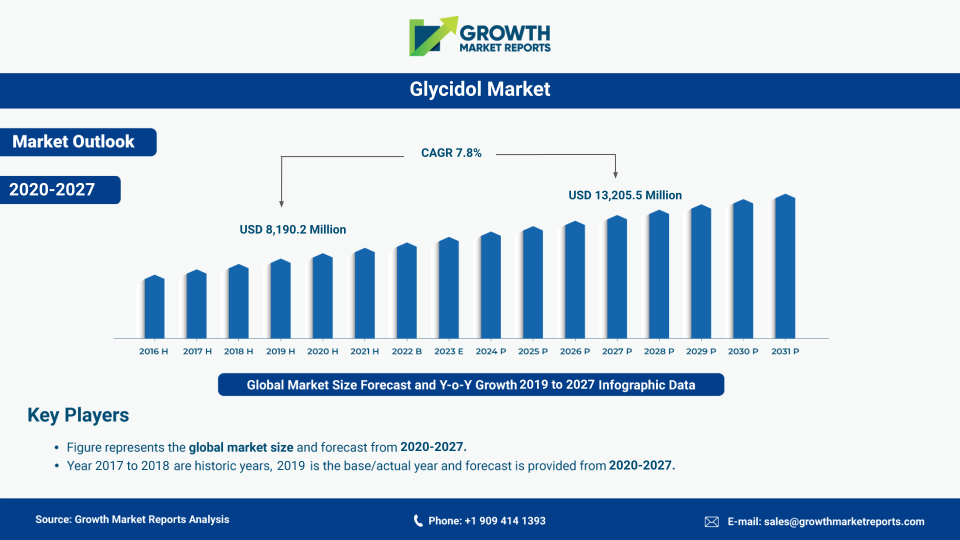
According to this Growth Market Reports, the glycidol market is likely to register a CAGR of 7.8% during forecast period between 2020 and 2027, with an anticipated valuation of USD 13,205.5 million by the end of the 2027.
Market size (in USD Million) and company market share (in % for base year 2019), other data such as pricing analysis for year 2017 to 2027 (estimated pricing analysis) has been provided along with impact of key regulation for glycidol market is available in final report.
Factors such as competitive strength and market positioning are key areas considered while selecting top companies to be profiled.
Changing lifestyles and preferences, health awareness, chemical industry advancement, introduction of new plastics and paints, and increase in R&D expenditure by manufacturers for developing new glycidol products is expected to drive the market growth during forecast period.
Paint & Coating industry, chemical industry, and textile industry are the key end-users that are driving the Glycidol market.
The market is expected to witness sluggish pace between 2019 and 2020 due to the adverse impact of COVID 19 pandemic on supply chain of market.
The base year considered for the global Glycidol market report is 2019. The complete analysis period is 2017 to 2027, wherein, 2017 & 2018 are the historic years, and the forecast is provided from 2020 to 2027.
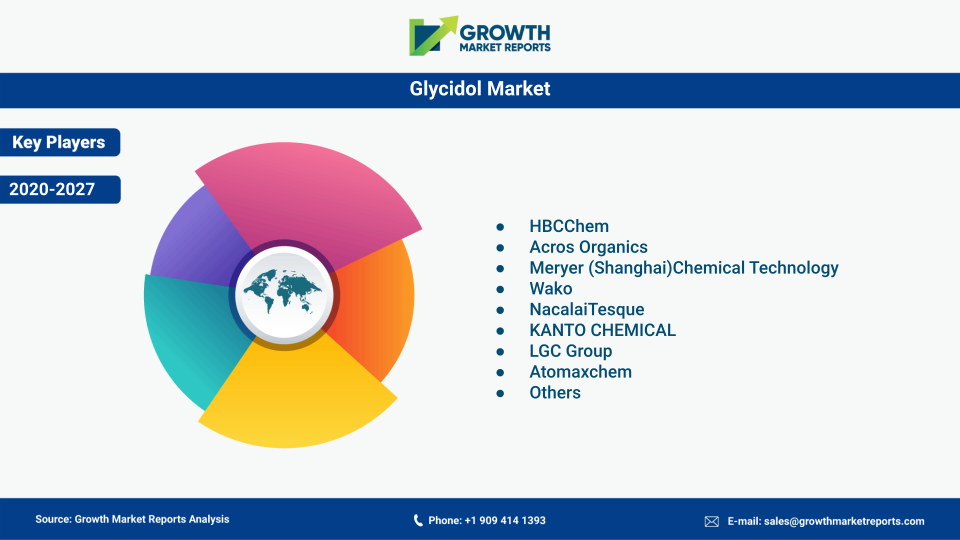
Major manufactures include, HBCChem, Acros Organics, Meryer (Shanghai), Chemical Technology, Wako, NacalaiTesque, KANTO CHEMICAL, LGC Group, and Atomaxchem