Segments - by Product Type (Sodium Silicate Sand, Potassium Silicate Sand, Others), by Application (Container Glass, Flat Glass, Fiber Glass, Specialty Glass, Others), by Purity Level (High Purity, Standard Purity), by End-User (Construction, Automotive, Electronics, Solar, Others)
This report is updated with the latest market data and insights as of June 2026. Base year: 2025 | Forecast period: 2026-2034
According to our latest research, the global glassmaking silica sand market size reached USD 6.2 billion in 2025, with the industry demonstrating a steady and resilient growth trajectory. The market is expanding at a CAGR of 6.2% from 2026 to 2034, and it is forecasted to attain a value of USD 10.8 billion by 2034. This robust expansion is primarily driven by rising demand for glass products in construction, automotive, and solar applications, as well as continuous technological advancements in glass manufacturing processes. The increasing preference for high-quality, durable, and energy-efficient glass across diverse industries is further fueling growth in the global silica sand market, particularly in the glassmaking segment.
One of the most significant growth factors for the glassmaking silica sand market is the rapid urbanization and infrastructural development observed worldwide. As cities expand and populations grow, there is a substantial surge in the construction of commercial and residential buildings, all of which require vast amounts of glass for windows, facades, and interior applications. The construction sector has witnessed a marked shift toward energy-efficient and aesthetically appealing glass, prompting a parallel rise in demand for high-purity silica sand. Governments across developed and emerging economies are launching initiatives to promote sustainable building materials, further bolstering the need for advanced glass products and, consequently, glassmaking silica sand.
Another crucial driver propelling the glassmaking silica sand market is the burgeoning automotive industry. Modern vehicles are increasingly incorporating glass components not only for windshields and windows but also for panoramic roofs, mirrors, and advanced display panels. The trend toward electric and autonomous vehicles is accelerating the adoption of specialty glass that offers enhanced safety, UV protection, and energy efficiency. These evolving automotive requirements necessitate silica sand of superior quality and purity, thus amplifying market growth. The emphasis on lightweight vehicles to improve energy efficiency further supports the utilization of advanced glass, which relies heavily on high-grade silica sand as a raw material.
The demand for High-Purity Quartz Sand is increasingly becoming a pivotal factor in the glassmaking industry. This type of sand is essential for producing high-quality glass products that require exceptional clarity and strength. High-purity quartz sand contains minimal impurities, which makes it ideal for applications in specialty glass and optical glass manufacturing. As the market for advanced glass products expands, driven by sectors such as electronics and solar energy, the need for high-purity quartz sand is expected to rise significantly through 2034. This trend is further supported by technological advancements in purification processes, enabling manufacturers to meet stringent quality standards and cater to the growing demand for high-performance glass solutions.
The solar energy sector is emerging as a transformative force in the glassmaking silica sand market. As countries strive to transition toward renewable energy sources, the installation of solar panels has surged dramatically. Solar glass, which forms the protective and functional layer of photovoltaic modules, demands high-purity silica sand for optimal performance and longevity. The global push for clean energy, supported by government incentives and declining costs of solar technology, is expected to significantly elevate the consumption of glassmaking silica sand throughout the forecast period. This trend is especially pronounced in regions with ambitious solar capacity targets, such as Asia Pacific and Europe, where the market is witnessing a rapid uptick in demand. The expanding role of solar glass raw materials within the broader silica sand value chain underscores the strategic importance of supply chain resilience for producers serving this segment.
From a regional perspective, Asia Pacific continues to dominate the glassmaking silica sand market, accounting for the largest share in 2025. The region's leadership is underpinned by its massive construction activities, booming automotive industry, and aggressive investments in solar energy infrastructure. China and India, in particular, are at the forefront of this growth, benefiting from large-scale urbanization projects and favorable government policies. North America and Europe also represent significant markets, driven by mature industrial bases and a focus on technological innovation in glass manufacturing. Meanwhile, the Middle East & Africa and Latin America are emerging as promising markets due to increasing infrastructural investments and the gradual adoption of advanced glass solutions.
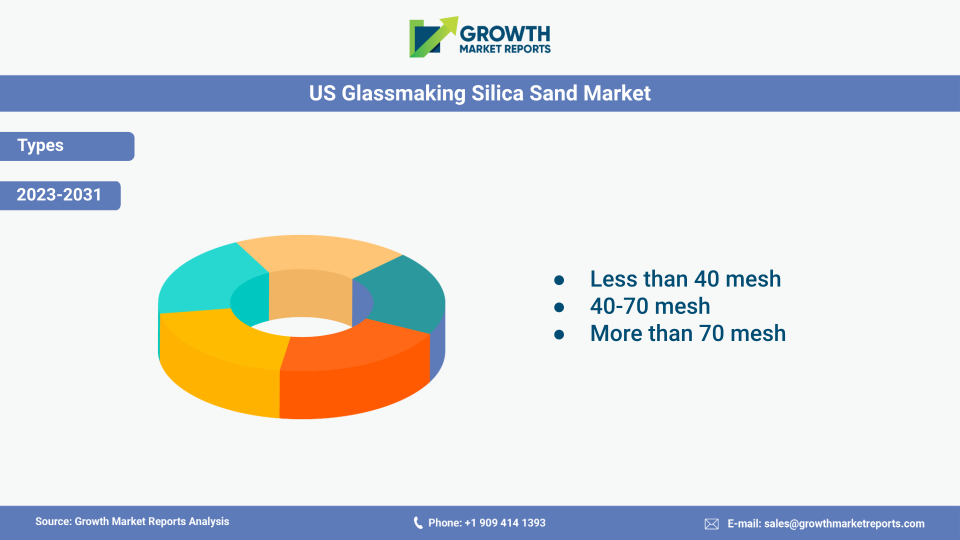
The product type segment of the glassmaking silica sand market is primarily categorized into sodium silicate sand, potassium silicate sand, and other specialty sands. Sodium silicate sand holds the largest share within this segment at approximately 58.5%, owing to its widespread application in the production of conventional glass products such as bottles, containers, and window panes. Its chemical stability, high melting point, and compatibility with a variety of glass compositions make it the preferred choice among manufacturers. The demand for sodium silicate sand is further propelled by its cost-effectiveness and availability, especially in regions with abundant natural silica reserves. As the construction and packaging industries continue to expand through 2034, the consumption of sodium silicate sand is expected to maintain its upward trajectory.
Potassium silicate sand, representing approximately 24% of the product type segment, is gaining traction due to its unique properties that are particularly suited for specialty and high-performance glass applications. Potassium silicate glass exhibits superior resistance to chemical corrosion and thermal shock, making it ideal for laboratory glassware, lighting, and certain electronics applications. The growing demand for high-durability and specialty glass in the electronics and healthcare sectors is driving growth of this sub-segment. Companies supplying potassium silicate flux for solar-grade applications are finding new growth avenues as photovoltaic manufacturers increasingly specify tighter raw material tolerances. Advancements in glass chemistry and the development of new formulations are creating additional opportunities for potassium silicate sand to capture a larger share through 2034.
The "others" category in the product type segment, accounting for roughly 17.5%, encompasses specialty silica sands tailored for niche applications such as optical glass, display panels, and advanced ceramics. These sands often undergo stringent purification processes to achieve ultra-high purity levels, which are essential for applications requiring exceptional clarity and minimal impurities. The rise of next-generation technologies, including augmented reality displays and high-precision optical instruments, is contributing to growing demand for specialty silica sands. Manufacturers are investing in research and development to enhance quality and performance characteristics of these sands, positioning themselves to capitalize on emerging opportunities in high-tech and scientific sectors. The related category of fused silica products is also expanding, creating complementary demand for ultra-pure feedstocks.
Overall, the product type segment of the glassmaking silica sand market is characterized by ongoing innovation and diversification. As end-user industries evolve and demand increasingly sophisticated glass products, the market is witnessing a shift toward higher-value and specialty sands. This trend is expected to intensify over the 2026-2034 forecast period, with manufacturers focusing on optimizing their production processes and expanding their product portfolios to cater to a broader range of applications. The competitive landscape within this segment is also intensifying, with established players and new entrants vying for market share through product differentiation and strategic collaborations.
| Attributes | Details |
| Report Title | Glassmaking Silica Sand Market Research Report 2034 |
| By Product Type | Sodium Silicate Sand, Potassium Silicate Sand, Others |
| By Application | Container Glass, Flat Glass, Fiber Glass, Specialty Glass, Others |
| By Purity Level | High Purity, Standard Purity |
| By End-User | Construction, Automotive, Electronics, Solar, Others |
| Regions Covered | North America, Europe, APAC, Latin America, MEA |
| Base Year | 2025 |
| Historic Data | 2019-2024 |
| Forecast Period | 2026-2034 |
| Number of Pages | 265 |
| Number of Tables & Figures | 277 |
| Customization Available | Yes, the report can be customized as per your need. |
The application segment of the glassmaking silica sand market is extensive, encompassing container glass, flat glass, fiber glass, specialty glass, and a variety of other uses. Container glass remains the dominant application, accounting for a significant portion of global silica sand consumption in 2025. This is largely attributed to the ubiquitous use of glass bottles and jars in the food and beverage, pharmaceutical, and cosmetics industries. The growing emphasis on sustainable packaging solutions and the recyclability of glass are further fueling demand for container glass, thereby driving the need for high-quality silica sand. Manufacturers are increasingly focusing on producing lightweight yet durable containers, which require silica sand with precise physical and chemical characteristics.
Flat glass represents another major application, with widespread use in architectural, automotive, and solar energy sectors. The construction industry's shift toward energy-efficient buildings and smart facades has led to a surge in demand for flat glass products such as double-glazed windows and solar control glass. Similarly, the automotive industry's adoption of advanced glazing solutions for safety, comfort, and aesthetic appeal is contributing to expansion of the flat glass segment. The solar energy sector is emerging as a key growth driver, with flat glass serving as the primary material for photovoltaic panels and solar thermal collectors. Demand for low-iron sand used in solar glass production is one of the fastest-growing application niches within this segment, reflecting tightening purity specifications from panel manufacturers.
Fiber glass, also known as glass wool, is gaining prominence as a versatile material for insulation, reinforcement, and filtration applications. The construction and automotive sectors are the primary consumers of fiber glass, leveraging its lightweight, high-strength, and thermal insulation properties. The growing focus on energy conservation and green building standards is boosting the adoption of fiber glass in residential and commercial construction. The use of high-silica fiberglass in wind turbine blades, aerospace components, and industrial pipes is expanding, further elevating the demand for high-purity silica sand as a critical raw material.
Specialty glass encompasses a wide range of high-performance and technologically advanced glass products, including optical glass, laboratory glassware, and display panels. These applications demand silica sand of exceptional purity and controlled particle size to ensure optimal performance and clarity. The proliferation of smartphones, tablets, and high-definition displays is driving the need for specialty glass, particularly in the electronics and telecommunications sectors. Furthermore, the development of new glass formulations for medical, scientific, and defense applications is creating additional avenues for market growth within this segment.
Other applications of glassmaking silica sand include ceramics, foundry molds, and water filtration systems. While these segments represent a smaller share of the overall market, they contribute to the diversification and resilience of the industry. As technological advancements continue to reshape end-user requirements, the application segment of the glassmaking silica sand market is expected to witness sustained innovation and expansion through 2034, with manufacturers adapting their offerings to meet the evolving needs of a wide array of industries.
The purity level of silica sand is a critical determinant of its suitability for various glassmaking applications. High purity silica sand, typically containing over 99.5% silicon dioxide, is in high demand for applications requiring superior clarity, strength, and chemical resistance. This category is particularly important for the production of specialty glass, optical glass, and solar glass, where even trace impurities can compromise product quality. The increasing adoption of high-performance glass in electronics, solar panels, and advanced architectural applications is driving demand for high purity silica sand through 2034. Manufacturers are investing in advanced beneficiation and purification technologies to meet stringent quality standards and cater to growing needs of these high-value segments.
Standard purity silica sand, while containing lower levels of silicon dioxide compared to its high purity counterpart, remains the workhorse of the glassmaking industry. It is widely used in the production of container glass, flat glass, and fiber glass, where the requirements for chemical purity are less stringent. The widespread availability and lower cost of standard purity silica sand make it an attractive option for mass-market glass products. Despite the growing emphasis on high purity sand, the bulk of global silica sand consumption continues to be driven by standard purity grades, especially in developing regions where cost considerations are paramount.
The distinction between high purity and standard purity silica sand is becoming increasingly important as end-user industries demand higher quality and performance from their glass products. Technological advancements in glass manufacturing are enabling the production of thinner, lighter, and more durable glass, which requires raw materials of exceptional consistency and purity. This trend is prompting silica sand producers to enhance their quality control processes and invest in new technologies to upgrade their product offerings. The competitive landscape within the purity level segment is evolving, with leading players differentiating themselves through superior product quality and reliability.
Environmental and regulatory considerations are also influencing the purity level segment of the glassmaking silica sand market. Stricter environmental standards and the need to minimize the presence of harmful impurities such as iron and heavy metals are driving the adoption of advanced purification techniques. These developments are particularly relevant in the context of solar glass and electronics, where product performance is closely linked to raw material quality. As the market continues to evolve toward 2034, the ability to consistently deliver high purity silica sand will be a key differentiator for manufacturers seeking to capture a larger share of the value-added glass market.
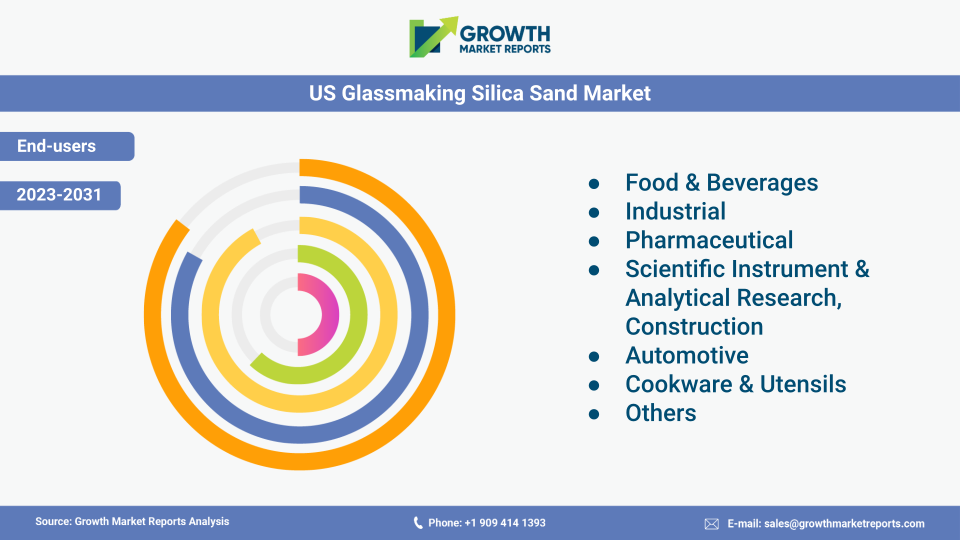
The construction industry is the largest end-user of glassmaking silica sand in 2025, accounting for a substantial share of global demand. Glass is an integral component of modern architecture, used extensively in windows, facades, doors, and interior partitions. The trend toward green buildings and energy-efficient construction is driving the adoption of advanced glass products such as low-emissivity and solar control glass, which require high-quality silica sand as a raw material. Rapid urbanization, particularly in emerging economies across Asia Pacific, Africa, and Latin America, is fueling a construction expansion that is expected to sustain robust demand for glassmaking silica sand over the 2026-2034 forecast period.
The automotive sector is another major consumer of glassmaking silica sand, leveraging its properties to produce windshields, side windows, rear windows, sunroofs, and mirrors. The shift toward electric vehicles and autonomous driving technologies is catalyzing the use of specialty glass with enhanced safety, thermal insulation, and acoustic properties. These advancements are increasing requirements for high-purity silica sand, as manufacturers strive to meet stringent quality and performance standards. The growing popularity of panoramic roofs and smart glass features in both passenger and commercial vehicles is further contributing to expansion of this end-user segment through 2034.
Electronics is a rapidly growing end-user segment, with the proliferation of smartphones, tablets, televisions, and other display devices driving demand for specialty glass. The production of high-definition, scratch-resistant, and ultra-thin glass panels relies on silica sand of exceptional purity and consistency. The rapid pace of innovation in consumer electronics, coupled with the increasing adoption of smart home technologies and connected devices, is expected to spur significant growth in this segment through 2034. Manufacturers are focusing on developing new glass formulations and processing techniques to cater to the evolving needs of the electronics industry.
The solar industry is rapidly becoming a key end-user of glassmaking silica sand, driven by the global transition toward renewable energy sources. Solar glass, used in photovoltaic modules and solar thermal collectors, requires high-purity silica sand to achieve optimal transparency, durability, and weather resistance. The declining cost of solar technology, coupled with government incentives and ambitious renewable energy targets in key markets including China, the United States, Germany, and India, is fueling solar panel installations worldwide. The expanding market for solar-grade quartz and related high-purity feedstocks reflects the increasing quality demands placed on raw material suppliers by photovoltaic manufacturers.
Other end-users of glassmaking silica sand include the packaging, healthcare, and scientific research sectors. Glass containers for pharmaceuticals, laboratory glassware, and optical components are niche applications that contribute to the diversification of the market. As technological advancements continue to reshape end-user requirements, manufacturers are adapting their product offerings to cater to a broader range of applications and industries. The end-user segment of the glassmaking silica sand market is expected to witness sustained growth and innovation over the 2026-2034 forecast period.
The glassmaking silica sand market presents a myriad of opportunities for stakeholders across the value chain. One of the most promising avenues is the growing adoption of solar energy, which is driving unprecedented demand for high-purity silica sand. As countries ramp up their renewable energy capacity toward 2034, the need for efficient and durable solar glass is expected to surge, creating lucrative opportunities for silica sand producers. Additionally, advancements in glass manufacturing technologies such as float glass and thin-film coatings are enabling the production of high-performance glass products that require superior raw materials. Manufacturers that invest in research and development to enhance the quality and performance of their silica sand are well positioned to capitalize on these emerging opportunities.
Another significant opportunity lies in the increasing emphasis on sustainability and environmental stewardship. The recyclability of glass and the push toward circular economy practices are prompting manufacturers to adopt eco-friendly production processes and source raw materials responsibly. The development of new applications for glass, such as smart glass, self-cleaning glass, and antimicrobial glass, is further expanding the addressable market for glassmaking silica sand. Companies that align their strategies with these trends and prioritize sustainability are likely to gain a competitive edge and unlock new growth avenues in the evolving market landscape through 2034.
Despite the favorable growth outlook, the glassmaking silica sand market faces several restraining factors and threats. One of the primary challenges is the environmental impact associated with silica sand mining and processing. The extraction of silica sand can lead to habitat disruption, water quality concerns, and air quality issues, prompting regulatory scrutiny and community opposition in some regions. Stricter environmental regulations and the need for sustainable mining practices are increasing compliance costs and operational complexities for producers. Additionally, fluctuations in raw material prices, logistical challenges, and supply chain disruptions can affect market stability and profitability. Companies must navigate these challenges proactively by adopting best practices, investing in sustainable technologies, and engaging with stakeholders to ensure long-term viability.
Asia Pacific continues to lead the global glassmaking silica sand market, accounting for over 45% of the total market value in 2025. The region's dominance is attributed to its rapid urbanization, expansive construction activities, and robust automotive and electronics industries. China, India, and Southeast Asian countries are the primary drivers of growth, benefiting from favorable government policies, abundant natural resources, and significant investments in infrastructure and renewable energy. The glassmaking silica sand market in Asia Pacific is projected to grow at a CAGR of 7.1% through 2034, outpacing other regions due to its dynamic industrial landscape and rising demand for high-quality glass products.
North America represents approximately 22% of the global glassmaking silica sand market in 2025, with a market size of USD 1.36 billion. The United States and Canada are the key contributors, supported by a mature construction and automotive sector, advancements in glass manufacturing technologies, and accelerating solar energy investment. Regulatory support for sustainable construction and renewable energy initiatives is providing additional impetus to market expansion. The North American market is projected to grow at a steady pace through 2034, with solar glass and specialty glass applications leading incremental demand.
Europe holds a prominent position in the glassmaking silica sand market, accounting for approximately 19.5% of the global market value in 2025, with Germany, France, and the United Kingdom leading the way. Europe's emphasis on energy-efficient buildings, automotive innovation, and renewable energy adoption is fueling demand for advanced glass products and high-quality silica sand. The region is also at the forefront of developing new glass formulations for specialty and high-performance applications. Meanwhile, the Middle East & Africa and Latin America are emerging as growth markets, collectively accounting for approximately 13% of the global market in 2025, as they ramp up investments in construction, automotive, and solar energy projects. Both regions are expected to record above-average growth rates through 2034, driven by infrastructural expansion and increasing adoption of modern glass solutions.
The glassmaking silica sand market is characterized by a highly competitive landscape, with a mix of established multinational corporations and regional players vying for market share. Intense competition is driving innovation, with companies investing in advanced beneficiation technologies, quality control processes, and sustainable mining practices to differentiate their offerings. The market is witnessing a trend toward consolidation, as larger players acquire smaller firms to expand their resource base, enhance production capabilities, and strengthen their distribution networks. Strategic partnerships and collaborations are also becoming increasingly common, enabling companies to leverage complementary strengths and accelerate product development.
Product differentiation is a key strategy adopted by leading players in the glassmaking silica sand market. Companies are focusing on developing high-purity and specialty silica sands tailored for specific applications such as solar glass, optical glass, and advanced electronics. This approach allows manufacturers to command premium pricing and capture a larger share of value-added market segments. Additionally, sustainability is emerging as a critical differentiator, with stakeholders across the value chain prioritizing eco-friendly production processes, responsible sourcing, and circular economy initiatives. Companies that demonstrate a strong commitment to environmental stewardship are likely to gain a competitive edge and enhance their brand reputation through 2034.
Technological innovation is reshaping the competitive dynamics of the market, with advancements in mining, purification, and processing technologies enabling the production of higher quality and more consistent silica sand. Automation, digitalization, and real-time quality monitoring are improving operational efficiency and reducing costs, allowing companies to respond more effectively to changing market demands. The adoption of sustainable mining practices and the development of closed-loop recycling systems are further enhancing the competitiveness of leading players, positioning them for long-term success in the evolving market landscape.
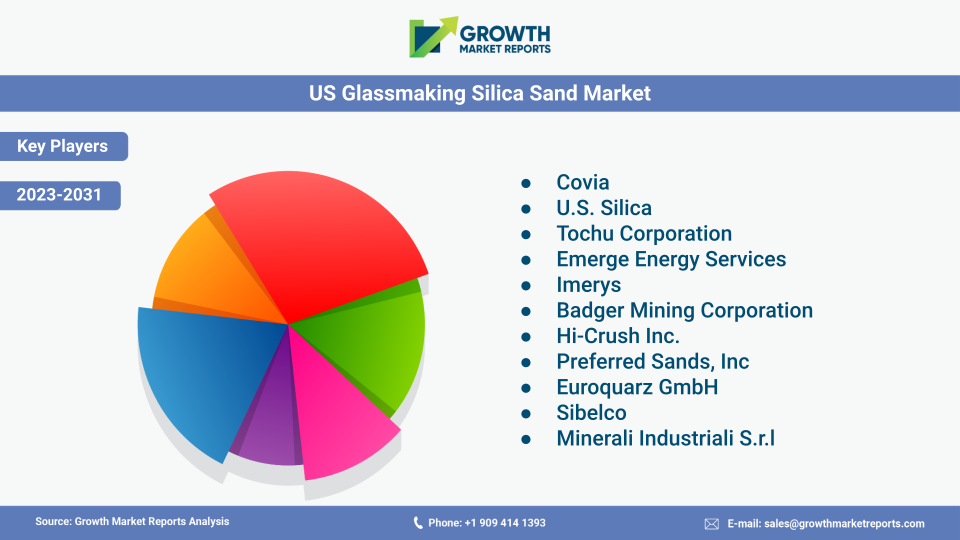
Some of the major companies operating in the glassmaking silica sand market include Sibelco, U.S. Silica Holdings Inc., Quarzwerke GmbH, Covia Holdings Corporation, Minerali Industriali S.r.l., Imerys S.A., Euroquarz GmbH, Badger Mining Corporation, Hi-Crush Inc., and VRX Silica Limited. These companies have established strong global footprints, leveraging extensive resource bases, advanced production facilities, and robust distribution networks to serve diverse end-user industries. Sibelco, for instance, is renowned for its comprehensive range of high-purity silica sands and commitment to sustainable mining practices. U.S. Silica Holdings Inc. is a key player in North America, offering a broad portfolio of silica sand products for glassmaking, construction, and industrial applications.
Quarzwerke GmbH and Imerys S.A. have distinguished themselves through their focus on product innovation and quality assurance, catering to the evolving needs of the glass, ceramics, and electronics industries. Euroquarz GmbH and Badger Mining Corporation are recognized for their operational excellence and customer-centric approach, while Minerali Industriali S.r.l. and Covia Holdings Corporation have built reputations for reliability and consistency in product supply. VRX Silica Limited and Hi-Crush Inc. are actively expanding their production footprints and resource portfolios to serve growing demand across Asia Pacific and North America respectively. These companies are investing in research and development to enhance the performance characteristics of their silica sand products and expand their presence in high-growth markets through 2034.
The competitive landscape of the glassmaking silica sand market is expected to remain dynamic, with ongoing consolidation, technological advancements, and evolving customer requirements shaping industry dynamics. Companies that prioritize innovation, sustainability, and customer engagement are likely to emerge as leaders in this fast-evolving market. As the demand for high-quality and specialty glass products continues to rise through 2034, the ability to deliver consistent, high-purity silica sand will be a key determinant of long-term success in the global glassmaking silica sand market.
The Glassmaking Silica Sand market has been segmented on the basis of
Yes. The report can be customized to include additional or alternative company profiles based on your specific requirements. If you need profiles of regional players, private companies, or companies not listed in the standard report, our research team can incorporate them into a bespoke version of the report upon request.
Yes. The report covers silica sand grades used specifically in automotive glass applications, including windshields, side and rear windows, sunroofs, and advanced head-up display glass. These applications are analyzed within the flat glass and specialty glass application segments, with purity level and product type breakdowns that distinguish automotive-grade requirements from other end uses.
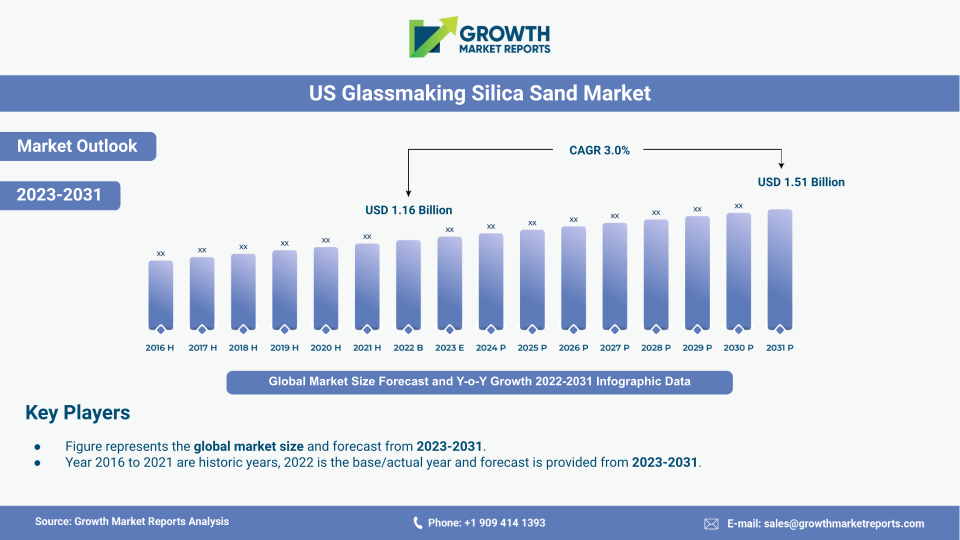
Based on the 2025 base market size of approximately USD 1.36 billion for North America (representing roughly 22% of the global market) and applying the regional growth rate, the US glassmaking silica sand market is projected to reach approximately USD 1.8 billion by 2031, driven by solar energy expansion, automotive glass upgrades, and sustained construction activity.
The report offers import-export analysis by country, raw material price trend analysis from 2019 to 2034, competitive benchmarking matrices, patent landscape analysis, supply chain mapping, and environmental compliance risk assessments by region. Customized data cuts by sub-segment, country, and company are available on request.
Companies are selected based on their global or regional market presence, annual revenue and production capacity in silica sand or industrial minerals, product portfolio relevance to glassmaking applications, degree of vertical integration, innovation activity, and publicly available data quality. Priority is given to companies with a proven track record of supplying silica sand specifically for glass manufacturing end users.
Key growth drivers include rapid urbanization and infrastructure investment, accelerating adoption of solar photovoltaic panels requiring high-purity solar glass, the transition to electric and autonomous vehicles, rising demand for energy-efficient architectural glass, and expanding electronics production. Government incentives for renewable energy and green construction, combined with technological advances in glass manufacturing, are also important catalysts.
The key end-use industries driving the glassmaking silica sand market are construction, automotive, solar energy, and electronics. Construction remains the largest consumer, fueled by urbanization and green building trends. The solar sector is the fastest-growing end user, underpinned by global renewable energy targets. Automotive demand is rising due to increased glass content in electric and autonomous vehicles, while electronics demand is growing on the back of specialty display glass requirements.
COVID-19 significantly disrupted the glassmaking silica sand market in 2019-2020. Construction activity slowed sharply, automotive production halted temporarily, and global supply chains were severely dislocated. Demand from container glass held up better than other segments due to rising food and pharmaceutical packaging needs. By 2021-2022 the market rebounded strongly, and by 2025 it has recovered fully, with solar and construction demand driving the market to a base value of USD 6.2 billion.
The base year for this report is 2025. The historical data covers the period from 2019 to 2024, while the forecast period spans from 2026 to 2034, giving a comprehensive view of market evolution and future trajectory.
The major players operating in the global glassmaking silica sand market include Sibelco, U.S. Silica Holdings Inc., Quarzwerke GmbH, Covia Holdings Corporation, Minerali Industriali S.r.l., Imerys S.A., Euroquarz GmbH, Badger Mining Corporation, Hi-Crush Inc., VRX Silica Limited, JFE Mineral & Alloy Company Ltd., and Adwan Chemical Industries Company Ltd. These companies compete on the basis of product quality, purity levels, geographic reach, and sustainability credentials.