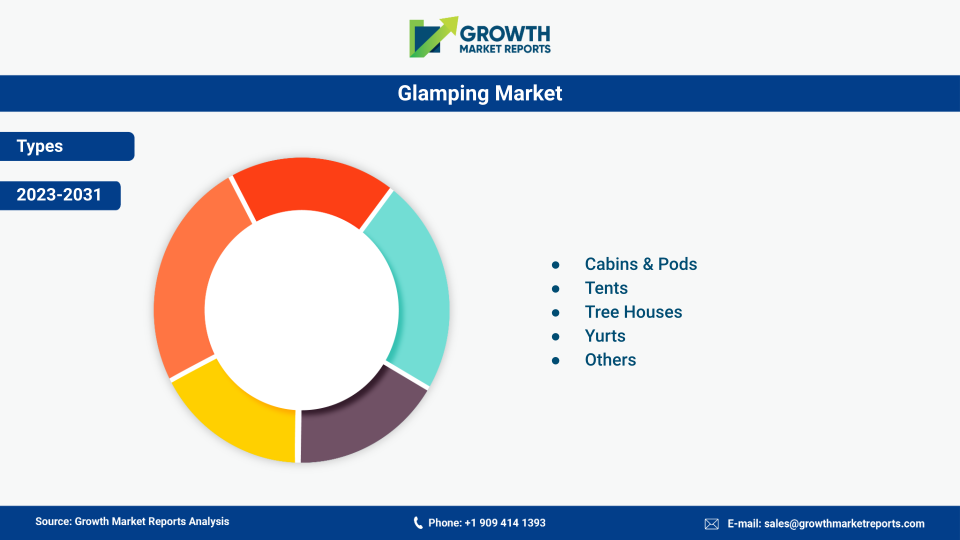
Segments - by Accommodation Type (Cabins and Pods, Tents, Yurts, Treehouses, Villas, Others), by Age Group (18-32 Years, 33-50 Years, 51-65 Years, Above 65 Years), by Booking Mode (Online, Offline), by End-User (Couples, Families, Solo, Groups)
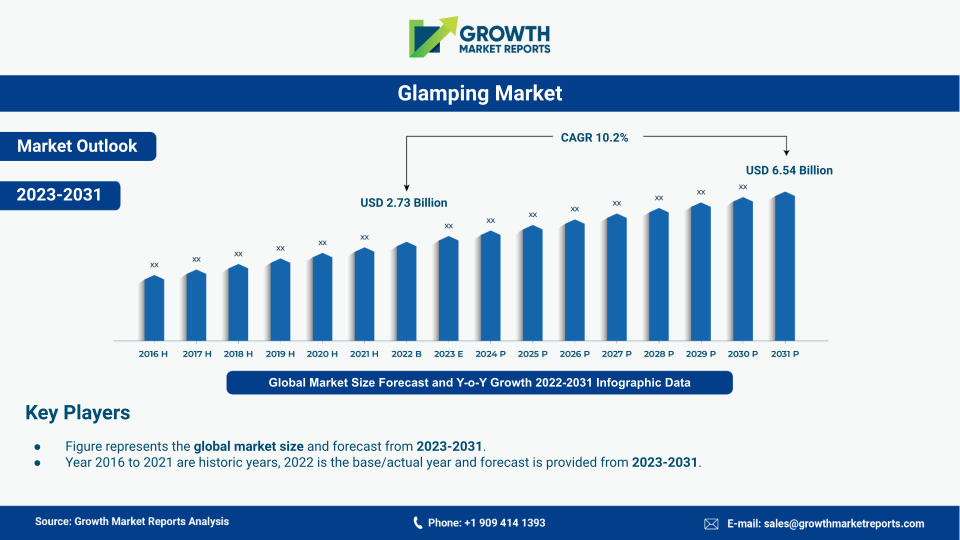
According to our latest research, the global glamping market size in 2024 is valued at USD 3.45 billion, reflecting robust growth driven by the rising demand for unique travel experiences that blend luxury and nature. The market is witnessing a strong compound annual growth rate (CAGR) of 12.8% from 2025 to 2033. By the end of 2033, the global glamping market is projected to reach a substantial USD 10.25 billion, as consumers increasingly seek out sustainable, comfortable, and immersive vacation options. This upsurge is primarily fueled by the growing popularity of experiential tourism and the expanding range of glamping accommodations offered worldwide.
Several significant factors are contributing to the impressive growth trajectory of the glamping market. One primary driver is the evolving preferences of modern travelers who are seeking experiences that combine the tranquility of nature with the comforts of high-end amenities. Unlike traditional camping, glamping offers a hassle-free and luxurious alternative, attracting a broader demographic, including families, couples, and solo travelers. The integration of eco-friendly practices and sustainable materials in glamping sites further enhances the appeal, as environmentally conscious consumers look for vacation options that align with their values. This shift in consumer mindset is also supported by increased disposable incomes and a growing emphasis on wellness and relaxation, prompting travelers to invest in unique, rejuvenating getaways.
Another pivotal growth factor for the glamping market is the rapid digitalization of the travel and hospitality sector. Online booking platforms and mobile applications have revolutionized how travelers discover, compare, and reserve glamping accommodations. The convenience and transparency offered by digital channels have significantly broadened the marketÂ’s reach, enabling operators to connect with a global audience. Social media platforms have also played a crucial role, as visually appealing glamping experiences shared by influencers and travelers generate aspirational value and drive demand. This digital transformation has not only enhanced customer engagement but also enabled glamping providers to offer personalized experiences, further strengthening customer loyalty and market growth.
The glamping market is also benefiting from the increased focus on health, safety, and privacy in the post-pandemic era. Travelers are now more inclined towards secluded and private accommodations that minimize contact with large crowds, making glamping an attractive choice. Operators are responding by offering exclusive packages, private facilities, and enhanced hygiene protocols, which has further boosted consumer confidence. The flexibility of glamping accommodations, ranging from eco-friendly tents to lavish treehouses and villas, allows providers to cater to diverse preferences and age groups. This adaptability is instrumental in capturing a wide customer base and ensuring sustained market expansion.
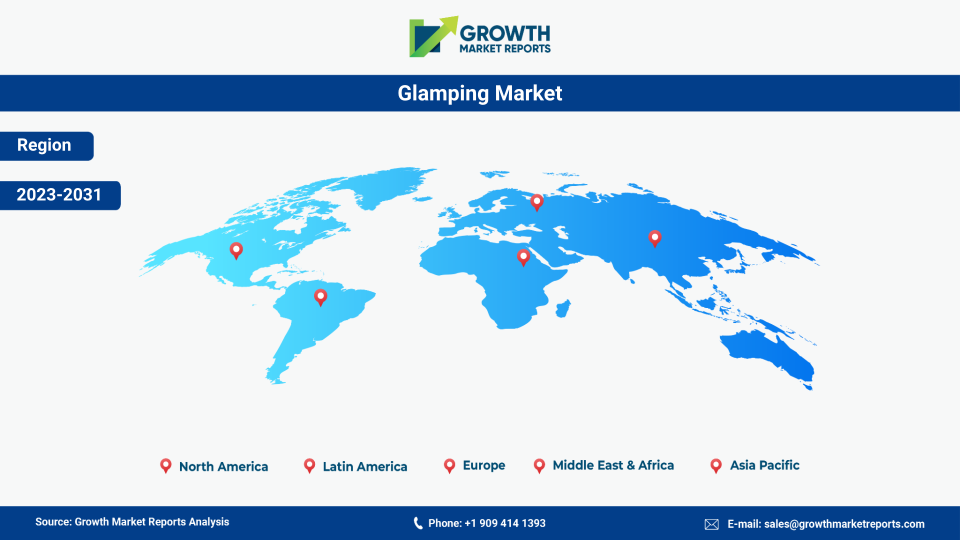
From a regional perspective, North America and Europe are leading the glamping market due to their established tourism infrastructure, high disposable incomes, and a strong culture of outdoor recreation. However, Asia Pacific is emerging as a key growth region, fueled by increasing urbanization, rising middle-class populations, and a burgeoning interest in sustainable travel. Countries such as Australia, Japan, and Thailand are witnessing a surge in glamping sites, catering to both domestic and international tourists. Latin America and the Middle East & Africa are also showing promising potential, driven by their unique landscapes and growing tourism initiatives. This global expansion is paving the way for new investment opportunities and innovative business models in the glamping market.
Camping Tourism, a traditional form of outdoor recreation, has long been cherished for its simplicity and connection to nature. In recent years, however, it has evolved to include more luxurious and comfortable options, bridging the gap between rustic experiences and modern conveniences. This evolution has been driven by a growing demand for unique and personalized travel experiences that allow individuals to immerse themselves in nature without sacrificing comfort. As a result, camping tourism now encompasses a wide range of accommodations, from basic tents to sophisticated lodges, catering to diverse preferences and budgets. This transformation is not only attracting seasoned campers but also enticing new demographics who are eager to explore the great outdoors in style.
The accommodation type segment is a cornerstone of the glamping market, encompassing a diverse array of options such as cabins and pods, tents, yurts, treehouses, villas, and other unique structures. Cabins and pods hold a significant share in the market, favored for their solid structure, weather resistance, and ability to provide a home-like comfort in remote locations. These accommodations are particularly popular in North America and Europe, where consumers prioritize safety and convenience alongside an immersive nature experience. The modular design of cabins and pods also enables scalability for operators, making them a preferred choice for expanding glamping businesses. As sustainability becomes a key consideration, many providers are investing in eco-friendly materials and off-grid solutions, further enhancing the appeal of this accommodation type.
Tents, including safari tents and bell tents, represent one of the most iconic segments in the glamping market. Their versatility, affordability, and ability to be set up in diverse landscapes make them highly attractive for both operators and travelers. Modern glamping tents are equipped with premium amenities such as king-sized beds, en-suite bathrooms, and climate control, offering a stark contrast to traditional camping. The popularity of tents is especially pronounced in adventure tourism hotspots and national parks, where they provide an authentic yet comfortable outdoor experience. The lightweight and portable nature of tents also allows operators to minimize their environmental footprint, aligning with the growing trend of sustainable tourism.
Yurts and treehouses are gaining traction as unique and experiential accommodation options within the glamping market. Yurts, with their circular design and historical roots in Central Asia, offer a spacious and cozy environment that appeals to families and groups. Their adaptability to various climates and ease of customization make them a versatile choice for glamping sites across different regions. Treehouses, on the other hand, cater to travelers seeking novelty and adventure. Elevated amidst natural surroundings, treehouses provide a sense of seclusion and exclusivity, making them popular among couples and honeymooners. The integration of modern amenities in these unconventional structures has elevated the overall glamping experience, attracting a niche but growing segment of discerning travelers.
Villas and other luxury accommodations are becoming increasingly prominent in the glamping market, particularly in regions with high-end tourism demand. These structures offer expansive living spaces, private pools, gourmet kitchens, and personalized services, blurring the line between glamping and boutique hospitality. Villas are often situated in scenic locations, such as beachfronts, mountains, or vineyards, providing guests with breathtaking views and unparalleled comfort. The rising demand for bespoke and exclusive experiences is driving investment in this segment, with operators leveraging architectural innovation and local materials to create distinctive offerings. Other accommodation types, including houseboats, domes, and converted vehicles, are also contributing to market diversity, catering to travelers with specific preferences and interests.
Glamping Tents have emerged as a quintessential symbol of the glamping movement, offering an ideal blend of luxury and adventure. These tents, often set in picturesque locations, provide a unique opportunity for travelers to experience the beauty of nature while enjoying the comforts of a high-end hotel. Equipped with plush furnishings, en-suite bathrooms, and climate control, glamping tents redefine the traditional camping experience, making it accessible to a broader audience. The versatility of these tents allows them to be pitched in a variety of landscapes, from serene beaches to rugged mountains, enhancing their appeal to adventure seekers and nature lovers alike. As the demand for sustainable and immersive travel experiences grows, glamping tents are set to play a pivotal role in shaping the future of the tourism industry.
| Attributes | Details |
| Report Title | Glamping Market Research Report 2033 |
| By Accommodation Type | Cabins and Pods, Tents, Yurts, Treehouses, Villas, Others |
| By Age Group | 18-32 Years, 33-50 Years, 51-65 Years, Above 65 Years |
| By Booking Mode | Online, Offline |
| By End-User | Couples, Families, Solo, Groups |
| Regions Covered | North America, Europe, APAC, Latin America, MEA |
| Base Year | 2024 |
| Historic Data | 2018-2023 |
| Forecast Period | 2025-2033 |
| Number of Pages | 270 |
| Number of Tables & Figures | 319 |
| Customization Available | Yes, the report can be customized as per your need. |
The age group segmentation of the glamping market reveals distinct trends and preferences among different demographics. The 18-32 years cohort, often referred to as millennials and Gen Z, represents a significant growth driver for the market. This age group is characterized by a strong desire for experiential travel, adventure, and social media-worthy moments. Glamping appeals to these younger travelers by offering unique settings, Instagrammable backdrops, and opportunities for outdoor activities without sacrificing comfort. Operators are increasingly tailoring their offerings to cater to this demographic, incorporating communal spaces, adventure packages, and digital connectivity to enhance the overall experience. The influence of online reviews and peer recommendations is particularly strong among this age group, further amplifying market growth.
Travelers aged 33-50 years constitute another substantial segment within the glamping market. This group, often comprising young families and professionals, values convenience, safety, and family-friendly amenities. Glamping provides an ideal solution for those seeking a balance between outdoor adventure and comfort, especially for families with children. Accommodations equipped with private bathrooms, kitchens, and recreational facilities are highly sought after by this demographic. Additionally, the flexibility of glamping sites to offer tailored experiences, such as guided nature walks, educational workshops, and wellness retreats, resonates strongly with this age group. As disposable incomes rise and work-life balance becomes a priority, the demand for short, rejuvenating getaways is expected to increase among 33-50-year-olds.
The 51-65 years age group, often referred to as baby boomers, is emerging as a lucrative segment for the glamping market. This demographic is characterized by higher spending power, a preference for comfort, and a growing interest in nature-based activities. Glamping appeals to mature travelers who seek relaxation, scenic beauty, and unique experiences without the physical demands of traditional camping. Operators are responding by offering premium accommodations, wellness programs, and curated experiences tailored to the needs of older guests. Accessibility features, personalized services, and health-conscious amenities are becoming standard offerings in glamping sites targeting this age group. The trend of multi-generational travel is also contributing to the growth of this segment, as families seek destinations that cater to all age groups.
Travelers above 65 years represent a smaller but steadily growing segment within the glamping market. This age group values comfort, safety, and personalized attention, making glamping an attractive alternative to conventional resorts and hotels. Operators are increasingly focusing on accessibility, medical support, and tranquil settings to cater to the needs of senior travelers. The demand for wellness retreats, nature therapy, and cultural experiences is particularly high among this demographic. As life expectancy increases and retirees seek meaningful travel experiences, the glamping market is well-positioned to capture a share of this expanding customer base. The integration of age-friendly design and services is expected to further enhance the appeal of glamping among senior travelers.
The booking mode segment of the glamping market is witnessing a transformative shift, with online channels rapidly gaining dominance over traditional offline methods. Online booking platforms offer unparalleled convenience, transparency, and accessibility, enabling travelers to compare options, read reviews, and make reservations from anywhere in the world. The proliferation of dedicated glamping websites, travel aggregators, and mobile apps has democratized access to glamping accommodations, driving market expansion. Operators are leveraging digital marketing strategies, search engine optimization, and social media campaigns to enhance visibility and attract a global audience. The integration of secure payment gateways, instant confirmation, and customer support further enhances the online booking experience, making it the preferred choice for tech-savvy travelers.
The growth of online booking is also fueled by the increasing use of smartphones and the internet among travelers of all age groups. Mobile-friendly websites and applications have become essential tools for glamping operators, enabling real-time availability checks, personalized recommendations, and seamless communication with guests. The use of artificial intelligence and data analytics is further optimizing the booking process, allowing operators to offer dynamic pricing, targeted promotions, and loyalty programs. Online reviews and user-generated content play a critical role in influencing booking decisions, with travelers placing high value on peer feedback and ratings. As digital adoption continues to rise, the share of online bookings in the glamping market is expected to surpass that of offline channels.
Despite the rapid growth of online booking, offline channels continue to play a significant role, especially in regions with limited internet access or among older demographics who prefer personal interaction. Traditional travel agencies, tour operators, and direct bookings through phone or in-person visits remain relevant, particularly for group bookings, customized packages, and high-value transactions. Offline channels offer personalized service, expert advice, and the ability to negotiate special requests, which can be appealing to certain customer segments. Operators are increasingly adopting an omnichannel approach, integrating online and offline touchpoints to provide a seamless booking experience and cater to diverse customer preferences.
The coexistence of online and offline booking modes presents both opportunities and challenges for glamping operators. While online channels offer scalability and cost efficiency, offline channels provide a human touch and build trust, especially for first-time or high-value customers. The key to success lies in leveraging technology to enhance customer engagement while maintaining personalized service. Operators who invest in robust booking systems, customer relationship management, and digital marketing are well-positioned to capture a larger share of the glamping market. As the industry continues to evolve, the integration of emerging technologies such as virtual reality tours, chatbots, and blockchain-based booking platforms is expected to further revolutionize the booking experience.
The end-user segmentation of the glamping market highlights the diverse customer base and the tailored experiences offered by operators. Couples represent a significant portion of the market, drawn to the romantic and intimate settings that glamping accommodations provide. Treehouses, secluded cabins, and luxury tents are particularly popular among couples seeking privacy, scenic beauty, and unique experiences. Operators often offer special packages for couples, including candlelit dinners, spa treatments, and adventure activities, enhancing the overall appeal. The demand for honeymoon and anniversary packages is also driving growth in this segment, with glamping sites positioning themselves as ideal destinations for romantic getaways.
Families constitute another major end-user group in the glamping market, attracted by the combination of outdoor adventure and modern comforts. Family-friendly accommodations, such as spacious yurts, villas, and multi-room cabins, are designed to cater to the needs of parents and children alike. Glamping sites often feature recreational facilities, educational programs, and guided nature tours, providing a safe and engaging environment for families. The flexibility to accommodate large groups and the availability of child-friendly amenities make glamping a preferred choice for family vacations, reunions, and celebrations. Operators are increasingly focusing on safety, accessibility, and entertainment options to enhance the family glamping experience.
Solo travelers are an emerging and influential segment within the glamping market. This group is characterized by a desire for self-discovery, adventure, and personal growth. Glamping offers solo travelers the opportunity to connect with nature, participate in group activities, and enjoy solitude without compromising on comfort. Operators are responding by offering solo-friendly packages, communal dining options, and wellness retreats that foster social interaction and personal well-being. The rise of remote work and digital nomadism is also contributing to the growth of this segment, as solo travelers seek unique and inspiring environments to work and unwind.
Groups, including friends, corporate teams, and special interest clubs, represent a dynamic and growing end-user segment in the glamping market. Group bookings are often driven by the desire for shared experiences, team-building activities, and celebrations such as weddings or retreats. Glamping sites catering to groups offer flexible accommodation options, event spaces, and customized itineraries to meet diverse needs. The ability to host large gatherings in scenic and secluded locations is a key differentiator, attracting groups looking for memorable and exclusive experiences. Operators are increasingly investing in infrastructure, amenities, and event management services to capitalize on the growing demand for group glamping experiences.
The glamping market is ripe with opportunities, particularly as consumer preferences continue to shift towards experiential and sustainable travel. One of the most promising opportunities lies in the integration of technology to enhance the customer journey, from discovery and booking to on-site experiences. The use of virtual reality tours, personalized recommendations, and digital concierge services can create a seamless and immersive experience for guests, setting glamping sites apart from traditional accommodations. Additionally, the growing interest in wellness tourism presents an opportunity for operators to offer specialized retreats focused on health, mindfulness, and nature therapy. By partnering with local communities, glamping providers can also offer authentic cultural experiences, supporting sustainable tourism and fostering economic development in rural areas.
Another significant opportunity for the glamping market is the expansion into emerging markets and untapped regions. As urbanization and disposable incomes rise in Asia Pacific, Latin America, and the Middle East & Africa, there is a growing appetite for unique and luxurious travel experiences. Operators who invest in market research, localization, and strategic partnerships can capitalize on the increasing demand in these regions. The development of eco-friendly and off-grid glamping sites in scenic and remote locations can attract adventure seekers and nature enthusiasts, further diversifying the customer base. Furthermore, the trend towards multi-generational and group travel creates opportunities for operators to design flexible and inclusive accommodations that cater to diverse needs.
Despite the numerous opportunities, the glamping market faces several restraining factors that could hinder growth. One of the primary challenges is the high initial investment required to develop and maintain glamping sites, particularly those offering luxury amenities and sustainable features. Regulatory hurdles, land use restrictions, and environmental concerns can also pose significant barriers to entry, especially in protected or sensitive areas. Additionally, the seasonality of glamping, with peak demand often limited to certain months, can impact profitability and operational efficiency. Operators must also navigate the risks associated with changing consumer preferences, economic downturns, and increased competition from alternative accommodation providers. Addressing these challenges requires strategic planning, innovation, and a commitment to delivering exceptional customer experiences.
North America currently leads the global glamping market, accounting for approximately USD 1.21 billion in 2024, driven by a strong outdoor culture, high disposable incomes, and a well-established tourism infrastructure. The United States and Canada are at the forefront, with a wide range of glamping sites located in national parks, forests, and scenic landscapes. The region is characterized by a high adoption of technology, with online booking platforms and digital marketing playing a pivotal role in market expansion. The demand for unique and sustainable travel experiences is particularly high among millennials and families, contributing to the regionÂ’s robust growth. North America is expected to maintain its leadership position, with a steady CAGR of 11.5% over the forecast period.
Europe is another major market for glamping, valued at USD 1.02 billion in 2024, supported by a rich tradition of outdoor recreation, diverse landscapes, and a strong focus on sustainability. Countries such as the United Kingdom, France, Germany, and Italy are leading the way, with a growing number of glamping sites offering unique accommodations such as yurts, treehouses, and luxury tents. The regionÂ’s emphasis on eco-friendly tourism and cultural experiences is driving demand, particularly among young travelers and families. Europe is also witnessing increased investment in infrastructure and marketing, with operators collaborating with local communities to create authentic and immersive experiences. The region is projected to grow at a CAGR of 12.2% through 2033.
The Asia Pacific region is emerging as a key growth market, with a current value of USD 0.81 billion in 2024. Rapid urbanization, rising middle-class populations, and increasing interest in sustainable travel are fueling demand for glamping across countries such as Australia, Japan, China, and Thailand. The regionÂ’s diverse landscapes, from tropical beaches to mountain retreats, provide ample opportunities for glamping operators to develop innovative and attractive offerings. Government initiatives to promote eco-tourism and rural development are further supporting market growth. Asia Pacific is expected to register the highest CAGR of 15.7% over the forecast period, outpacing other regions. Latin America and the Middle East & Africa are also showing promising potential, with a combined market value of USD 0.41 billion in 2024, driven by unique natural attractions and growing tourism initiatives.
The competitive landscape of the glamping market is characterized by a dynamic mix of established hospitality brands, innovative startups, and niche operators. As consumer demand for unique and luxurious outdoor experiences continues to rise, competition is intensifying, prompting providers to differentiate themselves through innovative offerings, superior customer service, and strategic partnerships. Market players are investing heavily in the development of new accommodations, the integration of sustainable practices, and the adoption of advanced technologies to enhance the guest experience. The increasing use of digital marketing, influencer collaborations, and social media campaigns is enabling operators to reach a broader and more engaged audience, further intensifying competition.
Large hospitality groups are entering the glamping market, leveraging their brand recognition, operational expertise, and financial resources to establish a strong presence. These companies are often able to offer a wider range of amenities, loyalty programs, and bundled experiences, appealing to a diverse customer base. At the same time, independent glamping operators and boutique brands are carving out a niche by focusing on personalized service, unique accommodations, and immersive local experiences. The ability to adapt quickly to changing consumer preferences and market trends is a key advantage for smaller players, allowing them to innovate and respond to emerging opportunities more effectively than larger competitors.
Strategic partnerships and collaborations are becoming increasingly important in the glamping market, as operators seek to expand their reach and enhance their offerings. Collaborations with local communities, eco-tourism organizations, and travel agencies enable glamping providers to create authentic and sustainable experiences that resonate with modern travelers. The integration of technology, such as online booking platforms, mobile apps, and virtual reality tours, is also playing a critical role in differentiating market players and improving operational efficiency. As the market continues to grow, mergers and acquisitions are expected to increase, with larger companies seeking to consolidate their position and gain access to new markets and customer segments.
Some of the major companies operating in the global glamping market include Under Canvas, Collective Retreats, Eco Retreats, Glamping Hub, and Tentrr. Under Canvas is renowned for its upscale safari-inspired tents and prime locations near national parks in the United States, offering a blend of adventure and luxury. Collective Retreats specializes in experiential travel, providing guests with unique accommodations and curated activities in scenic destinations. Eco Retreats focuses on sustainability, offering eco-friendly yurts and cabins in remote natural settings. Glamping Hub operates as a leading online booking platform, connecting travelers with a wide range of glamping accommodations worldwide. Tentrr provides ready-to-go campsites and glamping experiences across the United States, catering to both solo travelers and groups.
Other notable players include Canopy & Stars, The Resort at Paws Up, and Hoshinoya Resorts. Canopy & Stars offers a curated selection of unique glamping sites across Europe, emphasizing authenticity and connection with nature. The Resort at Paws Up in Montana is known for its luxury tents and villas, providing guests with high-end amenities and personalized service. Hoshinoya Resorts in Japan integrates traditional Japanese hospitality with modern glamping concepts, attracting both domestic and international travelers. These companies are setting industry benchmarks through continuous innovation, exceptional customer service, and a strong commitment to sustainability and community engagement.
The competitive outlook for the glamping market is expected to remain dynamic, with ongoing innovation, new entrants, and evolving consumer preferences shaping the industry landscape. Companies that prioritize sustainability, leverage technology, and deliver exceptional guest experiences will be well-positioned to capture a larger share of the growing glamping market. As the industry matures, collaboration, differentiation, and a focus on quality will be key drivers of long-term success in the global glamping market.
The Glamping market has been segmented on the basis of
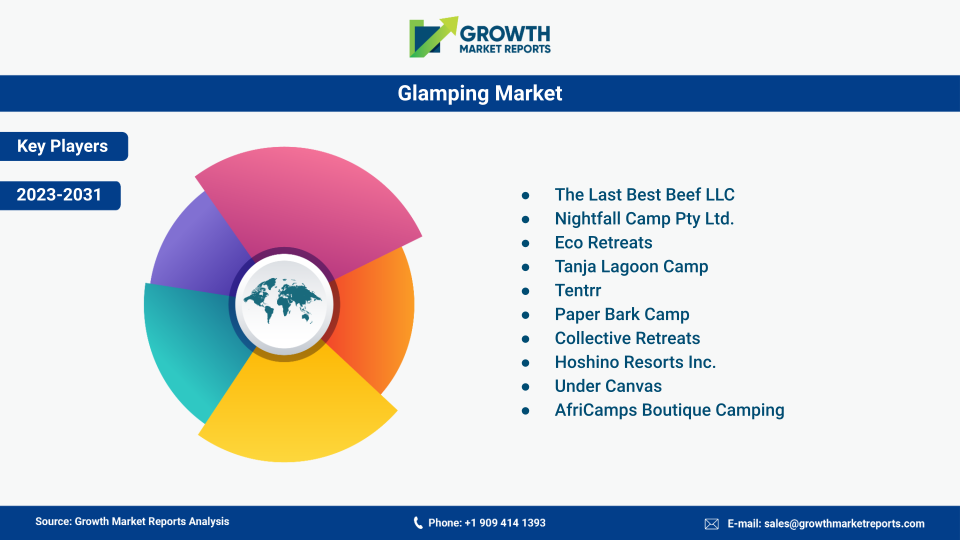
Key players competing in the global glamping market are The Last Best Beef LLC; Nightfall Camp Pty Ltd.; Eco Retreats; Tanja Lagoon Camp; Tentrr; Paper Bark Camp; Collective Retreats; Hoshino Resorts Inc.; Under Canvas; and AfriCamps Boutique Camping. These players have widely adopted several market development activities including collaborations, agreements, mergers & acquisitions, production capacity expansion, new product launches, and partnerships to increase their market share.
Opportunities include expansion into emerging markets, integration of advanced technologies (like virtual reality tours and AI-driven personalization), development of wellness and eco-friendly retreats, and partnerships with local communities for authentic experiences.
Challenges include high initial investment costs, regulatory and environmental restrictions, seasonality affecting occupancy rates, and increasing competition from both traditional and alternative accommodation providers.
Major players include Under Canvas, Collective Retreats, Tentrr, Eco Retreats, Glamping Hub, Canopy & Stars, The Resort at Paws Up, Hoshinoya Resorts, Baillie Lodges, Paperbark Camp, and several others, each offering unique glamping experiences worldwide.
Key trends include the demand for unique and immersive travel experiences, a focus on sustainability and eco-friendly practices, digitalization of booking and marketing, increased interest in wellness tourism, and the desire for privacy and safety post-pandemic.
Most travelers now prefer online booking platforms and mobile apps for their convenience, transparency, and accessibility. However, offline channels like travel agencies and direct bookings remain relevant, especially for older demographics and group bookings.
The main customer segments are couples, families, solo travelers, and groups. Age-wise, millennials and Gen Z (18-32 years) are significant drivers, but there is also growing interest among 33-50-year-olds, baby boomers (51-65 years), and seniors above 65.
Popular glamping accommodations include cabins and pods, tents (such as safari and bell tents), yurts, treehouses, villas, and other unique structures like domes and houseboats. Each offers varying levels of luxury, privacy, and connection with nature.
North America and Europe are currently leading the glamping market due to established tourism infrastructure and high disposable incomes. However, Asia Pacific is emerging as a key growth region with the highest projected CAGR, driven by rising urbanization and interest in sustainable travel.
As of 2024, the global glamping market is valued at USD 3.45 billion. It is expected to grow at a CAGR of 12.8% from 2025 to 2033, reaching approximately USD 10.25 billion by the end of 2033.
Glamping, short for 'glamorous camping,' combines the experience of camping in nature with luxury amenities and comfort. Unlike traditional camping, glamping offers accommodations such as cabins, yurts, treehouses, and luxury tents equipped with modern facilities like private bathrooms, climate control, and premium bedding.